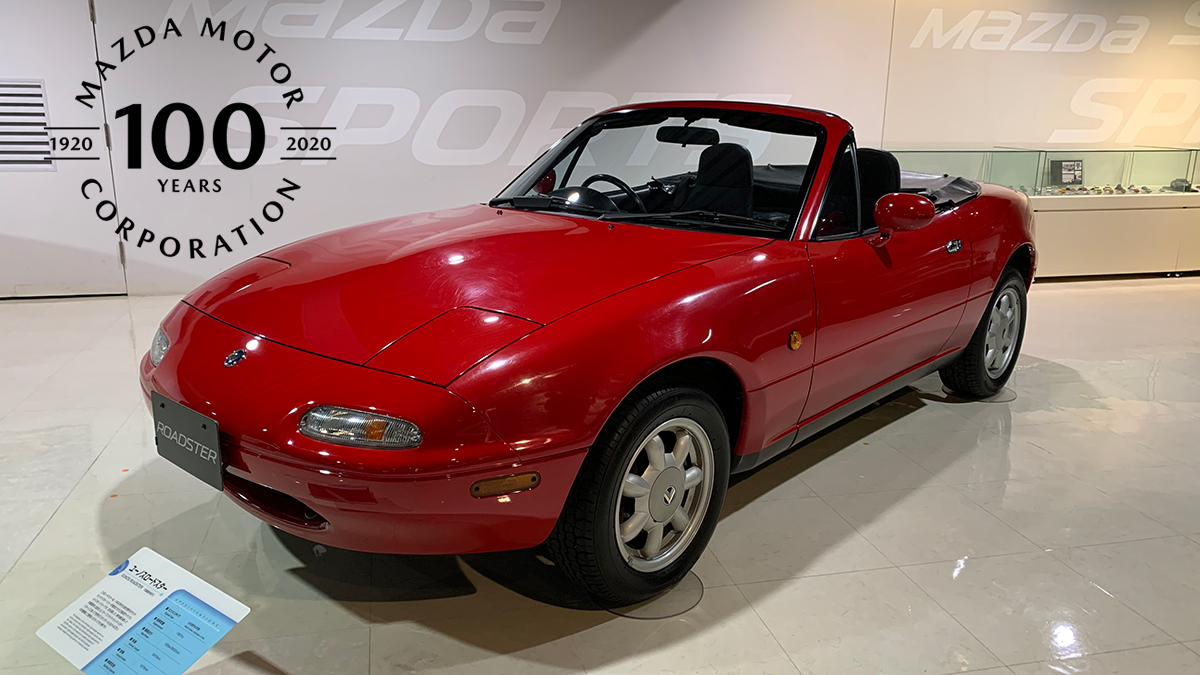

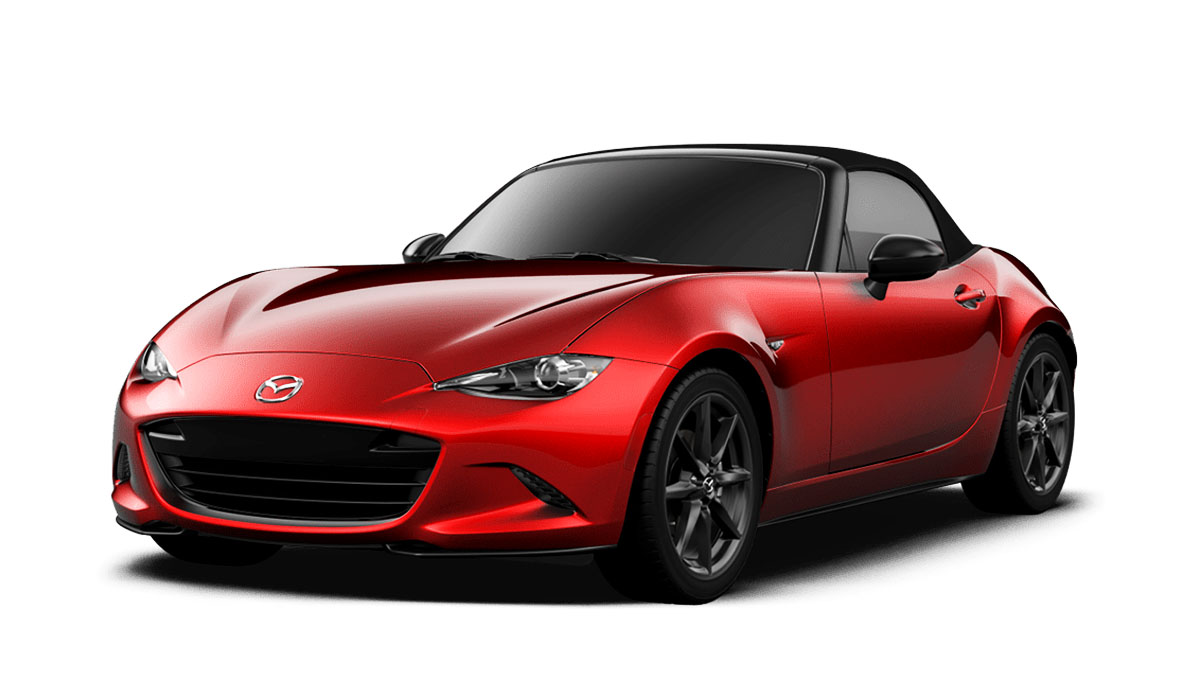
Is your birthday on September 1? Were you born in 1989? If so, then you have the same birthday as an automotive icon. The car in question is none other than the first-generation Mazda MX-5, the car that (almost) single handedly revived the idea of lightweight and affordable roadsters.
Granted, the car was first shown in February 1989 during that year’s Chicago Auto Show, but sales and deliveries would commence a few months after that. Despite being a niche model, the car became a massive hit with customers lining up in droves. Also known as the NA Miata, it was produced from 1989 until 1997 with 431,506 units made.
OTHER STORIES YOU MIGHT HAVE MISSED:
Ex-cop in QC road rage incident fails to show up at LTO hearing
No need to be at the airport super early—implementation of new IACAT rules have been put on hold
Mazda MX-5: The basic ingredients
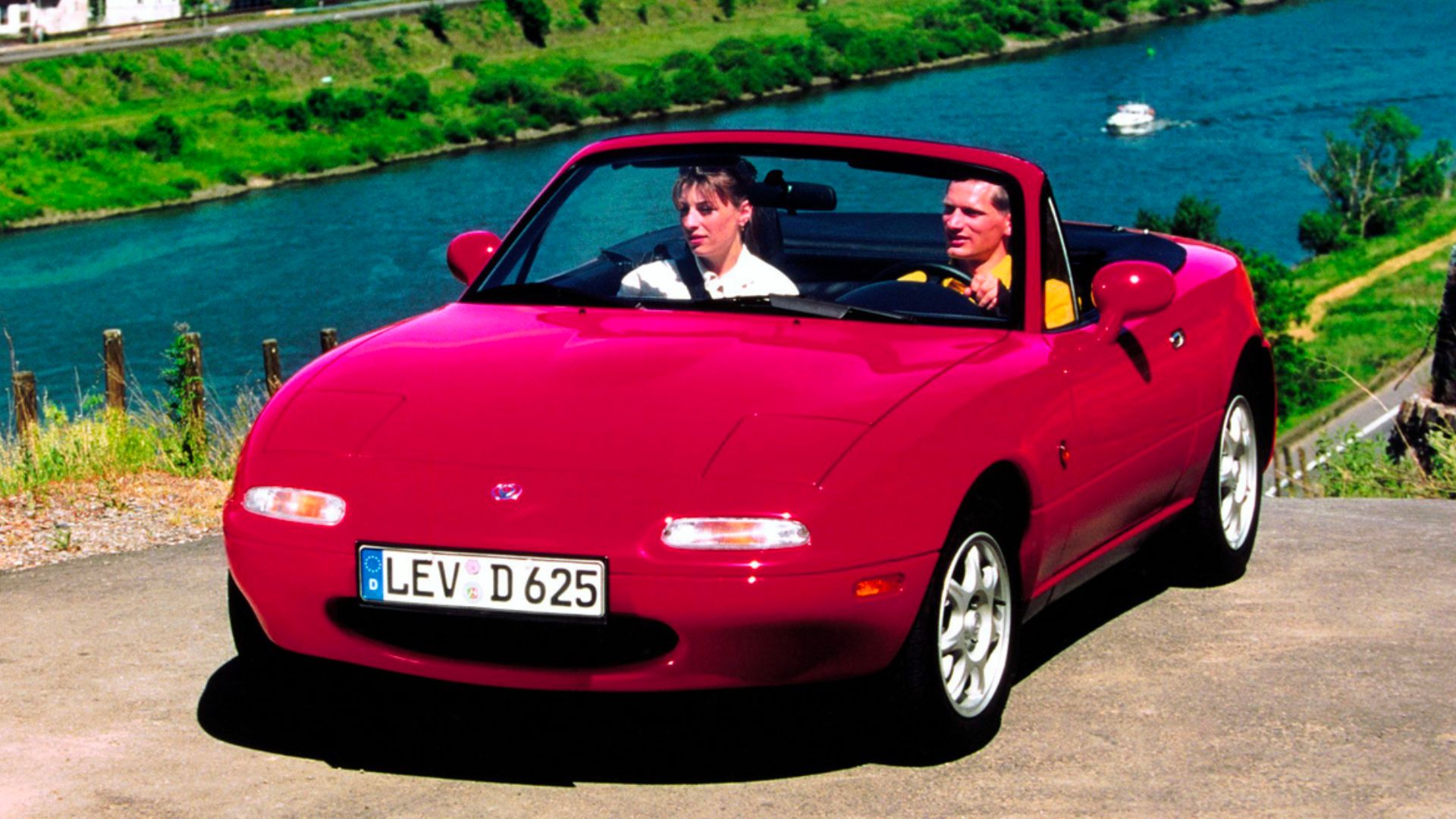
On paper, the Mazda MX-5 followed the traditional British roadster recipe. It was a light, tipping the scales at just under 1,000 kilograms, a soft top, and a revvy little engine. The ingredients sounded simple, but the end result was amazing thanks to several little details. For starters, it had double wishbone suspension, disc brakes on all corners, 50-50 weight distribution, and a rigid chassis.
Under the hood
As for the engine, it didn’t seem impressive on paper. The MX-5 initially only had a 1.6-liter engine, and it made just 114hp and 136Nm of torque. Its numbers wouldn’t look out of place in a sensible economy car, but the kicker here was how the engine behaved. It revved up to 7,000rpm and its responses were helped by its flyweight body.
A 1.8-liter engine was introduced later on in its life. It was introduced in 1994 and the displacement increase bumped its power to 128hp and 149Nm of torque. The last two model years of the car, 1996 and 1997, saw it peak at 133hp and 155Nm. An automatic version was available, but the manual was the one to get.
Raving reviews
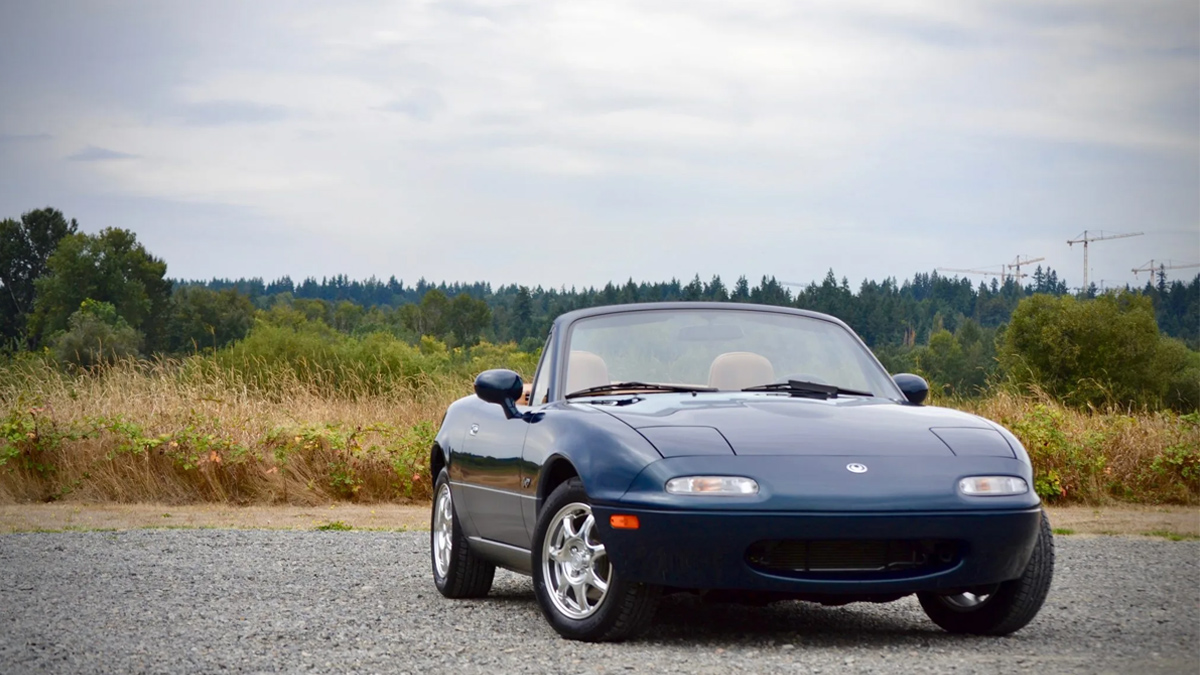
Contemporary reviews adored the first-generation MX-5, winning accolades around the world. Some of the phrases that journalists used at the time included “pure driving joy”, “a serious for-real sports car”, and “fun to drive”. Sure, it wasn’t the fastest of sports cars; heck there were faster family sedans at the time. But the joy of the first MX-5 wasn’t on the drag strip, it was around the bends.
Of course, any mention of the first-generation MX-5 means a shout out to its chief chassis specialist, Takao Kijima. If you keep hearing the phrase Jinba Ittai in Mazda literature, it’s because that was Kijima’s mantra during the car’s development. Jinba Ittai (roughly) translates to “horse and rider as one body”. In this case, it’s car and driver moving as one. The team behind the MX-5 wanted a car with bags of feel and feedback, not just from the steering wheel but from the whole chassis. Heck, Mazda still adheres to that ethos with the current MX-5.
The first-gen MX-5 in the Philippines
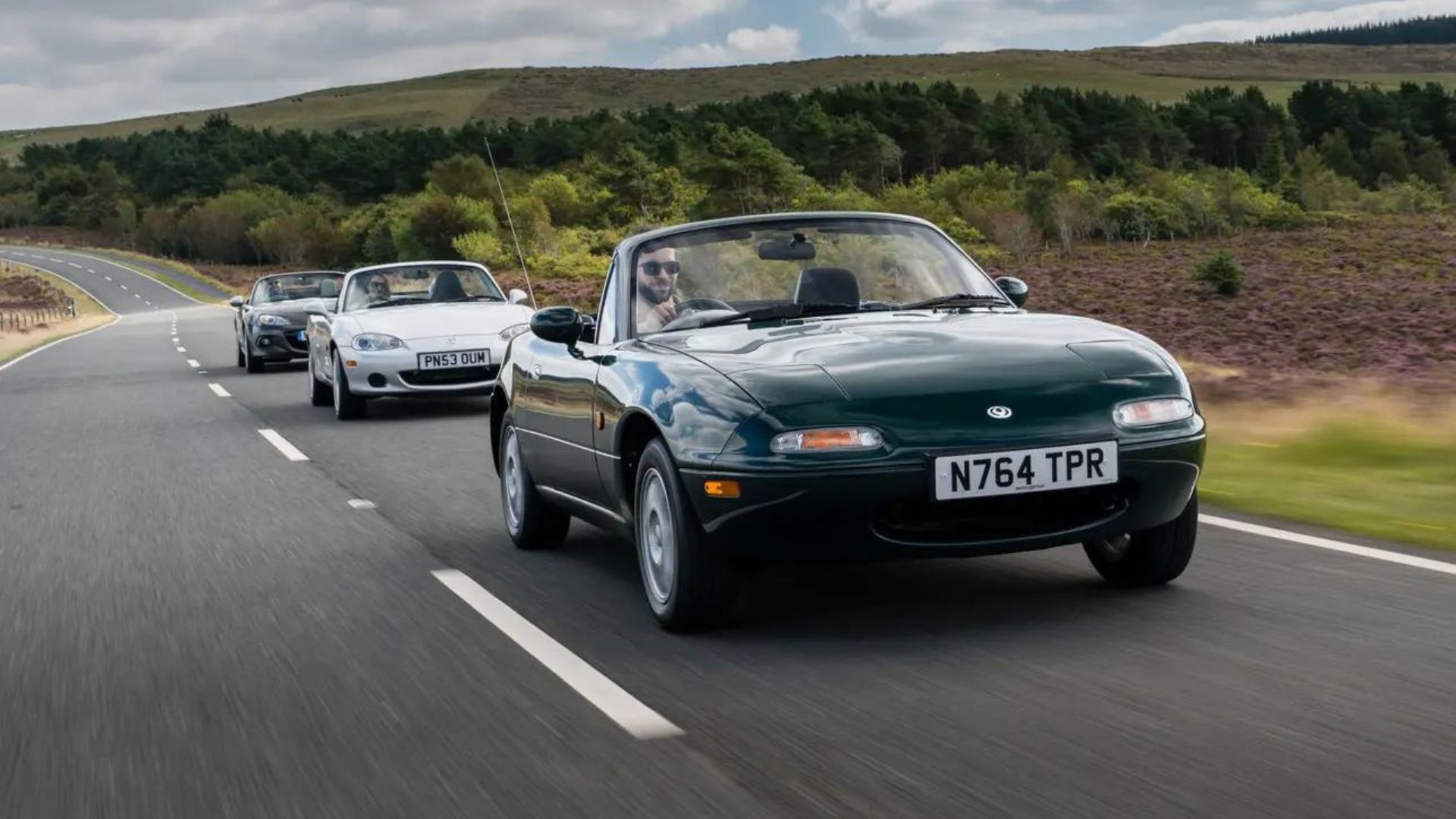
Younger readers might not believe this, but the first-generation MX-5 was actually offered in the country. The local-spec Miata was released in 1996 and stuck with a 1.6-liter engine, and it made 90hp and 128Nm of torque. Again, not a recipe for thrills, but the brilliance was in the chassis. Perhaps unsurprisingly, it was sold in limited numbers, something you couldn’t say about the MX-5 of today.
Some of you might have also heard of the car being part of a buy one, get one free scheme from the previous Mazda distributor in the country. Rumor has it that, if you bought an MX-5, you got a free Mazda MPV to go along with it. We’re genuinely curious if anyone took that deal.
Legacy
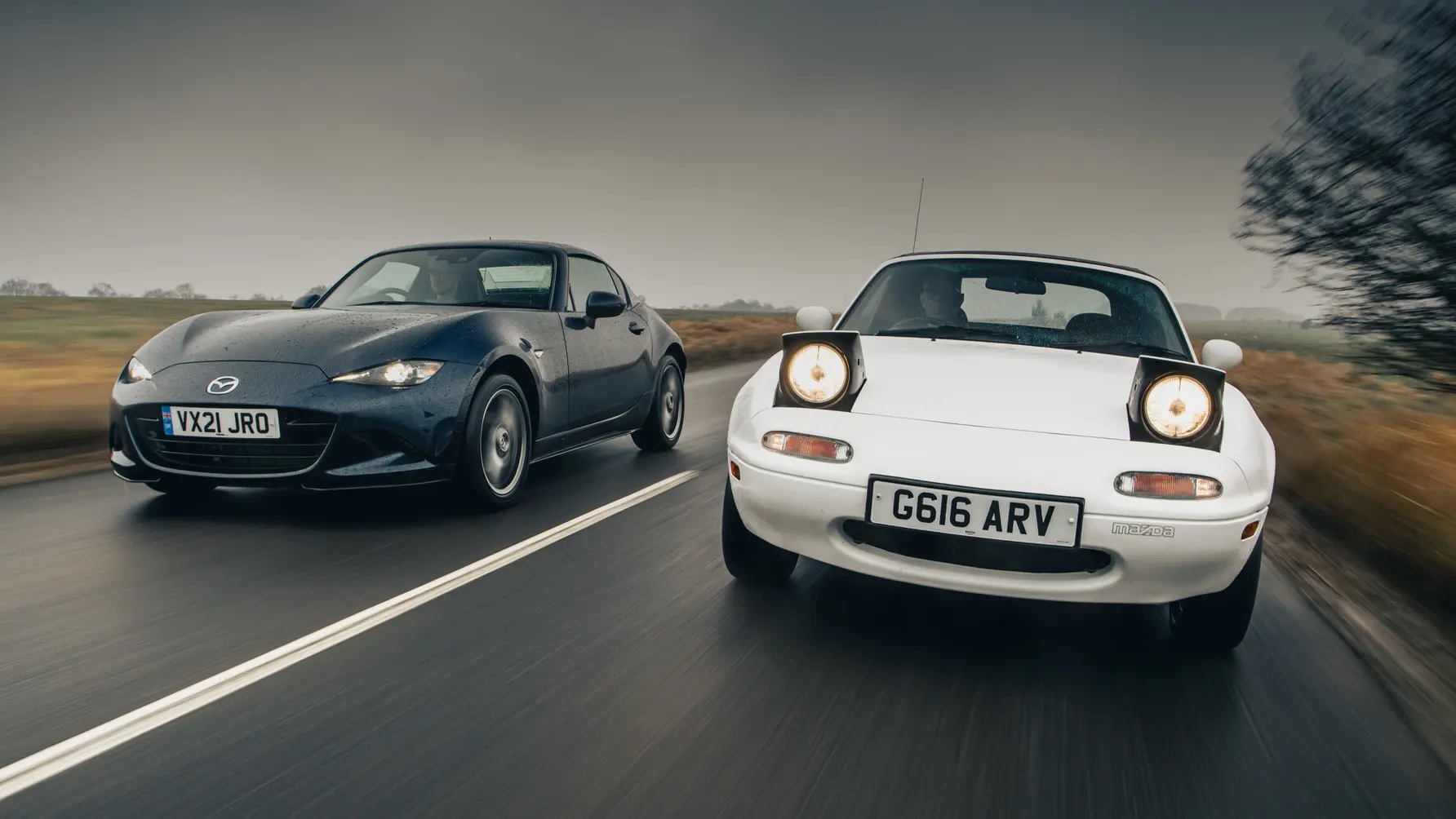
At the time of its launch in 1989, there were practically no light, rear-wheel drive roadsters for sale. Yes, there was the Alfa Romeo Spider, but it was pricey and well over 20 years old by then. The MX-5 reignited interest in small roadsters by being accessible to most people, having the reliability one expects from a Japanese car, and most importantly, fun to drive.
But the impact of the MX-5 goes beyond that. Because of what the first-generation model achieved, it spawned competitors from other parts of the world. The Germans tried to replicate its success with the BMW Z3 and Mercedes-Benz SLK. Toyota chopped the roof off the MR-2 in its third (and final) iteration, while Honda gave it a shot with the Civic Del Sol. While none of those cars ever matched the MX-5's sales figures, it brought out the fun side of Mazda’s competitors.
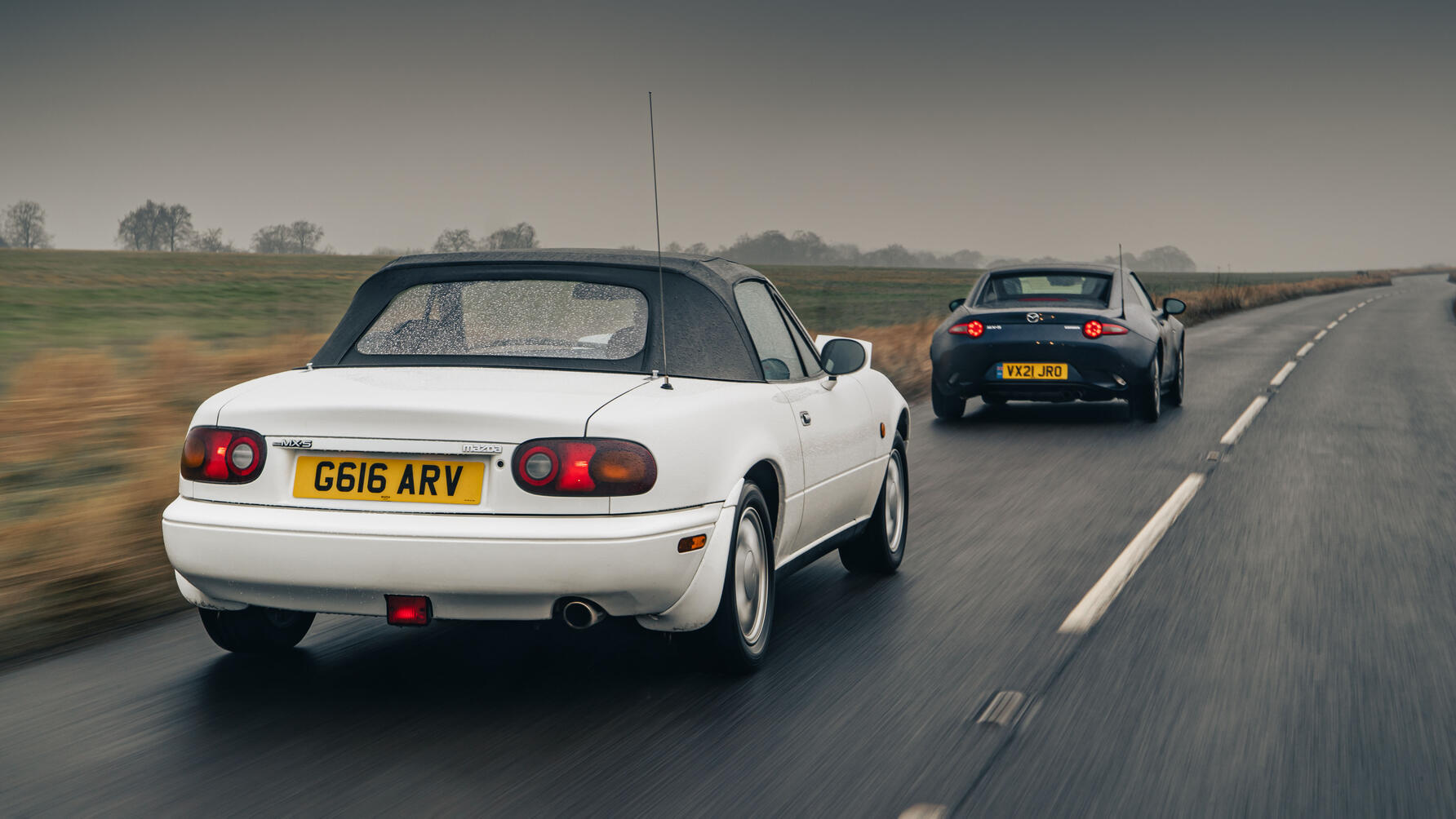
Over 30 years and four generations later, the MX-5 is still one of Mazda’s strong-selling products. Despite the wave of crossovers and SUVs, it’s great to see the brand still sticking to its guns when it comes to the roadster. It’s all the more reason we give props to the brand for staying true to the Jinba Ittai mindset with the current model. Despite more stringent safety and emission standards that can easily weigh a car down, the MX-5 of today isn’t that much heavier than the original article.
Mazda could’ve easily turned it into a mini grand tourer or straight up abandon the lightweight philosophy to make production easier and cut costs, but that never crossed their minds. Because of that, we’re thankful Mazda didn’t take the easy way for its sports car.