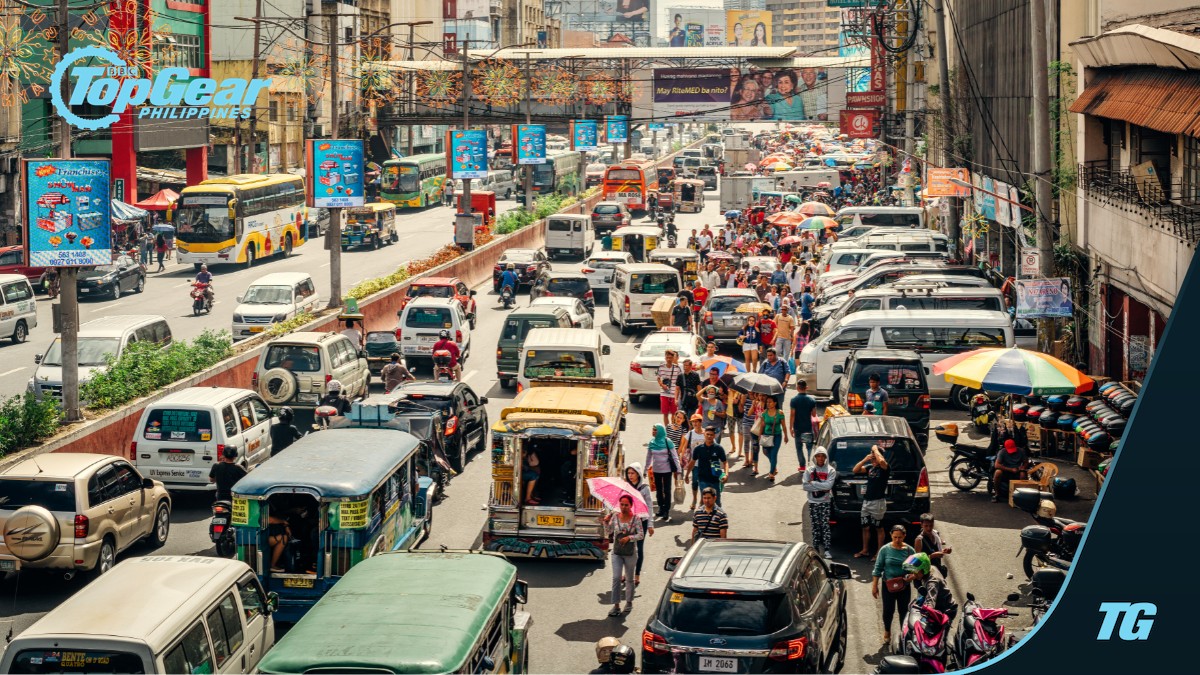
Do we have a traffic problem? Obviously. Look a little deeper, though, you might notice that our obsession with vehicle ownership (or, more likely, or lack of reliable public transportation) might also be a major factor in our country’s congestion woes.
We already know that, save for trying times during the worst of the COVID-19 pandemic, Philippine vehicle sales have steadily been on the rise over the past decade or so. All those brand-new rides have to go somewhere, right?
OTHER STORIES YOU MIGHT HAVE MISSED:
Gas-powered Toyota Land Cruiser Prado confirmed for PH—will a diesel be offered later?
LTFRB recommends the end of the motorcycle-taxi pilot study
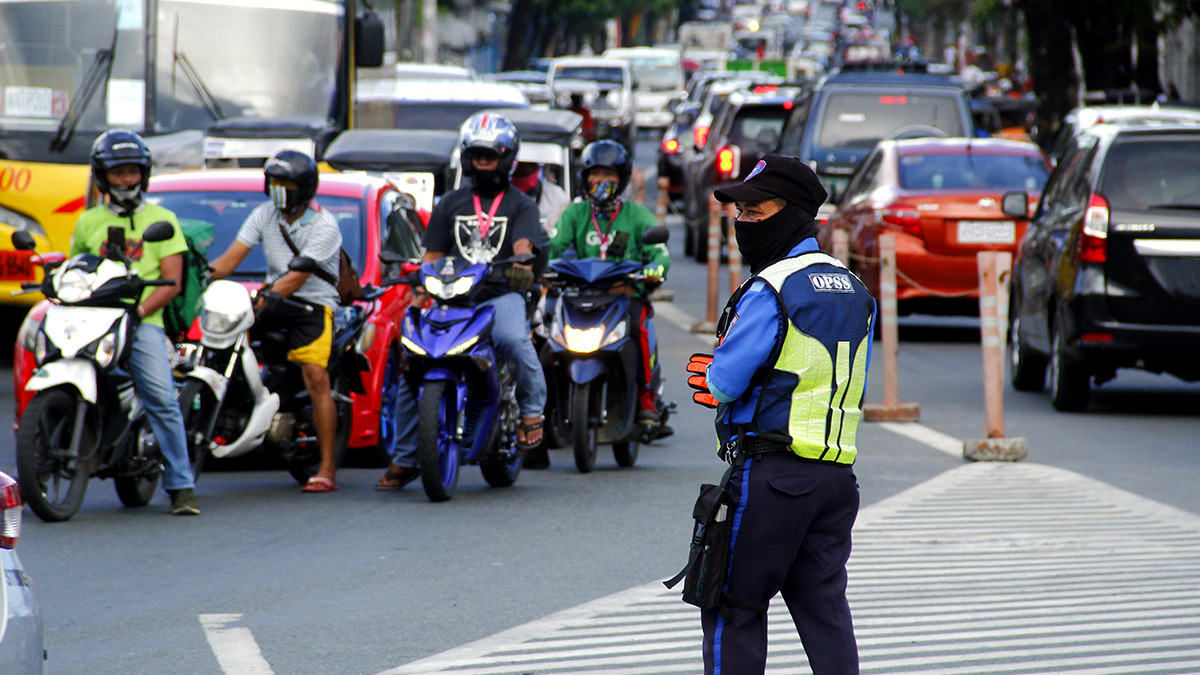
According to the Metropolitan Manila Development Authority’s (MMDA) 2023 Annual Average Daily Traffic report (AADT), major thoroughfares within the National Capital Region (NCR) averaged a whopping 3,634,233 vehicles in daily traffic. Motorcycles made up the majority of recorded vehicles with 1,674,646 recorded per day, followed by private cars with 1,566,322 recorded daily.
Commonwealth Avenue was Metro Manila’s busiest thoroughfare with 407,988 vehicles in daily traffic, followed by EDSA and Quezon Avenue with 407,342 and 312,486 vehicles daily, respectively. Keep those numbers in mind as we continue.
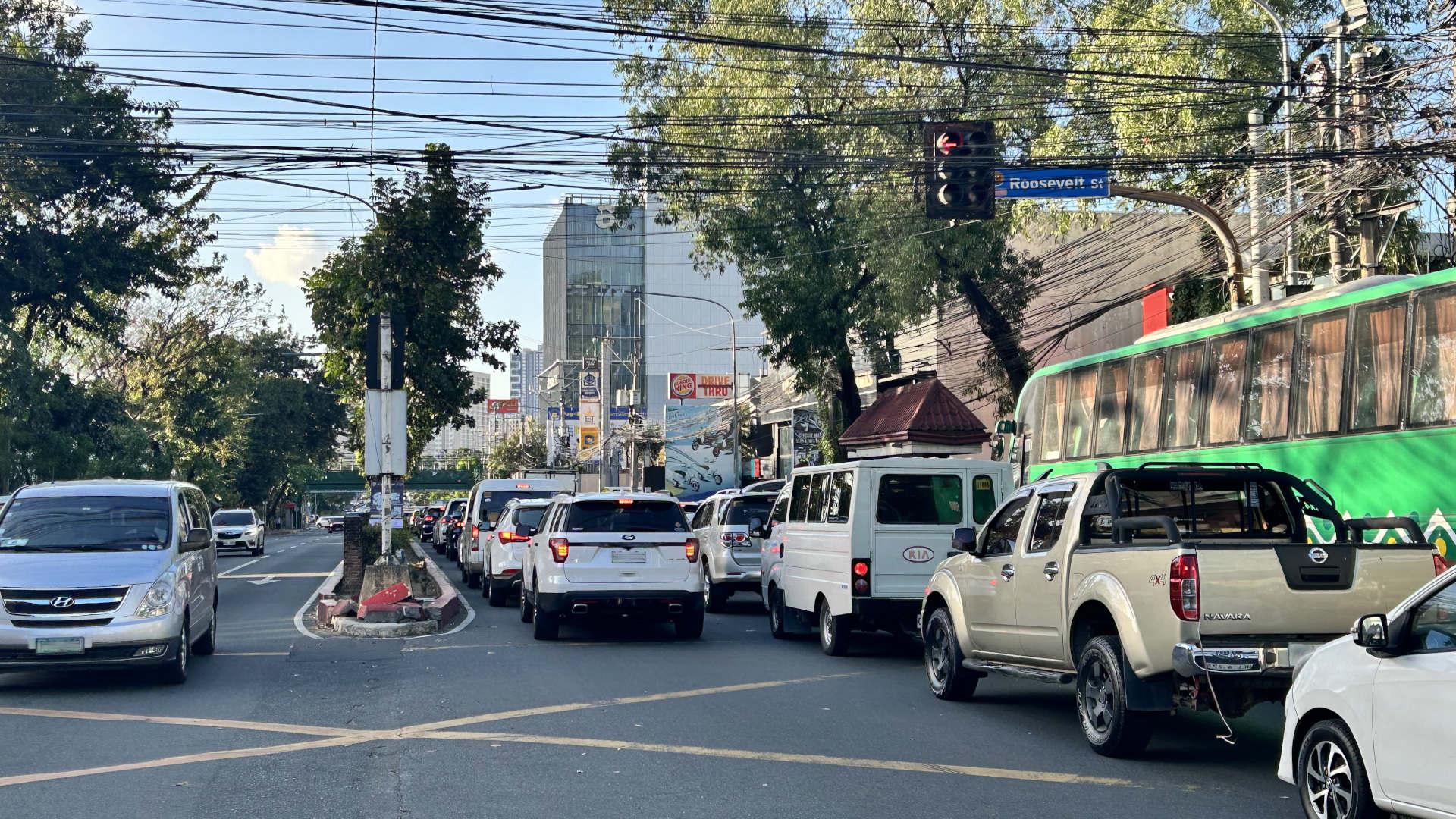
Out of curiosity, we checked the MMDA’s AADT numbers from 2013 to see how bad things have gotten since then. Back then, EDSA averaged 342,612 cars per day, Commonwealth Avenue averaged 237,577 cars, and Quezon Avenue averaged just 183,609 cars daily.
We did the math afterward: Since 2013, that’s a 19% increase for EDSA, 72% increase for Commonwealth Avenue, and 70% increase for Quezon Avenue.
Only 433,340 motorcycles were recorded passing through NCR thoroughfares daily in 2013, while for cars, it was at 1,739,180 per day. That’s a massive 286% increase and a 10% decrease in volume, respectively, over the course of a decade.
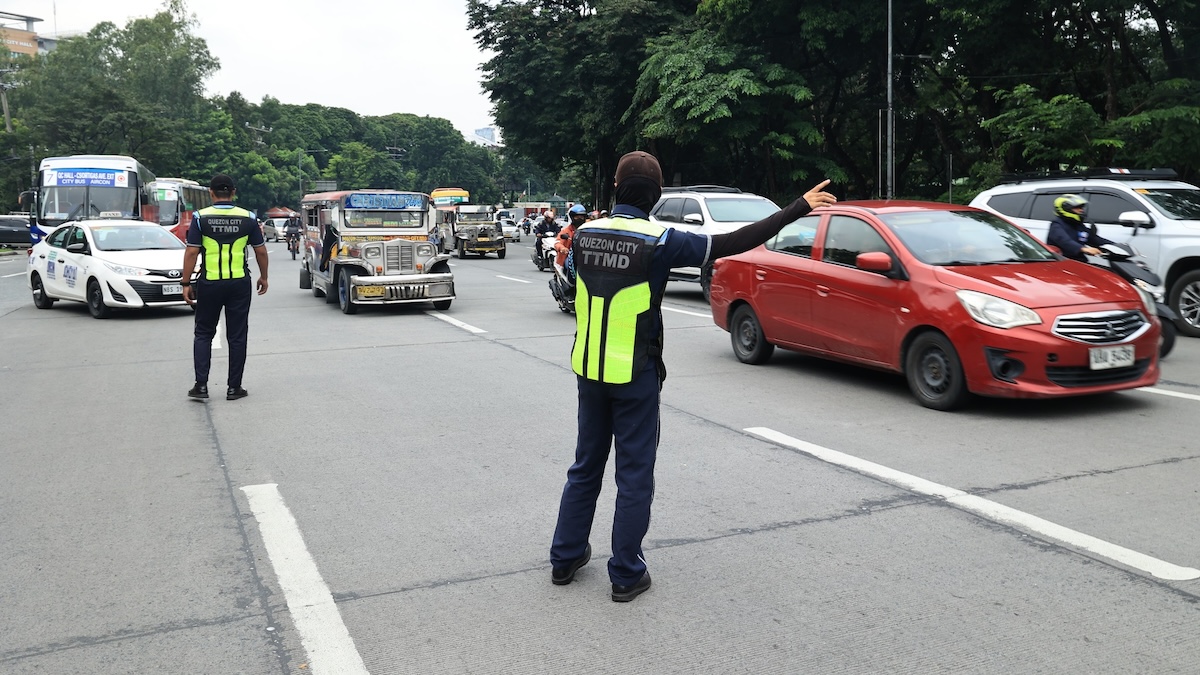
Other major thoroughfares included in the MMDA’s AADT report include Katipunan Avenue, Shaw Boulevard, Ortigas Avenue, Taft Avenue, Aurora Boulevard, and Quirino Avenue. You can access the 2023 AADT report here.
Coincidence? It could be. After all, looking at before and after figures isn’t exactly a detailed study. We’re willing to bet, however, that the significant rise in Metro Manila’s average daily vehicle traffic is directly proportional to increasing sales. What’s your take on these numbers? We’d love to hear your thoughts in the comments.