



1) Electrobat
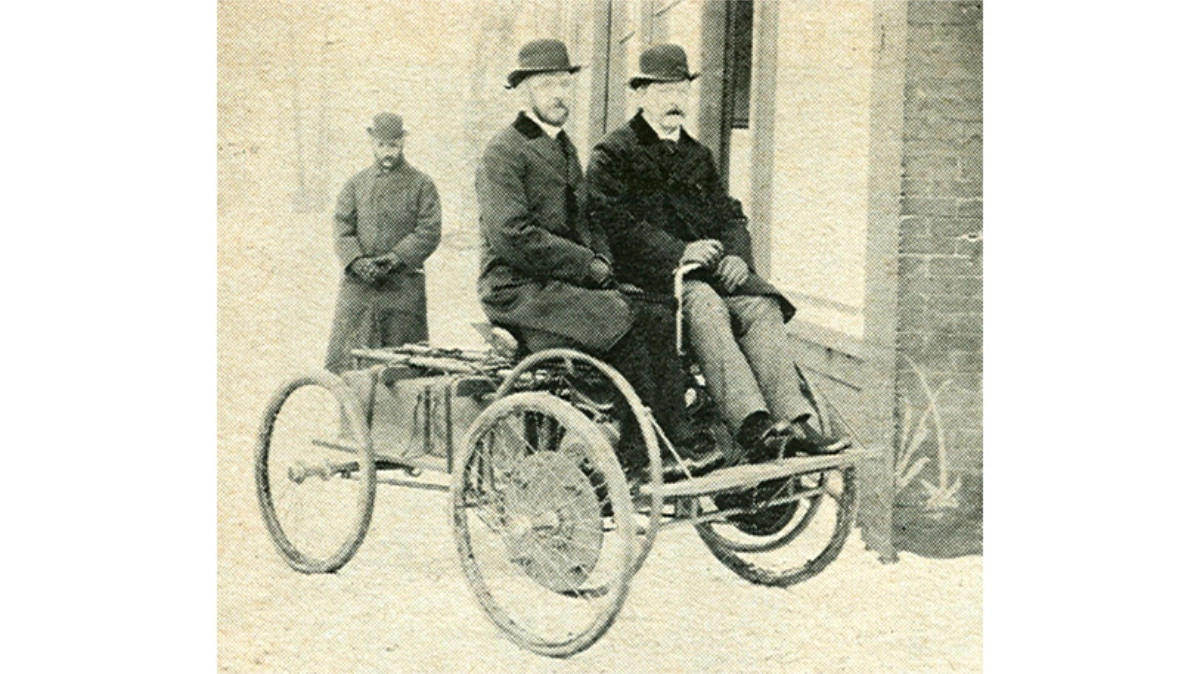
A modern city with an entirely electric fleet of taxis is a utopian vision of tomorrow, right? Actually, it was very nearly New York in the 1890s. The 1.5hp Electrobat of 1894 had a 40.2km range, and was faster (and much less smelly) than horse-drawn cabs. Sadly, the company ran low on funds just as Henry Ford’s mass-production monster came on stream.
2) Chrysler Airflow
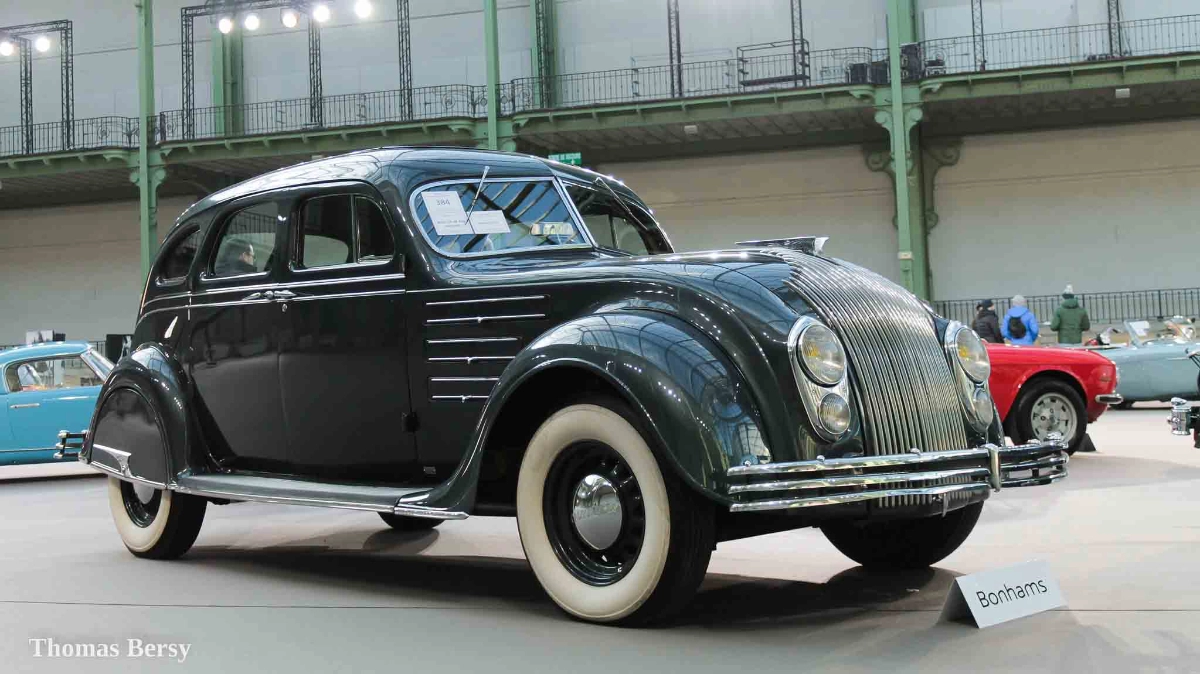
Pre-war cars tend to look the same: Upright, stately, and old-fashioned. The Airflow proved Chrysler was studying aerodynamics back in the 1930s, along with packaging. The engine was pushed forward to sit between the front wheels, improving cabin room. Interest was high, but the American public hesitated when it went on sale.
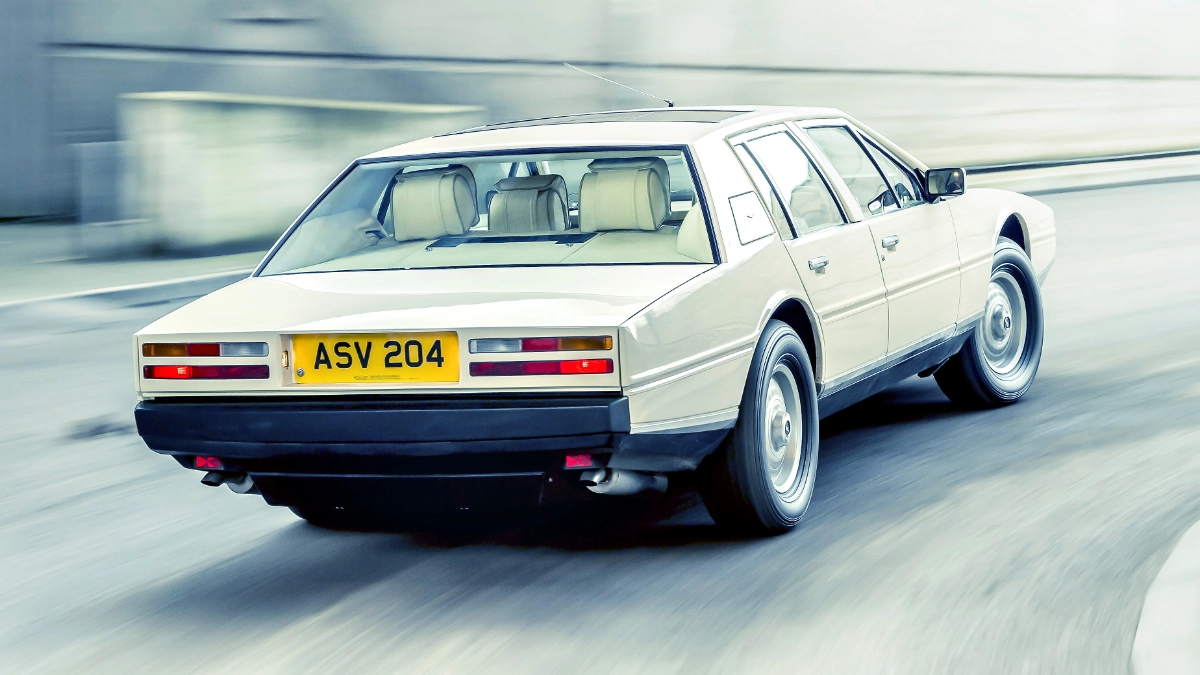
3) Aston Martin Lagonda
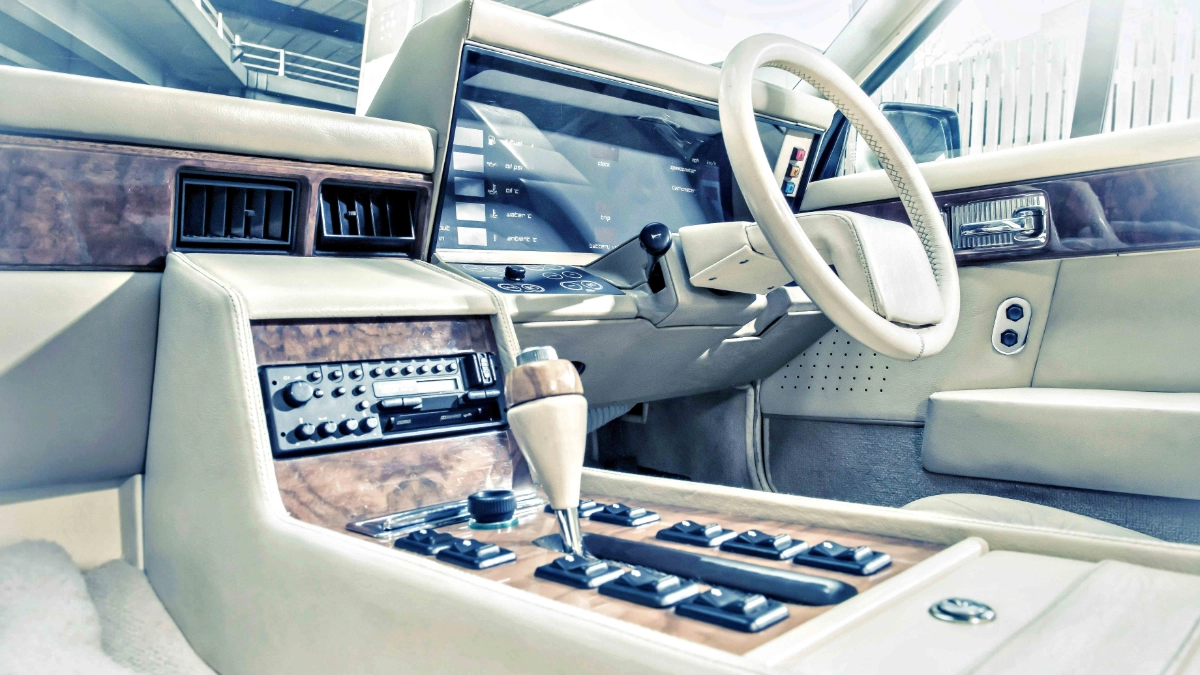
A luxury sedan car complete with (for a while) a digital dashboard and touch-sensitive buttons? Surely you’d have to wait until the 2010s to be annoyed by such inane tech? Not so. Aston Martin was dabbling with covering you in electronic purgatory way back in 1976. The digi-dash only lasted until 1980 (having been delayed from actually reaching sale until, um, 1979).
OTHER STORIES YOU MIGHT HAVE MISSED:
Viral motorist counterflowing on Skyway gets driver’s license revoked for life
KAMM’s Porsche 912T packs a four-cylinder and weighs just 860kg
4) Tucker 48
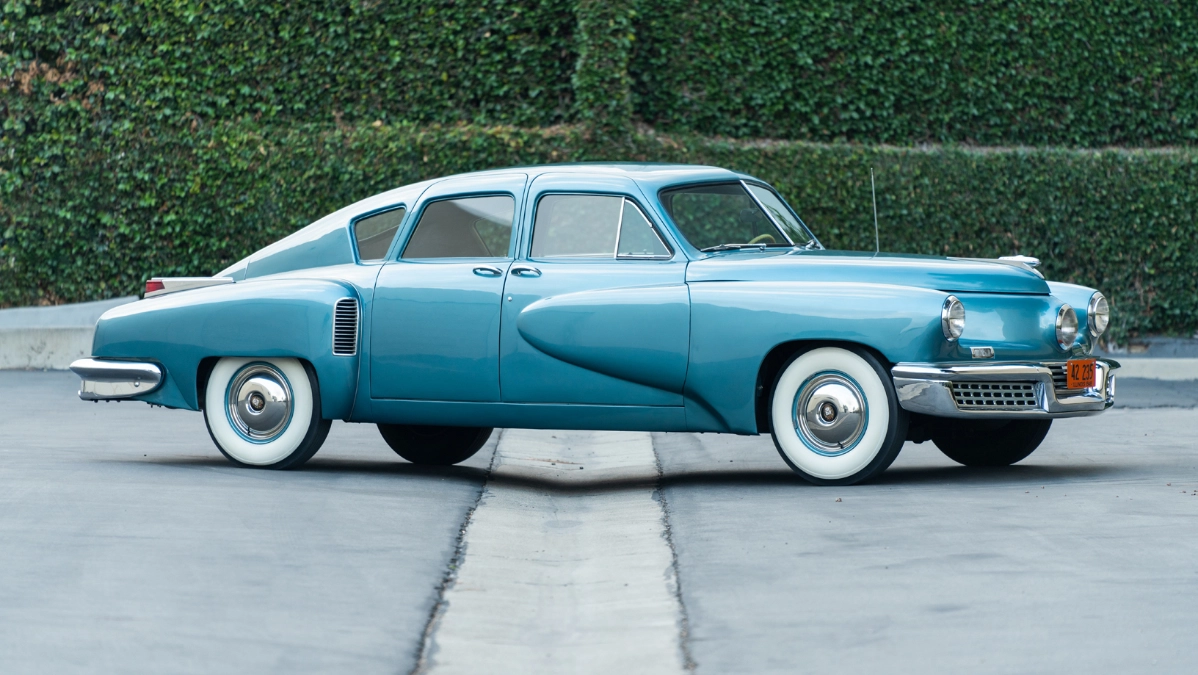
Drowned in scandal, vindicated in court, dogged by conspiracy theories of a Ford/GM/Chrysler takedown, the Tucker story is proper movie material. That’s why Jeff Bridges starred in one back in 1988. The car was a safety-obsessed streamliner with shatterproof glass, huge cabin space, and a rear-mounted helicopter engine. 50 were made, and 47 survive today. A slice of what-might-have-been American history, yours for seven figures…
5) GM EV1
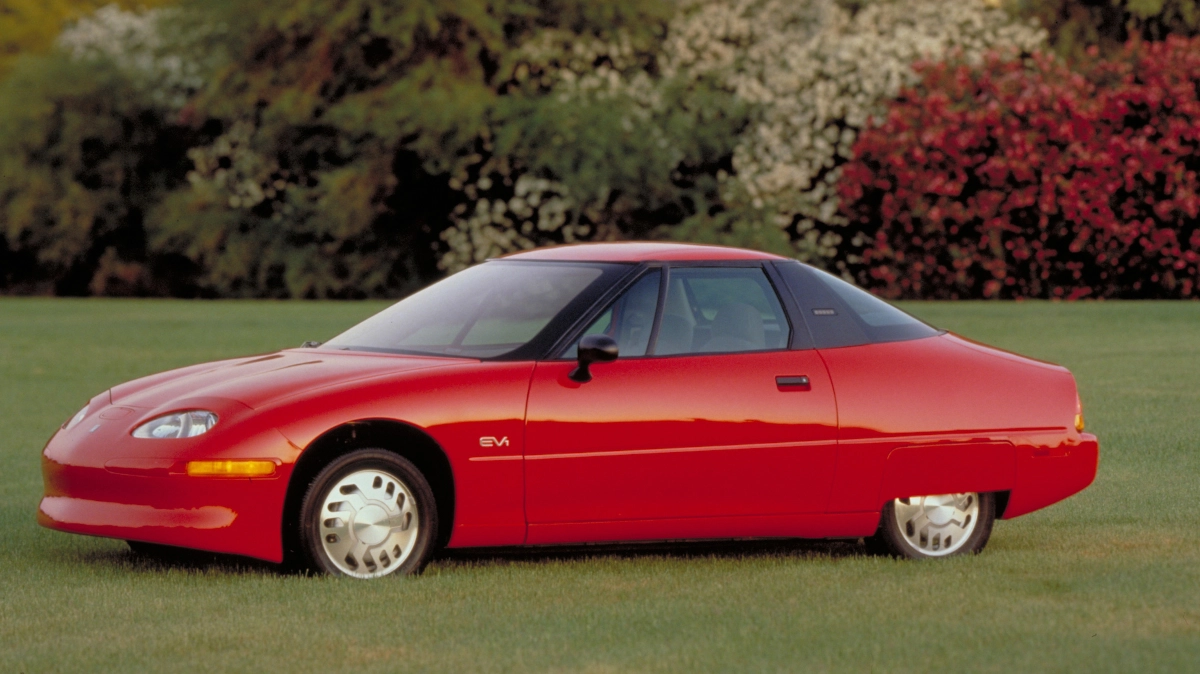
From 1996-1999, General Motors had the lead in the electric car world, long before Elon bought into Tesla (founded by others in 2003). Originally only leased in LA, GM’s trailblazer had a positive reaction, but company accountants got cold feet about supplying spares and warranty claims, and bought back the cars to crush all but a few survivors. Ex-GM R&D boss Larry Burns has gone on record to say: “If we could turn back the hands of time we could’ve had the Chevy Volt 10 years earlier.”
6) Honda Insight
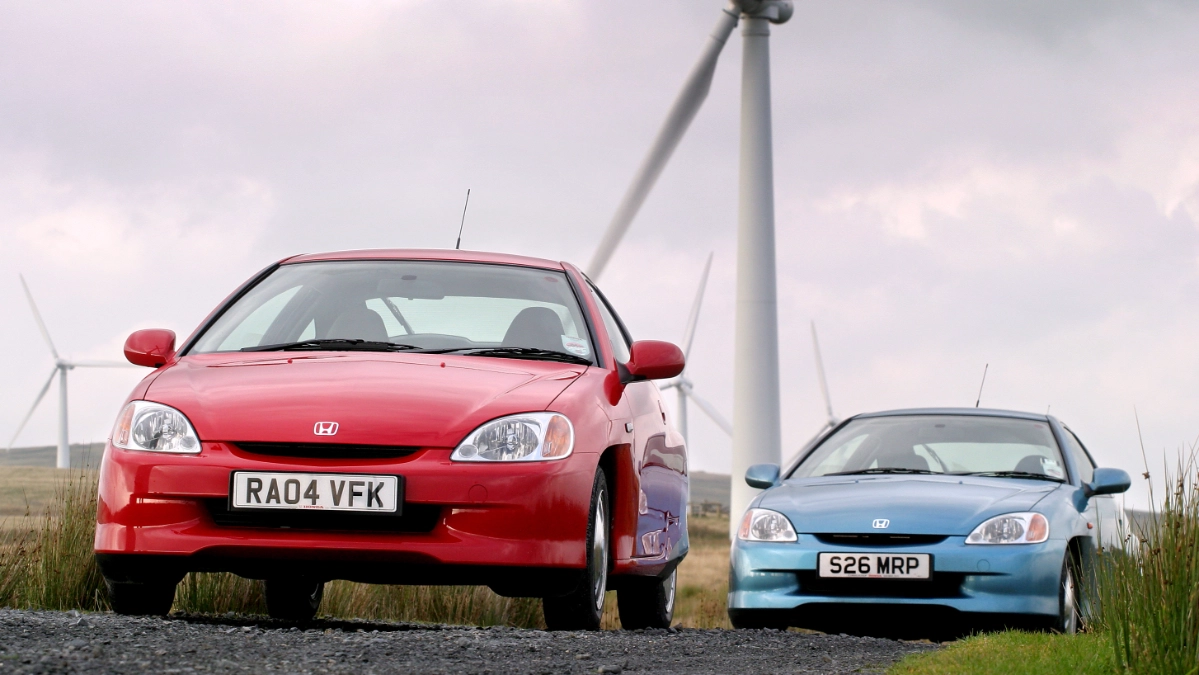
While the slippery Insight didn’t beat the Toyota Prius to market in Japan, it was the first hybrid to go on sale in the US. Claimed economy was a record-breaking 27.2km/L, but the expensive to make and tiny Insight departed the scene before hybrids became a huge business Stateside. America remains the second-largest hybrid market globally after Japan, and the Prius enjoys an extremely healthy market share...
7) Rover Streetwise
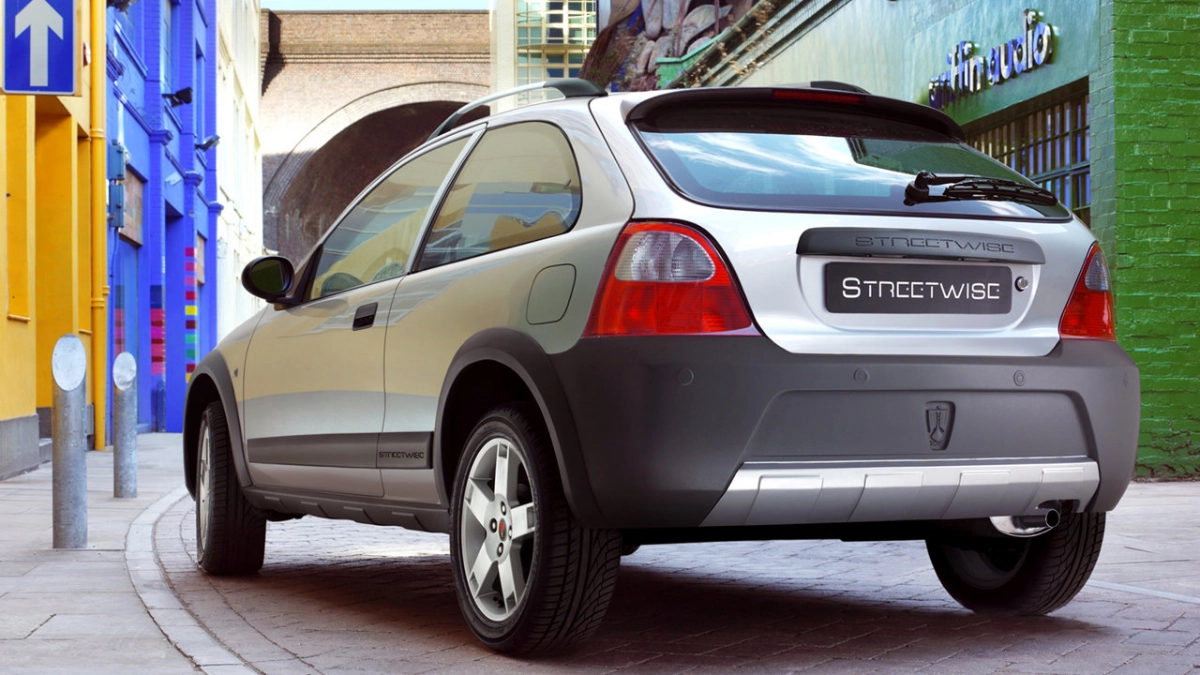
A normal family hatchback with slightly jacked-up suspension and plastic wheel arches: Rover did it way back in 2003, half a decade before the crossover boom began to take off. And Rover wasn’t alone in being early to tall hatchbacks…
8) Dodge Caliber
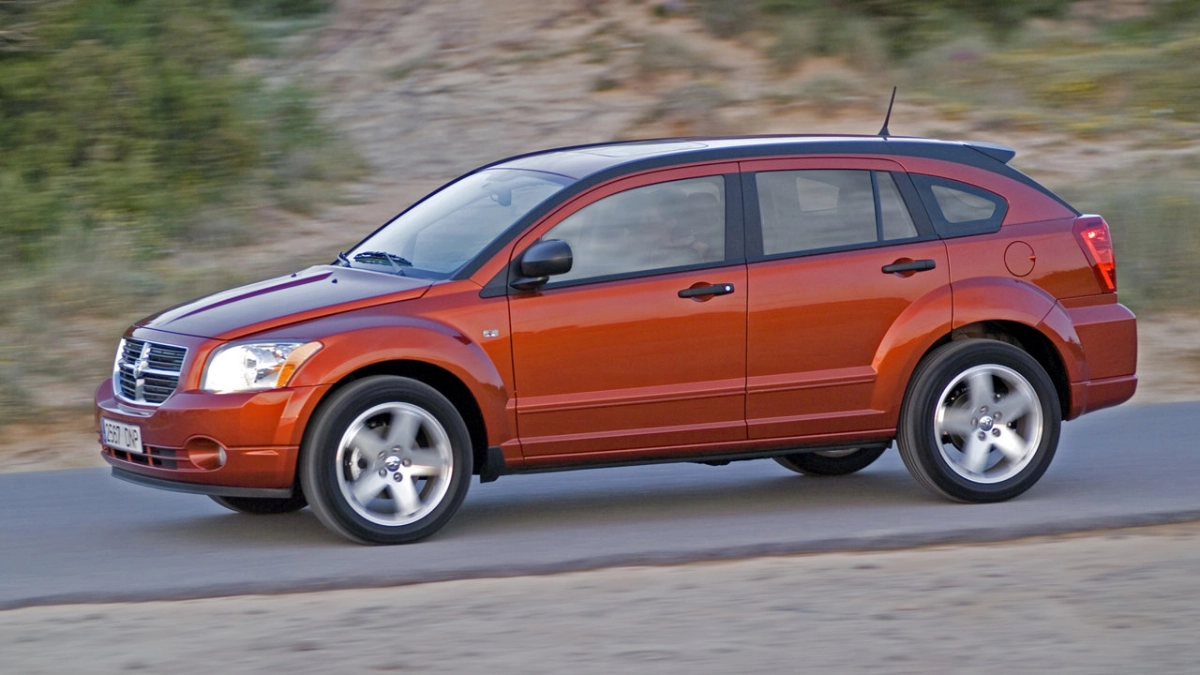
… Because several months before the Nissan Qashqai changed the face of family cars in the UK, Dodge, of all brands, gave us the Caliber: A sort of seven-eighths scale Range Rover Sport. If it hadn’t had weak, thirsty engines and a scaled-up Matchbox model interior, it might’ve been the car that gave America an advantage in the European hatchback battleground.
9) BMW i3
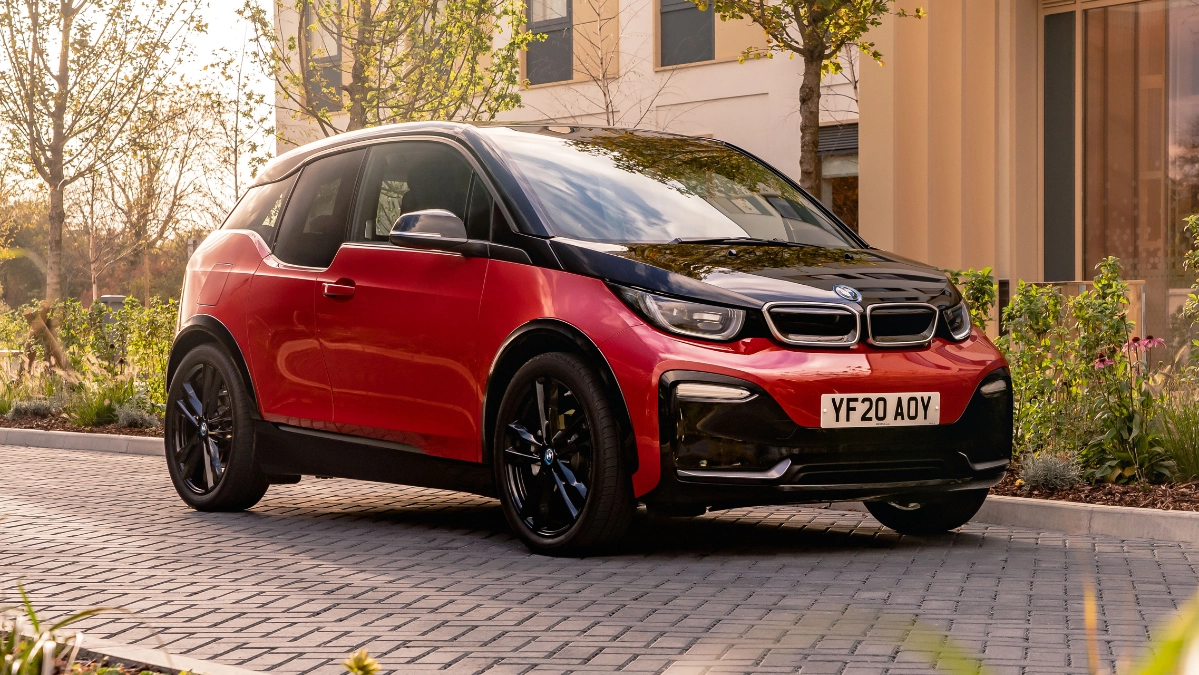
Even before it went off sale, BMW admitted it got the i3 wrong, or rather, it went too radical for most of the public. The looks were too weird, the pursuit of efficiency too fashion-phobic. What a crying shame—a recycled carbon-cored city car with twice the range of a Honda e or Fiat 500e should’ve been the city car of today, not tomorrow.
NOTE: This story first appeared on TopGear.com. Minor edits have been made.