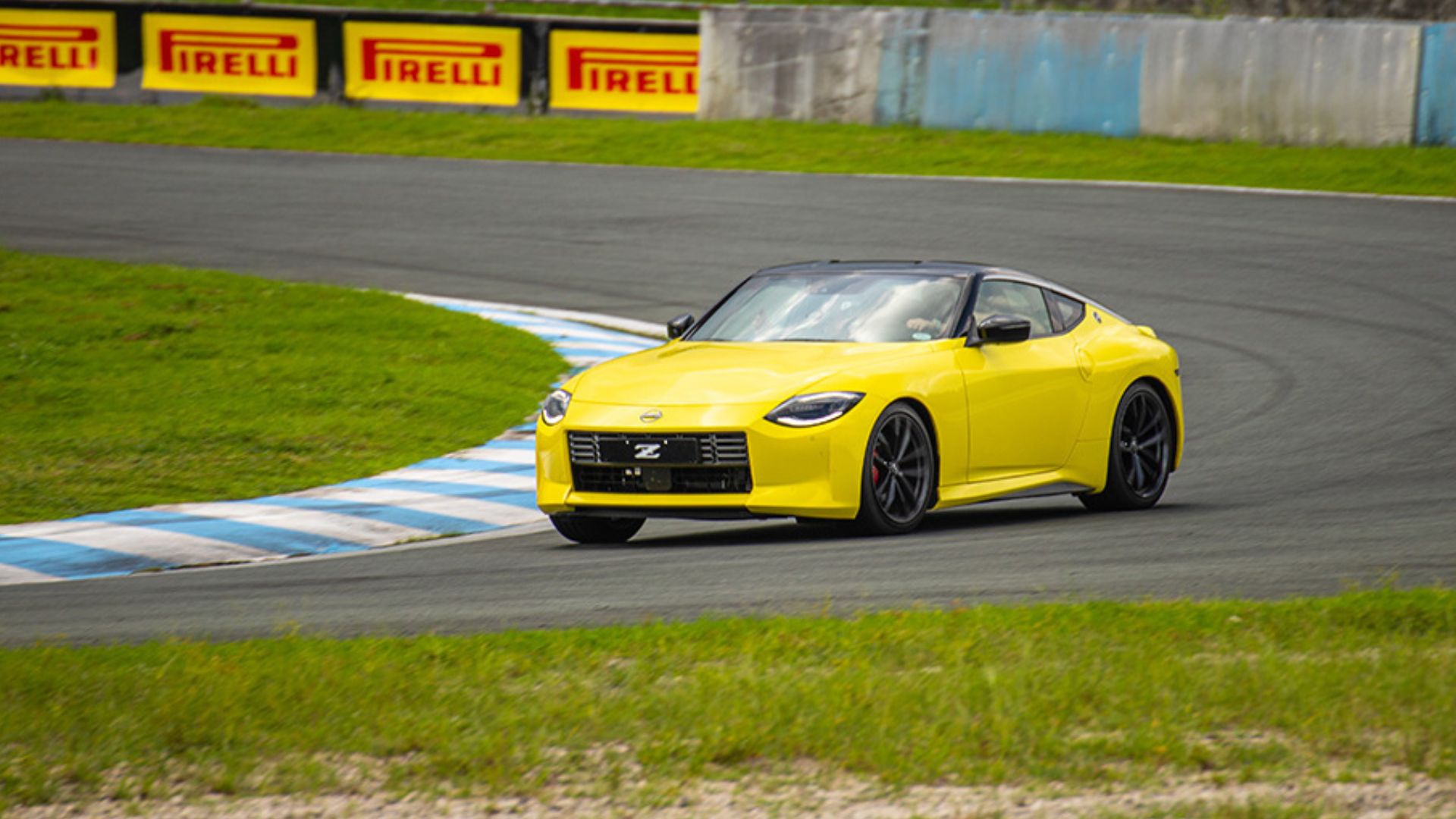

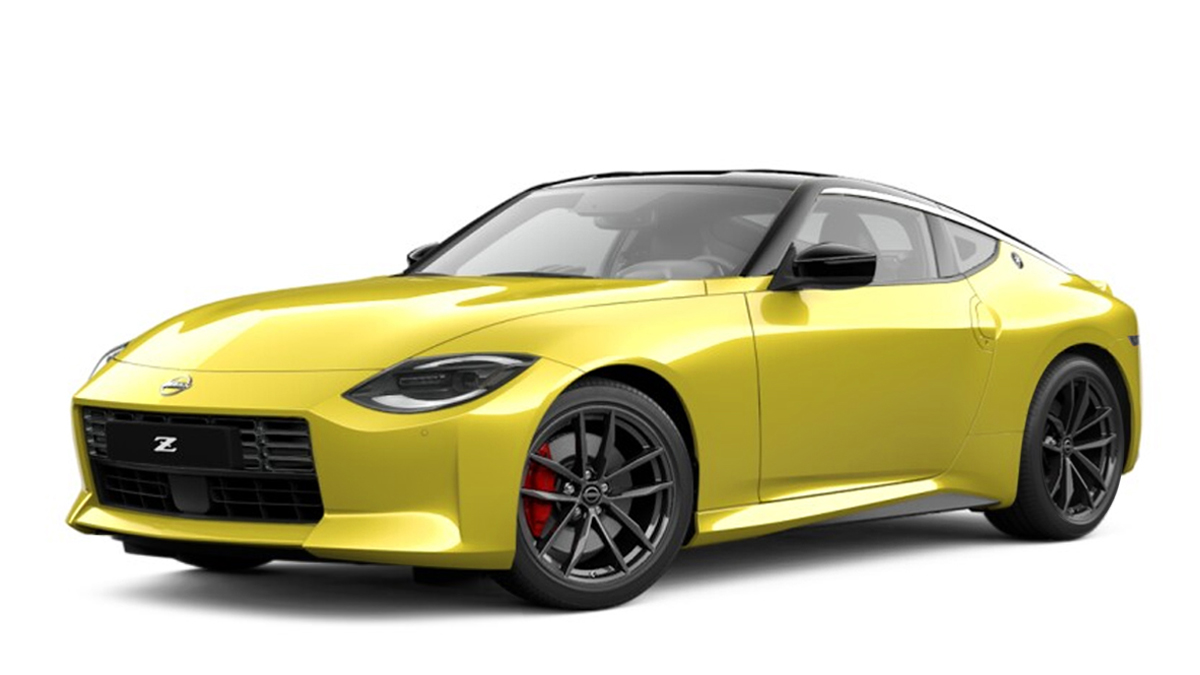
I will admit that the Nissan Z car is something I never really lusted after. For me, it’s a car that’s always been overshadowed by Skyline GT-R, and later on, the GT-R. I do have a lot of respect for it, and I know that it’s fast and capable on the track. But there’s just something in me that never made me look forward to driving one, regardless of generation.
But fate, as it seems, had other ideas. Even though I never saw myself getting behind the wheel of a Z, it’s as if Nissan gods really wanted me to try out the all-new Z car. That’s because Nissan Philippines invited us to take its latest sports coupe out for a spin in the only place where we can truly stretch its legs, Clark International Speedway.
TL;DR, this car is something else, and I’m now a believer of the Z. Let me explain.
OTHER STORIES YOU MIGHT HAVE MISSED:
Driver’s licenses that expired in April 2023 must be renewed on or before November 6
Atoy Llave has turned the Toyota Lite Ace into a legit minivan
Nissan Z: A quick background
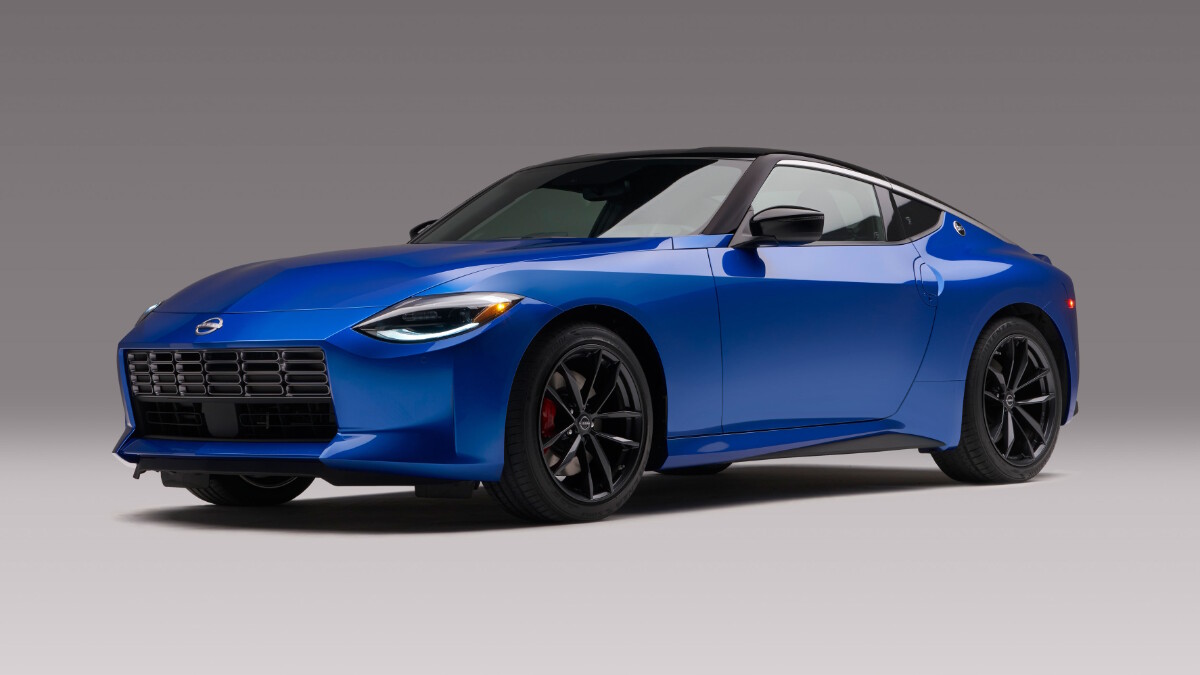
I know I said all-new but the Z car of today it’s entirely, well, all-new. The chassis is still based on the outgoing 370Z, but the folks at Nissan say they changed about 80 percent of it. I’ll let the Z’s chief product engineer, Hiroshi Tamura, explain:
"To be honest, [for] around 80 per cent of the body we changed the parts. [However], carryover of parts is very important for us, and carryover means reality of affordability so you will be able to enjoy some affordability."
We’ll get to the affordability bit later on, but the main highlight is the new engine. It no longer has a 3.7-liter V6 like the 370Z (hence the name). Instead, it has a smaller engine, but one that packs a bigger punch. The new Z comes with a 3.0-liter twin-turbo V6 with 400hp and meaty torque figure of 475Nm, easily making it the most powerful production Z car to date.
The best part is you can have it with a manual even here in the Philippines.
Retro cool
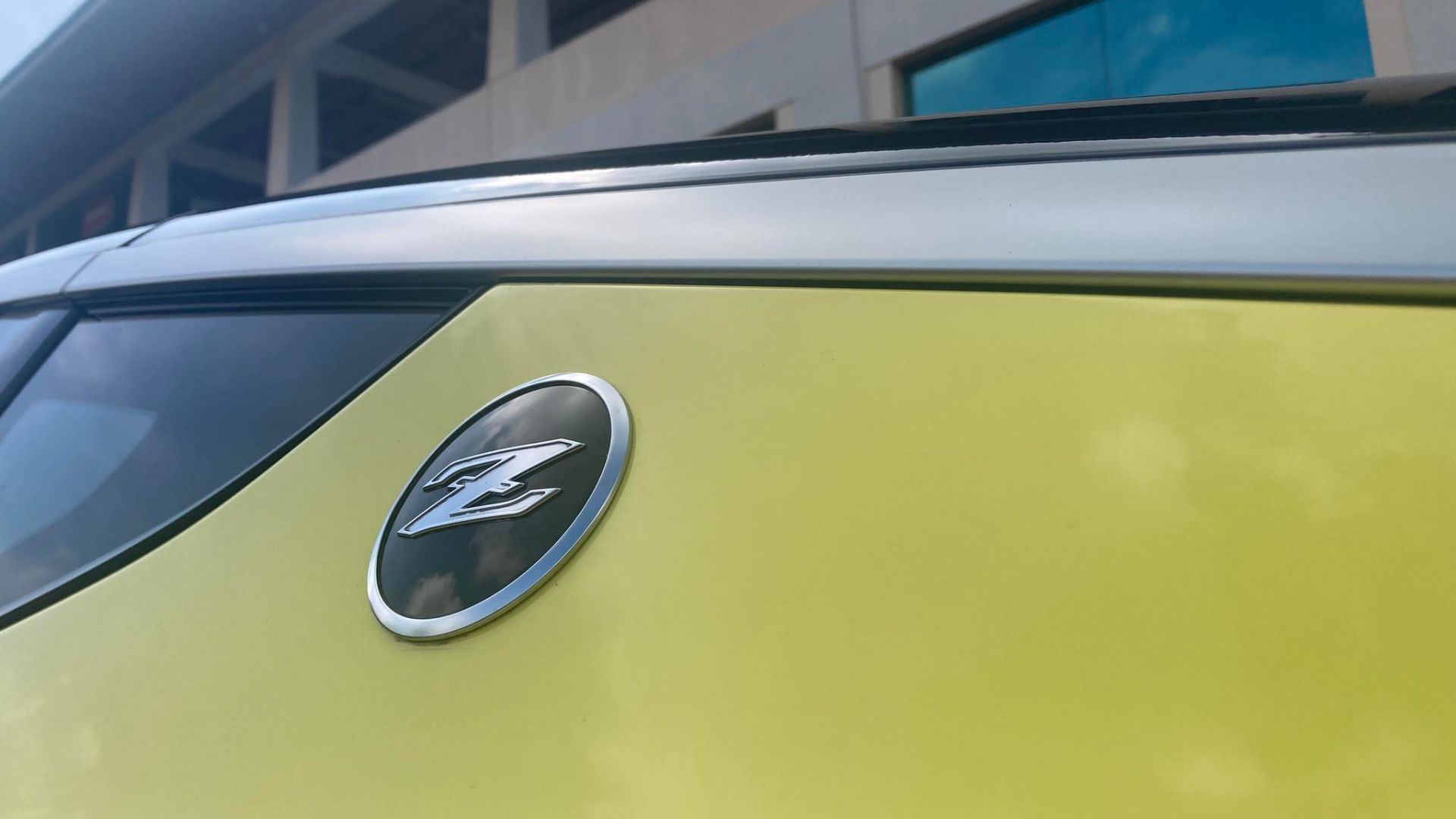
The past three generations of the Z have paid homage to the original Datsun 240Z from 1969. The new car is no different with its low-slung roof, the long hood, and that sloping rear end. However, the 2024 edition incorporates cues from the ‘80s and ‘90s.
Inside, you can call the design retro-futuristic. The squared-off center stack reminds us of the 1985 300ZX, so too does the digital instrument cluster. I like the fact that it still has three hooded dials on top of the dash. It’s been a signature of the Z from day one.
Retro-inspired designs are hard to pull off, but I have to say Nissan did a good job here. The only thing that bugs me is the gaping air intake at the front. See, the original Z had a chrome bumper to make the grille look smaller. Since there’s no chrome bumper here, there’s nothing to ‘split’ the massive grille. Interestingly, Nissan offers a bumper that resolves that, and I say that’s how it should’ve looked from the start.
That aside, it’s a looker that’s guaranteed to turn heads.
Track time
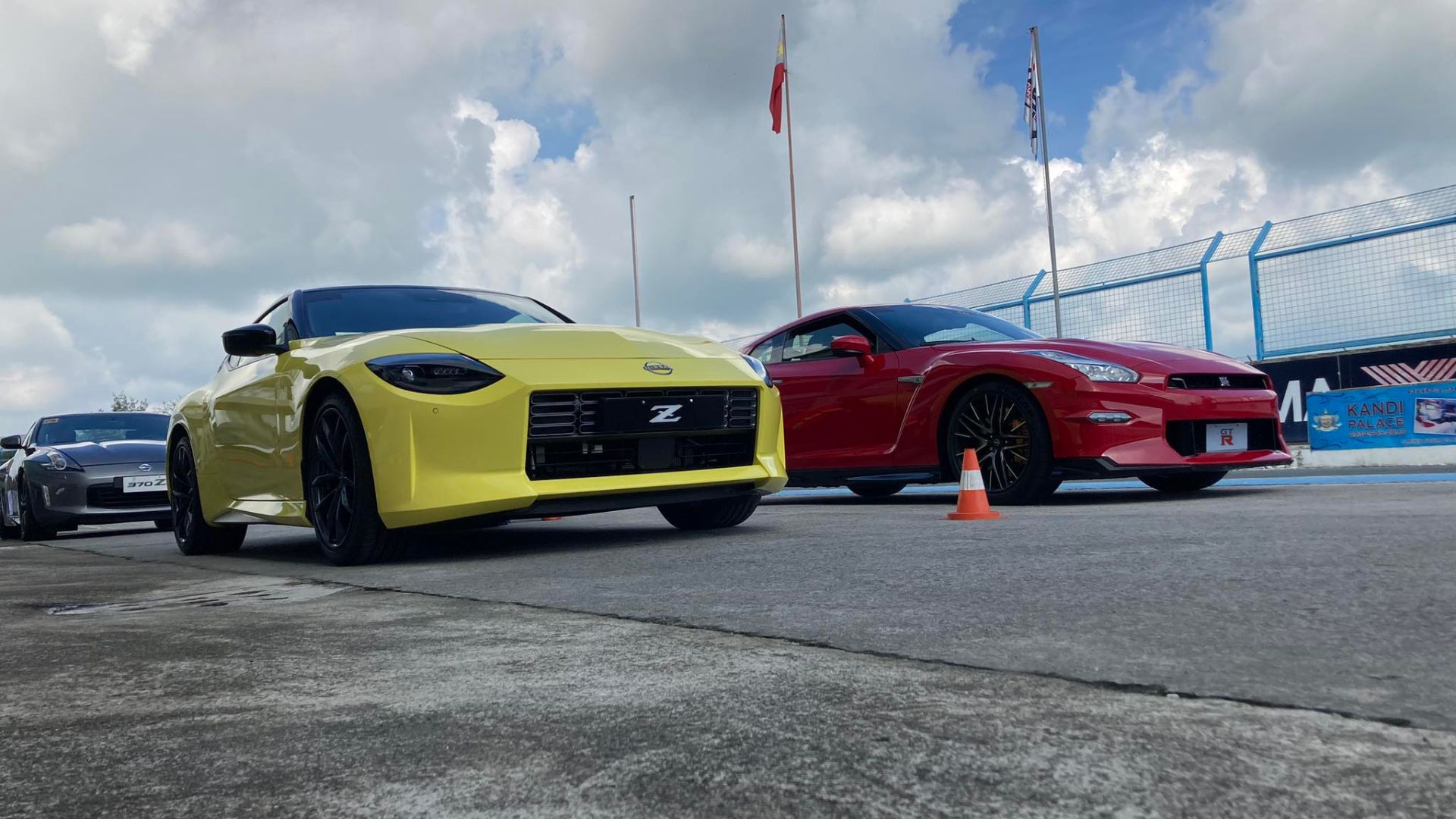
Enough ogling, it’s time to drive. There are a few things I noticed when I got in the new Z. One, the seat controls (yes, it has power seats) are nothing like I’ve experienced before. Two, you sit really low inside. Even with the seat high adjusted to the max, I still felt cocooned inside.
Truth be told, I was expecting the car to be loud, but it sounds tame when you start it up. But the car’s silence hides its true power, and you’ll feel all of its advertised horsepower and torque the moment you pin the pedal to the floor.
I’ve driven 400 horsepower cars before but the twin-turbo in the Z makes you feel that it has a lot more than that, and the first turn came a lot quicker than expected. Thankfully, I had George Ramirez beside me for guidance, and the Z’s strong brakes meant I was able to slow down in time.
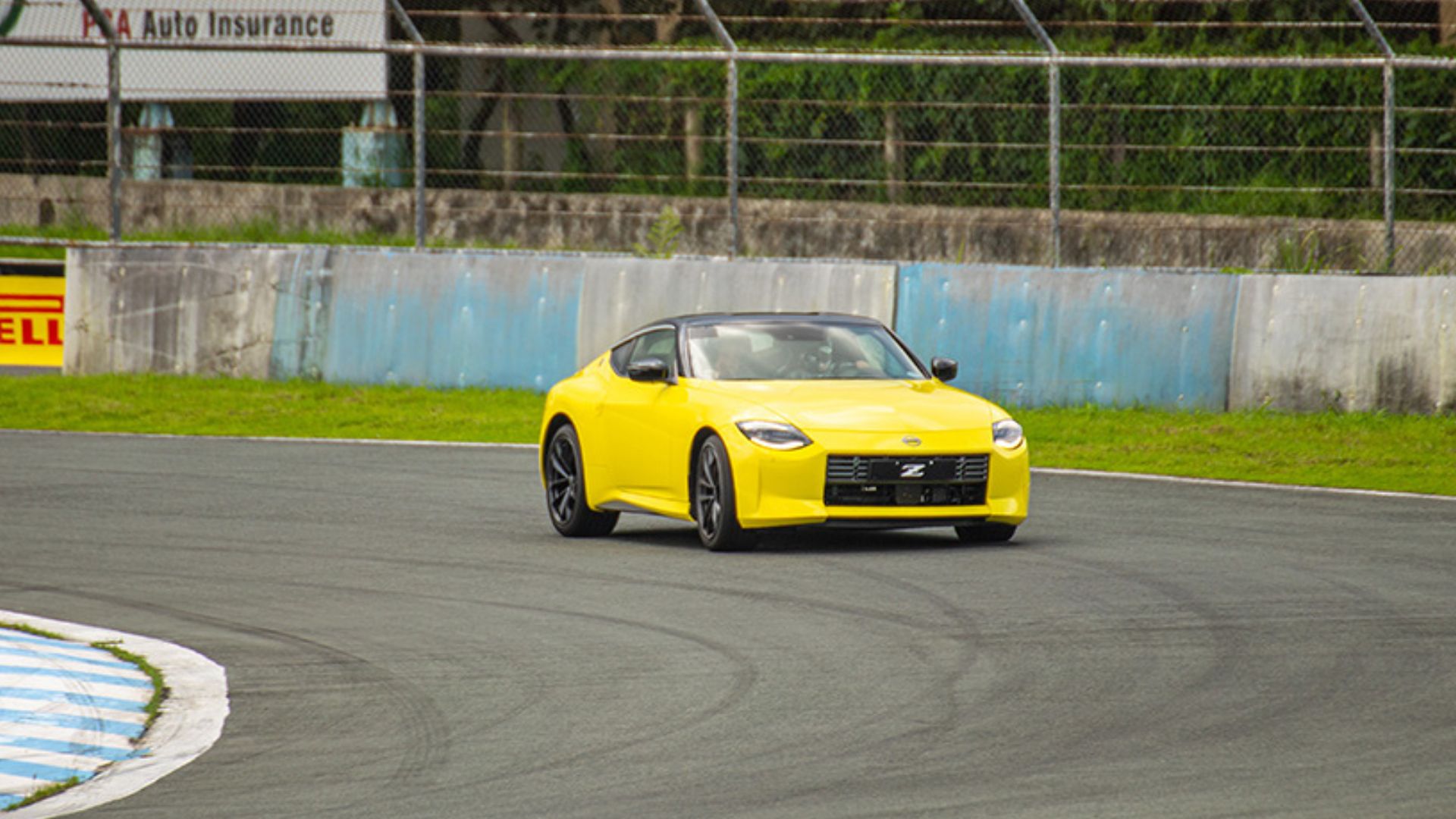
The moment I turned the wheel in the first left-hander, the Z gave me something I haven’t felt in a long time: steering feel. The weighting is wonderful in the new Z, and its feedback reminds me of performance cars from decades ago. It’s sharp, direct, and confidence inspiring, and perhaps the most ‘feel’ I’ve had in any modern car. To my surprise, the car uses an electric power steering system, something that’s been known to give a duller experience behind the wheel. Nissan absolutely nailed the steering, making it a joy around Clark’s technical corners.
Despite the twin-turbo setup, the Z remains composed and resists wagging its tail all over the place. Because of that, you can put the power down just before the apex and exit the corner with minimal steering input. You can ‘steer with the rear’ in the new Z, and it won’t bite back if you’re being silly. Like its steering, the new Z’s chassis is very communicative and gives you more confidence when going around the track. Because of the, the Z involves you in the process of going around the racetrack at speed instead of just getting you around as quickly as possible. It’s difficult to put into words, but the car feels alive.
Old vs. new
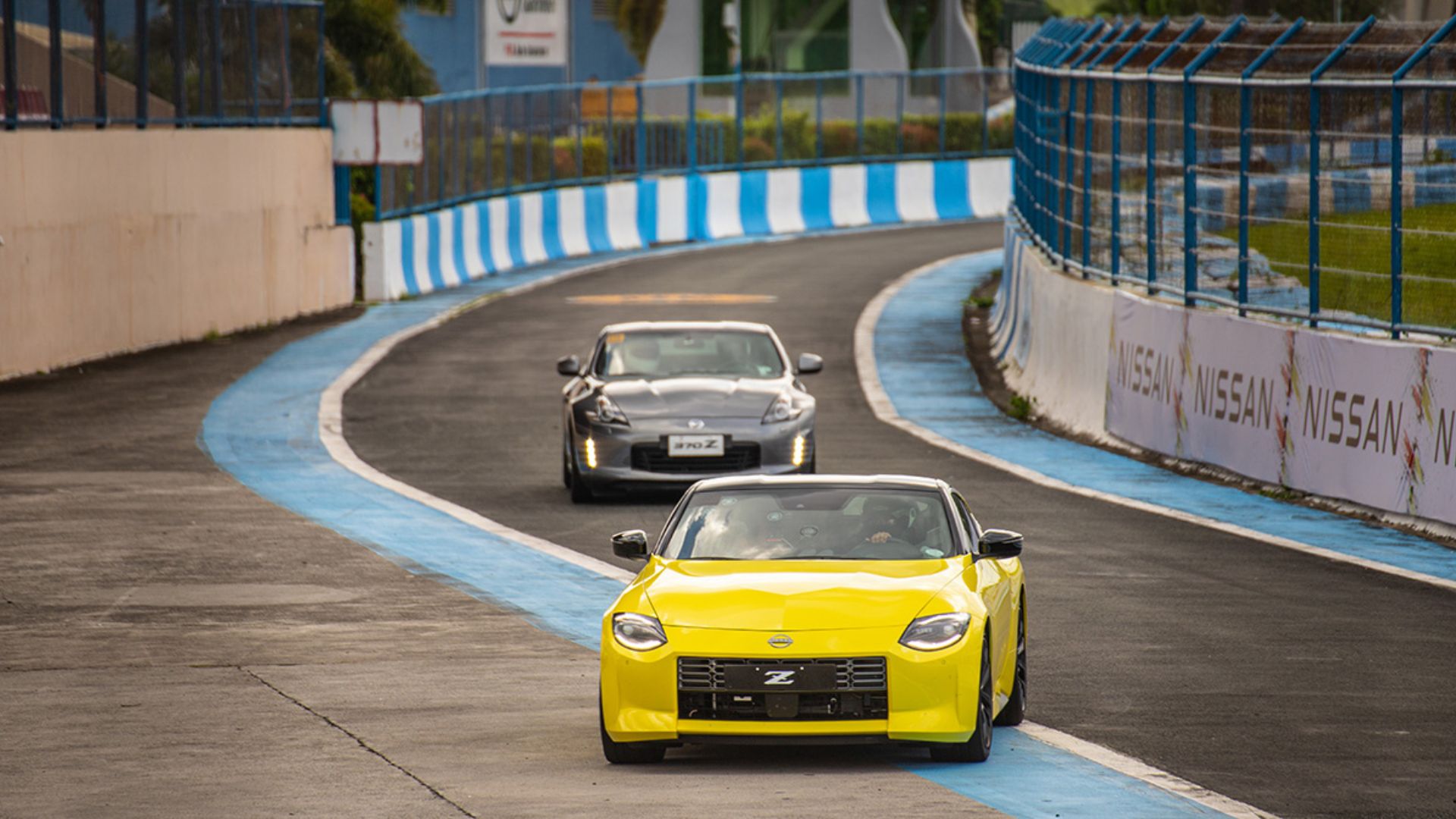
By the way, the 370Z was also on hand for us to drive around the track. A good idea given that Nissan claims to have ‘changed 80 percent’ from the old car. It was a chance to see if there’s any proof of that.
Right of the line, the 370Z didn’t have the explosive acceleration that the new car had. That’s no surprise given that there are no turbos strapped to its engine. However, I did notice that the steering was lighter and had less feedback. It’s unusual because the 370Z uses a traditional hydraulic power steering setup.
As for handling, the rear end of the old Z swings out earlier than the new car. Mind you, it’s not snappy or panic-inducing, but the back does slide around more in the 370Z. Yes, it’s still sharp and handles well, but the 370Z just wasn’t as involving or engaging as the Z. It also didn’t help that the seven-speed automatic was widely spaced, whereas the nine-speed unit in the 2024 model made sure the engine was always in the right powerband.
That’s not to say the 370Z is a bad car, but boy does the new Z spoil you in terms of feel and feedback.
Delightfully old-school
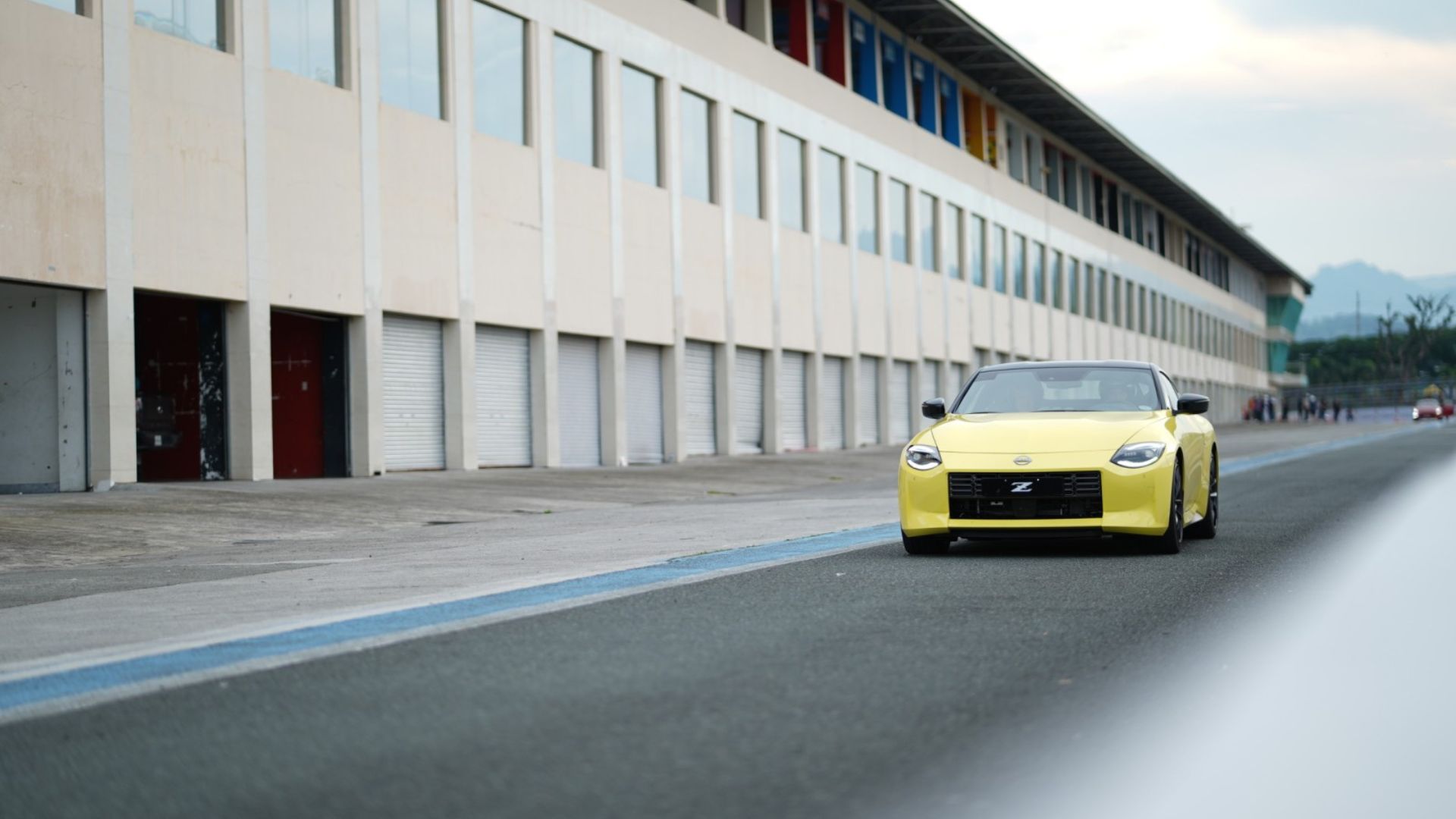
The Z’s old school-inspired design seeps through its driving characteristics. As I mentioned, it’s a hugely involving drive with the car communicating with your senses through the way it moves. It’s a car that flows through the corners instead of just dealing with them, giving you an organic and analogue sensation behind the wheel. Organic and analogue are words one would describe a classic sports car, but it applies in the thoroughly modern Z.
A performance car should make you feel involved and not just impress you with high cornering speeds or acceleration figures. Involvement is something that’s been missing in a lot of cars these days, even in those that claim to be performance cars. The new Z is the cure for that, and I’m glad I drove it in its element.
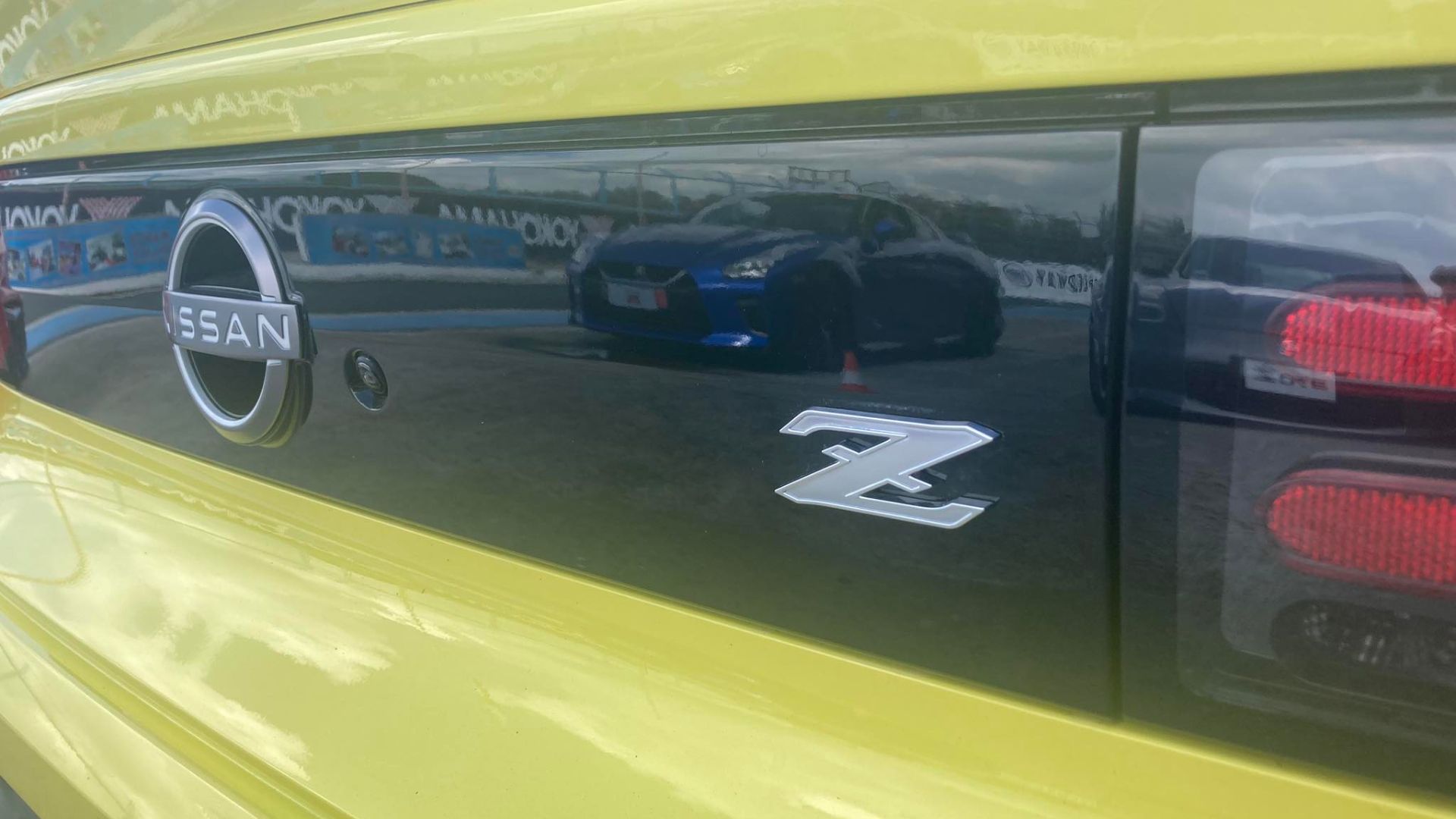
Now, the ‘bargain’ bit. The 2024 Nissan Z starts at P3.888-M, regardless of transmission choice. Okay, P3.888-M doesn’t make the Z a mass market car, but numbers it makes for that price makes you say ‘hey, not bad at all’.
At that price, it’s in the same ballpark as the Ford Mustang 5.0 GT Coupe and a whole lot less than its chief rival, the Toyota GR Supra. So, it’s more powerful than the local-spec Supra, costs less than it, and packs as much horsepower than a Mustang. If you’re in the market for a performance coupe, you’d be foolish not to even consider the Z.
And this is coming from someone who didn’t even like Z cars back then.