Two in the morning. Dead of night.
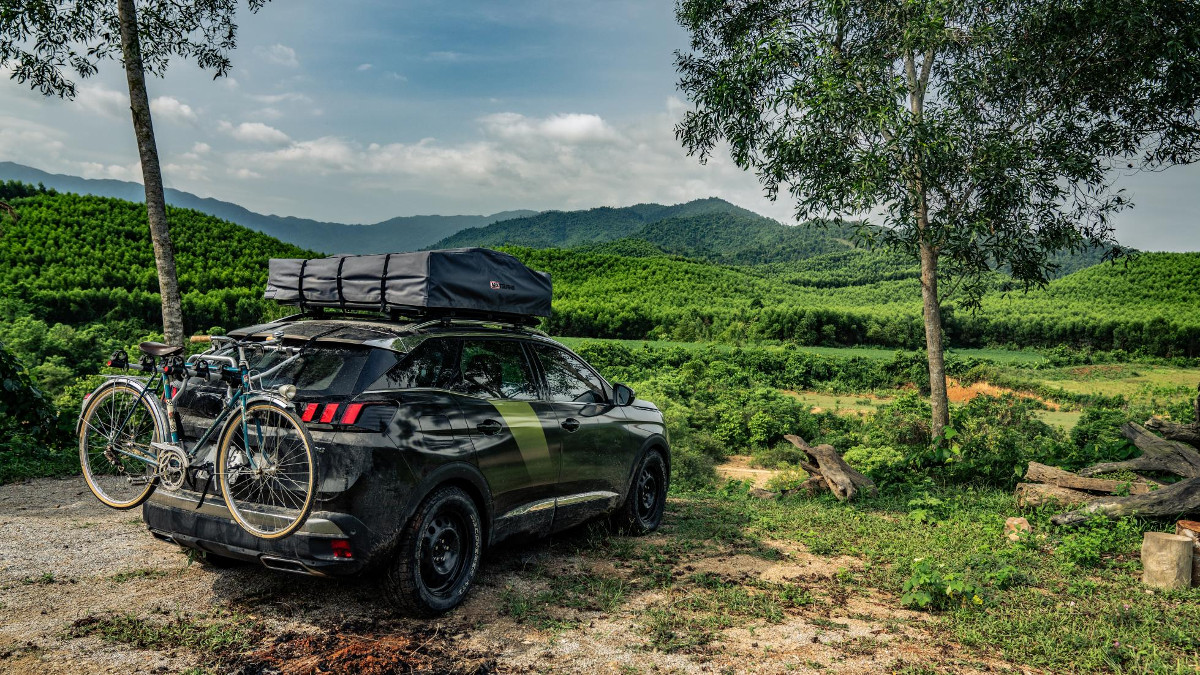
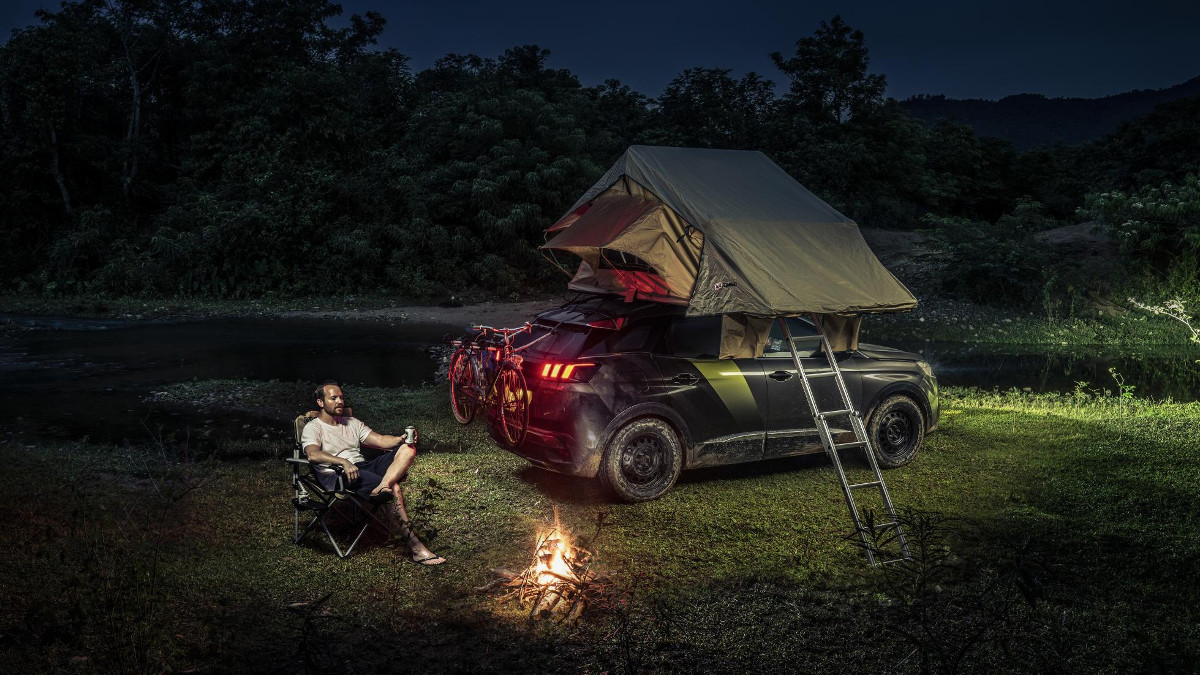
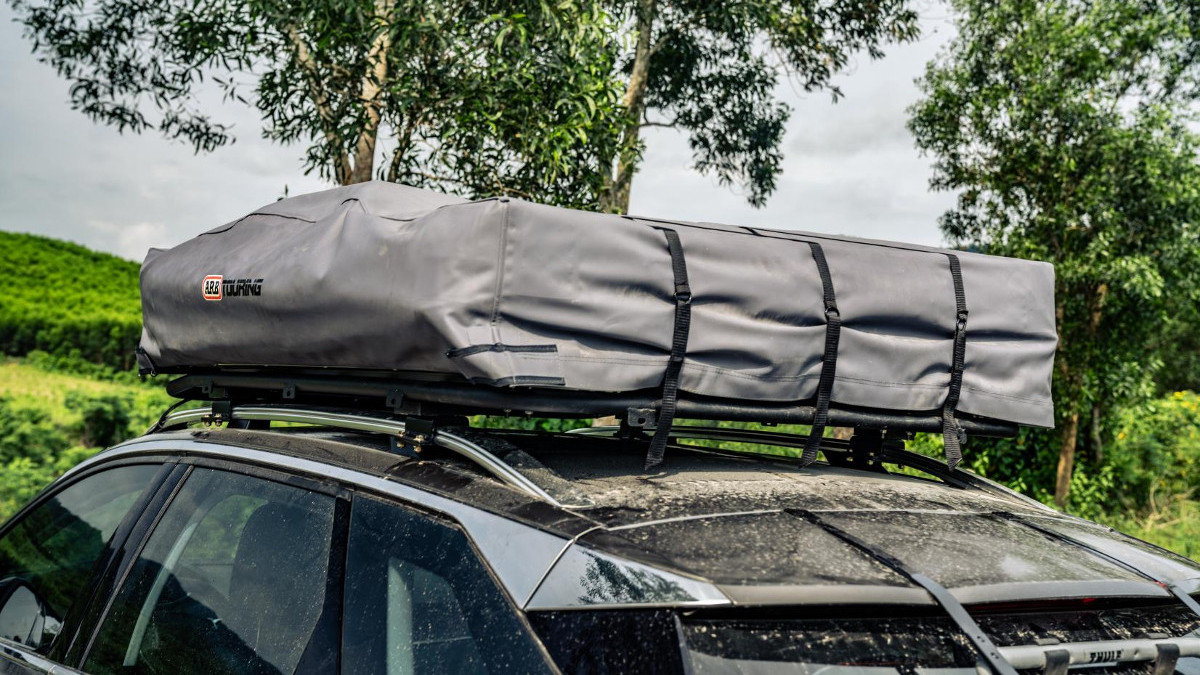
The mission, should I choose to accept it, is to relieve myself behind the nearest bush. Stopping me is a profoundly sweaty back welded to my tent, a perilous ladder descent in flip-flops, blackout darkness, the thought of a thousand flying assassins waiting to feast on my clammy love handles, and several pools of stagnant water filled with leeches keen to gnaw my feet to bloody stumps. And either a local is enjoying a vigorous scrub in the river, or a water buffalo is about to trample me for good measure. I decide against it and reach for a bottle.
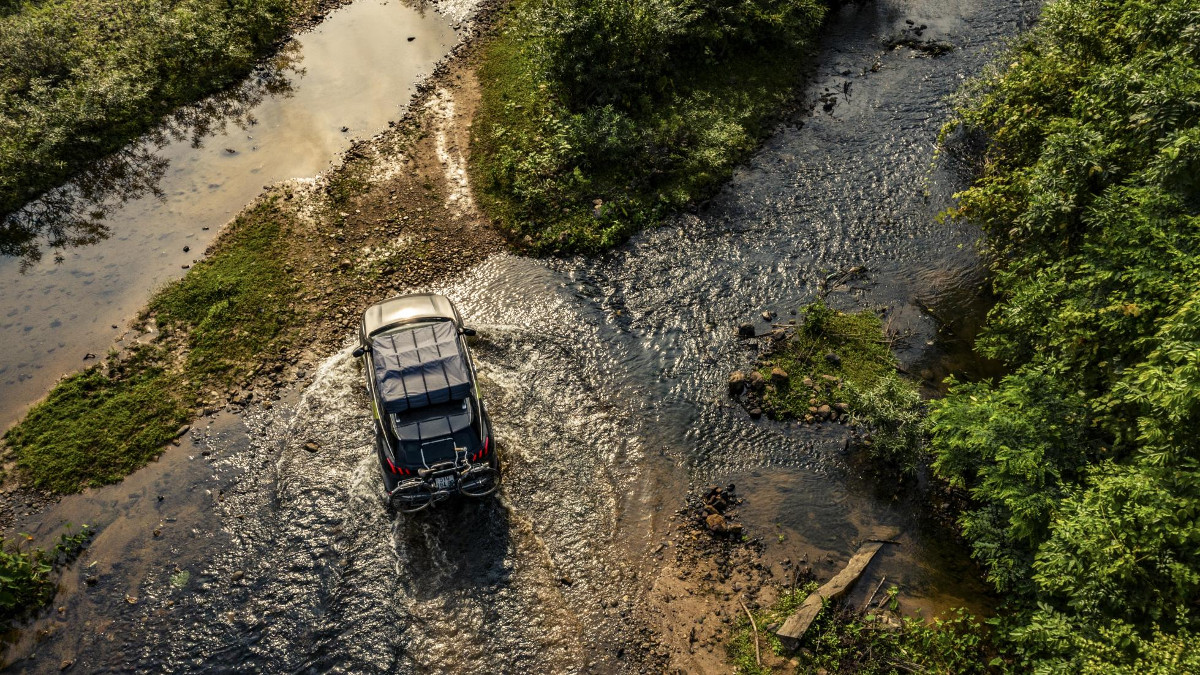
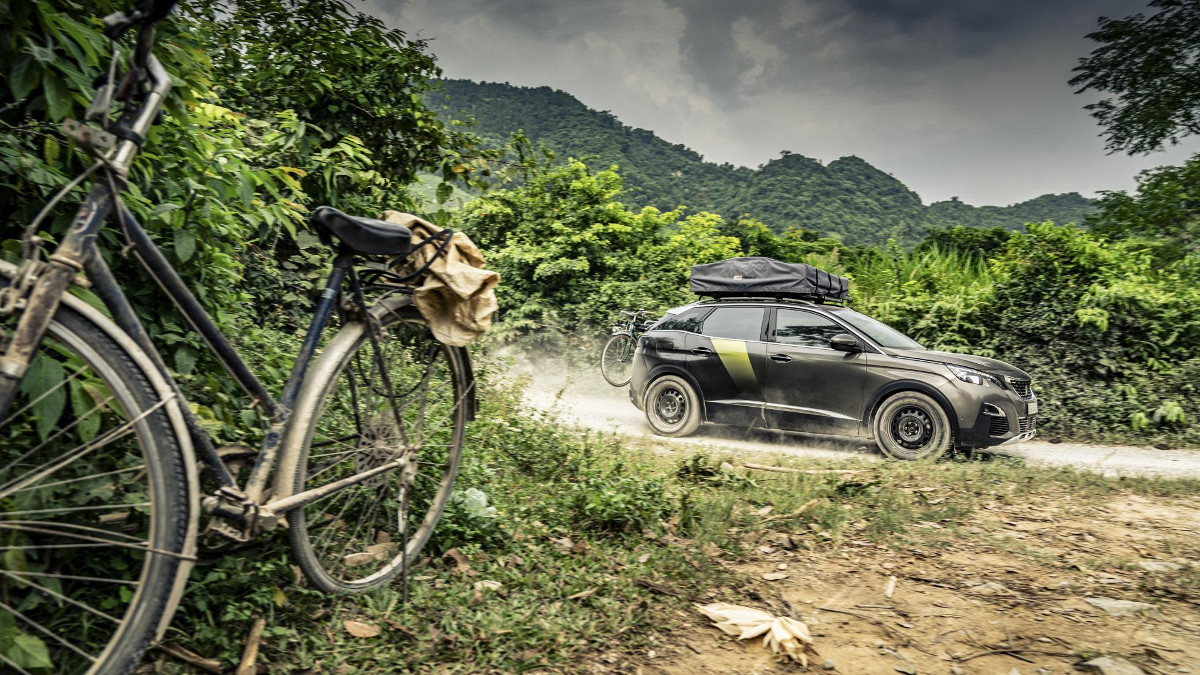
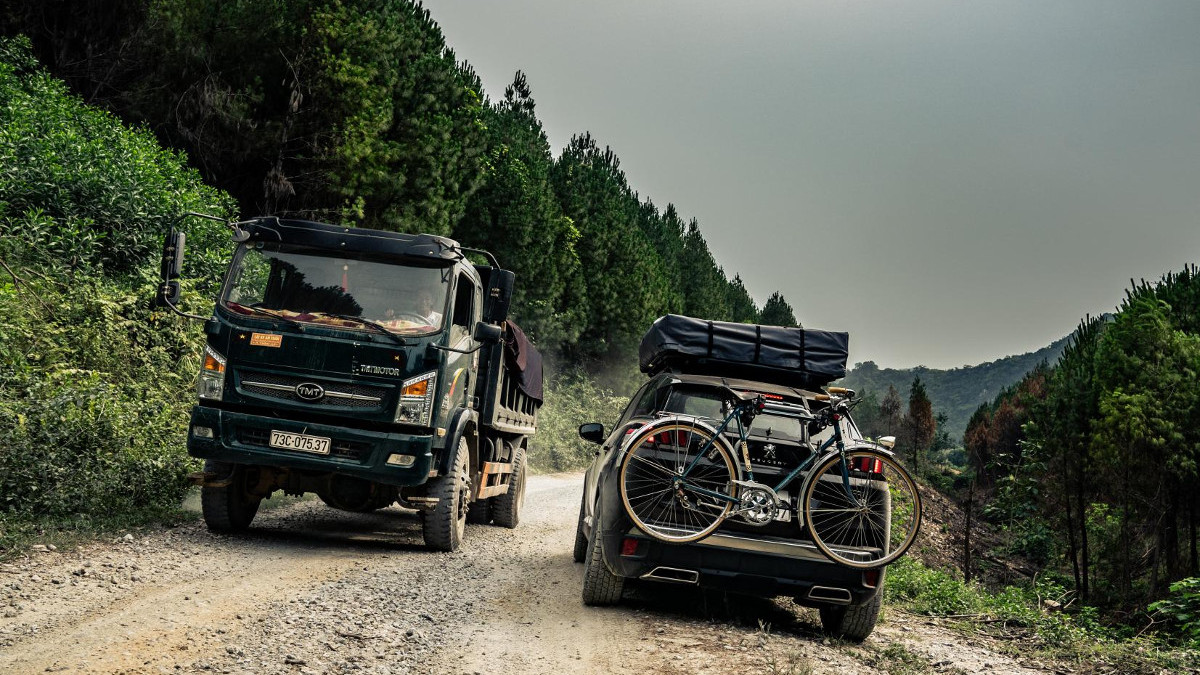
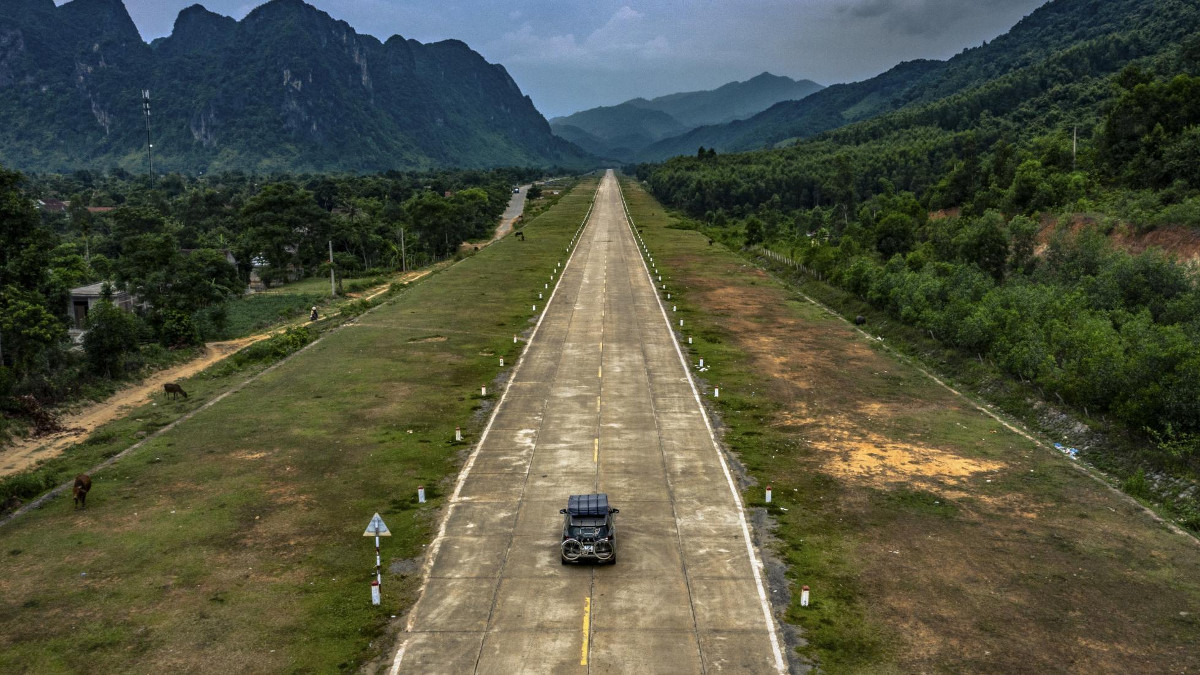
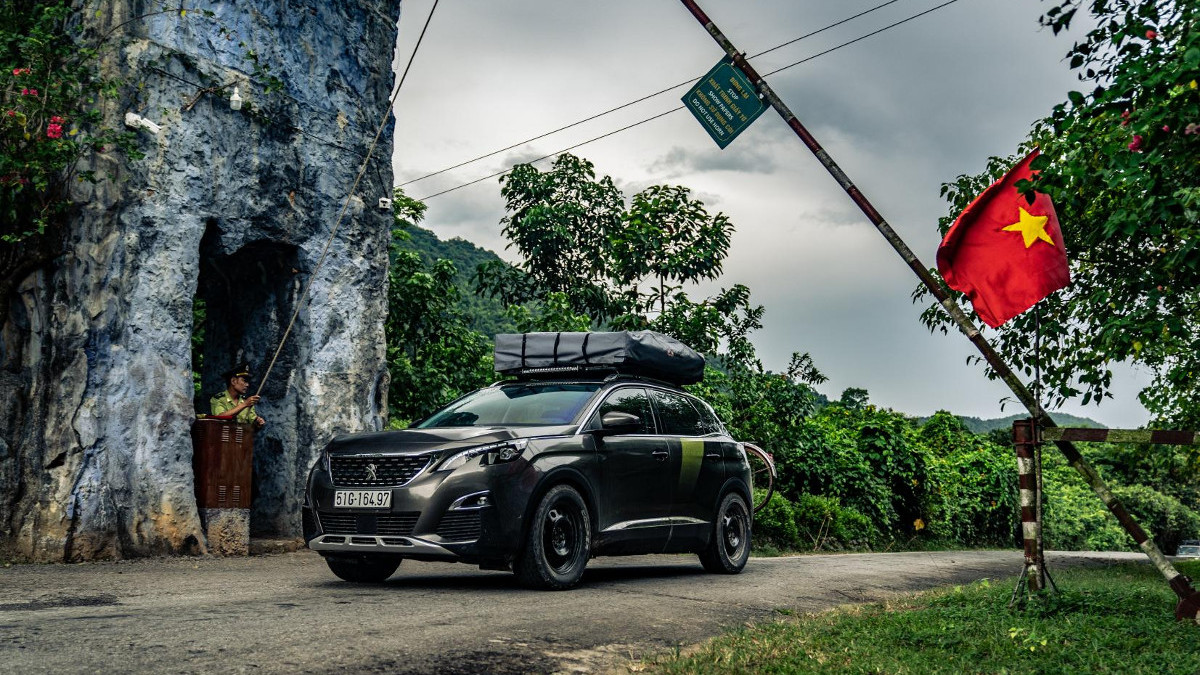
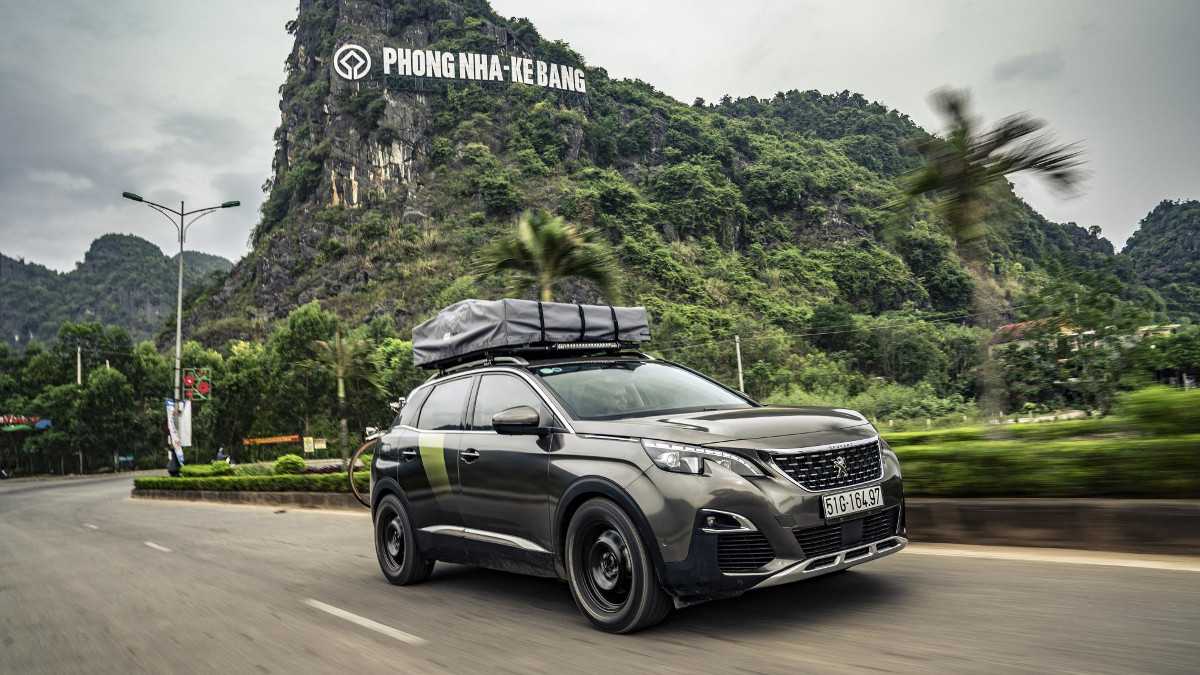
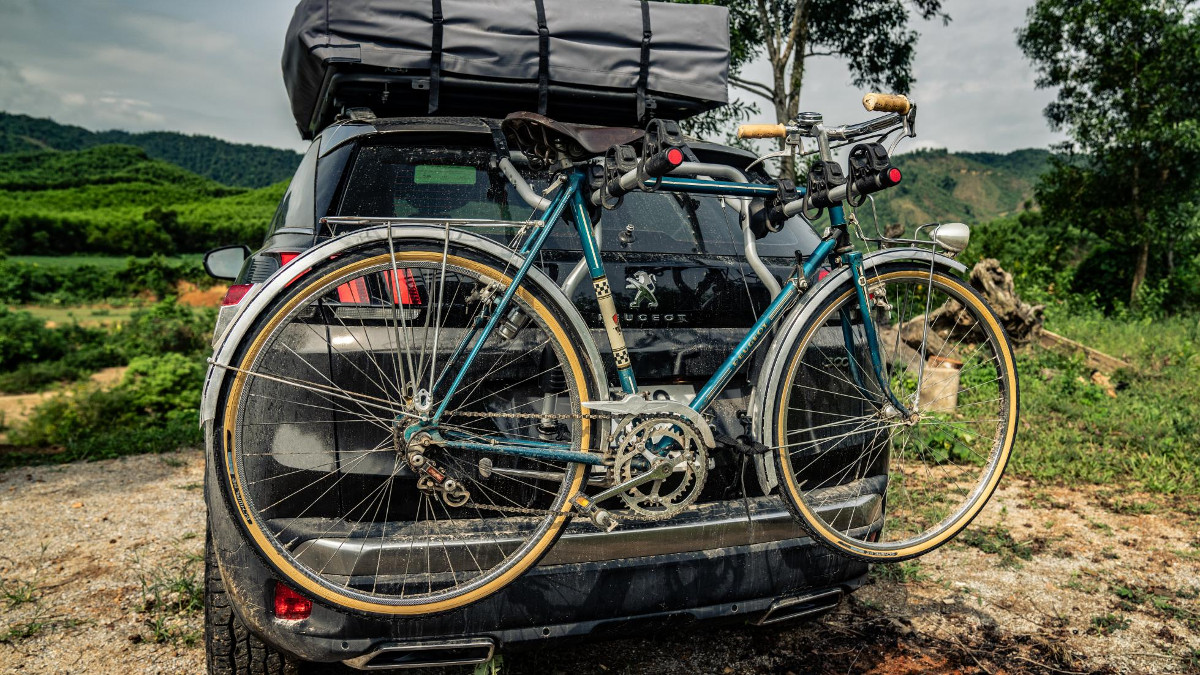
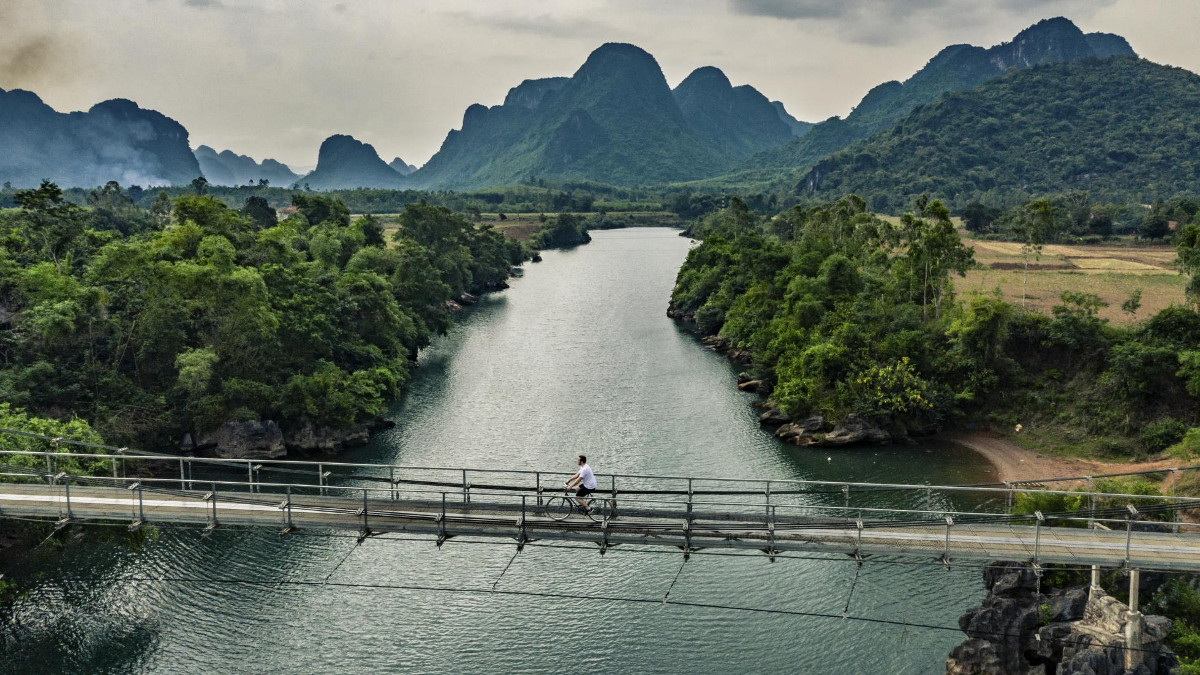
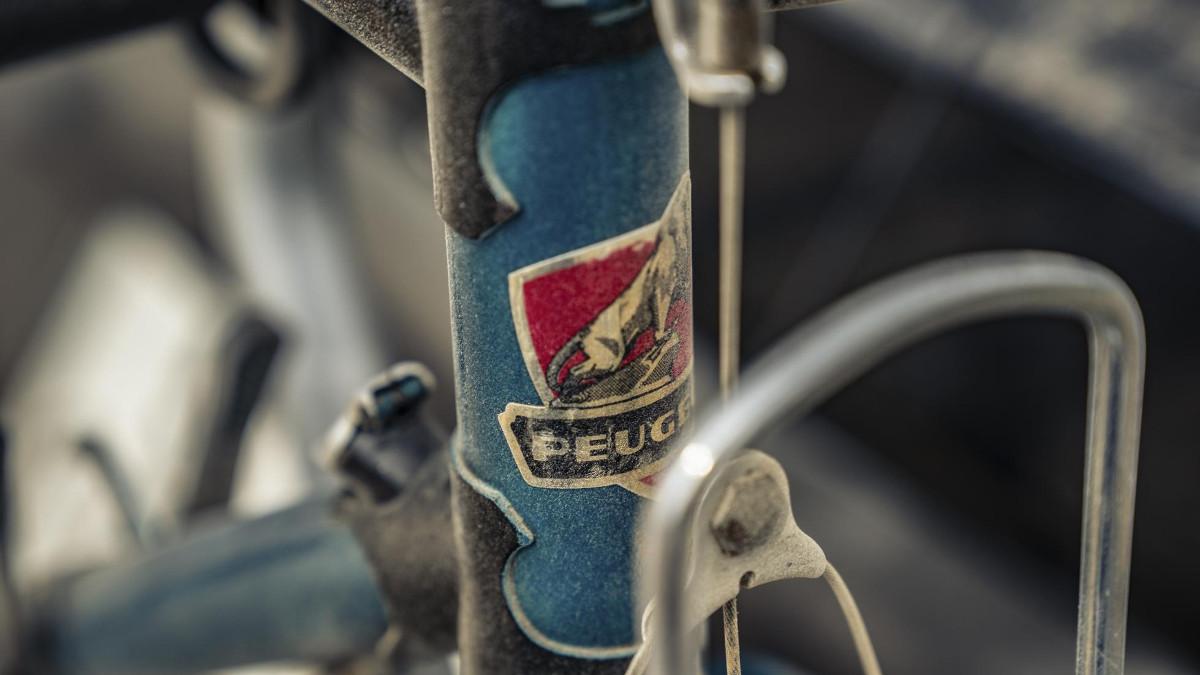
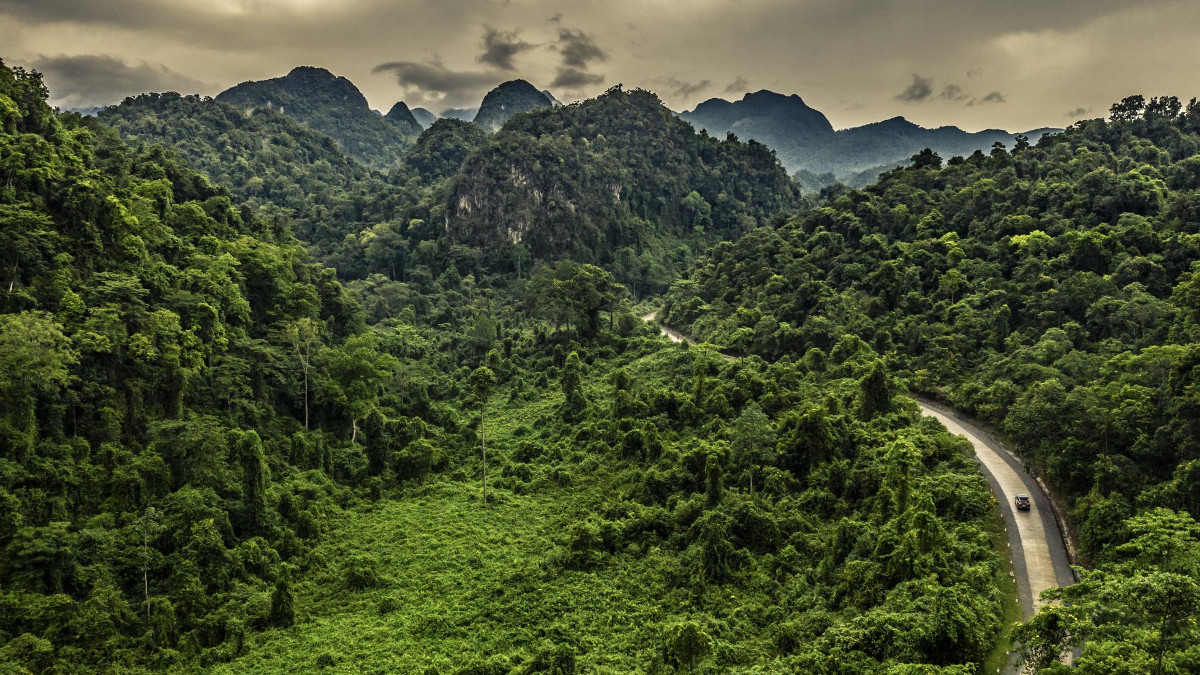
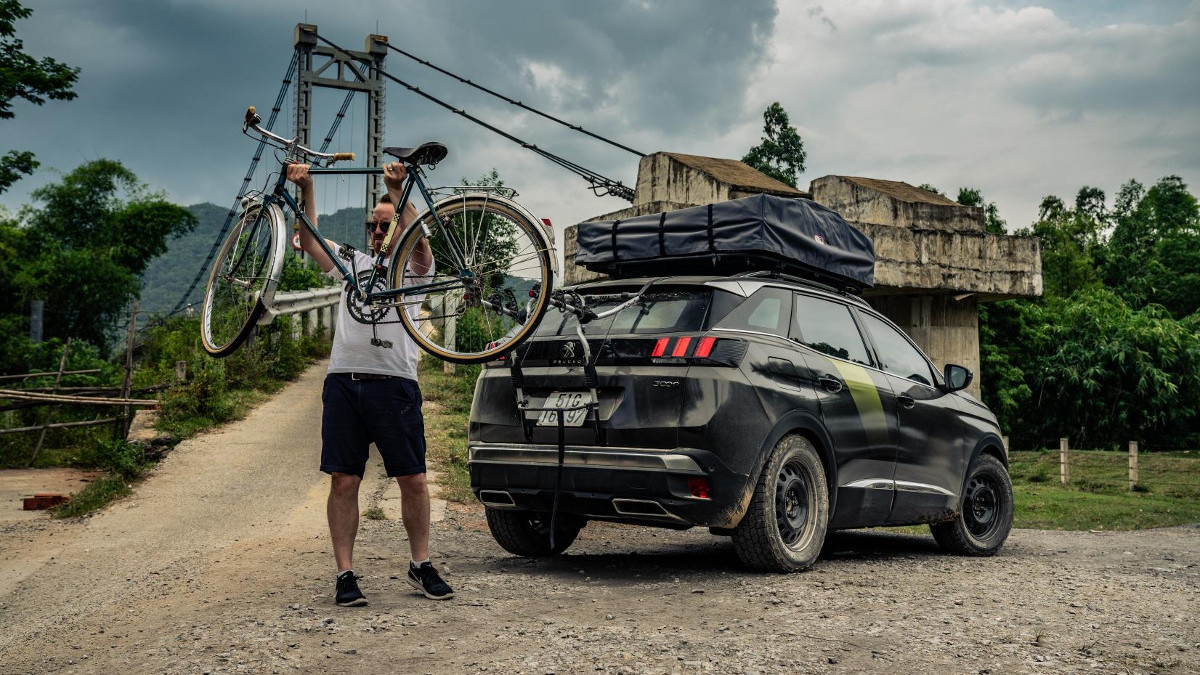
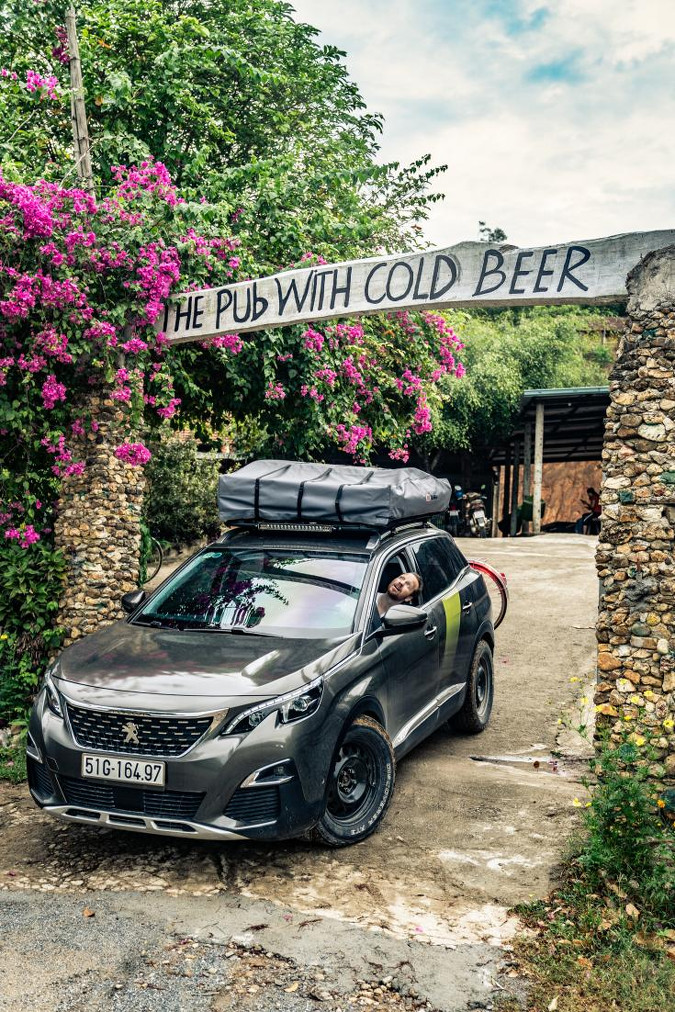
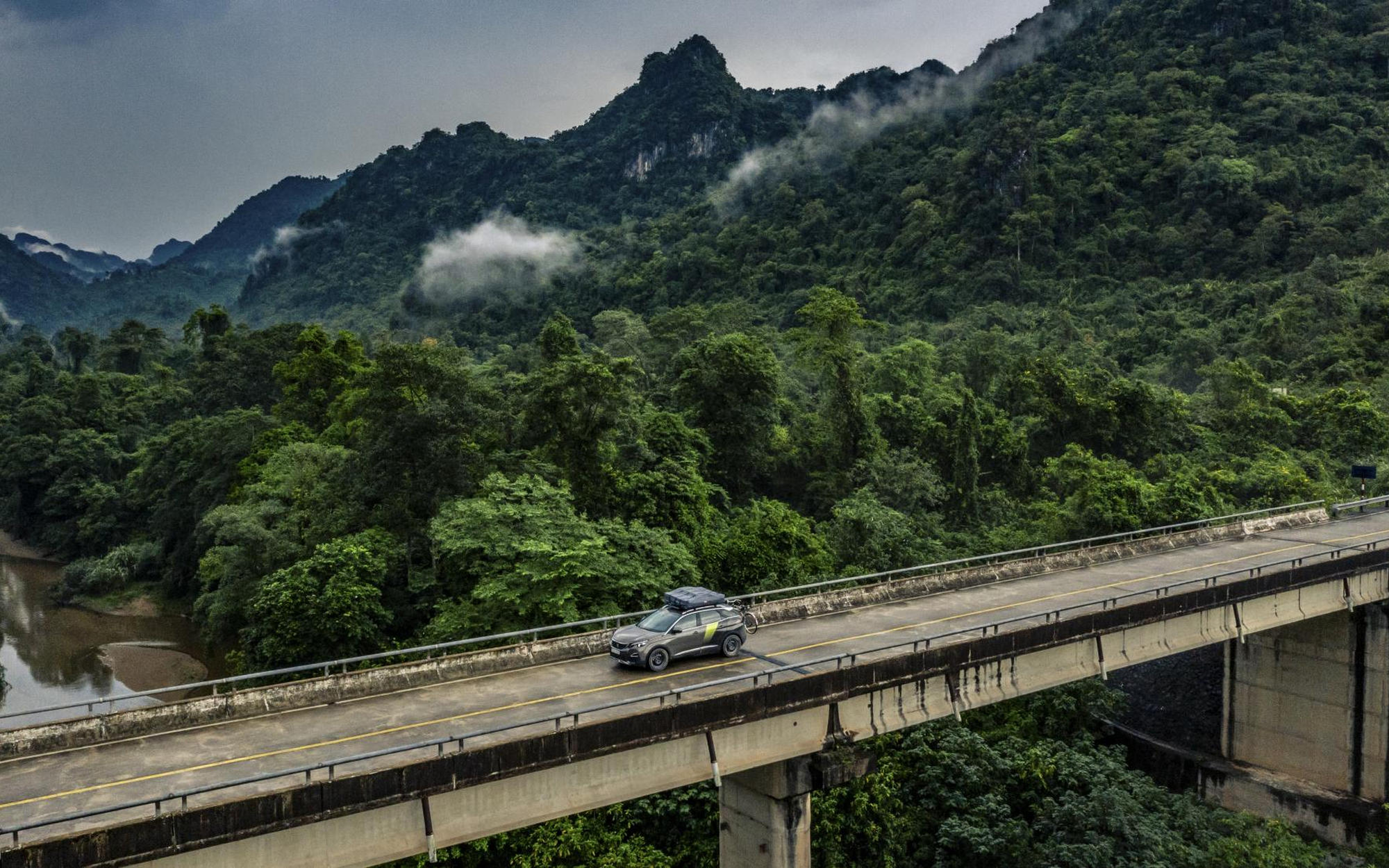
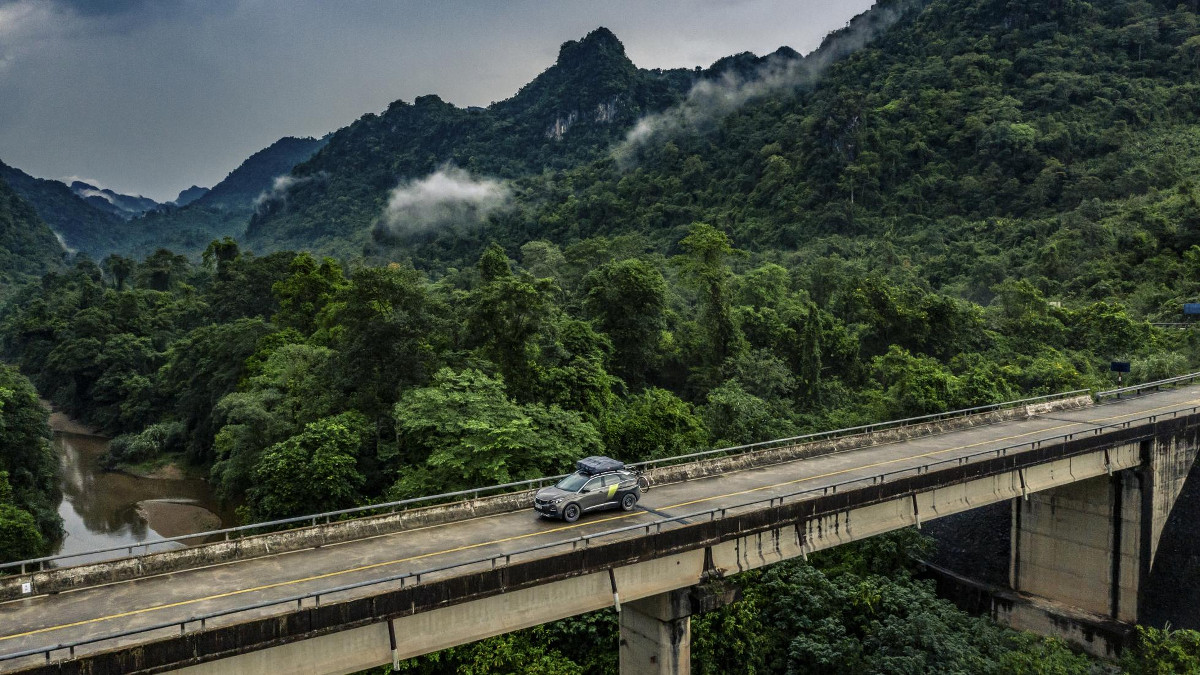
Trivial my camping problems may be, but to fully appreciate the Ho Chi Minh Trail, the main supply route from North to South Vietnam established in 1959 and regarded as one of the great military achievements of the 20th century, I need to fully understand the people that built, maintained, and used it. What conditions did they face? What motivated them? How on earth did the Viet Cong (VC) and the North Vietnamese Army keep the supplies flowing and their ranks fed, armed, and replenished in the face of an American aerial bombing campaign that made its World War II efforts look like a village green bonfire night? To do this, I need a lightly modified Peugeot 3008 and a 60-year-old Peugeot bicycle. Time for a history lesson.