A range extender (REX) is a simpler form of plug-in hybrid. The engine can’t power the wheels, but drives a generator that sends its electricity to the battery, or to the drive motor if it’s needed there. Mostly you run with the battery, with the engine sparking up only when it’s flat.
These things had their moment in the sun a decade ago, with the Fisker Karma, Chevy Volt and BMW i3 REX. Then we thought they’d gone. They ran well as EVs but felt odd with the engine on.
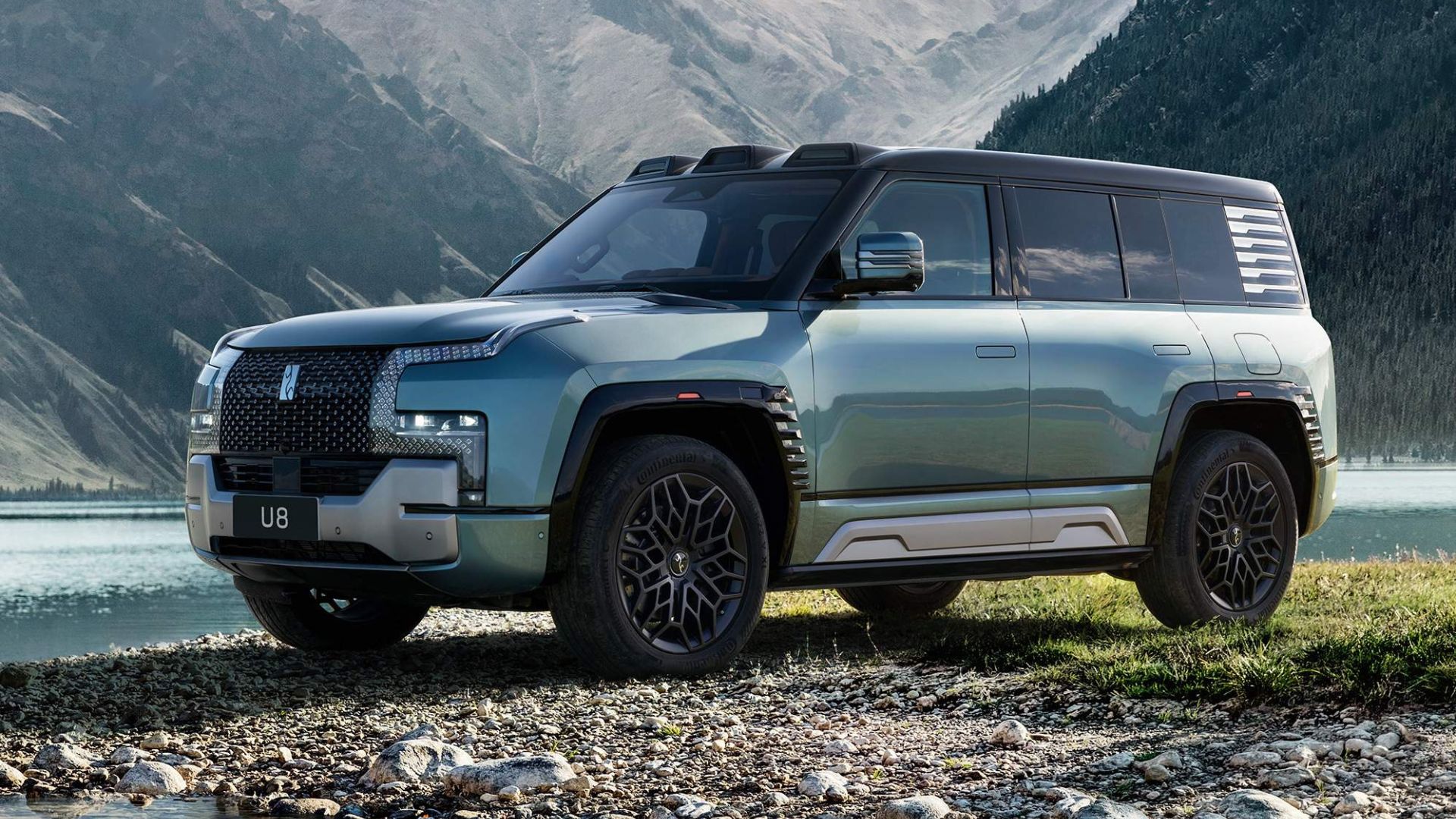
Now they’re back. The Chinese include BYD’s DM-i models, Li Auto and the floating/spinning Yangwang U8. The Mazda MX-30 intrigues, and in the US heavy pickups from Ram and VW subsidiary Scout will soon use them. Supplier ZF has designed a plug and play solution it expects, from next year, might be used to give existing battery electric cars a REX option.
OTHER STORIES YOU MIGHT HAVE MISSED:
The Forester e-Boxer can make you fall in love with Subaru again
Radar launches in PH with the fully electric RD6 pickup, prices start at P1.358-M
A REX system means you can use a smaller battery than an EV but still do away with range anxiety. Versus a normal PHEV, it’s not only more compact and cheap – if the REX engine is small, it’s also more efficient during the battery depleted phase, where the engine runs at its most efficient revs.
In doing so it develops enough power for your average need over several miles, not the peak acceleration. So even when you’ve used up the pure electric range, the battery buffers for the peaks. When you come off the accelerator, the REX engine/generator sends current to the battery. Next time you mash the accelerator, the drive motor can draw current from the battery as well as from the generator. That lets the motor produce more peak power than the rated power of the fuel-fed engine.
Great, but what if the peak lasts a long time? Like when you’re towing a trailer up an hill? Or, in extreme cases, you’re flat out on an autobahn? When the battery really has gone flat, you’ll be left with only the power of that small engine, so your performance tails off to that level. This puts a limit on the downsizing.
But in truth most people could live with that. Can you think of an occasion even when driving a car with a feeble engine, where you pinned the throttle to the floor and held it there for a couple of minutes? But when you pinned it for 10–20 seconds, to overtake up a hill, you probably wanted more power. A buffered electrical boost is fine for both those circumstances.
NOTE: This story first appeared on TopGear.com. Minor edits have been made.