This is a rocketship. And an actual rocketship, not a lazy attempt to try and describe the performance of a 600hp sedan as a launch control system shortens the life of its drivetrain.
Until SpaceX returned space travel to America’s east coast in 2020, a Soyuz was your only way to get aboard the International Space Station. The Soyuz family of spacecraft have been blasting astronauts (and supplies, and equipment) off into orbit since the mid-’60s, and they’re the most commonly used launch vehicle on Earth. We can’t speak for the other planets just yet.
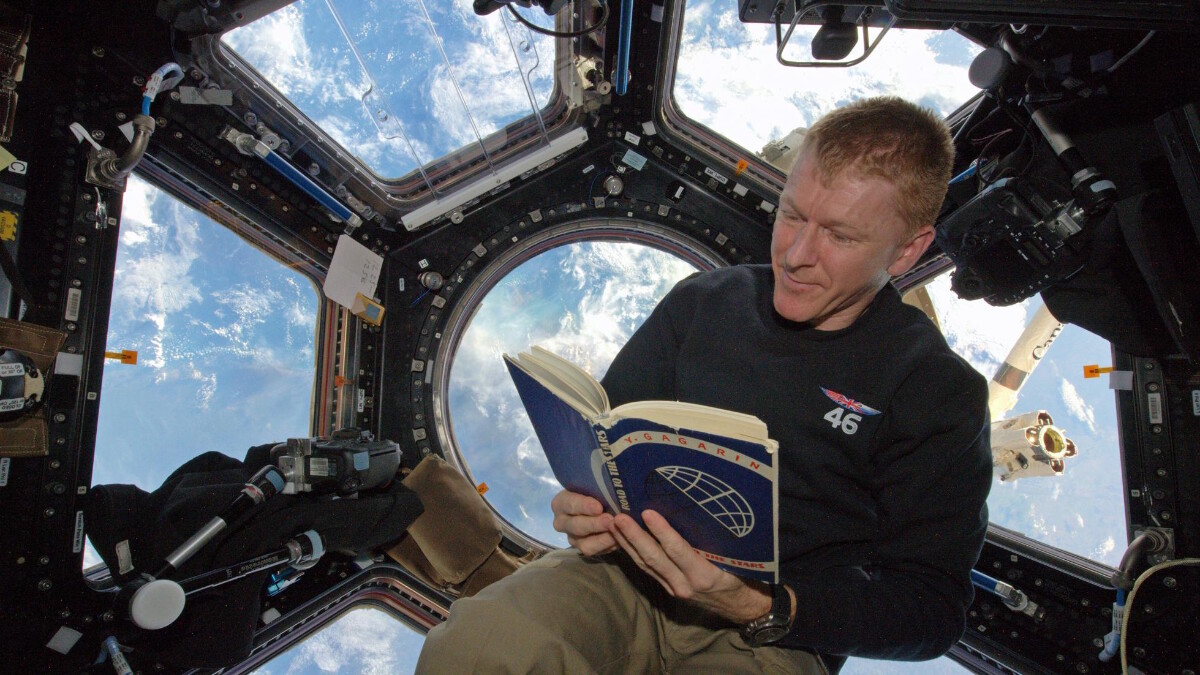
Between NASA ending the Space Shuttle program in 2011 and a Falcon 9 launching humans from Cape Canaveral in May 2020, Russia’s Soyuz was how we got men and women into space, including British astronaut Tim Peake. He took off on the 128th Soyuz mission—space flight TMA-19M—from Kazakhstan’s Baikonur Cosmodrome in December 2015. He spent one hour shy of 186 days in space with Yuri Malenchenko and Timothy Kopra before they undocked from the ISS and returned safely to Earth in June 2016.
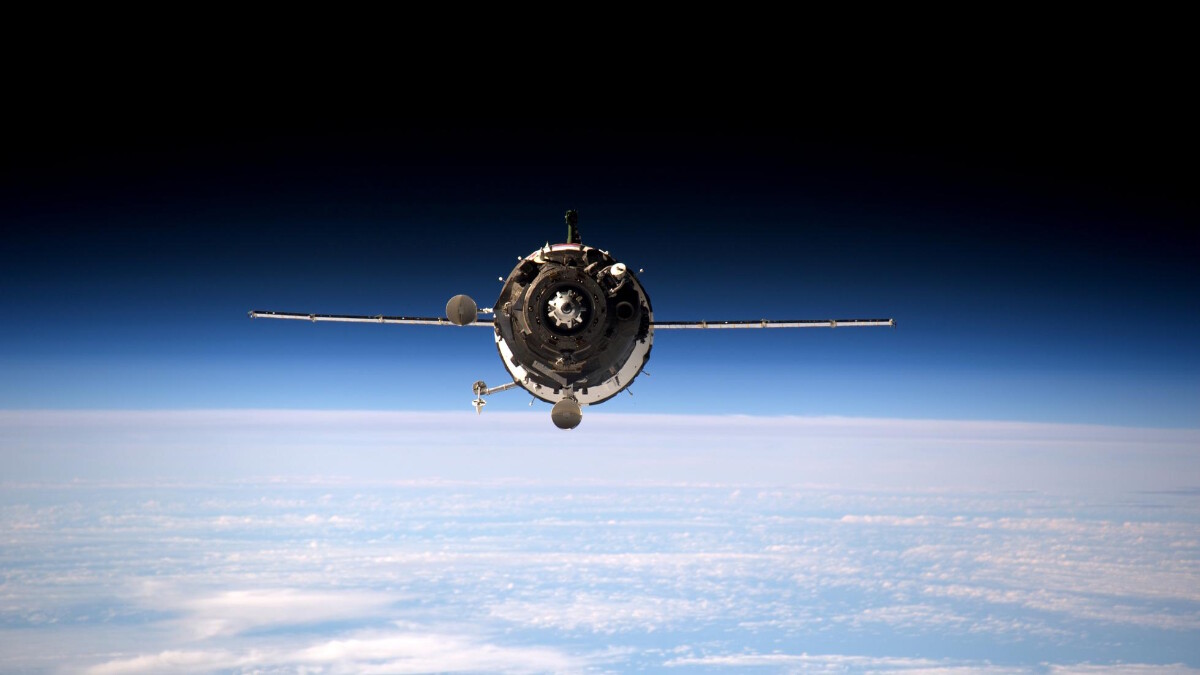
It was actually the Soyuz TMA-M’s penultimate mission, and one month after Peake and company returned home, it’d been superseded. Progress and tech updates in space travel are even more ruthless than in the world of RS, M Division, and AMG, it seems...
Its replacement, the Soyuz MS, is still in service, but unlike its forebear, it essentially has an arch rival in the form of SpaceX’s Falcon 9, which is what will likely take Peake back into space if he returns—as hoped—in the mid 2020s.
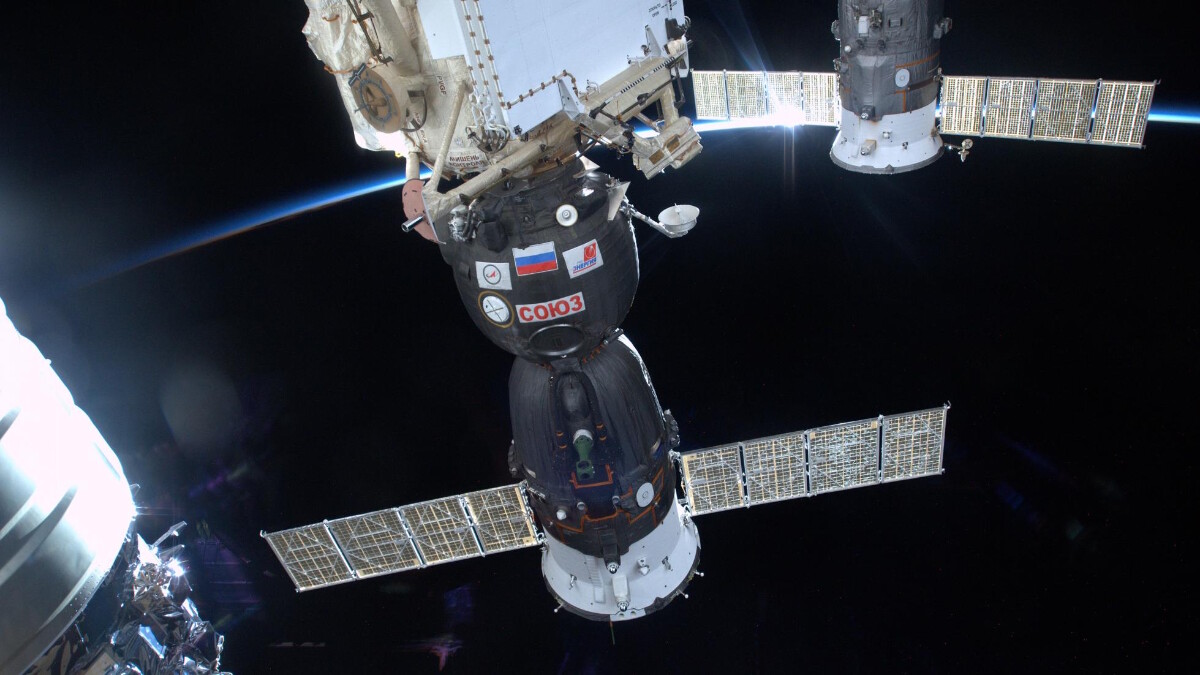
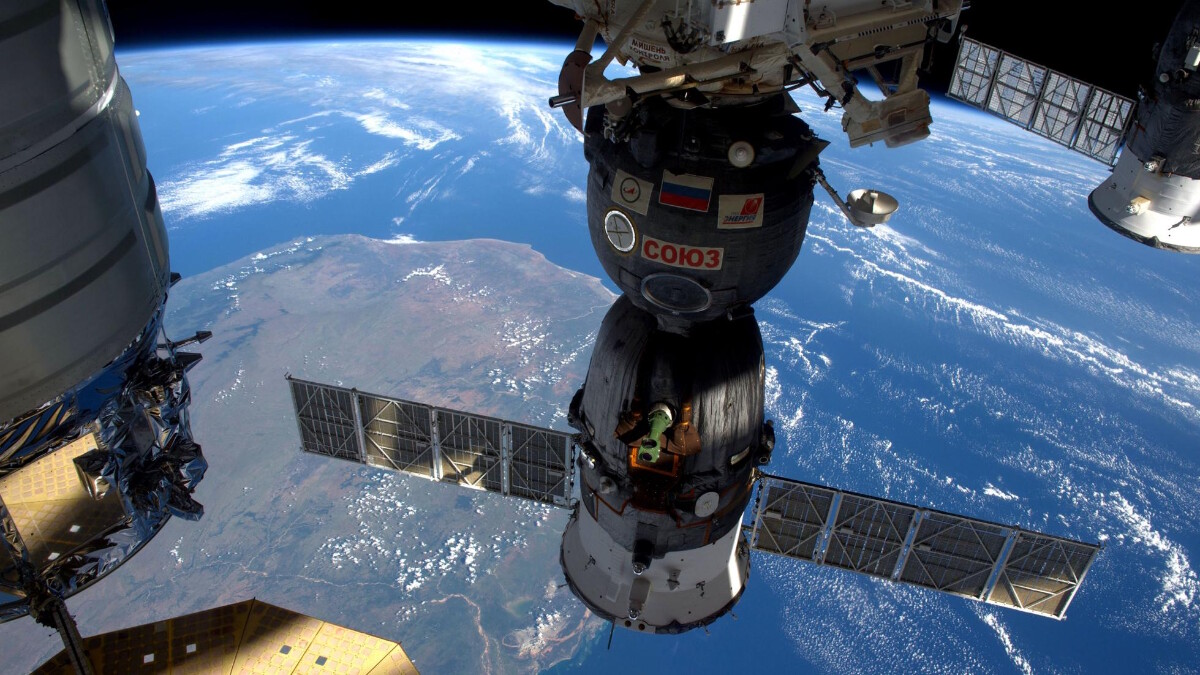
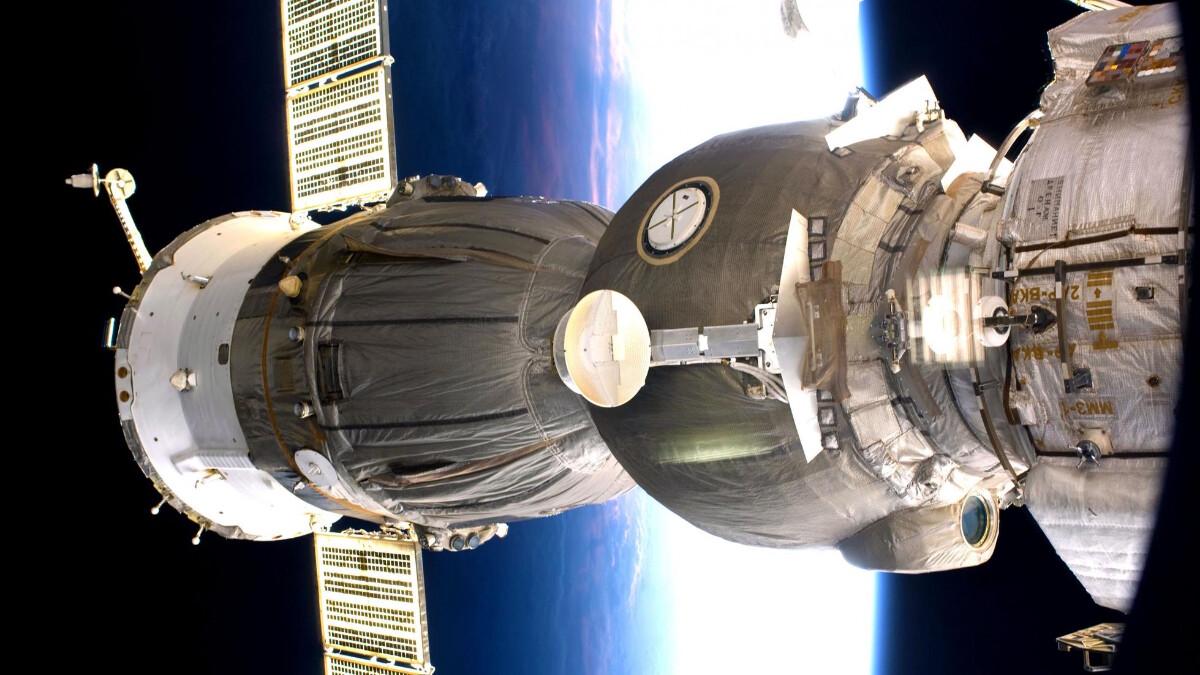
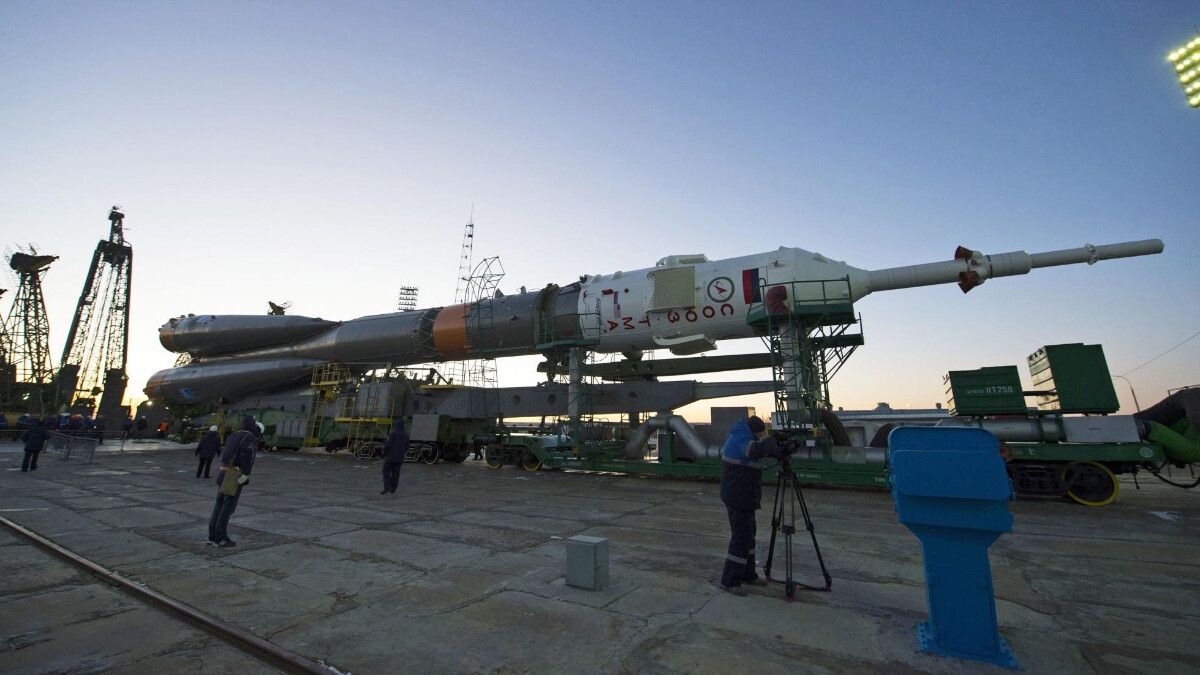
A Soyuz comprises many parts, but it only resembles a rocket for a short while after launch countdown reaches zero. The satellite shape you see in the images here is how the TMA-M looks for the vast majority of its mission, and it’s split into three sections—the service module, the orbital module, and the descent module. Of all the wildly expensive and technical kit that got Peake to space, only the descent module survived its trip and still exists (you can see it in London’s Science Museum). Talk about a short shelf life.
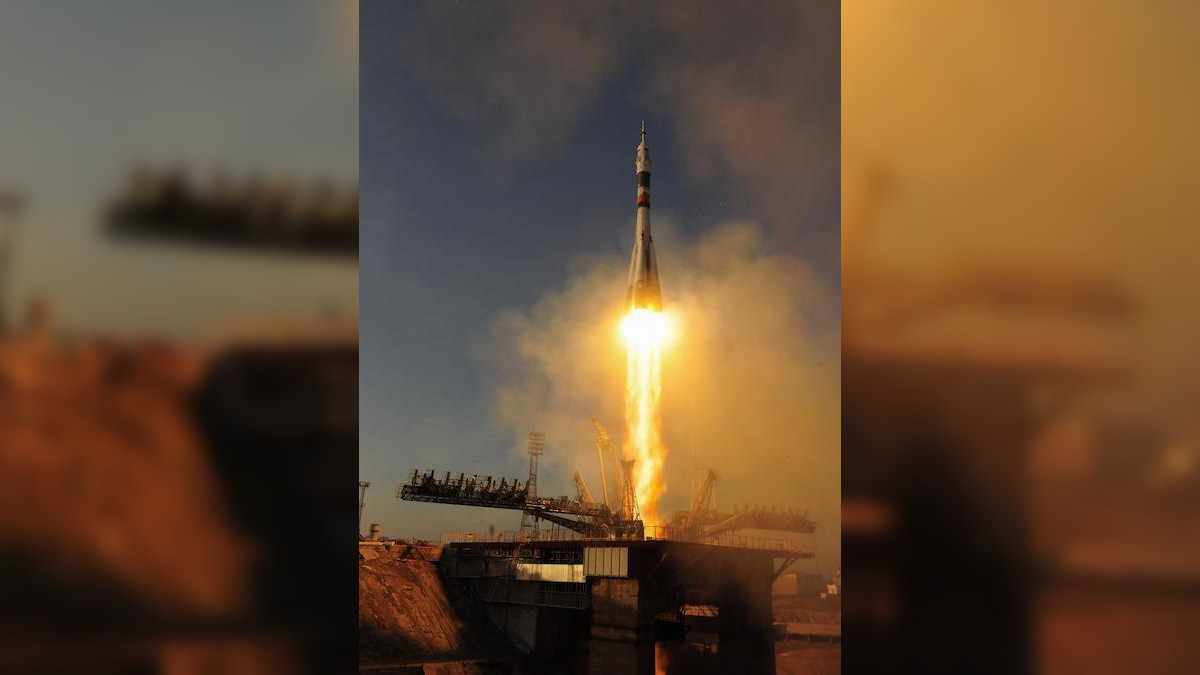
But to get those three segments into space, you need to screw the TMA-M atop some firepower. And this is where Soyuz begins to look long and pointy again. The ‘first stage’ comprises the four rocket boosters around the outer edge, weighing almost 45 tons apiece (including fuel) and with a burn time of two minutes following lift-off, after which they’re jettisoned. At this point, the crew will be 41,500 meters in the sky.
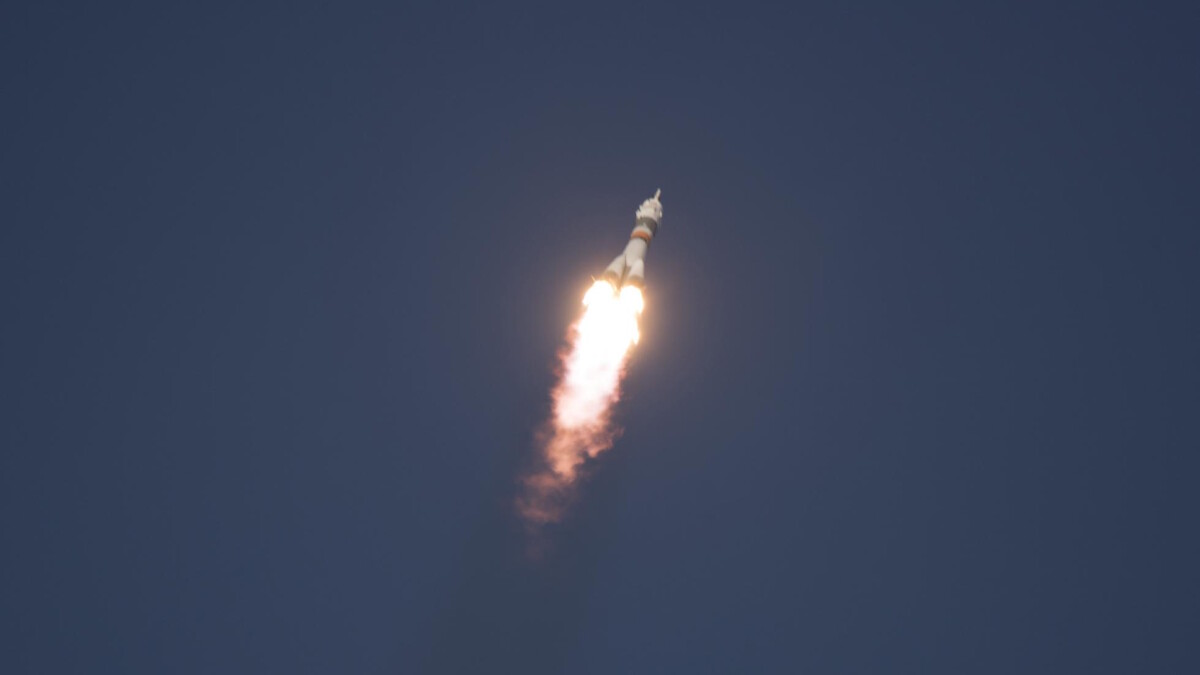
“The launch is unbelievable,” says Peake. “In terms of that initial feeling of raw power lifting you off the launch pad, it’s hard to describe what nine million horsepower feels like—it’s just unbelievable.”
Then you’re onto the long, cylindrical, solo ‘second stage’ rocket that weighs around 105 tons fueled. It ignites at launch and burns for another three minutes after the first stage (4min 48sec in total), quadrupling the Soyuz’s altitude to 176,000 meters in the process.
Once this has done its job, it’s automatically cut free from the spacecraft by the ignition of the ‘stage three’ engine, by which point the Soyuz is in space, horizontal rather than vertical, and it’s being directed on its way to orbit, its 28,590kph top speed, and the ISS. At which point we ought to hand over to somebody who’s actually been there—a certain Mr. Peake...
On the ‘road’...
“The first stage of the rocket launch is all about noise,” says Tim Peake. “What’s more fun, I think, is the third stage when you’re already up in space, you’ve already got the altitude, and the rocket is horizontal. That’s when you’re accelerating to 25 times the speed of sound.
“You’ve already had about four minutes of getting up into space, now you’re still doing 4g and you’ve got four minutes of horizontal 4g acceleration. That’s an awful long time. Even after 30sec, you’re thinking, ‘That’s enough, surely!’
“With anything I’d driven or flown before then, my mind was able to comprehend the speed. Even if I’m in a fast jet or a racing car, my mind is able to compute. In that rocket, you can’t. It’s not beyond your comfort zone, because you’re actually enjoying it—you’re smiling—but you’ve gone beyond the point you can comprehend how fast you’re going.
“The g forces build up quite gradually, though, so by the time you’re doing 4g—yeah, it feels like you’re doing 4g, but it’s not slamming into you. It’s arguably more aggressive on a racetrack in a car, when you’re going 170mph (270kph) and hit the brakes.
“You’re probably doing 4g of braking, but it’s instantaneous so you’re getting subjected to quite strong g forces very, very quickly. In a rocket, the moment you get a really sudden g force isn’t launch—it’s when the third stage rocket cuts out and you go from about 4.5g to zero g in a fraction of a second. That’s a massive jolt.”
It’s at this point the Soyuz is no longer what we know as a rocket, as it looks leaving Earth, but like a seven-ton, seven-meter-long satellite that’ll dock with the ISS. And then stay parked there for as long as its astronauts are orbiting Earth doing their job (still at nearly 30,000kph, we should add). Six months, in the case of Peake and his flight mates Yuri Malenchenko and Timothy Kopra. But what’s the journey back home like?
“Deceleration to 5g re-entry is actually pretty gradual, and it builds up really, really gently,” says Peake. “Actually, all through re-entry is quite a gentle experience. You’ve got a lot of noise going on—lots of wind rush outside the capsule—and you’ve got a lot of heat, so you’re sweating inside and it does become hard to breathe with all the g force.
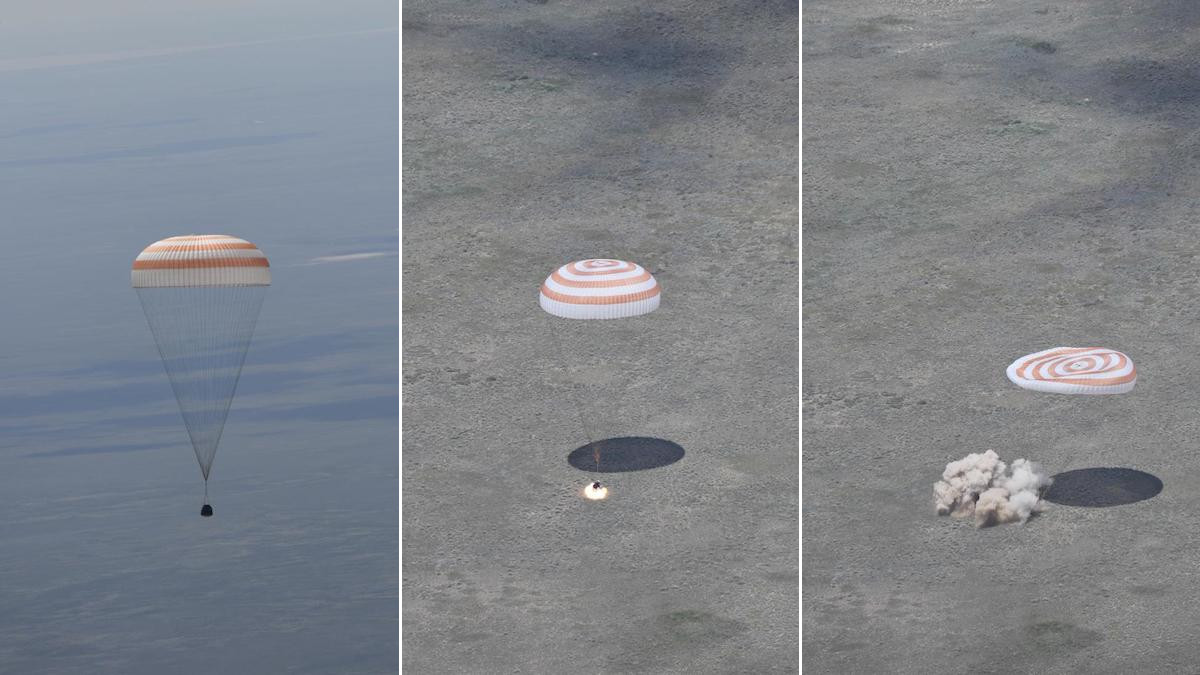
“What’s really, really aggressive is when the parachute opens. You’re still just going over the speed of sound and these braking chutes come out first. It’s very, very violent and the capsule is swung around—you get about 20sec of complete roller-coaster feeling—then the main canopy opens with a big jolt as well. That’s the bit that’s really quite violent. The eight minutes of coming through Earth’s atmosphere is uncomfortable, but it’s not aggressive.”
On the inside
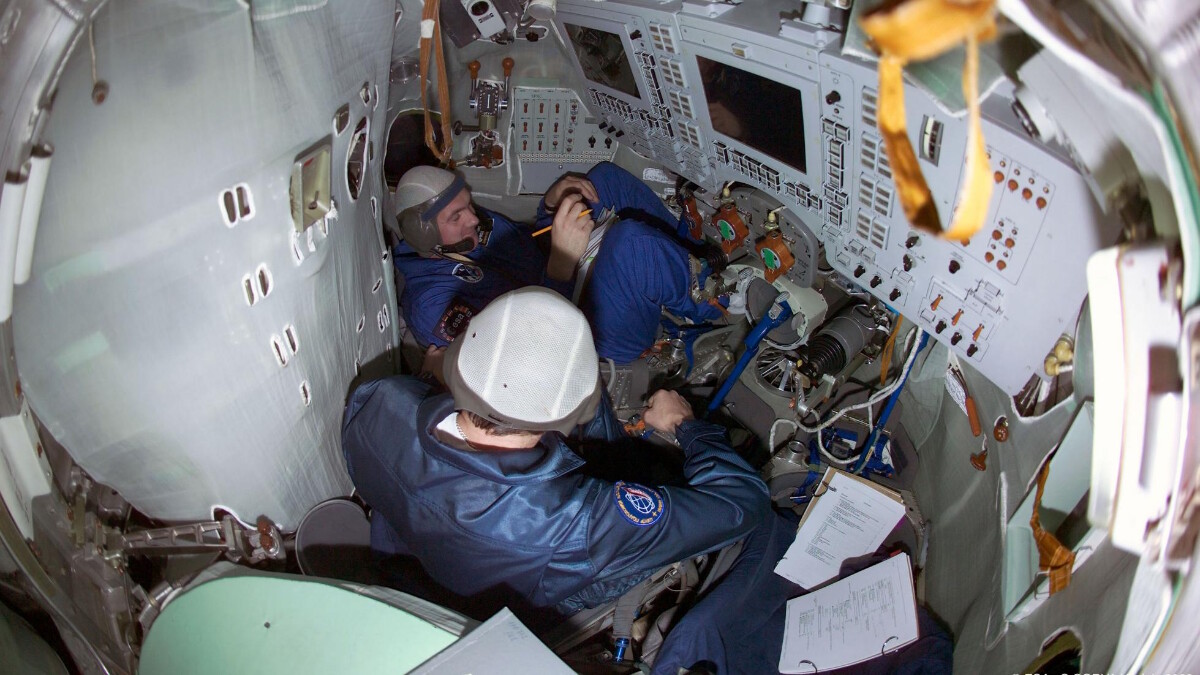
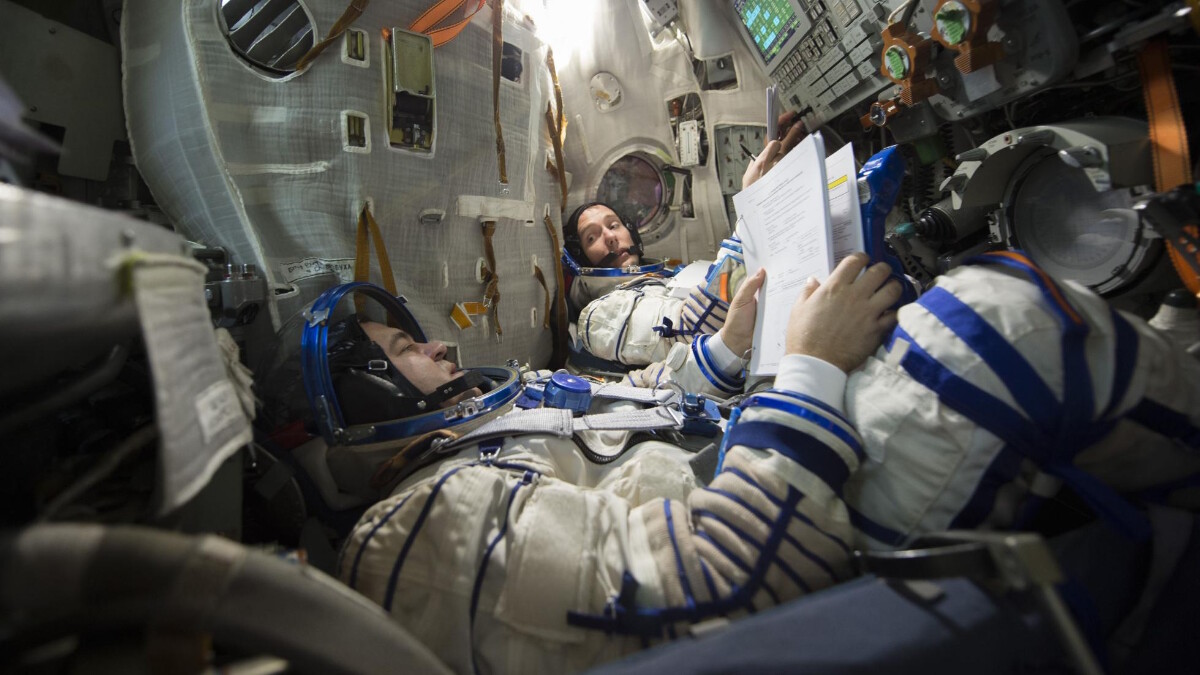
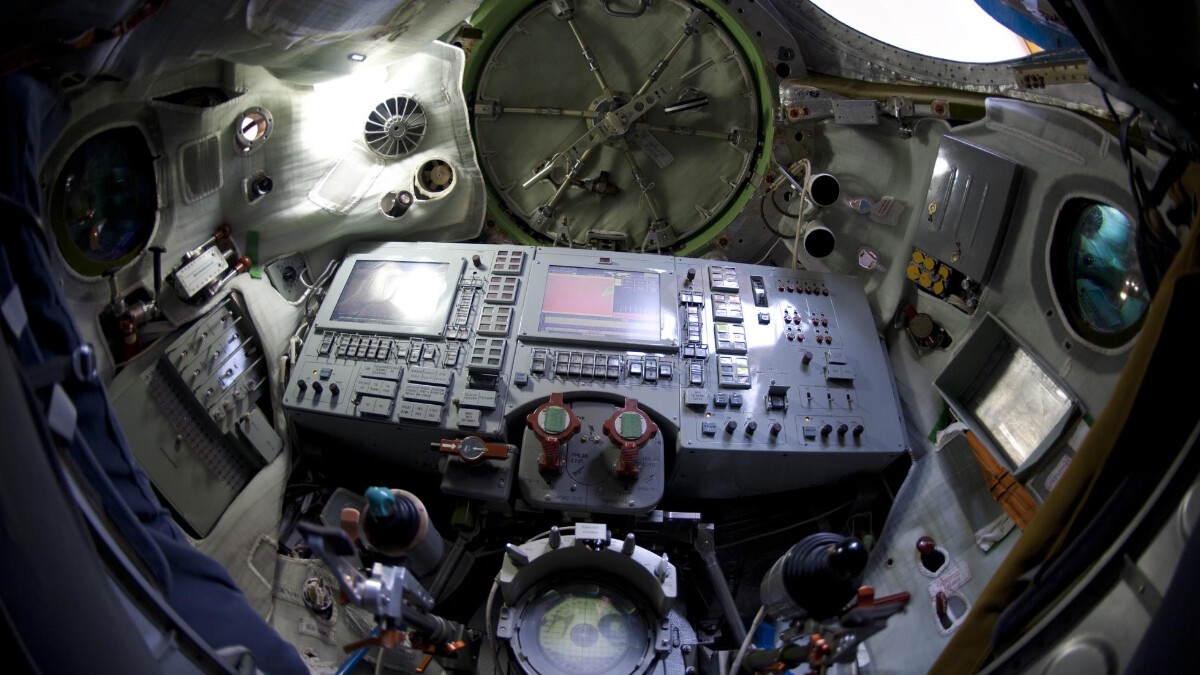
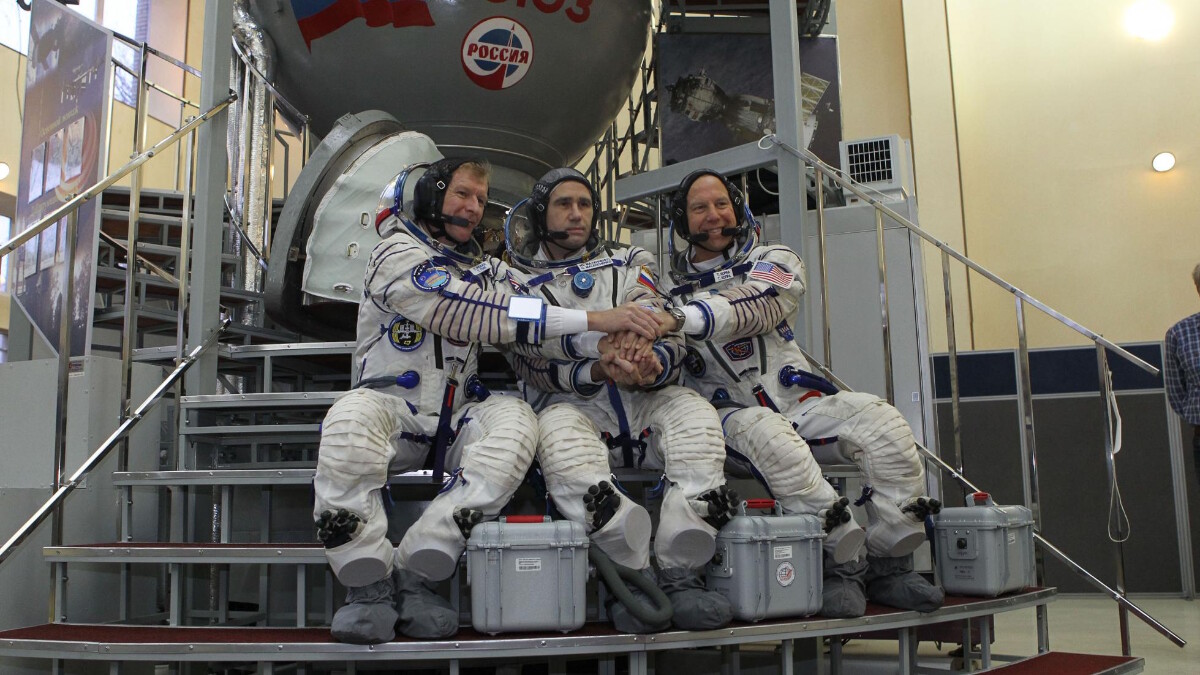
The Soyuz spacecraft’s cabin is hot and sweaty on re-entry, then, but what about the rest of the time? Well, there’s no 18-way adjustable seats or Apple CarPlay, but there’s more than enough other buttons to keep you occupied on a six-hour journey to space. Our picture here shows astronauts in a Soyuz training capsule in Star City, Moscow, as there’s not really the room—nor spare astronaut capacity—to photograph this during an actual trip to the ISS.
While space is clearly at a premium, the Soyuz capsule is a big step up from the command module that transported Neil Armstrong and the gang on the Apollo missions of the ’60s and ’70s; there’s 50% more living space—nine cubic meters versus six—while weighing less overall. It hosts three people and can support them for up to 30 days, which is significantly longer than they’ll spend in the Soyuz if all goes to plan.
Potassuium superoxide chambers on board the craft take the carbon dioxide and water emitted by its passengers, turning them back into oxygen while syphoning off the leftover CO2. It’s a techier version of pressing the ‘air recirculate’ button on your aircon when you’re stuck behind an old van pumping out black smoke.
This TMA-M, introduced in 2011, replaced lots of analog equipment with digital to save around 70kg on the Soyuz models that went before it, as well as bringing more passenger space, thus allowing astronauts and cosmonauts over six feet in height to go to the ISS, with a wider range of shapes and sizes now accommodated—anyone between 4ft 11in and 6ft 3in in height, and 50kg and 95kg in weight.
Final thoughts
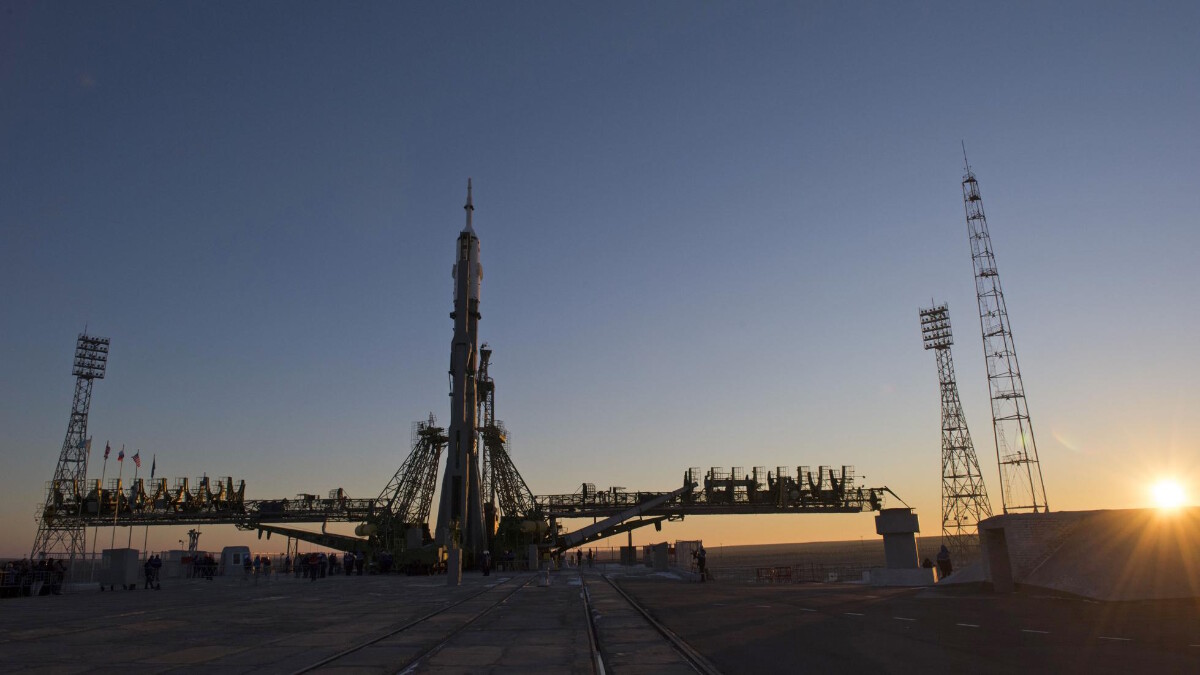
Nine million horsepower, 28,590kph top speed, and zero to 3,500mph (5,633kph) in 2min. With those sorts of figures, we can’t score the Soyuz TMA-M and its rocket boosters anything less than the full ten.
Space exploration is a vastly evolving enterprise, though, so while Soyuz—and its Baikonur launch pad—have determined how humans leave Earth for most of the 2010s, the 2020s have seen a new dawn of commercial space travel, most famously SpaceX and soon Boeing, provide a viable, perhaps more sustainable alternative.
Either way, space travel wins, with more choice than ever for how we get up there and explore. Much of it uniting nations that, on terra firma, don’t always get along. Soyuz, and its 50-odd years of service so far, has been a vital part of the journey.
“I’m very encouraged by what’s going on generally at the moment,” says Tim Peake. “You hear in the press ‘the US going back to the Moon’ but the reality is it’s very much an international collaboration. The service module for the Orion spacecraft is built by Europe. The same ISS collaboration is pretty much involved with that whole moon effort. And I’m a fan of that.
“I would love to see us get to Mars in my lifetime—and I think we will get to Mars in my lifetime—but going to the Moon is a sensible option. I do think when we go to the Moon it’s to stay; it’s not a two week trip, it’s to go there and have a permanent space station in orbit around the Moon, then permanent habitation modules on the surface doing proper research, finding out so much more about our nearest celestial body and what we can learn about Earth from what we find out there. That’s all great stuff in terms of science and research, but it’s also great stuff in terms of making it less risky to go to Mars.”
NOTE: This article first appeared on TopGear.com. Minor edits have been made.