It wasn’t enough to just complete the task—it had to be finished with all golds. Partly for your own OCD and partly because it’d reward you with a better car at the end.
Ivan Pavlov wasn’t on the development team for Gran Turismo, but there’s a strong chance one of his distant cousins was. Because the rage and frustration felt while trying to complete the in-game licenses would usually result in both PlayStation controller and TV, plus anything else in the near vicinity, having their structural integrity compromised.
At least this level of virtual conditioning wouldn’t leave a series of long-lasting effects on someone who first played it back in 1997. Which is exactly why you’re looking at this 1989 Suzuki Alto Works.
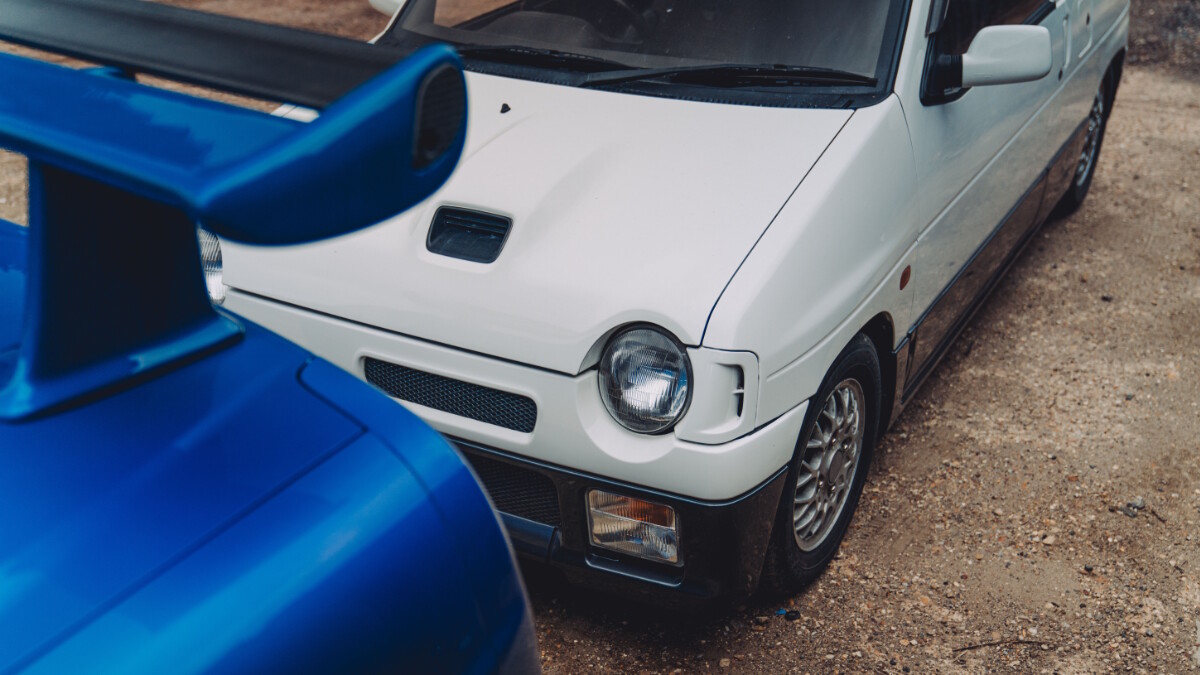
Its box-like shape is there for a reason—it’s a Japanese kei car. That means it needed to be a certain size and weight (small, light) and it needed to be powered by an engine no bigger than 550cc (which later increased to 660cc from 1990 onwards).
In Gran Turismo circles, the Alto Works would be one of the first cars you’d get access to in the game—typically within those dreaded license tests. You’d have limited funds, and the 1,000m time trial felt like it lasted an eternity. But this was all essential as you worked your way through the ranks before being trusted with something altogether beefier...like an R34 GT-R Skyline.
STORIES YOU MIGHT HAVE MISSED:
Specs, prices, features: Everything you need to know about the all-new Suzuki Celerio
The Nissan Sakura is a pint-sized electric kei car with 180km of range
Ironically, finding an Alto Works has become even harder than the hallowed GT-R pictured next to it. Even though by today’s standards, you could buy almost 50 Suzukis for one R34 GT-R. Providing you can find ’em.

Go on, then, what makes it interesting? Back in 1949, the Japanese government created the kei-car category, which quite literally translates to ‘little car.’ Those eligible can only be a certain size, weight, and power, but tick all the boxes and owners can reap a range of tax and insurance benefits. Not to mention kei-only parking in parts of Tokyo, too.
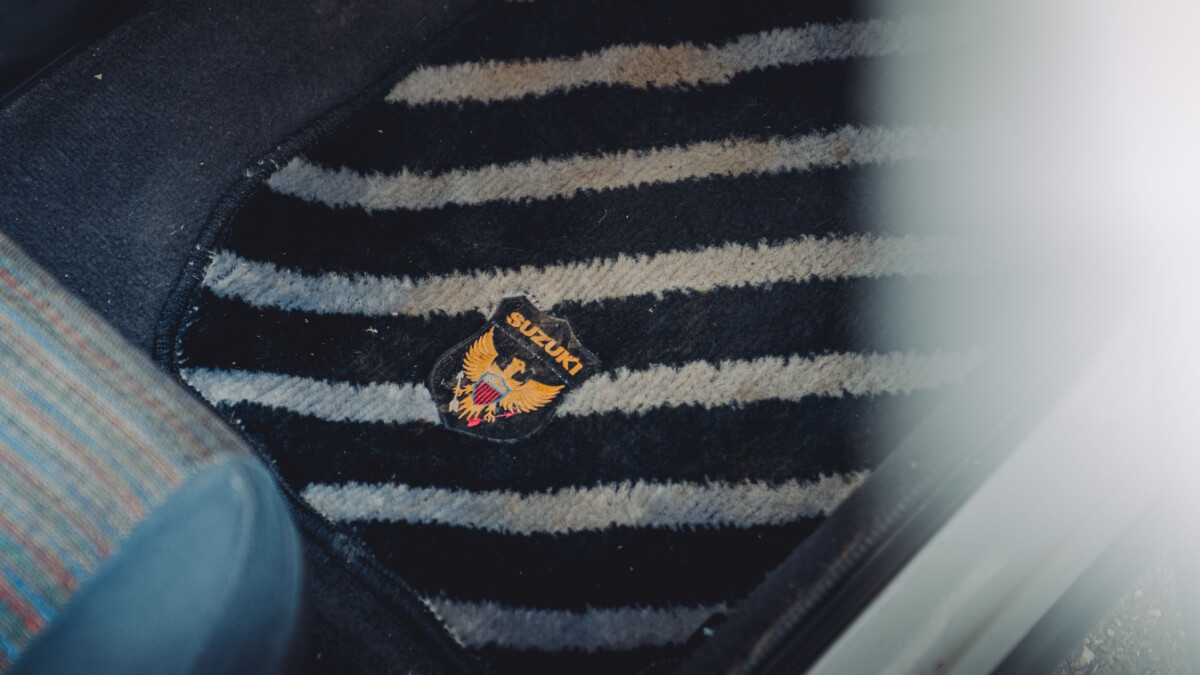
This particular Alto is an early front-wheel-drive model boasting a five-speed manual ’box, a 550cc three-cylinder engine, some zebra-like carpets, and not much else. Later engines gained an extra 6hp along with four-wheel drive, but they always remained tiny. You’re looking at just over three meters long and 1.5 meters wide. In fact, it’s barely 10mm wider than it is tall.
Why buy it? I’m officially out of excuses; I thought it’d be quite entertaining while everything else was broken. The steering column rattles at idle and the intercooler takes up more room than the actual engine. The crumple zone goes all the way to your pelvis, and the speedo suggests it’ll do over 100mph (160kph). Though I fear the only man brave enough to do that would be Wing Commander Andy Green, who’d need to lose about two feet of height before he’d be able to get into the thing.
NOTE: This article first appeared on TopGear.com. Minor edits have been made.