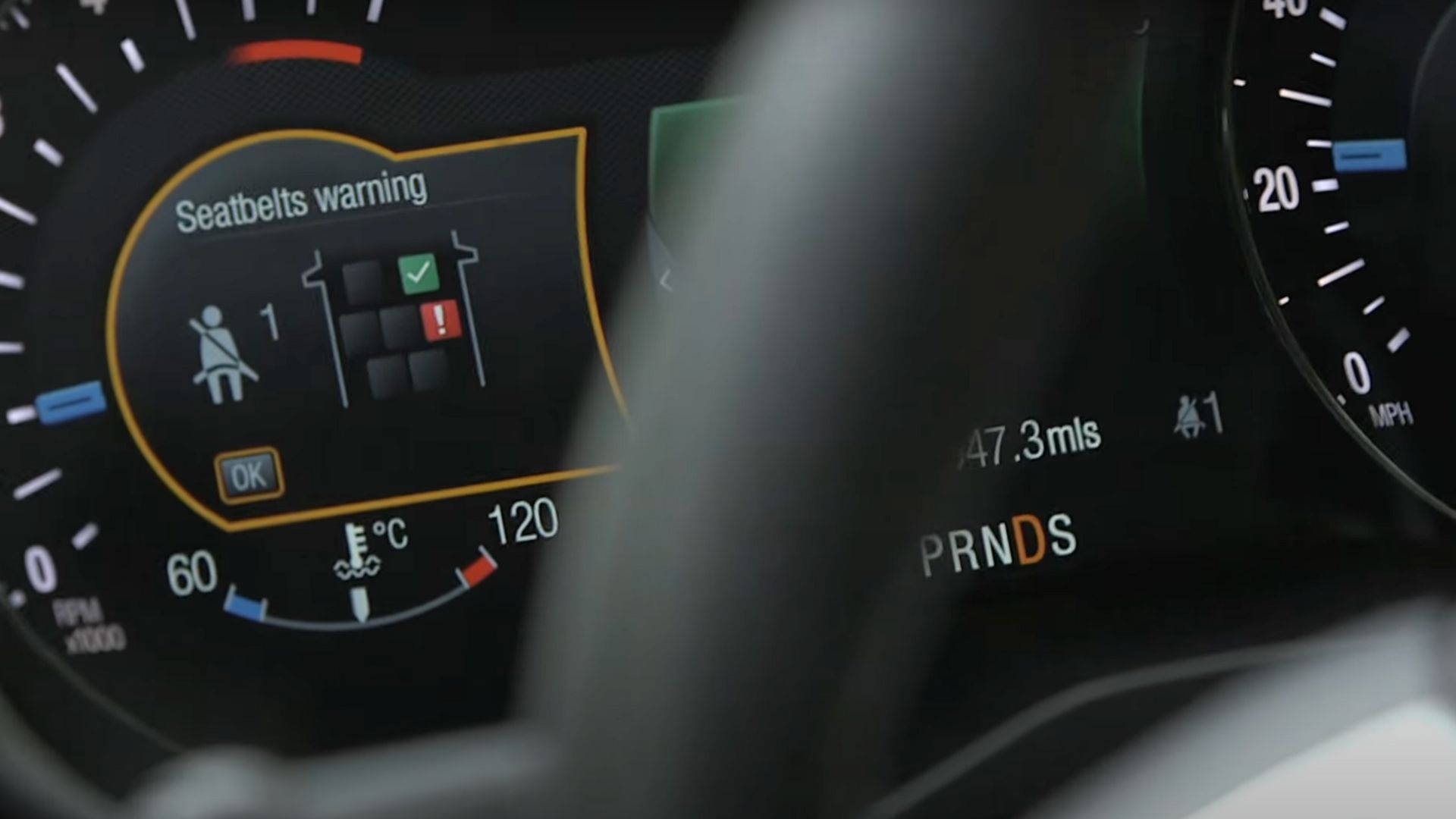
It is undeniable that seatbelts have saved millions of lives and limbs since they were invented. But why don’t people wear them all the time?
‘It’s uncomfortable.’
‘In a crash, I could be trapped inside if I have a seatbelt on.’
‘The airbags will protect me.’
‘I could just brace myself.’
‘I’m young and strong, I can survive even without it.’
‘Seatbelts cause more injuries in a crash.’
‘We’re stuck in slow-moving traffic going 30kph at most.’
‘Diyan lang ako pupunta.’
OTHER STORIES YOU MIGHT HAVE MISSED:
Report: Nearly 1.8 million plates have yet to be delivered by LTO
The all-new Hyundai Santa Fe has gone all boxy
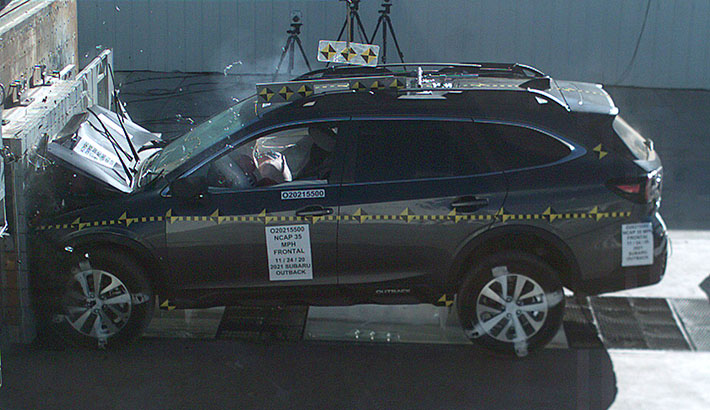
Well, here are some quick facts from the US National Highway Traffic Safety Administration (NHTSA):
- In the US, one out of four don’t wear a seatbelt.
- More than 60% of rear-passenger fatalities were found unbuckled.
- Few backseat passengers wear their seatbelts, even if the driver and the front passenger are buckled up.
- The 16- to 24-year-old age group often don’t put on seatbelts.
- City residents tend to wear them more frequently than those driving in rural locations.
- Women are more likely to buckle up than men.
- Compliance with the seatbelt law is better when driving on expressways/multi-lane highways.
Do you think more Pinoys wear seatbelts? Especially the rear passengers?
In the Philippines, there’s limited data, but seatbelt use has reportedly increased after the primary law was passed, even with sporadic implementation.
For those who doubt how protective they are in accidents, here are more documented facts. Wearing belts decreases fatality by over 50% in adults. It’s even more effective for children wearing an age- and weight-appropriate child seat—fatalities were decreased 90%.
Total recorded motor vehicle crash fatalities in the Philippines for 2020 were 13,017, which is a modest increase from 2016’s 10,012 fatalities. If everyone wore seatbelts, there would have been thousands of lives saved. There were more fatalities from being thrown out of the vehicle versus being trapped inside because of a jammed seatbelt.
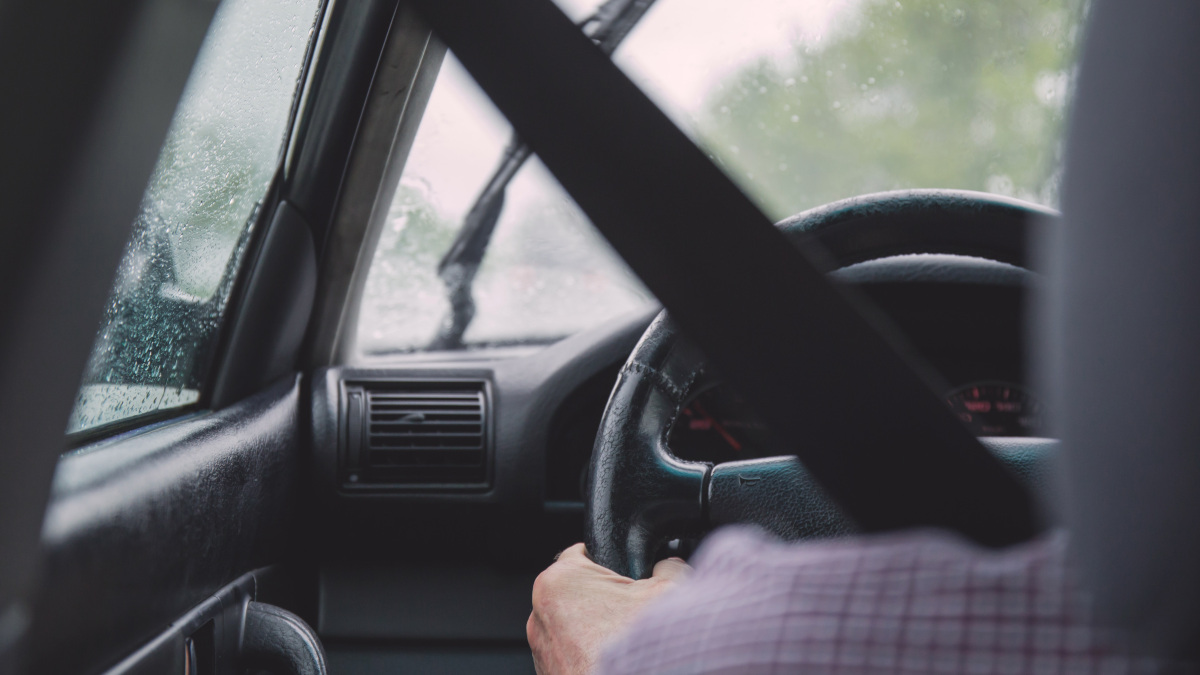
Seatbelt injuries occur less frequently with proper use. Injuries are worse without its use. With more females wearing seatbelts, it’s no surprise that the male-to-female ratio for crash fatalities was three males to one female. Majority of crashes occur within 40km from home.
The best defense against an irresponsible, drunk driver is a seatbelt.
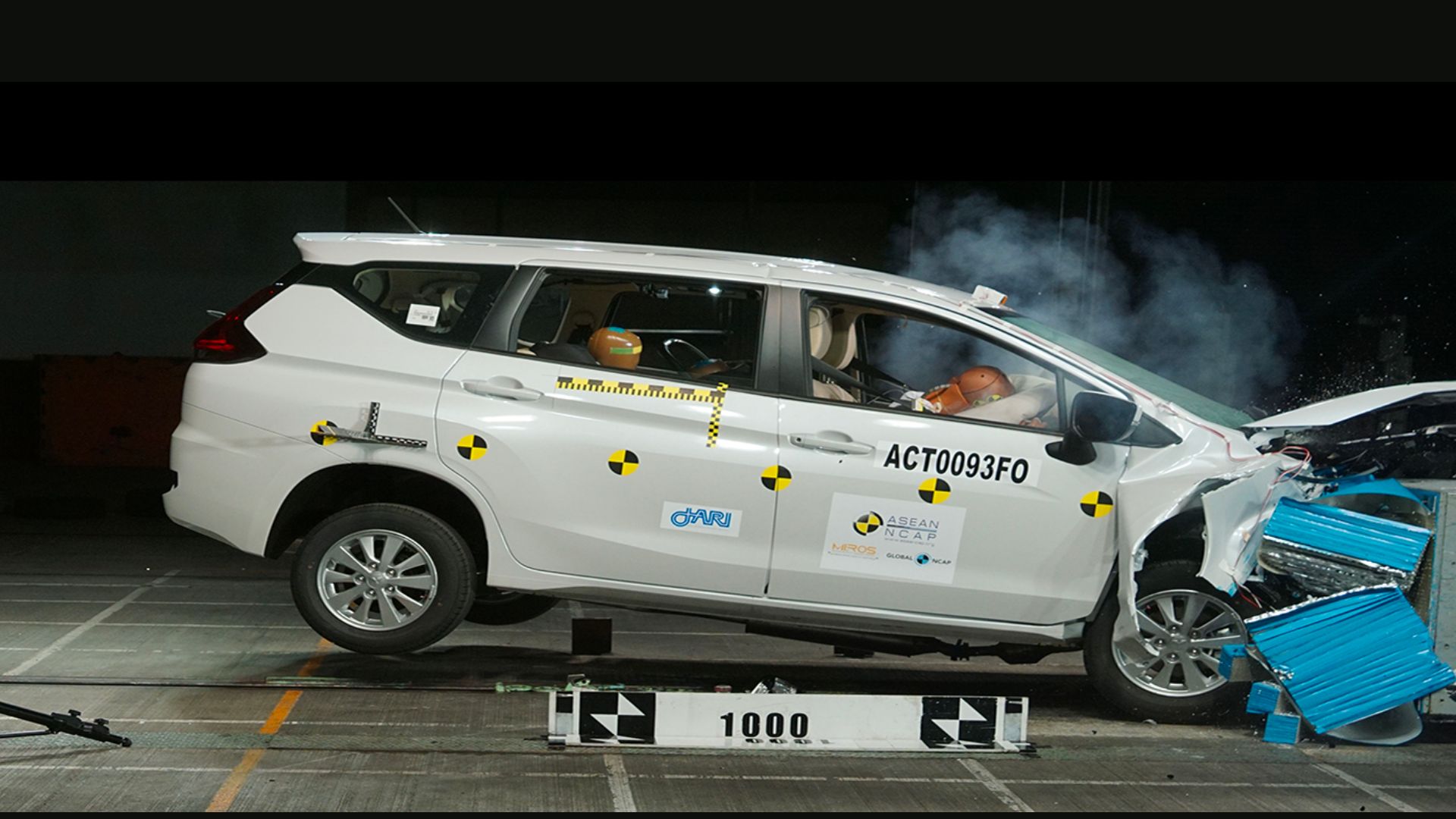
If you want a morbid visualisation of the ferocity of vehicular accidents, there are numerous YouTube crash test videos with buckled up and unbuckled dummies. Even a buckled-up driver appeared to have been injured worse after an unbuckled rear-seated dummy slammed into the driver’s seat, shoving the driver into the steering wheel. Check the timestamps on the slow-motion vids—you don’t have enough time to brace yourself.
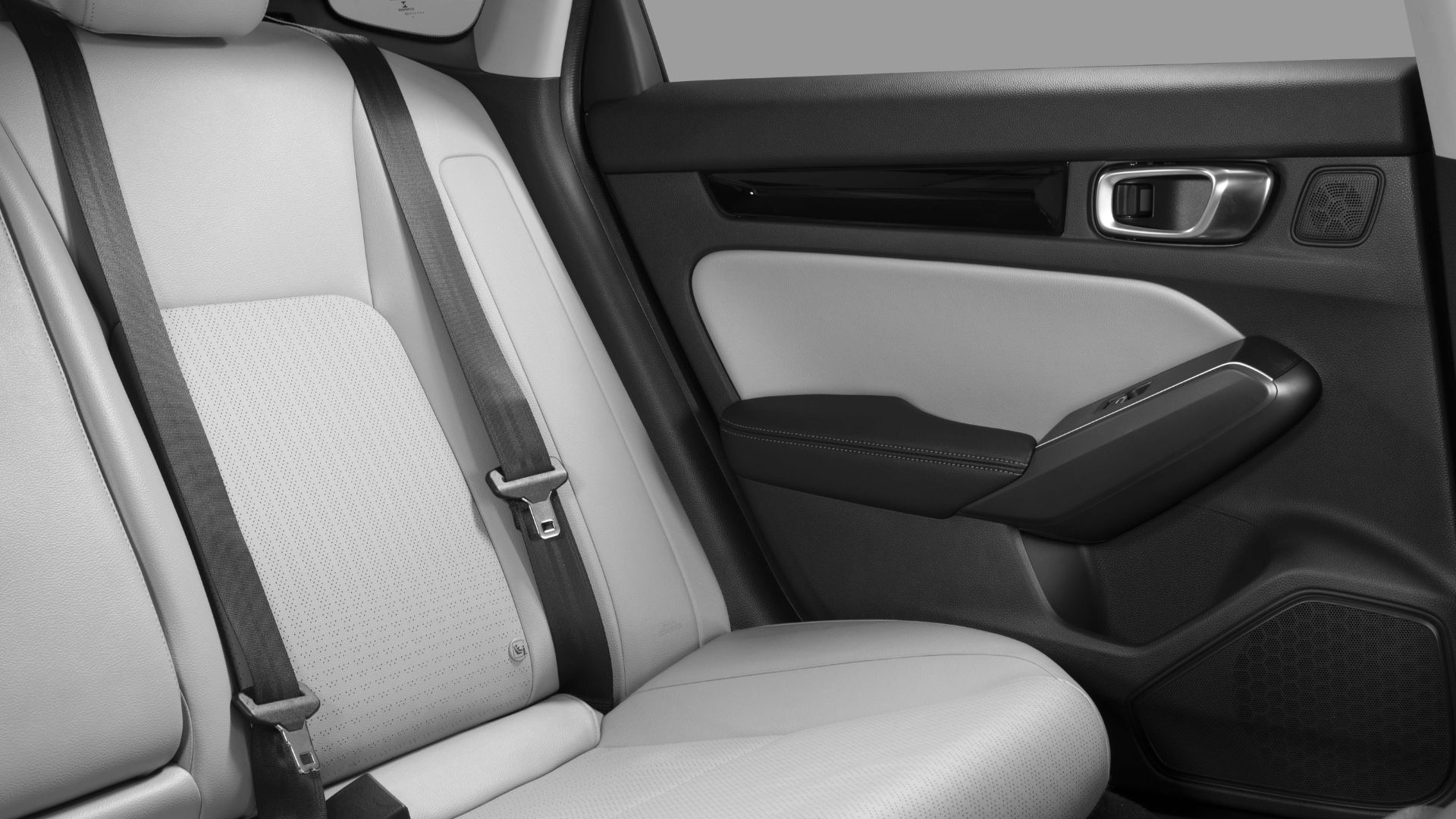
Even if your reaction time is fast and the speed of the crash is slow, it’s difficult to support yourself against momentum and inertia. Those could be equal to or multiples of 1 g-force, in fractions of a second. That’s like pushing or pulling your own body weight.
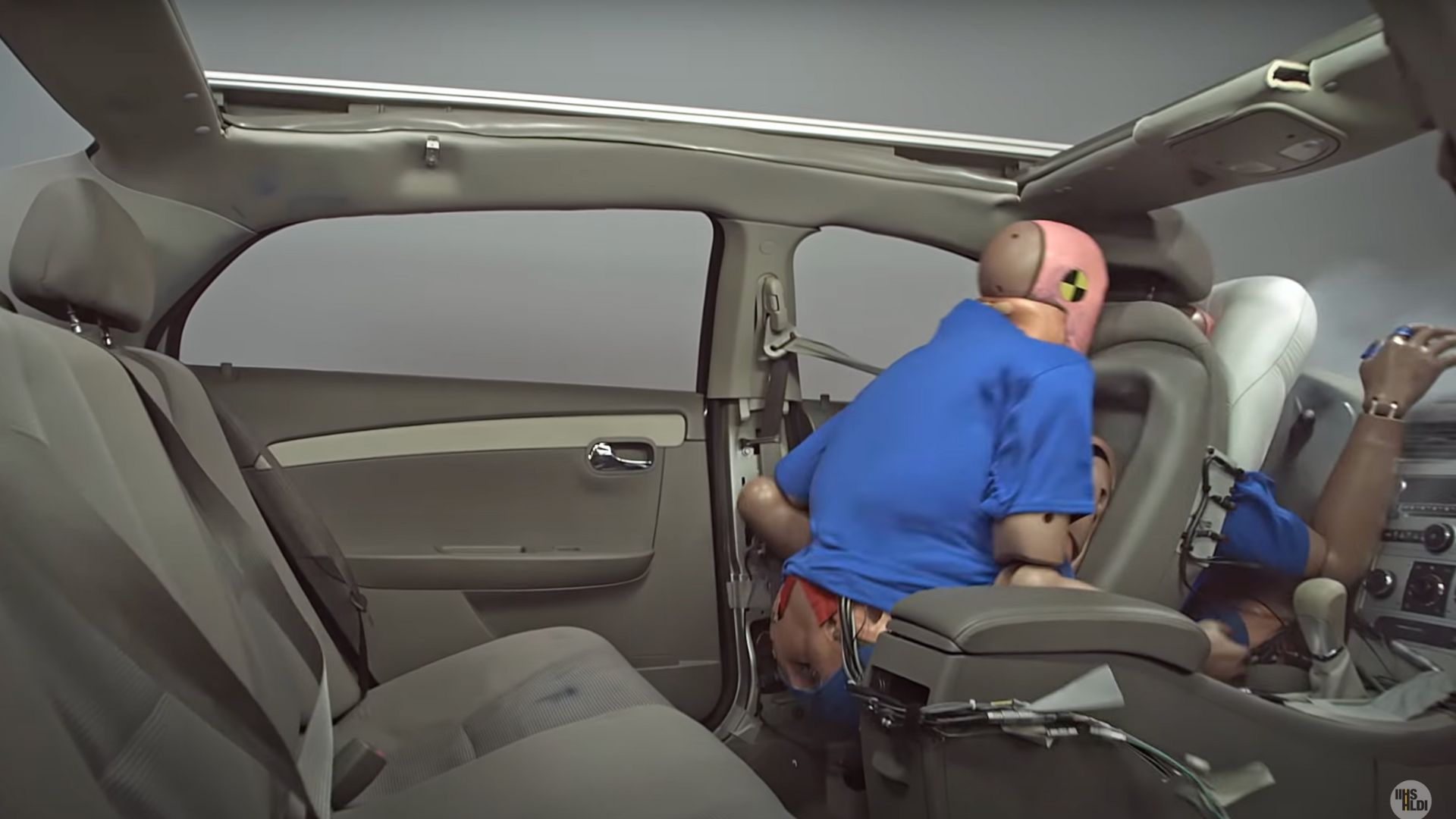
Accidents can be avoided, but when they happen, it’s usually when a series of lapses occur. An accident may be avoided if those events occur separately, but when they all happen at the right time, it becomes inevitable. The same can be said regarding protective equipment.

Modern vehicles have multiple technologies acting collectively to prevent a shunt: antilock braking systems, traction control, collision avoidance and mitigation systems. On well-equipped vehicles, there are complementary passive and active occupant protection systems like seatbelts, airbags, and Isofix attachments. All these together prevent an accident, or prevent fatalities and mitigate the injuries to the occupants in an accident. Older vehicles or classic cars don’t have these technologies. As a minimum safety measure, seatbelts may be retrofitted.
Advanced as they are, some of these systems still require diligent involvement of the driver and the passengers. Like using the brakes properly to maximize efficiency of the ABS, plus wearing the seatbelts and wearing them properly. Seatbelt laws and implementation with fines are not the most effective measures to ensure compliance. Education trumps them. In a local study, driver error was the most common cause of vehicular accidents, accounting for 26%. The first layer of safety is a skilled, civilized nut behind the wheel.
Those who don’t buckle up believe that a 40kph crash won’t be grave enough to need a seatbelt. A frontal collision at that speed is enough to send a rear-seated passenger straight toward the windshield, and it’s even worse for a front passenger. That same unbuckled rear passenger can go through the windshield if it’s a head-on crash into another car going about the same speed.
Airbags are designed to work with seatbelts. A deploying airbag, on its own, can actually cause more damage. That is also true for ill-fitting seatbelts. A properly worn seatbelt has the lap belt across the hips, not on the stomach. The shoulder belt should be across the middle of the chest away from the neck. Most vehicles have seatbelt adjustments to achieve a correct fit. Booster seats may be needed for smaller passengers, and seatbelt extenders are necessary for larger or pregnant users. Adjusting the seat position also helps to get comfortably strapped.
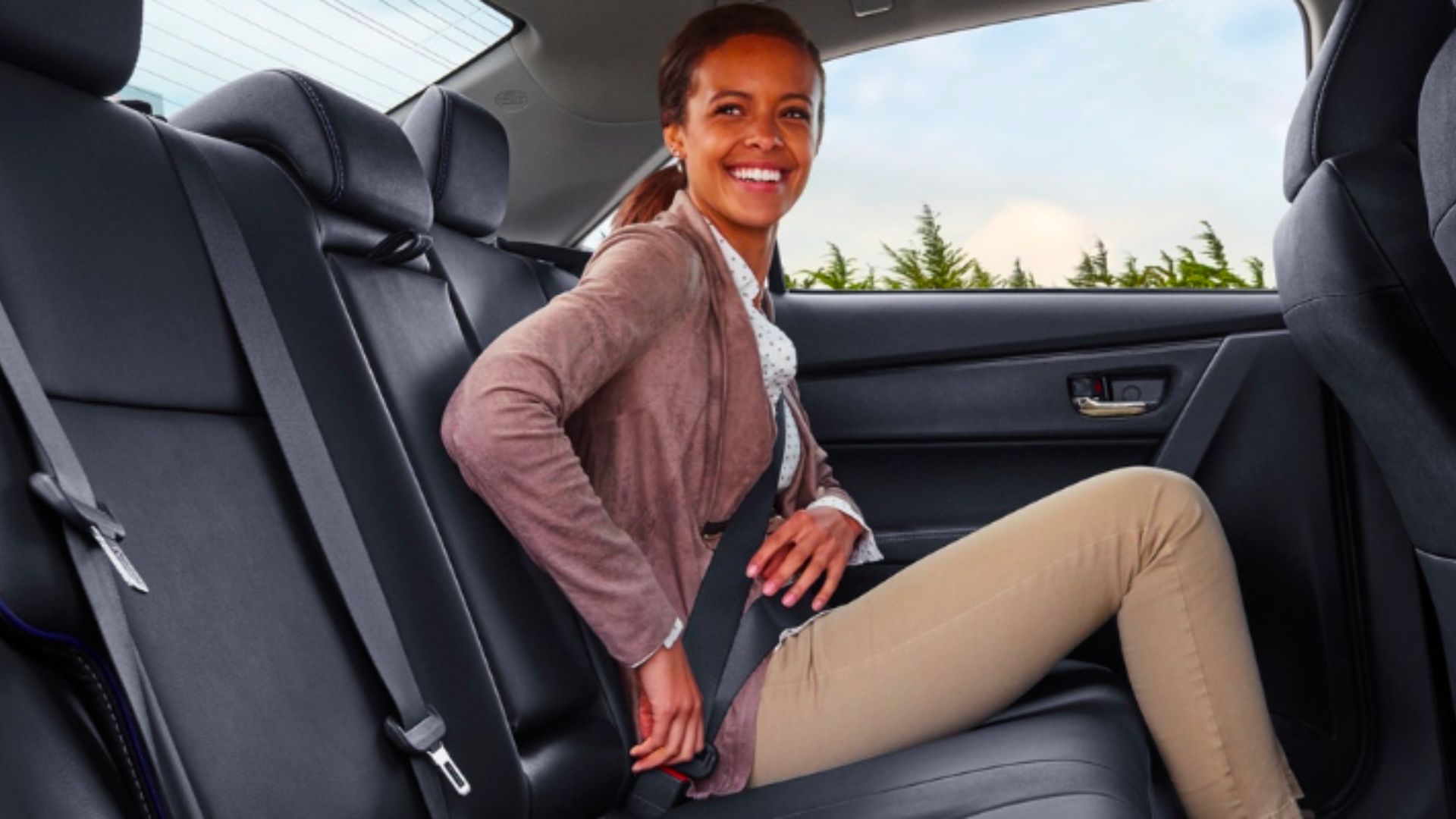
Knowledge trickles down. If adults are wearing their belts in the front seats, children and young adults in the backseat are more likely to wear theirs. Conscientious and courteous drivers will raise the next generation of drivers with the same good manners. Unfortunately, bad habits and wrong instructions get passed down, too. Keep doing the right thing and eventually it becomes the norm.
We should exercise precaution at all times. Instead of rationalizing when we need them and when we don’t need them, we should use all available safeguards, all the time. Safety is a matter of habit.