If you’re a car spotter like us, you might have been noticing many unfamiliar badges on the road in recent years. And more often than not, they’re from Chinese car brands. But now you also see a lot of familiar China brands like BYD, MG and Geely. You might think the Chinese have a foothold already, and you’d be right—if the size of the foot is from a 4’11” Asian lady.
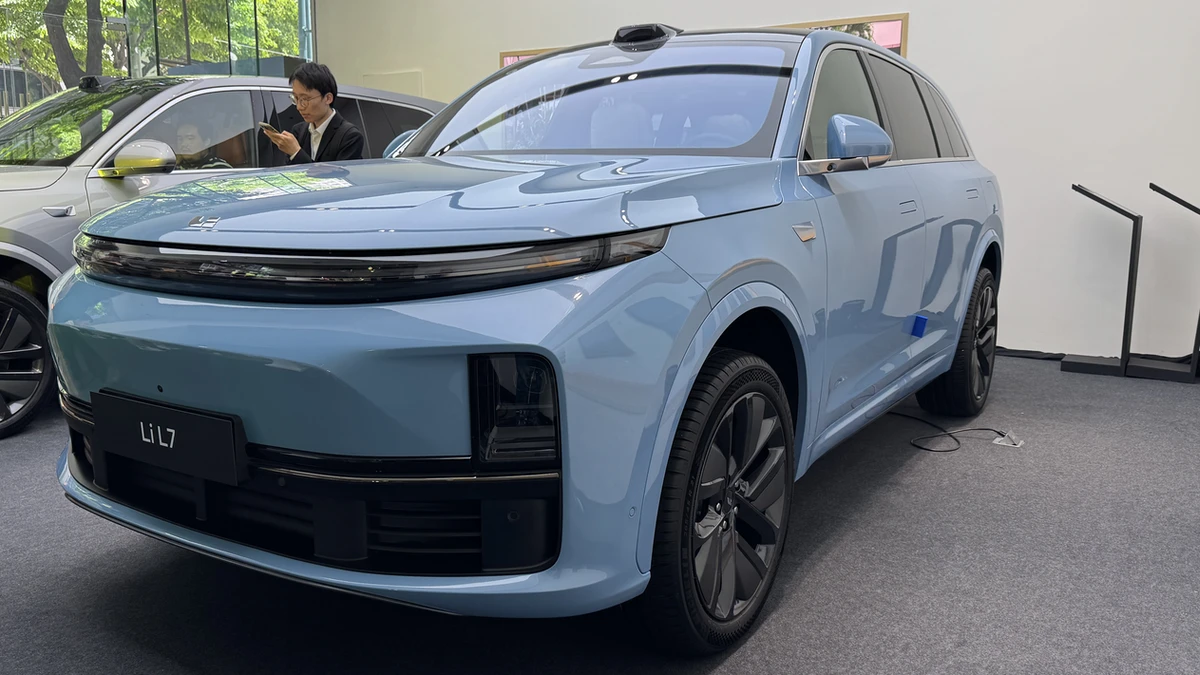
In the past few years since the pandemic, even as new brands from mainland China kept coming in, as the Manila International Auto Show jokingly became the China International Auto Show, the sales landscape has remained the same. In the top 10 car brand rankings, there are six Japanese brands, two Korean brands, one American brand, and one Chinese brand, with very little variation. From what I recall, no Chinese brand has climbed higher than rank 8.
Last month, the Chinese onslaught sputtered a bit as Astara Philippines decided to wind down operations in the country. Astara represented three Chinese brands: GAC, JMC, and JAC. Only GAC has announced that it would continue operating on its own under GAC International Philippines.
And so for many years, Toyota and Mitsubishi have retained their duopoly at the top. Fighting for third place is Suzuki, Nissan and Ford. I believe this will be the case for the foreseeable future.
Mitsubishi has firmly entrenched itself as the number two car brand in the Philippines. It has done so through a solid lineup and a brand loyalty built over six decades, a feat unmatched by any local automotive brand. All the other car brands here set up shop after the first EDSA Revolution in 1986. Only Mitsubishi stayed throughout the turbulent Martial Law period.
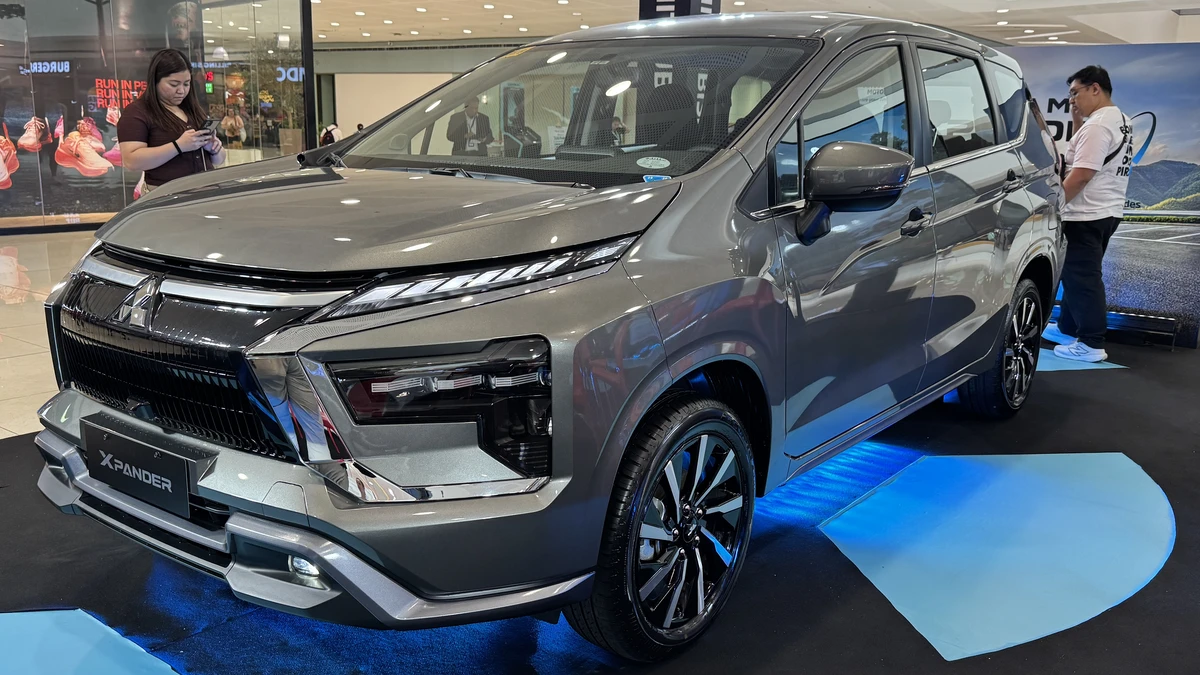
Mitsubishi’s 2026 sales momentum is assured thanks to the buzz generated by its exciting new Destinator SUV. And the aging but still popular Xpander just got a fresh update.
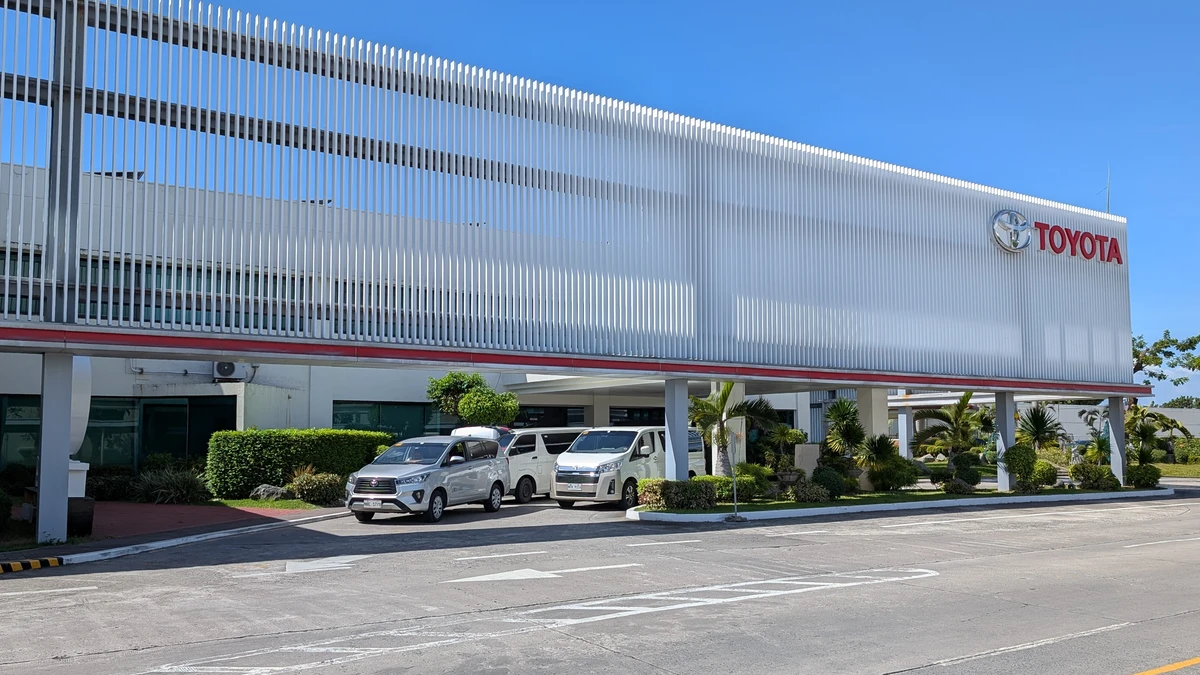
And then there’s Toyota Motor Philippines (TMP). As the number one car brand in the country, it has a big target painted on its back. And I’ve heard a few murmurings of other car brands that want to aim for the top dog. But what they are facing is a Toyota unlike any on earth. In all the 170+ markets that the biggest carmaker in the world operates in, Toyota’s biggest market share is in the Philippines. The figure varies per month, but it hovers in the high 40s percentage—for a time it even held a 50% market share. For context, in its home country of Japan, Toyota has a market share in the low 30s.
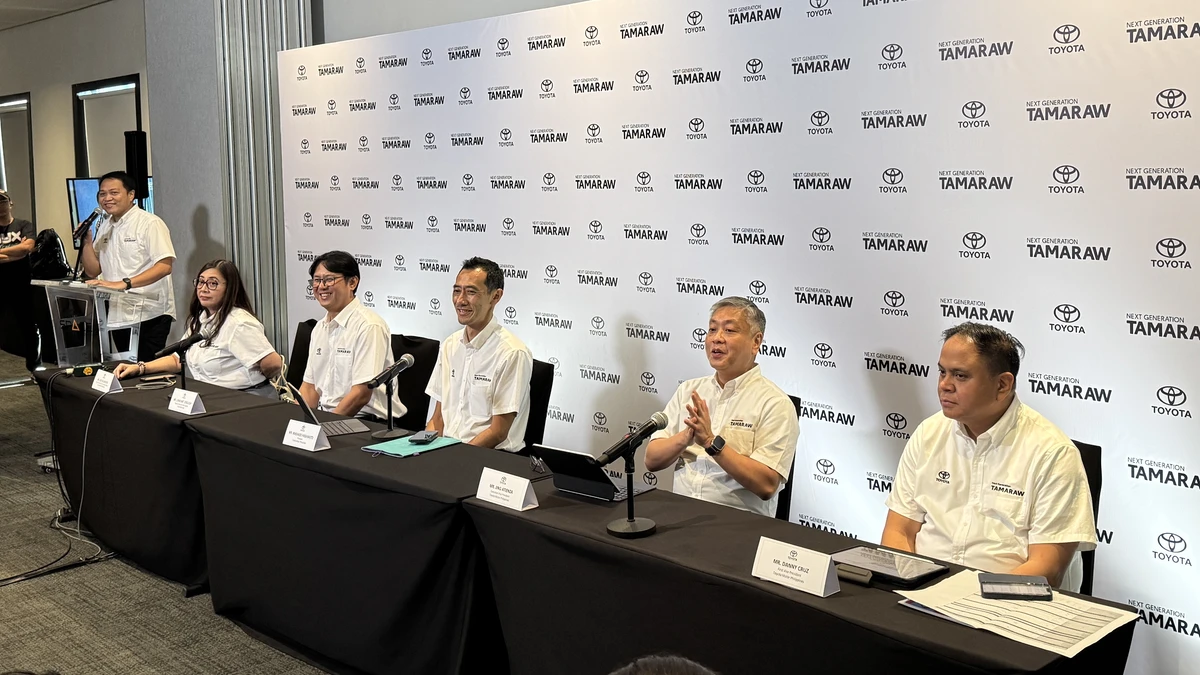
Led by chairman Alfred Ty, TMP is run by a deep bench of VPs and managers who live and breathe Toyota. On the surface they are genial, deeply polite, and affable gentlemen. But when it comes to work, they have a ruthless focus on their mission to maintain momentum, and they will not cede market share. These VPs don’t eat at their events, they just scan the room like hawks to make sure everything—be it a serious dealer conference or a media event on a beach—is running smoothly. The beer in their hand is an accessory; the eye is on the mission.
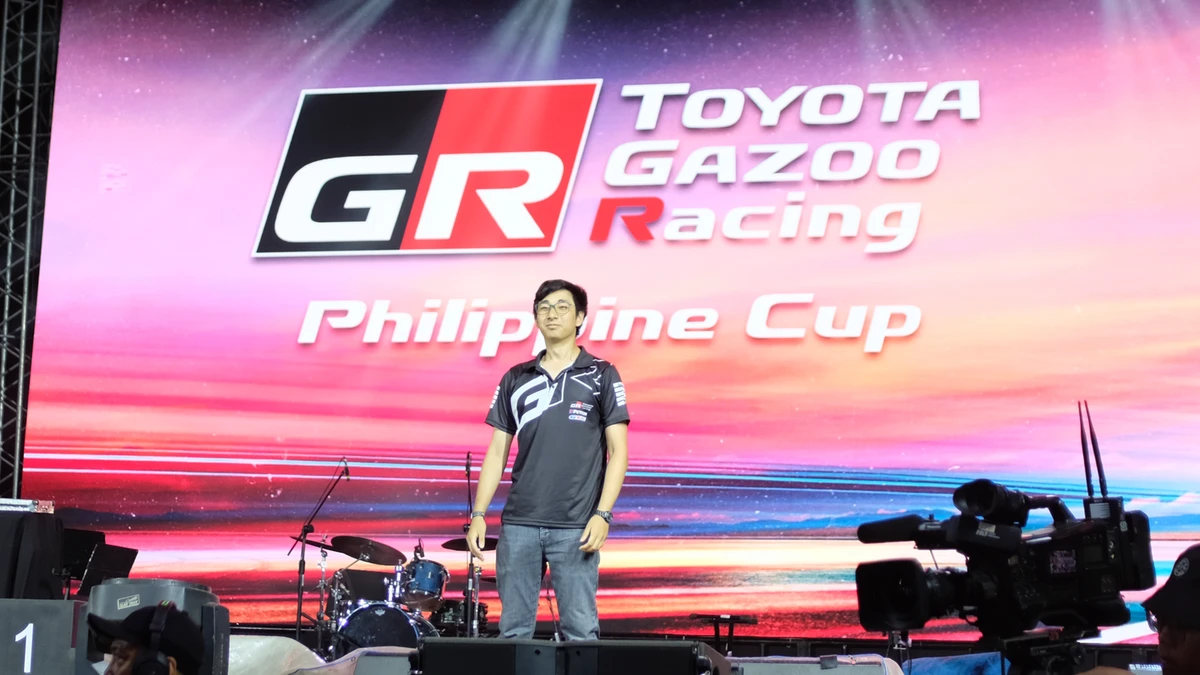
And waiting in the wings is Andy Ty, a third-generation scion who has been groomed and trained in the ways of Toyota so much he can literally speak Japanese. Andy is also a hardcore car enthusiast, and his passion mirrors Toyota’s current push to make its cars more exciting.
Fresh off the momentum of its first affordable hybrid car, the Ativ, TMP is expected to start introducing the next generation of IMV products in 2026, namely the Hilux and the Fortuner. You can already imagine the sales figures.
TMP and other brands are not blind to the growing Chinese headlights on their rearview mirrors. I’ve spoken to Toyota dealers who say they’ve lost sales to some China brands. A growing number of motorists have been enticed by the striking design, electrified powertrain, and advanced features of the new players.
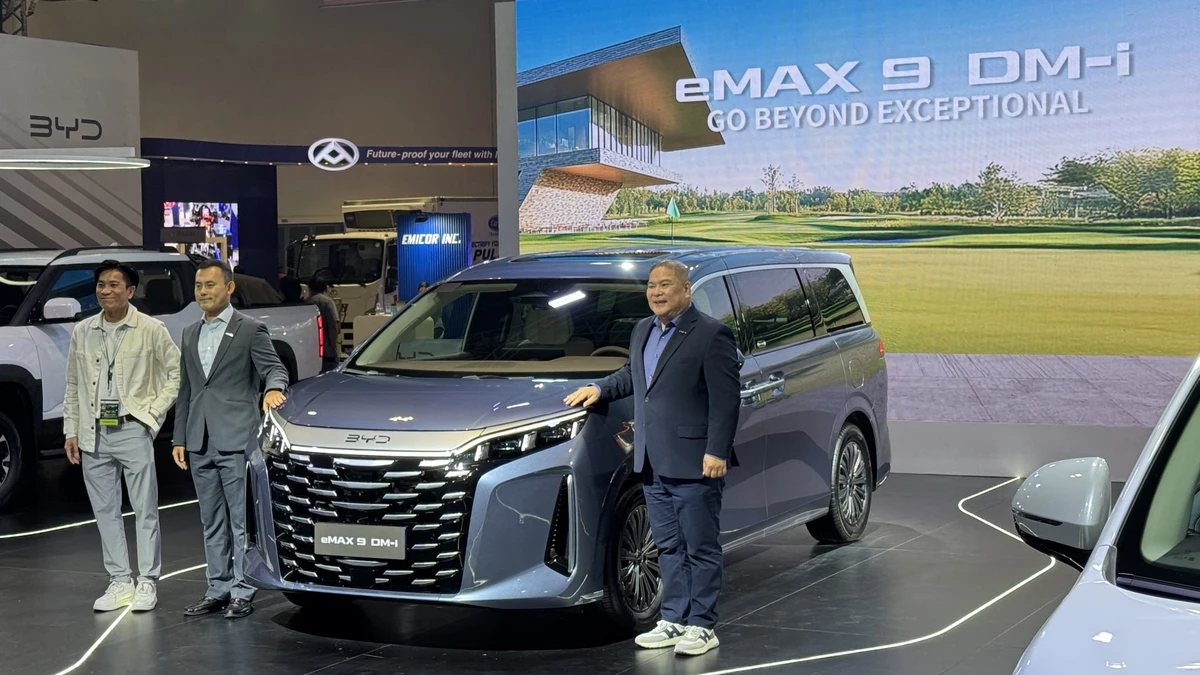
The Chinese brand often seen in the rearview mirror of established players (including TMP) is BYD. Backed by the Ayala conglomerate under its ACMobility subsidiary, BYD has been relentlessly pursuing growth ever since the brand switched owners in Q3 2023. It launched several models in 2025, including the Shark pickup, the Seal 5 sedan, the eMax 9, the Tang SUV, the Sealion 5, and the eMax 7. Whew. And before the end of 2025, BYD Cars Philippines said it would have 79 dealers in its network.
The only question now is how many units BYD Cars Philippines actually sold in 2025. It is not a member of the Chamber of Automotive Manufacturers of the Philippines, where sales numbers are required to be shared. We asked BYD management back in September about sales figures, and they said they would release around the end of 2025. BYD sold 4,780 units last year, so the market is anticipating by how much they topped that number.
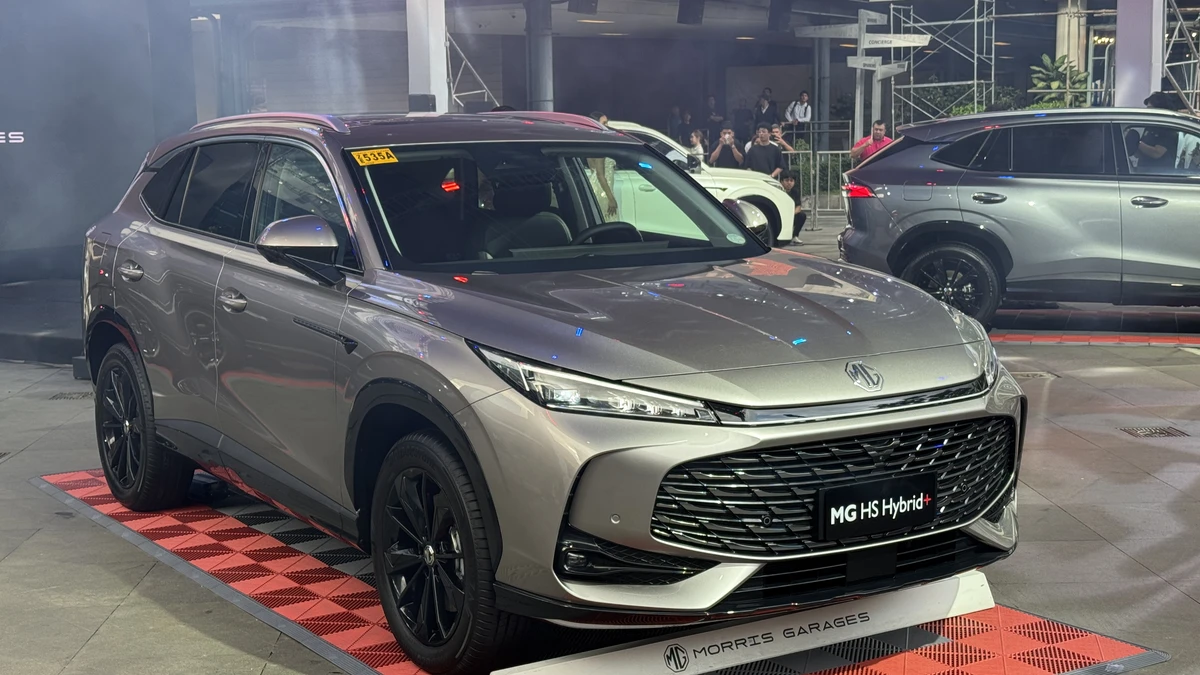
MG is also holding its ground, thanks to the good designs of its cars and its branding. Geely and MG were once the leading China brands five years ago, but the former got embroiled in a massive after-sales fiasco it never quite recovered from. MG has remained relatively unscathed as a brand. And while the Geely Coolray was once an example of a stylish value-for-money Chinese crossover, the competition has caught up. But Geely is still bullish about 2026, stating it is aiming for the eighth place in vehicle sales rankings in 2026.
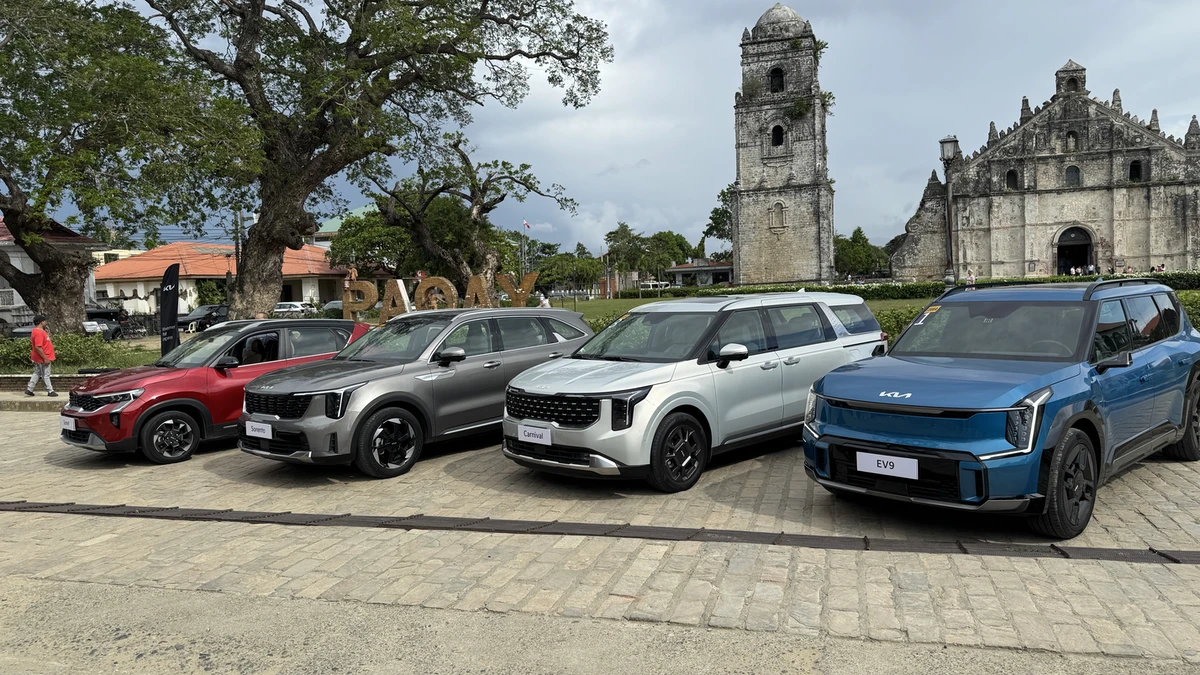
The Koreans are also stepping up their game, especially in the electrified space. The Kia Sorento and Carnival have smooth hybrid powertrains that deliver power and efficiency. While the Kia EV9 and EV6 electric cars have been turning heads since they were launched—and there are more stylish Kia EVs in the pipeline. All they need to do is make them more affordable.
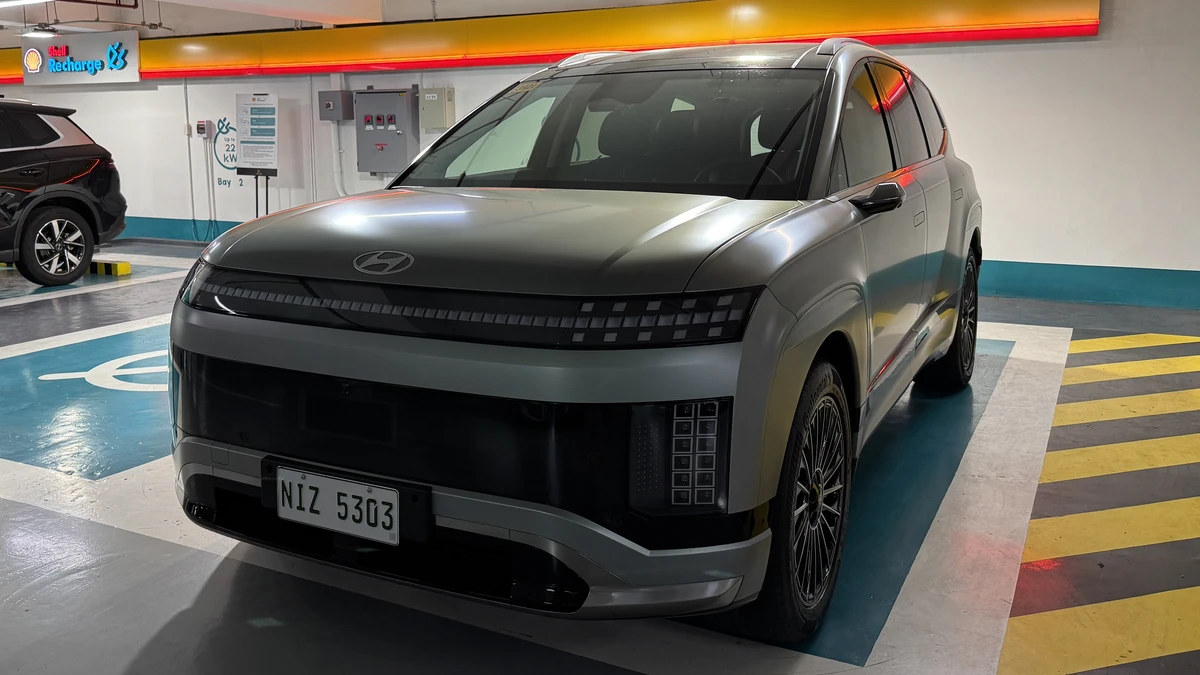
For those who know what a well-made car is, Hyundai is the gift that keeps giving. From the mind-numbing Ioniq 5N and Elantra N performance cars, to the massive Palisade and Ioniq 9, down to the base Elantra, the engineering is so good. Drive them and you will find out. If you can’t tell the difference, then that’s unfortunate.
So expect more of the same in 2026. We’re already girding our loins for all the shoots, events, travels, and content production this year. We’re still in that lull from an extended holiday season, but already we have foreign trips and out of town drives lined up. It’s going to be a bumpy ride, but that’s what makes our industry so exciting.