
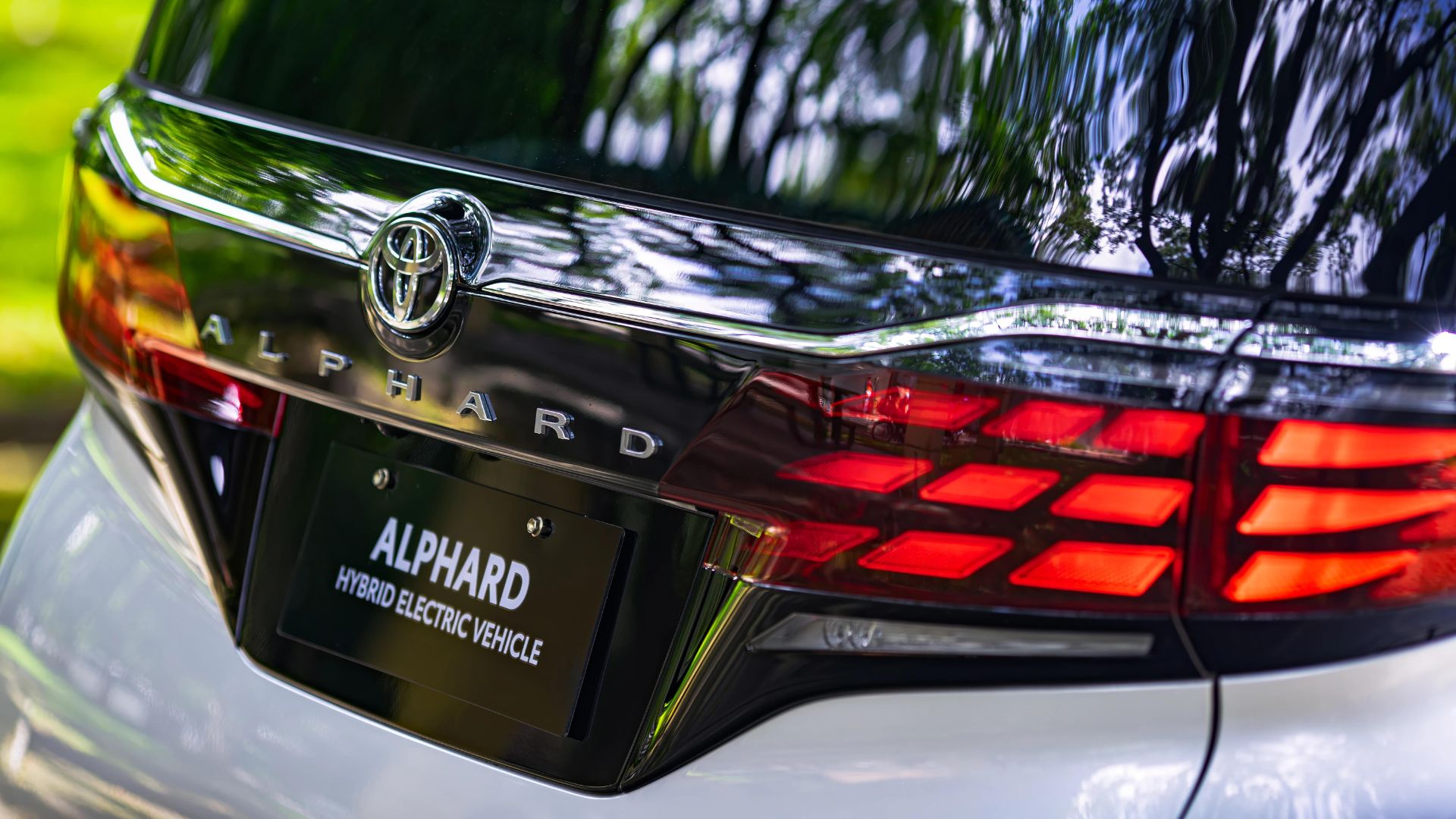
The all-new Toyota Alphard was quietly introduced in the Philippines back in August 11. There was no huge launch or a whole lot of fanfare, just a surprise appearance on the website. Still, we’re pretty sure that loads of customers have lined up for one since even with low-key debut.
But let’s say you’re in the market for one of these luxury vans. What are some of the surprise and delight features you can expect? Here are five that caught our attention.
OTHER STORIES YOU MIGHT HAVE MISSED:
QCPD chief resigns for holding press conference with gun-toting ex-cop in road rage video
It looks like Mitsubishi really wants to make a Ranger Raptor rival
The all-new Toyota Alphard: The basics
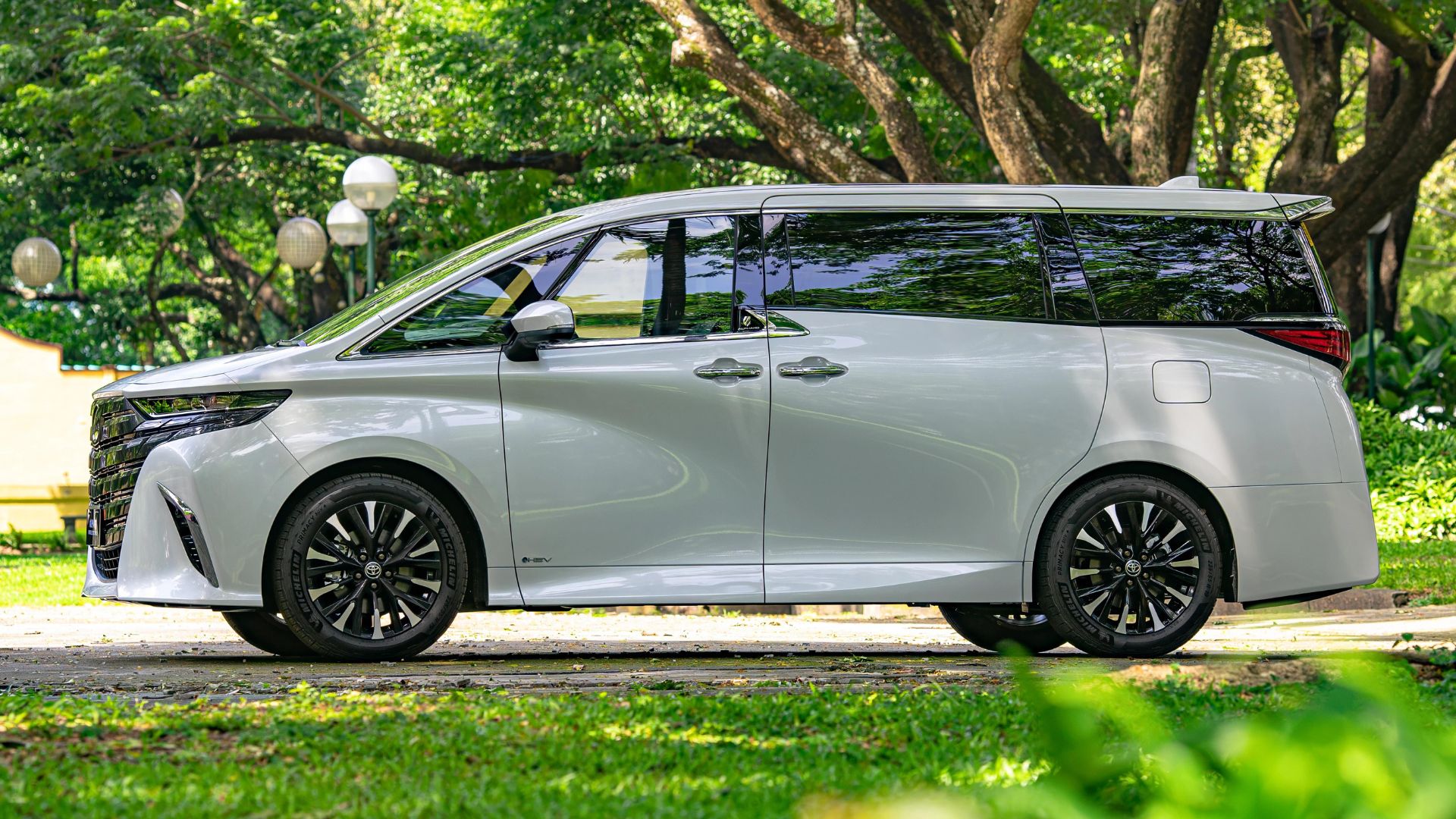
But first, let’s do a recap of the local market Alphard. The Philippines is the first market to sell left-hand drive examples of the redesigned luxury van. There is only one variant for our country, and it’s the HEV (hybrid) version. As you’d expect, it’s longer, wider, and taller than the older model, and Toyota gave it a sharper exterior and a far plusher interior.
If you’re looking for a V6, you can’t get that in the Alphard anymore, even if you try to scour the world for one. Toyota dropped it for good, not just in the Philippines but in all markets where this luxury van is offered. Still, the new hybrid powertrain isn’t half bad. It uses a 2.5-liter Atkinson Cycle four-cylinder engine paired with a powerful electric motor. That gives the Alphard HEV a combined system output of 248hp.
Claimed fuel economy, for the Japanese market at least, is up to 17.7km/l under mixed driving conditions, something the old 3.5-liter V6 can achieve provided you never touch any pedals going downhill. In case you’re wondering, the all-new Alphard retails for P4,980,000, but it’s an extra P20,000 if you want pearl white paint.
Now, on to the features.
1) It’s got an interesting sunroof at the back
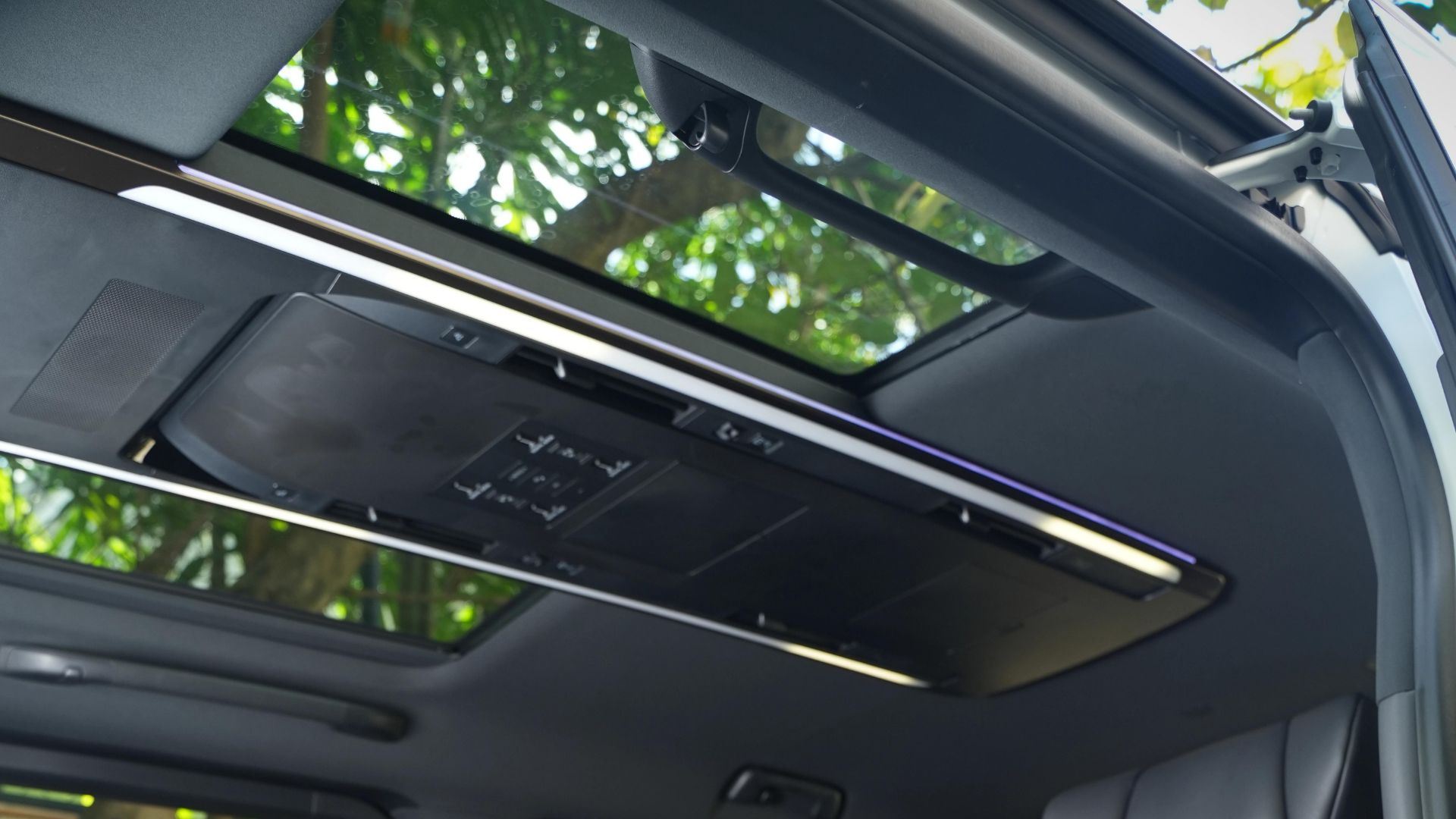
Sunroofs typically come in two forms. The usual one is a small panel at the front, while the other one is panoramic that stretches all the way to the back. But in the Alphard, things are a little different: It has a pair of vertical sunroofs at the back.
Granted, the idea of putting glass panels at the rear part of the roof isn’t new. However, these are usually small and found on the corners. The first two generations of the Land Rover Discovery and the Japan-spec Mitsubishi Delica 4WD are prime examples of that. However, the Alphard gets much larger cutouts to let more light into the cabin. Oh, and the shades are power-operated...as you’d expect.
2) You can adjust a lot of things from the van’s tablet
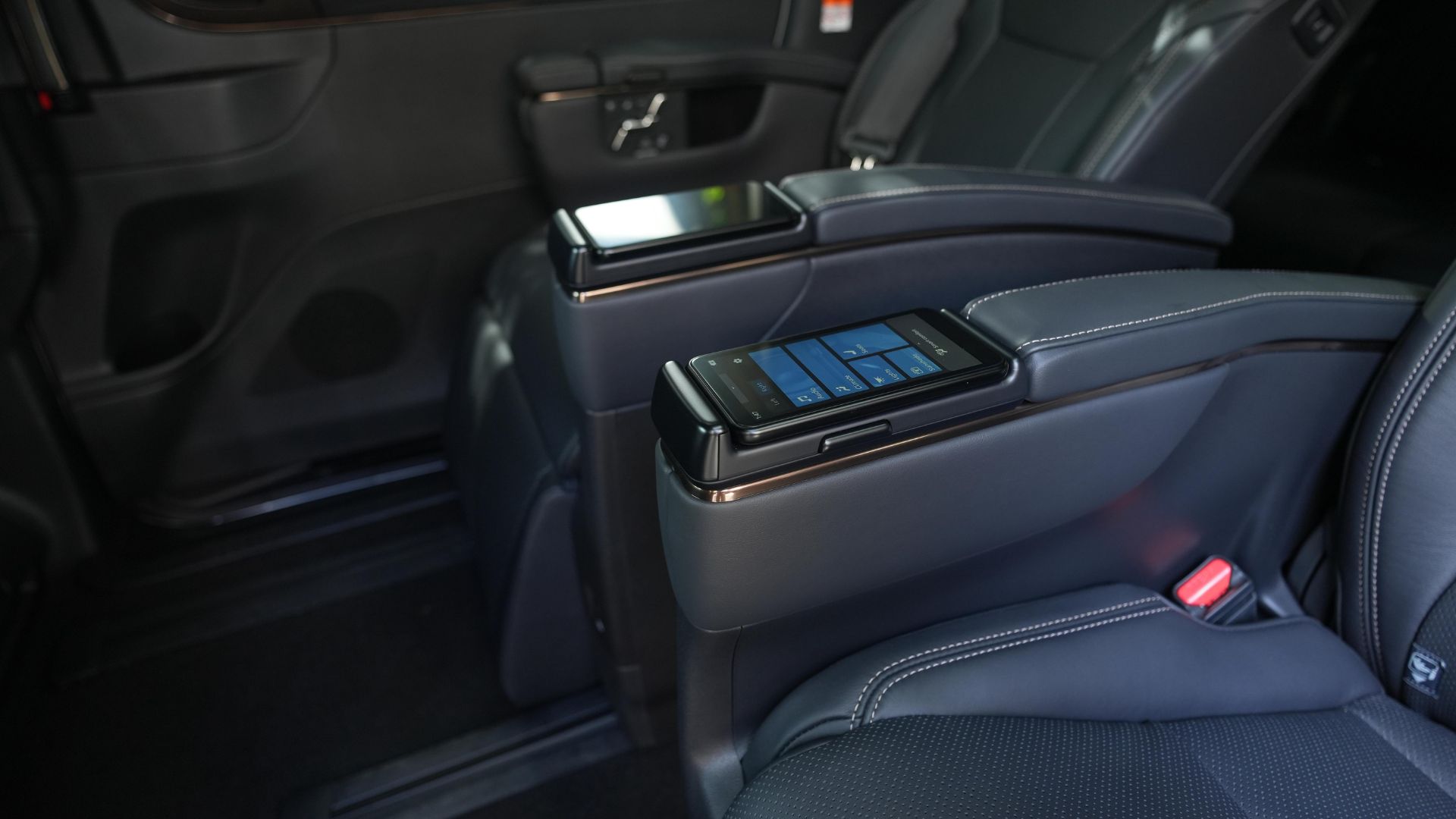
The rear passenger takes priority in the Alphard. With that, one would like the ability to adjust a lot of things without having to reach the front or give commands to the driver. In the case of this van, it comes with a pair of individual tables in the two main perches.
Okay, calling them tablets is a bit of a stretch in this case. It’s more like a tablet that’s the size of a smartphone but it doesn’t do calls or texts. Surprisingly, these can be detached from the arm rest so you can hold it like a phone. As for functions, it can control the audio system, ambient lighting, sunshades, and even the air-conditioning, just to name a few.
3) Those power seats really are, um, all-power
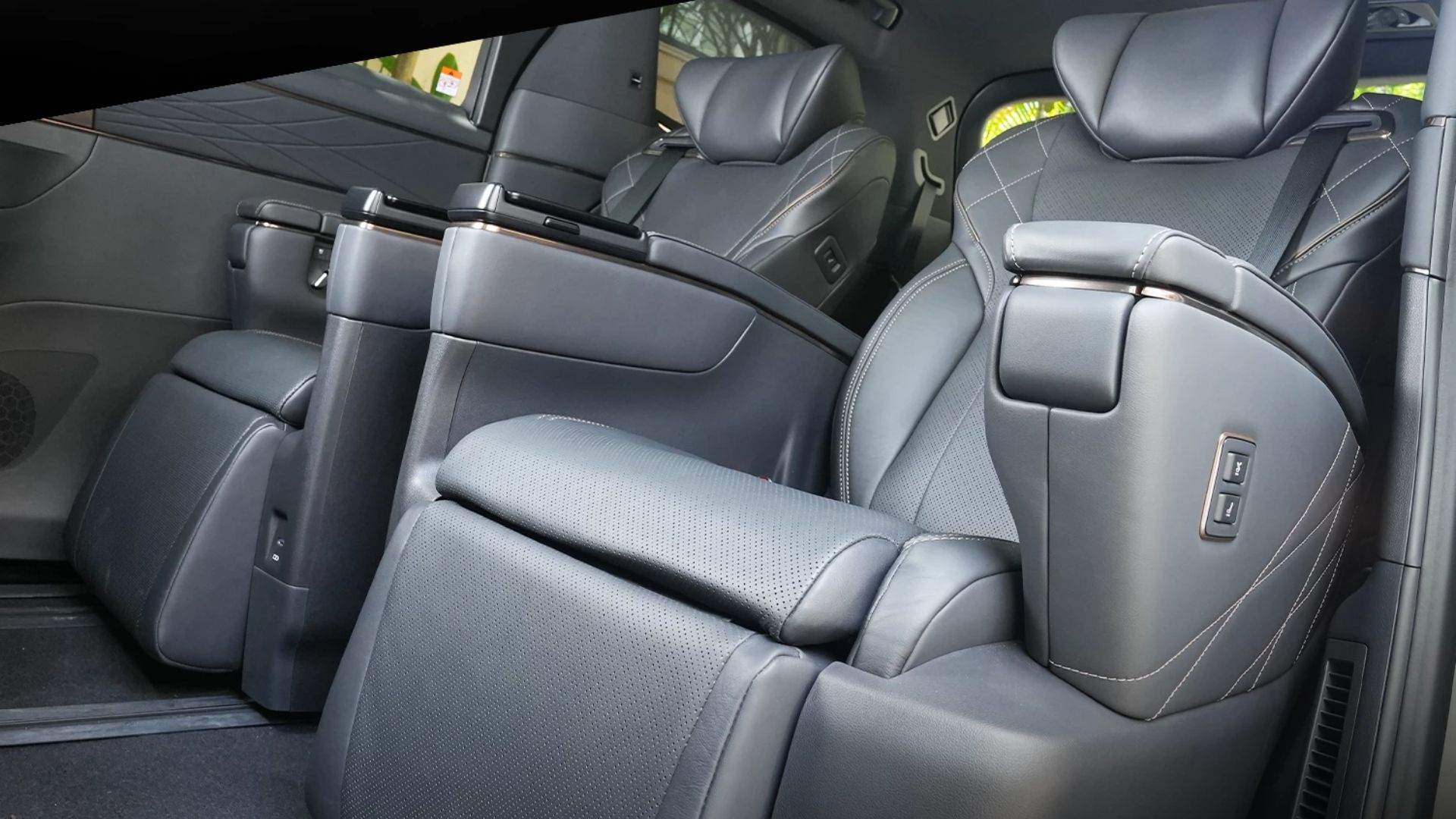
The old Alphard already had a wide variety of power functions for the rear seats. The backrests recline and you can pull up those leg rests at a push of a button. But one thing the old van couldn’t do is slide back and forth with a flick of a switch.
Toyota has solved that by finally giving the seat rails an electric motor. Yes, the Ottoman seats can slide without having to exert any effort.
4) The overhead console gives off airplane vibes
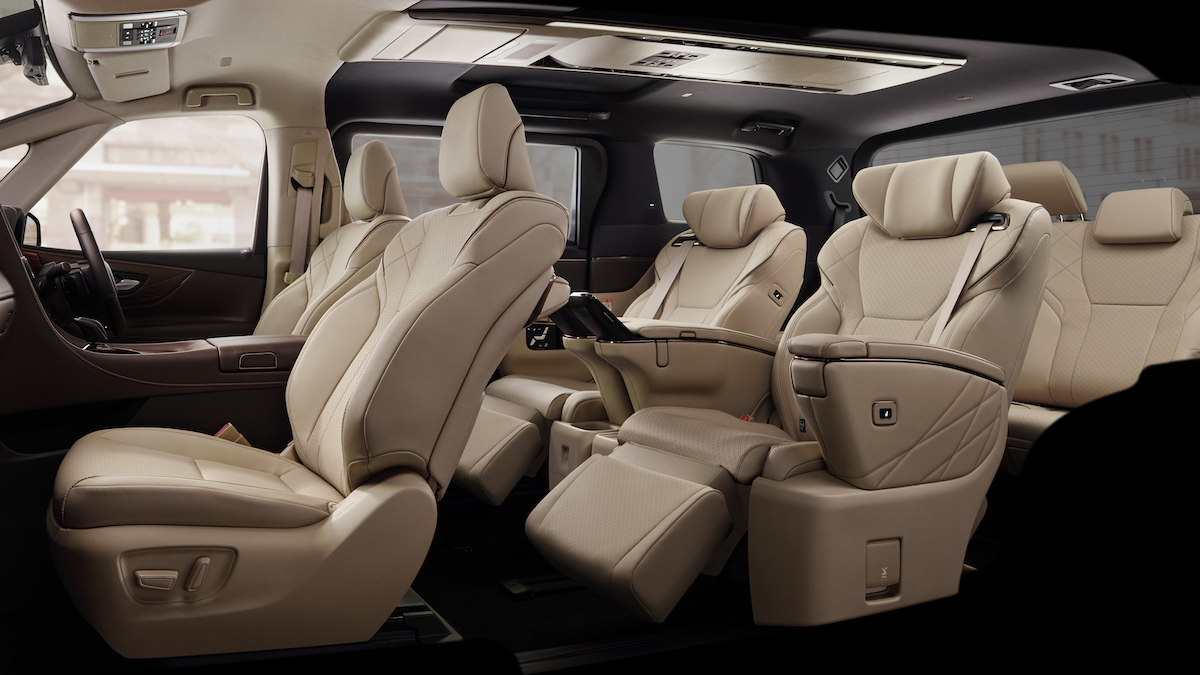
Between the two rear sunroof is an overhead console. While that doesn’t sound like a big deal, it gives the rear passengers even more headroom, not that the tall van needed it in the first place. But aside from that, it also serves as extra storage space for small items.
Toyota calls it the Super-Long Overhead Console, and aside from the extra storage and headroom, it also clears up interior clutter. That’s because the panel houses more ambient lighting, as well as the climate control buttons that would otherwise be strewn somewhere in the cabin.
5) Audiophiles might like the sound system
A luxury van needs a solid sound system. Thankfully, that’s what the all-new Alphard has. Not only does it finally ditch the clunky (and low-rent) touchscreen, it now pumps out tunes via a 15-speaker JBL audio system. Sure, it not as tunable as a home hi-fi setup, but we’re glad that the Alphard finally has audio equipment that suits it.
Bonus: It has physical buttons at the front
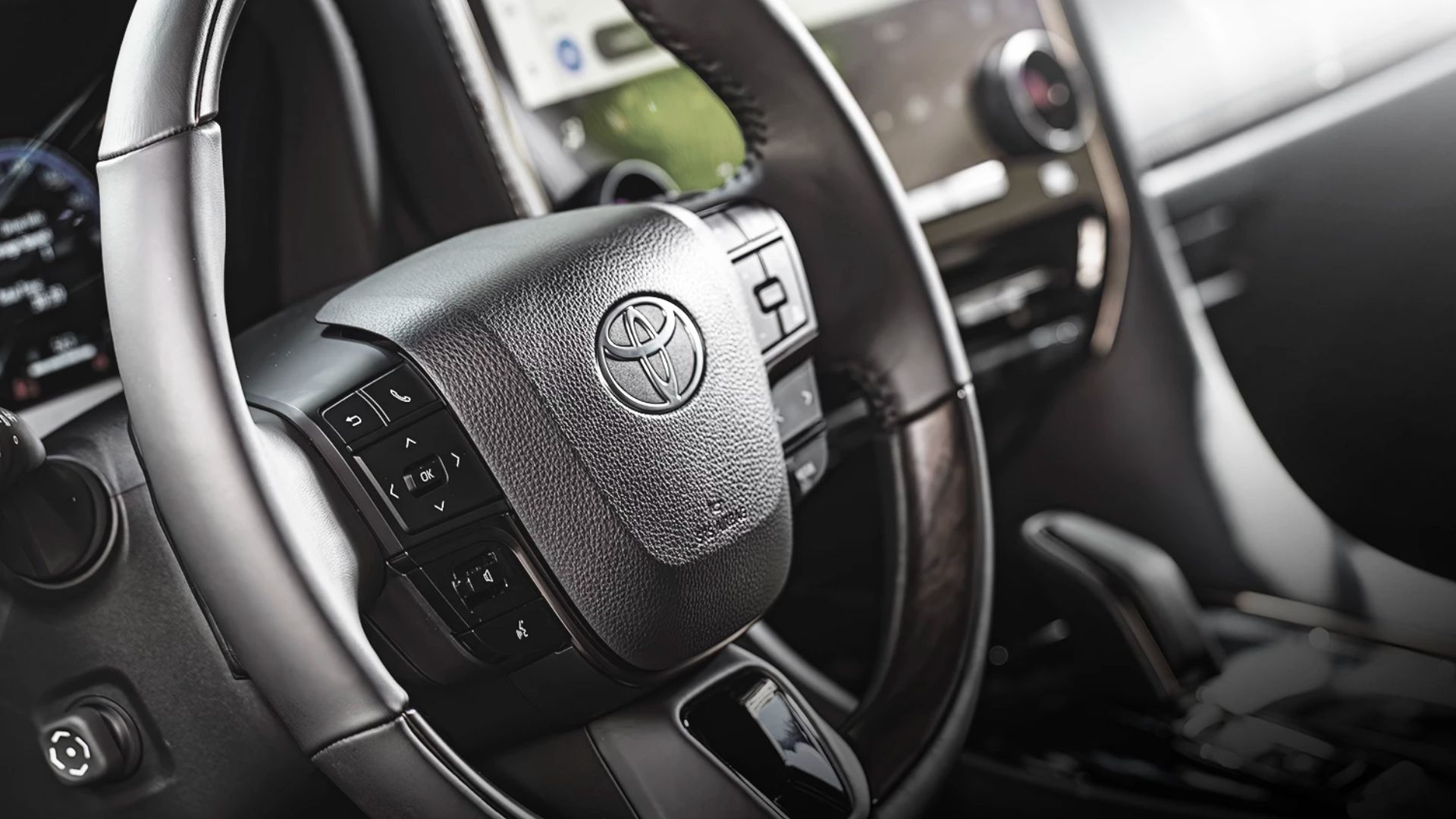
Just about every automaker is putting basic controls on the touchscreen. While it cleans up the dashboard, it does mean you’ll have to keep digging through sub-menus to do simple functions. Thankfully, most Japanese automakers refuse to take that route, Toyota included.
Yes, the audio functions are on the screen, but we’re glad that the climate control temperature is controlled with a pair of dials. There’s also no need to stare at the screen if you want instant access to the car’s 360-degree cameras thanks to the button on the dash, and the same goes for the window defoggers. It’s also refreshing to see actual buttons on the steering wheel instead of a haptic touchpad.
We’ve said it before, and we’ll say it again: Give us buttons, not layers of sub-menus buried in a screen.