You can’t think of Rome without thinking of Vespa. Since the best-selling scooter from the Piaggio Group was immortalized on the big screen in the classic film Roman Holiday, it’s become a symbol of the Italian lifestyle and a cultural icon worldwide. You can spot various Vespa models used by locals and tourists parked all around different European cities.
If you happen to be going on a Roman holiday yourself and want to admire vintage Vespas up close, visit the Vespa Museum. This small permanent exhibition is run by Bici & Baci, a Rome-based agency specializing in vintage Vespa and Fiat tours.
OTHER STORIES YOU MIGHT HAVE MISSED:
This once-secret collection of decaying classic cars is up for auction
Route, schedules, fares: A guide to the UP Diliman–UP Los Baños commuter bus service
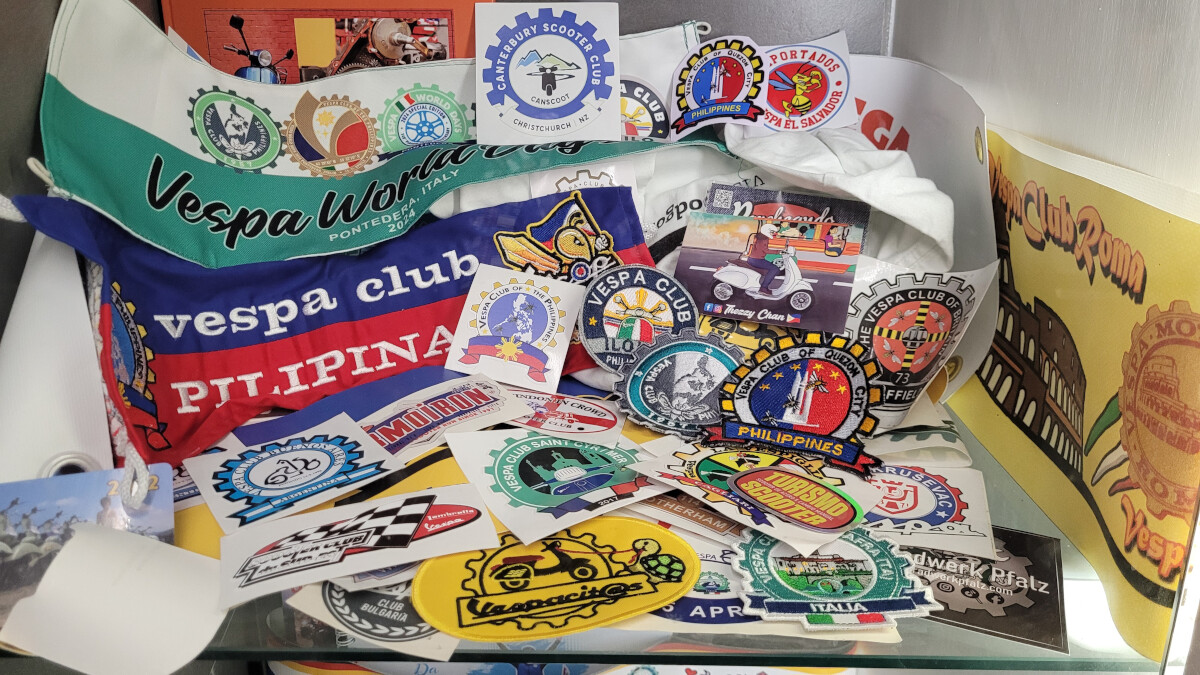
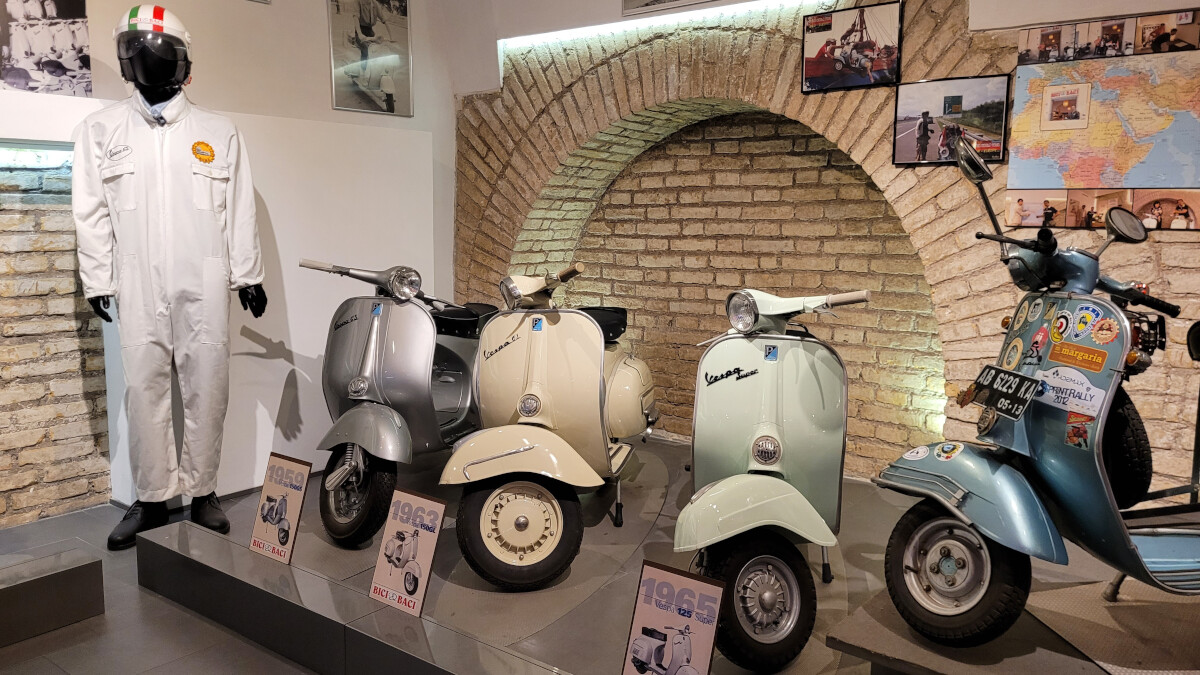
The museum, located in the basement of one of their rental shops, celebrates the pop culture history of the Vespa with a series of classic models and memorabilia on display. You can also find a glass display of stickers and patches from different Vespa Clubs from all over the world, including a few from the Philippines.
Vespa’s history
Vespa’s long history goes back to 1946 after World War II in Italy. With many roads damaged, the Piaggio family decided to reinvent their aviation-focused business by addressing Italy’s need for modern and affordable transportation on the ground.
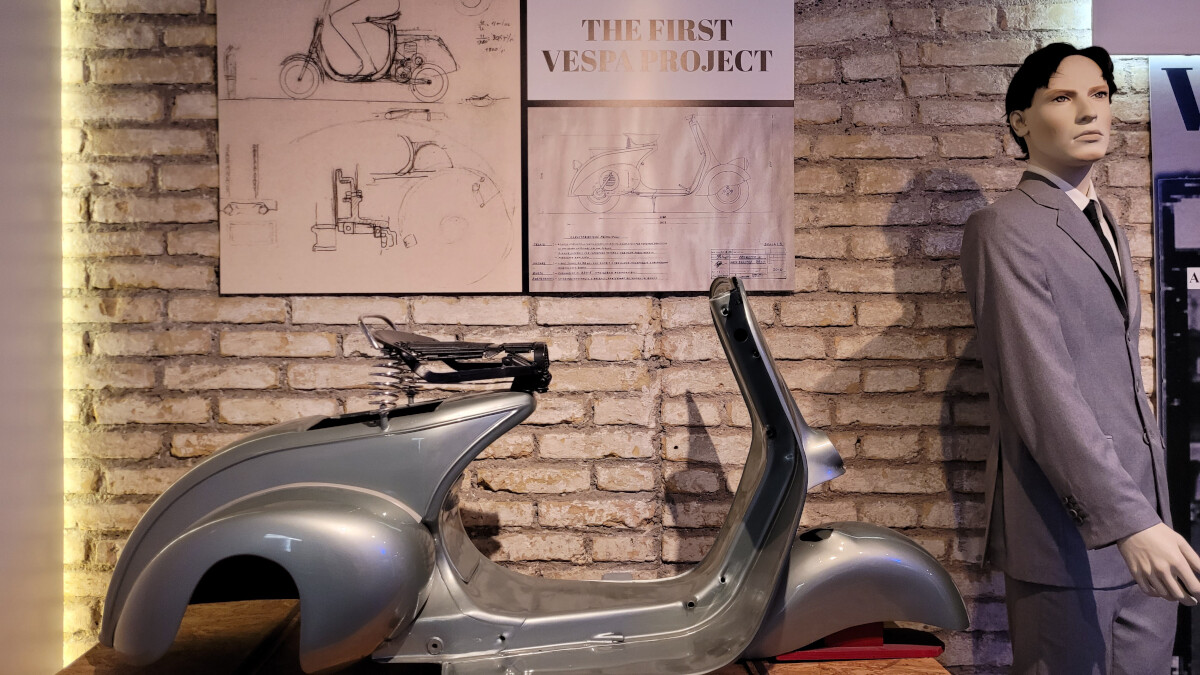
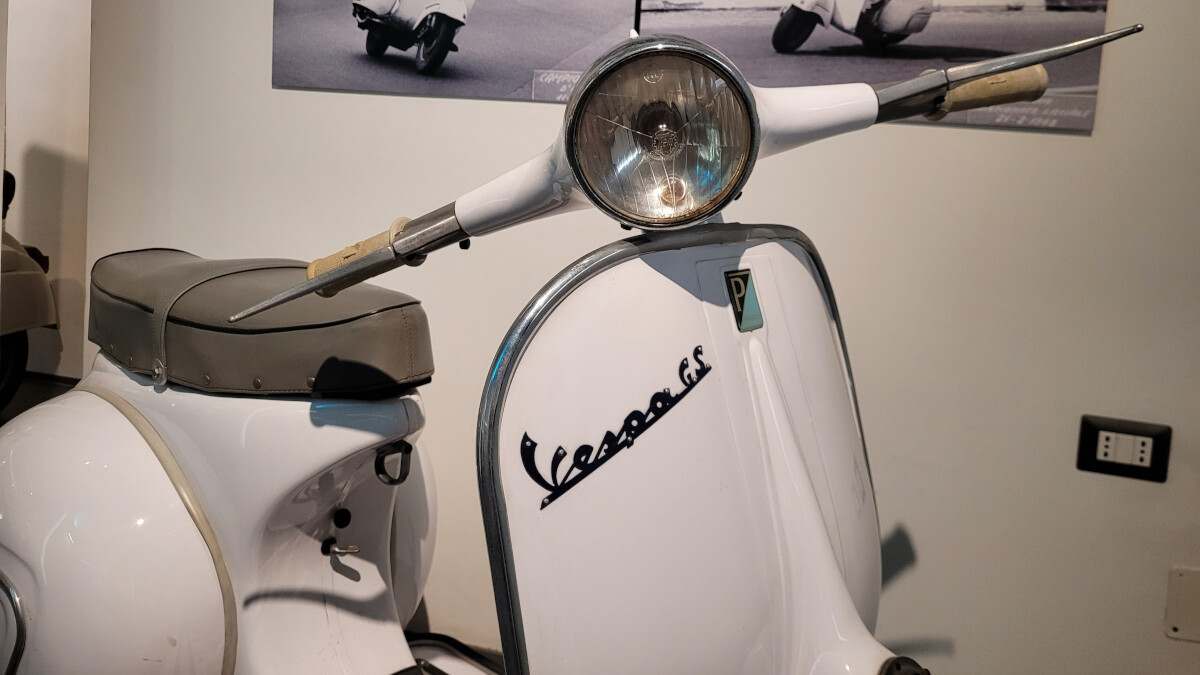
Enrico Piaggio, the son of Piaggio's founder Rinaldo Piaggio, and Italian aeronautical engineer Corradino D’Ascanio designed the first Vespa project, creating it from spare aircraft parts. Because of its unique shape with a narrow waist, large rear, front handlebars, and engine buzz, the scooter was named Vespa, the Italian word for wasp.
Since 1946, Vespas have been manufactured uninterrupted at the Piaggio plant in Pontedera, near Pisa, in Tuscany, Italy where the official Museo Piaggio is located.
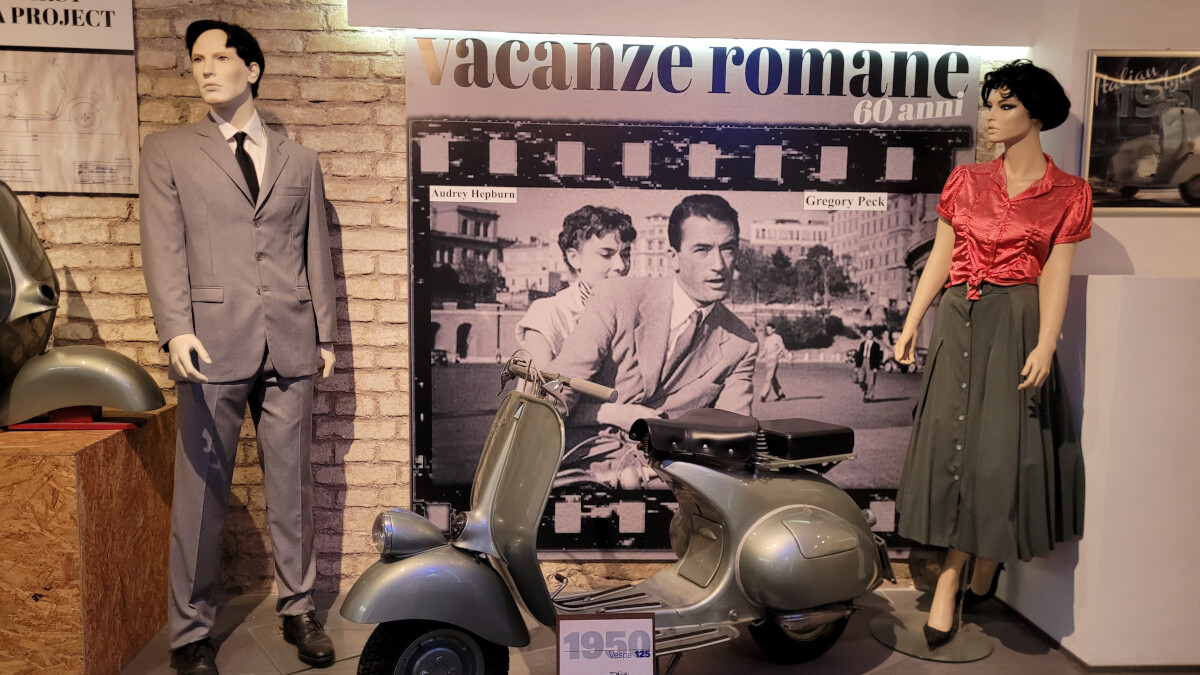
The Vespa Museum in Rome was launched in 2013 in honor of Roman Holiday’s 60th anniversary. In the classic 1953 movie starring Audrey Hepburn and Gregory Peck, the Vespa scooter transported Hebpurn’s character (Princess Ann) around Rome. This catapulted the scooter to worldwide fame, with Vespa immediately selling over 100,000 units following the film’s release.
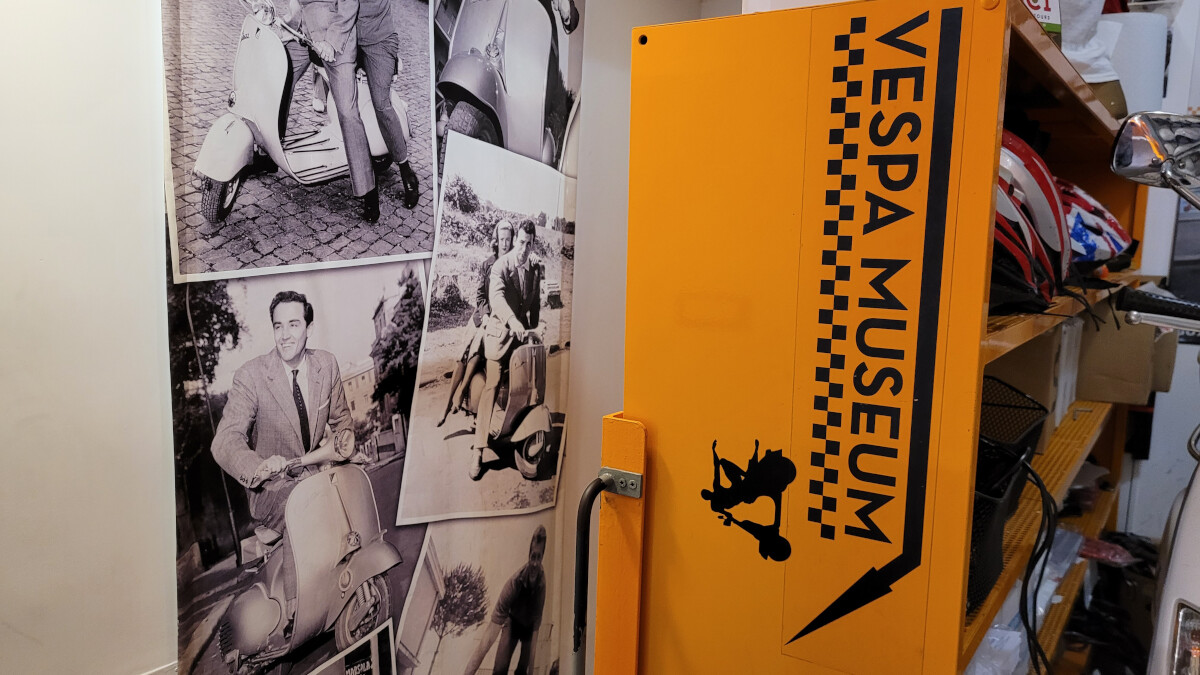
The Vespa Museum is adorned with movie posters, vintage ads, and a few mannequins dressed in period clothing. Photographs of film stars like Hepburn and Peck riding a Vespa in front of the Colosseum during the filming of Roman Holiday, and Charlton Heston on a Vespa in ancient Rome during the filming of Ben Hur (1959) show the scooter’s cult status in classic films.
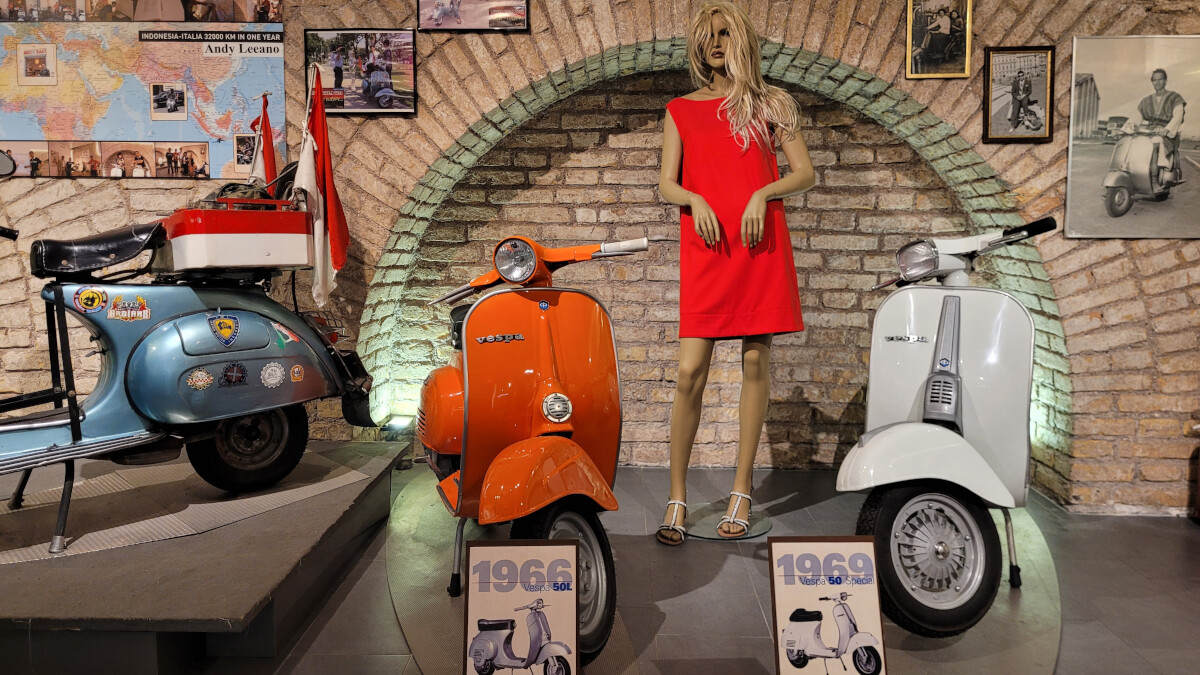
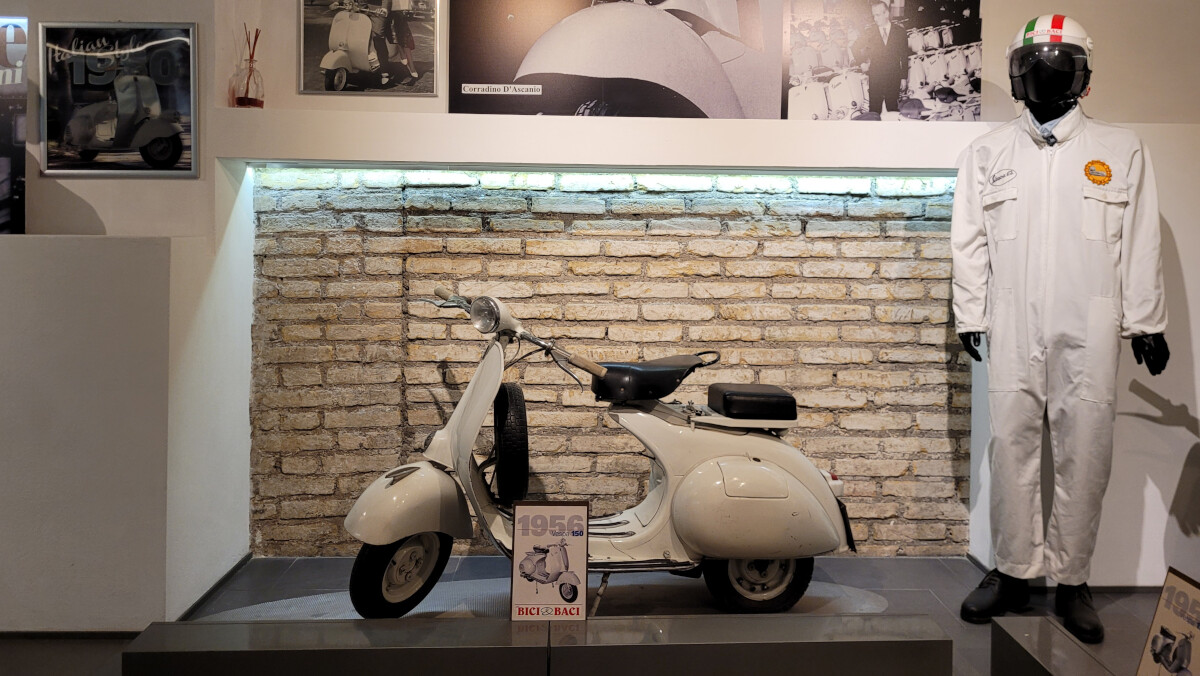
By 1956, 10 years after the Vespa was first created, the Piaggio factory had sold one million Vespa scooters. Visitors can admire a frame of the original 1946 scooter model and see vintage Vespa models from the ’50s to the ’70s up close. The models on display include the following: 1950 Vespa 125, 1962 Vespa 160GS, 1956 Vespa 150, 1965 Vespa 125 Super, 1963 Vespa 150GL, 1959 Vespa 150GS, 1966 Vespa 50L, 1969 Vespa 50 Special, 1968 Vespa 180 Rally, 1969 Vespa 125GTR, and 1977 Vespa P125X P200E.
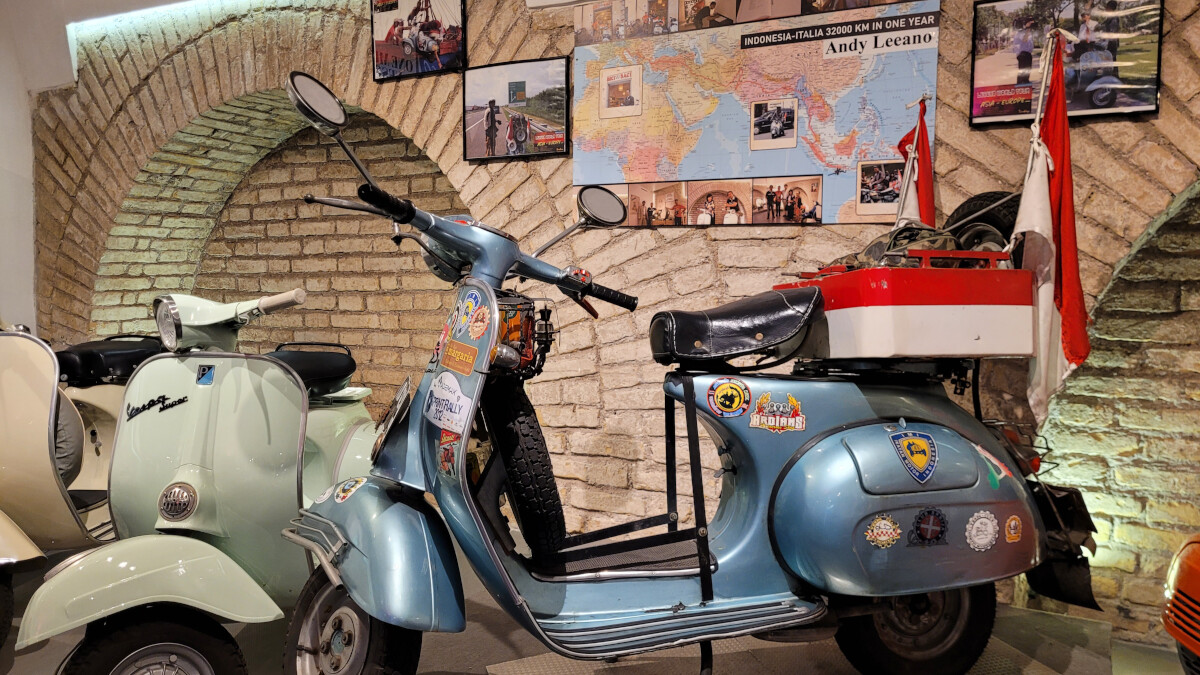
The museum also displays the vintage 1961 Vespa 150 scooter and route map used by Andy Leeano, an Indonesian scooterist and Vespa collector who rode from Indonesia to Italy, covering a distance of 32,000km in one year.
As documented by Indonesian news agency Antara, Leeano started from Yogyakarta and rode through Bandung (West Java) and Purworejo (Central Java), then crossed the sea from Dumai, Riau province (Sumatra) to Melaka in Malaysia. The rest of the epic route was by land through Thailand, Myanmar, Nepal, Bangladesh, India, Pakistan, Iraq, and Turkey before he reached the European continent, and finally his destination in Italy.
As a fan of classic scooters, I found this quick visit to the Vespa Museum during our bike exploration of Rome to be a refreshing break from the ancient temples, historic sites, and churches. The museum is pretty small, so it won’t take you long to pop in and have a look. You can also shop for original Vespa merchandise like helmets, T-shirts, miniature Vespas, keychains, and accessories that make great souvenirs for Vespa enthusiasts.
The Vespa Museum in Rome is located inside Bici & Baci along Via Cavour Street. It’s open to the public from 8am to 7pm daily, and is completely free to visit. The nearest Metro stops are Colosseo and Cavour (on the Metro B line). You can’t miss it, as there are loads of colorful scooters adorned with graphic street art parked out front. Access to the museum is only possible by stairs into a basement.
Where to rent Vespa scooters and bikes in Rome
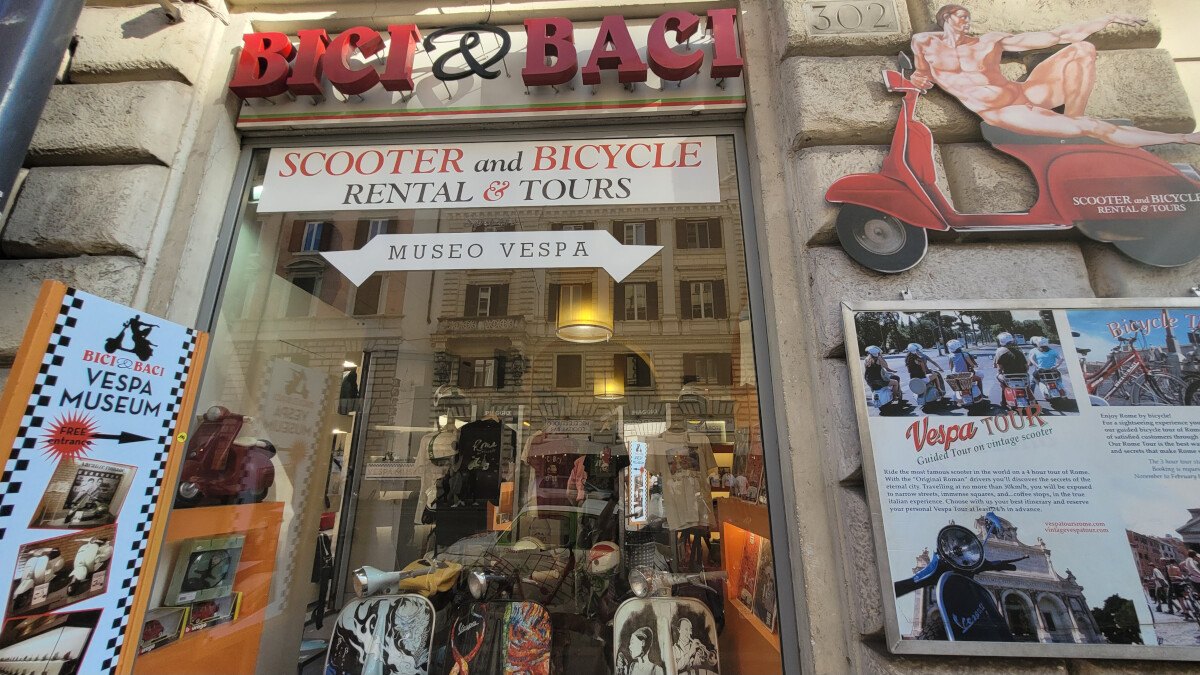
While Rome is walkable and many areas are pedestrianized, scooters remain the preferred form of transport among locals in the Italian capital, and an iconic way for tourists to get around.
To complete your Roman holiday, you can rent and ride Vespas yourself or take guided tours to historic sites like the Colosseum, the Roman Forum, Vatican City, and beyond. Aside from Vespa rentals, Bici & Baci also offers rental bicycles, e-bikes, e-scooters, and electric cars along with bicycle and Vespa tours with drivers.
How much does it cost to rent a Vespa in Rome?
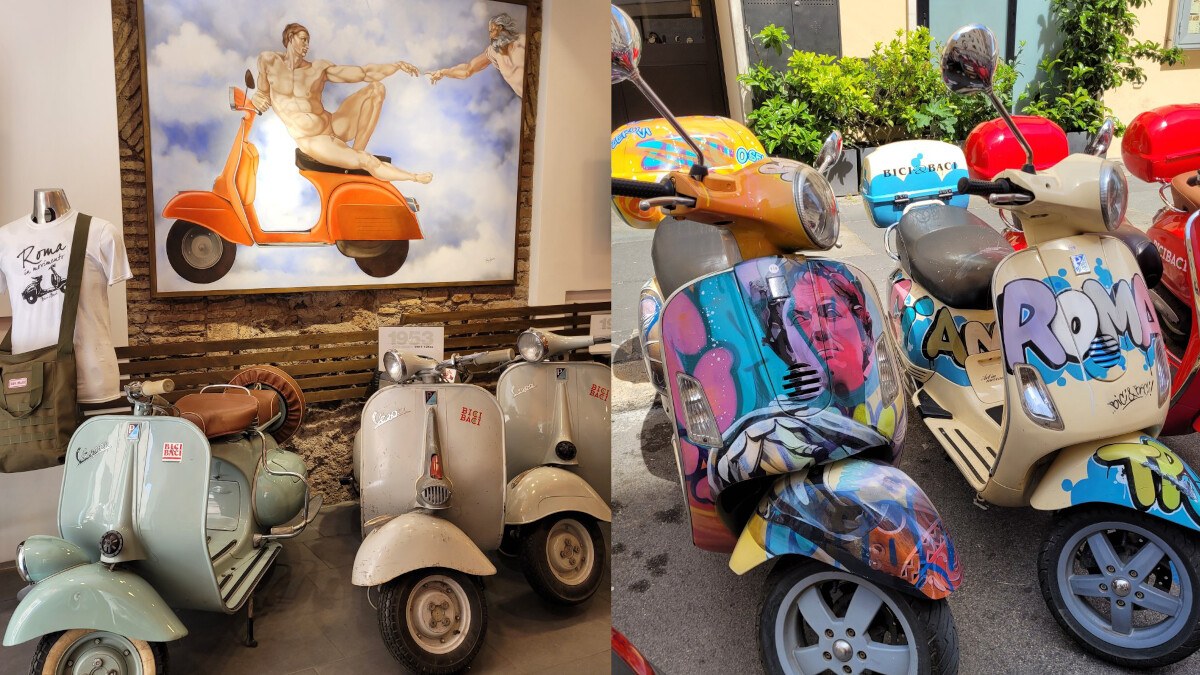
If you want to go on a self-drive tour, you can rent a Vespa at Bici & Baci from 45 euros to 80 euros per day, depending on the scooter model.
If you want to drive but want the guidance of a local driver to ensure you don’t commit any driving or parking violations, you can try the Guided Tour, which ranges from 120 euros to 155 euros depending on the route and duration.
If riding a Vespa is on your bucket list, but you don’t want to drive one yourself, you can take the Vespa Sidecar Tour driven by a guide who explains the historical points of interest as you drive by. This three-hour tour costs anywhere from 90 euros to 120 euros depending on the group size and inclusions. It could include a choice of a cappuccino, a cornetto, some gelato, and maybe a glass of Prosecco since you aren’t driving.
What are the requirements to drive a Vespa in Rome?
The requirements for a scooter rental vary between rental places. Legally, a European Driver’s License category B is required for cars, while a category B or A license is mandatory to drive a 125 cc Vespa (motorcycle).
Tourists from outside Europe without this type of license must have an International Driving Permit (IDP). You also need a credit card for the security deposit. Also, even if you have a valid international driving permit, most rental shops will not rent out a motorbike to those under 18.
Planning to drive abroad? Apply for an International Driving Permit before leaving your home country. In the Philippines, IDPs are issued by the Automobile Association Philippines (AAP). Check out our guide to getting an International Driving Permit.
More photos of the Vespa Museum in Rome, Italy: