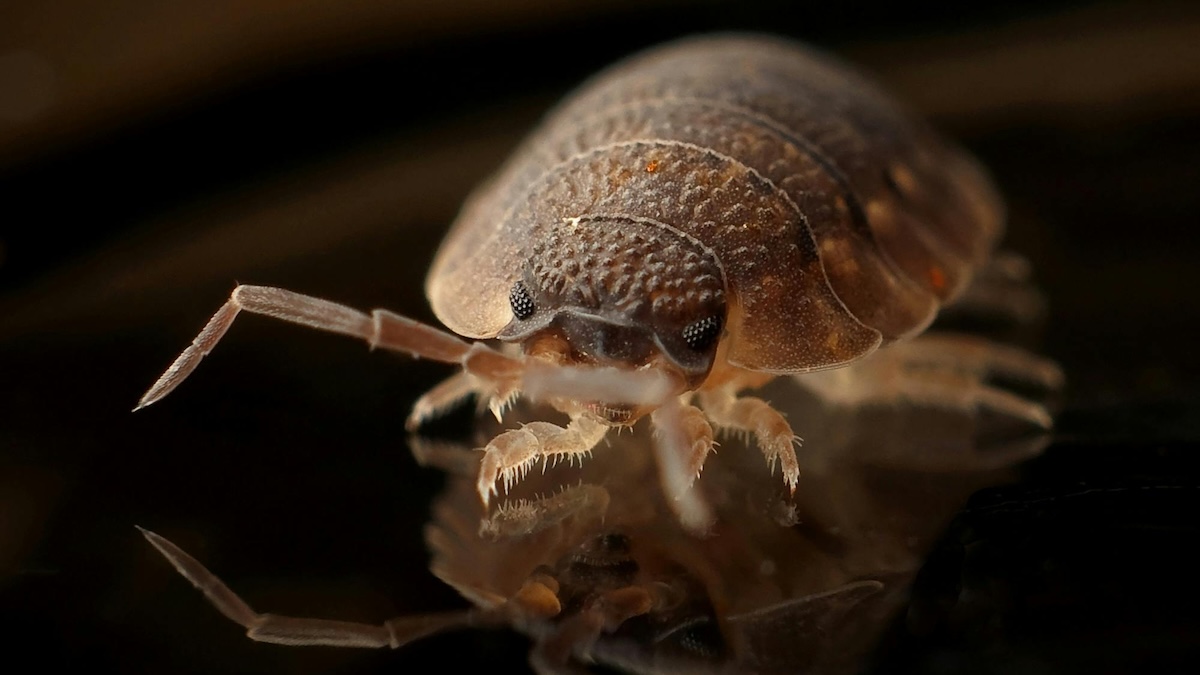
Feeling a little itchy after taking a flight and landing at the world’s worst airport? Beware of bed bugs.
In case you missed the news, bed-bug-infested chairs at the Ninoy Aquino International Airport (NAIA) Terminals 2 and 3 had to be removed following passengers’ recent complaints of being bitten posted on social media. The rattan chairs located in the arrival area of NAIA Terminal 2 were deemed by pest control service providers to be “prone to infestation.”
This is worrisome for anyone who just came from a trip concerned that bed bugs might potentially hitch a ride on their car and infest their homes. It’s also a cause for concern for GrabCar drivers and van services who frequently pick up passengers from the airport.
Dealing with pests inside your car—whether it’s bed bugs, cockroaches, ants, rats, or mosquitoes—is a major hassle that you’ll want to address immediately.
ALSO READ:
How to get rid of pesky mosquitoes inside your car’s cabin
How to rid your car of pesky cockroaches
Bed bugs or surot are small, reddish-brown wingless insects roughly the size of an apple seed that can be found all around the world, living in hotels, apartments, upholstered furniture, and more.
With more people traveling than ever, it’s no surprise that these creepy crawlies have found their way to our shores following major bed-bug infestations in other countries like France and the UK. These days, it’s a common sight to see travelers, including international travelers, sprawled out on airport chairs and lounging areas with blankets and huge backpacks, while waiting to catch early or late flights.
Though bed bugs are rarely found in planes, trains, and motor vehicles, they can hitch a ride on clothing on traveler’s luggage and bags, and eventually find their way into your bedroom or car once you get home. According to Healthline, while it’s not common for bed-bug infestations to happen in cars, it is still possible. And once bed bugs are in your car, they can stay there for a long time.
Bed bugs live on beds because they feed on the blood of humans and other mammals as their main source of food. However, they can go a long time without it. In fact, older nymphs and adult bed bugs can survive up to a year without eating. Yikes!
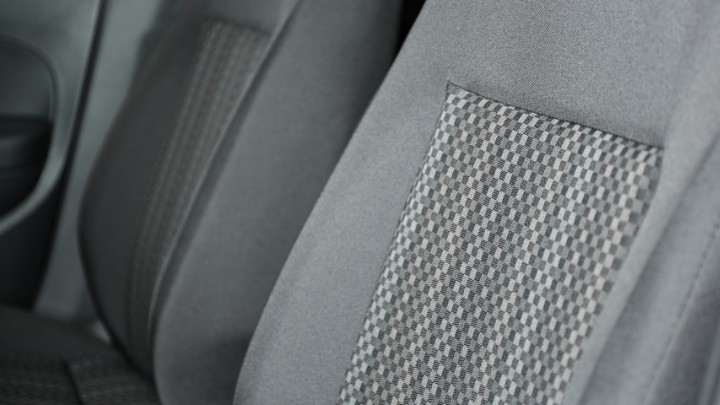
So how can you tell if your car is infested with bed bugs? First of all, you should physically inspect the fabric seat covers, pillows, and other places where bed bugs could hide. Warning signs include reddish stains, which are bed bugs that have been crushed, dark spots bleeding into the fabric (bed-bug excrement), the skin that bed bugs shed as they grow, and small yellow eggs or eggshells.
If you’re always feeling itchy when you go for a drive and notice small and red bite marks on your skin, be sure to check both your home and car for a possible infestation. If you think your car might have bed bugs, here’s what you can do:
1) Expose your car to heat.
The good news is that high heat can kill bed bugs. Temperatures over 45 degrees Celsius can kill bed bugs. So if you park your car in direct sunlight on a warm day, it’s possible to kill bed bugs inside. To ensure the temperature of the car is raised, try covering the windows with dark fabric or plastic garbage bags before parking the car in the sun for several hours. Using a portable heater is another option.
2) Steam your car.
Healthline reports that both wet and dry steam cleaners can help kill bed bugs. The steam can get into all the cracks and fabrics in your car where bed bugs might be hiding, so this might be a better option to ensure you get rid of the nasty critters. However, when using a steam cleaner, make sure the airflow isn’t so strong that it scatters the bed bugs instead of killing them.
There are plenty of spaces for bed bugs to hide within car upholstery, especially fabric materials like cloth car seats, pillows, the stitching of leather seats, carpeting, and underneath mats. In case you haven’t washed your cloth car seats in ages or don’t regularly clean mats, now would be a good time to do so. Just another reason to get your car cleaned and vacuumed regularly.
3) Consider using a bed-bug killer powder.
Diatomaceous earth is a type of bed bug killer and pesticide in a powdered form. The typical remedy is made from a mineral called silica, which is a desiccant, meaning it is highly absorbent. When insects like bed bugs come into contact with it, their oils from exoskeletons are absorbed, dehydrating them and eventually causing them to die.
While diatomaceous earth is said to be safe to use, it could irritate your nose and throat if you breathe it in. You’ll also need to thoroughly wash the inside of your car after using this. Use this method with caution and keep the powder out of reach of children and pets.
Aside from bed bugs, diatomaceous earth also kills fleas, roaches, ants, beetles, slugs, and other crawling insects.
4) Get your car cleaned and fumigated.
In cases of larger infestations, fumigation might be the best solution. However, fumigating small spaces like a car can be dangerous. Don’t attempt to use chemical pesticides or fumigate your car by yourself—leave it to the professionals instead. Many pest control companies offer fumigating services for vehicles. If bed bugs are discovered in your vehicle, employing the help of a professional pest control company should hopefully eliminate them.
5) Take precautions when you travel.
Prevention is always better than cure. Bringing bed bugs into your car and your home can be avoided by taking precautions when you travel. This includes choosing your hotels and lodgings carefully, ensuring your car is regularly cleaned, and making smart luggage choices.
Here are a few tips from the New York City Department of Health and Mental Hygiene to avoid bed bugs when you travel:
- When preparing for your trip, use hard-cased luggage instead of fabric. It’s more difficult for bed bugs to attach to rigid materials than to fabric.
- Pack your clothing in resealable plastic bags.
- Place your luggage on a hard, elevated surface—not on the floor, and not on upholstered furniture.
- For short stays, consider keeping your clothes in your luggage. Keep bags closed when not in use.
- After coming home, wash all clothing immediately as you normally would. If you suspect bed bugs, launder washable items in hot water and dry on the highest setting for at least 20 minutes.
- Dry cleaning and steam cleaning will kill bed bugs in fabrics (including soft luggage) that can’t be washed and dried at high setting.