Feeling the heat? While it’s already been sweltering the past few weeks, weather bureau PAG-ASA has warned that the heat index in some areas in the country could reach extreme danger levels this month due to El Niño.
While the extreme heat has been tough for everybody, it can pose extra challenges for those constantly on the field, such as traffic enforcers and street sweepers, and cyclists who have to actively move to get around.
Recreational cyclists who often bike for health and leisure during weekends, athletes, bike-to-work commuters and those whose jobs involve cycling under the scorching heat (such as bike messengers and delivery riders) are vulnerable to succumbing to heat stroke or heat exhaustion as the heat index in the Philippines soars.
1) Know the signs of heat stroke
First of all, it’s important to recognize the symptoms of heat-related illnesses, such as heat exhaustion and heat stroke, and take immediate action if you or someone else experiences these. In a health video shared by the Green Transport Division of Quezon City’s Department of Public Order and Safety (DPOS), Dr. Jan Chuca from the Quezon City Health Department shared several symptoms to watch out for. This includes:
- Headaches
- Nausea
- Dizziness
- Weakness
- Irritability
- Cold sweats
- Hot, reddish and dry skin
- Faster heartbeat
- Elevated body temperature
- Dry tongue
- Loss of consciousness/fainting
Further below are a few general tips for dealing with the extreme heat as shared by The Department of Health (DOH) and practical tips for cyclists.
2) Time your rides wisely
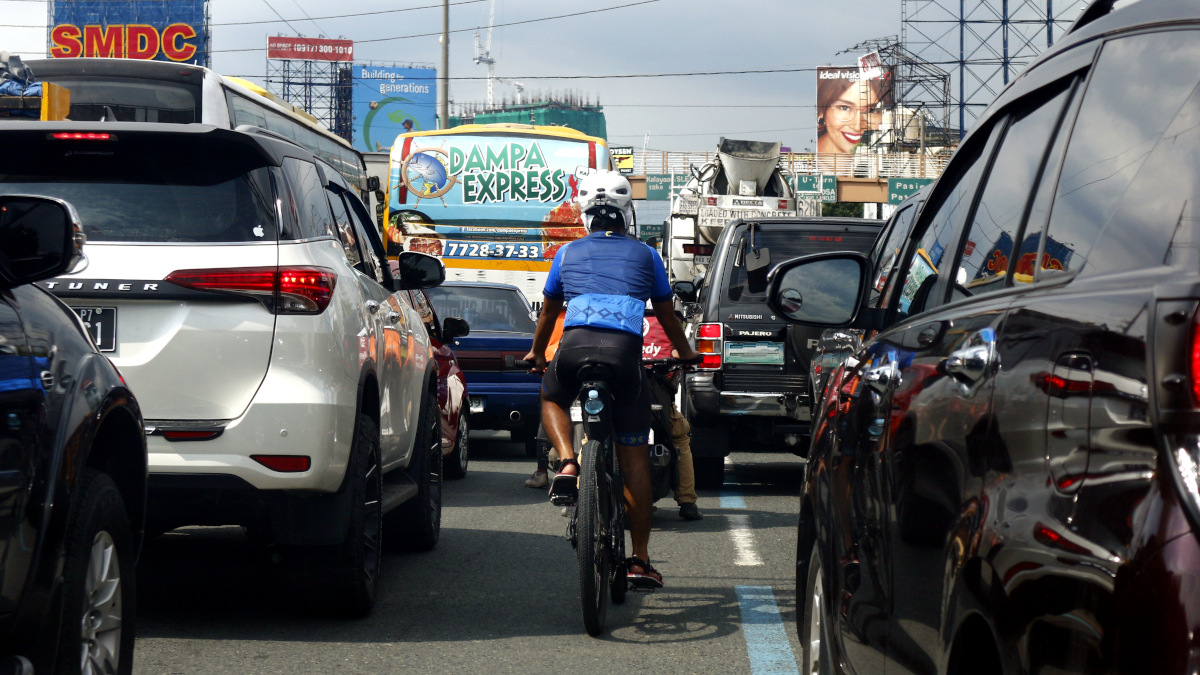
Health experts advise the public to avoid going out or reduce strenuous activities that require a lot of physical exertion during the hottest parts of the day. If possible, stay indoors during the hottest parts of the day, typically between 10 am and 4 pm Cyclists should schedule their rides during the cooler parts of the day, such as early morning (starting from 5 to 5:30 am) or late afternoon (5 to 6 pm) and evenings instead, if they can.
Those who have to cycle for their job (such as bike messengers and delivery riders) should take frequent breaks and try to rest during peak heat hours if they can. But if you can’t avoid riding during midday or have to be outside most of the time, seek shaded routes and take frequent breaks under tree cover or cooler shaded areas to escape being exposed too long under direct sunlight.
3) Don’t forget to hydrate
Staying hydrated is crucial for combating the heat. Don’t forget to drink lots of water. DOH advises the general public to avoid drinking tea, coffee, soft drinks and alcohol, to avoid getting dehydrated.
Bikepacker and adventure cyclist Drew Calacas, who runs the YouTube channel Mountain Bike Views, advises cyclists to hydrate well before their ride and continue drinking water even at night to combat humidity and avoid dehydration. He also suggests investing in a metal tumbler instead of buying plastic bottled water all the time.
“Having a metal water flask (especially if double-walled) can help to retain the cold for several hours. Some metal water flasks can maintain the same coldness for 8 hours or more. Imagine being out during the day and then drinking warm water. I know it helps, but if it's ice cold water it refreshes us way better,” Calacas told TopGear.ph.
Always carry enough water for long rides and refill water when you can, during longer rides. Freezing water beforehand helps it stay cool throughout the day. Refilling tumblers with water and ice cubes during pit stops also helps a lot to keep your body temperature down once you get back on the road.
4) Pick destinations where you can stay cool
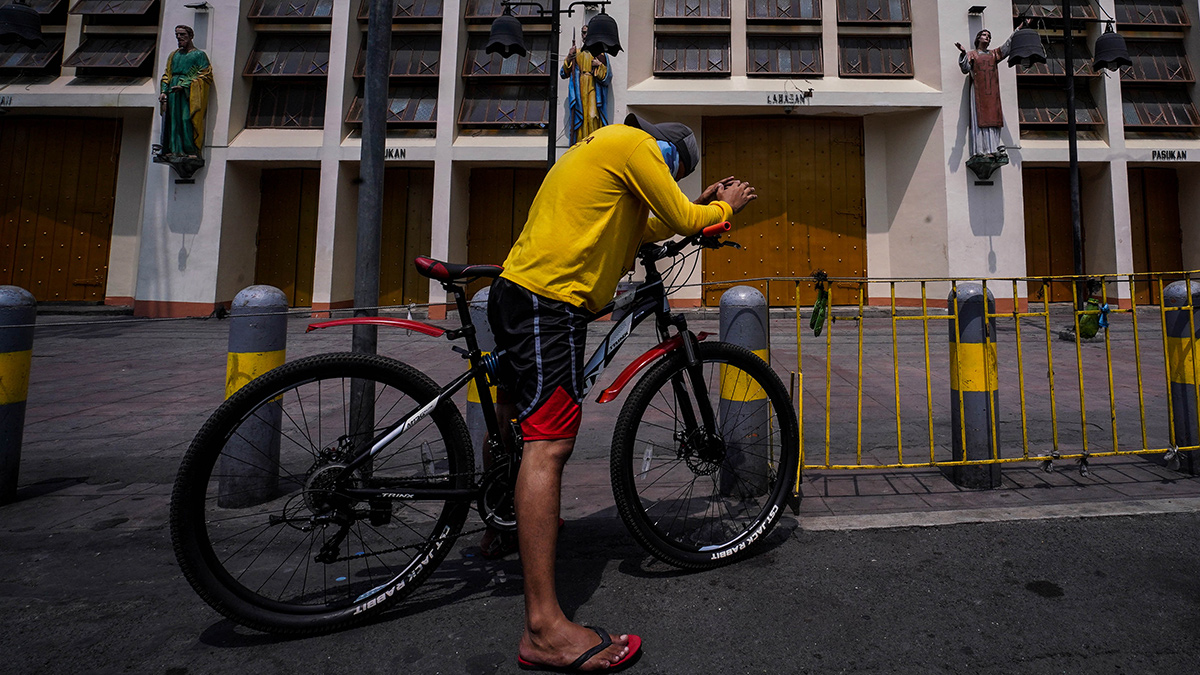
Leisure riders who still want to get some saddle time this summer despite the extreme heat should also time their rides wisely. When the weather is scorching, avoid pushing yourself too hard. Opt for shorter rides to urban green spaces and parks where it feels naturally cooler. It also makes sense to park your bikes in the shade.
Calacas advises early birds to start cycling around 4-5 am up to 7 am, while night owls can still opt to ride when the sun has fully set around 7 pm and beyond.
“Places with lots of shade and trees are perfect destinations this summer. UP Diliman in Quezon City, Marikina River Park, Marikina Heights, Intramuros and Filinvest Alabang trails are just some of the best places to go cycling that have lots of trees. It's a known fact that places with many trees have a lower heat index compared to places that have fewer to no trees at all,” he said.
The avid cyclist also advises bike commuters and leisure cyclists to take alternative routes with more tree shade and established bike lanes during city rides to avoid heat exhaustion.
“For example, if you are headed to SM Megamall coming from Pasig City, instead of cycling along Ortigas Avenue it's better if you cycle through Julia Vargas Avenue where buses and jeeps are not allowed, as it has more trees and also protected bike lanes,” he pointed out.
5) Dress appropriately
Choosing the right clothes to wear during rides can make a big difference in staying cool. Opt for lightweight, breathable fabrics that wick away moisture and allow air circulation. According to DOH, wearing thin and breathable light-colored clothing rather than dark-colored clothing can also reflect sunlight and heat, keeping you cooler.
According to the cycling website Bike Radar, it helps to wear lightweight, short-sleeve jerseys with mesh panels for ventilation for summer cycling. Vents make use of the airflow generated by the rider, which can help keep you cool on the move. Light fabrics you can layer, protective covering, and cycling-specific suncream can also help lessen heat exhaustion from sun exposure.
“Personally, I would recommend using arm sleeves, face clothing and gloves as protection against the sun. If you have the budget, also use sunblock in addition to protective outdoor wear. I always use sunglasses during the day which helps to protect the eyes from too much brightness and glare, which also helps us see better in the brightest condition,” said Calacas.
6) Keep your gear cool
Aside from regular gear, it also helps to invest in cooling accessories like a cycling cap with a built-in sweatband or a lightweight neck gaiter that can be soaked in water and worn around the neck. Some cyclists use arm coolers or cooling vests to regulate body temperature effectively. Others carry a small spray bottle filled with water to mist themselves periodically during rides.
If you don’t have those, simply soaking arm sleeves in water before putting them on again does wonders to keep your body temp down. Soaking a small towel or handkerchief in cold water and hanging it around your neck also helps a lot. Take advantage of water sources or restrooms along your route to cool down. Splashing water on your face, neck, and arms can provide instant relief.
First aid tips for heat-related conditions
So what should you do if you feel like you’re about to suffer from a heat stroke or if you witness someone else succumbing to it? Take note that heat strokes are a medical emergency that could be fatal if not addressed immediately. The DOH advised the public to perform the following first aid measures while waiting for medical help to arrive.
- Bring the patient to a cooler or shaded area, and loosen any clothing that may prevent them from breathing properly
- Allow the patient to lie down and elevate their legs so blood can circulate faster to the head
- If the patient is awake, have them sip cool water slowly
- Wipe the patient’s body with a wet towel or handkerchief
- Place wet cloths on their head, neck, armpits, pulse, and groin area
- Call for emergency medical services or bring them to a hospital.
- National Emergency Number–911
- Philippine Red Cross–143
- Philippine National Police–911
- Department of Health–1555
- MMDA–136
Stay safe out there, folks!