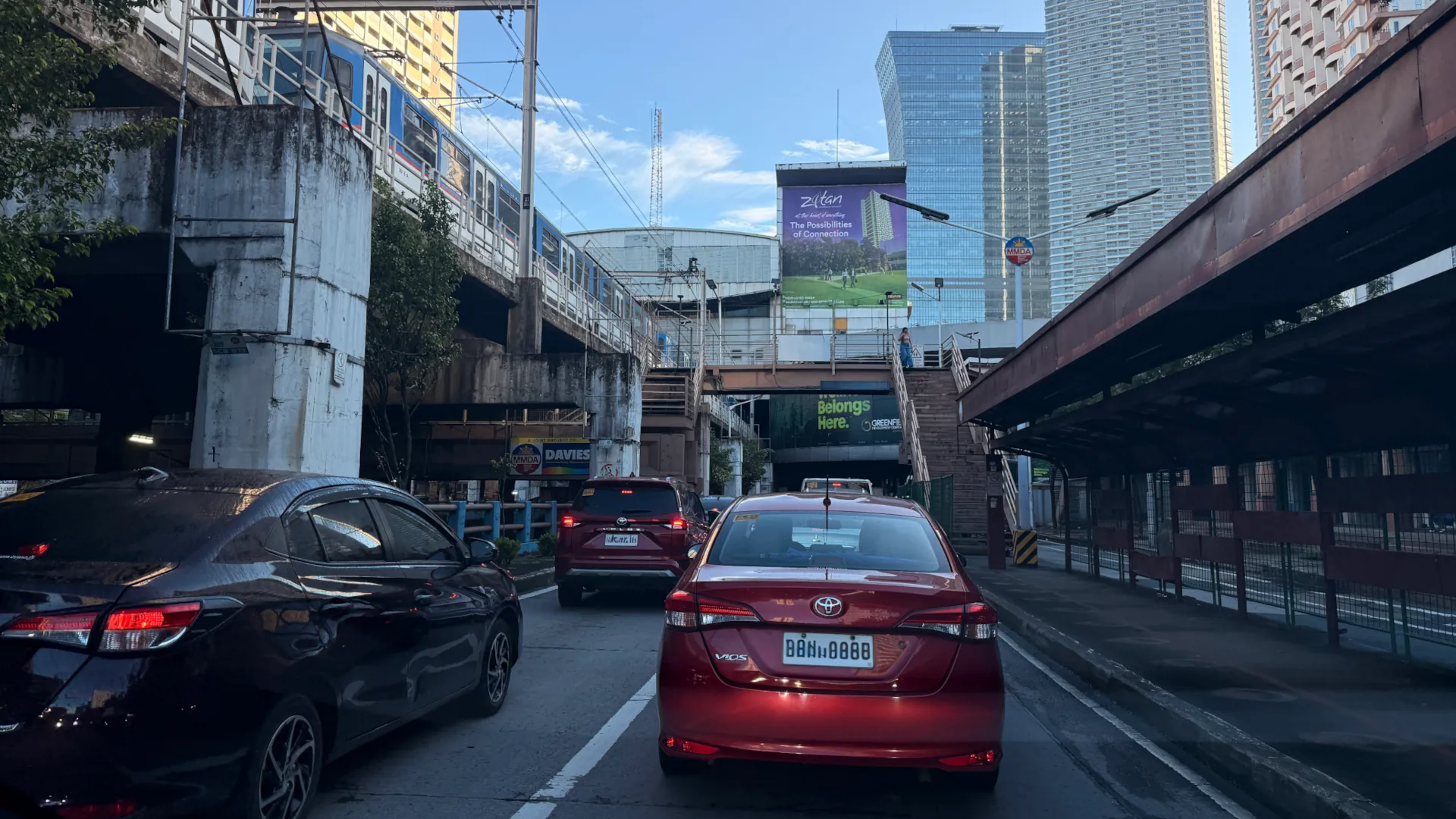
If you use ride-hailing transport services regularly, you’ve probably noticed how much more expensive it’s been to get around the metro due to the ongoing fuel crisis. Aside from skyrocketing fares, passengers also bear extra costs when drivers insist on using Skyway and toll roads for city rides, especially when traveling from north to south.
As someone from Quezon City traveling to and from the airport, for instance, the extra P300+ (for using Skyway and NAIAX) can be pretty painful on top of the P600-800 estimated fare.
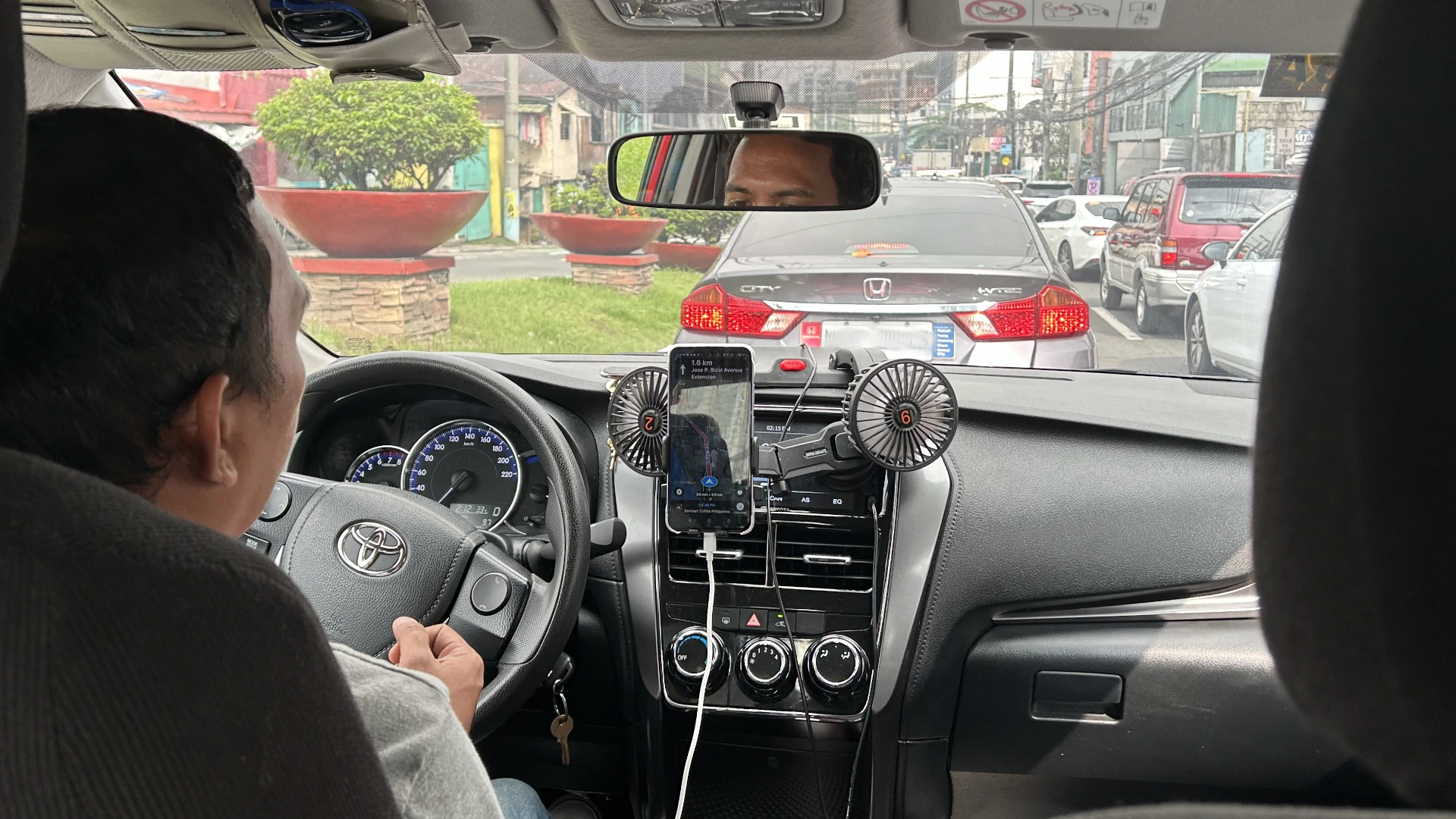
In some cases, drivers automatically pass the toll roads without asking passengers first, citing reasons like traffic and longer travel time. A recent post on the Facebook group How’s Your Byahe Bes? had passengers weighing in on fare disputes, following an incident where the driver decided to take the Skyway without asking the passenger first.
OTHER STORIES YOU MIGHT HAVE MISSED:
New bill seeks tax hikes on luxury vehicles above P4-M
More power, new drivetrain: This is the updated Geely EX5
A screenshot of the chat showed the driver claiming he was merely following the route given to him for navigation and that the fare was system-generated.
While most passengers understand the problems of rising fuel costs and time wasted stuck in traffic, most point out that any extra charges (such as extra booking fees and toll fees) should be made transparent on the app before the ride and not tacked on after as a surprise, as this is where drivers and passengers tend to argue.
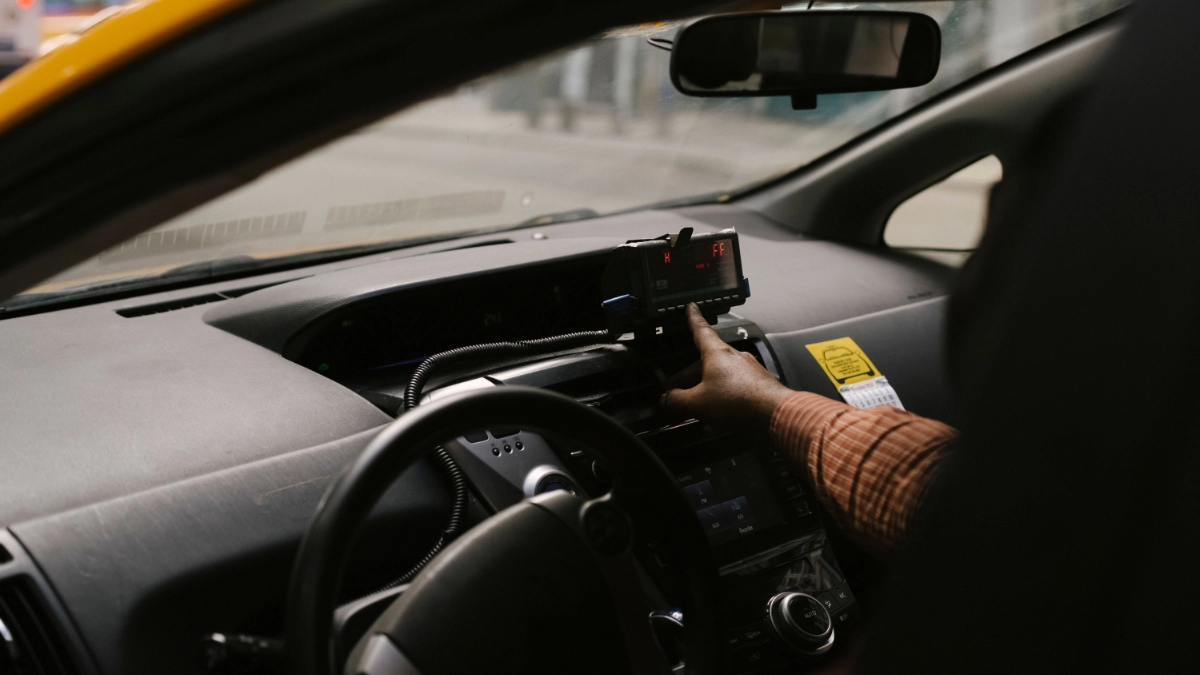
Some passengers also point out that the difference in travel time using regular roads isn’t really that significant if you leave early or if you travel during odd hours.
So how can passengers protect themselves from arguments and fare disputes when using ride-hailing apps?
What should passengers do when taking ride-hailing services?
1) Understand the different options available
While private vehicles for hire (like GrabCar, JoyRide Car and InDrive) charge an upfront fixed fare, some taxi options (like GrabTaxi , JoyRide Taxi and Green GSM) typically only show the estimated metered fare, with an additional booking fee, which could vary depending on the traffic and route taken.
2) Make your route preference known right away
If you’re not asked about your preferred route, speak up immediately. Politely and clearly state: “Wag po tayo mag-Skyway, service road/EDSA lang po tayo.” as soon as you get in or start moving.
3) Ask drivers regarding the extra costs
If in doubt, ask drivers regarding additional costs of various routes. Remind the driver that you prefer not to pay the additional cash or RFID toll charge on top of your app fare.
4) Stand your ground firmly
While drivers often prefer the toll roads to avoid heavy traffic and save fuel, the choice of route (and whether to incur extra toll fees or get to a destination faster) still lies with the passenger unless it was explicitly specified and agreed upon beforehand.
5) If threatened, ask them to cancel the ride or be dropped off somewhere safe.
If a driver insists, gets aggressive, or threatens to cancel, let them cancel the ride or calmly ask them to drop you off in a safe, legal spot if they refuse to move forward. As a passenger, do not let yourself feel harassed into paying extra fees you did not agree to.
6) Gather evidence.
If a driver forced you to take a route against your will, acted unprofessionally, harassed you about the route, or overcharged you, save evidence of the incident. During the ride, try to take videos of arguments or take screenshots of chats and trip details to report to the proper channels later on.
Based on recent rides using various ride-hailing apps, most drivers usually ask if we want to pass Skyway or not. While some may grumble if you ask to take service roads only, they eventually follow the passenger’s request.
Others compromise with a shorter toll road like NAIAX, combined with the regular roads just to avoid major choke points and cut travel time.
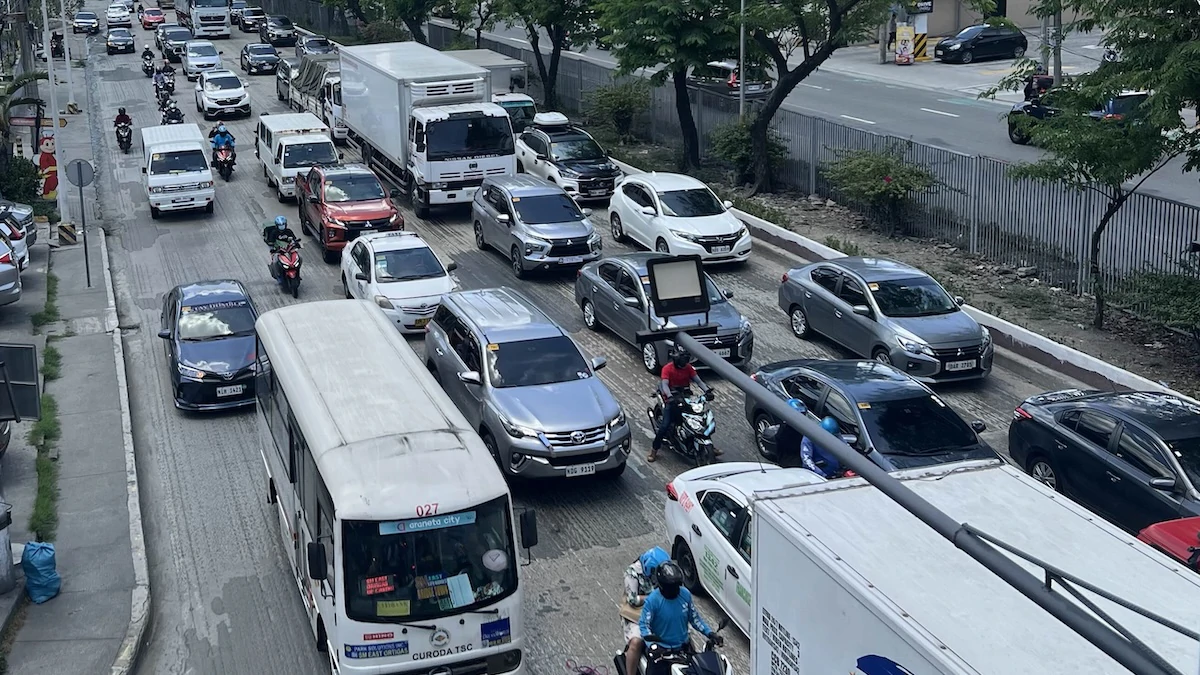
Where should passengers report complaints and fare disputes?
Most app-based ride-hailing transport have in-app systems for reporting, versus traditional taxis.
According to Grab’s Help Center, passengers who have fare disputes may address complaints about overcharging and extra fees through their in-app system.
To achieve 5-star service, drivers are required to do the following:
- If passing through tollways, drivers must let passengers know at once during pick-up, before the ride starts.
- Drivers must confirm the toll fee to the passenger the moment they pass through the toll gate.
- The additional charges (ex., toll fee) should be computed correctly and added to the regular fare.
- The driver should confirm the additional charges to the passenger before the trip ends.
- If cashless payments are being used, the driver must avoid collecting cash from the passenger for the additional charge to ensure correct charges.
If you’re using InDrive, you can report violations, arguments, or incidents through their Support team or report via the in-app chat, providing details and evidence of what happened.
On their support page, GreenGSM points out that: “Additional fees such as tolls, ports, airports, etc. are not directly displayed on the ride. Therefore, you may notice that the final fare is higher than initially shown. For a detailed breakdown of these charges, please refer to the trip history in the ‘Activity’ section.” For reports on inaccurate fares, they urge passengers to contact them directly for assistance.
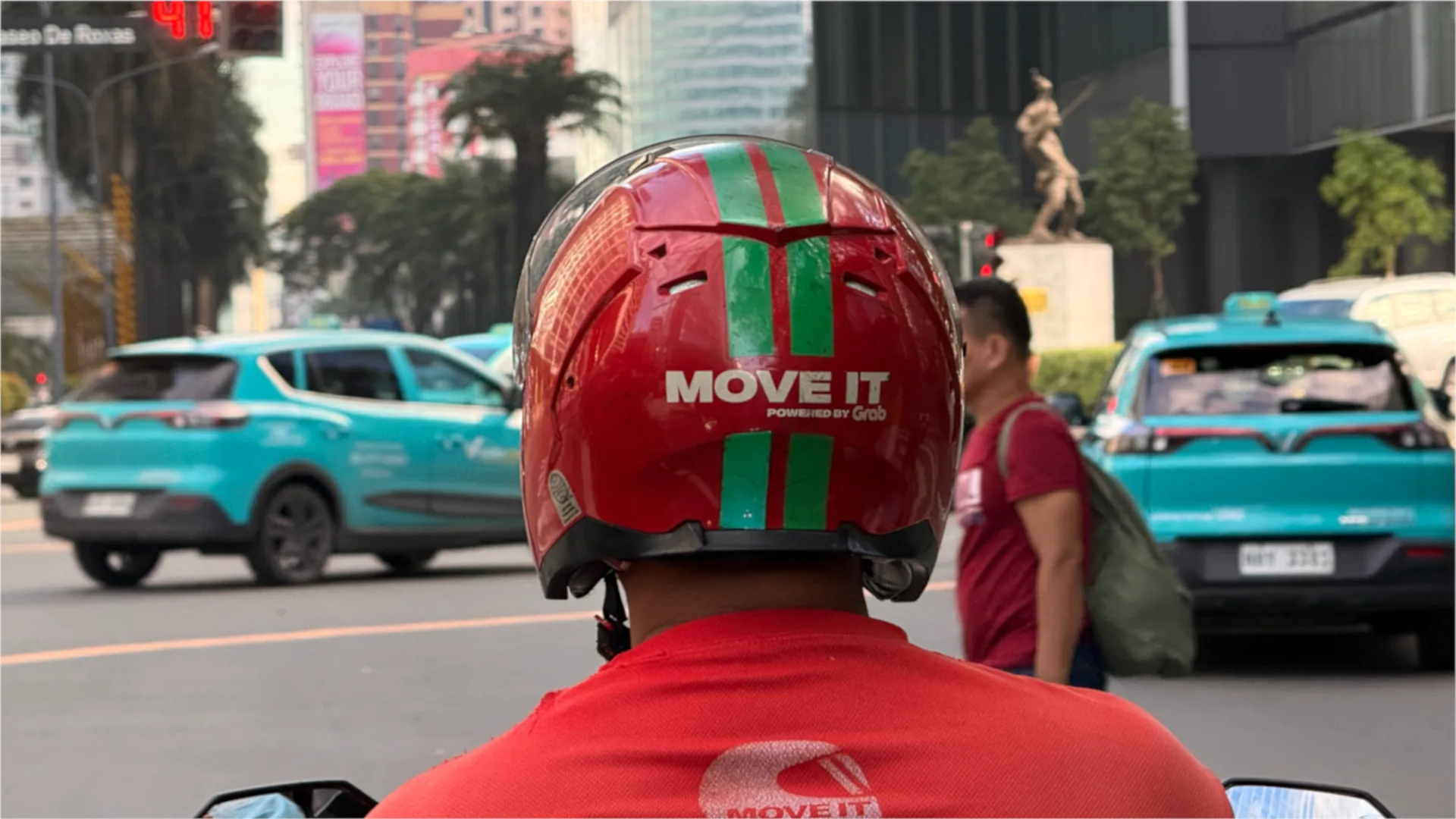
Motorcycle taxi services like JoyRide, Angkas, and MoveIt also have in-app reporting systems.
According to MoveIt: “Overcharging passengers is a serious violation, and we take such reports seriously. If you believe the rider overcharged you for the trip, please let us know using the form below. We will conduct a further investigation, and our representative will reach out to you within 24 hours via email.”
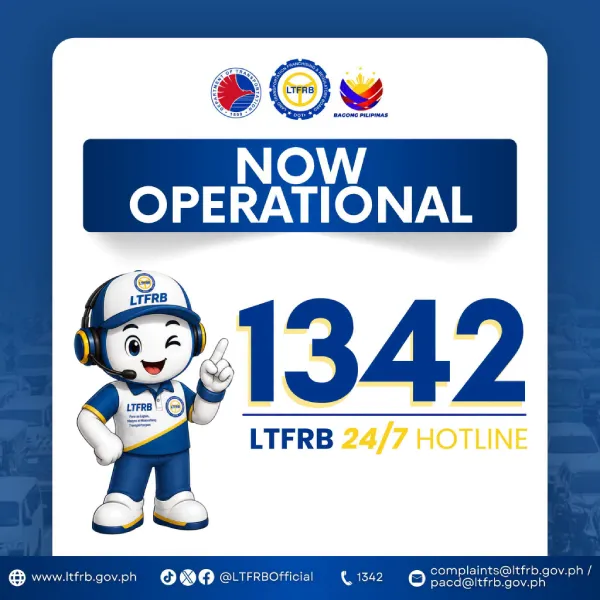
If needed, you can also escalate complaints and report violations through the LTFRB’s official email, social media accounts, and hotline 1342. Passengers may also file complaints through email at pacd@ltfrb.gov.ph and complaints@ltfrb.gov.ph, or by visiting any LTFRB regional office.