Stopping is just as important as going, and a car’s brakes is your first line of defense in avoiding accidents. You can’t hit anything if you’re able to stop in time, right? Conversely, you won’t get hit if other cars around you can stop.
But there will be instances wherein your vehicle fails to slow down. It’s one of the worst things that can happen while driving, and something none of us would ever want to experience.
Yes, it’s a harrowing experience, but that doesn’t mean you can’t do anything about it. Here’s what you should (and shouldn’t) do in case of brake failure. We’ll also tell you how to prevent it from happening in the first place.
OTHER STORIES YOU MIGHT HAVE MISSED:
MMDA studying busway, tunnel along Commonwealth Avenue
Review: 2024 Mitsubishi Montero Sport Black Edition 4WD
Don’t panic

Yes, it’s easier said than done, but panicking won’t solve anything. The immediate reaction is to press the pedal deeper, but it won’t slow down the vehicle as much as you’d hope. The best advice is to gather your composure and move to the next step.
Pump the brakes

One of the reasons for brake failure is air in the brake lines. It’s possible that you stepped on the pedal right when an air bubble appeared. You can quickly solve that by pumping the brakes, repeatedly stepping on the pedal until you get brake feel back and full stopping power. This can scrub off some speed and if you do it quickly enough, it’ll spare you from an accident.
Downshift
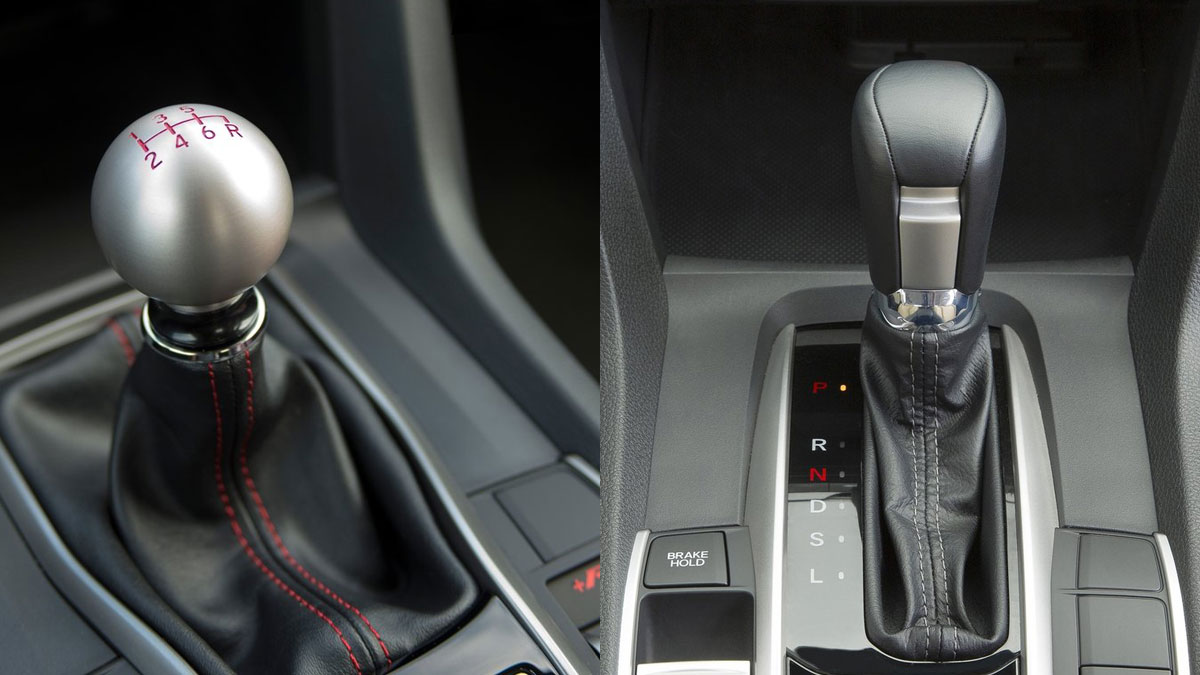
But say you need to shake off more speed. Another course of action is to downshift. Easy to do with a manual, but what to do if you’re in an automatic? You have one of two choices. You can engage manual mode and shift from there or shift to the lowest gear possible (usually indicated as L) on your gear selector.
Engage the parking brake…carefully
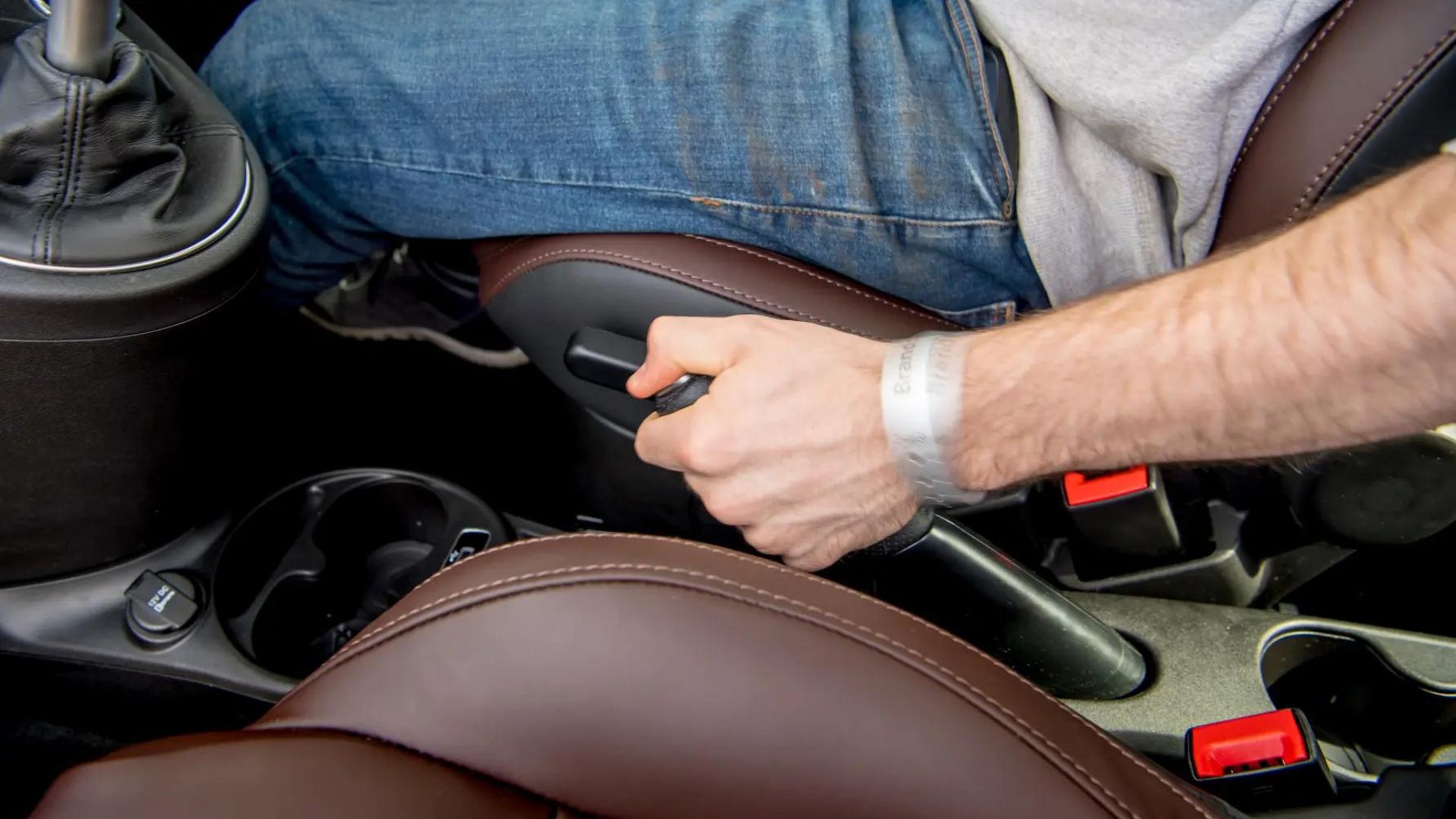
Parking brakes are also called emergency brakes for good reason. It’s one thing you can pull as a last ditch effort to slow down. We must make it clear that you shouldn’t yank the emergency brake as that will cause your rear wheels to lock up and send you spinning. Instead, engage it gently to prevent that from happening.
But what about cars with an electronic parking brake? These systems are actually smart enough not to lock up the rear wheels. You can simply engage it and let the electronics take over. As for those with foot-operated parking brakes, again, press it carefully to prevent wheel lockup.
Look for an escape route

It’s vital to still be aware of your surroundings in this emergency situation. It’s easy to fall into the trap of target fixation wherein your eyes are locked on to something you’re about to hit. Glance at your mirrors and look far ahead to see if you can steer your vehicle into a safer lane. That gives you more time to perform measures to slow down. From there, try to steer your car to the side of the road.
Do not shut off vehicle until fully stopped
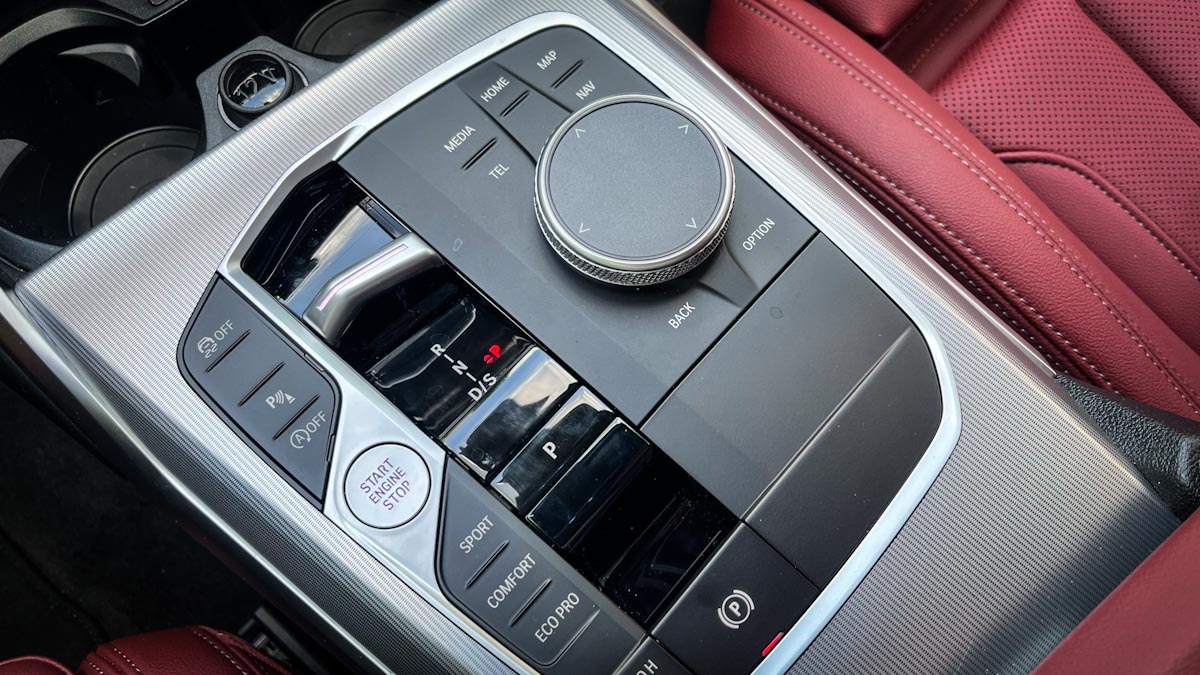
Shutting off your car is a big no-no in this kind of situation. It shuts off your vehicle’s power steering, making it harder to turn. It will also activate the steering lock and potentially result in you spearing off the road.
Once you’re stopped, that’s when you can shut off the vehicle. From there, call for help and it’s best to get the vehicle towed for everyone’s sake.
If all else fails, mitigate the impact
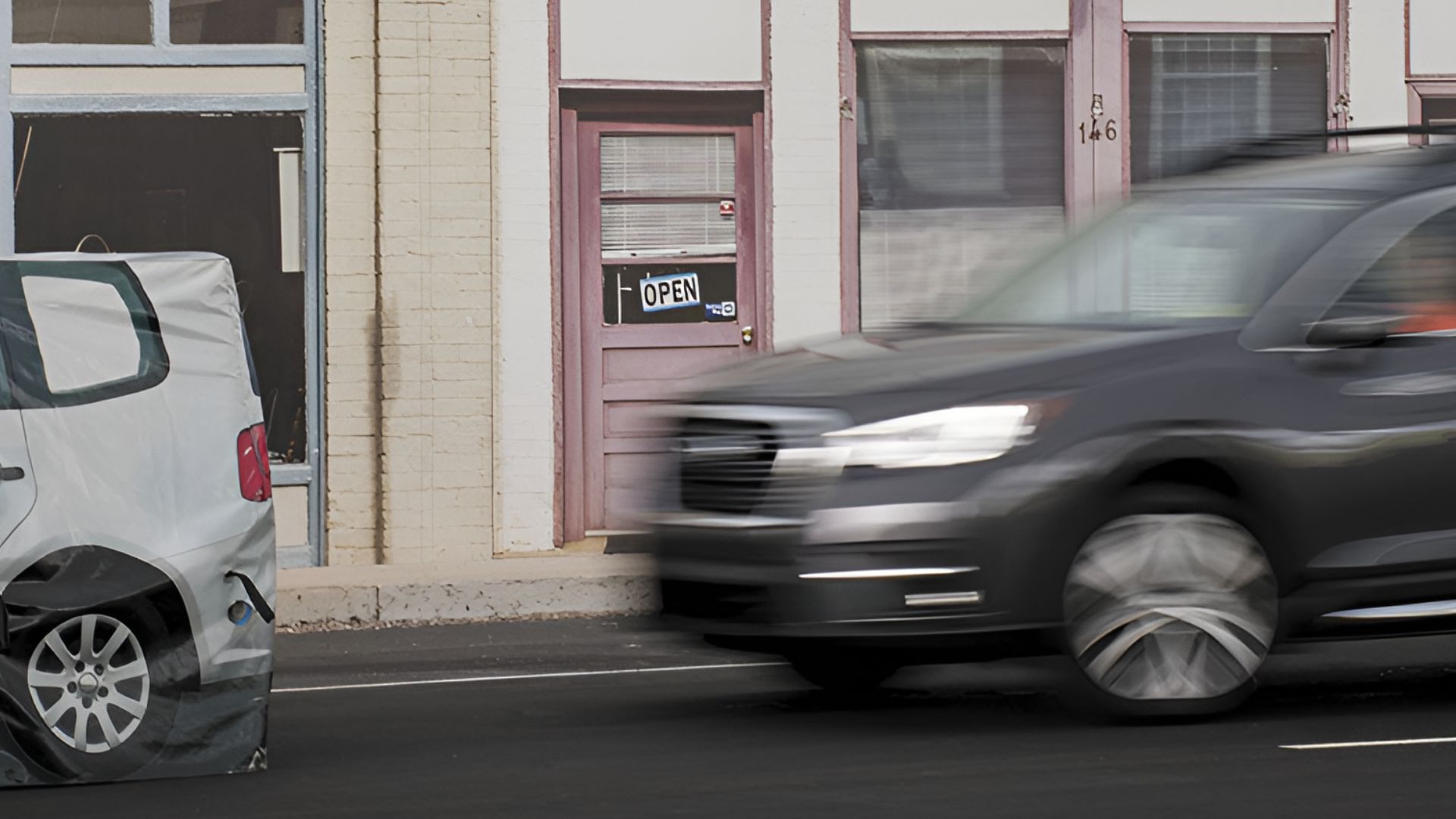
You’ve done your best to slow down, but sometimes, it’s not enough. The only salvageable thing you can do now is to soften the blow. If you’re left with that choice, avoid pedestrians and immovable objects. Hitting trees, walls, and poles will result in bigger impact meaning more risk of injury. If you’re on a road with a guardrail, scrape your vehicle against it if absolutely necessary. Yes, there will be collateral damage, but it’s either that or slamming into something at full speed.
How could you prevent brake failure?
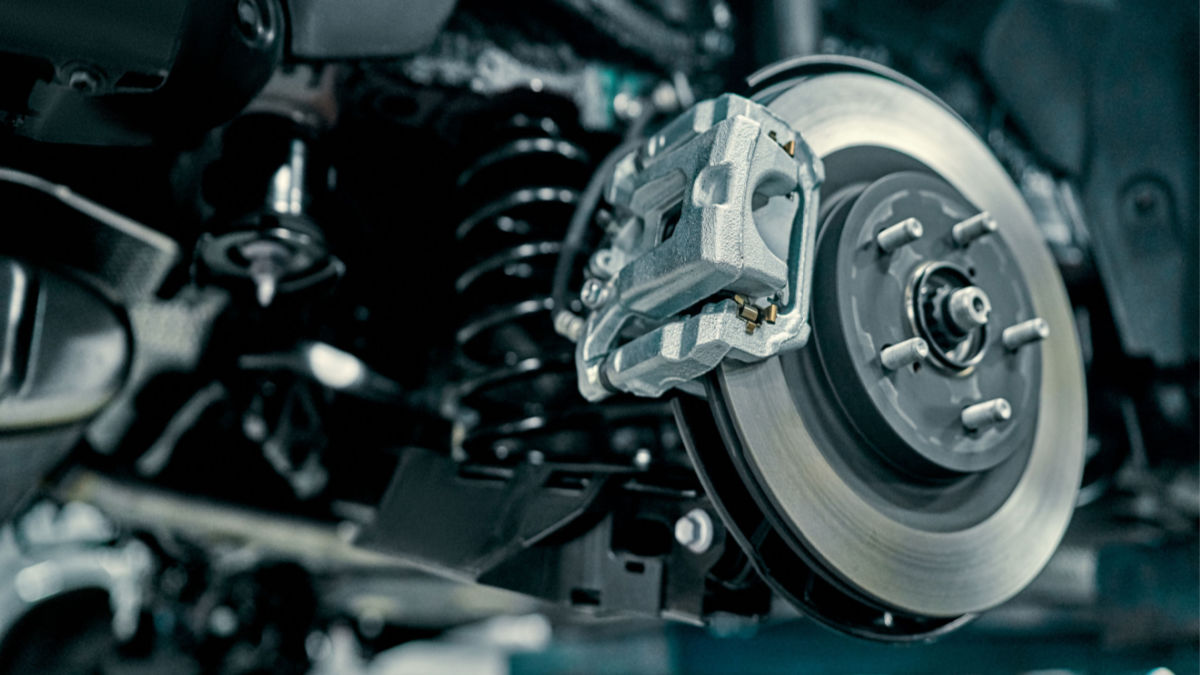
Prevention is better than the cure, and there are several things you do to avoid this extreme situation from happening.
One of the most common reasons for it isn’t because of a mechanical failure on the car’s part. There are times things can get wedged behind the brake pedal, preventing it from getting fully depressed. Our advice is to clear out the clutter in your car.
Brake maintenance is another key factor. It’s not just about changing pads, but fluids as well. Check the brake discs and drums for any cracks, as well as any screeching or grinding noises.
If there’s an unusual feeling when stepping on the brakes, it’s time to visit a mechanic. A general inspection also goes a long way. Mechanics might spot a leaking brake line or two. Last but not least, don’t ever scrimp on buying brake parts. These fake items diminish braking performance and wear out earlier, leading to failure.