Hyundai looks poised to take on its biggest challenge yet with the all-new Santa Fe

by Leandre Grecia | Mar 8, 2024

“Hyundai might be facing one of its biggest challenges yet with the Santa Fe.”

To say that Hyundai Motor Philippines’ (HMPH) takeover has been successful would feel like an understatement. The numbers speak for themselves: from 2,350 vehicles sold in 2022, Hyundai jumped from 14th in CAMPI’s rankings to eighth at the end of 2023, finishing it off with a sales total of 9,130 units.

We can only assume that the path leading up to that number was a busy and not-so-easy one. HMPH had to completely overhaul the local lineup the minute it arrived. From the outside looking in, the task already seemed daunting and looked like such a huge gamble, but Hyundai did it anyway and the gameplan eventually worked out.

But that’s just the start. Way I see it, even as the sales figures continue to boom, Hyundai might just be facing one of its biggest challenges to date with the arrival of the all-new Santa Fe.

Now, don’t get me wrong—the model itself isn’t the challenge. That’s not what I’m implying. Because the Santa Fe brings a whole lot to the table.

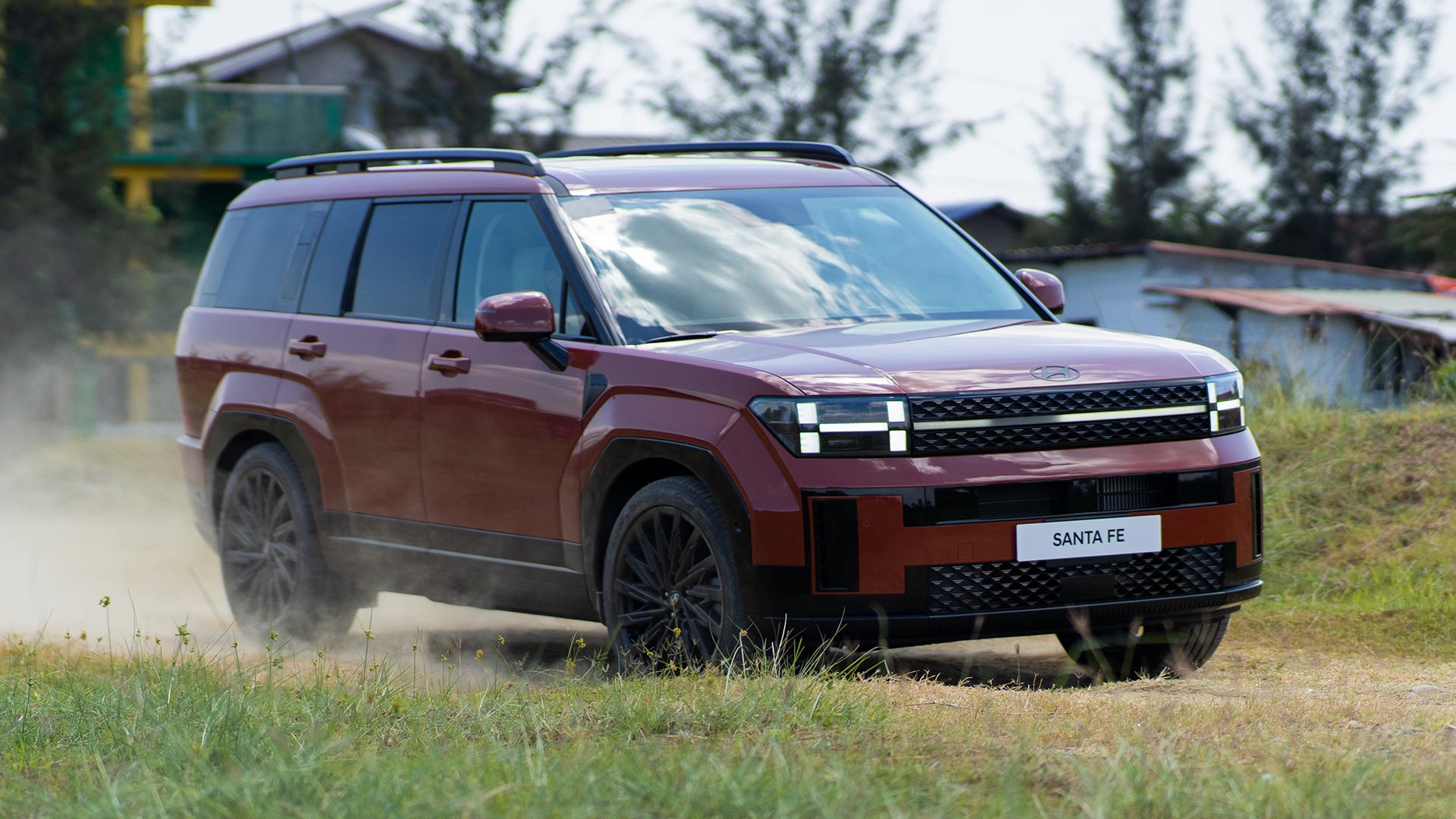
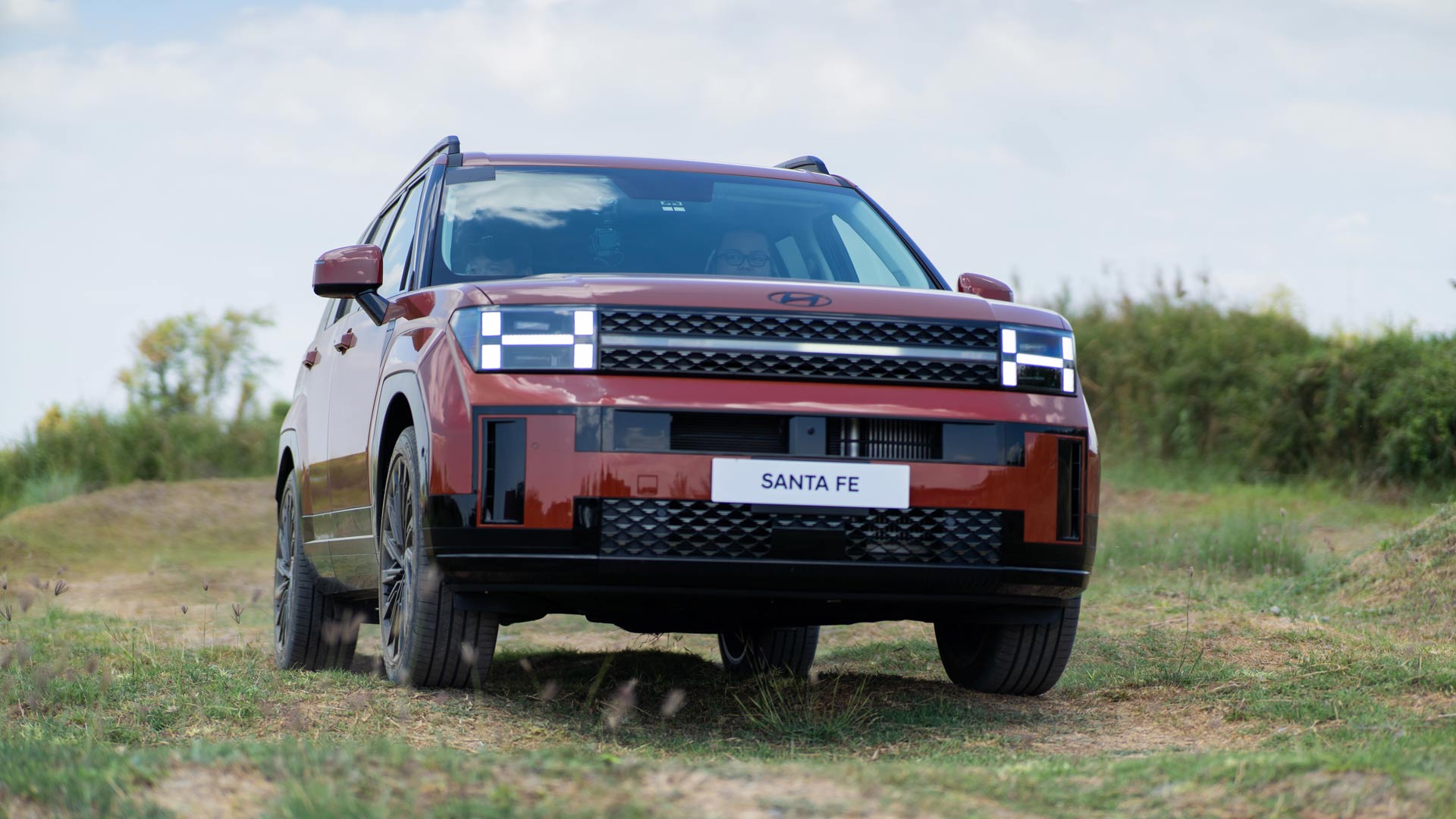
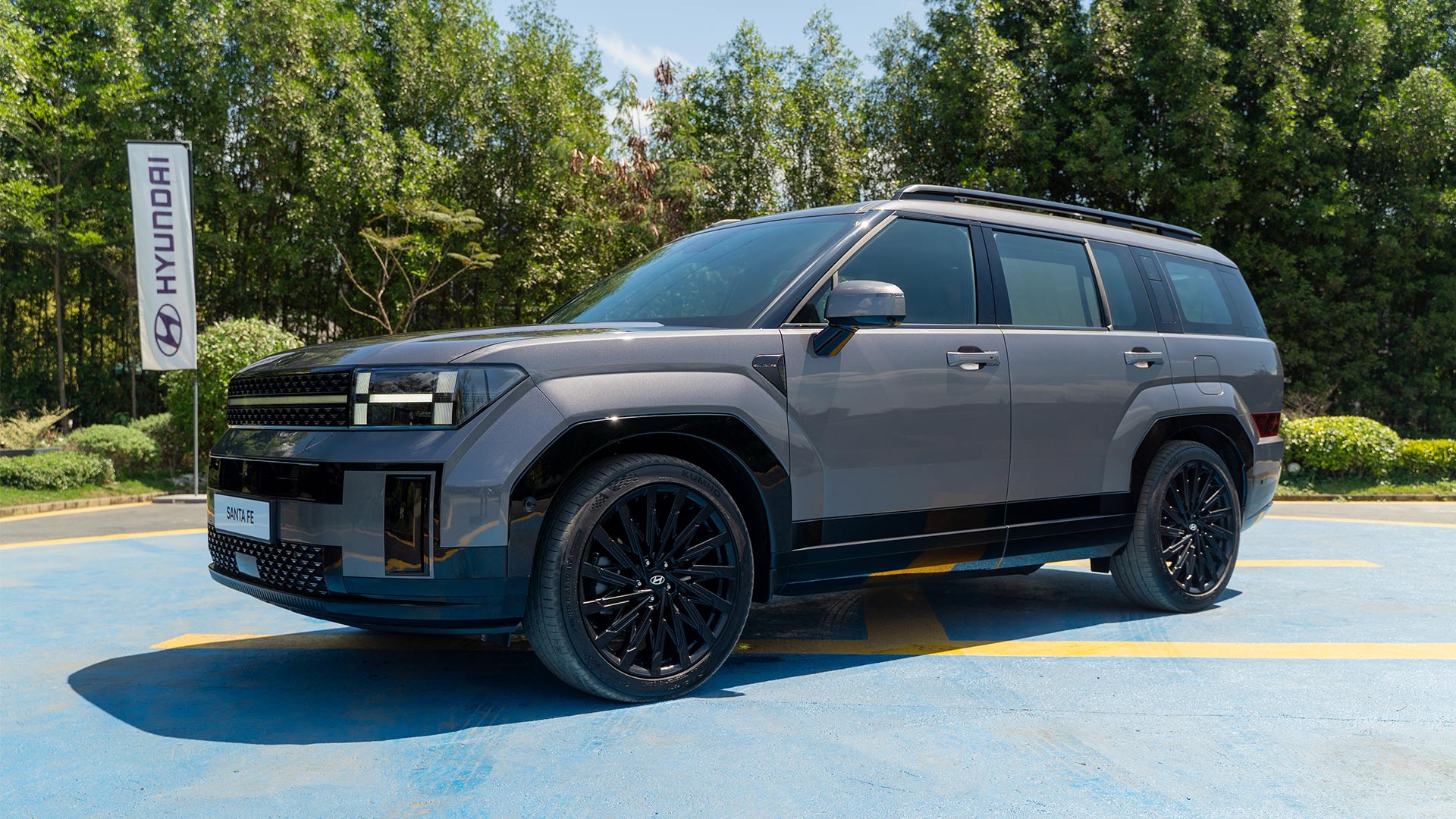
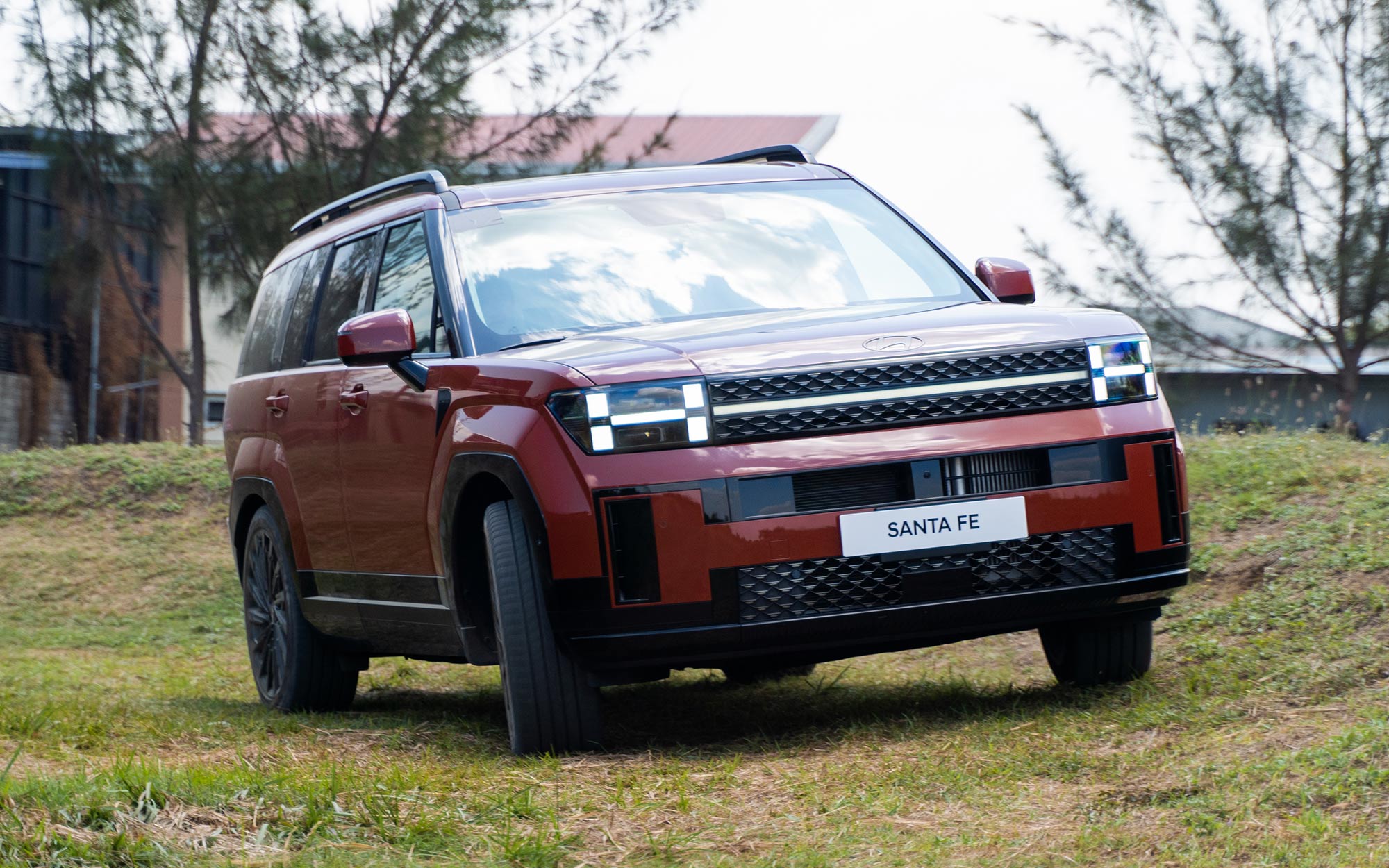
Design isn’t the challenge. The all-new Santa Fe has gotten so much bigger since the nameplate was introduced some two decades ago, and as it grew, it got classier and classier by the redesign. In its fifth iteration, Hyundai went full boxy, and it’s a look that just…works.

Retro has always been in, and there’s plenty of that in the Santa Fe. Boxy, H-shaped headlights adorn the front end, and along with it you’ll find more H-shaped bits—a recurring theme inside, out, and around the vehicle. The front fascia looks sleek, and Hyundai’s design game being on point really shows, especially with that textured finish on the black plastic trim up front.

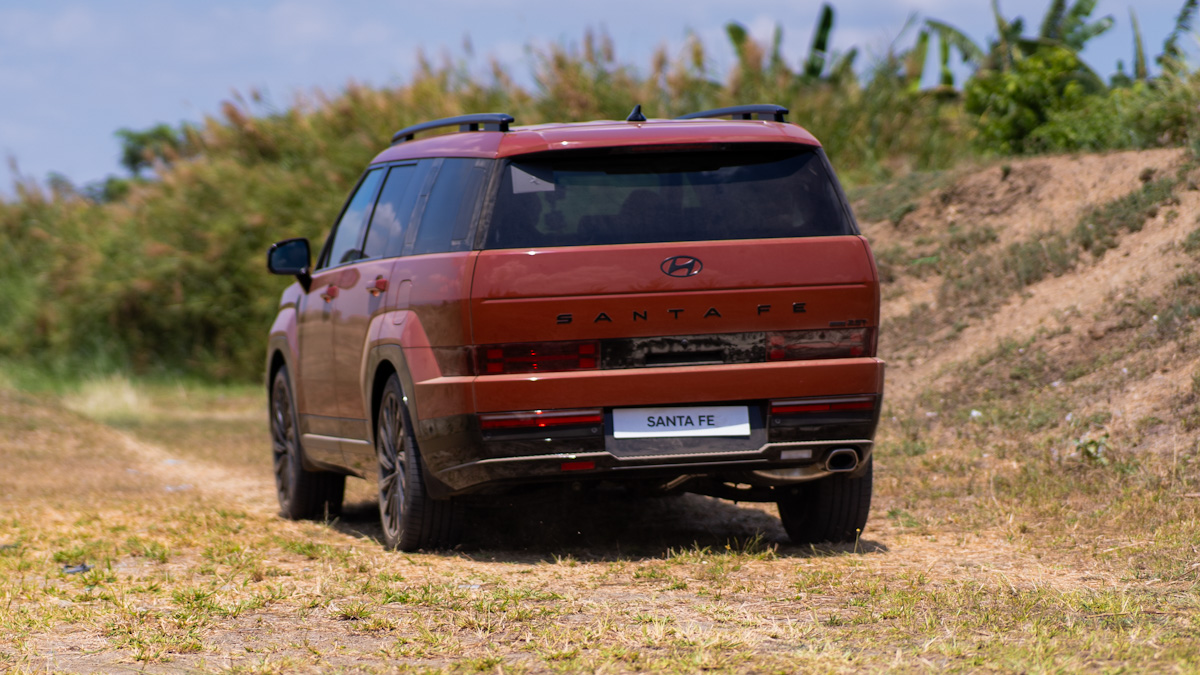
I won’t be as confident talking like that about the rear, though. While those H-shaped taillights do look nice and quirky, I understand that the geometry of that tailgate might be off-putting for some. It’s a bit unorthodox—almost Discovery-esque. Be that as it may, I’m sure these won’t be that big of an issue that it could sway would-be car buyers.
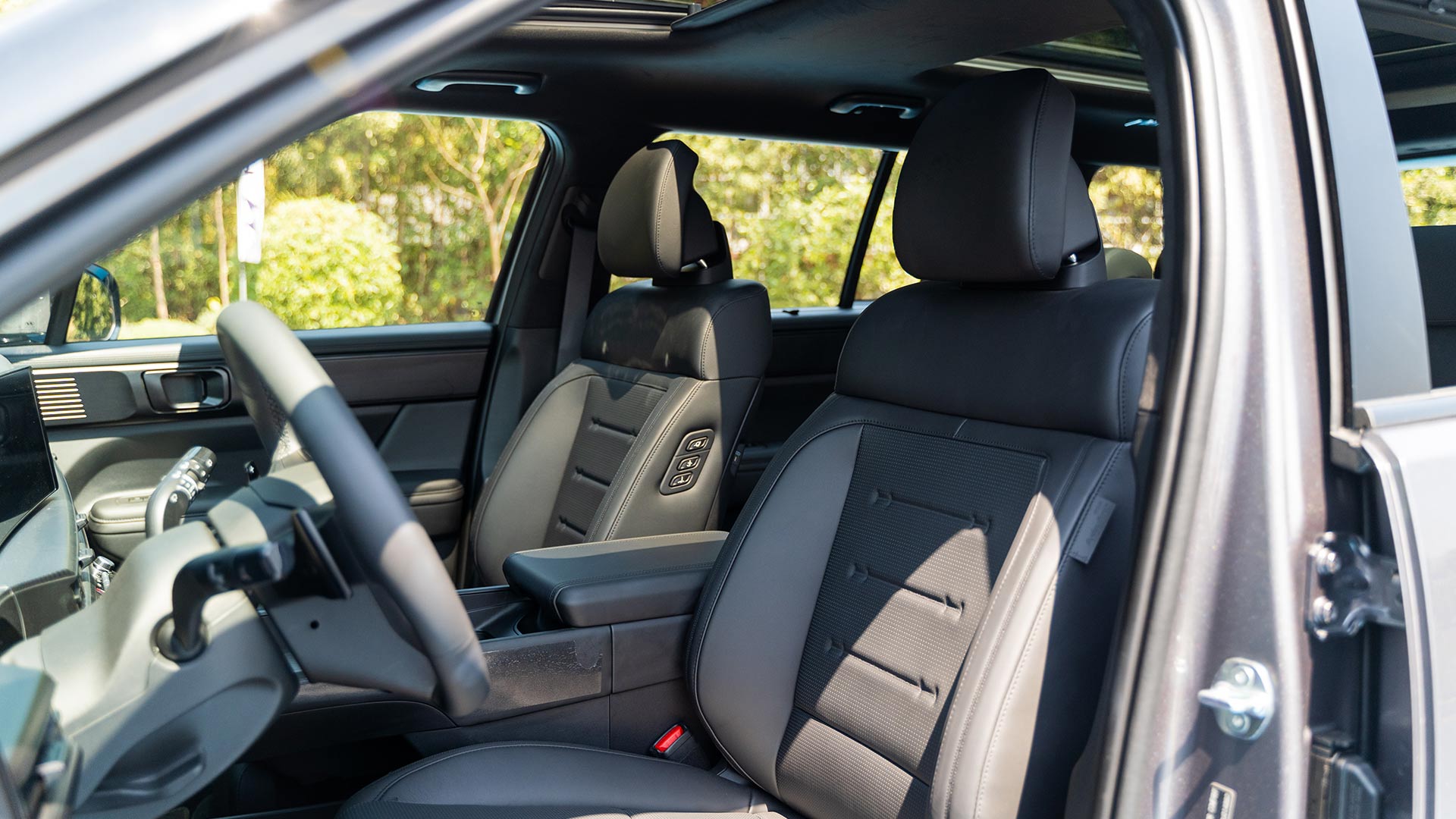
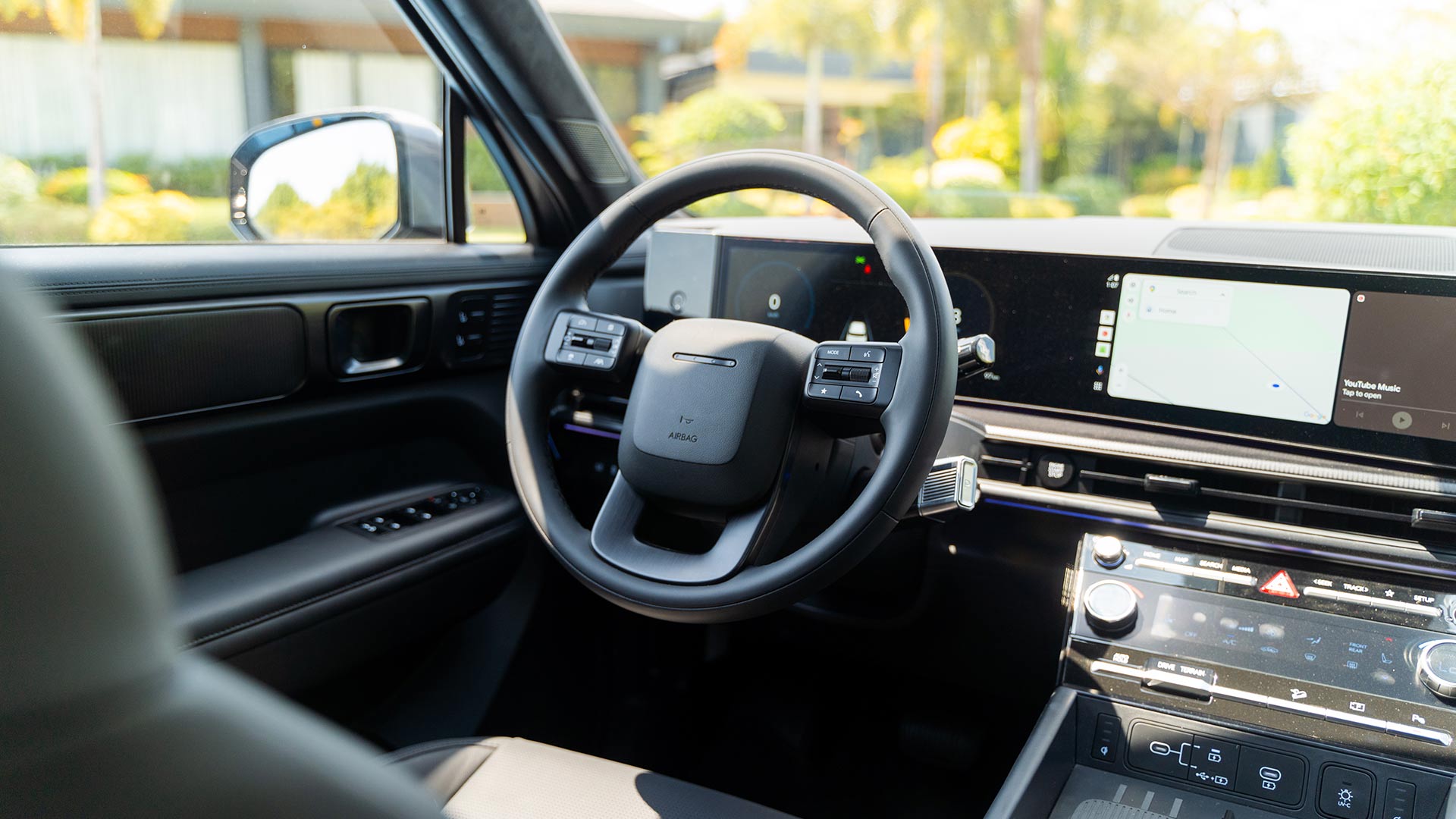
PHOTO: Charles Banaag

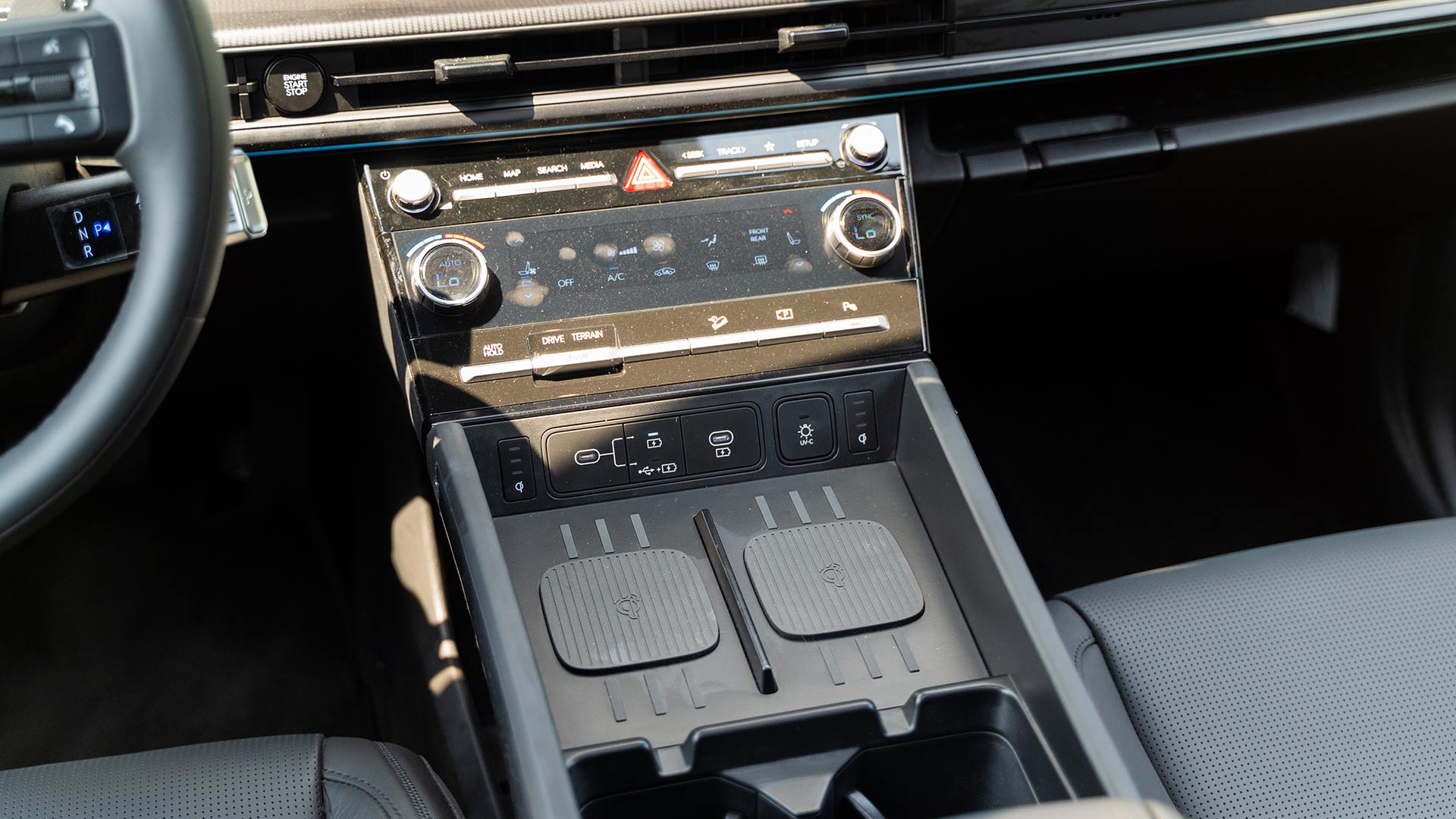
The interior most definitely isn’t the challenge, because the all-new Santa Fe’s cabin is a sight to behold. You’ll be greeted by absolutely massive screens and a bucket load of buttons the moment you get inside, and while it might feel a bit overwhelming, if you fiddle enough with them you’ll realize all these are ergonomic and purposefully built. A couple of wireless charging pads, touchscreen controls and physical knobs and buttons for the A/C, and nifty cubbies and storage compartments here and there—there’s a lot, I know, so you’ll need some time to take them in.

The seats are incredibly comfortable, too, regardless of which row you’re sitting in. Up front you have ventilated 10-way adjustable (or more, I lost count) seats with leg rests (even for the driver), and in the second row you get to enjoy amenities like the second albeit non-retractable sunroof and the sun visors. At the rear there are separate USB-C charging ports—six in total around the cabin, by the way—and dedicated A/C controls and vents.

Hyundai Santa Fe 2024

But more than just the toys and the tech, this is still one tastefully designed cabin in and of itself. You’ll still come across H patterns here like Easter eggs on a Sunday, of course, but you’ll also find a bunch of premium bits like the soft-touch materials on the dash, the leather on the center console, and the perforated leather on the seats. This interior’s quite exquisite if you ask me.

PHOTO: Charles Banaag

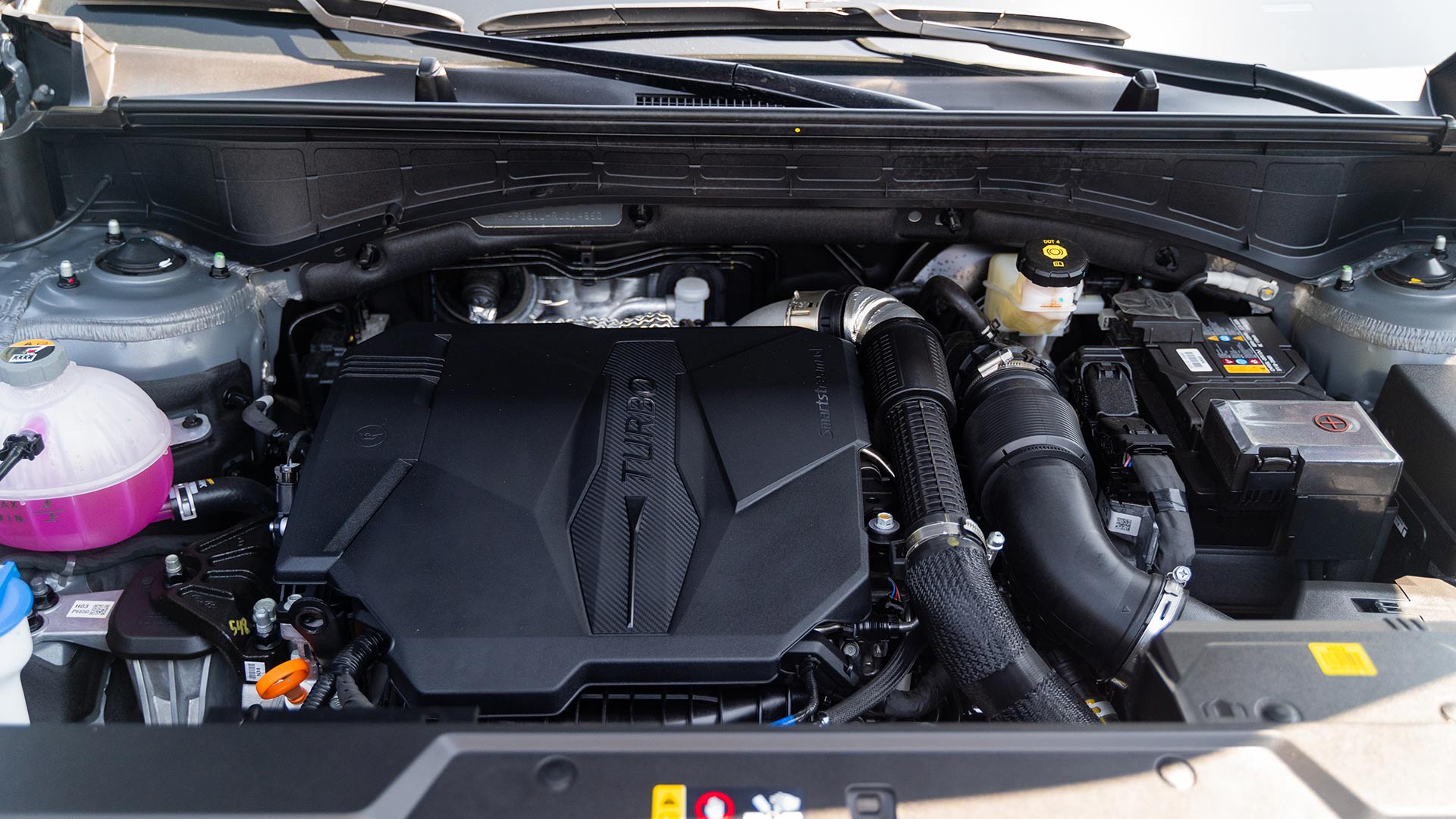
Performance isn’t the challenge, either, because the Santa Fe definitely isn’t lacking in this regard. There are two gasoline engines available at launch, one is the 2.5-liter naturally aspirated unit that puts out 191hp at 6,100rpm and 246Nm of torque at 4,000rpm and is mated to an eight-speed automatic. The other is the top-of-the-line-exclusive 2.5-liter turbopetrol that churns out 277hp at 5,800rpm and 422Nm of torque between 1,700 to 4,000rpm and is paired with an eight-speed DCT. The base variant gets front-wheel-drive, while the higher trims get all-wheel-drive.

Hyundai Santa Fe 2024

That turbocharged engine is a potent one, punchy enough to push you back into your seat when you floor the pedal. Real-world performance (e.g., fuel economy) here in the Philippines is yet to be determined, but if it’s just raw pulling power that’s being questioned, the Santa Fe has a lot of that, and it will be able to go toe-to-toe even against its turbodiesel-powered competitors.

There’s superb stopping power even when going at speed, too, despite the vehicle’s size and weight. The unibody structure also allows for excellent handling, less roll, and a more solid ride. Props to Hyundai for also keeping NVH levels low inside the cabin—much appreciated when you’re strolling around the city’s poorly paved roads.

Hyundai Santa Fe 2024

The wide range of driver-assist tech also makes for one safe vehicle. The Santa Fe range comes standard with Hyundai SmartSense features that include forward-collision avoidance assist, lane-keep and lane-following assist, blind-spot monitoring, and adaptive cruise control that works even in heavy traffic. Hill-start assist with hill-descent control, electronic stability control, and a tire-pressure monitoring system are also available. Surely, in this department, the Santa Fe doesn’t lag behind.

PHOTO: Charles Banaag


Clearly, it’s an impressive new model. But that doesn’t always translate to success, does it? Especially not in a place where brand loyalty is just a little too rampant. That’s why the real challenge for Hyundai lies in proving that the Santa Fe is a legitimate competitor.

Unlike the massively hyped Starex successor in the Staria and the seemingly sure-fire hit in the Stargazer, the Santa Fe isn’t a hand-in-glove fit in a very popular segment, which makes all this even more challenging. With a P2.41 million starting price and a range-topping P3.1 million SRP, Hyundai can’t easily parade the Santa Fe—which is technically a crossover—as a rival against your typical seven-seater, pickup-based midsize SUV.

But to me, that’s actually not a bad thing.

Hyundai Santa Fe 2024

See, in a way, that also gives Hyundai a target demographic: The Toyota fan who’s torn between getting a Fortuner or a Prado. The Mitsubishi customer who misses the Pajero too much to buy a Montero Sport. The Ford owner who’s spent countless hours trying to choose between the Explorer and the Everest. The Nissan user dying for a middle ground between the Terra and the Patrol. If Hyundai wants the Santa Fe to succeed, that’s potentially the part of the market that it will have to tap into.

It’s no walk in the park, and it might be one of the biggest hurdles HMPH will have to get through yet, but believe you me, the Santa Fe is equipped well enough for the task. It’s got what it takes—it’s that plain and simple.

PHOTO: Charles Banaag

See Also

[bg_related:0]
PHOTO: Charles Banaag
  • TGP Rating:
    /20

    Starts at ₱

    TGP Rating:
    /20
    Starts at ₱