
VinFast has been making a lot of noise in the Philippines. Its EV sales seemingly boomed overnight as soon as fuel prices started surging. While it includes some stroke of luck, this early success also says a lot about the brand’s offerings.
Frankly, I wasn’t the biggest fan yet—I’m a bit wary when it comes to anything new. That being said, when the opportunity to visit the brand’s home base in Haiphong and see what it could offer the local two-wheeler market presented itself, I was the first to jump at it. Why? Simply because I honestly think the brand has the potential to make a big impact in the motorcycle industry. See, the brand’s lineup consists of swappable-battery scooters, not some run-of-the-mill gasoline-powered bikes.
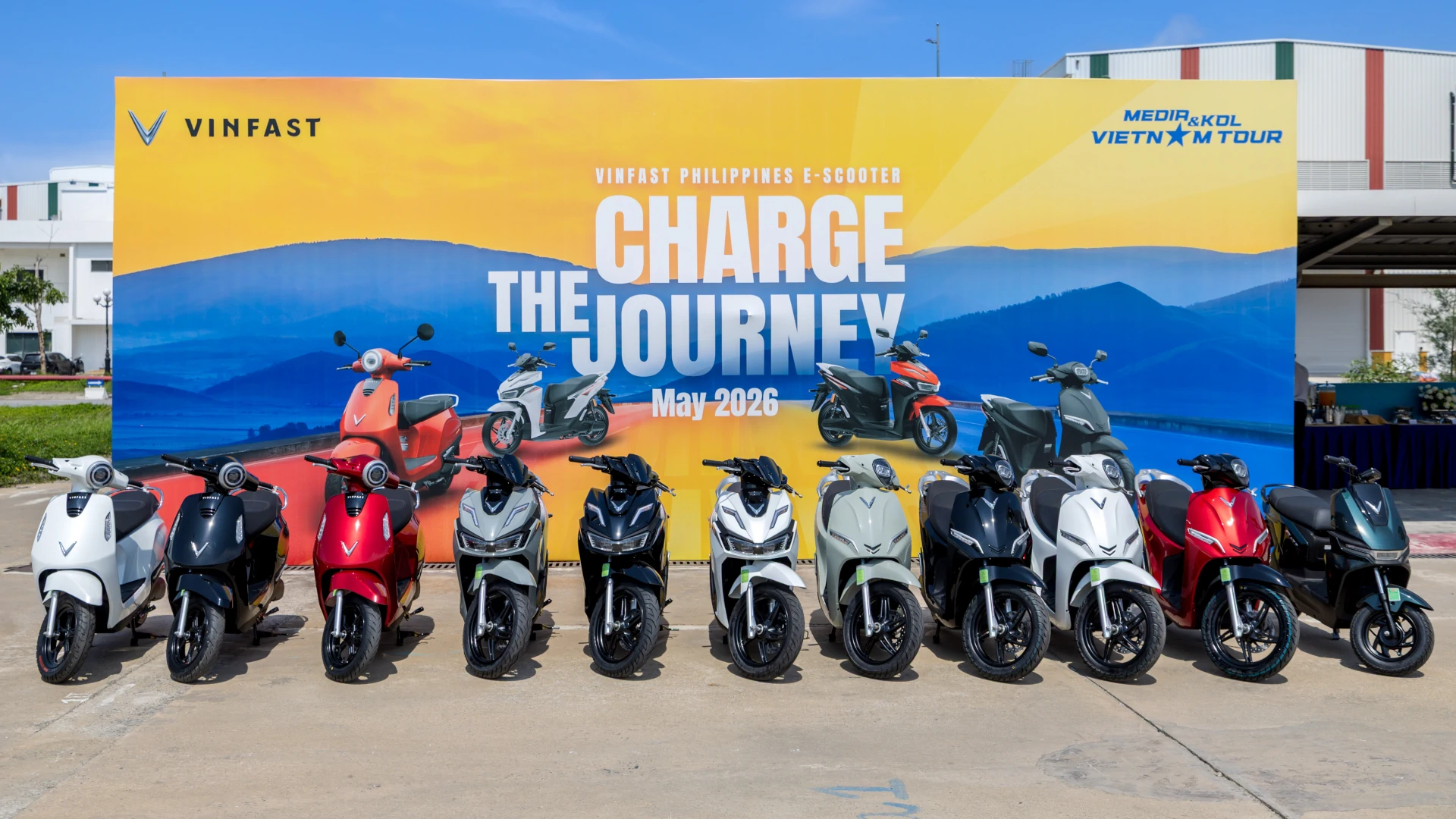
These electrified scooters are starting to take over the Vietnamese market. That’s no exaggeration, because in 2025 alone, VinFast sold more than 400,000 two-wheeled units in its home market. For a relatively new brand to do that is impressive. It’s done so well that it now has its sights set on overtaking Honda, which it expects to do by the end of 2026. For context, the Japanese motorcycle manufacturer has dominated that space for so long, and topping its sales will be no easy feat.
OTHER STORIES YOU MIGHT HAVE MISSED:
PH fuel price update: Hikes of P1.21/L for gas, P2.82/L for diesel effective May 19
Hyundai PH is offering pre-facelift Stargazers at up to P230k off this month
The Philippine motorcycle market, however, will be completely different. It won’t be anything like Vietnam, because for starters, Filipino riders won’t be ‘supporting local’ when they purchase VinFast scooters. That’s one incentive that the Vietnamese buyers have and we won’t ever will.
There’s also the fact that other brands have tried bringing in their swappable-battery scooters but have unfortunately failed. Before the pandemic, there was Kymco. More recently, there was Gogoro. The latter came in, tried, and eventually left. The former didn’t even get to start anything. Heck, when Honda brought its electric motorcycles, it didn’t even bother with the swappable-battery stations that it already had in place in other countries. What now will make anyone think VinFast will be any different?
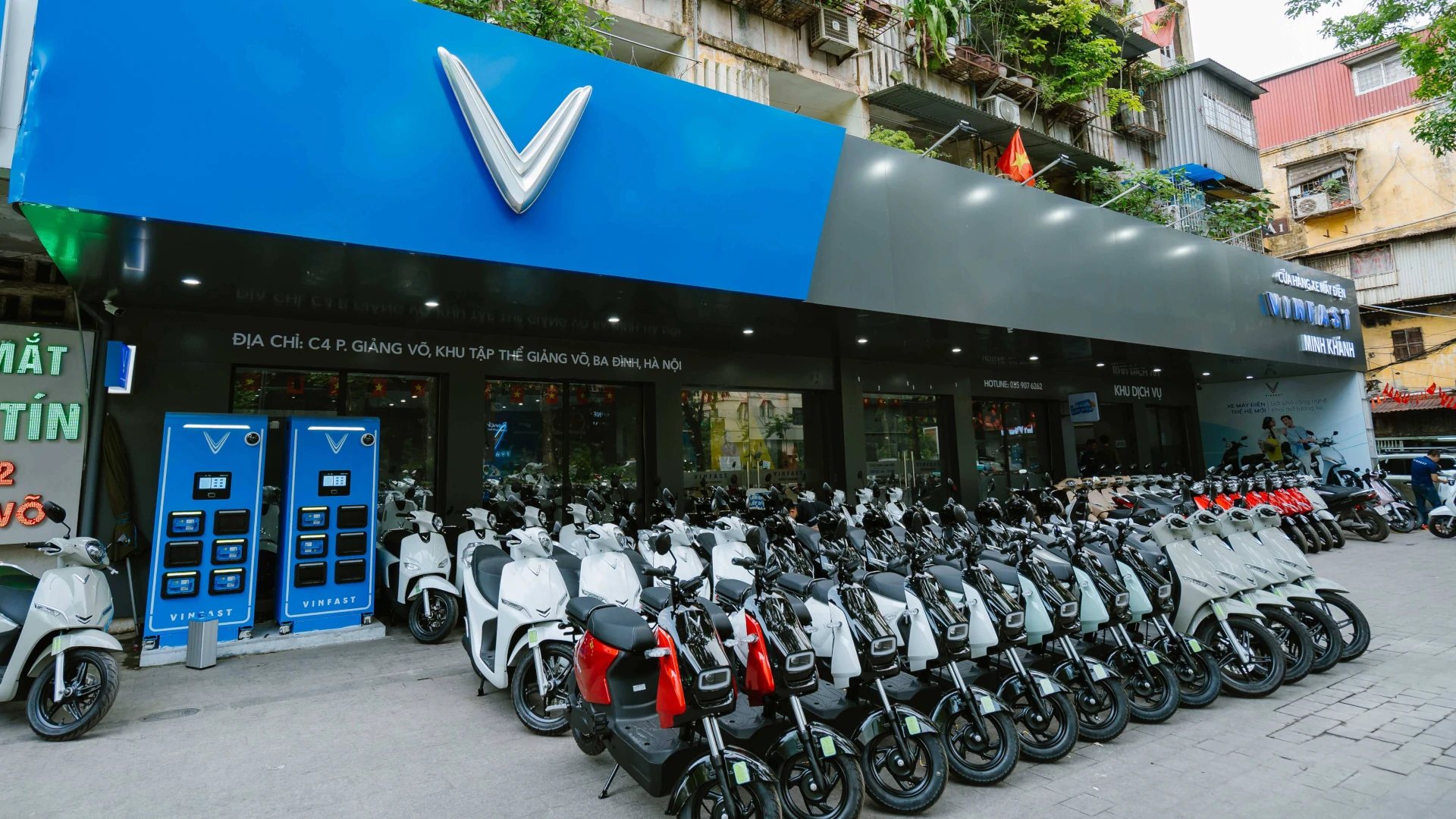
While we were in Vietnam, we were treated to the full experience—visits to a dealership in Hanoi and to the manufacturing plant in Haiphong, as well as test rides of all three models slated to enter the Philippine market.
At the dealership, we were able to see what a VinFast 3S shop could look like in the Philippines. I believe having a strong network of 3S facilities will be integral if the brand wants to succeed in the market, so it was good to know that this is something VinFast wants to build from the get-go. Electric scooters won’t need much maintenance since no engine oils will need replacing, but an accessible service center will provide an added sense of security for owners and can also entice customers to buy into the ecosystem.
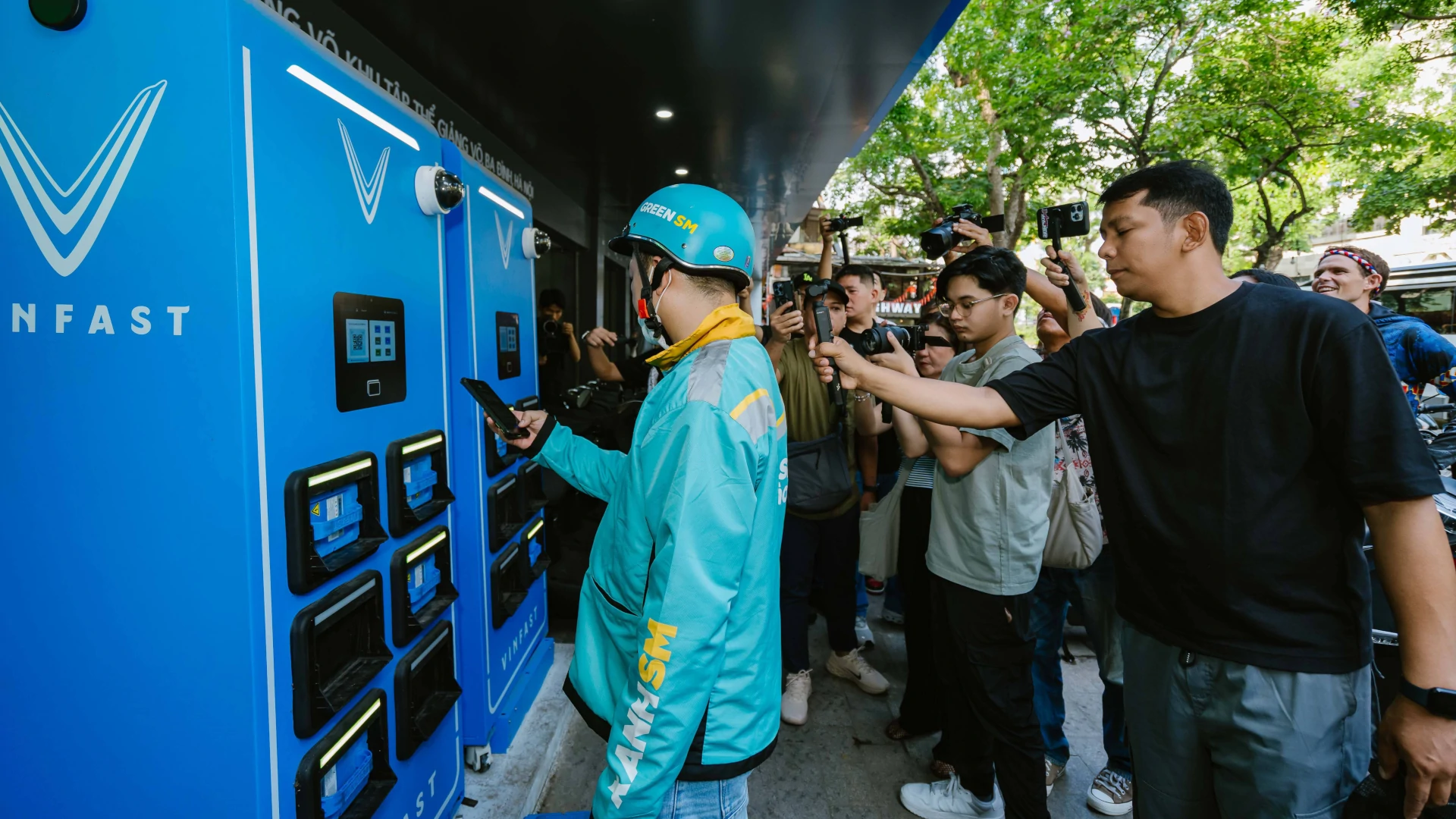
Speaking of ecosystem, the scooters are part of VinFast’s swappable-battery ecosystem, which we also saw on full display at the dealership. In fact, we stayed long enough to see a few VinFast riders stop by and swap their batteries, all of which were done in a matter of minutes. Interestingly, we tried fiddling with the controls on the battery stations and found out that these already had Filipino and English menus available, further proof that these are ready for the Philippine market.
If you’re unfamiliar with how these swappable batteries work, it’s quite simple. If you have a VinFast scooter and it runs out of charge, you can head to a station and push your depleted battery into an empty slot. After which, a fully charged one that’ll serve as the replacement will pop out. This same ecosystem works for the entire VinFast scooter lineup, as all models are powered by the same 1.5kWh lithium iron phosphate (LFP) battery spec.
From my understanding, there’s a dedicated app through which you can do this. I’m not sure, however, how the pricing for battery use is structured in Vietnam, but we were told that VinFast might offer this for free-of-use at the start, just like its EV chargers. What’s notable here, however, is that unlike other swappable-battery scooters, these VinFast bikes can be plugged into a wall socket to charge. This means those who decide to purchase these bikes won’t be forced to buy into the ecosystem—something other brands weren’t able to do.
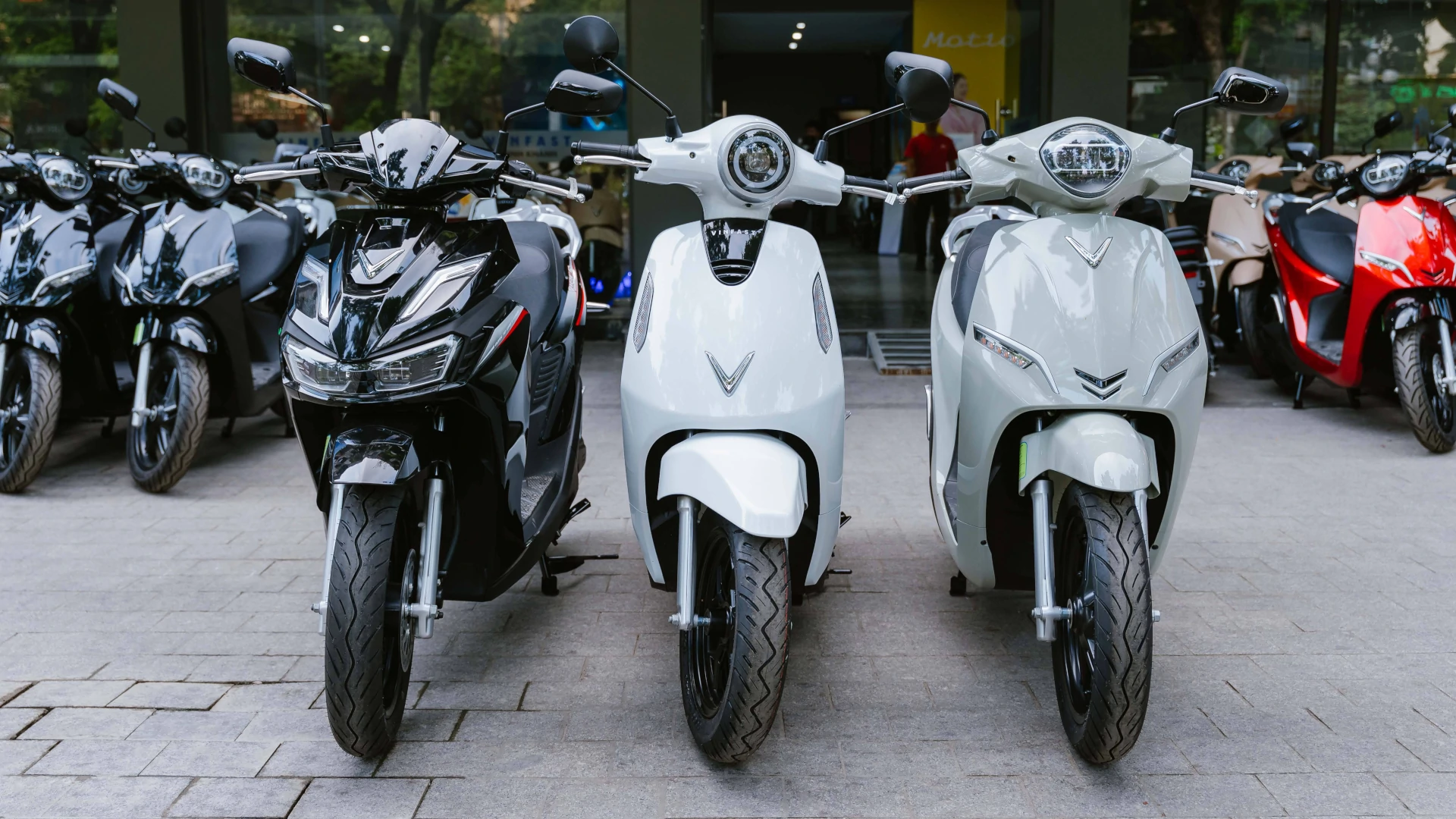
While we were at the showroom, we also tried doing the math. If our calculations were correct, VinFast could sell most of its electrified two-wheelers for around P100,000, maybe even less. That puts these bikes right around the territory of the 100-125cc scooters—just how they were initially marketed. At this point in our trip, we hadn’t tested the bikes yet, but on paper alone, we already knew they’d all be good deals if VinFast can price these right.
Unfortunately, even after constant inquiries that were borderline nagging, we weren’t able to get even just a ballpark figure of how much the Vietnamese manufacturer will sell its e-scooters in the Philippines. Still, we won’t have to wait too long since these will be arriving sooner rather than later.
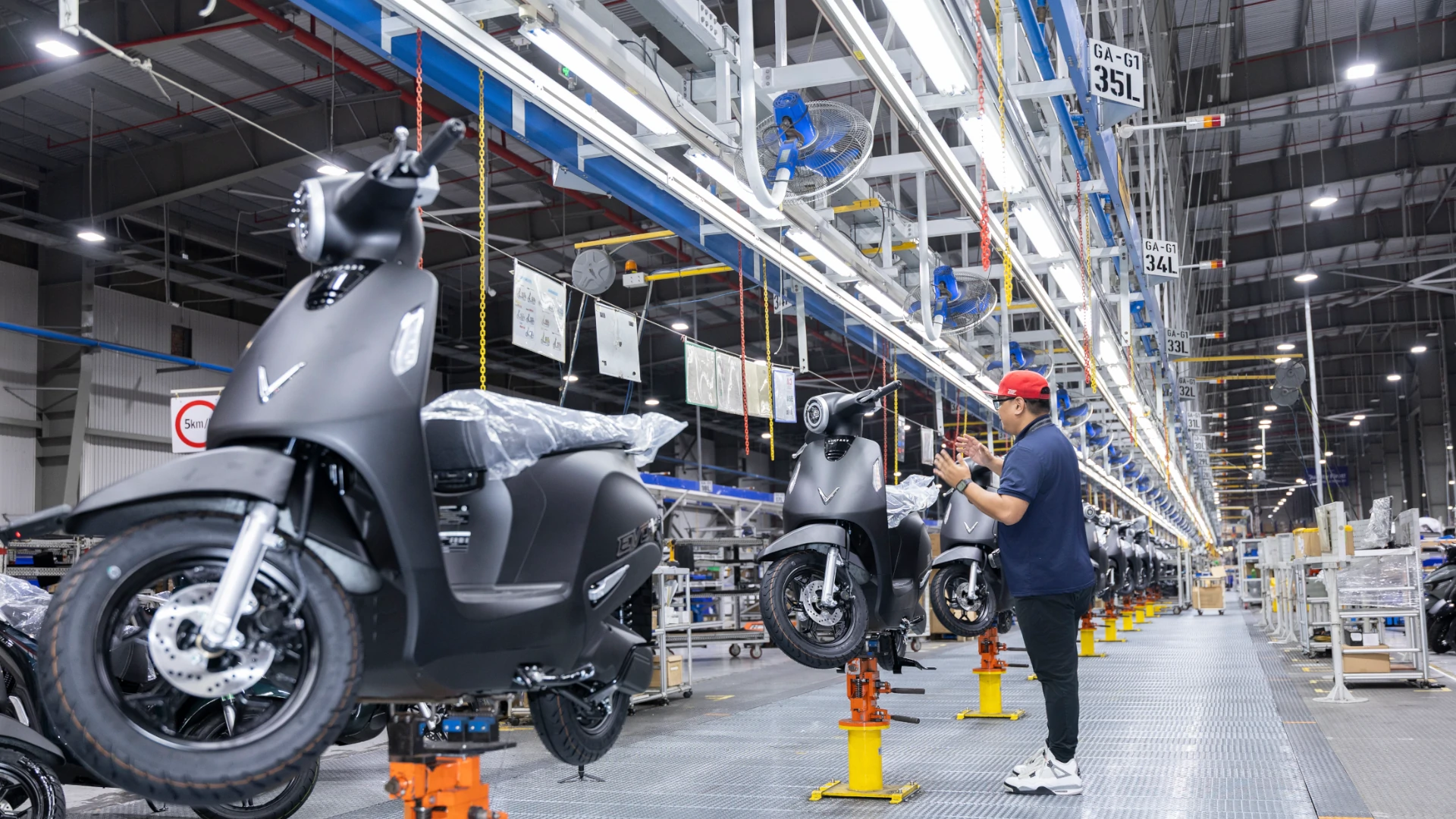
Next up, we headed to VinFast’s production facility. A manufacturing plant that can churn out 4,000 to 5,000 scooters per day is nothing short of impressive. With three eight-hour shifts per day on a six-day weekly schedule, VinFast tells us the plant can produce up to 1.2 million scooters per day—more than enough to cater to the current demand in Vietnam and then some. We’re guessing supply won’t be an issue when the brand finally launches its scooters on our shores.
Now, I’ve been to a few factories over the course of my career as a motoring journalist. This is the first time we were able to shoot as much as we could inside the facility, which is a rare occurrence—there were times when we were a little too close for comfort to the actual production line. We essentially had free rein while we were inside, and for me, it felt like a new and interesting experience altogether.
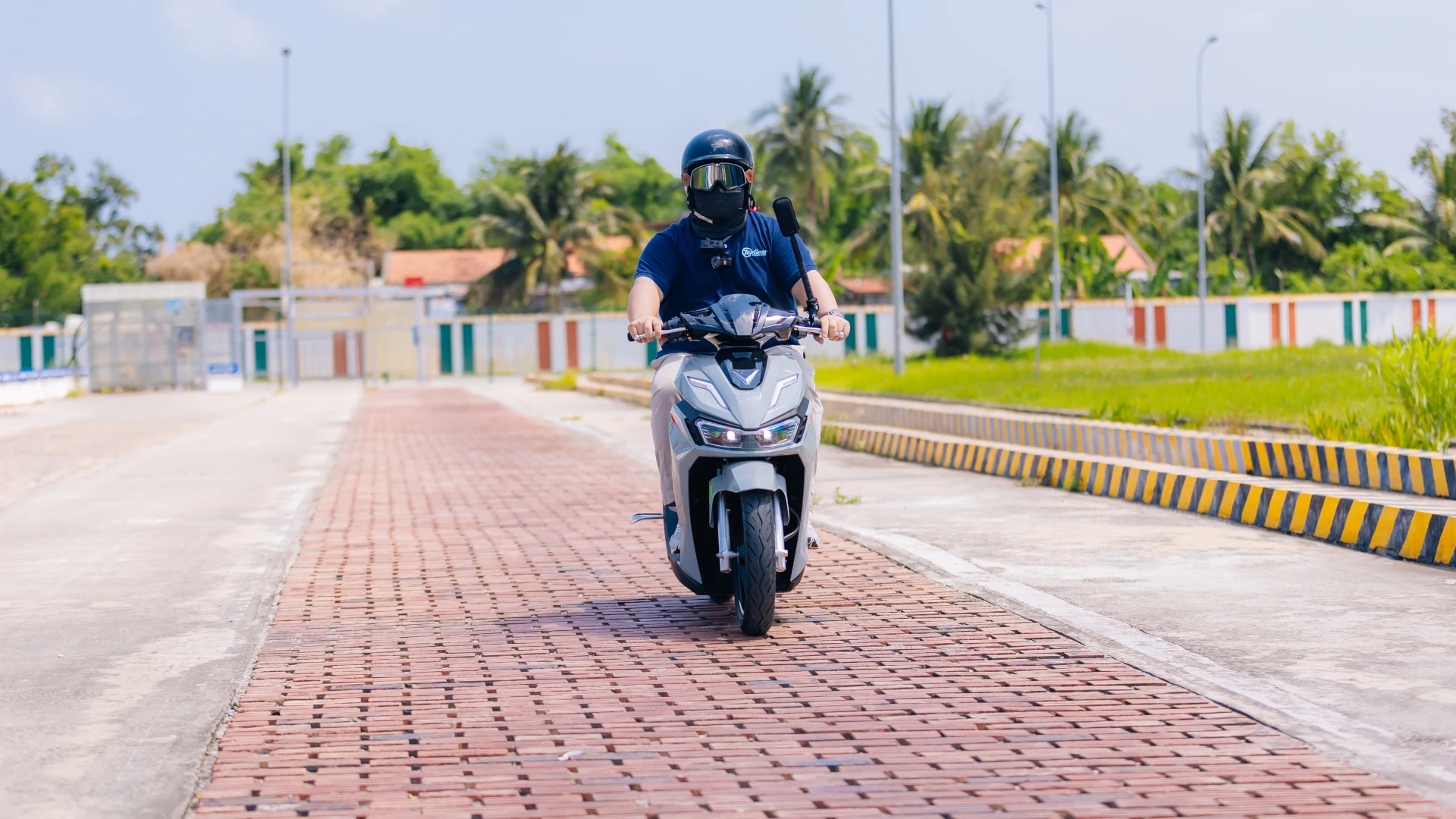
As we moved on to the test ride, I was surprised when I found out that even those who didn’t know how to ride two-wheelers were going to be allowed to test out the VinFast scooters, which isn’t something I’m used to. It showed just how much VinFast really wanted everybody to try out the bikes.
I chose to stay in my lane, and I tried to keep away from the first-time riders lest I become liable for any injuries they could have incurred—fortunately, there weren’t any. I focused on riding the scooters and seeing what they were capable of.
Unsurprisingly, quite capable they were.
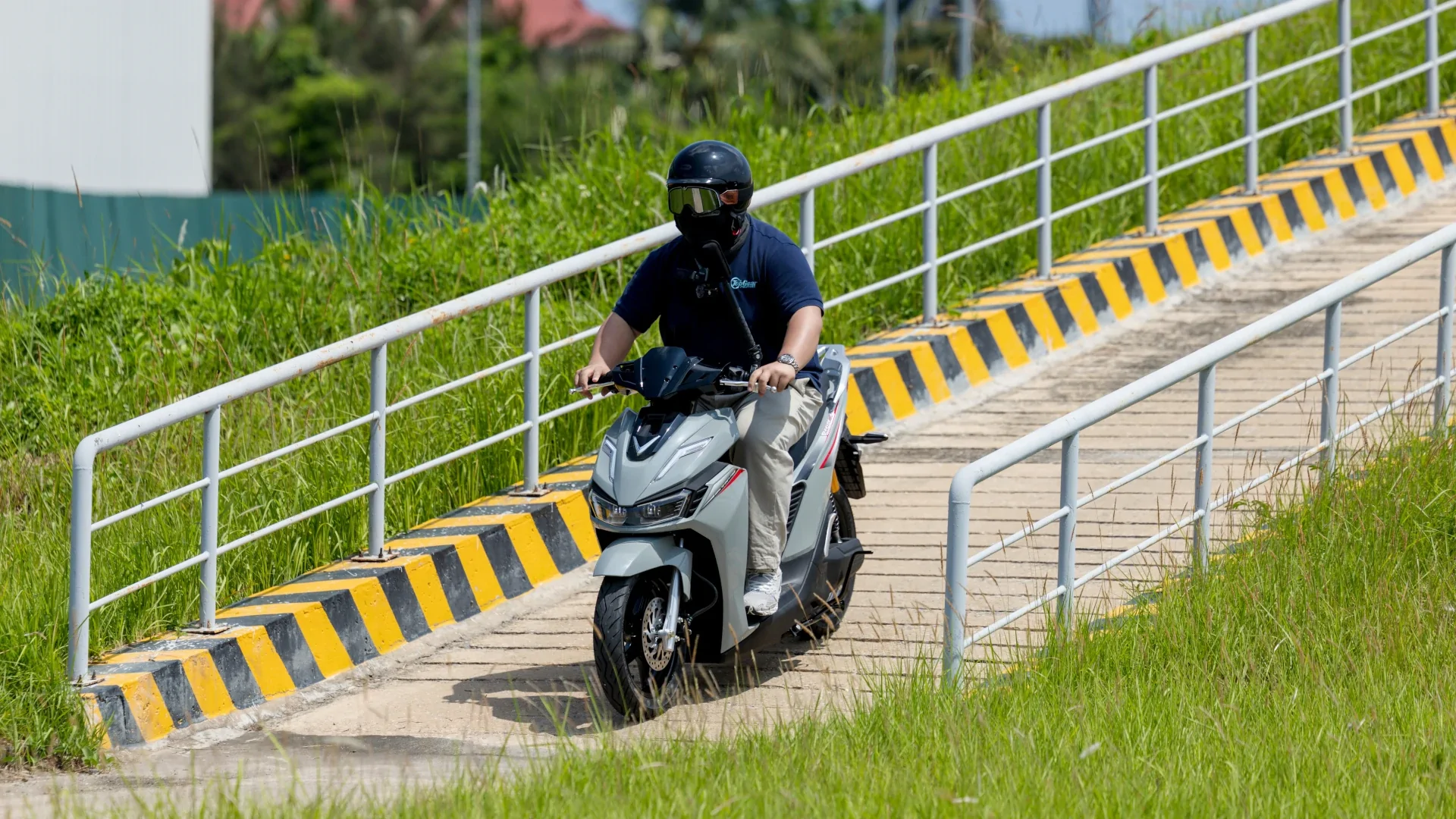
I started out with the Viper, which I think was the most important model of the three. It’s set to take on the Honda Click 125, after all—the best-selling motorcycle in the Philippines. There’s really not much to rave nor complain about when it comes to styling, because it looks like a typical scooter. It slightly resembles the Click, even.
Performance and ease of use are the strongest selling points here. There’s a digital display with plenty of information, and it’s laid out in a manner that it doesn’t feel like it’s information overload. The cluster has individual state-of-charge (SoC) gauges for the two batteries powering the bike. There are also amenities like the built-in USB-C and USB-A charging ports, as well as the two front pockets and the bag hook. The Viper also comes with a smart keyless ignition.
Speaking of batteries, the Viper can run with either one or two, and as mentioned earlier, all VinFast scooters share the same battery specs so they’re all interchangeable. With one battery the Viper can do up to 82km; with two, it reaches up to 145km.
The spec sheet also told us that the Viper could go up to 65kph with one person riding the bike, but I felt like it went a little faster. If I recall correctly, I think I hit 70kph with it, but that may have just been through a slightly downhill portion of the test track.

Going uphill was a bit of a challenge, though I do weigh equivalent to two average-sized Filipinos, so I’m sure the lighter individuals in our group had a better experience. I know it won’t be ideal for rides to Baguio City, but it shouldn’t have issues with the occasional flyovers around Metro Manila.
Stopping power was also quite impressive. I repeatedly tried gunning it before slamming on the brakes, yet I felt little to no traction loss. None of VinFast’s bikes come with ABS, so this performed better than expected.
The other two models I tried out—the Feliz II and Evo—performed similarly to the Viper. The Feliz II has the same range as the Viper, while the Evo can reach up to 85km with one battery and 150km with two. They all had similar riding dynamics through the short test track we we rode on.
These two, however, had fewer amenities. They had simpler instrument panels and didn’t have keyless ignitions. They did still have the built-in charging ports and same albeit smaller pockets up front, which I think will be important features for would-be users. The Feliz II and Evo also have the same battery slots and charging ports under their seats, which is also the most important part.
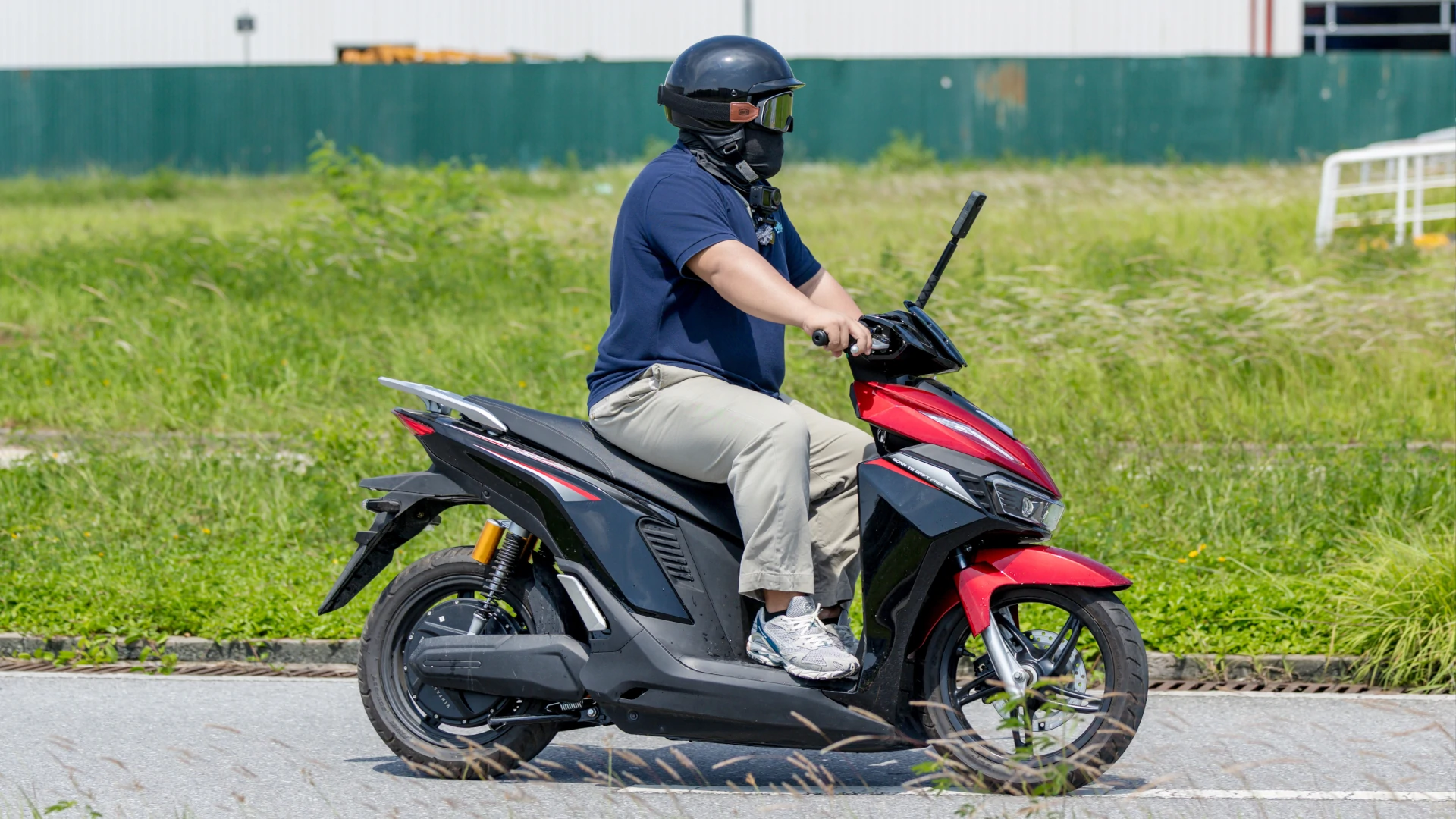
To put it simply, these bikes might just be the most promising of their kind. Not because of performance, build quality, or design—simply because they could be the most affordable swappable-battery scooters we’ve seen in our market to date. Value for money and practicality will be the name of the game, and I think these are things that VinFast can easily get right.
I had an insightful conversation with a moto vlogger friend of mine, though. Benedict Maniquis—whom many of you might know as MotoDeck—told me that customization and aftermarket upgrades will still be something Filipino riders will be considering when it comes to these bikes, and I realized that it couldn’t be more true. Interestingly, he told me that some readily available aftermarket parts will fit these bikes, which came as a surprise. My takeaway was that even if there aren’t plenty of customization options just yet, there’s a lot of room for it, which is good. Really good.
But then again, that’ll be more of a long-term consideration for VinFast. Right now, what’s important for the brand is to build the right foundations so more people can adopt its new (sort of) technology. Apart from the strong 3S network, the brand already shared its plans to build 30,000 battery stations in the Philippines, so at least it has its priorities set straight. Along with these, of course, the products have to be priced right if they want to compete with the more established gasoline-powered motorcycles in our market. The subscription for the batteris should also be affordable and straightforward enough for the everyday Filipino rider.
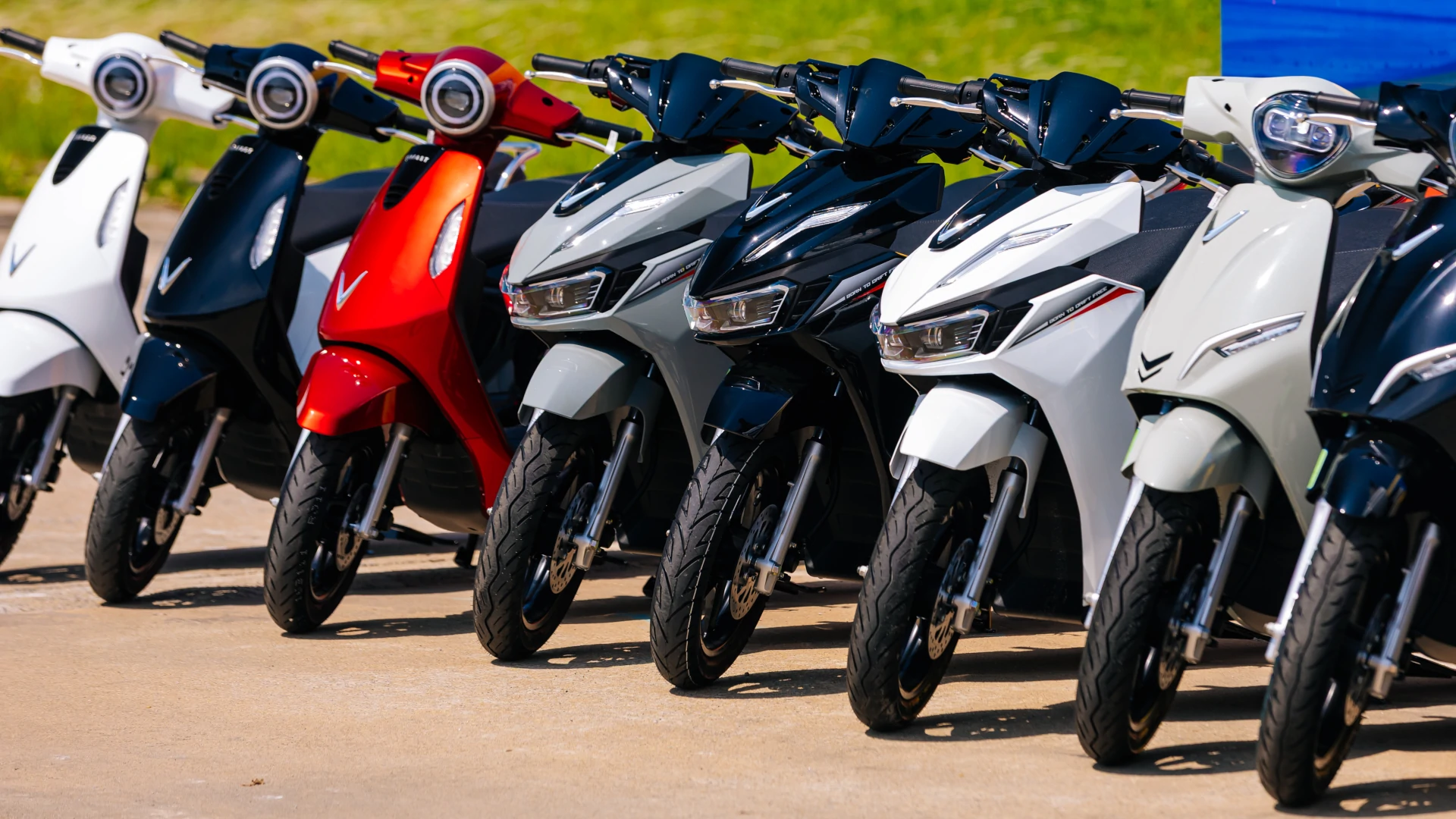
If the Vietnamese can do these things right, this whole ecosystem has the potential to help a lot of Filipinos, and it’s also the biggest reason I’m rooting for these to succeed. Delivery riders, small businesses, and maybe even motorcycle-taxis can benefit from VinFast’s scooter ecosystem. It’ll also provide a lot of commuters—and even car owners—alternatives to get around the metro, and it’s something we’re always in desperate need of.
We won’t have to wait too long before these models arrive in the Philippines, so it’s now just a matter of execution. The ball is in VinFast’s court—let’s see what it does with it.