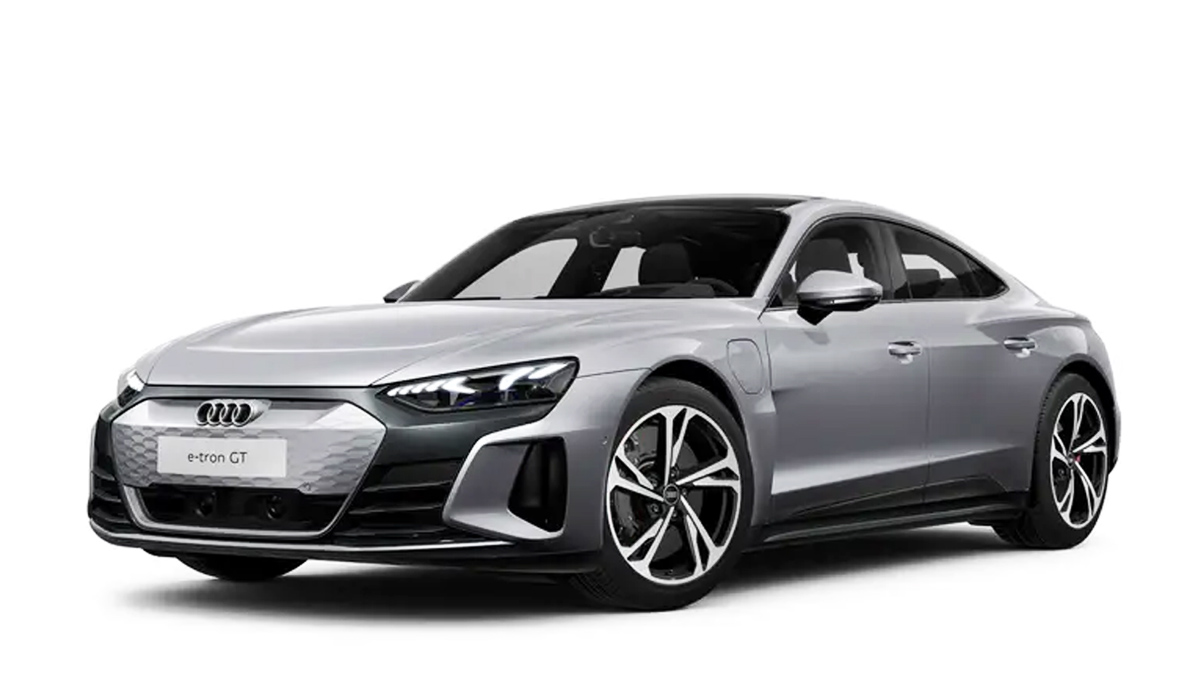
Audi used to build its e-tron GT alongside the old R8 at its Bollinger Höfe factory, an association that apparently transplanted that naturally-aspirated supercar hero’s DNA into the electric wünderbarge.
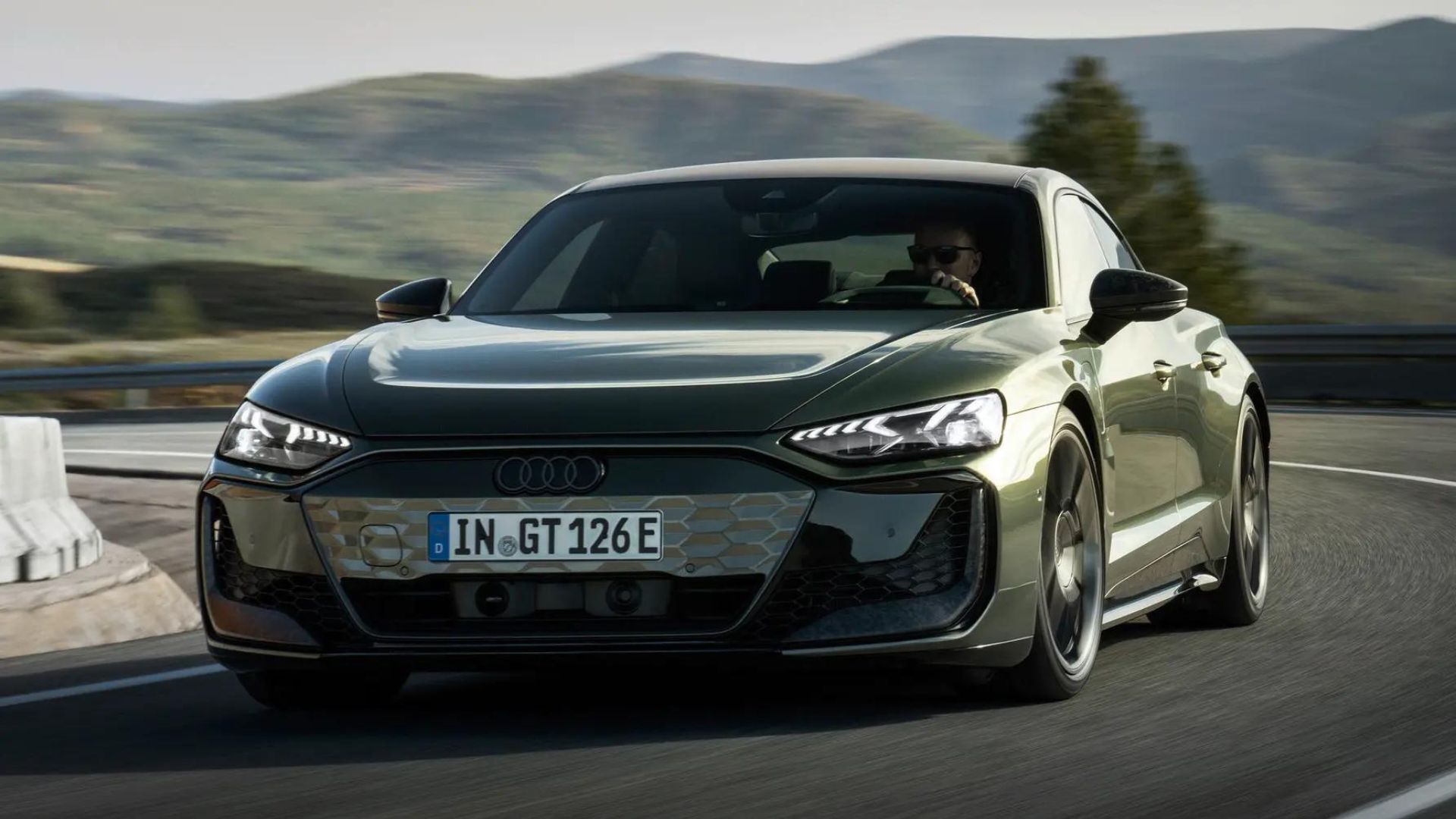
Audi doesn’t build the R8 anymore, of course, so now it’s clearly relying on brute force to hammer the schporty point home. Chiefly because the new RS e-tron GT Performance – the green car in the images above – produces 912hp and can chalk off 0-100kph in just 2.5s. Shocking. Positively… shocking.
OTHER STORIES YOU MIGHT HAVE MISSED:
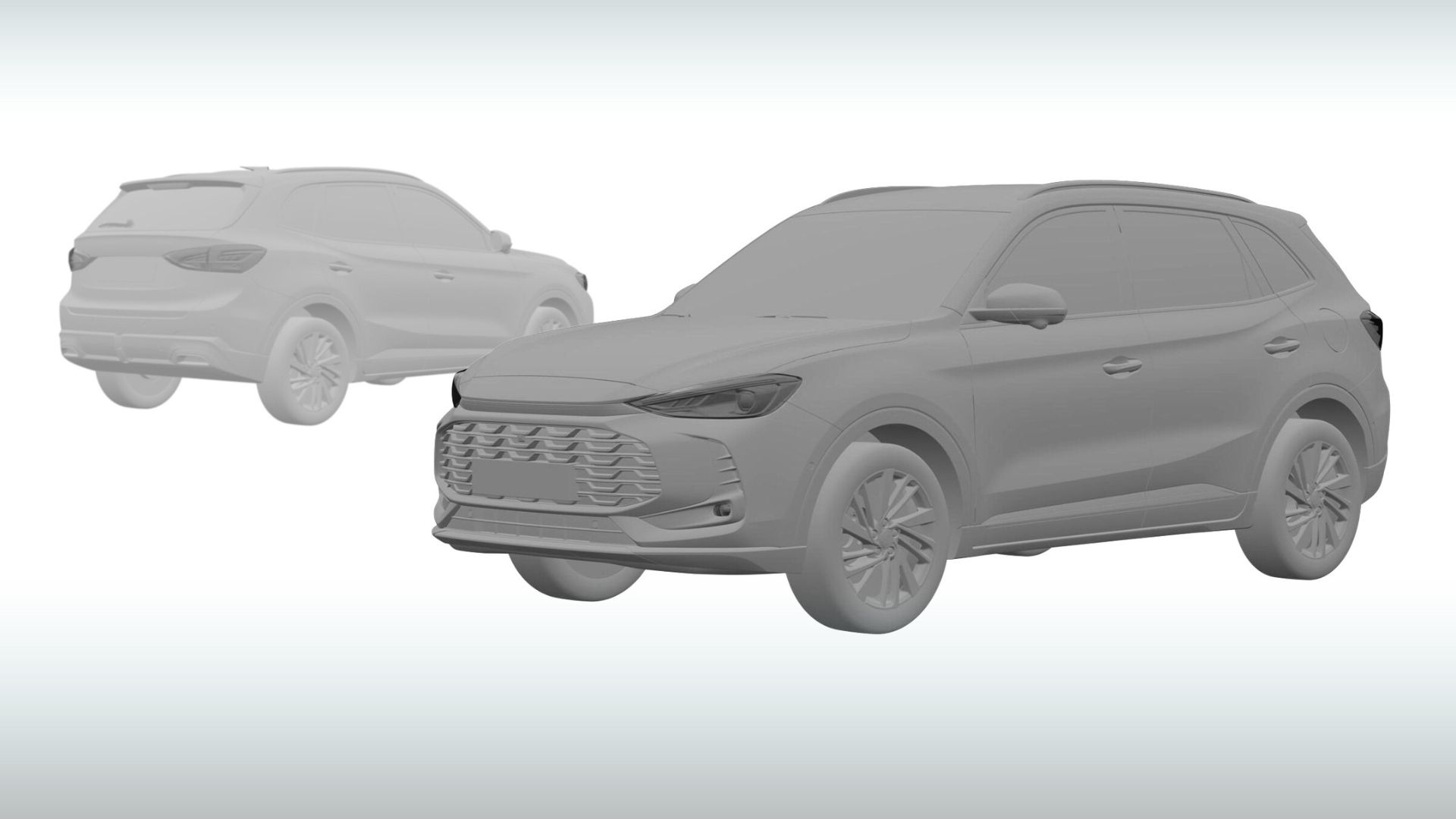
This could be the next-generation MG ZS
Study: EDSA traffic enforcers could be at risk of hearing loss due to noise pollution
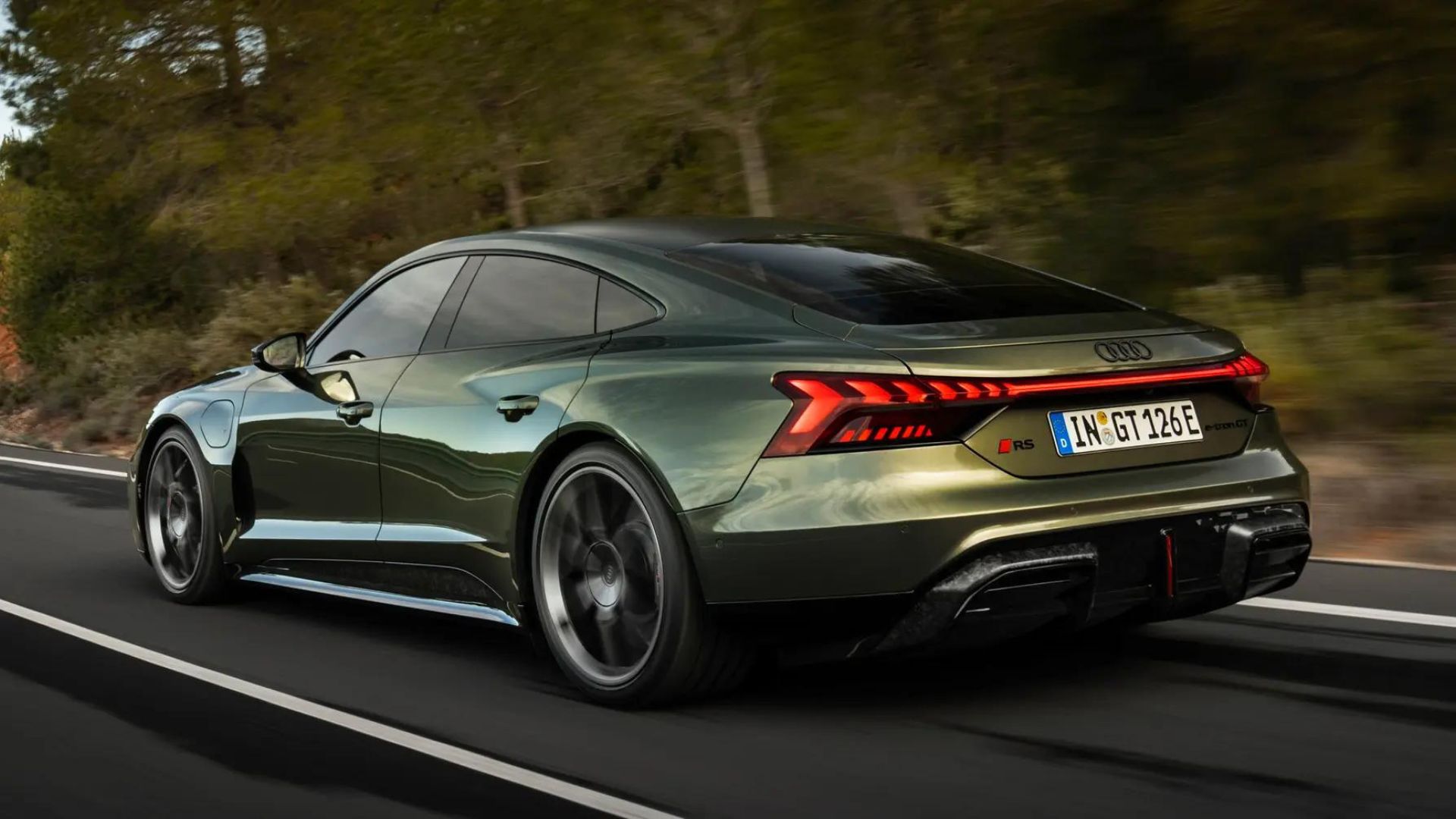
That headline output makes it the most powerful production road car Audi has ever built, and rings in a raft of new changes to its handsome, heavyweight four-door electric performance saloon.
Still handsome, of course, and still outfitted with a pair of electric motors – one on the front axle, one on the rear – but there are now three flavours of e-tron GT koolade to sip from. The entry-level S e-tron GT with a frankly pitiful 670hp, the RS e-tron GT with a healthier but still pointless 844hp, and that headliner RS e-tron GT Performance with 912 electrified horsies.
For avoidance of doubt, we are absolutely saying that in jest: the entry-level S’s 670hp is already silly amounts of power for this or any other universe, able to go from 0-100kph in 3.4s, dropping to 2.8 in the RS.
Thankfully, there are bigger brakes on both RS cars and as an option for the S. These are tungsten carbide-coated discs, which sound technical and sufficient, but also the calipers are available in orange, because even near-1,000hp electric rollercoasters need whimsy.
The motors are apparently lighter to the tune of 10kg a piece over the old e-tron GT's units - pinched from the PPE platform, if you're interested in that sort of thing - while all three cars now get stronger driveshafts and a light recalibration of the electronics that guide the all-wheel-drive system. Oh, and there’s a boost button on both the RS cars. Fairly self-explanatory, that.
The battery’s lighter as well, Audi somehow slicing out 9kgs from its [check notes] 625kg heft. Yes, you’re right: that’s an entire Caterham, which means the e-tron GT is a car that’s got another little car as a power supply. It’s a bigger battery, mind, offering 105kWh, and Audi has massively boosted the max charging power to 320kW as well as upping the energy available via regen to 400kW.
So in the right circumstances and when the moon is in retrograde, the e-tron GT can juice up from 10-80 % in 18 minutes. Indeed, in as little as a 10-minute really very fast charge, it’ll put up to 280 kilometers of range back in. There’s up to 612 kilometers of range on offer across the range depending on model, of course, though Audi hasn’t specified which car gets what, just yet.
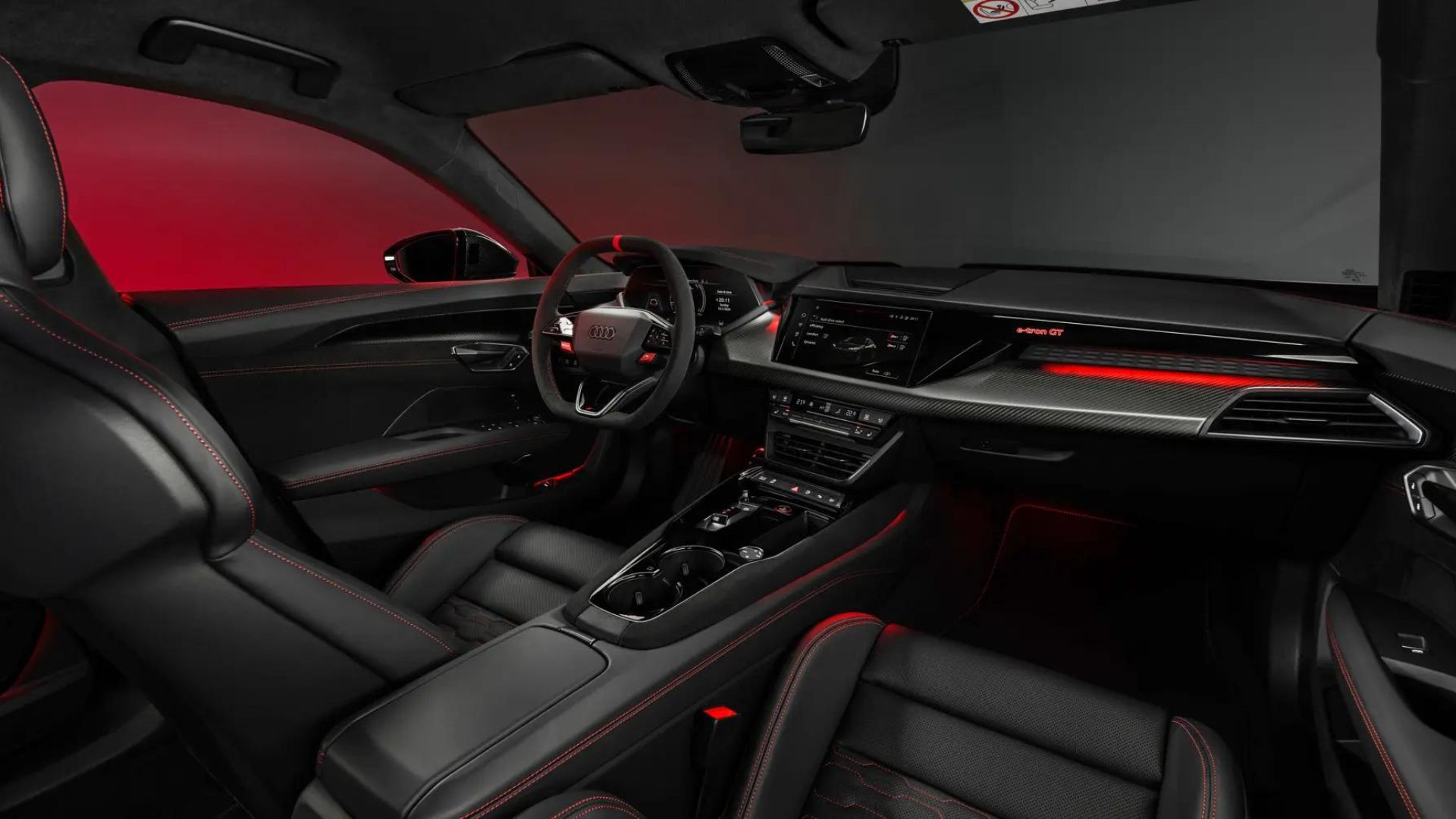
It has added more information about the battery to the onboard virtual cockpit, though, that now includes stuff like current battery temp, a quick-charge forecast, and pre-conditioning status.
Shall we talk about suspension? It’s new, comprised of two-chamber two-valve air suspension configurable across the normal range of modes, while active suspension is available as an option. RS cars get RS1 and RS2 individual modes, while the RS Performance car gets a specific… performance mode for circuit work. You can spec all-wheel-steering if you want.
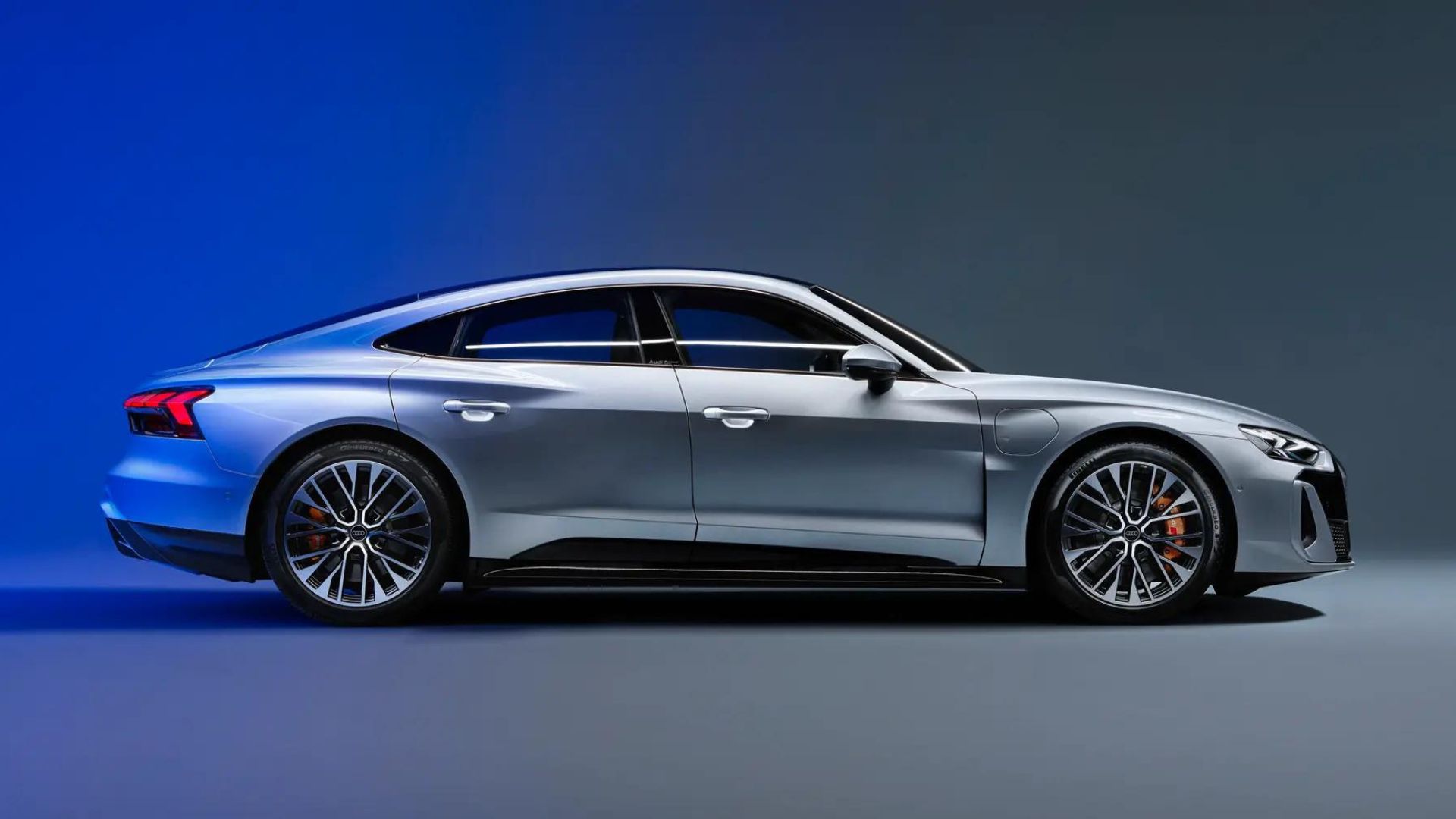
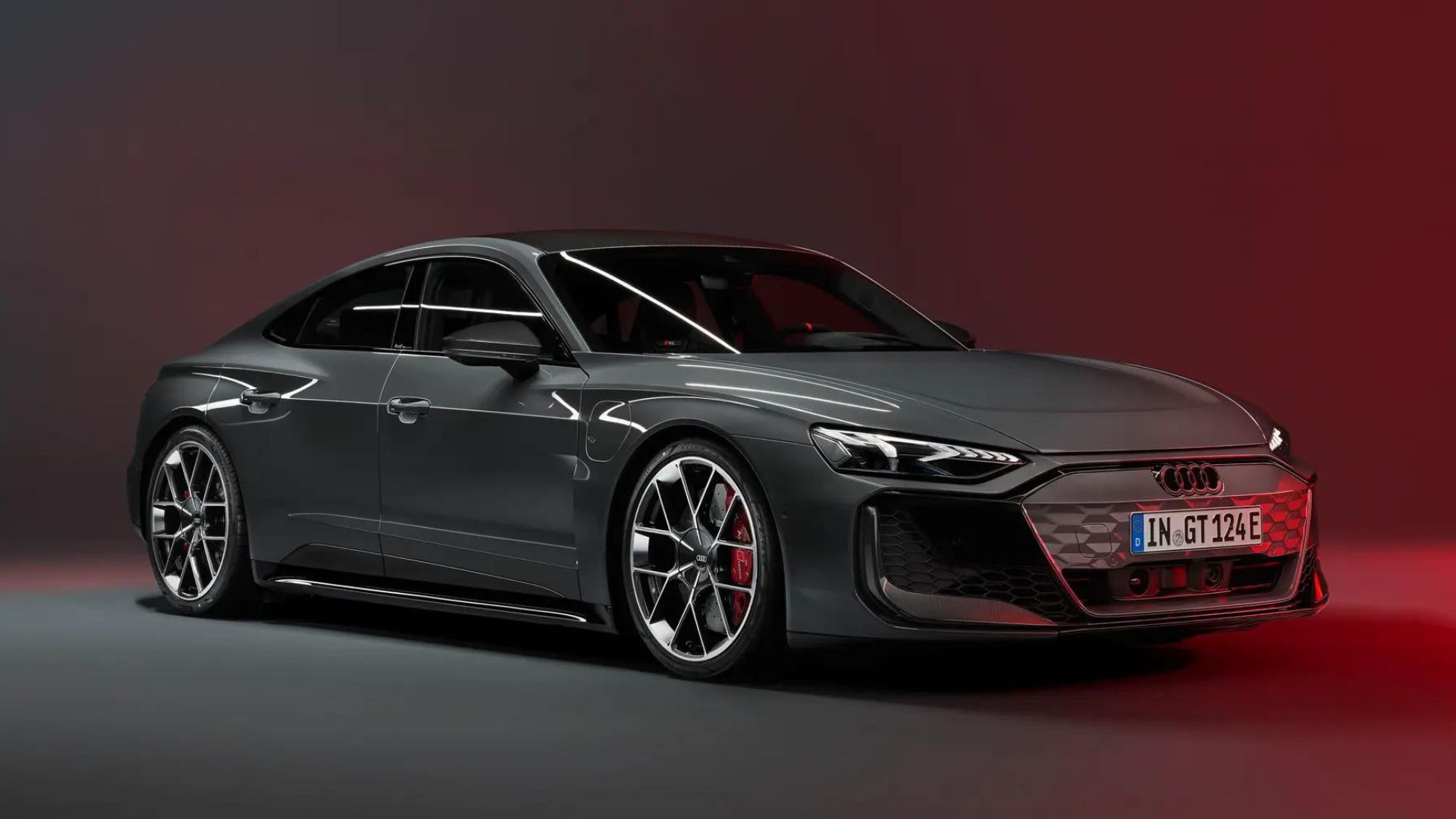
The e-tron’s been given a subtle exterior update too: things like ‘embossed structures’ on the grille and a new rear diffuser on the S, or functional ‘L-shaped blades’ and a streamlined diffuser on the RS, or the carbon roof and other ‘carbon camouflage’ elements on the RS Performance.
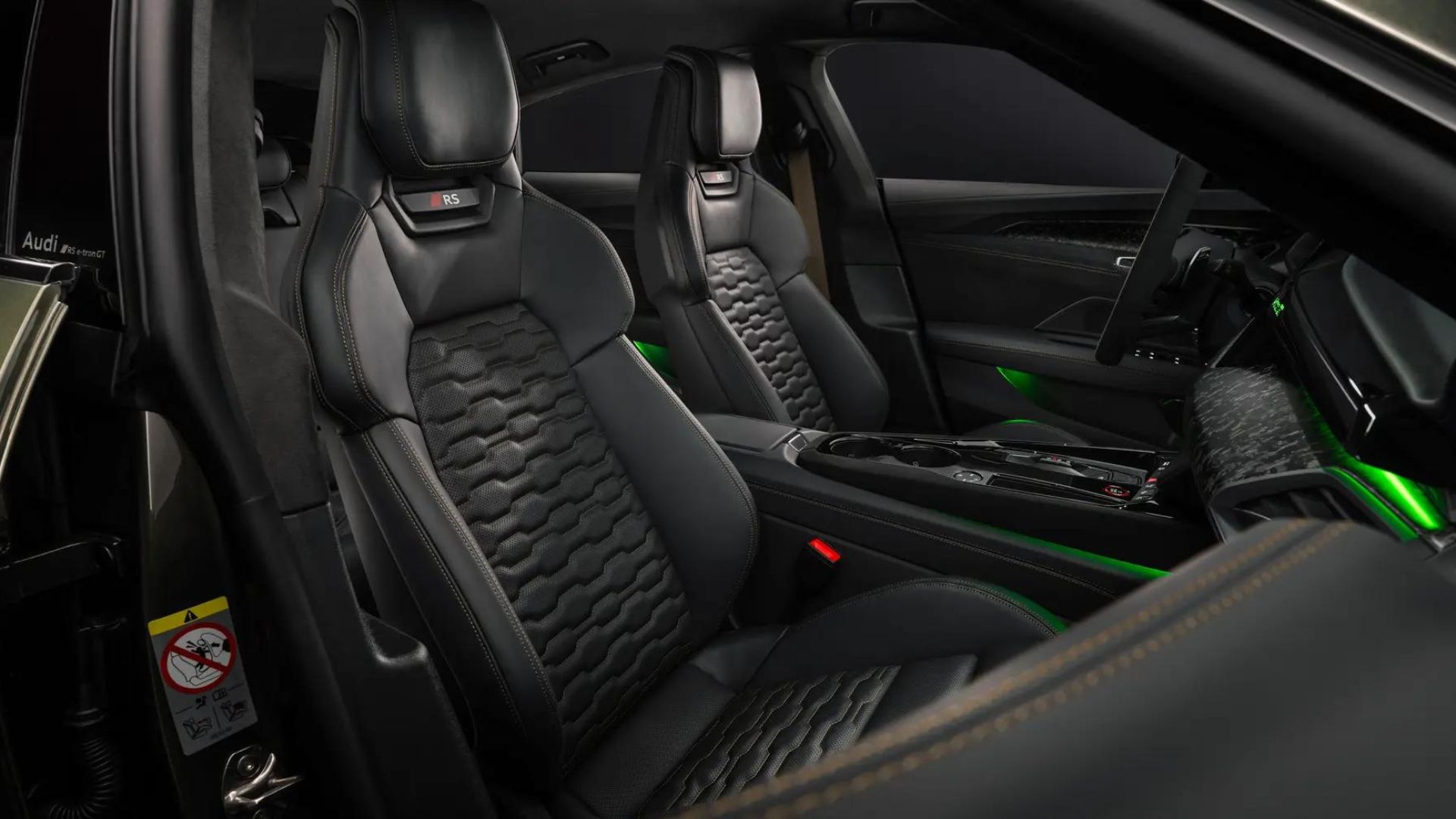
Across the range, there’s a different badge design, more colours, more wheels, reshaped seats (they’re still seat-y, don’t worry), new materials, an upgraded virtual cockpit, and the option of a pano roof.
NOTE: This story first appeared on TopGear.com. Minor edits have been made.