Modern BMW model cycles are rather easy to predict. A single generation would typically last seven years with a facelift coming in either the third or fourth model year. It’s practically been that way for over a decade.
But for the current generation BMW 3-Series, things are a little different. Known as the G20, the seventh-generation model made its world premiere in October 2018 with sales commencing in 2019. Four years after that, we saw the facelifted version, LCI or Life Cycle Impulse in Bimmerspeak, in 2022.
OTHER STORIES YOU MIGHT HAVE MISSED:
Behold, the first-ever electrified Porsche 911
Specs, prices, features: Everything you need to know about the 2024 Yamaha PG-1
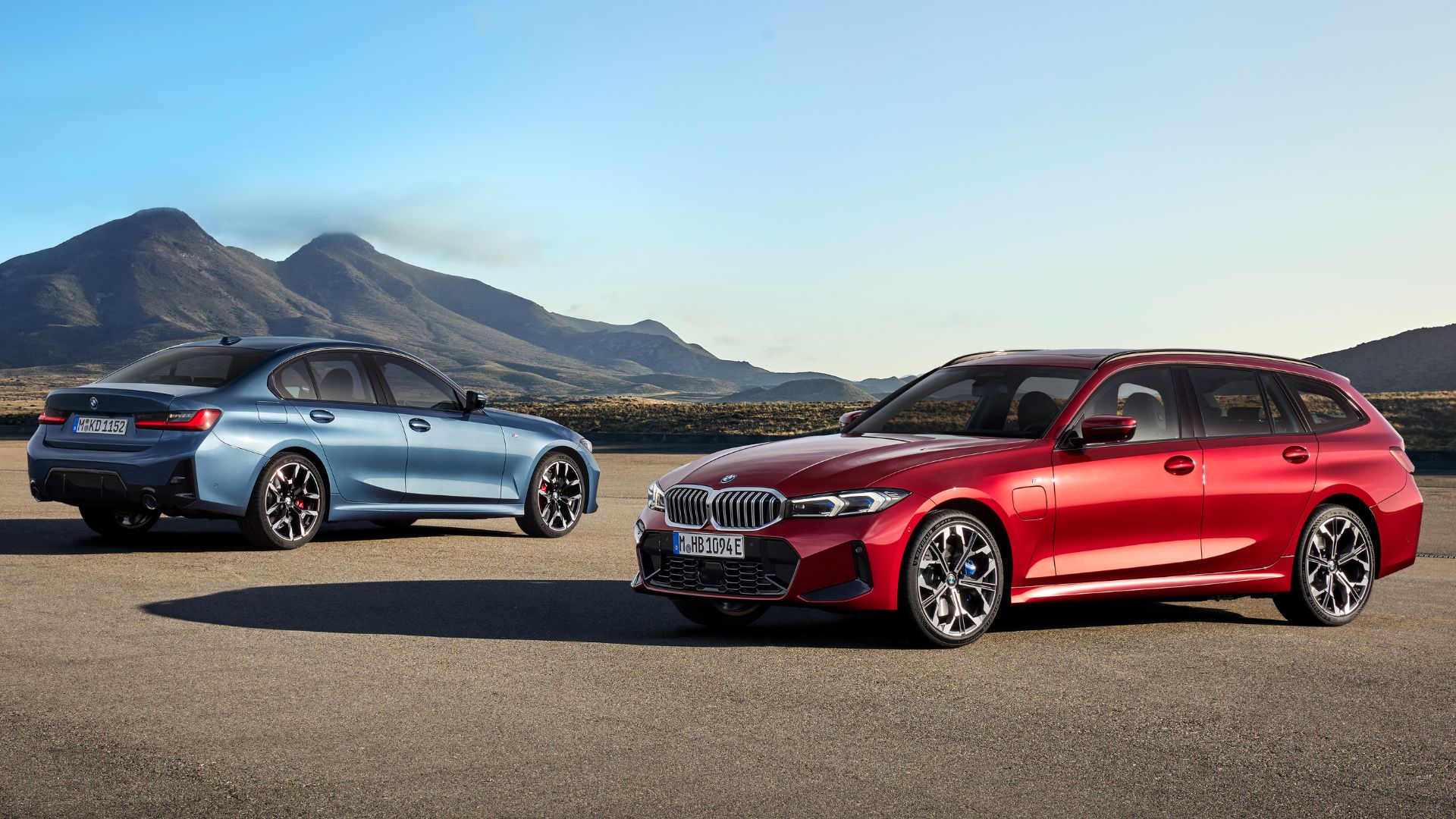
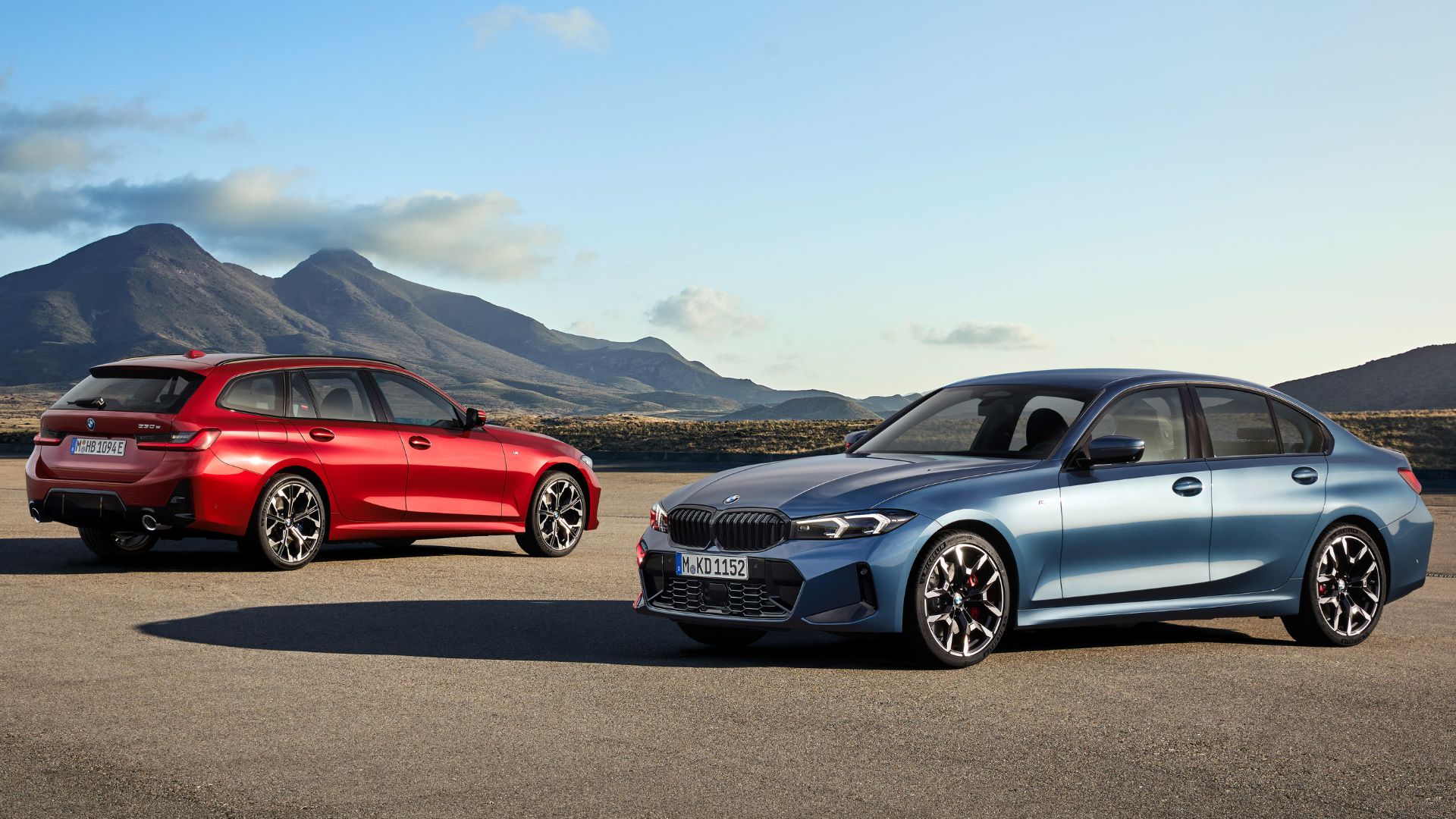
By this time, one would expect the next generation model to come out soon. However, BMW broke the typical cycle for this particular 3-Series. That’s because it’s getting yet another facelift for the 2025 model year.
From the outside, it’s difficult to tell what’s new. However, keen-eyed observers might notice the new colors. These are Arctic Race Blue metallic and Fire Red metallic, the latter being only available with the M Sport package. Speaking of M Sport, there’s a new trim called the M Sport package Pro. It adds gloss black trims throughout the exterior (Shadowline), smoked headlights, black exhaust tips, and larger brakes.
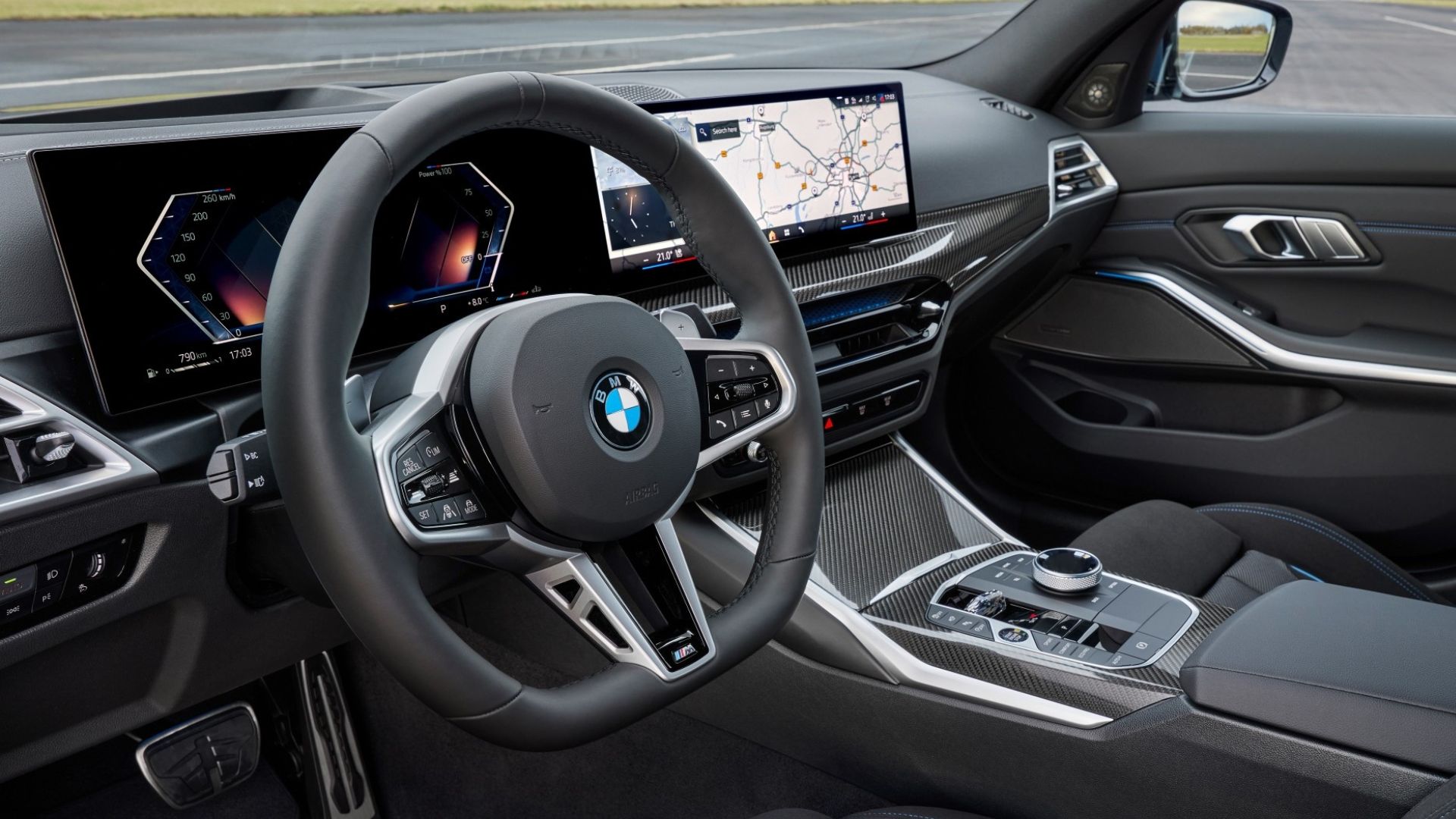
The bigger changes can be found inside. There are now even fewer physical buttons in there compared to the outgoing model, taking inspiration from the recently introduced all-new 5-Series. Not exactly what we were hoping for given our past review, but BMW is sticking to its guns. The new model also brings with it the latest generation of BMW’s iDrive software.
Steering wheel designs have also been updated. Standard models now come with a two-spoke wheel (like the 5-Series), while the M Sport and M Sport Pro version have a a redesigned three-spoke wheel with a flat bottom. There are also new interior trim options to choose from in the 2025 3-Series.
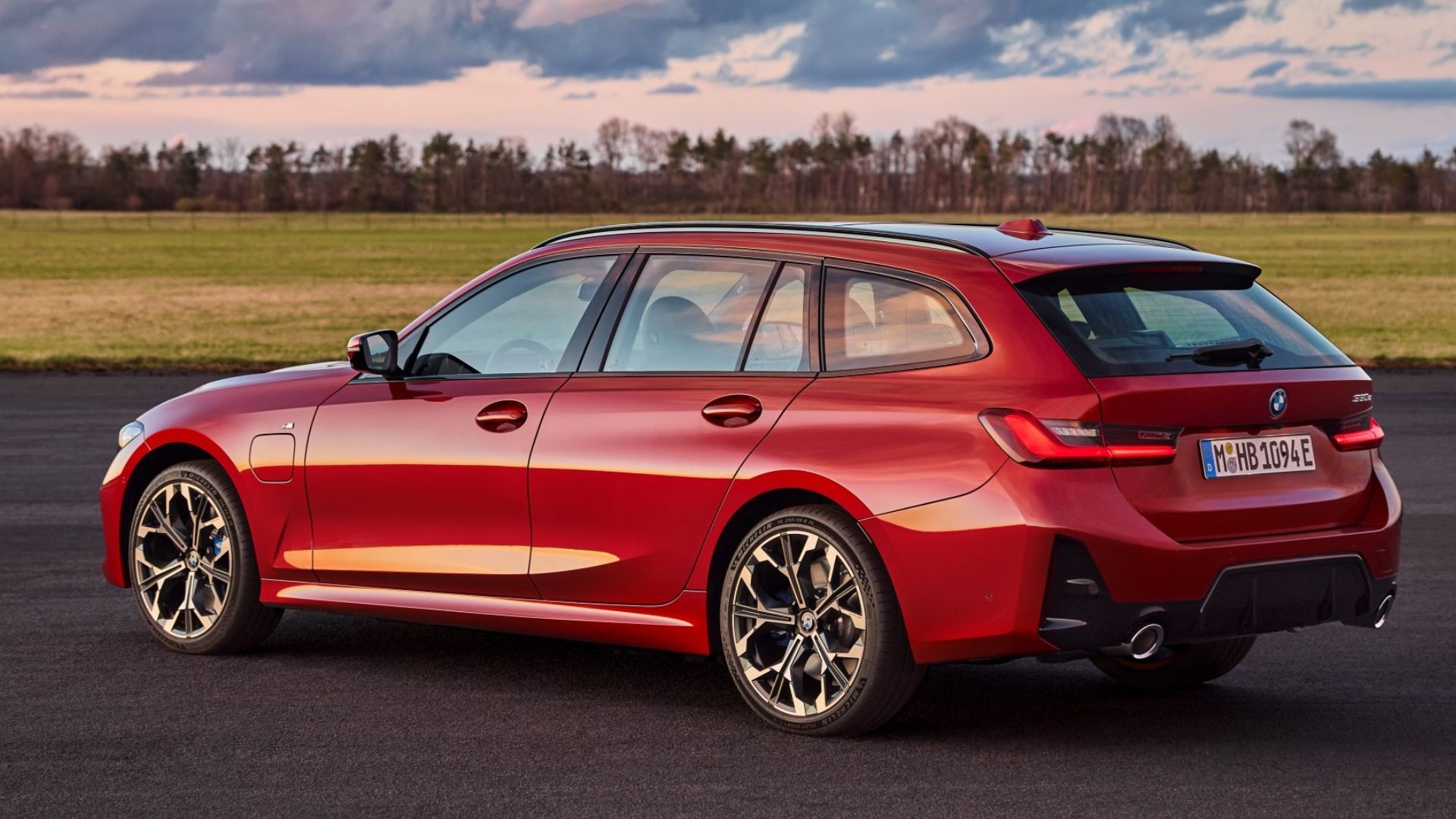
Moving to the powertrain, the plug-in hybrid models now come with higher density batteries to boost its electric-only range. Its charging unit now supports three-phase AC charging at up to 11 kW to make for faster charging. Fitted to the 330e models, the 2.0-liter turbo and its electric motor gives it a total system output of 292hp.
The rest of the powertrain lineup are carried over unchanged save for the 330i and M340i. The 330i’s 2.0-liter turbo features upgrades to the camshaft control, injection, ignition system, and exhaust gas routing. Moving to the M340i, that one now comes with a mild-hybrid system. The 3.0-liter turbo inline-six still makes 374hp and 500Nm, but the 48v system packs an extra 11hp. It’s not that the M340i ever felt underpowered, but that e-boost is a welcome addition nonetheless.
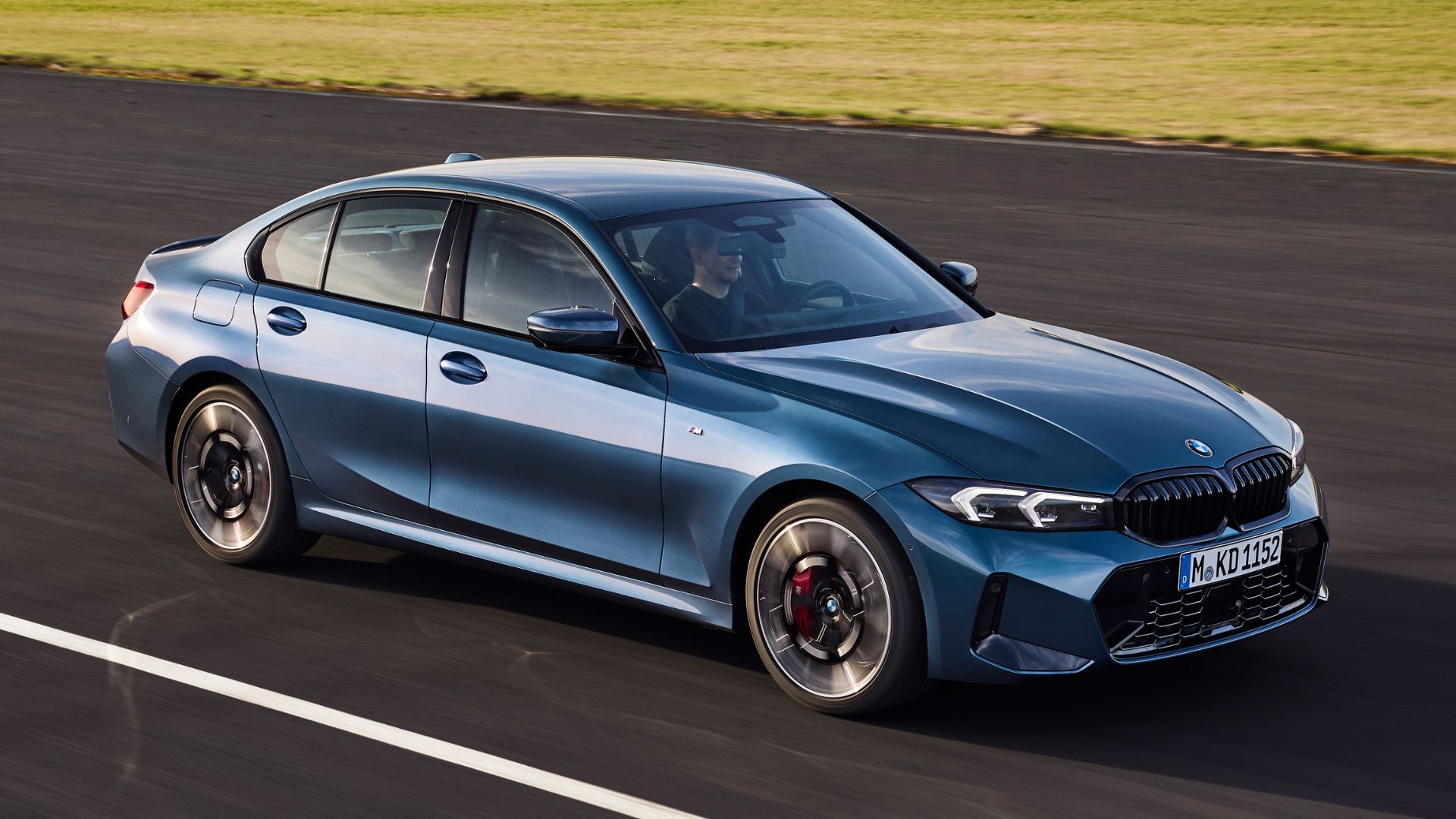
Deliveries for the new BMW 3-Series in Europe will commence soon, followed by the North American market. As for the Philippines, we’re likely to see it land here sometime in 2025.