Last year, we brought you news that BMW was developing a hydrogen-powered car for production in 2028. Now, it’s taken a step toward achieving that goal with news that it’s readying its plant in Steyr, Austria, for series production. Yep, it's actually happening, people.
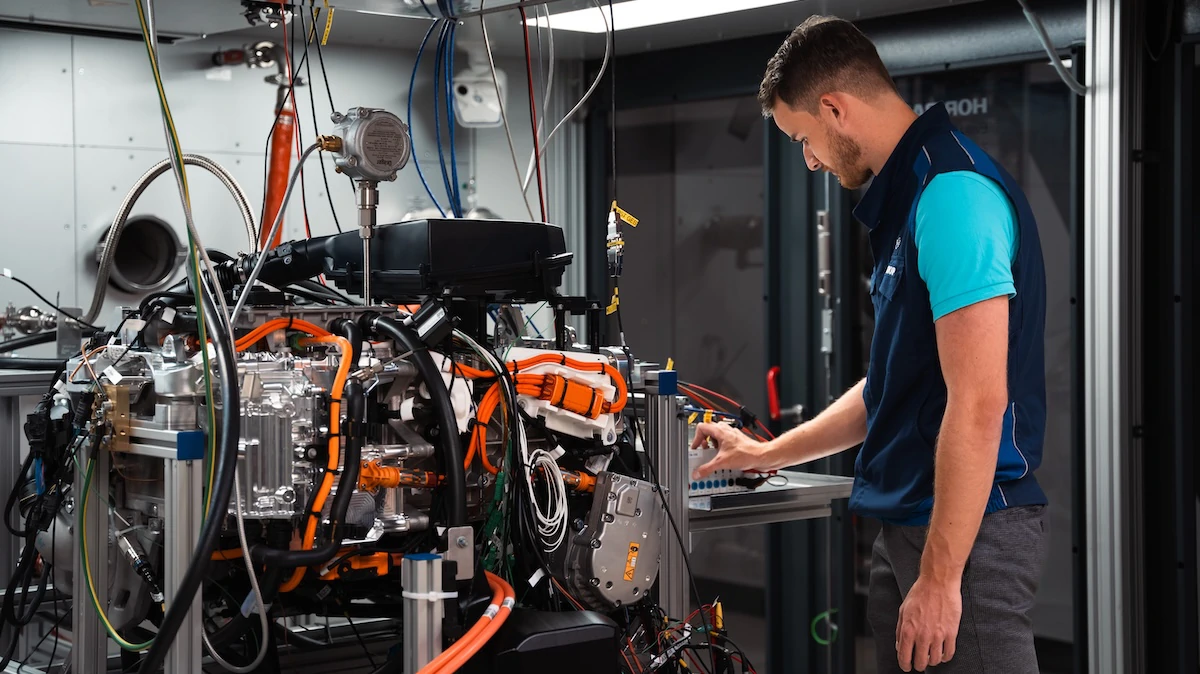
Prep work at the factory includes installing new testing lines and production facilities, but work is already underway on building fuel-cell prototypes. Further drive system components will come from the company’s Landshut plant in Germany.
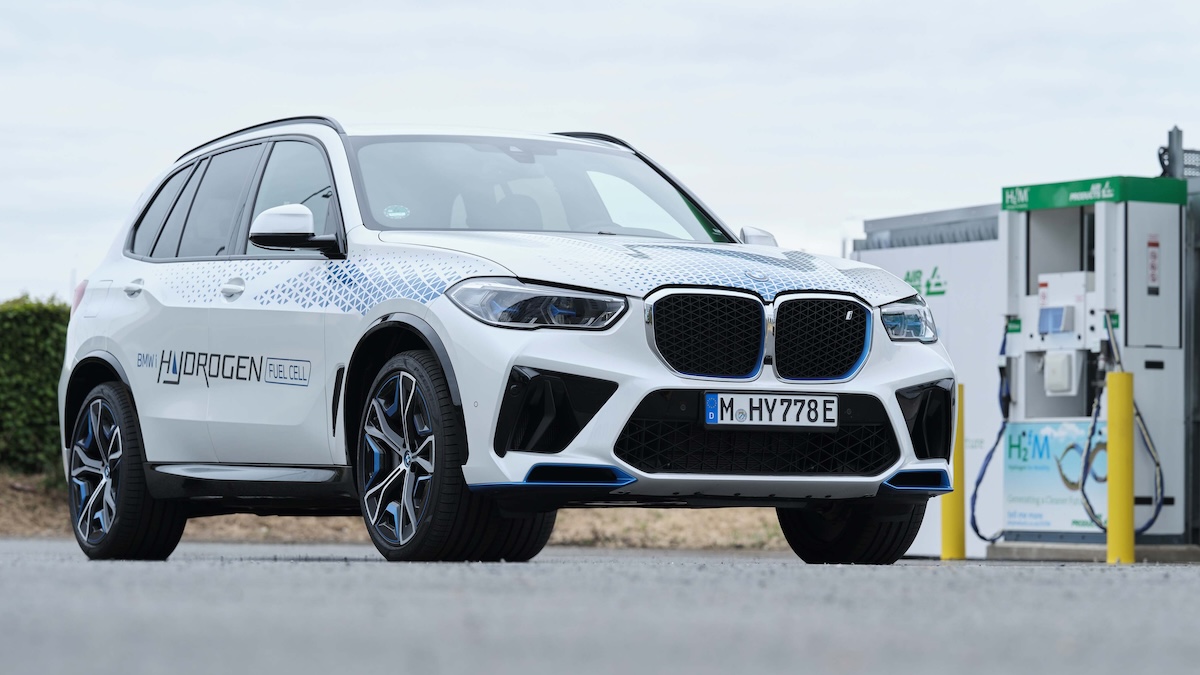
It won’t be the first hydrogen-powered BMW we’ve seen, of course: Back in 2014, the 535iA featured a fuel-cell drive system supplied by Toyota. That was followed by the hydrogen-powered iX5 test fleet in 2023, complete with a BMW-developed system featuring individual fuel cells from Toyota.
OTHER STORIES YOU MIGHT HAVE MISSED:
The all-new iX3 shows what future BMW models could look like
Nissan completes manufacturing line integration in Thailand
So, you can consider this the third generation. Again jointly developed by BMW and Toyota, the fuel-cell system has been reduced by around 25% in size, and has been designed to be easily integrated into future vehicle architecture, offering customers more choice. Reckon on an X5 FCEV to start with, though.
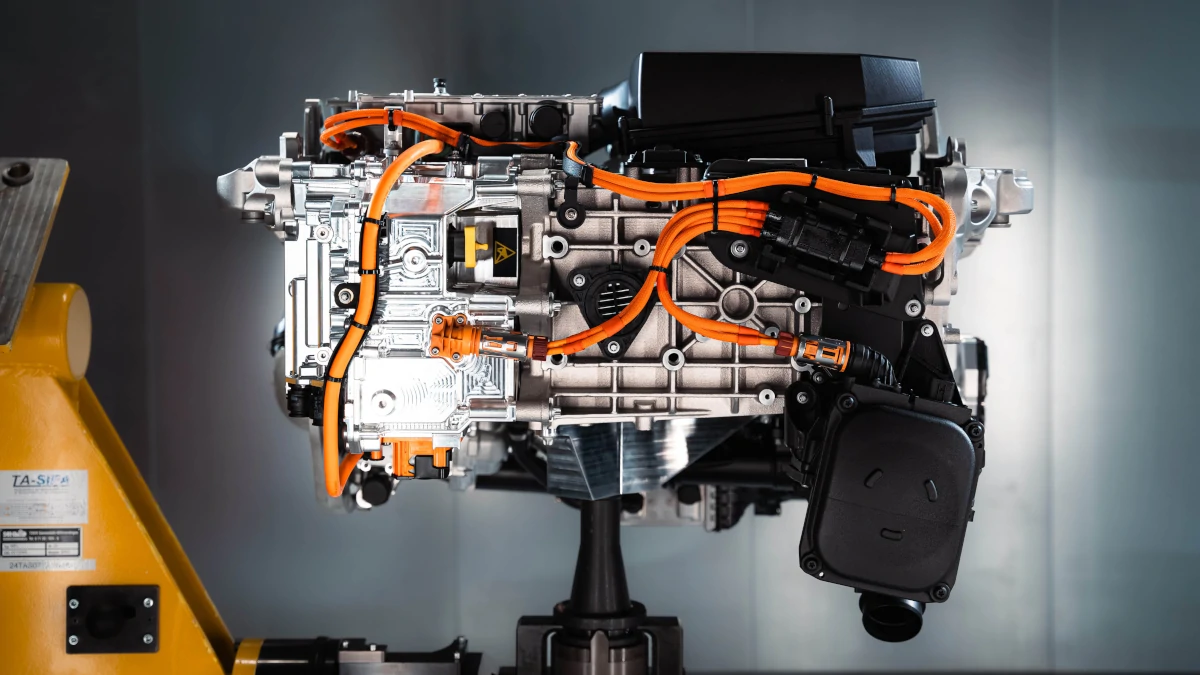
We’re told the new system has also been designed to be substantially more efficient than its predecessor, resulting in “increased range and output combined with lower energy consumption.” The iX5 managed 313 miles of WLTP range from 6kg of hydrogen, so we should expect to see an improvement on that with this third-gen tech.
“The launch of the first-ever fuel-cell production model from BMW in 2028 will add another exceptionally efficient high-performance drive system with zero emissions to our product portfolio,” said Joachim Post, board member for development.
Could hydrogen still have its place in our future yet?
NOTE: This article first appeared on TopGear.com. Minor edits have been made.