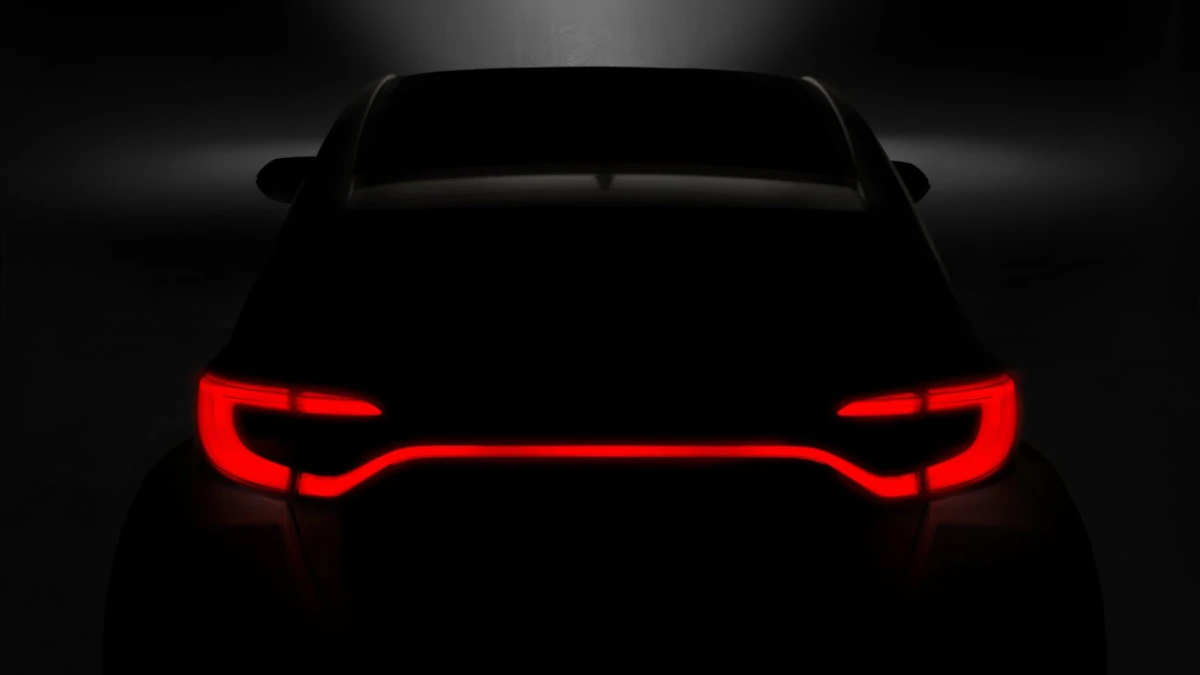
There may still be some teething problems, but the EV revolution may finally be happening. We’re seeing more electrified models every year, even as the EV infrastructure struggles to catch up.
But most new EVs are still cars and crossovers, with some trucks and sports cars trickling in. As for vans, they’re either cool and playful like the VW ID.Buzz, or workhorses like electrified versions of the Mercedes-Benz Sprinter and the Ford Transit.
As far as I can tell, the new Kia PV5 is the first electric van in the world that can be both playful and be a workhorse, thanks to its versatile design. It’s the first in Kia’s Platform Beyond Vehicle (PBV) business strategy, and according to Kia executives at the EV Day 2025 in Spain, more will follow after this.
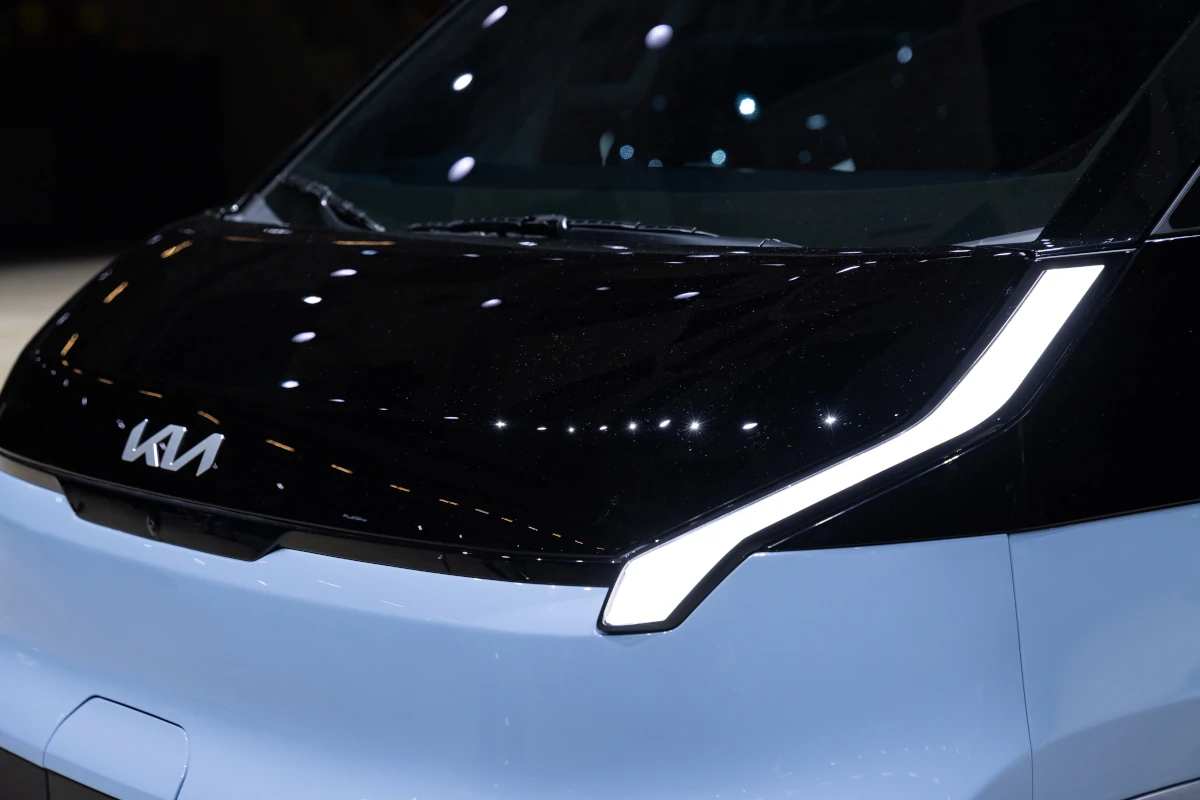
The Kia PV5 has three body styles: Passenger, Cargo, and Chassis Cab. The brand’s ‘E-GMP.S’ skateboard architecture will underpin all PBV models moving forward, and it allows for flexibility and customization that will appeal to a wide range of customers.
An electric van, like electric cars, has inherent advantages over ICE vehicles. EVs have more freedom in where the batteries and motors can be positioned versus traditional engines, axles, and transmissions. And Kia has used this to the PV5’s advantage.
OTHER STORIES YOU MIGHT HAVE MISSED:
Nissan PH now accepting reservations for all-new Patrol ahead of March 28 launch
2025 Honda HR-V pricing revealed and ranges from P1.450-M to P1.799-M
“By integrating the clean efficiency of an electric powertrain with the unprecedented flexibility of our new PBV architecture, and advancing our product, software, and manufacturing innovations, the PV5 embodies our core values as a sustainable mobility solutions provider,” said Ho Sung Song, Kia President and CEO.
“Modern vehicles have become incredibly complex, but with the PV5, Kia has united multiple cutting-edge technologies toward the goal of simplifying users’ mobility experiences. This removes complexity from their personal transport needs and frees them to focus on the pursuit of their ambitions and fulfilment of their passions.”
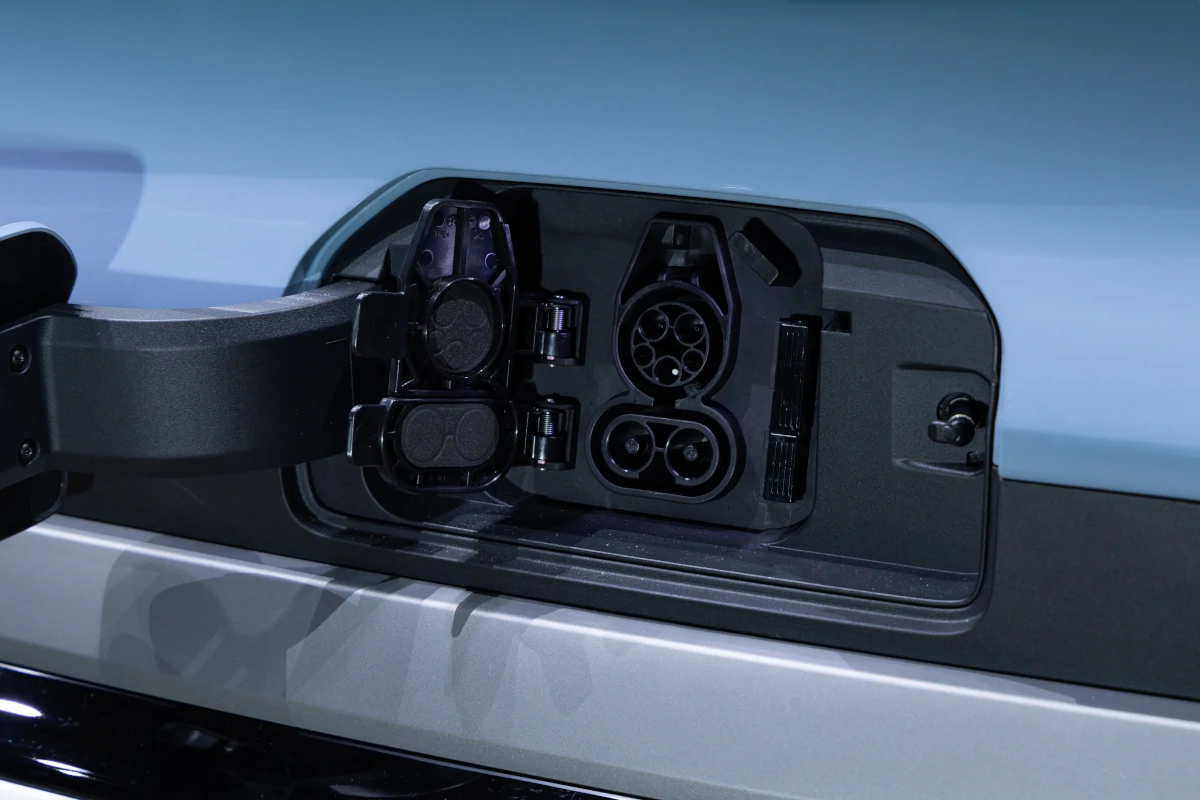
As proof of its commitment to the PBV line, Kia established a dedicated factory to it called the EVO Plant. Kia will also establish a conversion center for customized vehicle production, fully backed by factory warranty, so that customers can have their PV5s converted without worry.
And because software can be just as important as hardware in EVs, Kia equipped the PV5 with an Android Automotive Operating System-based infotainment system. It will also partner with major companies like BraunAbility, 42dot and fellow Korean conglomerate Samsung to expand the PV5’s capabilities.
The collaboration with Samsung Electronics extends Samsung’s IoT platform, SmartThings Pro, to Kia PBVs, thus offering business customers a connected experience that bridges their vehicles to the broader workplace IoT ecosystem.
Powering all PV5s is an electric motor with 161hp and 250Nm of torque—range and usability were clearly prioritized. There are two batteries available: 51.5kWh and 71.2kWh, with the latter offering a range of 400km.
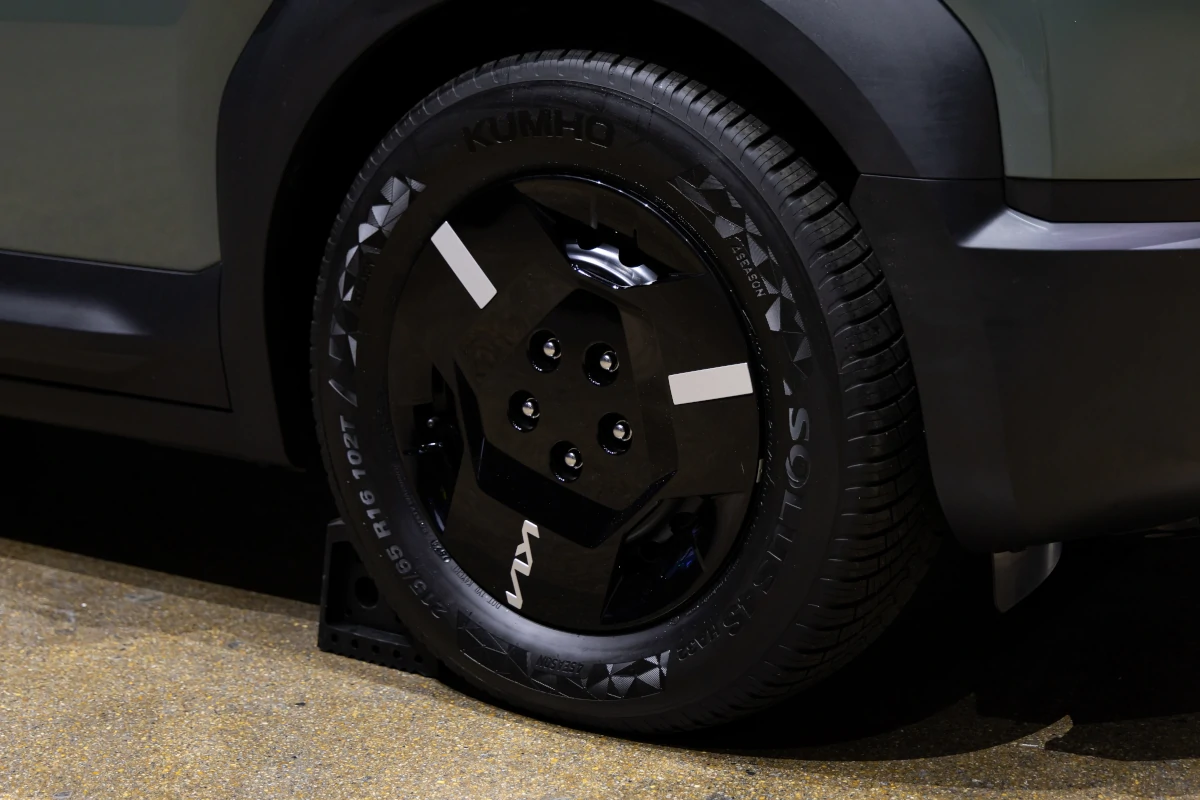
In the metal the PV5 looks amazing, in a utilitarian and plain way. It’s a basic aesthetic, mostly boxy and with a few curves in the face. It’s almost like the antithesis of Hyundai’s Staria which has the shape of a soap bar (which I also like). On that note, it’s worth mentioning that the PV5 utilizes Kia’s ‘Opposites United’ design philosophy.
Here’s an overview of the different body styles:
PV5 Passenger
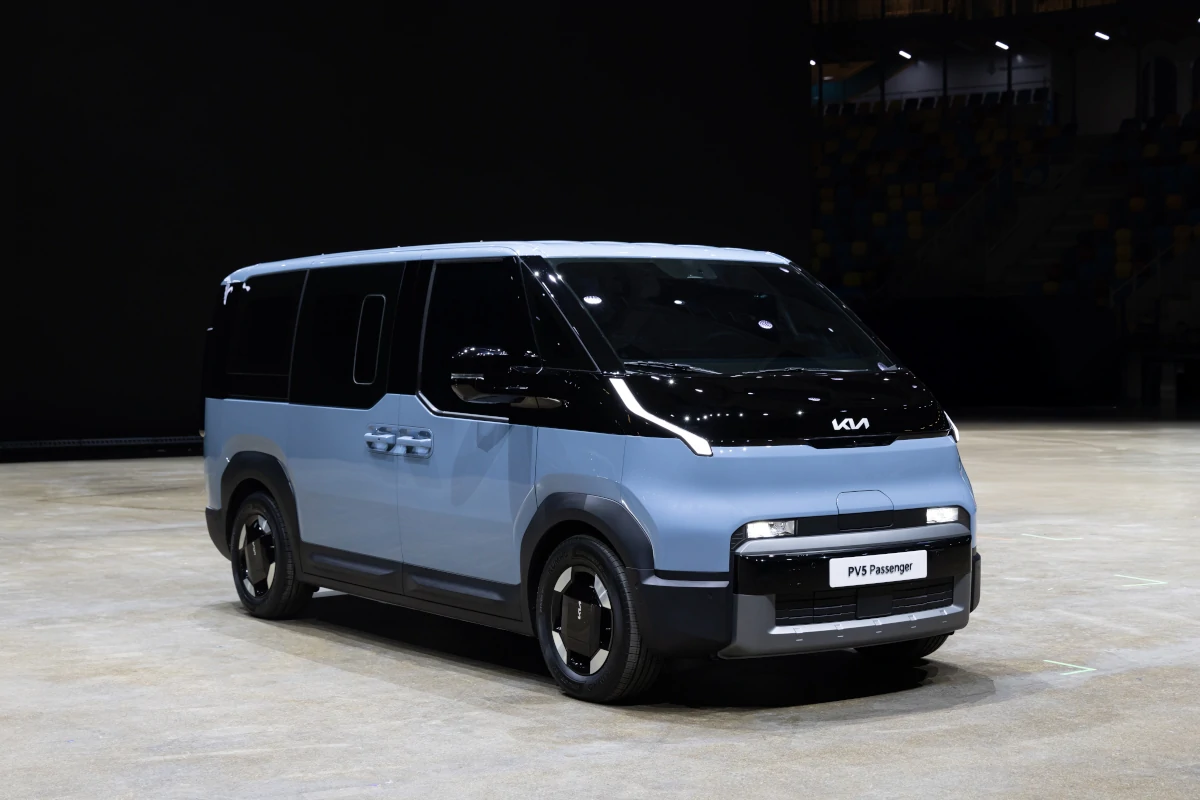
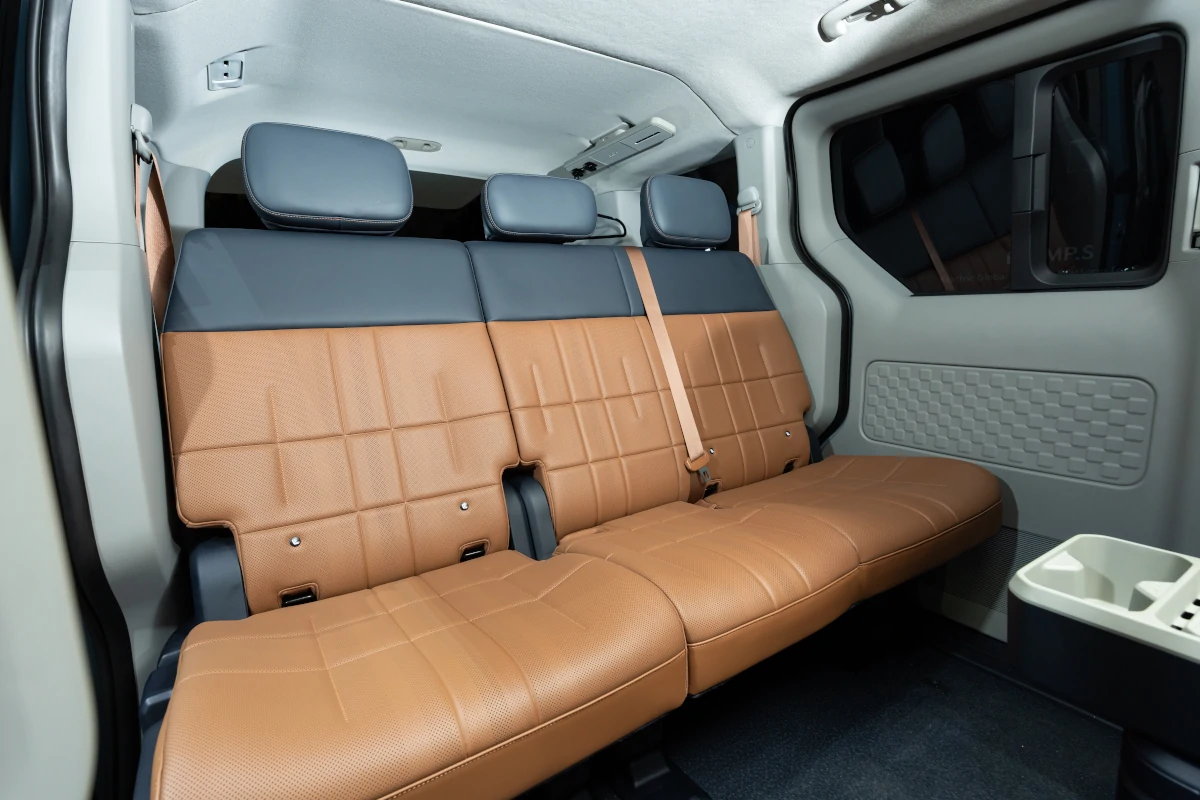
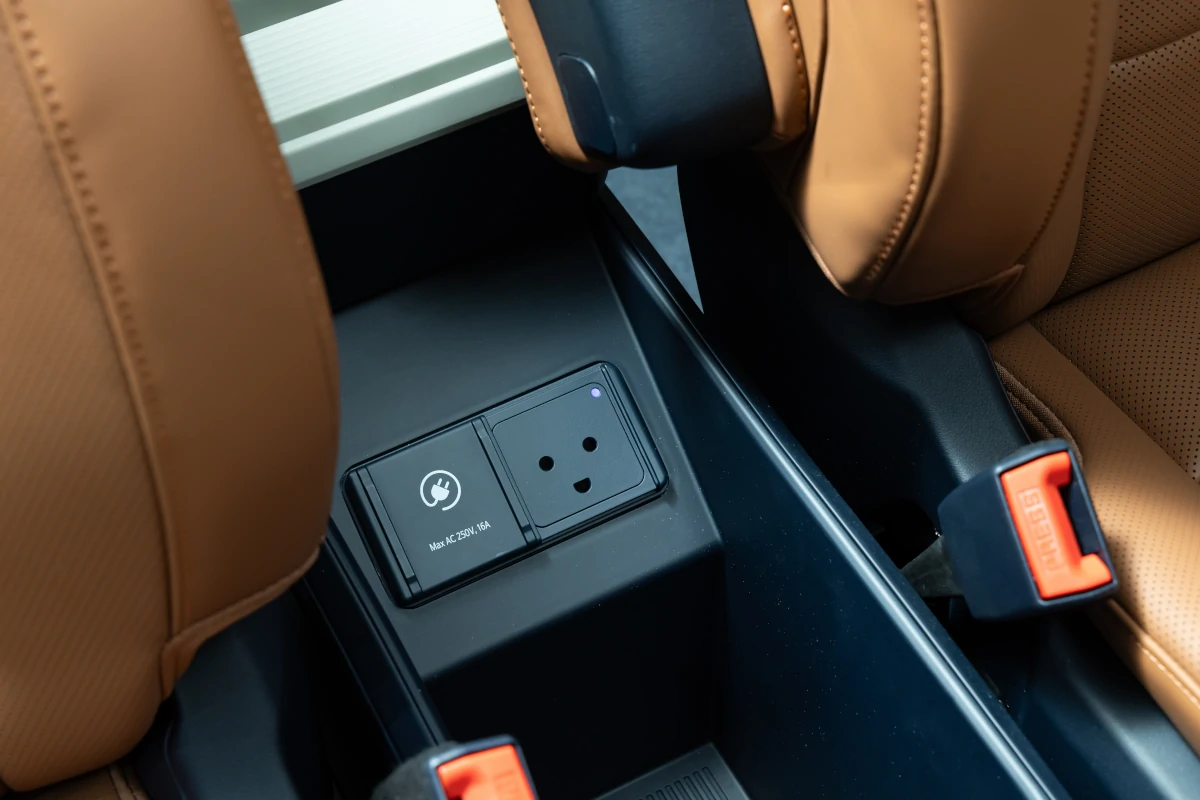
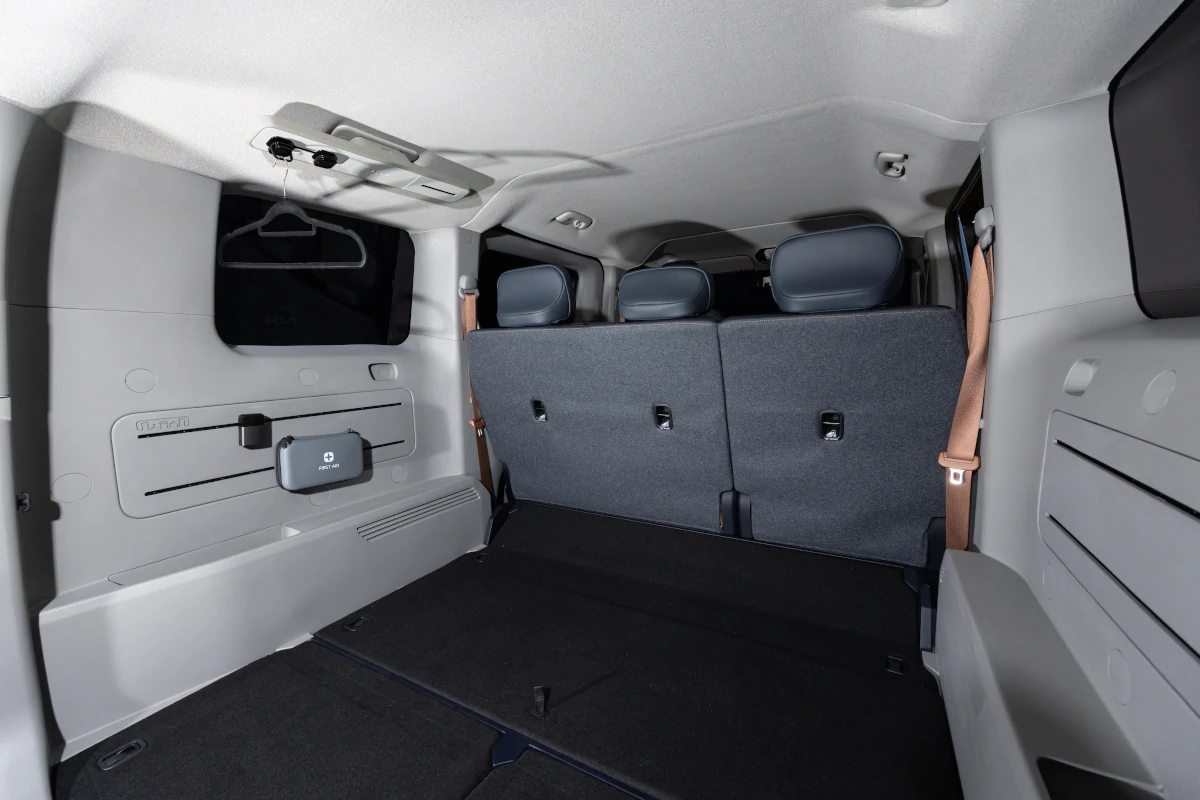
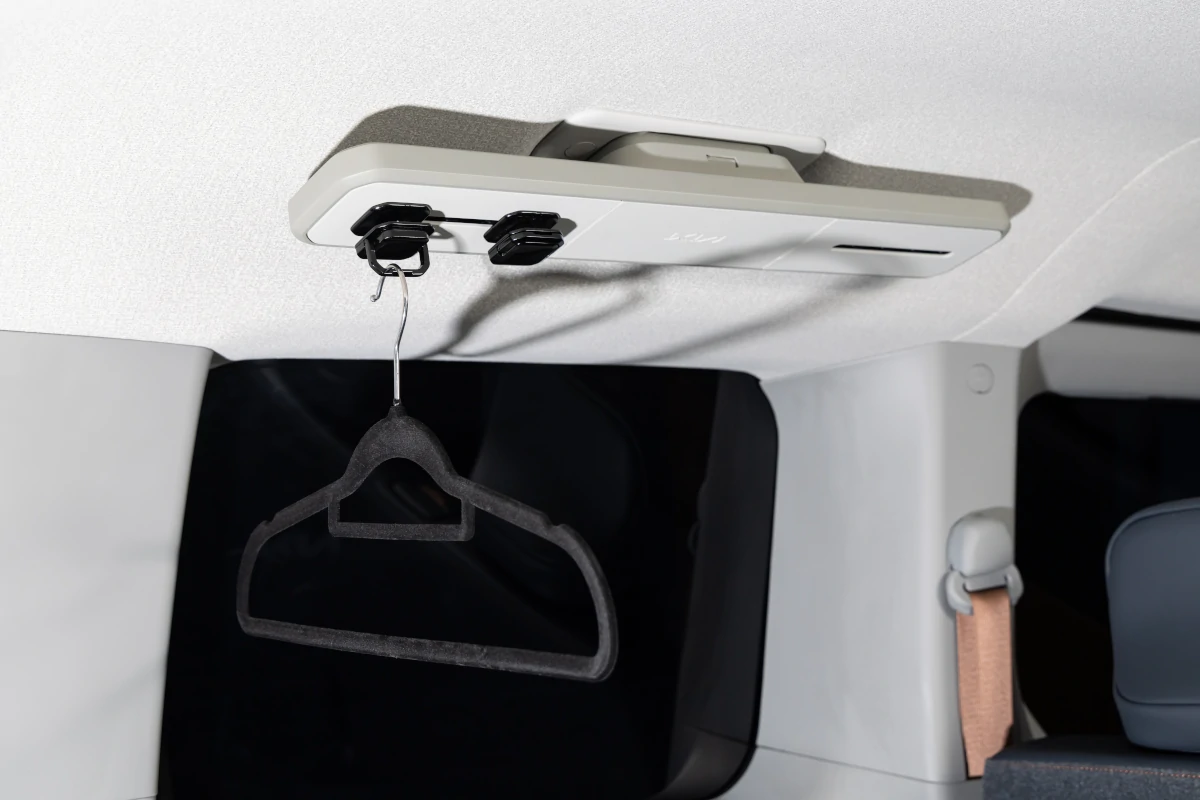
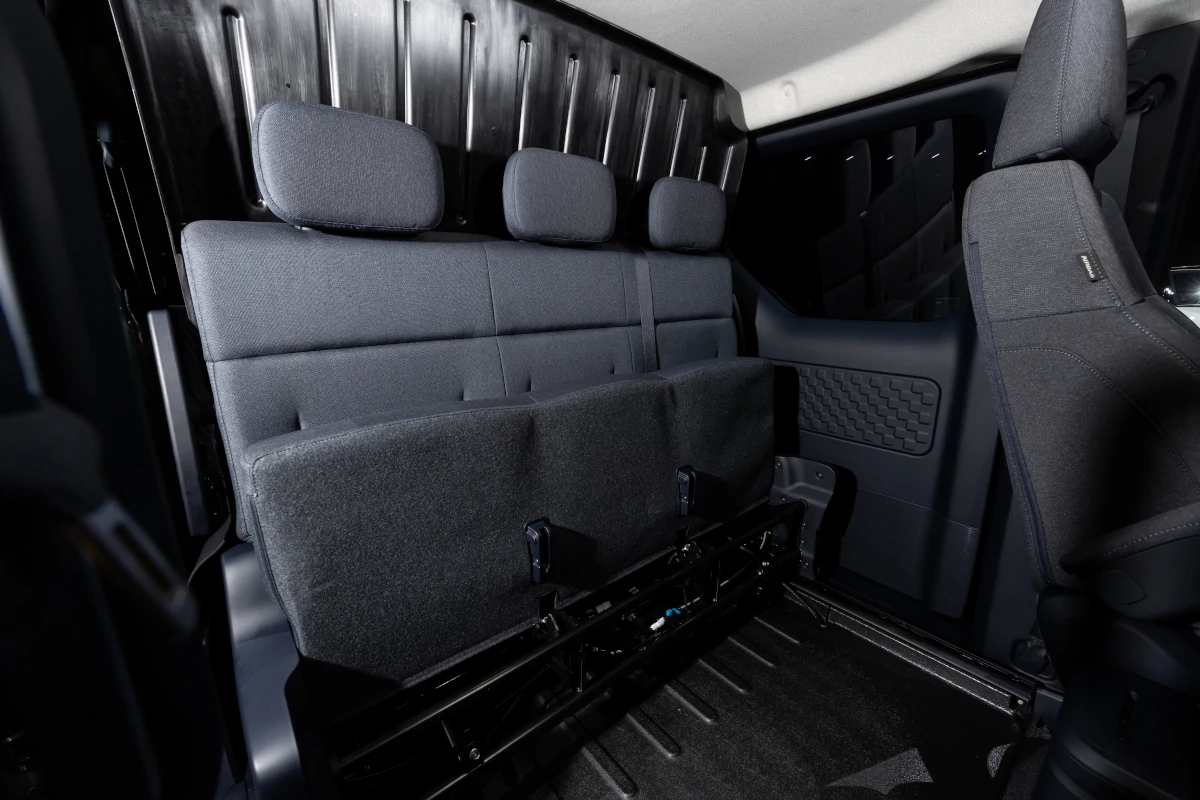
This variant has a three-row seating configuration with amazing versatility. The seats can be used in a 2-3-0 setup for more luggage space, or a 1-2-3 layout that creates a storage space beside the driver. Combined with various accessories, the PV5 Passenger can be used for business or leisure.
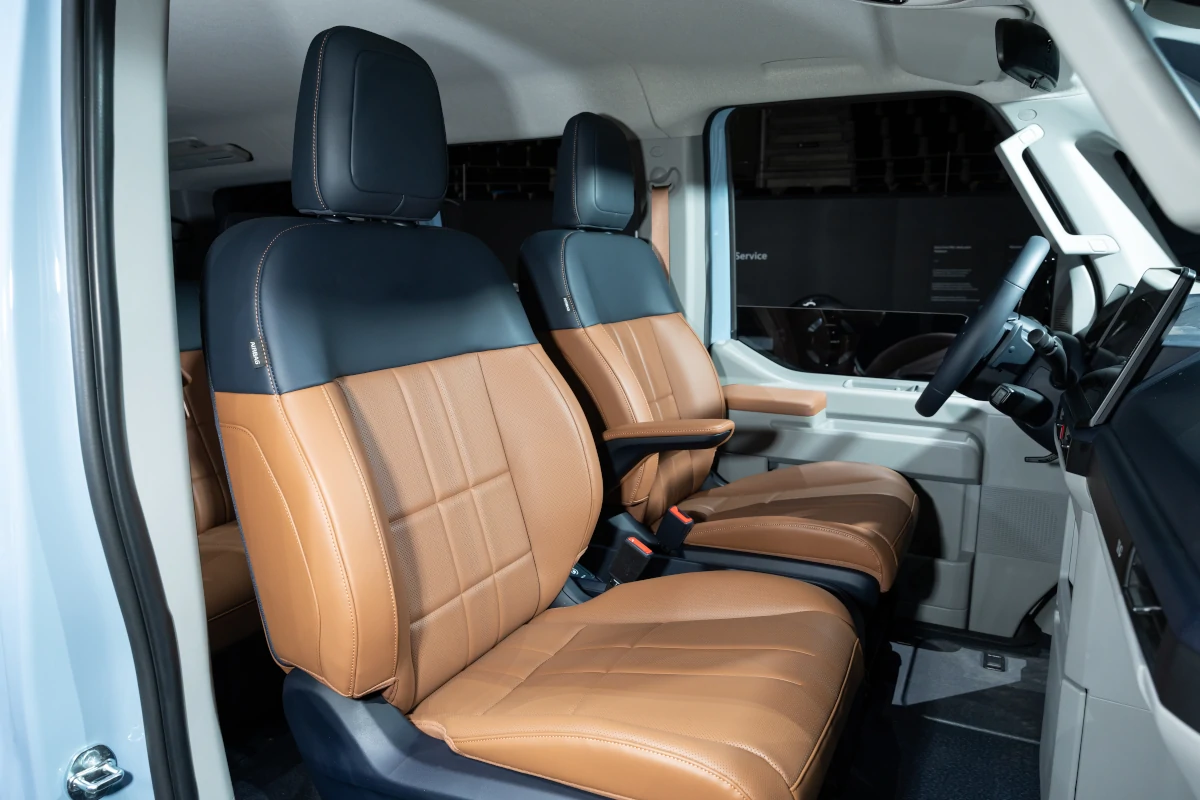
It has also been designed with ride-hailing services like Uber in mind, to address the pain points associated with these use cases.The lift-up tailgate and fold-and-dive seats will be helpful for balancing cargo and passengers as needed.
PV5 Cargo
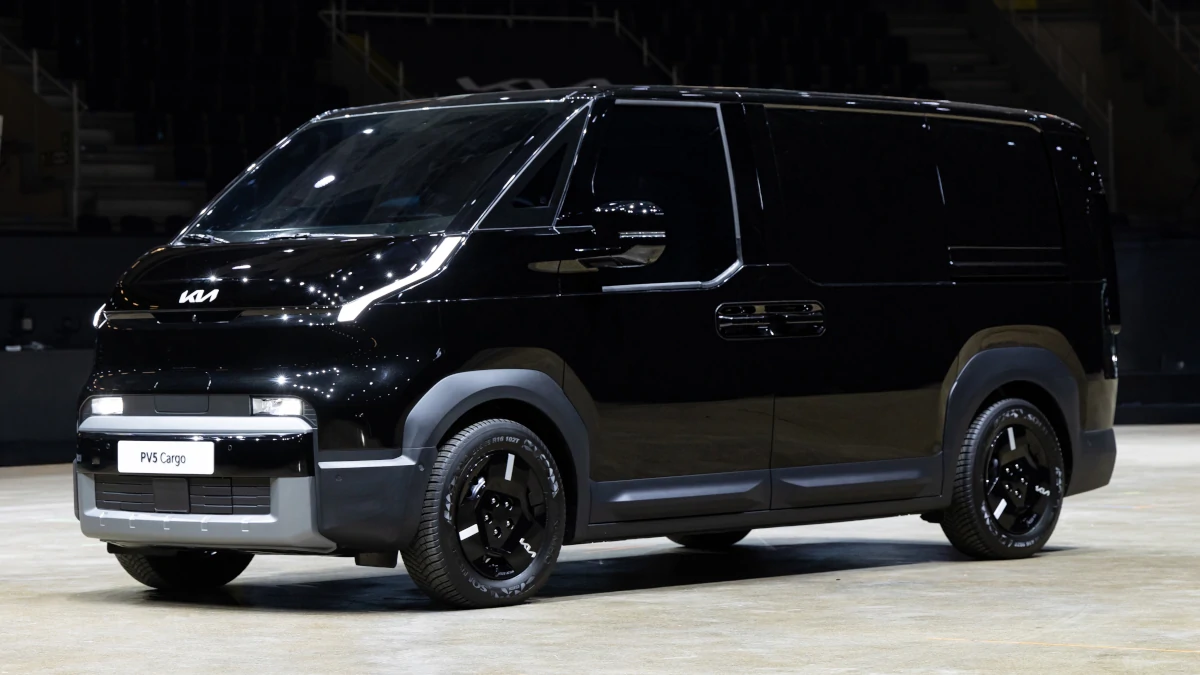
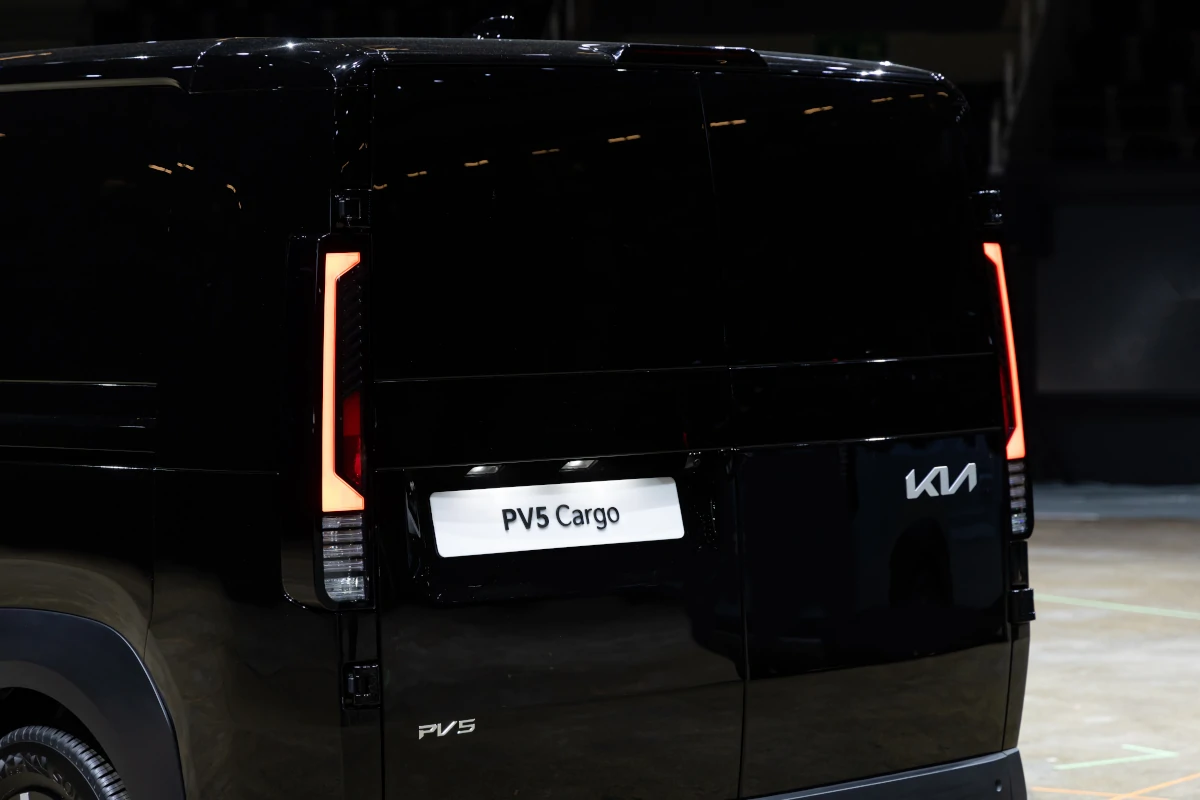
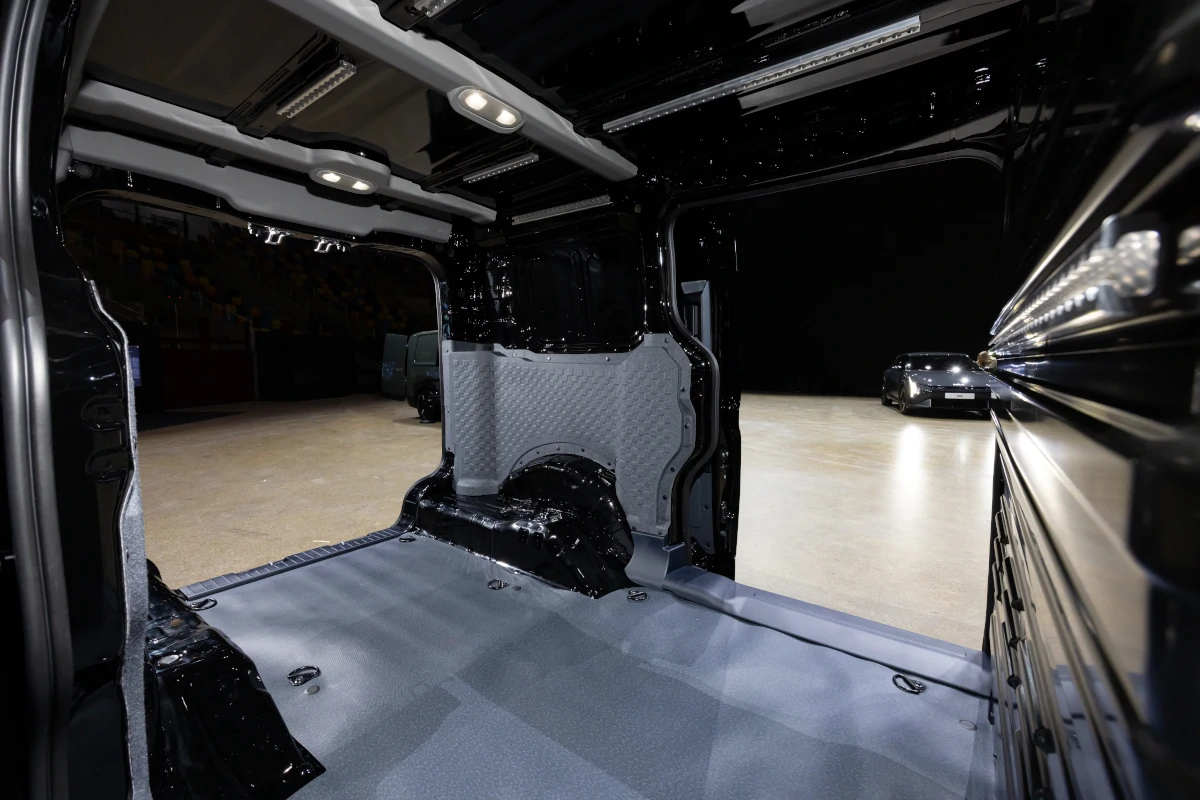
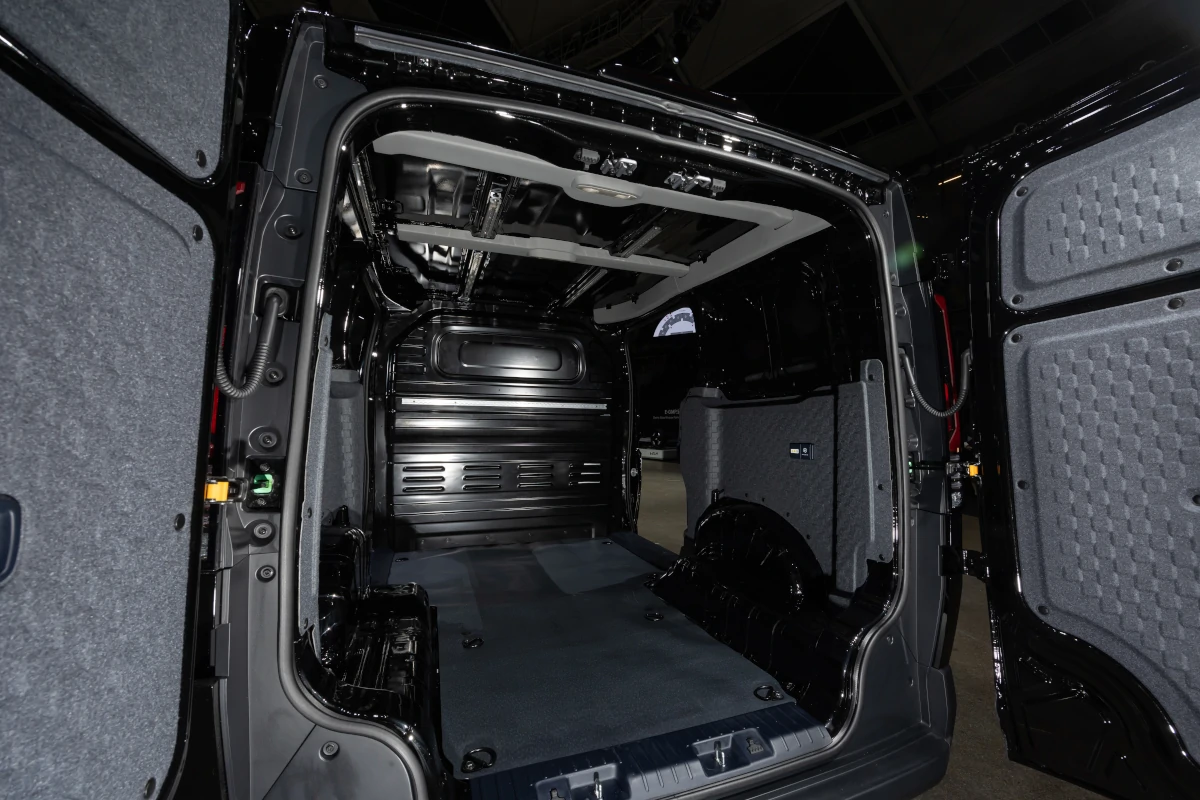
This trim has three specifications: Standard, Long and High Roof, with the latter available in a walk-through version. Light commercial vehicles (LCV) like the PV5 are big in Europe, and Kia wants to offer as many options as possible to cater to different business needs. The maximum cargo space is 5.1sqm, and a low step height of 419mm makes loading and unloading easier.
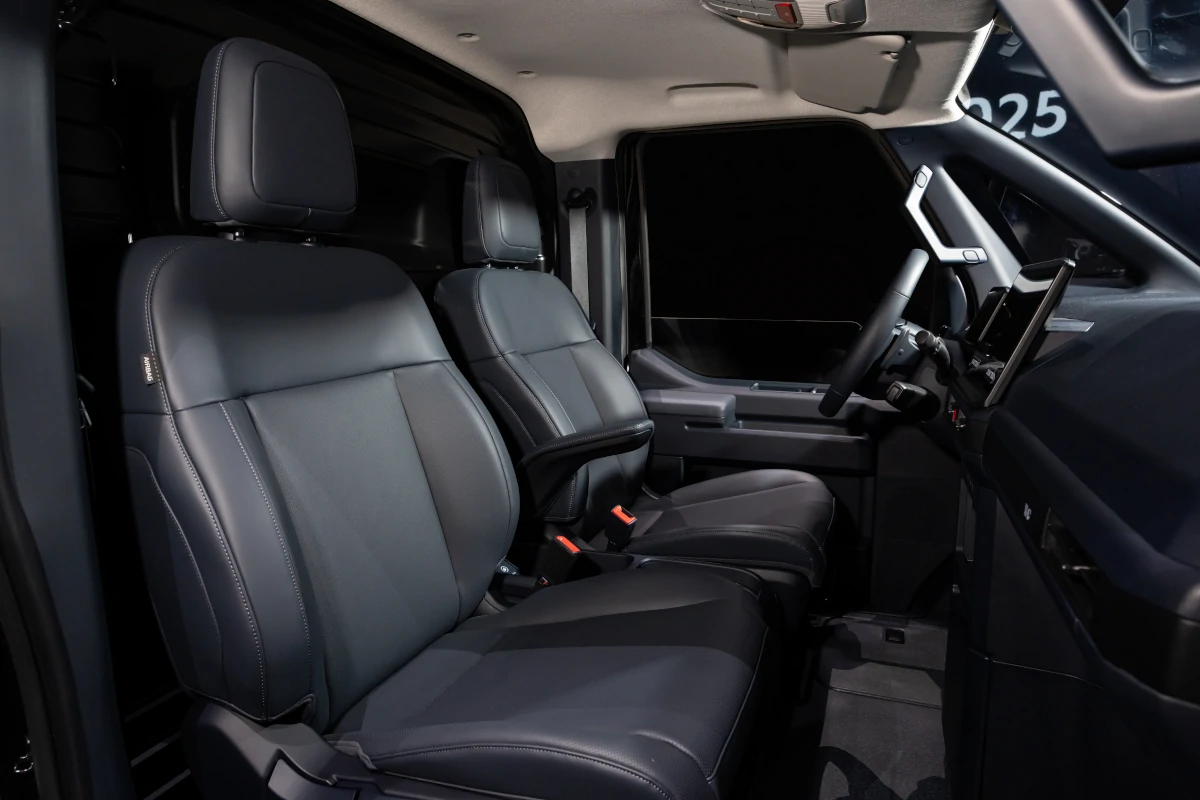
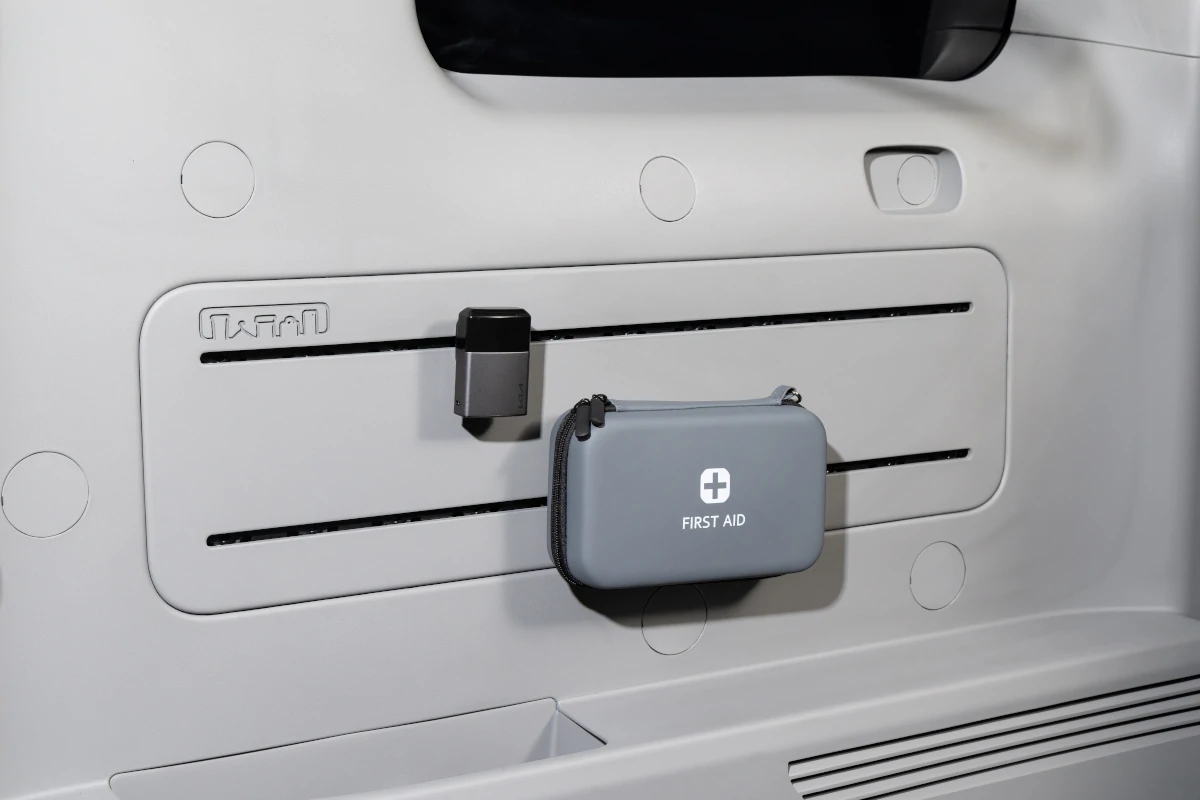
The Standard and Long bodies have a regular two-seat front layout, with an option for three seats. For the High Roof spec, the front passenger seat can fold into the floor, revealing a door that can access the cargo area—a nifty showcase of ingenious cabin packaging. The cargo area has Vehicle-to-Load (V2L) capability that can give power to the rear compartment.
PV5 Chassis Cab
This body has been designed for customization, and is supplied as an incomplete vehicle. There are many examples of these types of vehicles in our local market, actually. The back has side collision protection for the battery and additional mounting brackets for cargo body installations. Imagined use cases for the PV5 Chassis Cab are Drop Side and Freezer Box bodies.
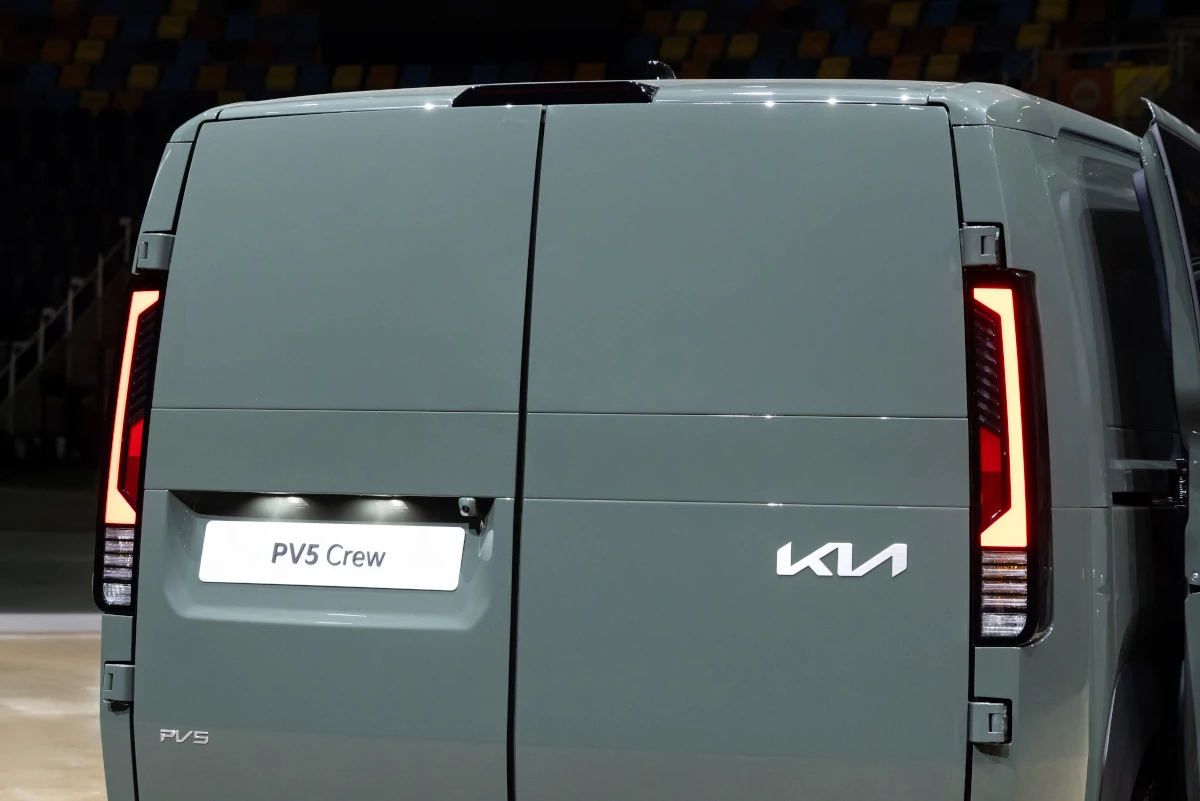
PV5 Crew
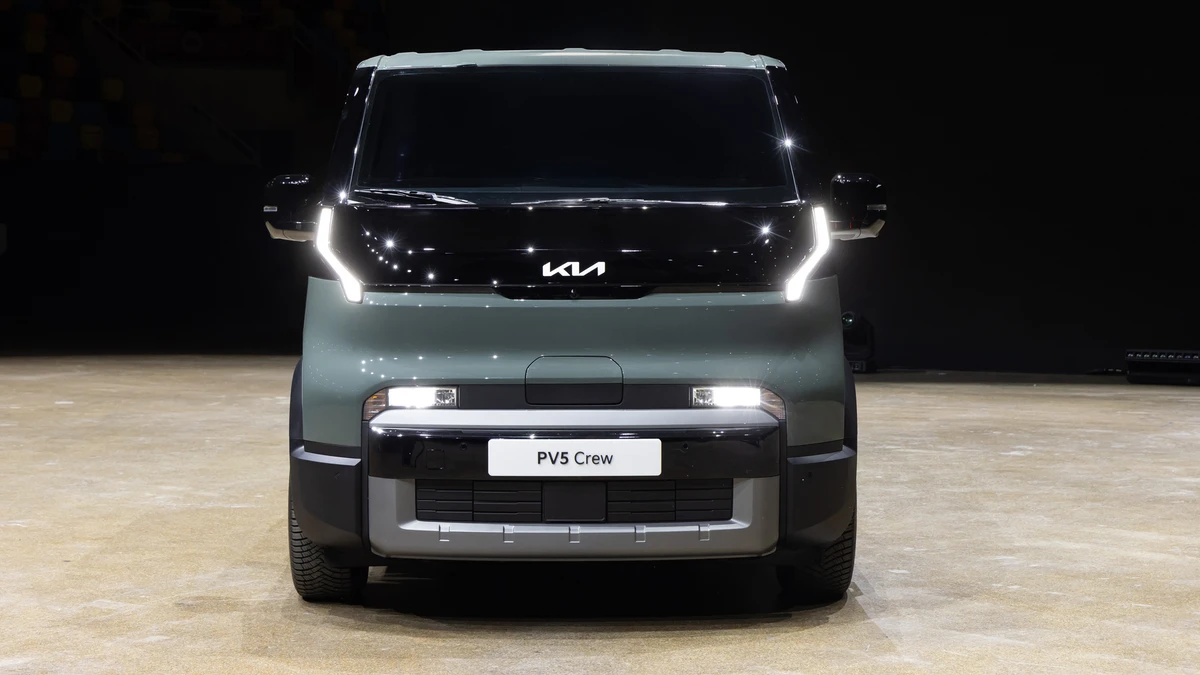
This is Kia’s flagship conversion model, with cargo-securing options like lashing points and L-tracks. The Crew will offer conversions that used to be sourced only through external modification, but now will be offered and guaranteed by Kia.
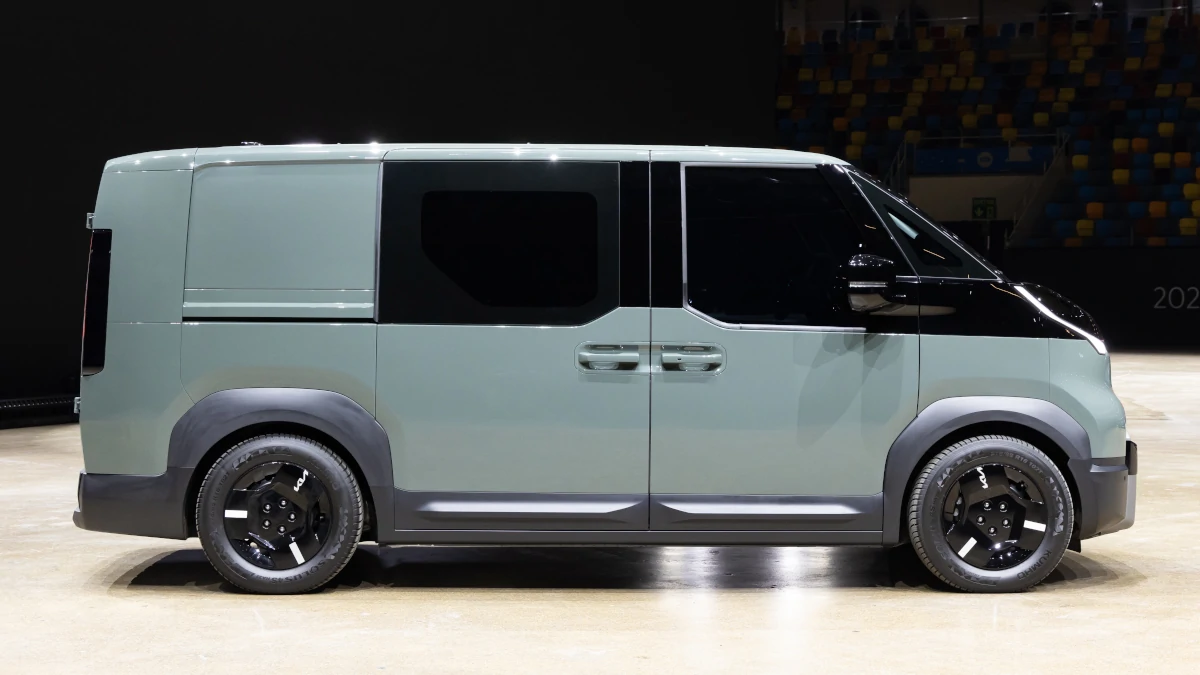
A mix of cargo and passenger seating, the PV5 Crew embodies the balance of business and personal use.
PV5 Wheelchair Accessible Vehicle (WAV)
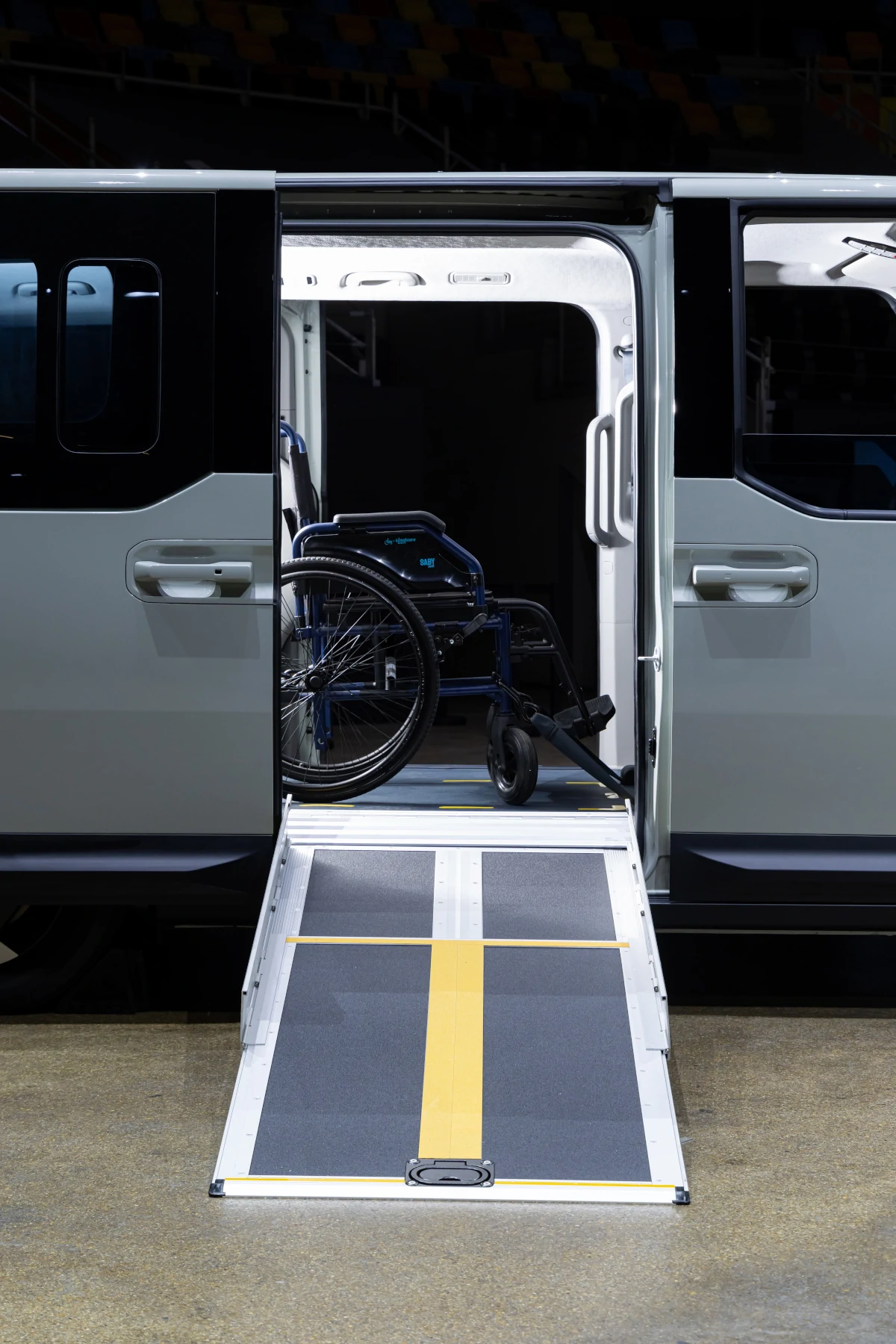
Built for families that need wheelchair access, the PV5 WAV has a side entry point with a ramp that can support up to 300kg. It also has a universal wheelchair belt fastening system. To help the wheelchair user and his or her companions, the third-row seats have a tip-up design.
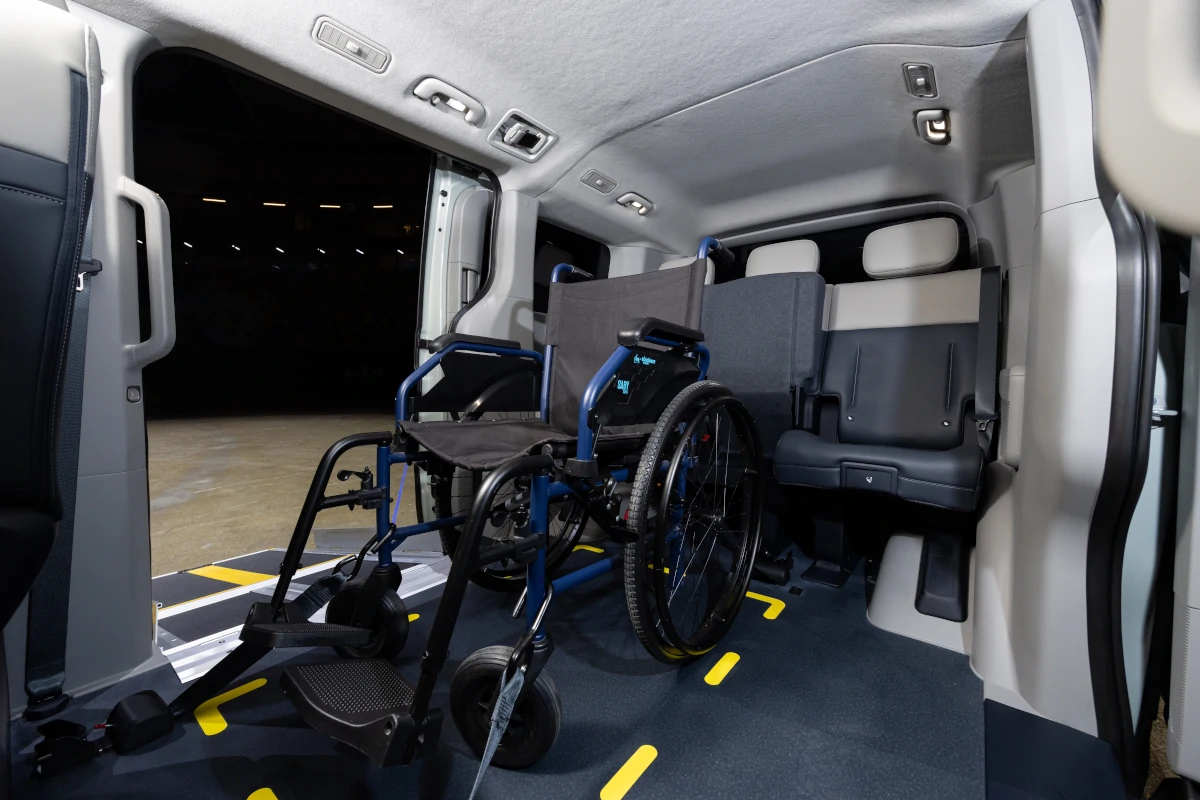
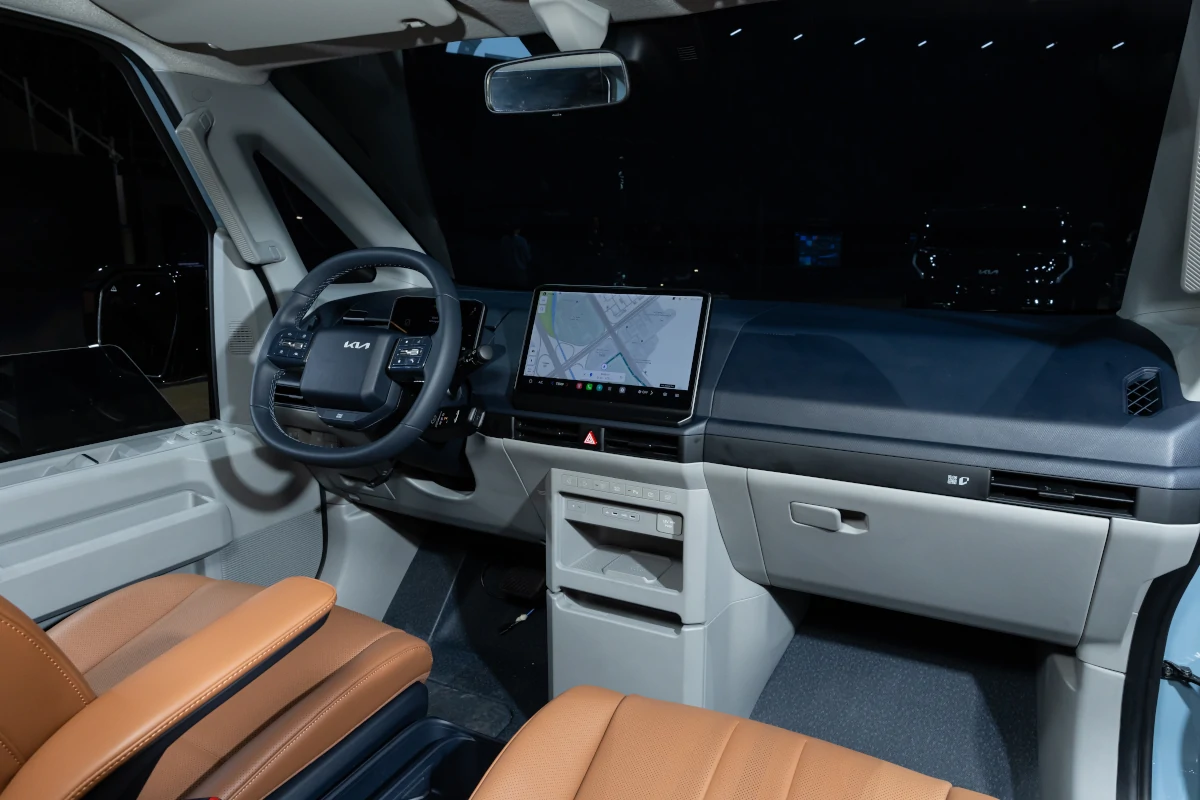
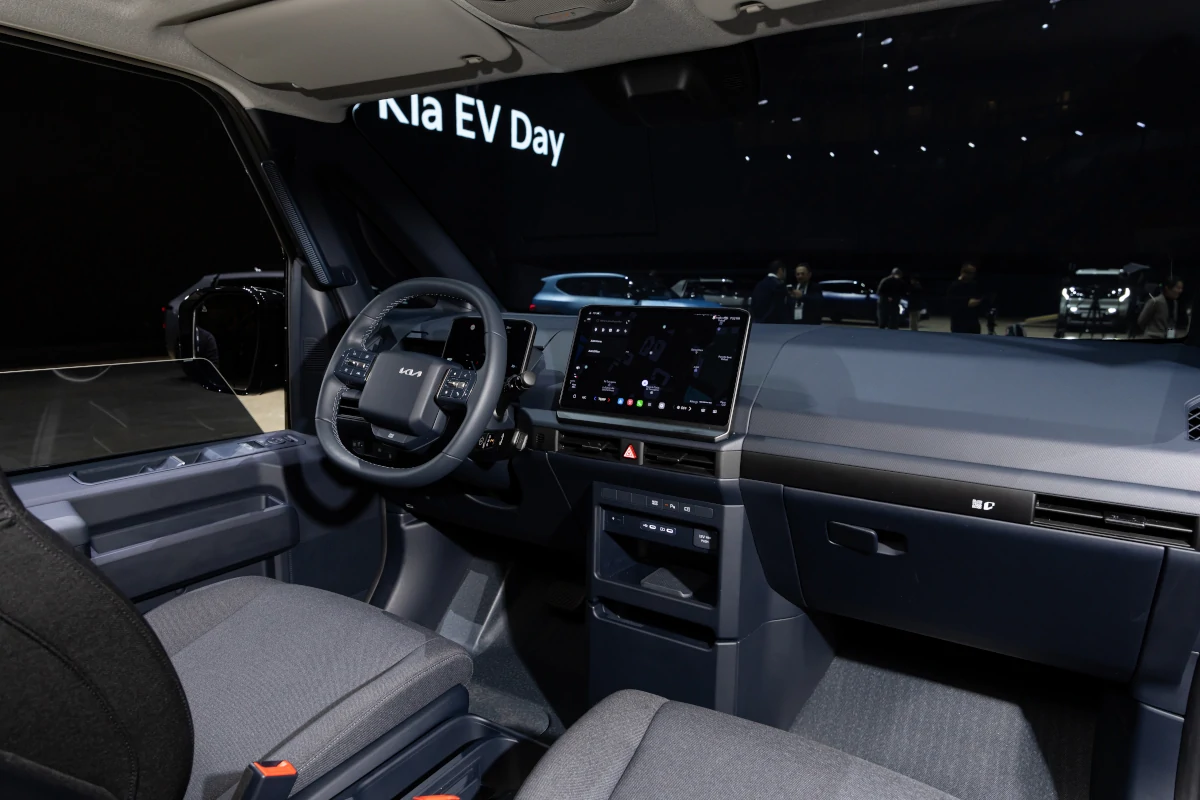
Kia said durable and easy-to-clean materials were used in the PV5. I was able to sit inside one during EV Day, and the cabin did feel basic and functional—in a good way. The interior means business, but still felt like a pleasant place to be in for hours. Actually it relieves the pressure of having to maintain a fancy cabin.
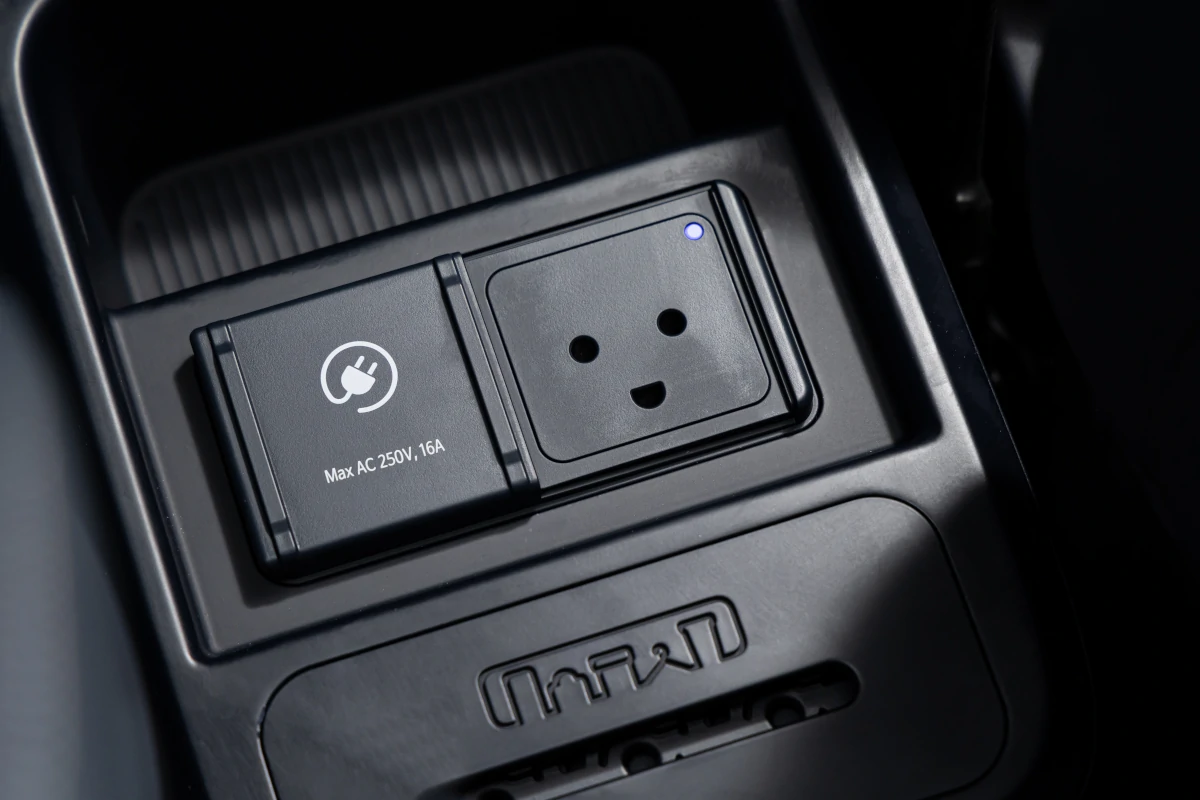
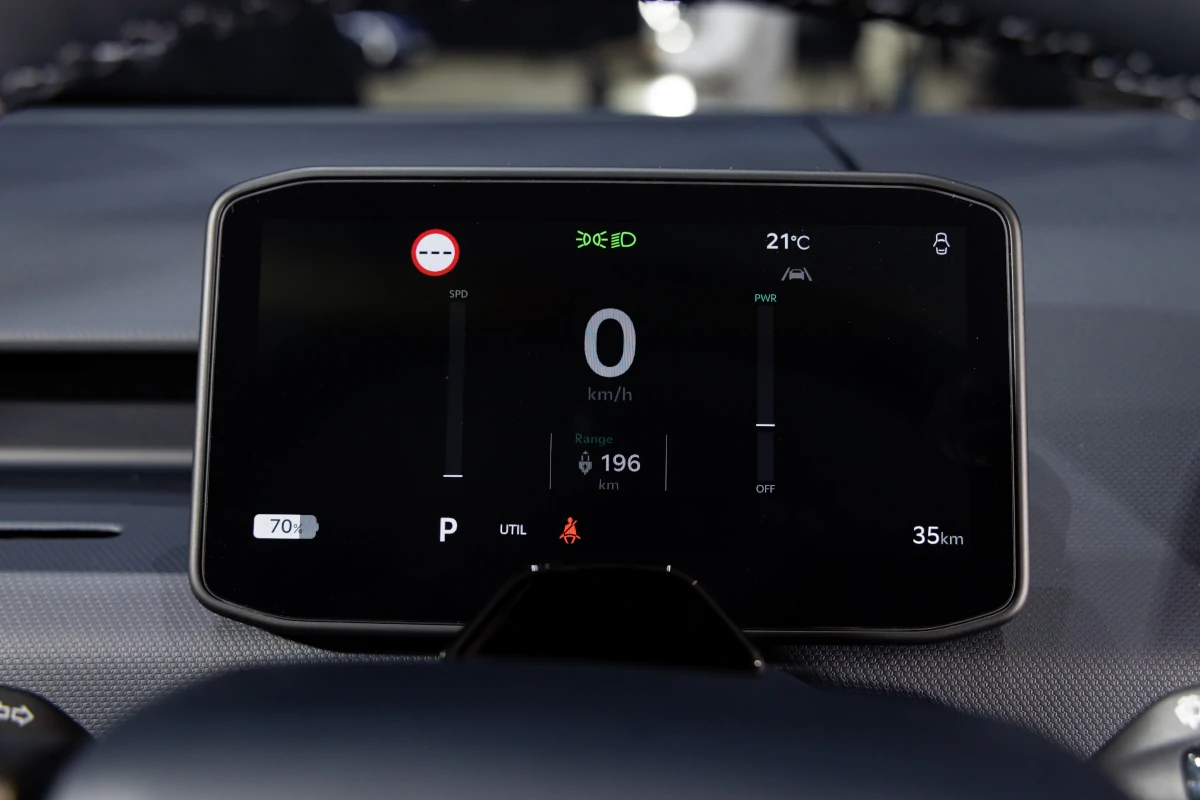
For information and entertainment, there is a 7-inch instrument cluster and a 12.9-inch navigation screen. As mentioned above, an Android-based OS with over-the-air update capability keeps the PV5 well-connected and future-proof.
Europe and Korea sales will begin in the second half of 2025, followed by other markets in 2026. There is actually a decent chance we will see this in the Philippines, so cross your fingers.
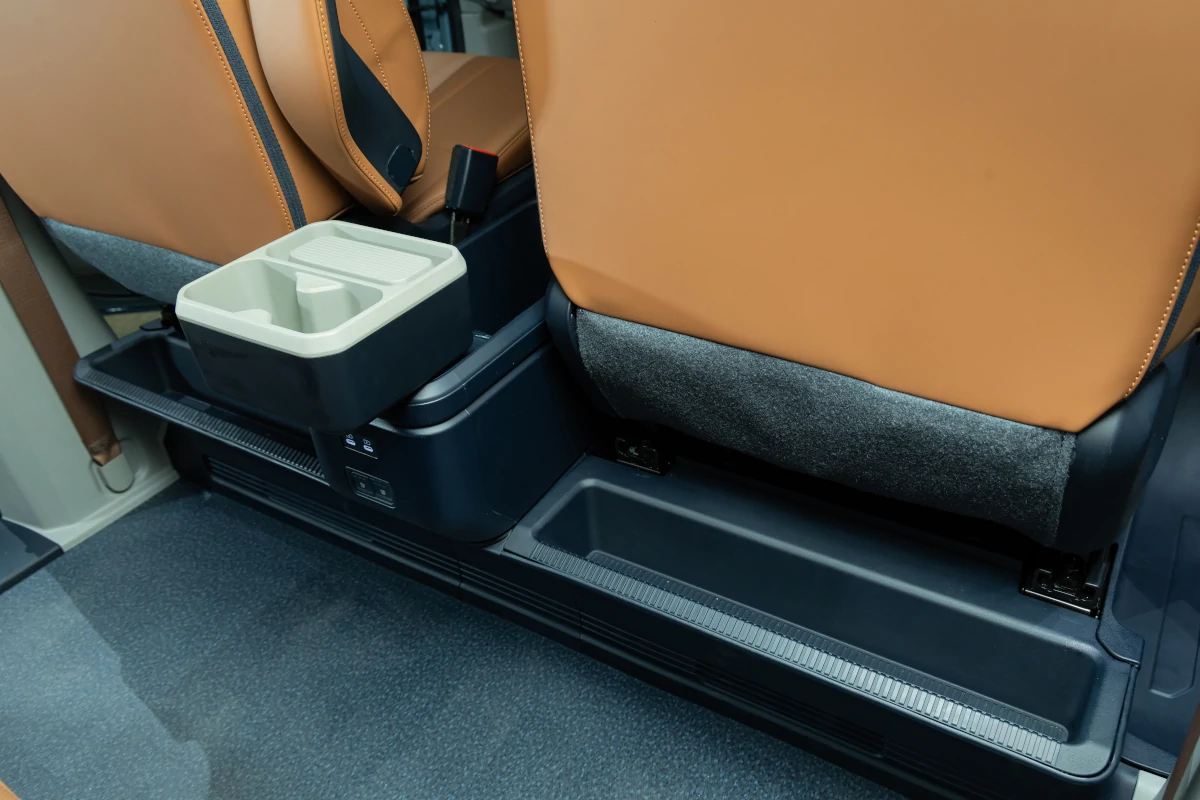
It’s rare to be excited by a van because their purpose is limited. It’s even more rare to be excited by an electric van because they’re usually just for deliveries. But what Kia has done is build a cool, multi-purpose platform that can stylishly transport people, haul cargo, power your equipment, load a wheelchair or heavy trolleys, and everything in between. The possibilities are, well, electrifying.