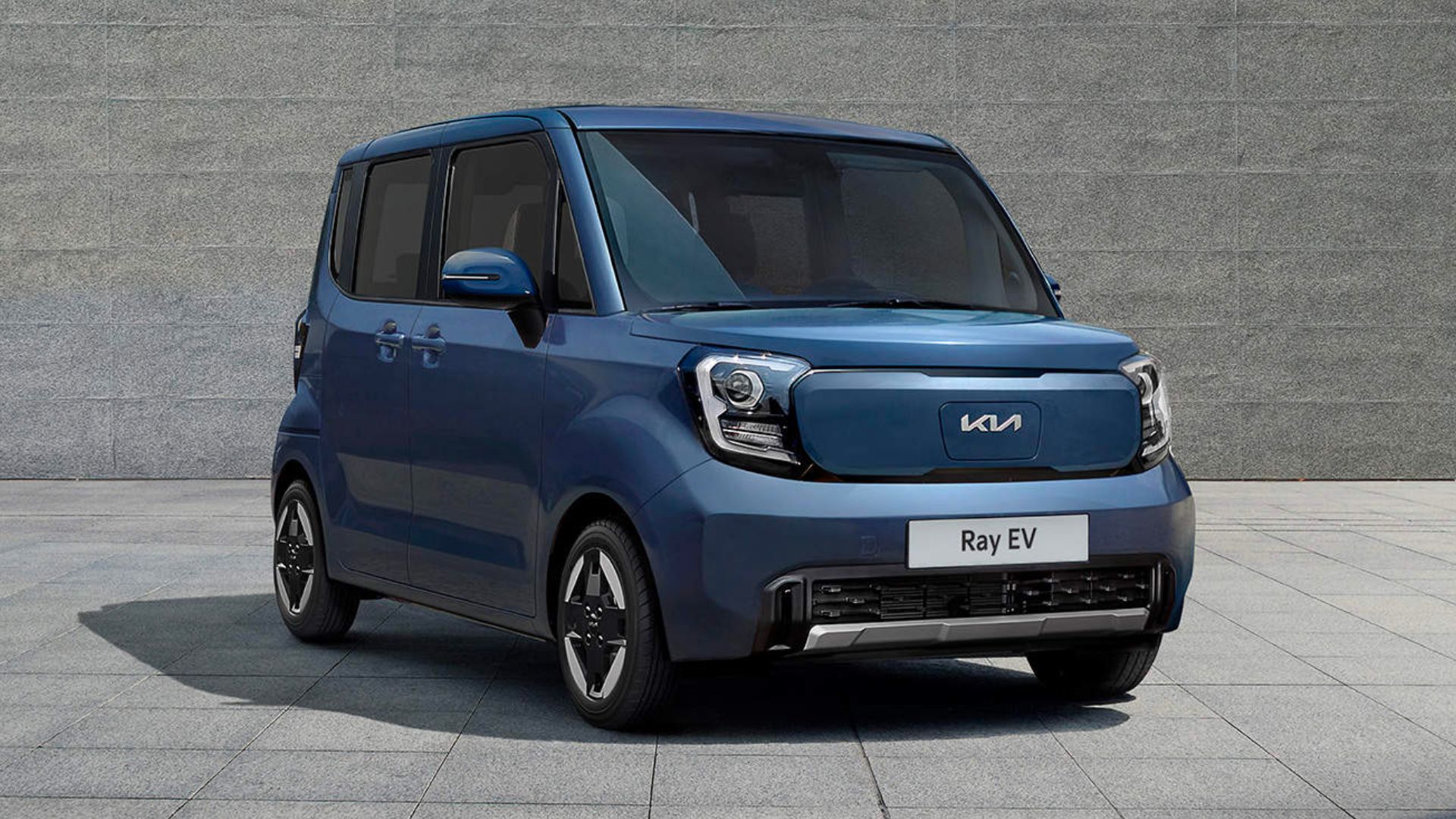

We’ve covered the Kia Ray in the past. It was introduced in August 2022, and it’s been a curiosity for us ever since. While it’s not a kei car per se, the Ray is proof that the kei car formula can be done outside of Japan. Now, there’s a new version of the Ray, and we reckon it has all the right ingredients for a city car.
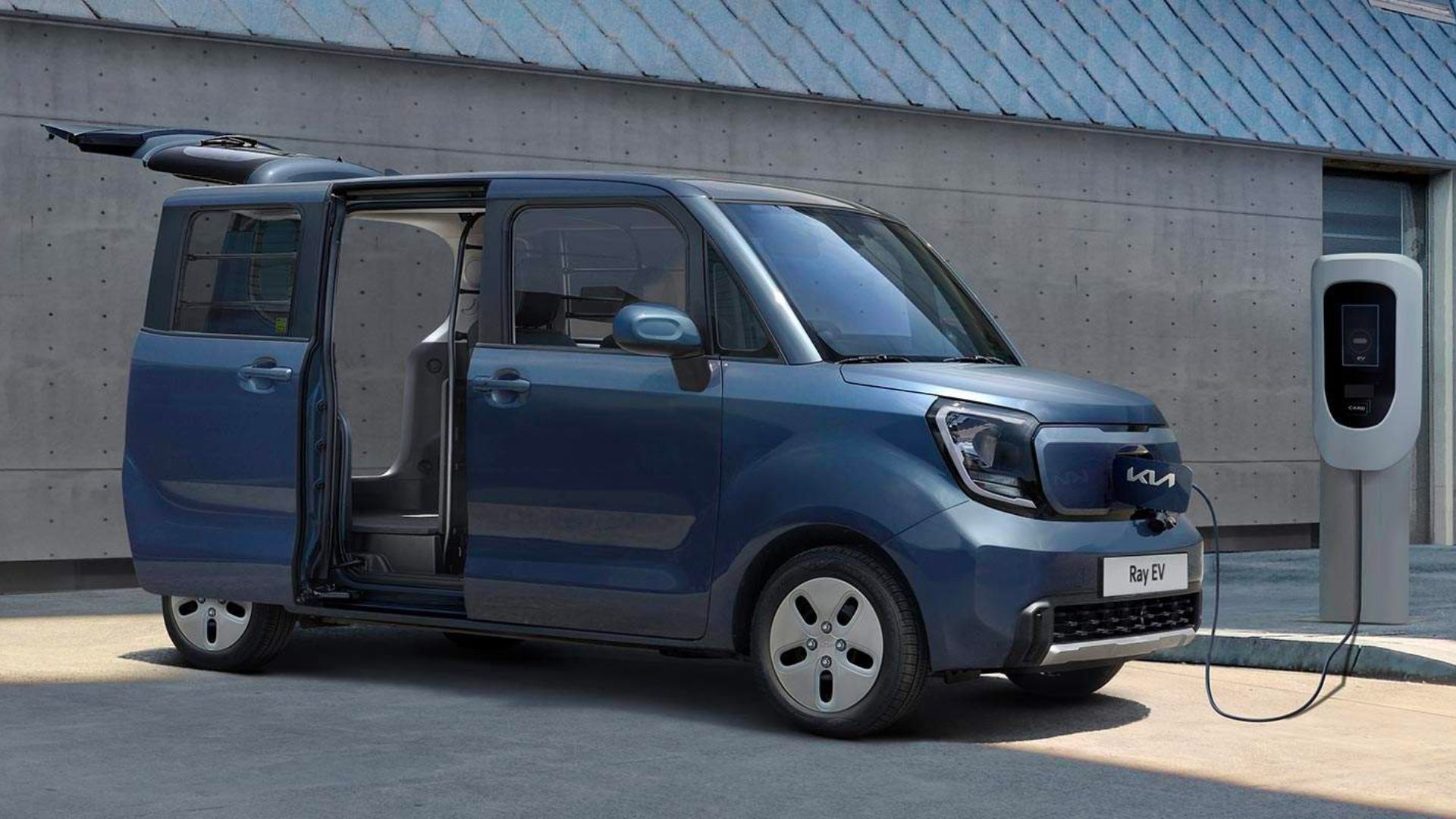
Simply dubbed the Ray EV, it’s the electric version of the tall, tiny hatchback. There are two versions and two variants of the Ray EV available. The first is the passenger car version with room for four and extra creature comforts. The second is a commercial version dubbed the two-seater van for, um, commercial purposes. As for variants, the Light serves as the base model while the Air is the range-topper.
OTHER STORIES YOU MIGHT HAVE MISSED:
Advisory: Access Points to Philippine Arena will be closed temporarily starting 5:30pm on August 25
Lewis Hamilton approves of the all-new Mercedes-AMG GT
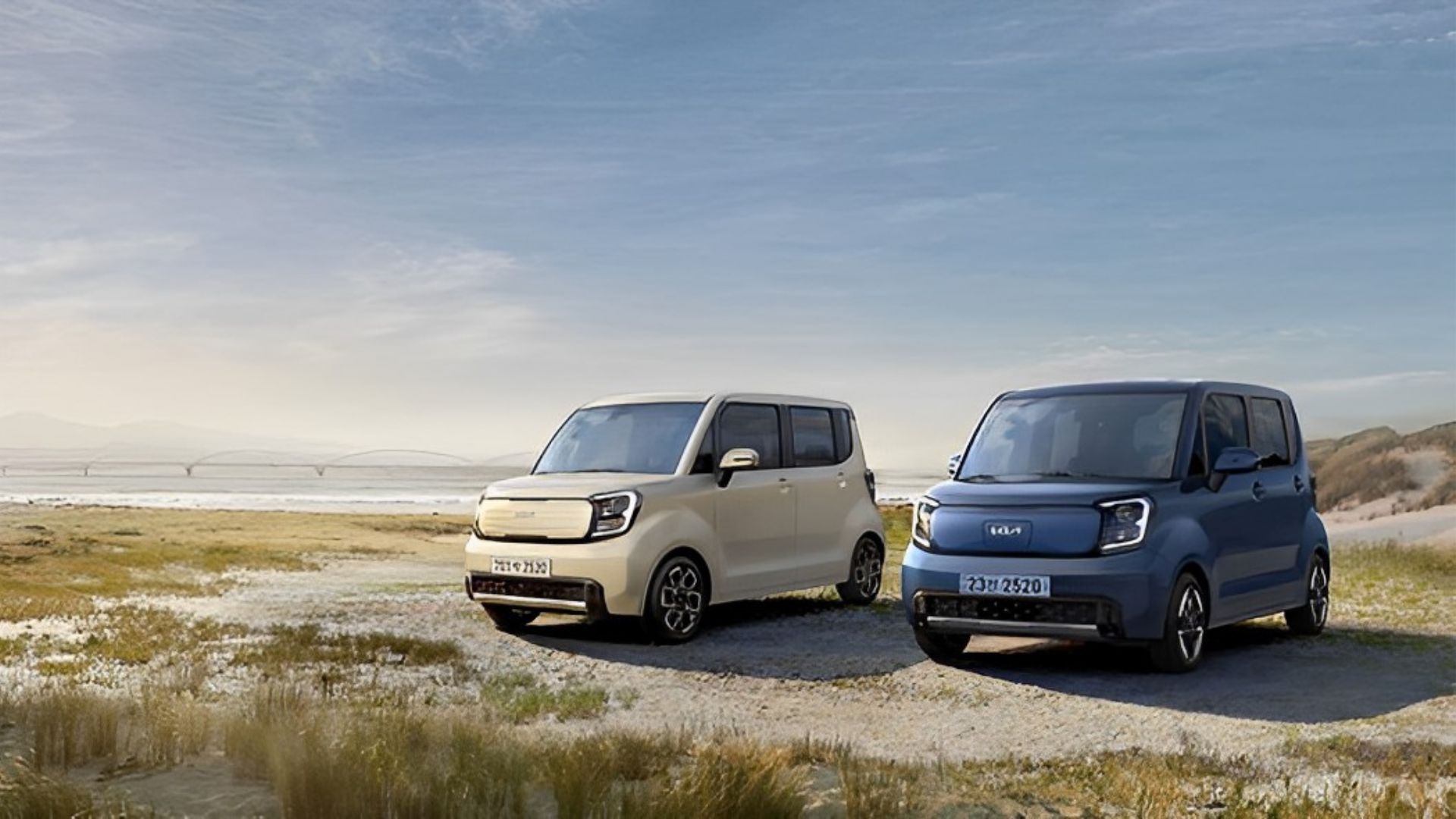
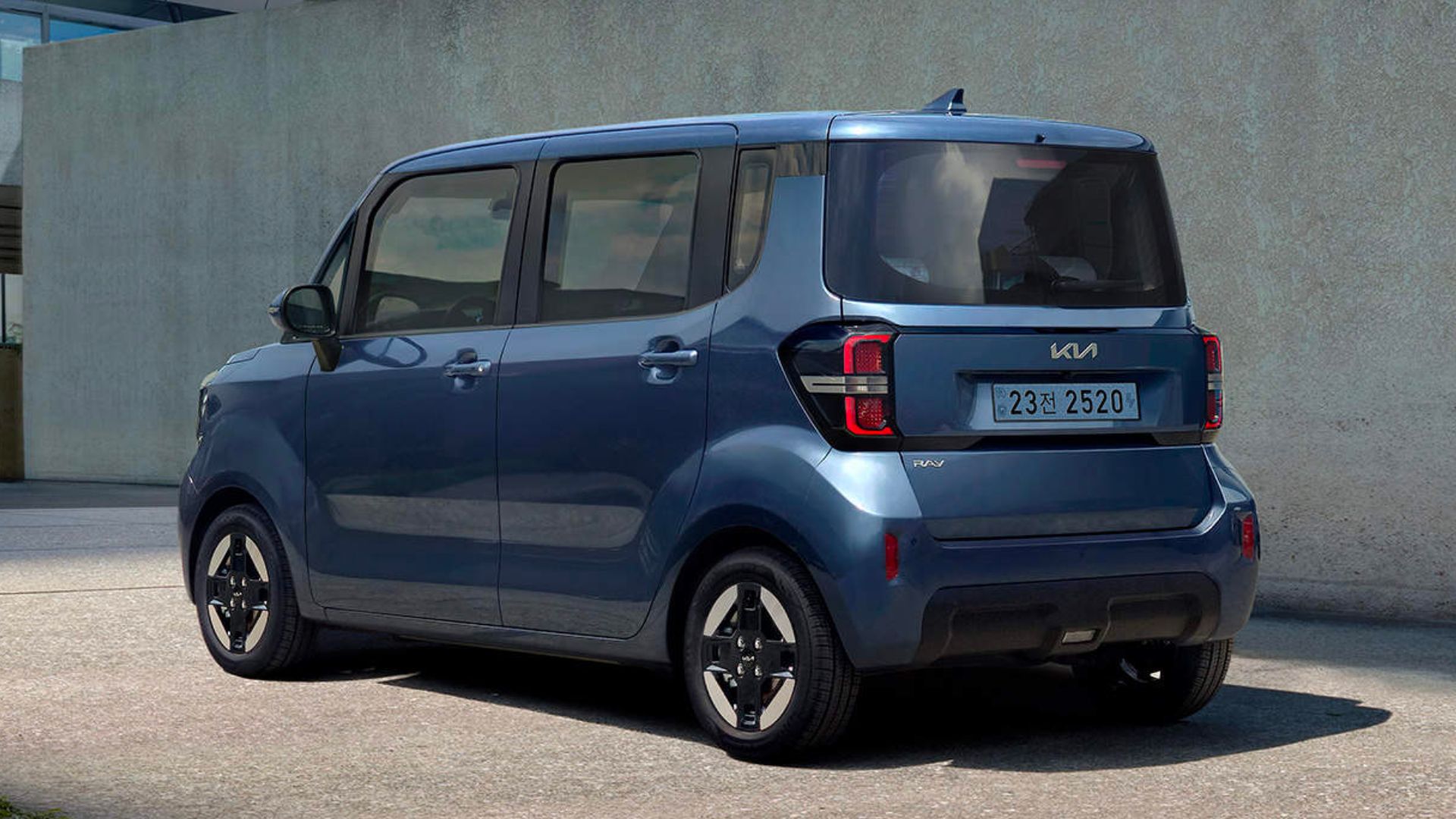
From the outside, there is little difference between the battery-powered and internal combustion versions. The only clues are the plug at the front and unique wheel designs for the Ray EV. One could say that’s a good thing since the electric mini hatchback retains the quirky sliding door on the right-hand side.
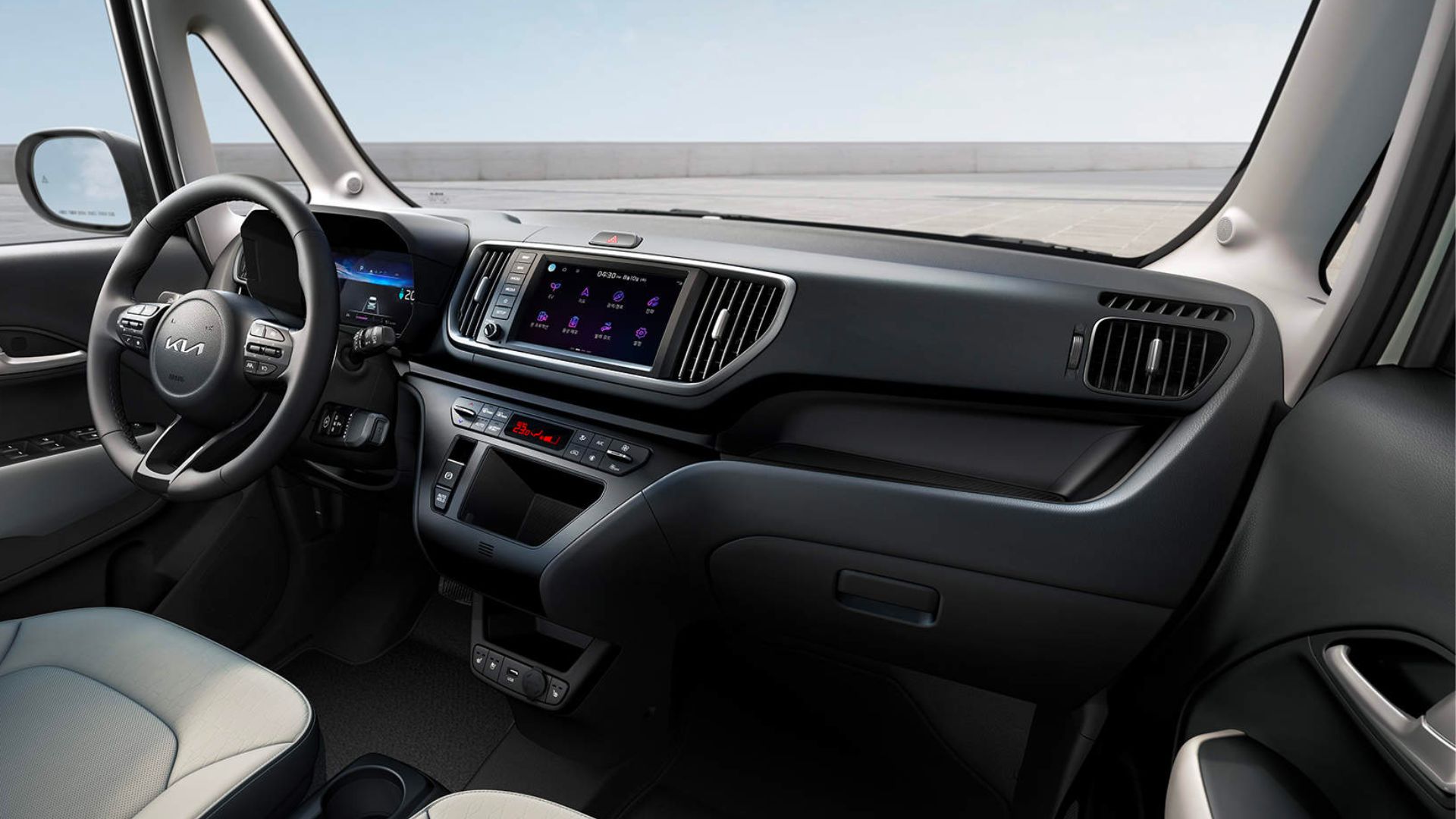
Inside, the Ray EV is largely identical to the standard version, at least in terms of equipment and design. However, there are two noteworthy changes to the Ray EV’s interior over the gas-powered model. The first one is different graphics on the instrument cluster, showing more battery and drivetrain information. The second one is the electronic column-mounted gear selector, replacing the gas version’s console-mounted unit.
The top-spec Ray EV Air even comes standard with advanced driver assist systems. It includes features such as forward collision warning, side collision avoidance assist, rear cross traffic alert, autonomous emergency braking, and rear cross-traffic alert. Both variants of the Ray EV have six airbags, stability control, air purifier, and a 10.25-inch touchscreen.
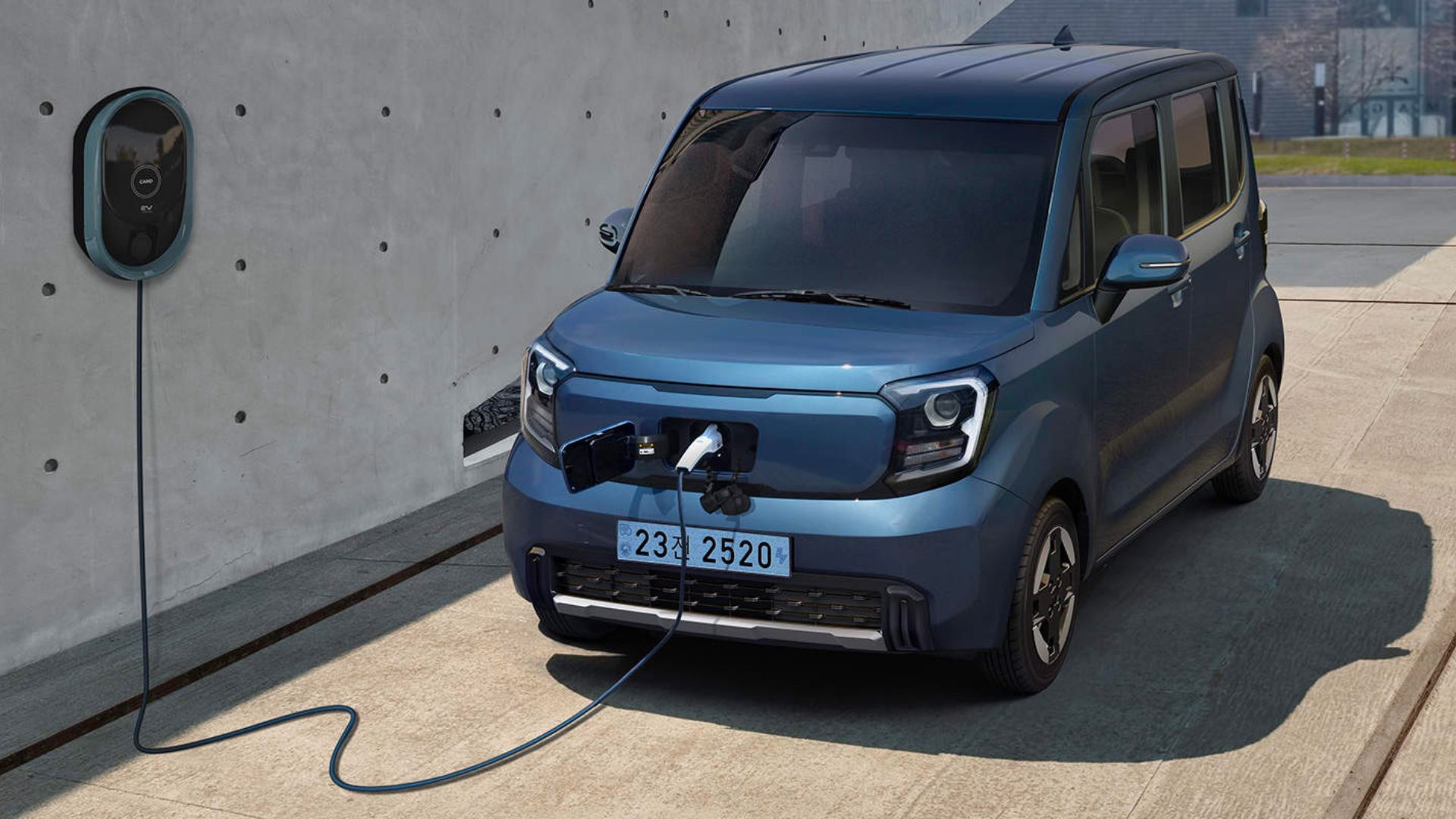
On to the powertrain, the Ray EV carries a battery capacity of 35.2 kWh that allows it to give it a range of up to 233 kilometers on a single charge. The electric motor then produces 86hp and 147Nm of torque powering the front wheels. That makes the Ray EV even more powerful than the 1.0-liter found in gas-fed model that makes 75hp and 95Nm of torque.
Unfortunately, it doesn’t seem likely that the Ray will be sold outside of South Korea. Still, that’s not stopping us from converting its home country prices into local currency. The Kia Ray EV starts at 27,750,000 won (Light), all the way to 29,550,000 won (Air). At current conversion rates, that is a price range of around P1,192,000 to P1,270,300.