Kei cars are pretty much the norm in Japan but a novelty everywhere else. It's mainly because these aren't sold outside of their home market, which adds to the curiosity about these vehicles.
But that might not be the case in a few years. It's because Mitsubishi Motors Indonesia has rolled out its first L100 electric kei van. It might not sound like a huge deal for some, but this move might have a huge impact on kei cars should it work.
OTHER STORIES YOU MIGHT HAVE MISSED:
Can the four-cylinder Toyota Land Cruiser 70 beat the V8 version?
Think the new Nissan Note deserves a shot in the Philippines?
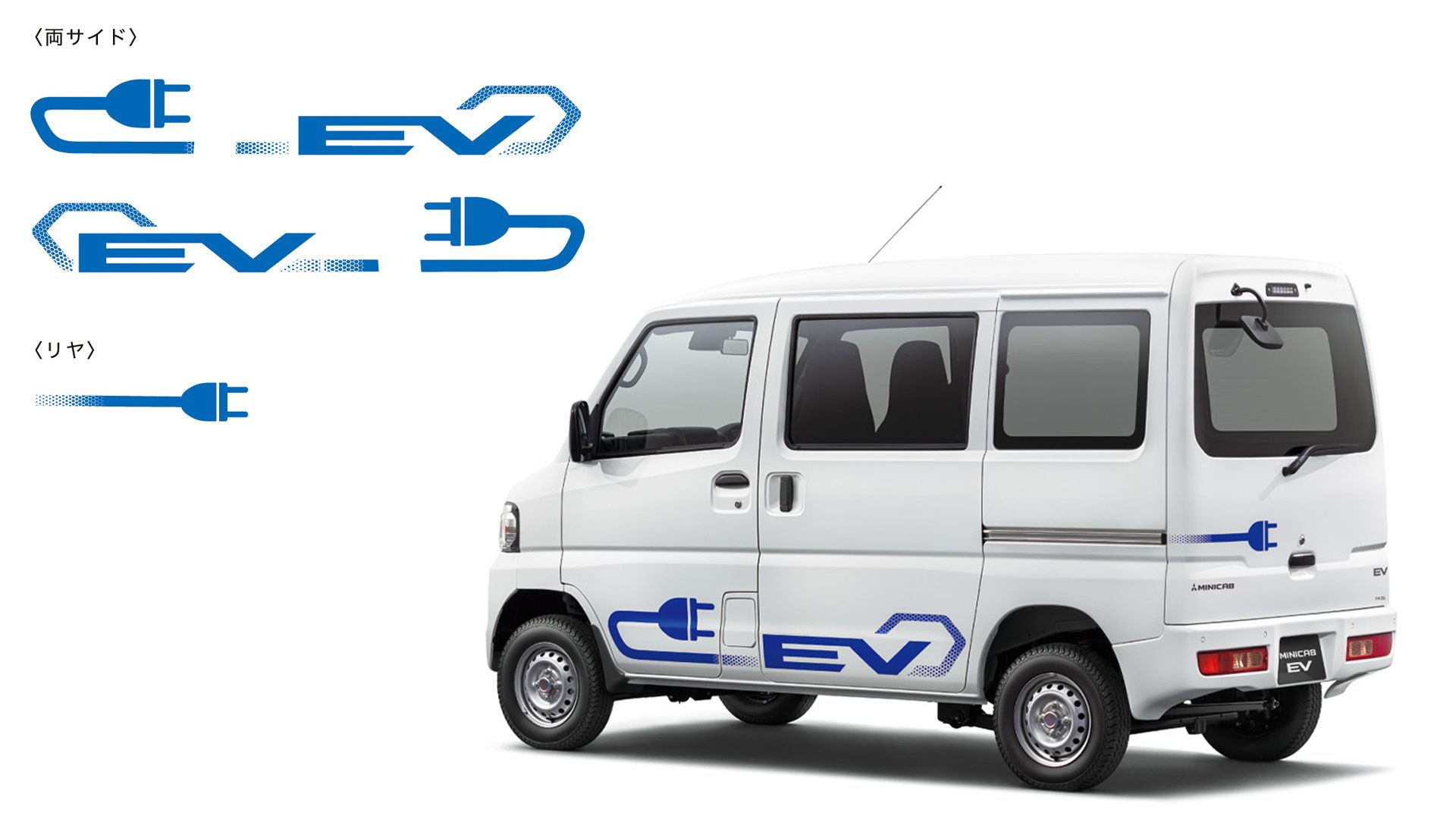
See, the Mitsubishi L100 is the first kei car in decades to be assembled outside of Japan. On top of that, it's the first EV kei vehicle made in Southeast Asia. It's primarily aimed at the commercial vehicle segment, and the company hopes to shift thousands of these to small and medium-sized enterprises.
Again, should this be a success for Mitsubishi, it might open up the possibility of kei cars being sold, or even assembled in Southeast Asia. It could also prove to the Japanese automakers that these small vehicles can sell well in other parts of the world.
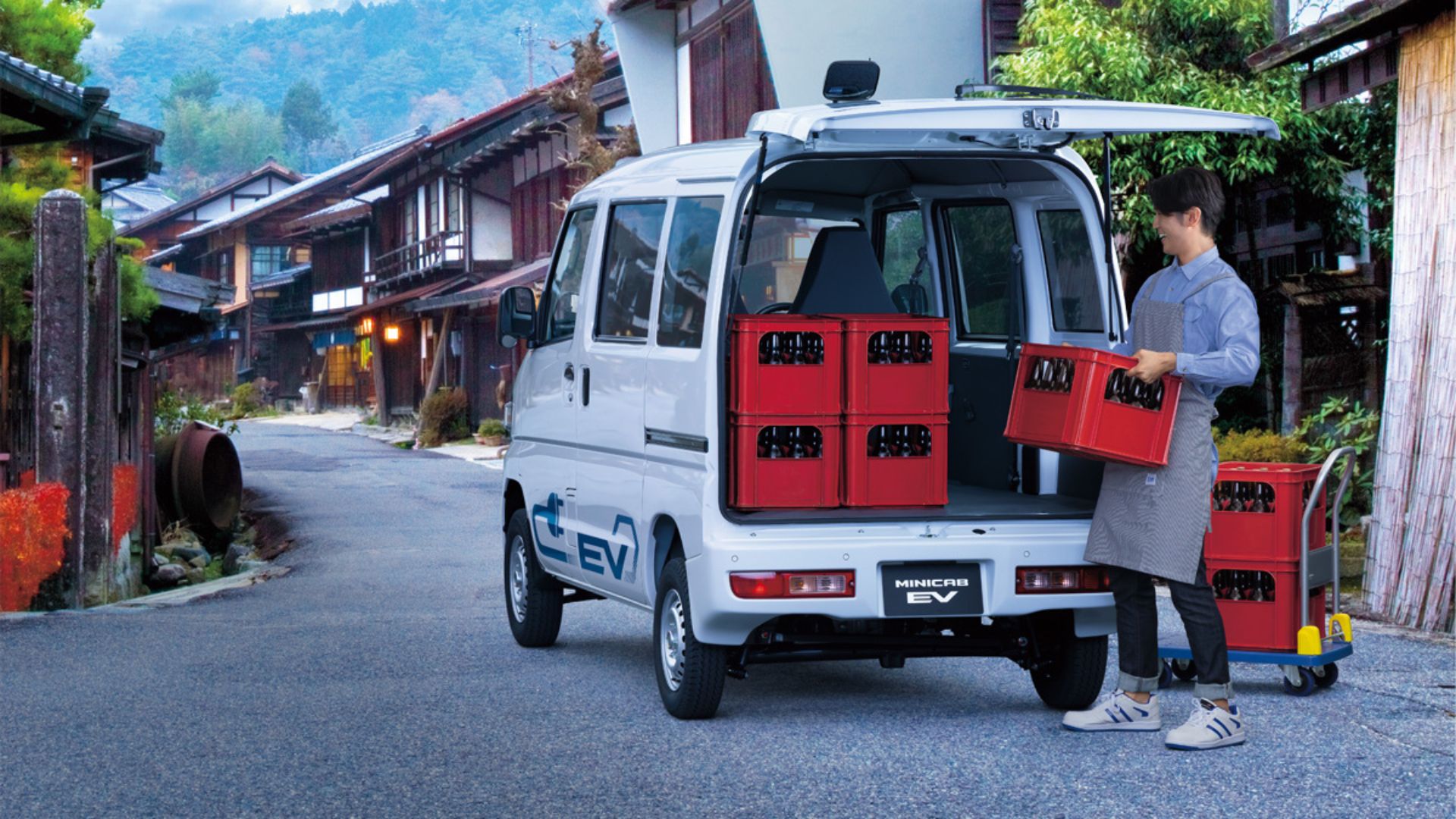
As for the van, it offers two meters of space behind the front seats, which should be more than enough for small parcels, and light loads. It then has a payload capacity of up to 350kg.
The Mitsubishi L100/Minicab EV uses a 20kWh battery, enough to give it a range of up to 180km. Battery consumption is rated at 7km/kWh to 9.8km/kWh, depending on road and traffic conditions. Power is rated at 41hp and 195Nm of torque.
“With the start of our first overseas production of electric vehicles, we hope to meet the growing demand for electric vehicles in the ASEAN region and at the same time contribute to environmental initiatives in the country,” Takao Kato, president and CEO of Mitsubishi Motors Corporation.