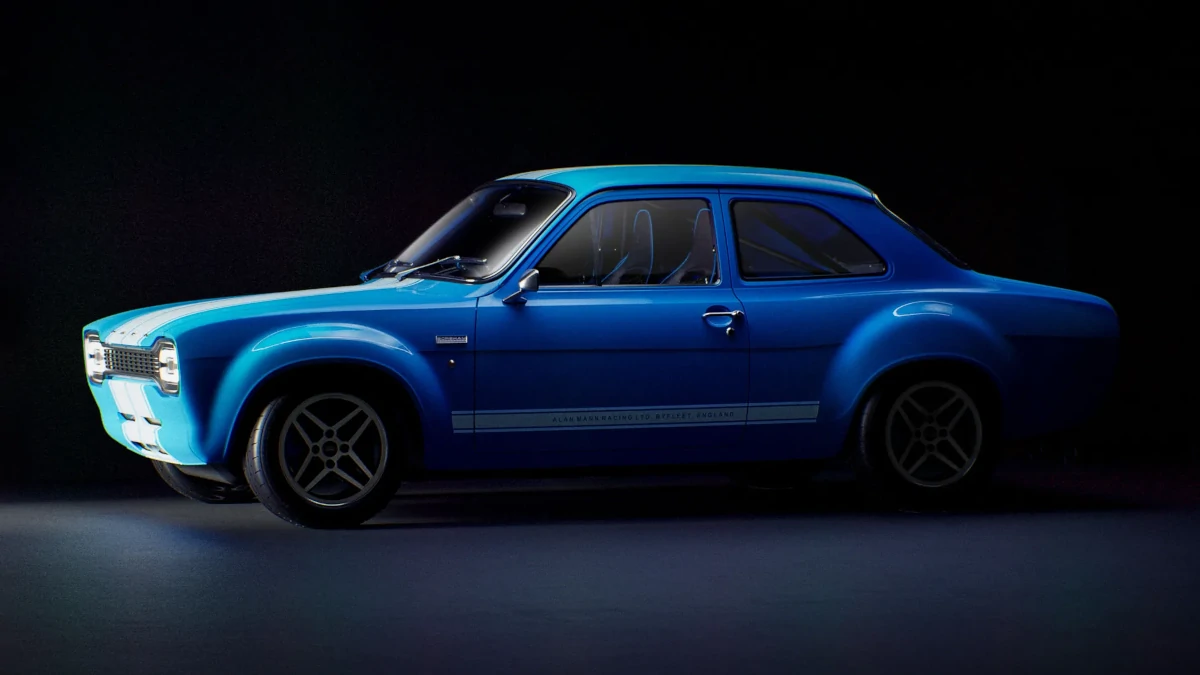

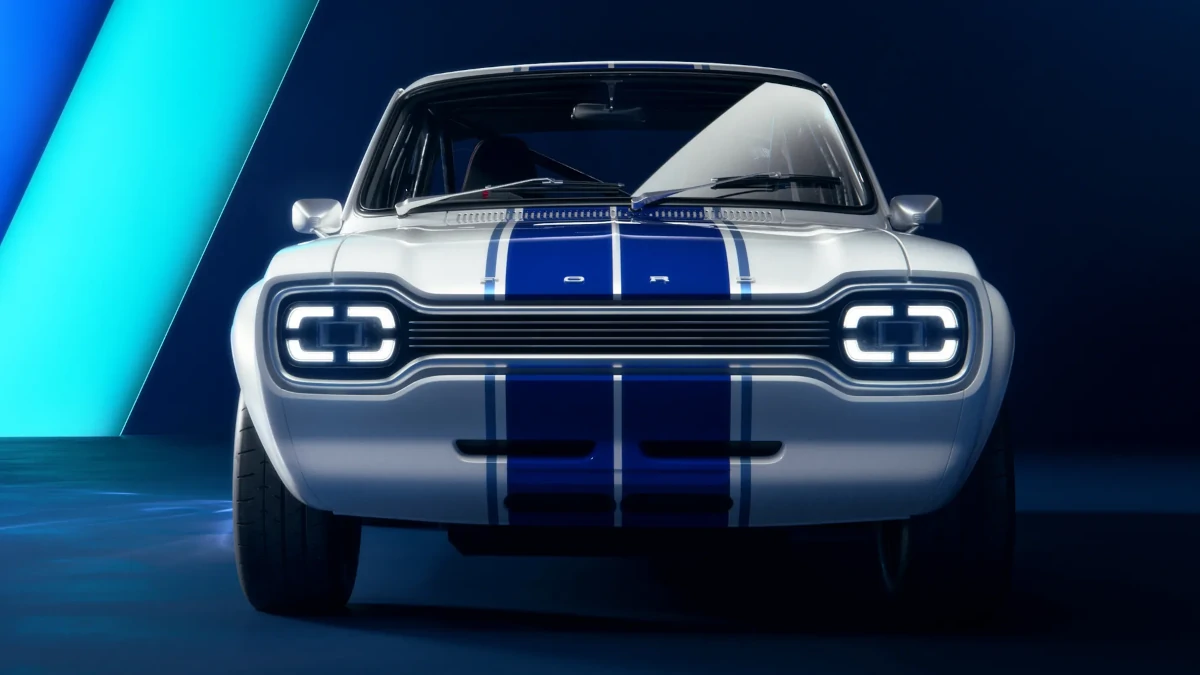
The Mk1 Ford Escort RS has returned—not as a million-dollar ground-up rebuild of a rusty donor car, but as a brand-new, very shiny continuation version of a ’70s icon that looked and sounded amazing.
Boreham Motorworks, the company behind this officially licensed ‘continumod’ that gets continuation chassis numbers, appears to have nailed the whole “looks and sounds amazing” brief, because a) this car looks amazing, and b) with the more powerful engine option, it’ll sound amazing.
Primarily because that second engine option is a new ‘motorsport-derived’ 2.1-liter naturally aspirated four-cylinder engine with double overhead cams, forged steel conrods, a billet crankshaft, motorsport-spec fuel and ignition, and a weight of just 85kg.
OTHER STORIES YOU MIGHT HAVE MISSED:
The all-new Toyota Urban Cruiser is actually a Suzuki underneath
First drive: The Hyundai RN24 prototype is the right step forward for the N division
It’ll also rev to 10,000rpm and produce 296hp along the way, matched to a five-speed dogleg gearbox and a bespoke titanium exhaust system “tuned for performance and exhilarating sound.” Safe to say, the noise will be fairly unhinged.
Boreham is offering another engine variant—a standard-fit 1.8-liter ‘Twin Cam’ with fuel injection and a dry sump—kicking out 182hp on its way to 9,000 rpm. That’s paired with a four-speed manual ‘straight-cut’ gearbox. Both versions are, of course, rear-wheel-drive.
Speaking of straight cuts, Boreham has built this new Mk1 RS to tolerances the “original pencil draughtsmen would not have considered possible.” The original Ford blueprints were pulled out of the archives, and the original Mk1 was fully scanned using high-tech lasers.
That’s so Boreham could a) rebuild the RS to the same shape and dimensions as Ford did back in the ’70s, but also b) make it stronger, more efficient, stiffer, and handle a bit better, too.
As such, it designed and manufactured new jigs and fixtures for the body assembly, deployed carbon fiber for the hood, trunk lid, and inner structures, steel for the main body panels (reinforced and with wider inner arches), and aluminum and titanium for the floating rear axle.
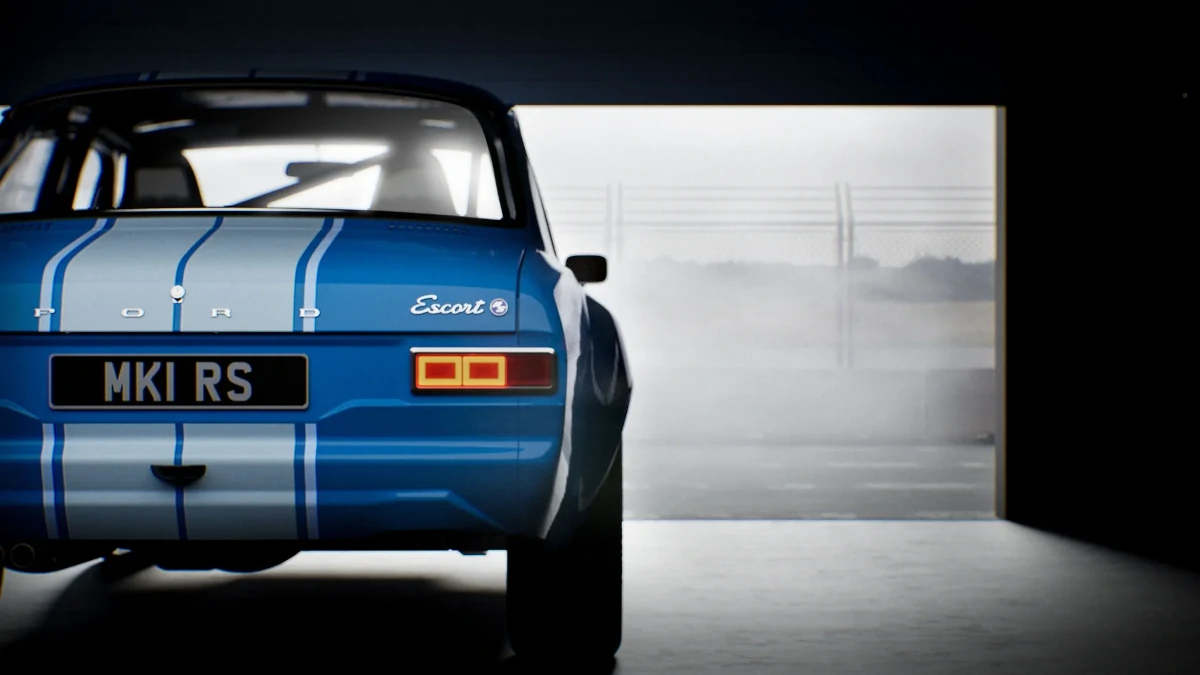
Speaking of floating rear axles, Boreham has fitted an ATB limited-slip differential and coilovers to give new buyers a taste of old-school RS performance. It also hasn’t fitted power steering, ABS, traction control, or a brake servo. Boreham describes the experience as ‘visceral’ with ‘controllable oversteer.’ You might describe it a bit more colorfully if you’re not on your A-game—especially when you consider Boreham is targeting a weight of just 800kg.
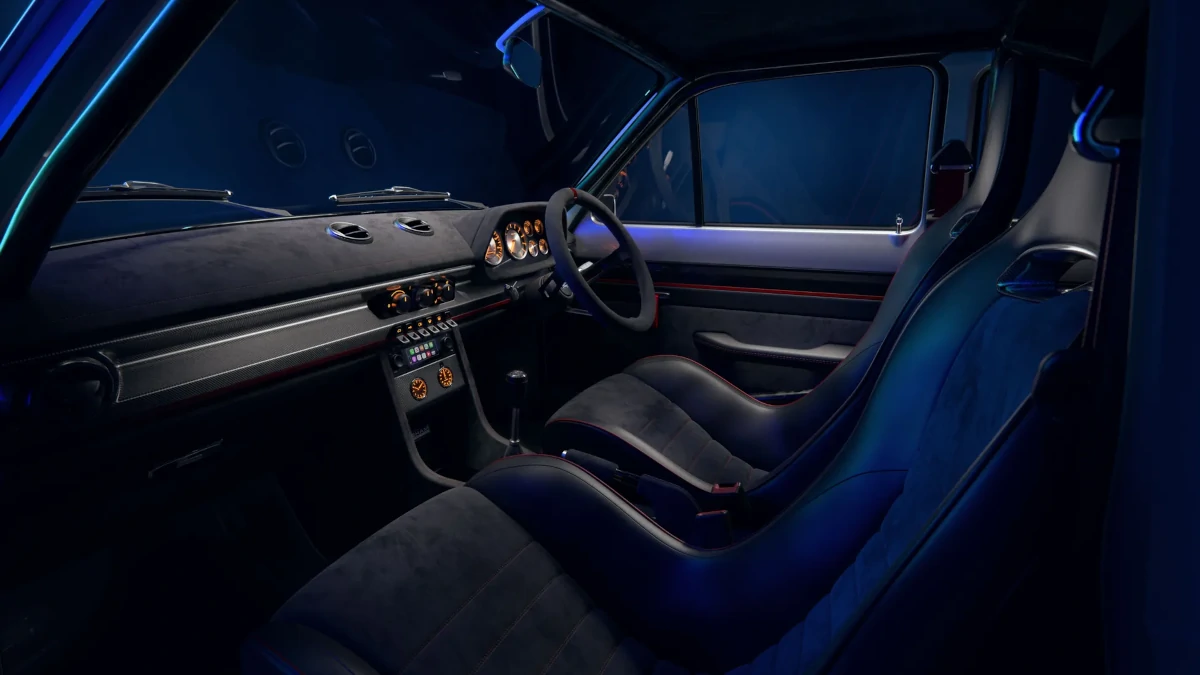
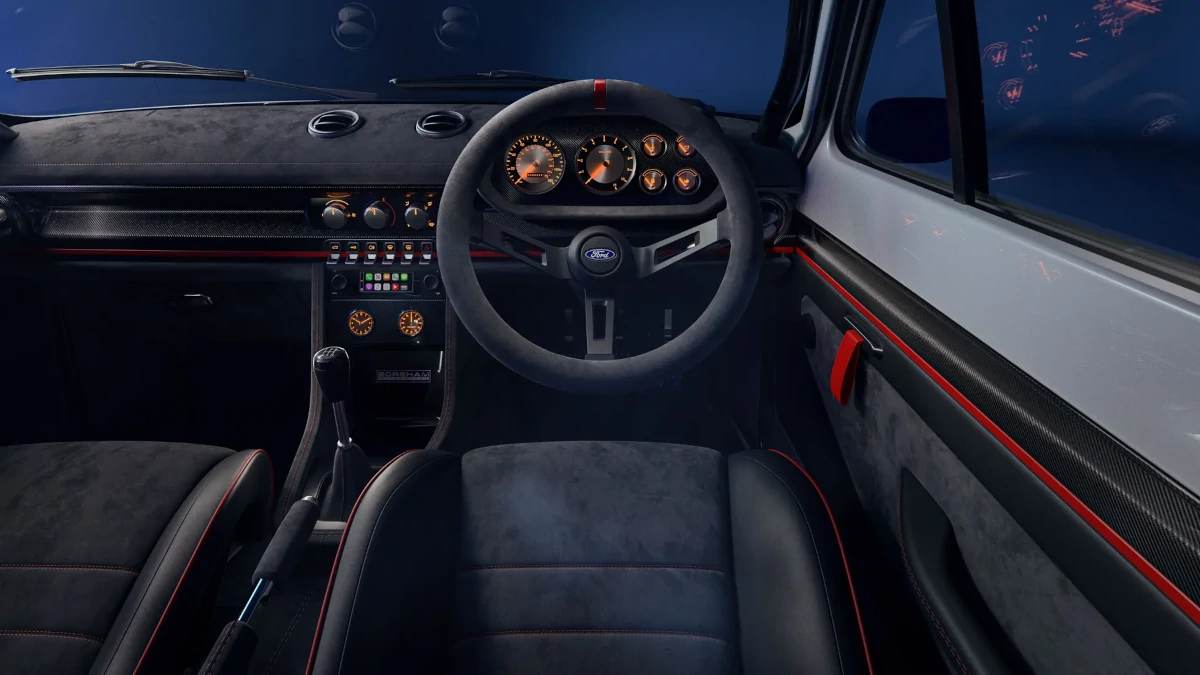
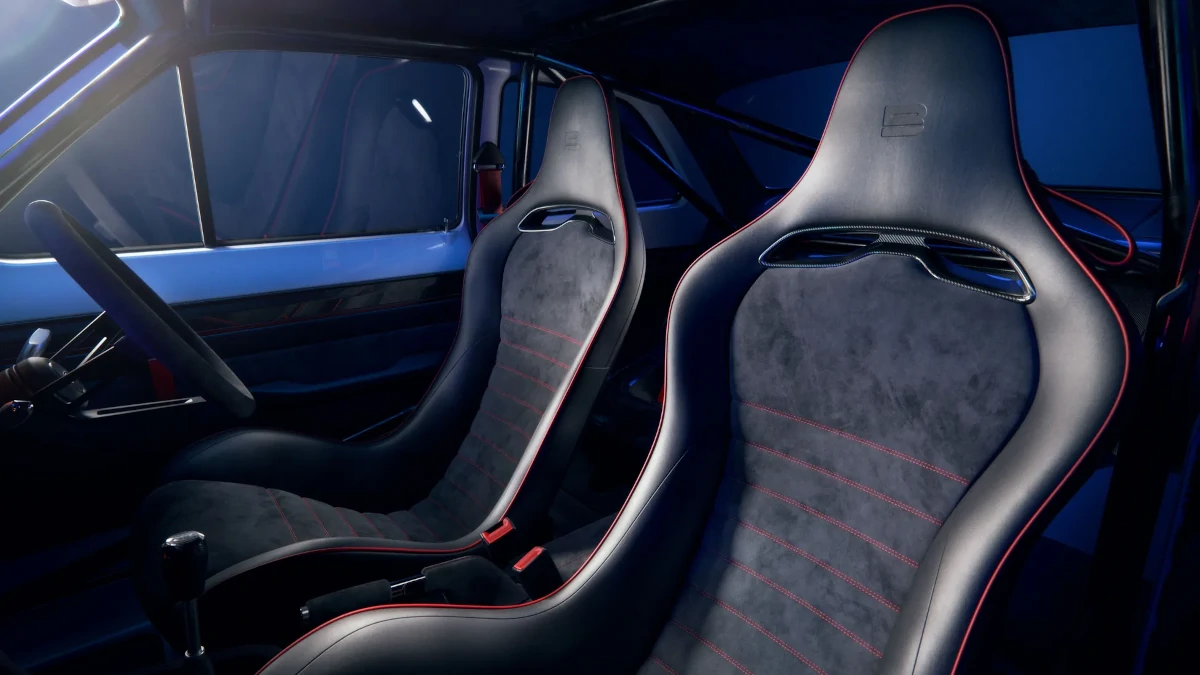
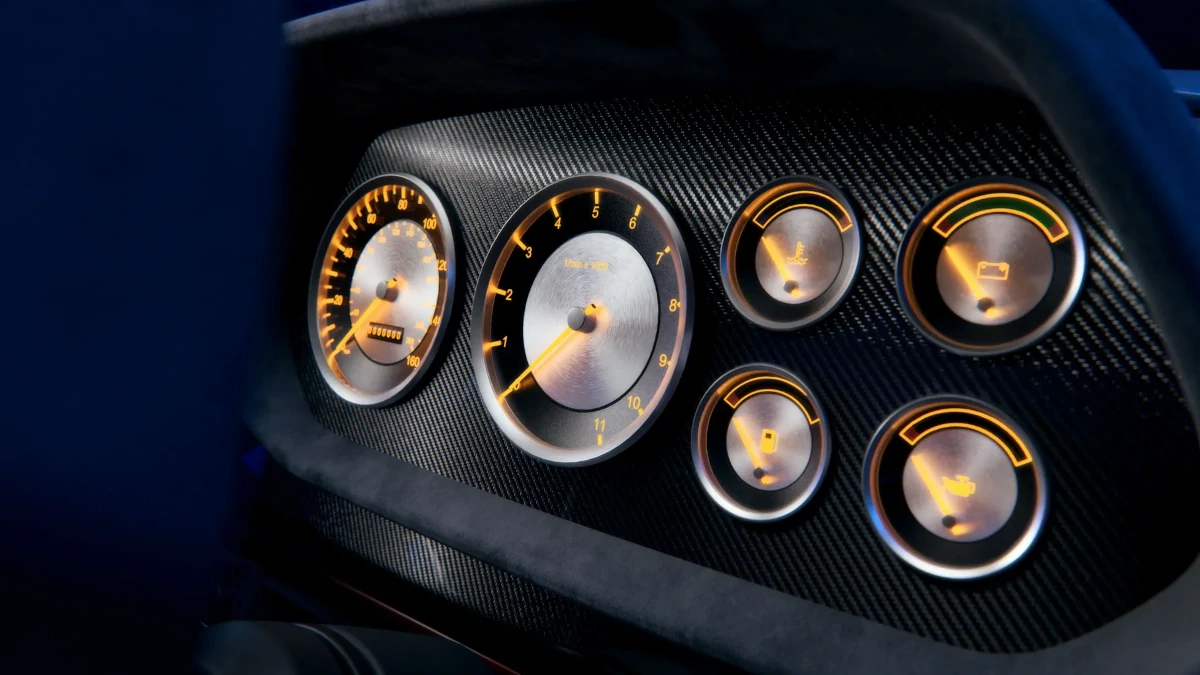
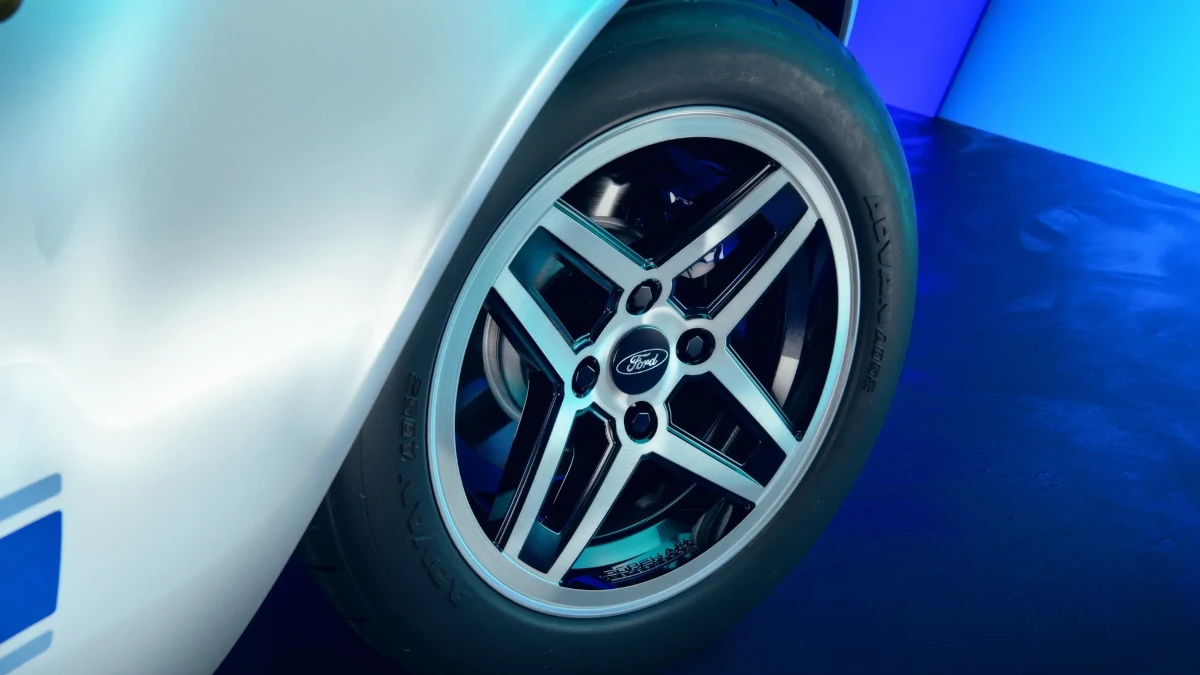
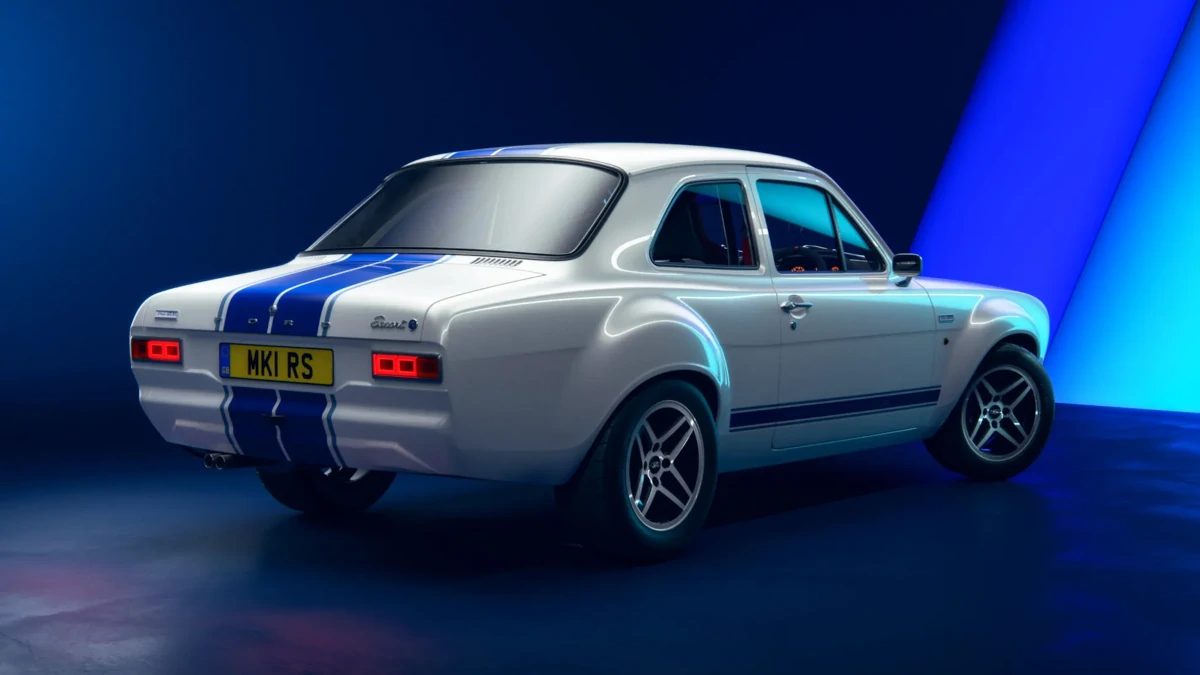
Wheels look good, no? Tiny, too. They’re 15-inch rims on wide tires, hiding fairly modest brakes by today’s standards—260mm four-pot calipers up front, 264mm two-pot calipers in the rear. Inside, it looks good as well. The usual suspects are present and correct—leather, alcantara, harnesses, carbon fiber, and a full roll cage—along with heated screens and air-conditioning. Those dials are an especially lovely touch. Ditto the dash design and covering. And the outside? Classic.
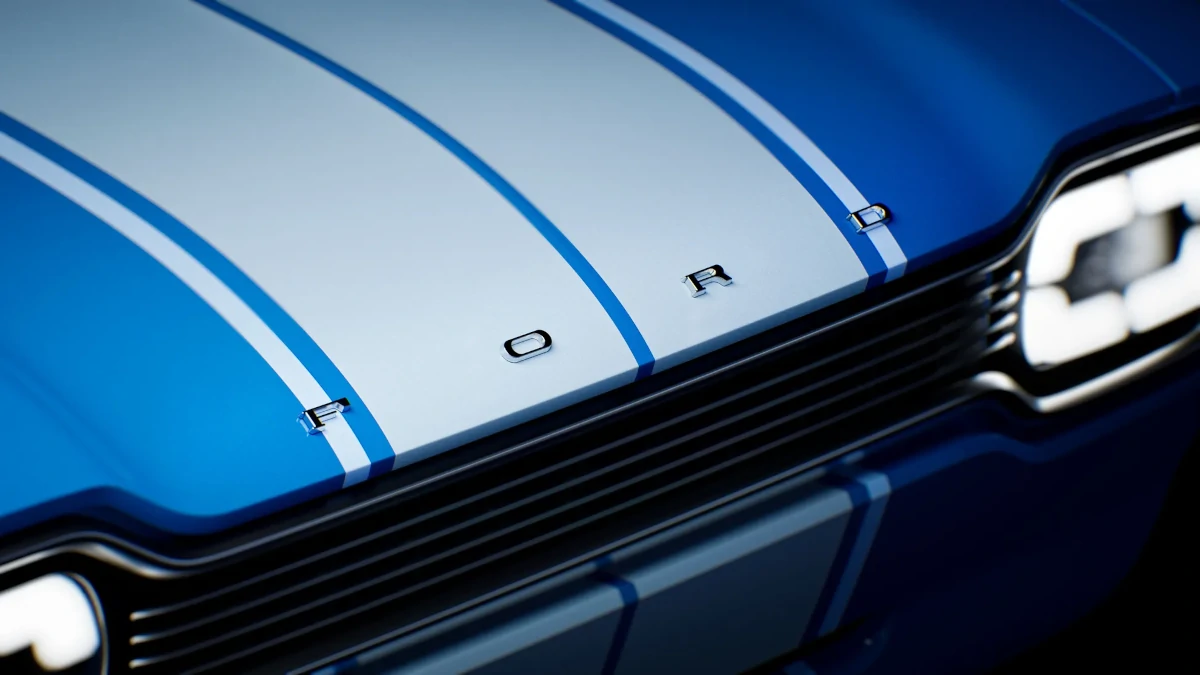
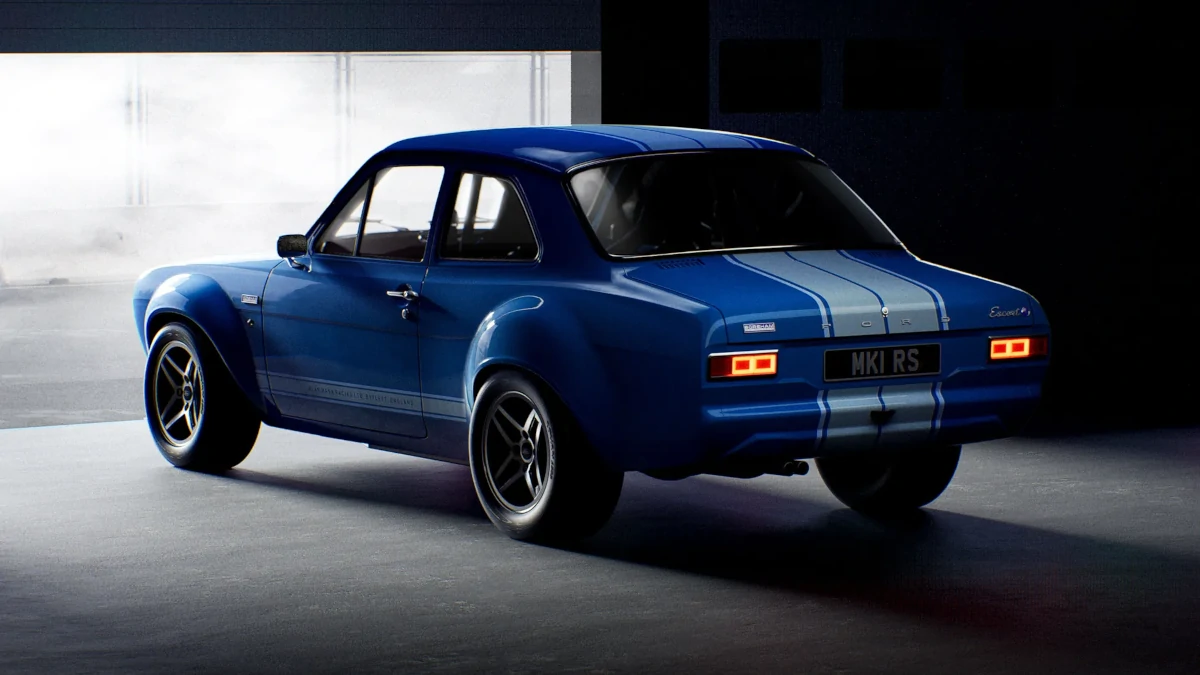
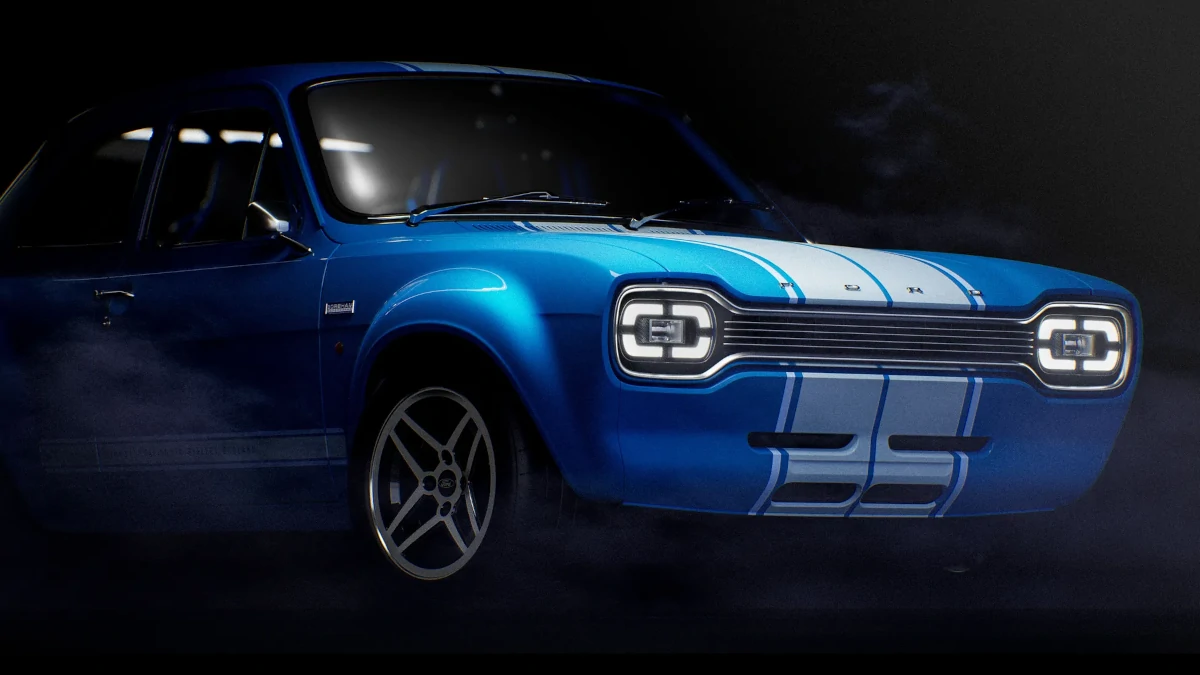
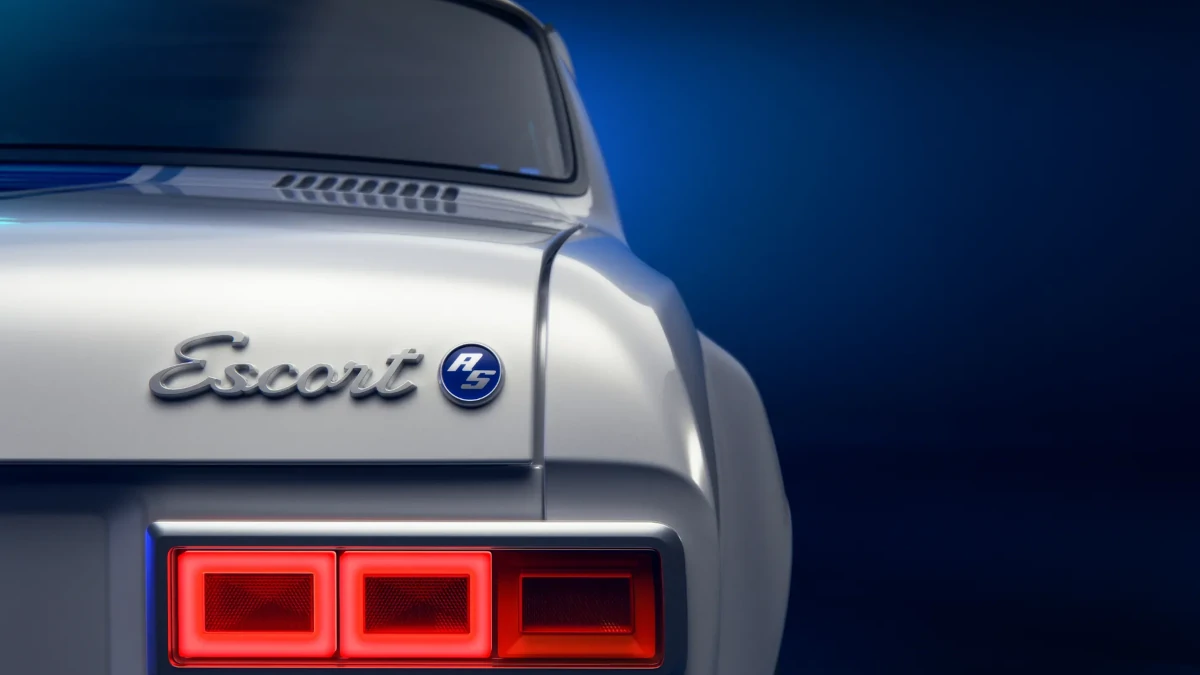
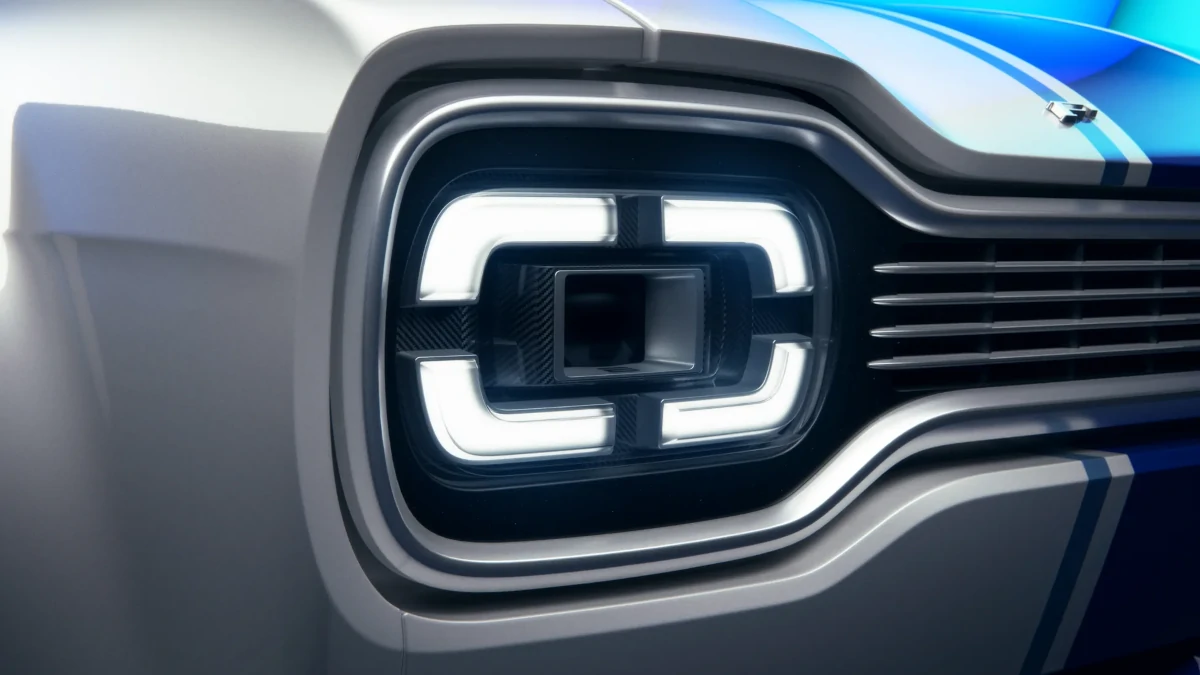
Design director Wayne Burgess—whose first car was a Mk2 Escort—has subtly enhanced the original RS shape. The quarter bumpers and indicators have been removed, the grille surround is now aluminum, and the headlights “are inspired by the classic lights often taped over during racing.” That’s cool. Spot the new door handles, taillights, and mirrors as well.
“Recreating the Ford Escort Mk1 RS for a new generation is not just about building a car,” said Boreham Motorworks boss Iain Muir, “It’s about honoring a legacy that has inspired driving enthusiasts for over half a century.”
Said enthusiasts will still need fairly deep pockets, though. While it’s not a million-dollar ground-up rebuild of a rusty donor car, prices start from £295,000 (P21.8 million before taxes), and production will be limited to just 150 units. For that outlay, you get a two-year/32,000km warranty and a production date of Q3 2025.
More photos of the Mk1 Ford Escort by Boreham Motorworks:

NOTE: This article first appeared on TopGear.com. Minor edits have been made.