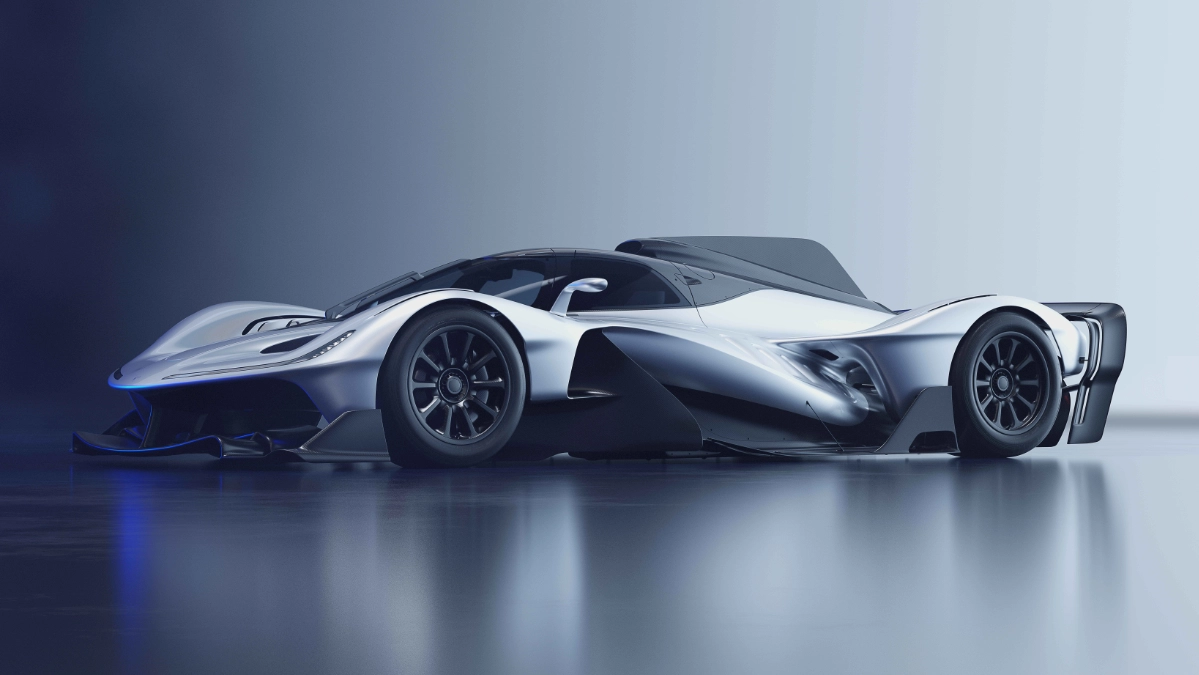
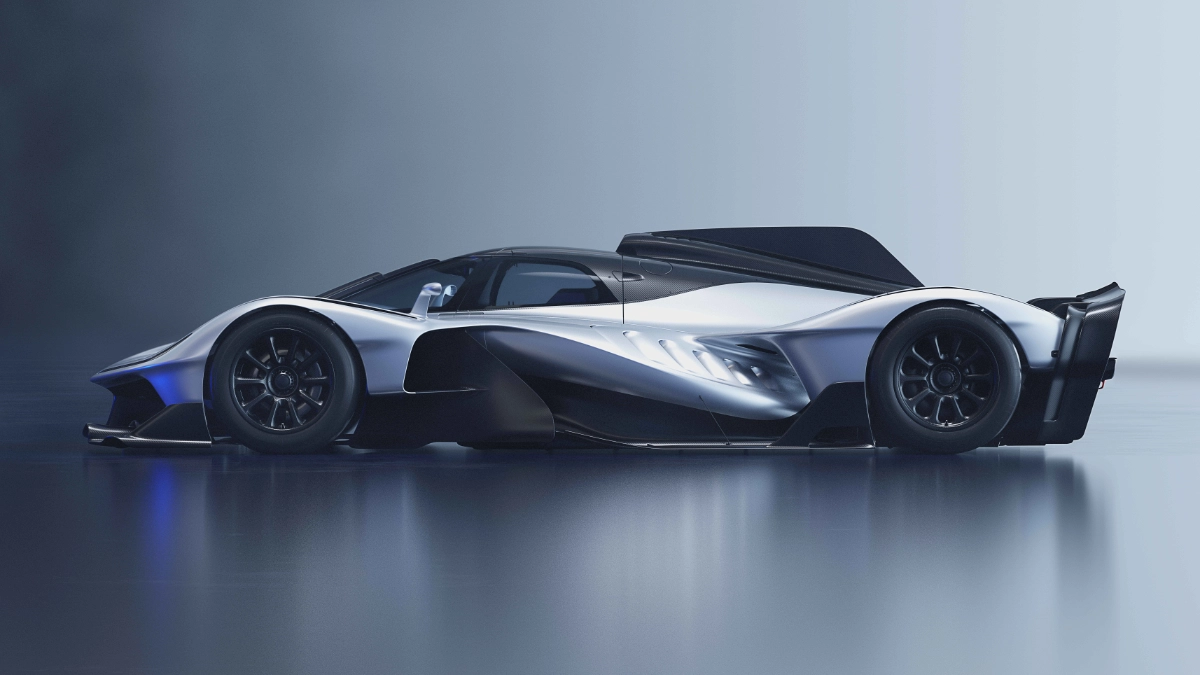
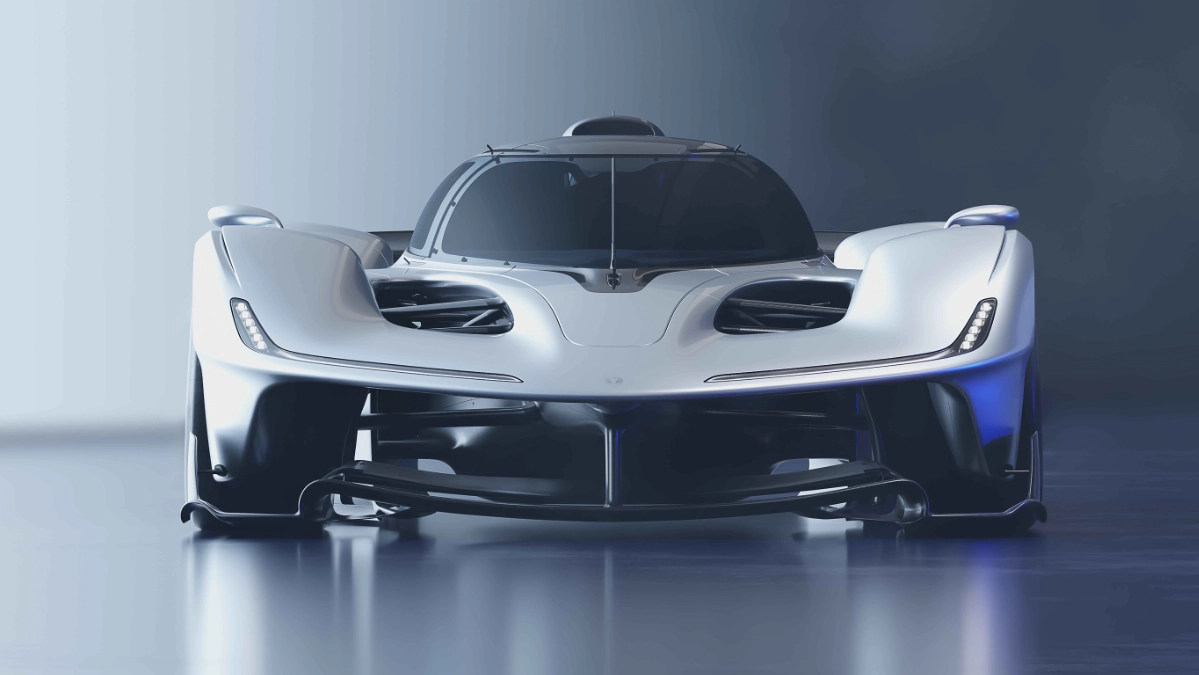
Adrian Newey may have left Red Bull to join Aston Martin a year ago, but he’s still keeping a keen eye on how his ultimate track car—the crazy RB17—is progressing back at the old office. Welcome to the RB17, v2.0. Looks fast, doesn’t it?
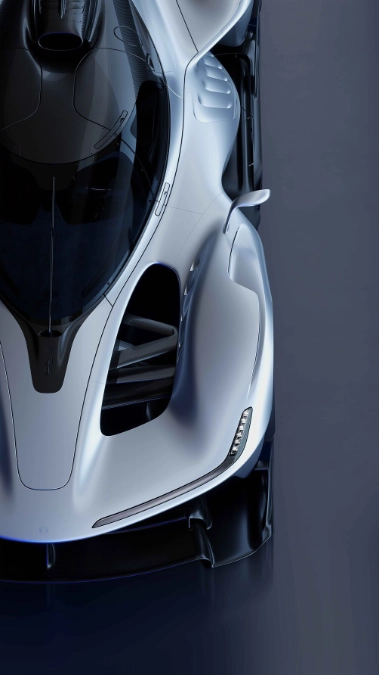
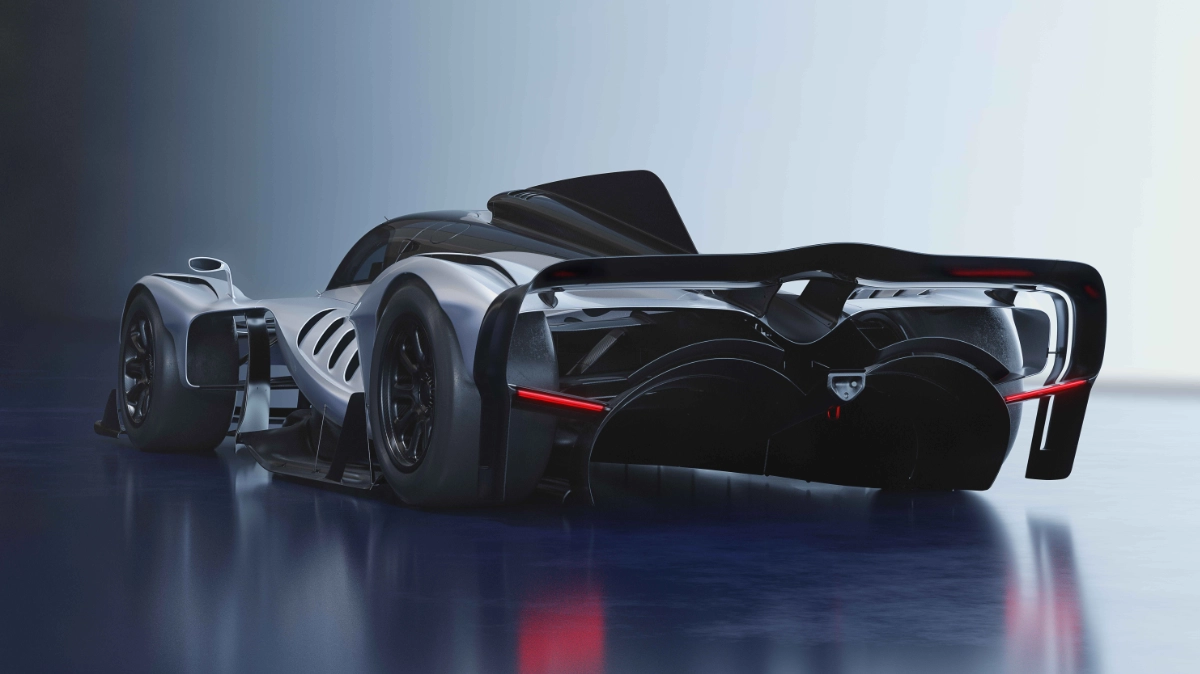
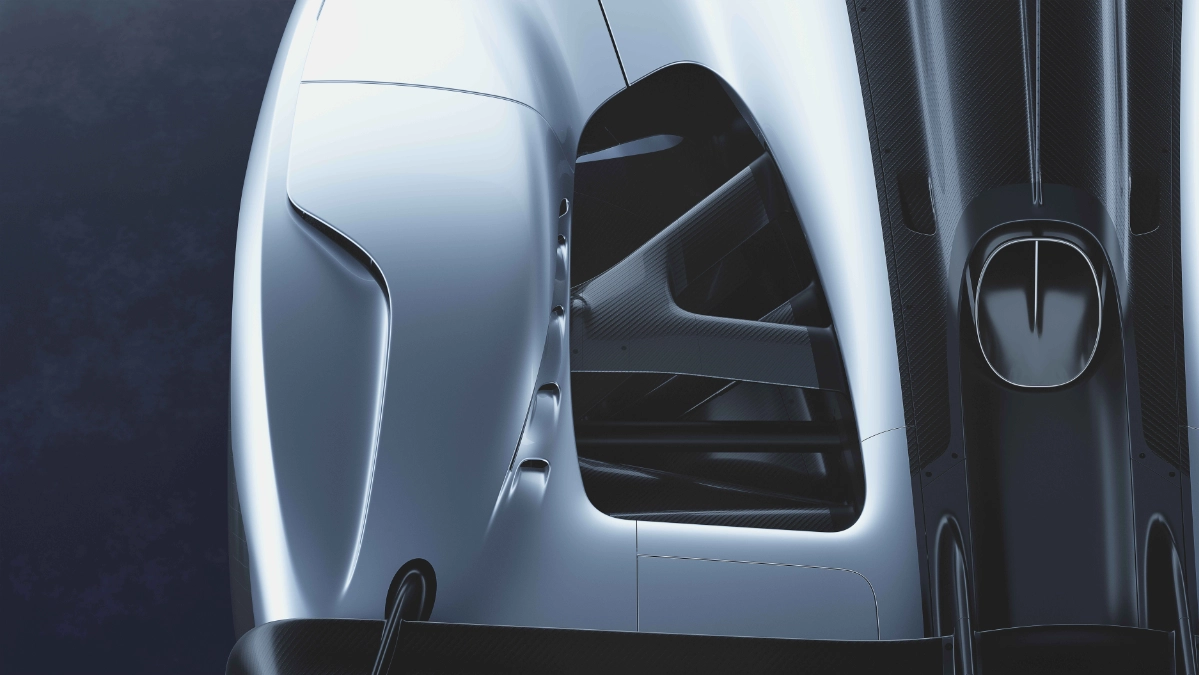
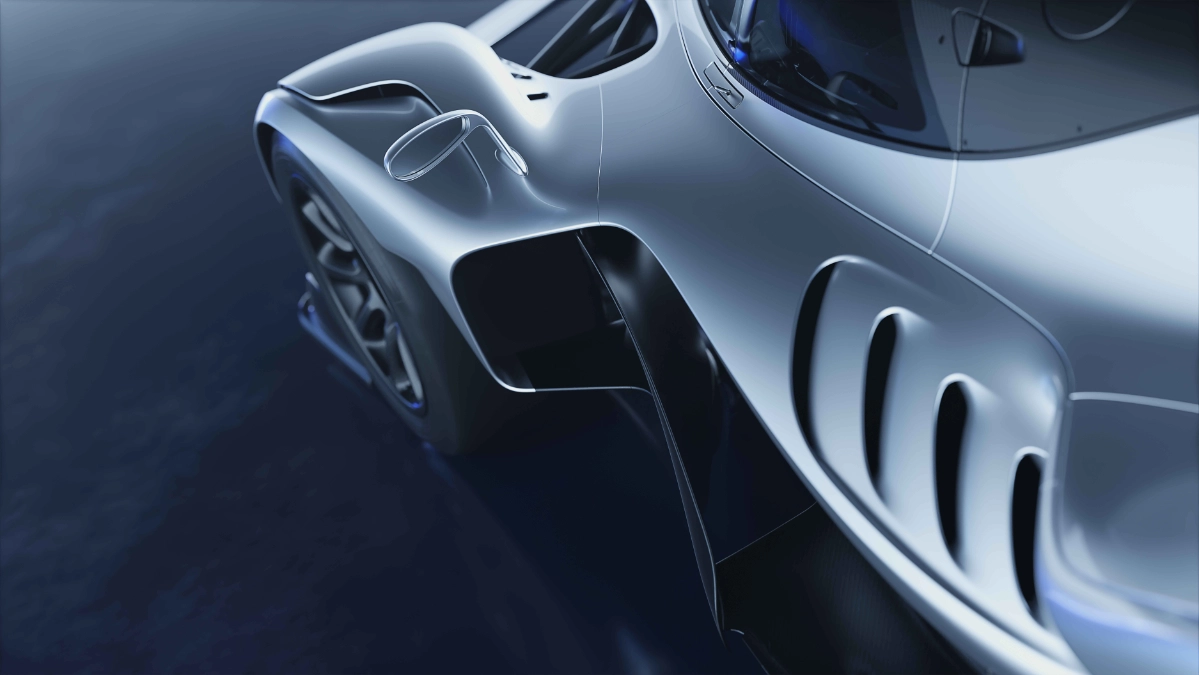
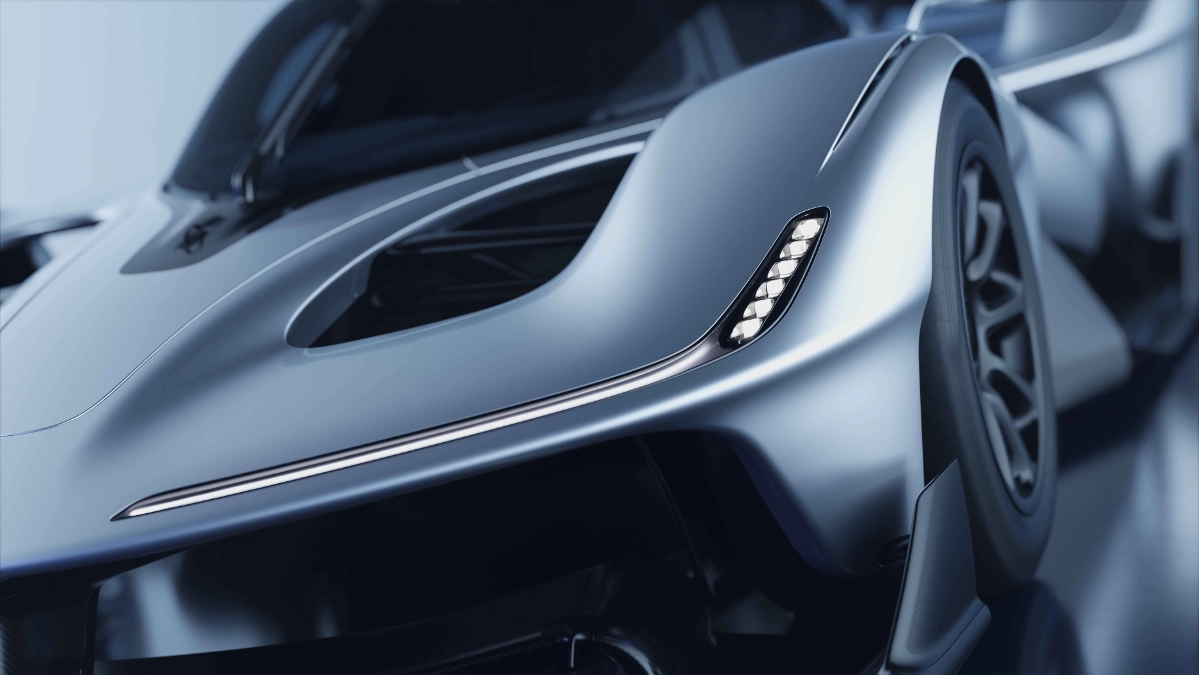
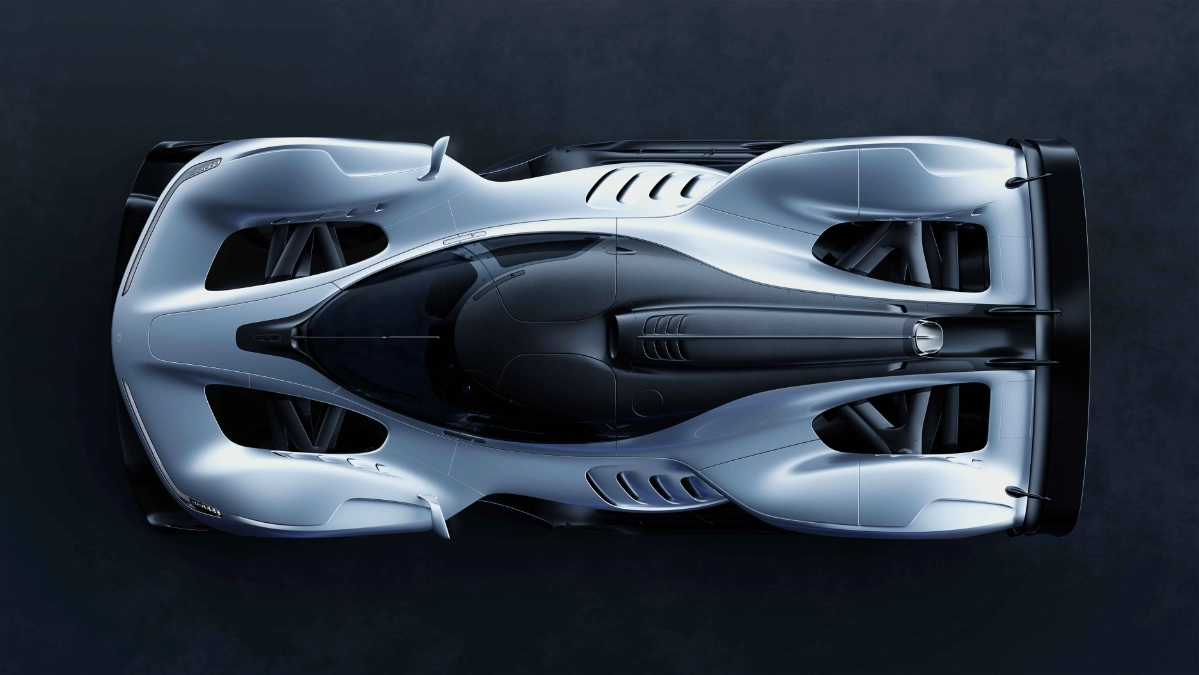
Immediately, you’ll spot changes like the hockey-stick LED front lights, which give the car more of a ‘face.’ There are more finely wrought cooling vents. The engine cover has sprouted a huge sailfish-like fin.
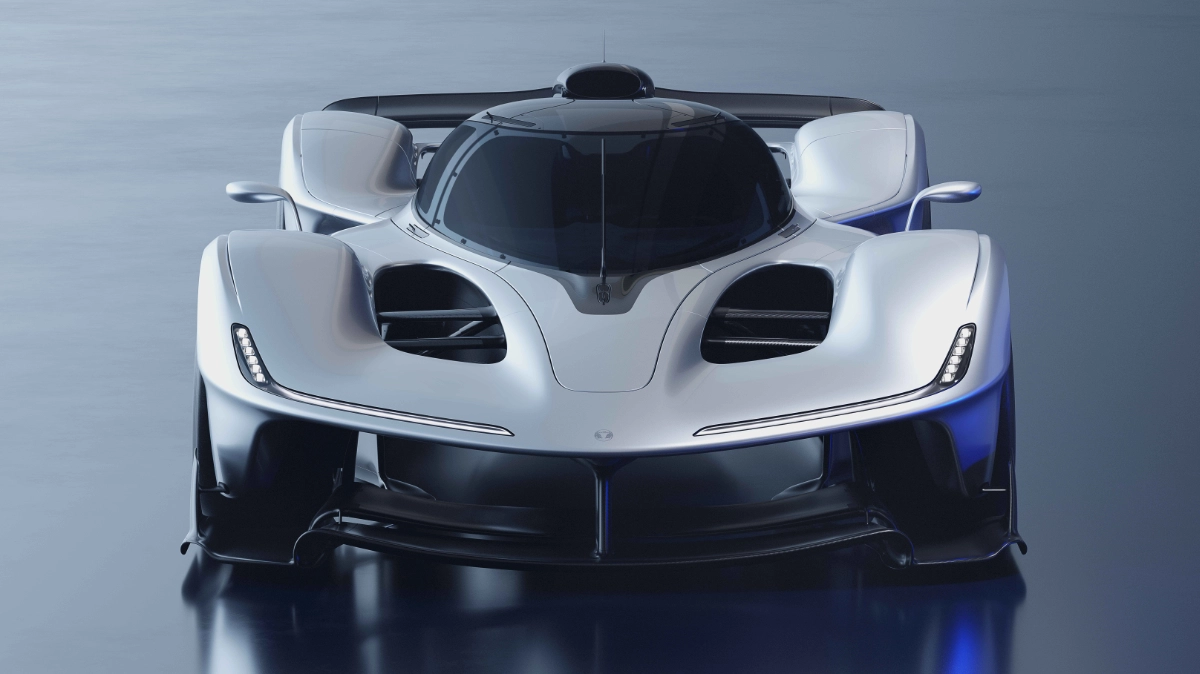
Size-wise, the RB17 is very slightly smaller overall than the original model, though the footprint still matches a modern F1 racer. It also now sports real-world considerations like side mirrors...and a wiper—ready for a storm, are we?
OTHER STORIES YOU MIGHT HAVE MISSED:
What could it be? Toyota Gazoo Racing to preview a mid-engine two-seater on Jan. 9
LTO removes registration fee for motorcycle top boxes
But unless you can ‘read’ air like Mr. Newey, it might take a little while to decipher all of the changes. Take your time.
Meanwhile, TopGear.com spoke to Rob Gray, technical director of Red Bull Advanced Technologies (RBAT), about the RB17’s development. “Adrian’s allowed [to consult on the project], and he’s still interested in what’s going on,” he said. “But to an extent, we got what we needed from him, we know what he wanted the car to look like, and he’s always on the end of the phone if we need him.” So if next season’s Aston sucks, you know where he was distracted.
So, what’s an example of Newey’s obsessive fiddling? “One of the last changes Adrian made was to move the exhaust onto the spine of the engine cover.” Jeez. That doesn’t sound easy. Or cheap.
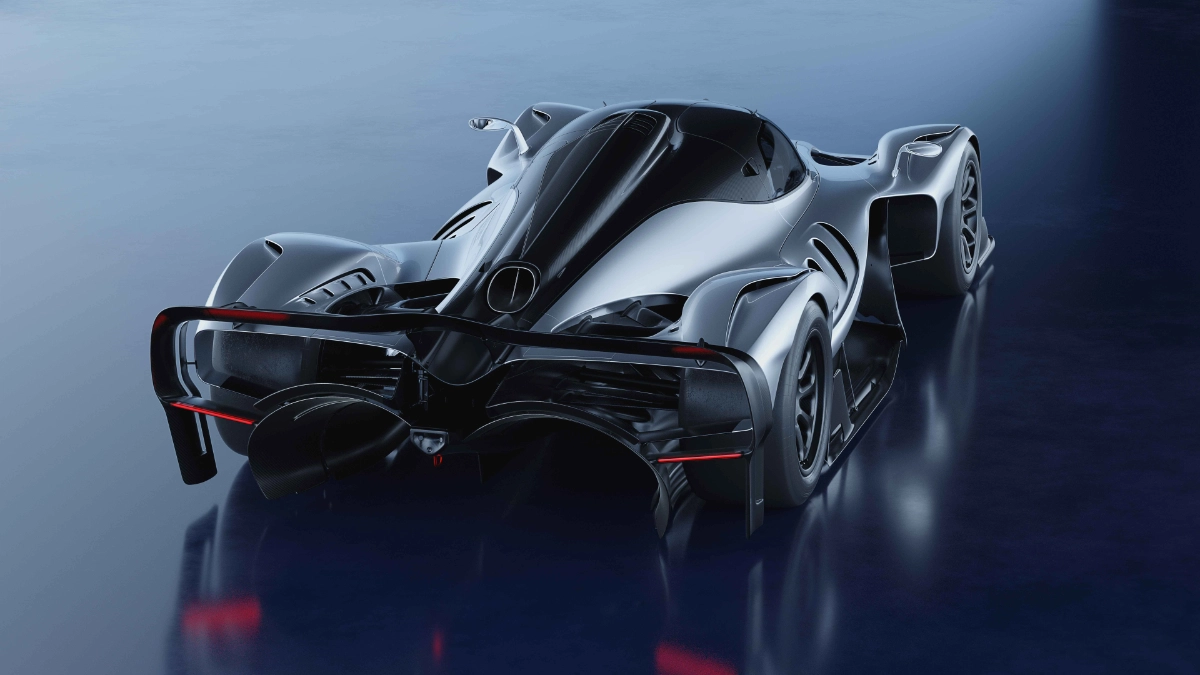
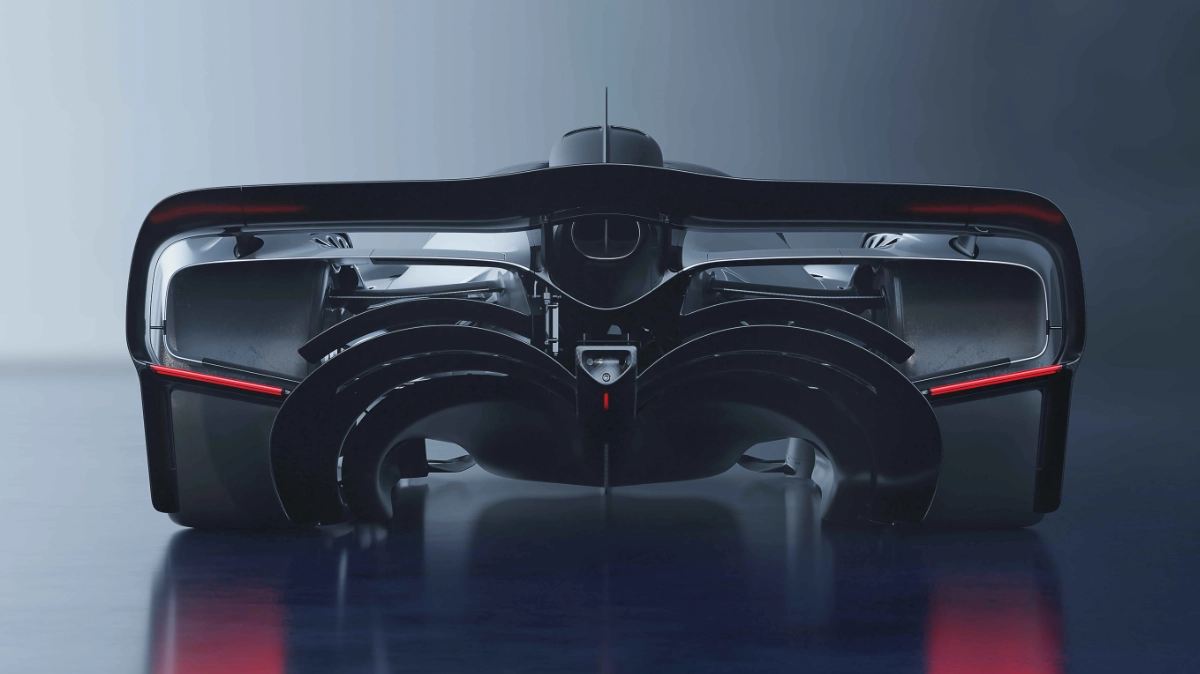
“Yes, that’s quite a big change,” Rob agreed, “and led to a lot of work on the thermal side of things. To stop bits catching fire.”
Said exhaust will emit an unholy howl. Amidships lies a 4.5-liter Cosworth V10 that’s totally bespoke to the RB17. It revs to 15,000rpm and develops 1,000hp. An e-motor handles reverse, sustains torque during the (apparently millisecond-instant) upshifts, and adds a 200hp electric boost.
But the noise is pure late ’90s, or early 2000s F1 nostalgia. Newey’s personal favorite F1 soundtrack is the McLaren-Mercedes MP4/15, so the tuned ten-into-one exhaust manifolds are honed to output that searing note.
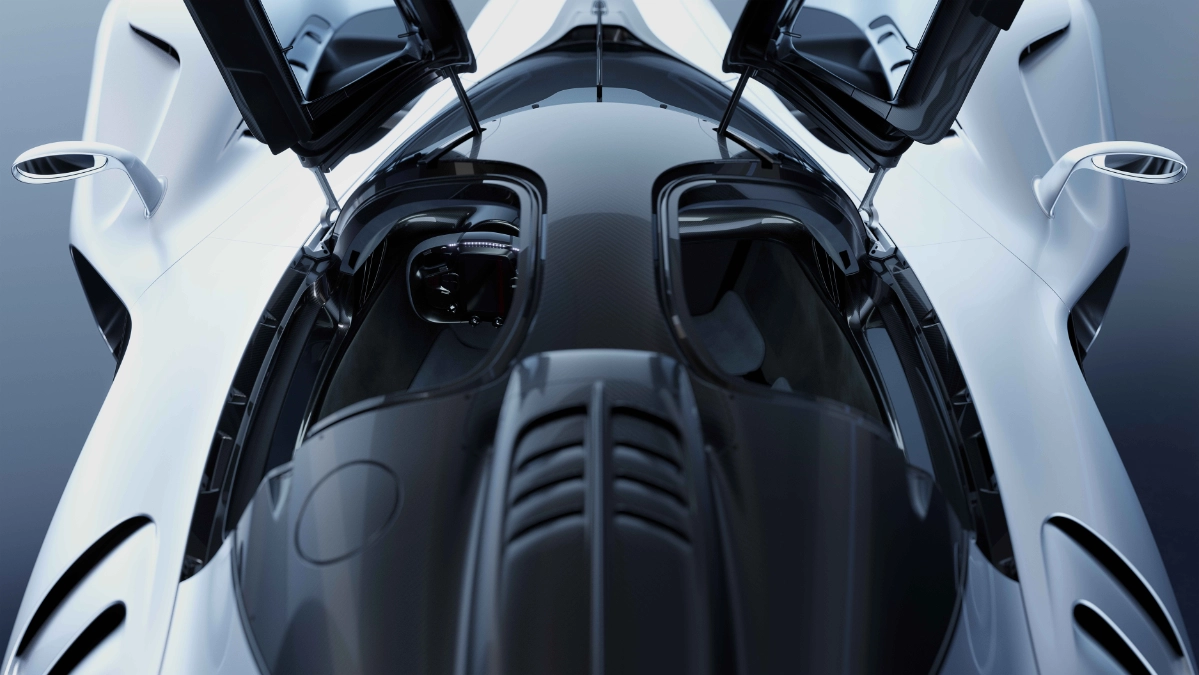
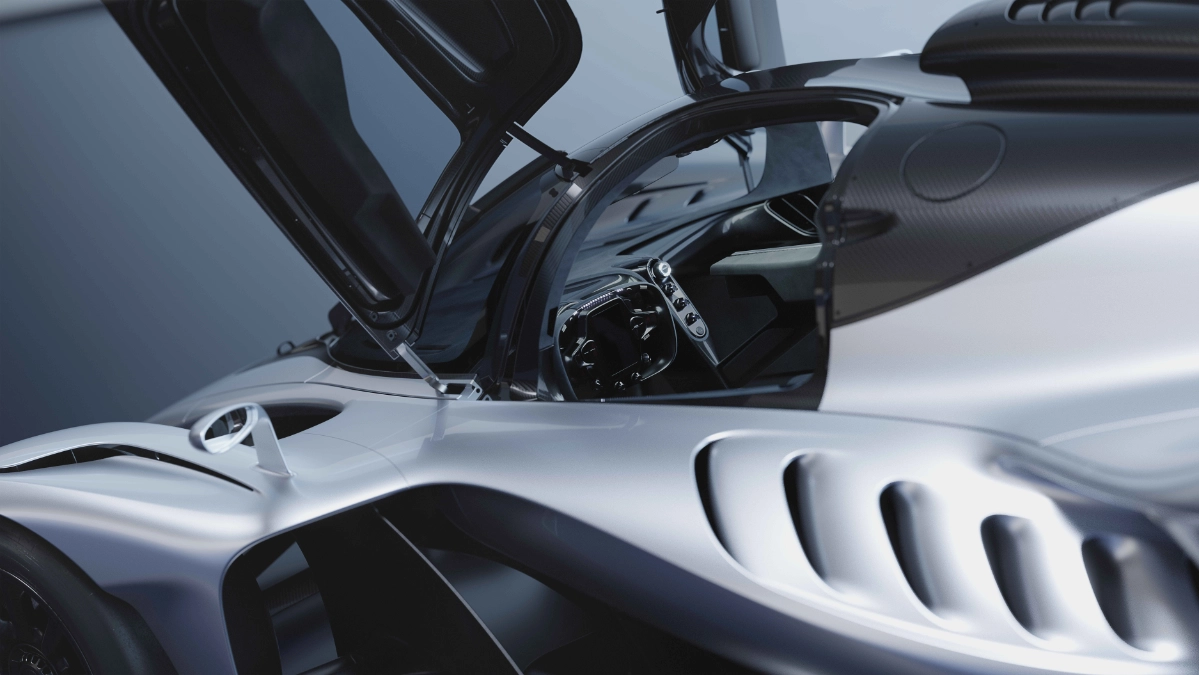
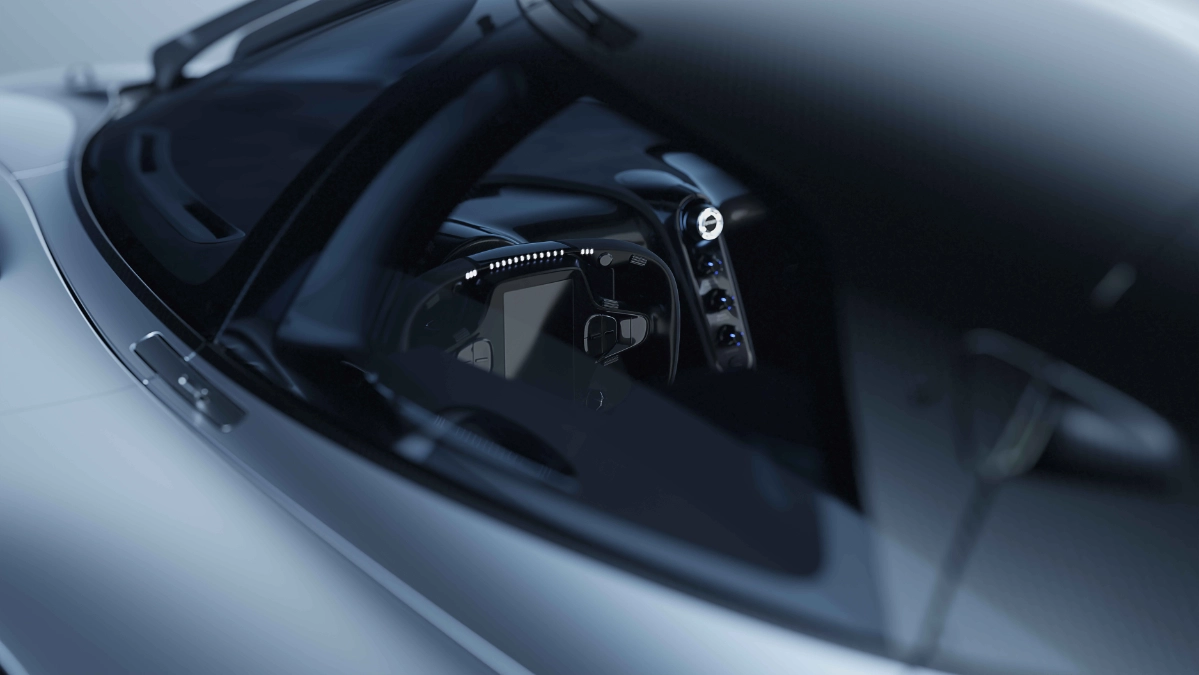
This is also our first glimpse of the RB17’s interior. It’s all business and built to Le Mans prototype crash regulations, despite the fact that the RB17 isn’t actually eligible to race. Rob tells us that it seemed like a sensible “duty of care,” and given that this car will apparently make mere mortals capable of lap times that would have Max Verstappen on pole position, you’d have to agree.
Button placement and even lines of sight are still being finalised on a buck in the RBAT factory, but Rob told us haptic controls and touchscreens are not even being considered—everything will be worked via tactile, physical controls that are simple to operate (when you’re pulling 5G thanks to 1,700kg of fan-assisted downforce). After all, you don’t see many touchscreens or capacitive buttons in F1 cars, do you?
Rob also points out that, unlike Newey’s previous closed car design for Aston Martin, the RB17 uses front-hinged butterfly doors rather than roof-pivoting gullwings, which makes it easier to get in and out because the occupants can stand on the seat before sliding down. Woo!
The first RB17 is in construction now, though it’s already completed a huge amount of mileage testing both in the F1 simulator and with various components tortured on dynos.
We’ll likely see it this summer doing (eargasm-inducing) test laps at various F1 grand prix, while the first of the 50 customer cars will go into full-scale British-built production next spring.
Best get to training your neck…
More photos of the Red Bull RB17:
NOTE: This story first appeared on TopGear.com. Minor edits have been made.