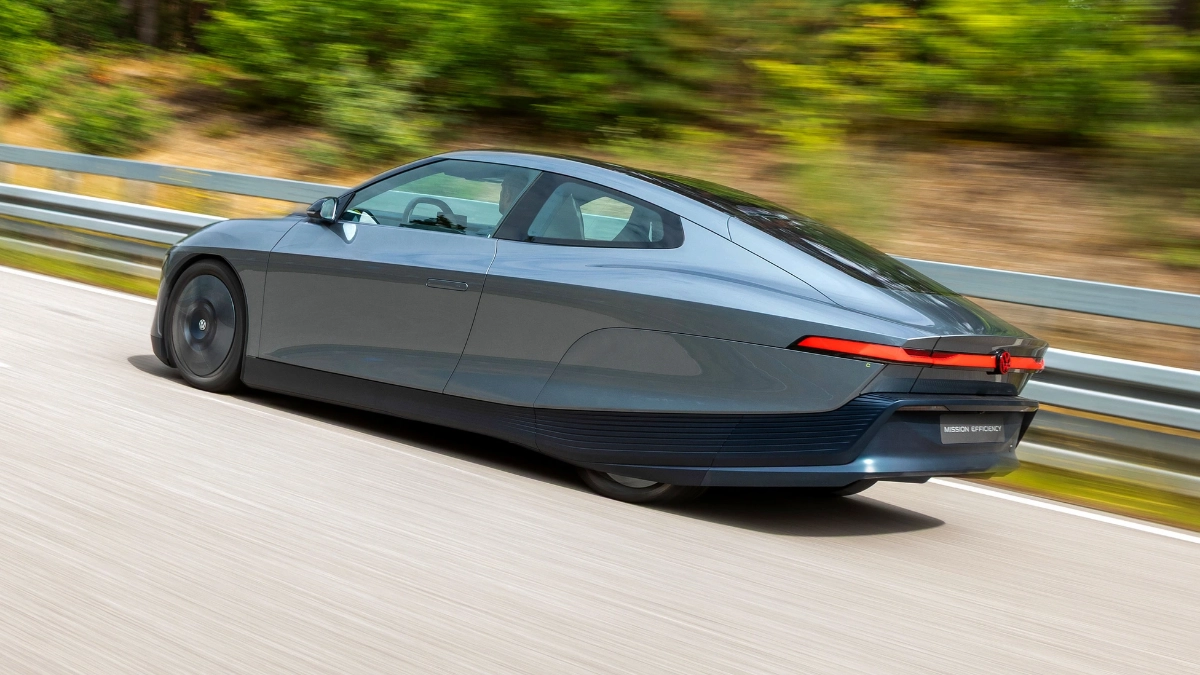
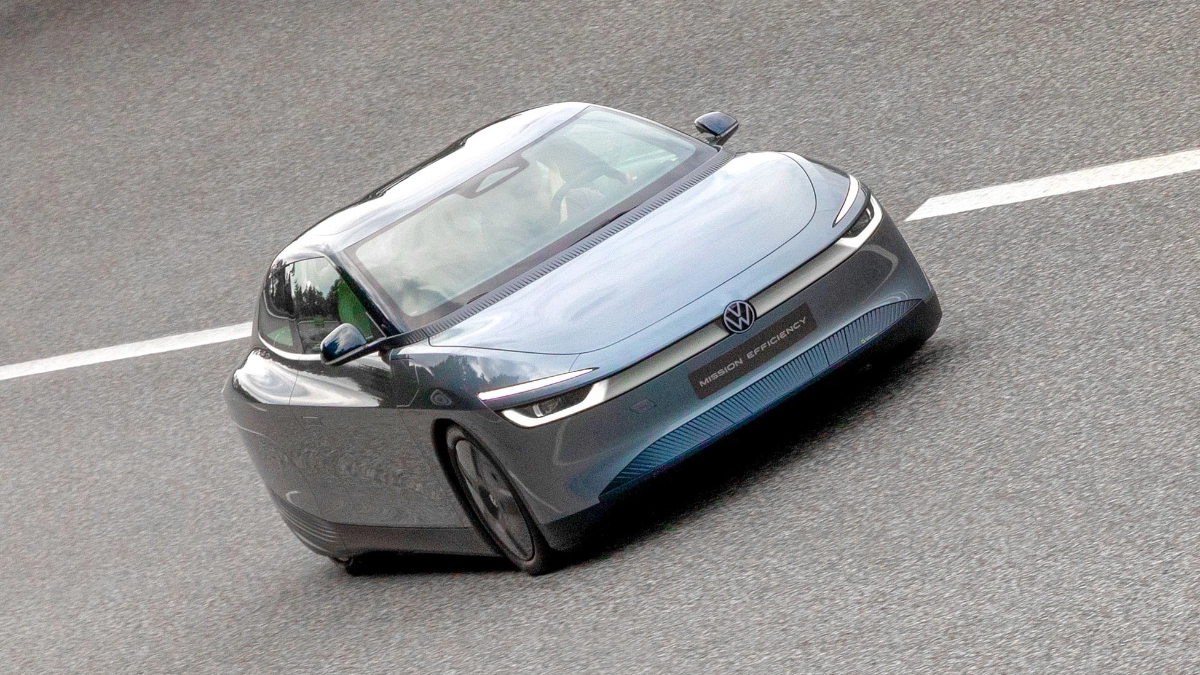
This is the Volkswagen Mission Efficiency. Admittedly not the most exciting of monikers, but in this era of electric mobility and cost-of-living squeeze, an exciting project: It’s an ID. Polo-based hatchback capable of around 800km of range.
And as you can see, it channels the spirit—and fairings—of the brilliant little XL1 from 2013. Where that car had the potential to squeeze out 127.5km/L from its teeny two-cylinder diesel, this one can cruise up to 210km/L. In very specific circumstances, naturally.
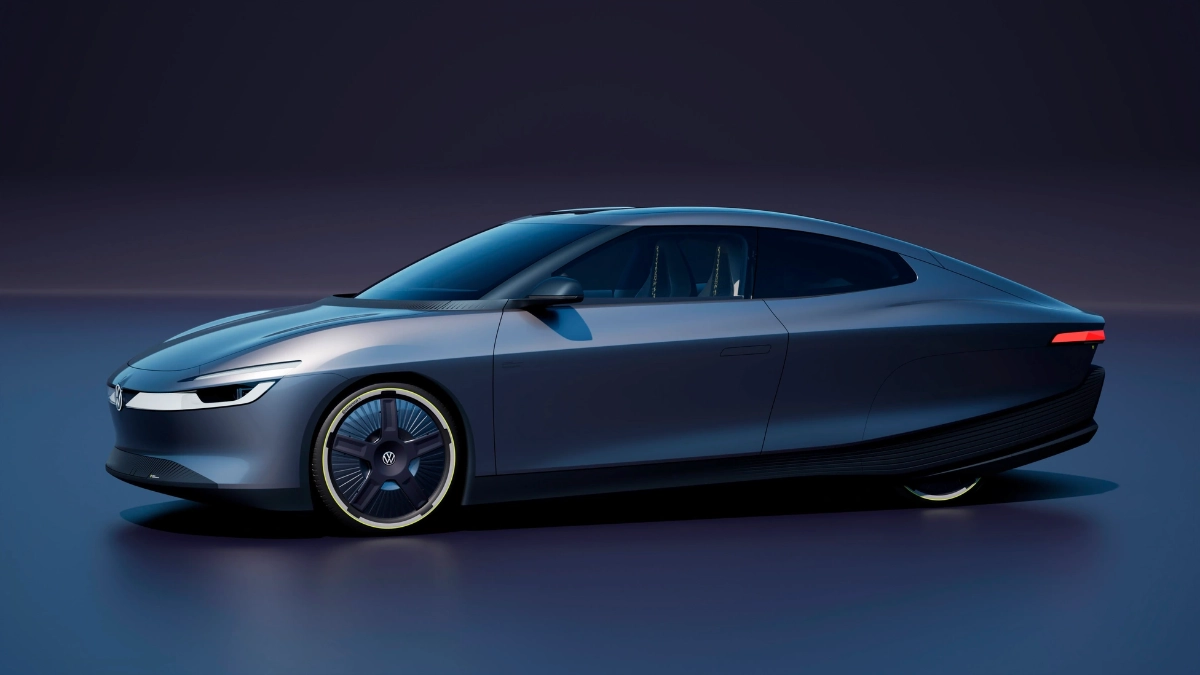
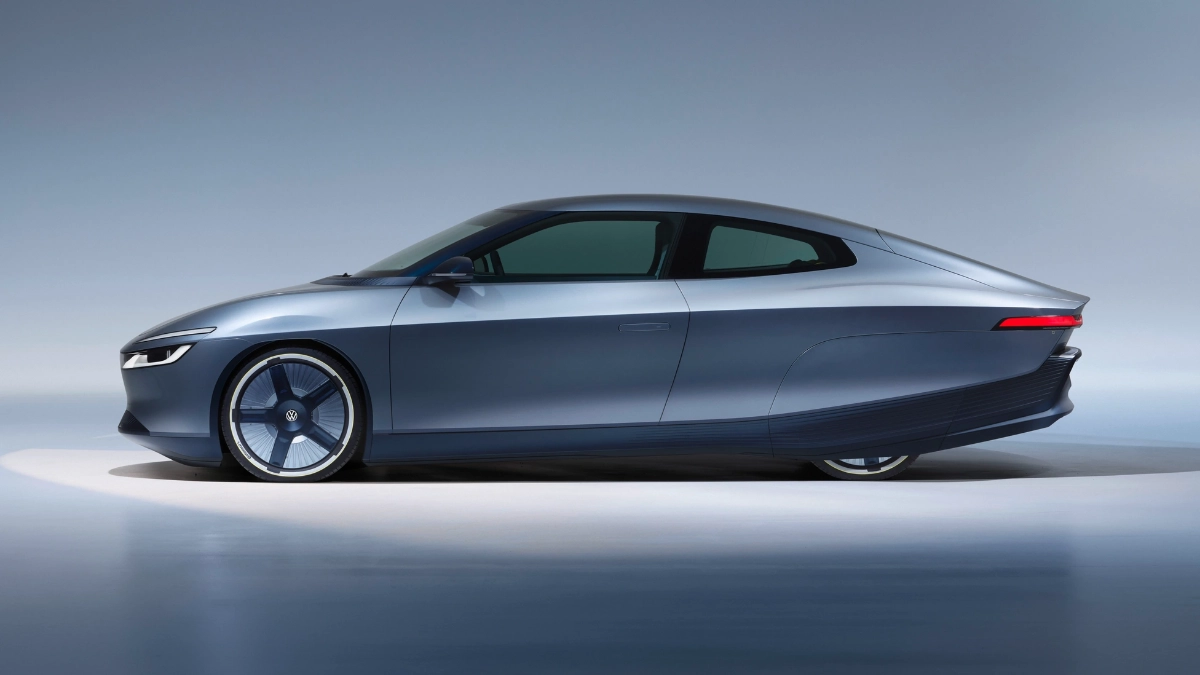
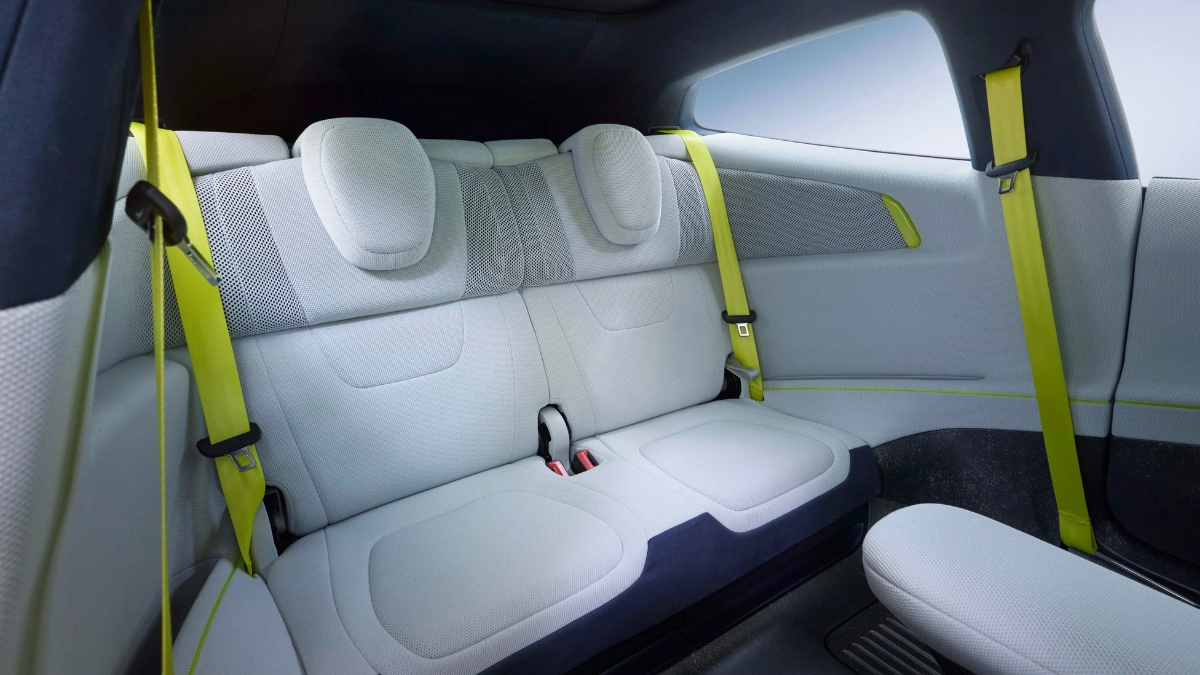
It’s based on the MEB+ front-wheel-drive platform that sits underneath that new electric Polo and the ID. Cross. It’s much longer and lower than an ID. Polo, offering four seats, the rearmost ones capable of storing passengers up to 5ft 3in.
OTHER STORIES YOU MIGHT HAVE MISSED:
The hydrogen-powered Toyota Hilux will debut in 2028
The BYD Atto 2 EV gets upgraded with a 501km driving range
But the key here is the use of production-ready tech like the 54.9kWh battery and the 133hp e-motor that are already in use. Then comes the ID. Polo’s front suspension and hydraulic brake, with an electromechanical brake on the back axle.
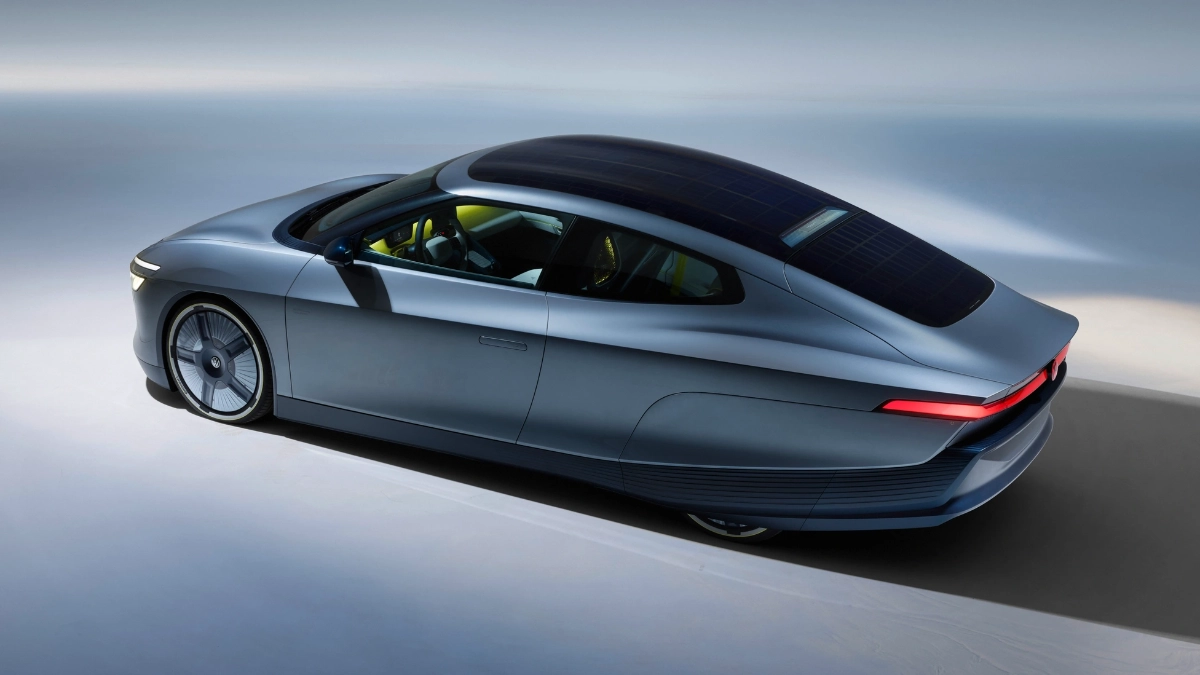
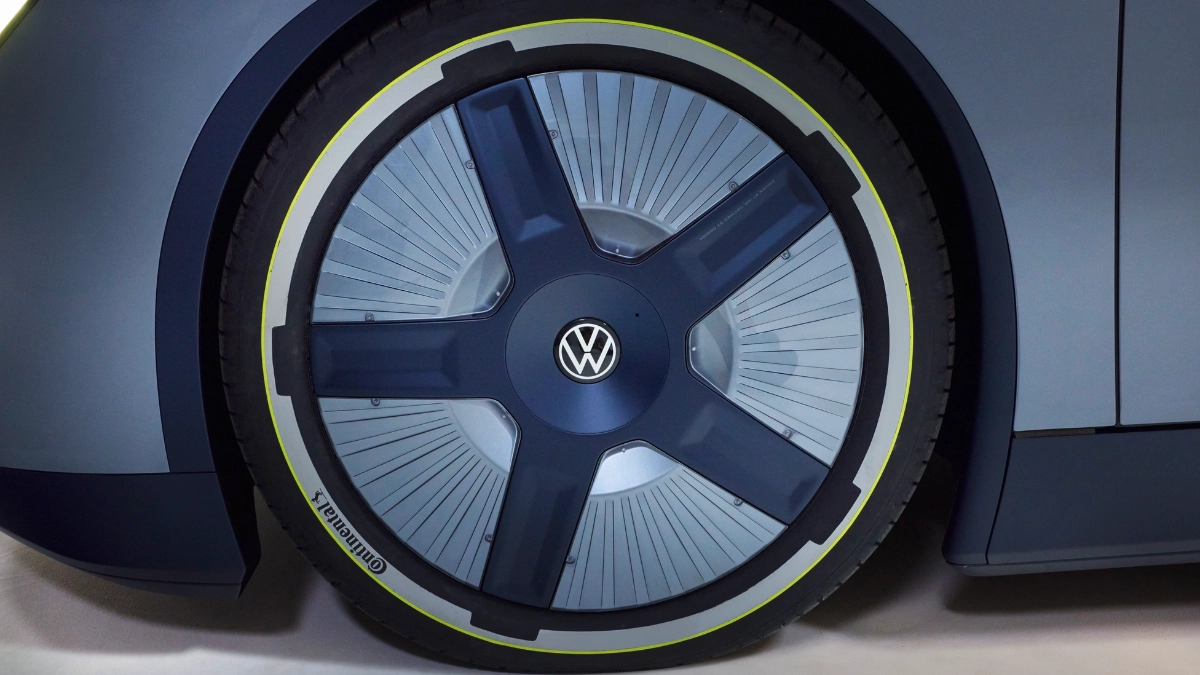
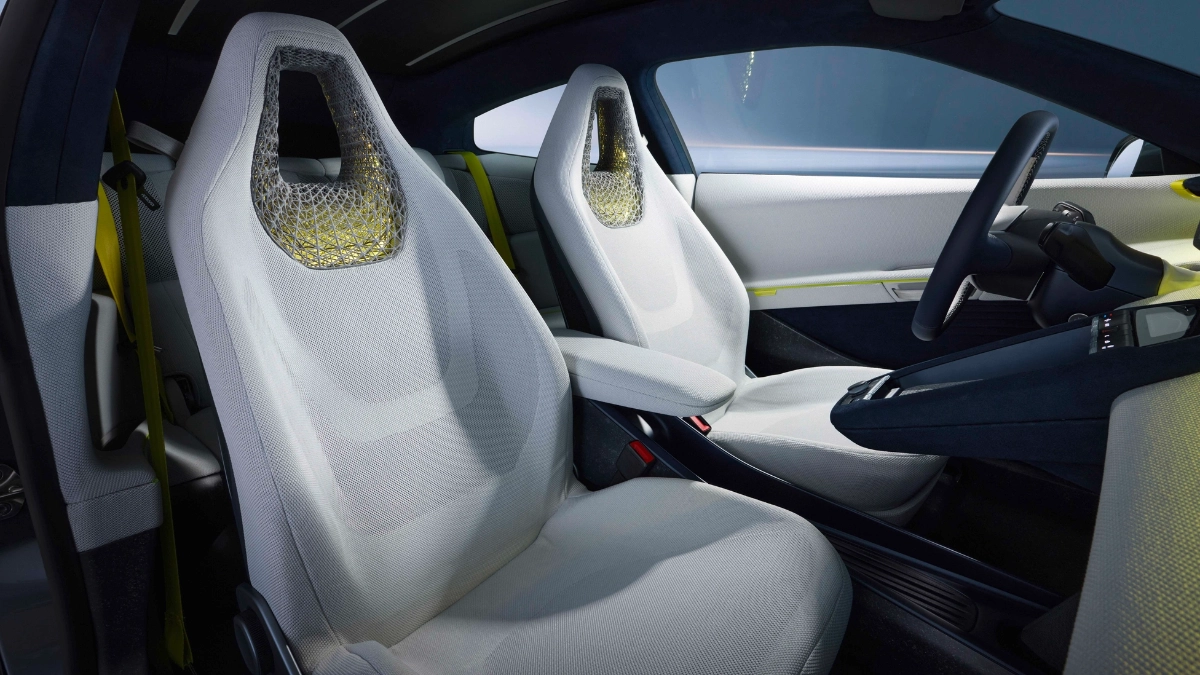
To this existing tech, Volkswagen has built a living teardrop with a low, small front, lots of cooling air flaps, covered rear wheels, and a fully covered underbody. The doors are frameless and feature integrated handles. Just like the XL1, everything has been done so the Mission Efficiency can glide through the air. VW quotes a drag coefficient of 0.158.
“The shape of the body itself is committed fully to functionality and thus the laws of aerodynamics,” said VW design boss Andreas Mindt. “This has resulted in a state-of-the-art, efficient sports car in which the DNA of the legendary Volkswagen XL1 shines through.”
Ah, yes—gliding. VW did an ‘ideal’ economy run devoid of slopes, fixed at a constant 68kph, and with aircon and other parasitic things switched off, where it achieved an astonishing 15.4km per kWh.
The carmaker also did a proper test drive from Wolfsburg to Vienna, driving through Poland and the Czech Republic, charging the thing only once. Across the 1,278km journey, the Mission Efficiency recorded 13.3km per kWh, and when it reached its destination, it still had around 160km of range left.
VW estimates an average consumption of 14.5km per kWh, which means in ‘ideal’ conditions, this little hatch could theoretically hover close to 805km. Obviously, things would get in the way, but as a tech demonstration, it’s mighty impressive.
“Rather than using specialist technology, the vehicle set its three world records using affordable production technology from the ID. Polo and ID. Cross, based on the MEB+ platform with front-wheel drive,” said VW boss Thomas Schäfer.
“This shows how much potential efficiency we can add to the latest generation of our electric cars.”
VW, of course, could use a bit of good news—as we’ve documented here, it’s in a bit of a pickle.
NOTE: This article first appeared on TopGear.com. Minor edits have been made.