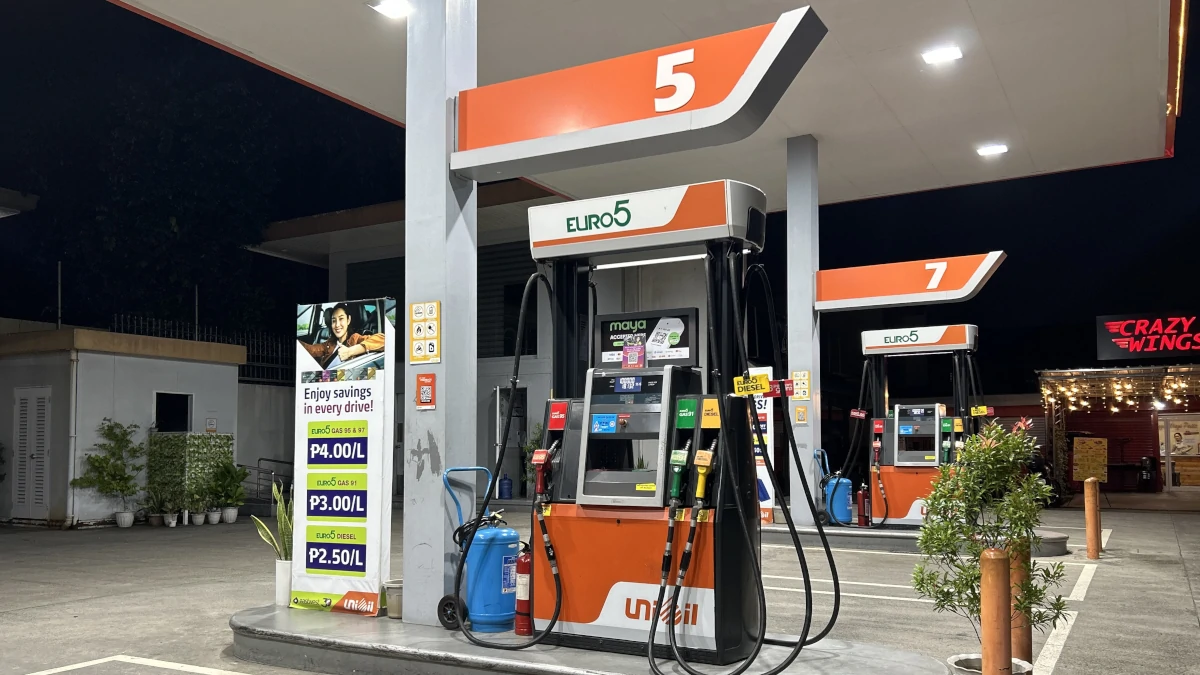
In its weekly Monday press conference, the Department of Energy announced that it has formally proposed amendments to Republic Act No. 8479 or the Downstream Oil Industry Deregulation Act of 1998, also known as the Oil Deregulation Law. Secretary Sharon Garin describes her department’s proposals as “practical measures that will strengthen our energy security, improve supply resilience, and better protect the Filipino people from future supply disruptions.”
The amendments shared by the DOE so far include an increase in the minimum inventory requirement of oil companies from 15 days to 30 days, as well as the establishment of a national fuel reserve good for 60 days’ worth of fuel supply.
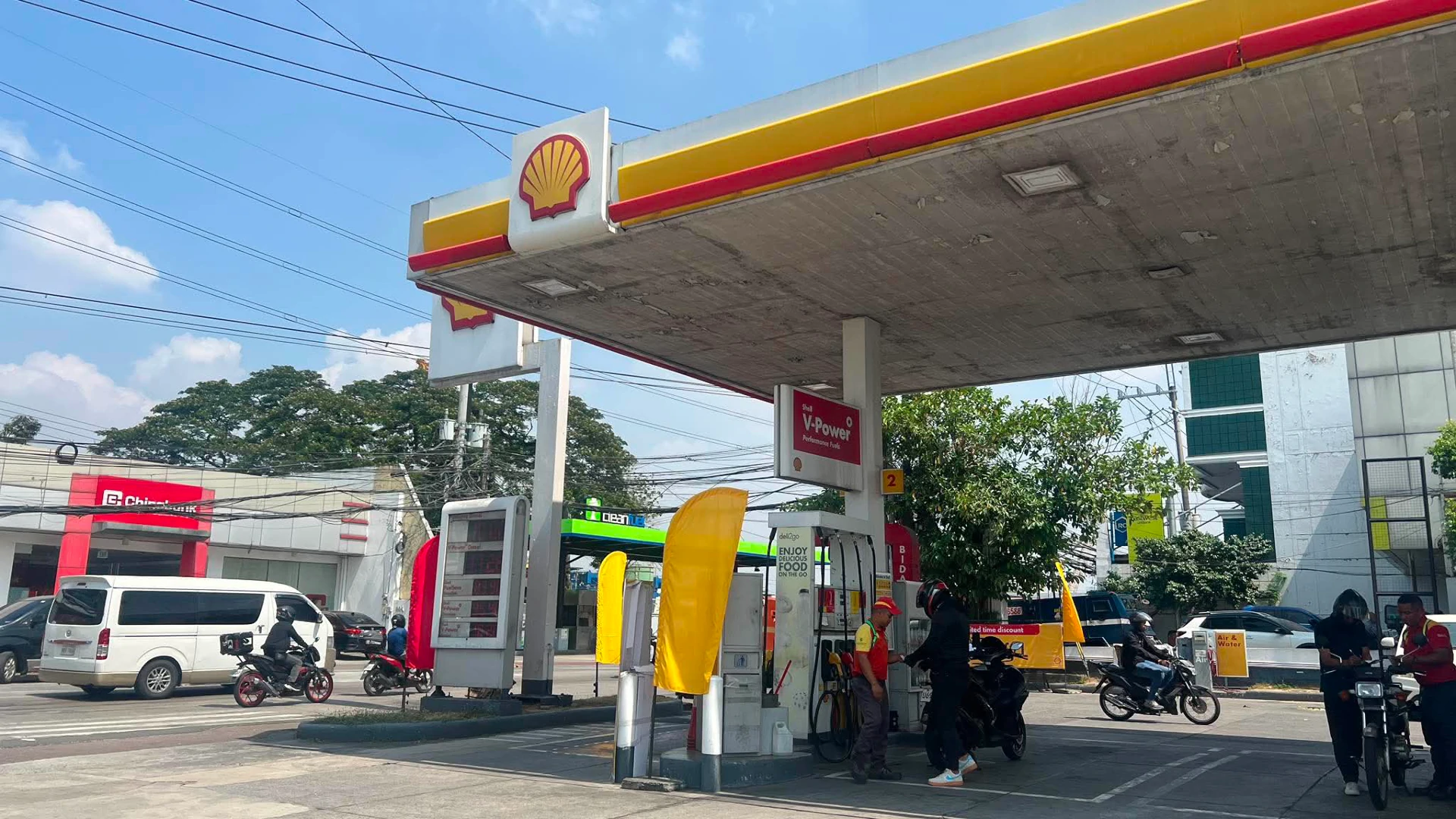
This move comes as an acknowledgement that the landscape of oil and energy has changed significantly over the nearly 30 years since the Oil Deregulation Law was adopted. Garin elaborates: “Recent geopolitical developments have reinforced the need to equip [the] government with stronger tools to respond to supply shocks and protect Filipino consumers.”
OTHER STORIES YOU MIGHT HAVE MISSED:
Toll-free expressway lanes, parking discounts: Added perks for EVs being pushed in Senate
PH car sales report: Tesla tops BEV sales in May, VinFast still leads year-to-date
The DOE’s amendments have been submitted and are now under consideration by the House of Representatives and the Senate Committee on Energy. Current chair of the energy committee, Senator Erwin Tulfo, echoed the sentiment on the outdated nature of the Oil Deregulation Law and began motions to amend it last week.
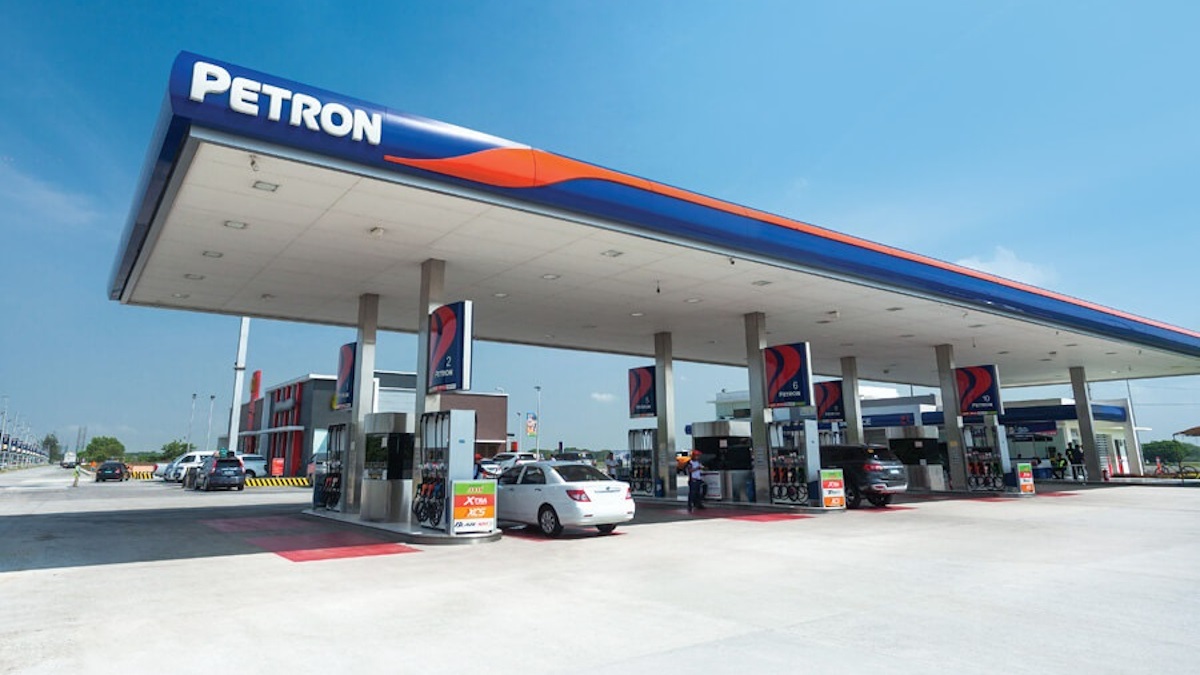
The DOE’s current power to enforce permitted fuel price adjustments comes from the State of National Energy Emergency declared by President Ferdinand Marcos Jr. back in March. Specifically, Executive Order No. 110 directs and authorizes the DOE “to take appropriate measures to safeguard the stability and adequacy of the country’s energy supply and mitigate the adverse effects of disruptions in global energy supply markets.”
Several calls to amend the Oil Deregulation Law have been made in the past. In 2019, then-DOE Secretary Alfonso Cusi suggested an amendment allowing his post to define the maximum price of oil in response to attacks on oil facilities in the Middle East. As it stands, the proposed amendments from the current DOE do not include provisions for directly capping or dictating prices.