
Toward the end of last year, Chinese automotive giant Geely started building satellites for its self-driving cars under its subsidiary Geespace. Now, the carmaker has successfully launched these satellites into outer space.
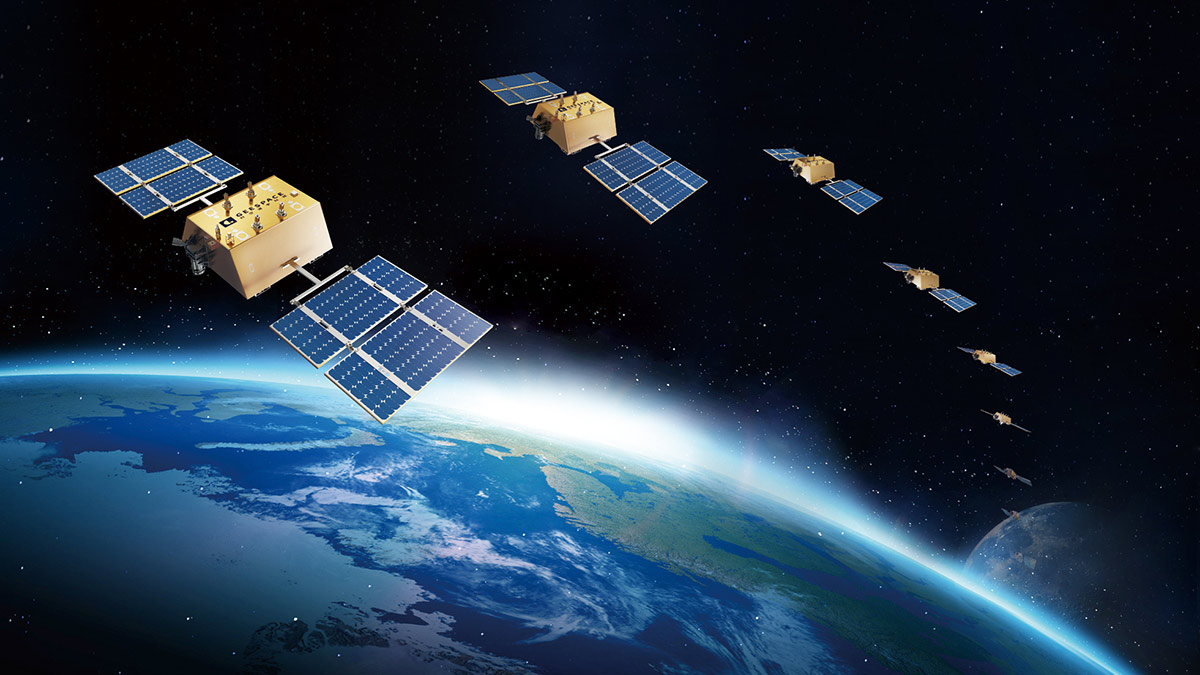
Geespace has officially launched its first nine GeeSAT-1 satellites into low earth orbit. These were deployed from the Xichang Satellite Launch Center in China.
OTHER STORIES YOU MIGHT HAVE MISSED:
7 Pickup trucks you can buy in PH brand-new for under P1.2 million
Report: Geely has a new electric pickup in the works
The GeeSAT-1 are modular, high-resilience, and high-performance low-orbit satellites. These mass-produced units are a first in China and will provide “centimeter-accurate precise positioning and connectivity support” that can be utilized by all brands under Geely.
The satellites will also allow Geely to partner with the logistics sector to establish a “one-stop logistics monitoring service platform with real-time management and control of the transportation process.” This will also help Geely monitor maritime water quality and identify debris patches as part of the company’s ‘Blue Guardian’ CSR project.
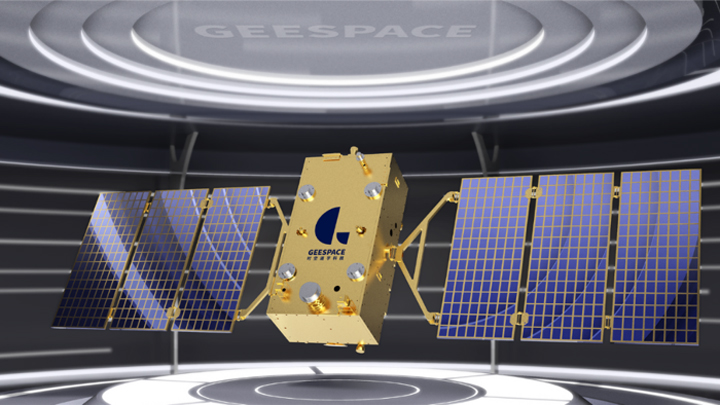
The first nine satellites launched are part of the planned Geely Future Mobility Constellation, a network that will consist of 240 satellites. The first 72 will be launched into orbit by 2025 as part of the first phase, while the remaining 168 will be deployed in the subsequent phase.
“Many favorable factors such as policy support and market demand is accelerating the growth of the commercial aerospace sector,” said Geespace CEO and chief scientist Tony Wang. “By establishing the Geely Future Mobility Constellation, Geespace is positioning itself to meet future user demands for high-precision positioning, space-based communication, and remote sensing services.
“In addition, by offering Geespace’s expertise and capabilities in commercial satellite production, AIT services, and satellite support infrastructure services to customers, new opportunities to develop have been opened in various sectors including smart mobility, consumer electronics, unmanned systems, smart cities, and environmental protection.”