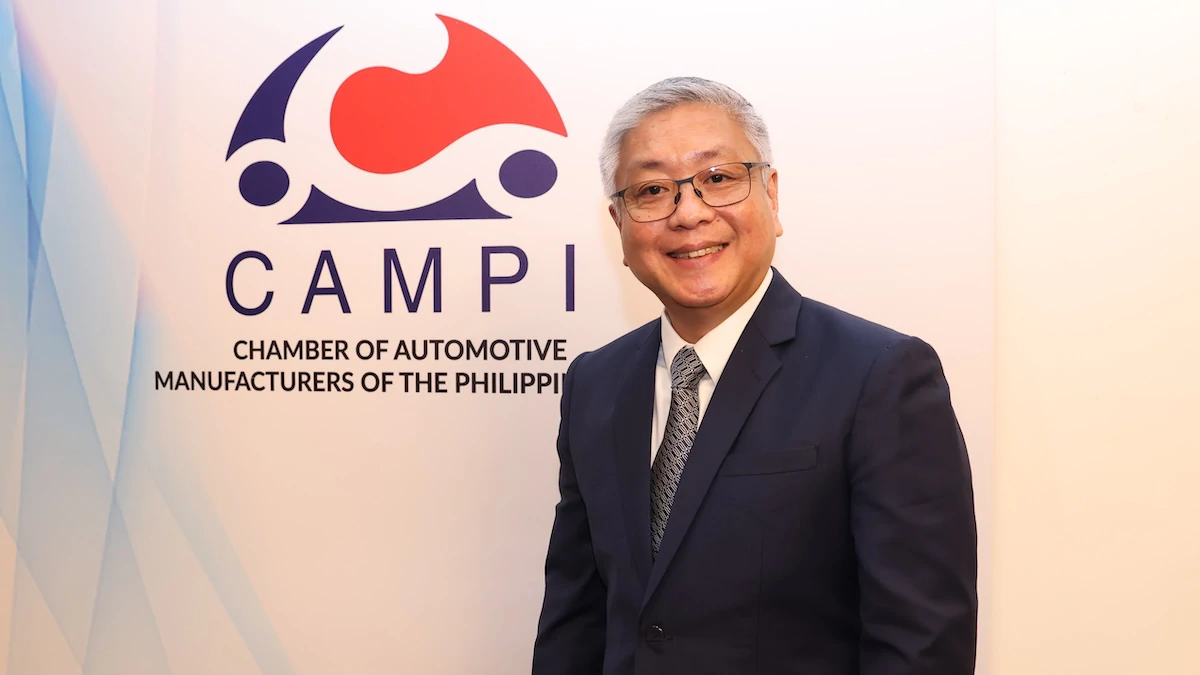
Jose Maria ‘Jing’ Atienza is officially the new president of the Chamber of Automotive Manufacturers of the Philippines (CAMPI), taking over from Atty. Rommel Gutierrez, who held the position for 14 years.
Like Gutierrez, Atienza is also from Toyota Motor Philippines, currently serving as the executive vice president of the brand’s marketing division. Other positions he has held over 35 years in the industry include head of marketing of Toyota Financial Services and president of the Toyota Makati dealer group.
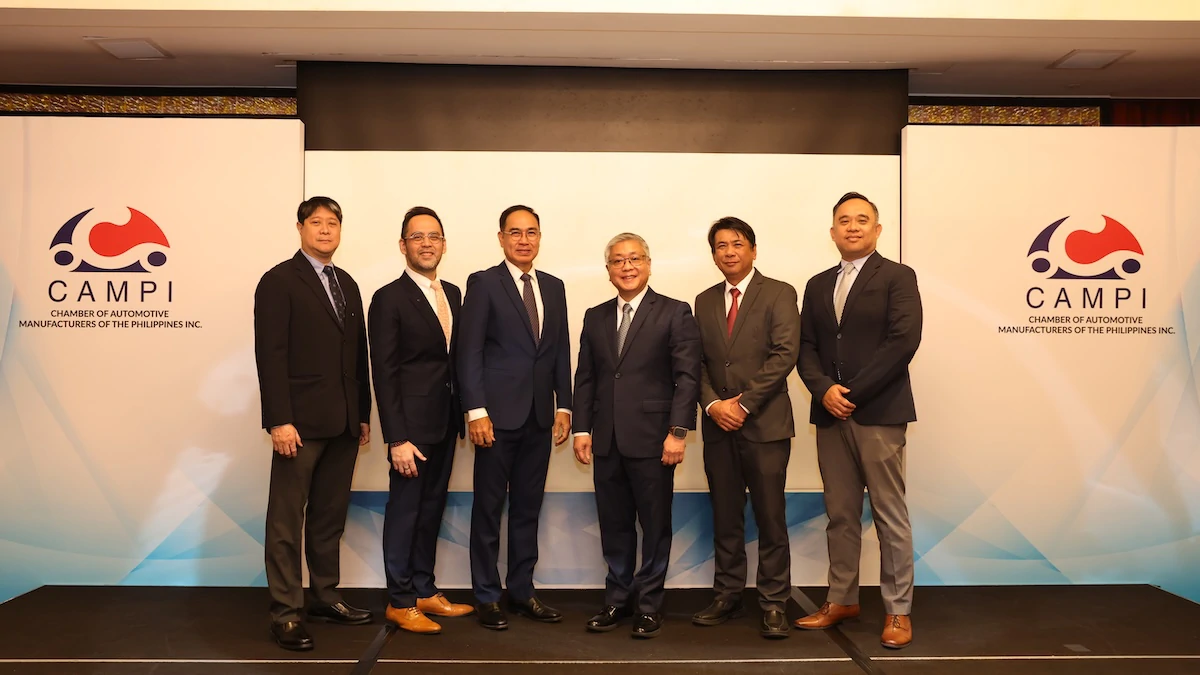
The new CAMPI officers for 2026 have also been announced: Atty. Rhys Alexei Murillo of Nissan Philippines as vice president, Robert Carlos of Isuzu Philippines as corporate secretary, Victor Vinarao of Mitsubishi Motors Philippines as treasurer, and Atty. Louie Soriano of Honda Cars Philippines as assistant treasurer.
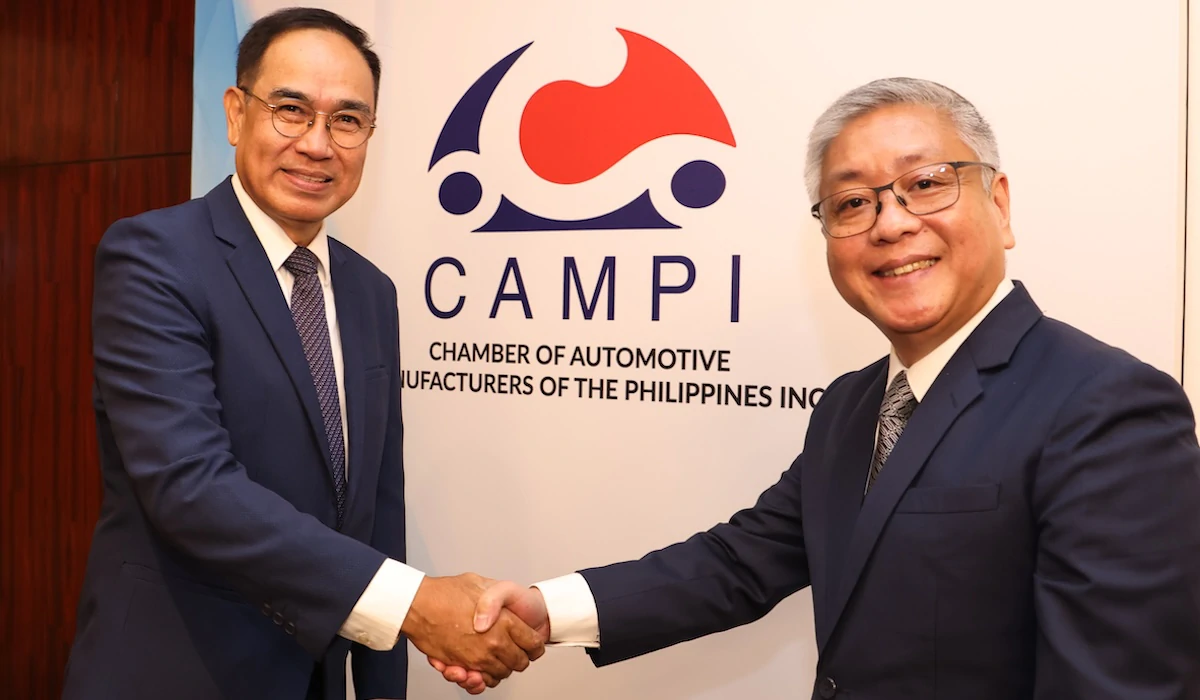
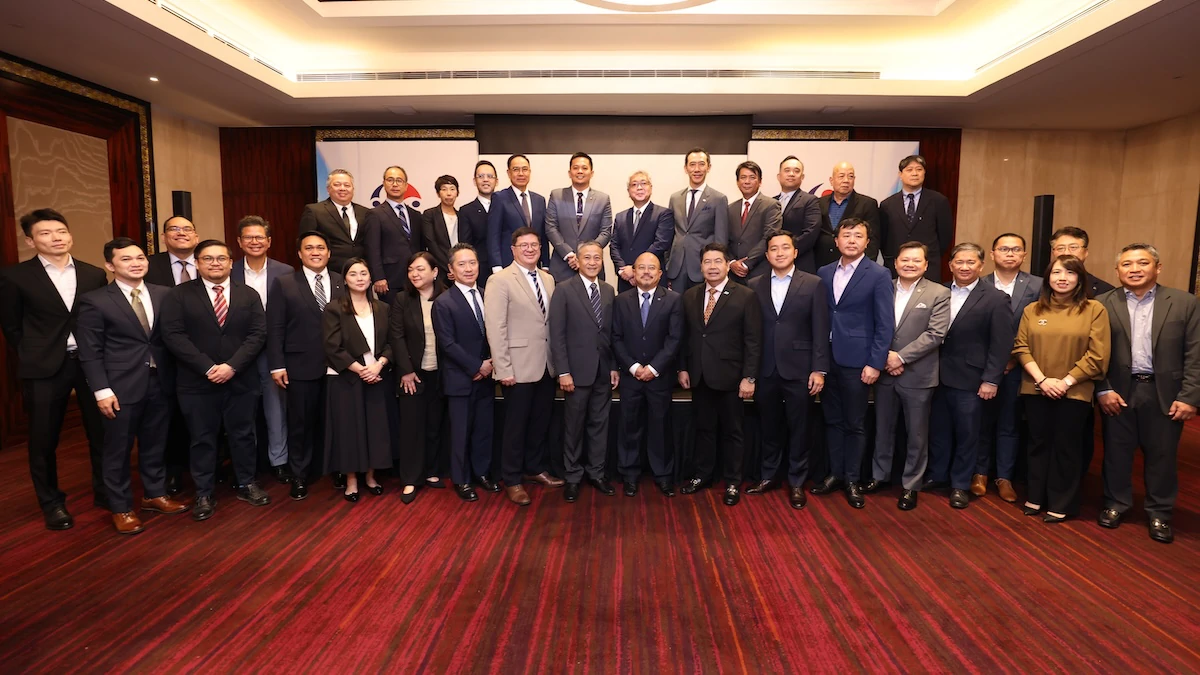
During the ceremonial turnover of the presidency on January 27, Atienza announced CAMPI’s new vision of “fostering mobility transition in the Philippines,” supported by four pillars: technology and innovation, vehicle and road safety, industry development, and sustainability.
OTHER STORIES YOU MIGHT HAVE MISSED:
2025 PH car sales: Which brands grew and which ones didn’t in the past year?
Arriving soon? The next-gen hybrid Toyota RAV4 gets DOE recognition
The biennial Philippine International Motor Show (PIMS) will serve as an important platform for the organization to introduce their latest technologies and innovations in the local market. The 10th staging of PIMS will be held this year in June, and CAMPI’s member brands—the tally is now at 29—are expected to take this opportunity to promote electrification and other green mobility solutions, going beyond traditionally automotive-centered showcases.
For the second pillar, CAMPI commits to supporting the implementation and adoption of international standards like the World Forum on Harmonization of Vehicle Regulations (WP29) and the ASEAN Mutual Recognition Arrangement on Type Approval for Automotive Products (APMRA) as a matter of “safety rather than trade facilitation.” These agreements cover unified guidelines for cybersecurity (for autonomous and connected vehicles) as well as safety testing, environmental regulations, and certification. Local initiatives will focus on road safety activities and an anti-counterfeit program in partnership with key government agencies.
Aside from its continued support for programs like CARS, RACE, and EVIS that focus on strengthening automotive manufacturing and electrification, CAMPI’s industry development thrust will also support the education and training of the automotive sector workforce. It has been doing this in collaboration with the Technical Education and Skills Development Authority (TESDA), but the organization wishes to expand its workforce development initiatives to high-school students by teaming up with the Department of Education.
Finally, CAMPI’s sustainability efforts will be driven by a “multi-pathway approach” to carbon neutrality, including more practical and accessible pathways to electrification, R&D focusing on carbon-neutral fuels and renewable energy, and global best practices and policies to build a more sustainable industry.
“To our stakeholders, you have my highest assurances of industry cooperation and collaboration,” Atienza said. “This leadership is committed to building on CAMPI’s legacy rooted in purpose and creating positive impact for the Philippine automotive industry.”