Last week, the Chamber of Automotive Manufacturers of the Philippines (CAMPI) released its 2025 sales report. You can check out our story here, but if you want a summary, CAMPI’s member brands amassed total sales of 463,646 units, which is 0.8% lower than their 2024 sales of 467,252 units. The last time we saw negative growth was in 2020—due, of course, to the COVID-19 pandemic that caused a 47% year-on-year decline in automotive sales.
The report, however, added that the industry’s total sales reached 491,395 units. The figure is based on “available industry data”—that is, sales pulled in by non-CAMPI members. This surpasses 2024’s industry total of 473,842, so by this metric, local car sales grew by 3.7%.
Here’s a rough breakdown of the brands that contributed to the increase and those that recorded negative growth in 2025. We’re focusing mainly on brands that sell passenger cars as well as MPVs and light commercial vehicles for private use.
Car brands with positive growth in 2025
1) BYD
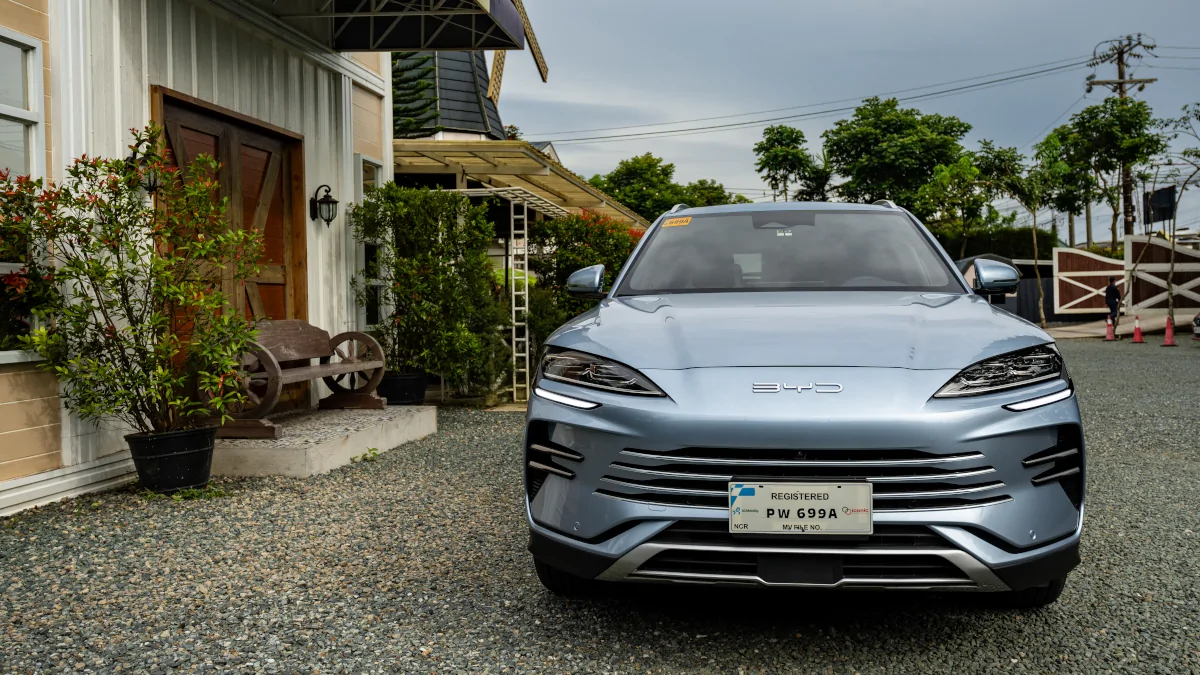
BYD’s 2025 sales total of 26,122 units represents a staggering 446% increase over its 2024 performance and makes up 94.14% of non-CAMPI sales last year. The Chinese manufacturer not only pushed the industry total to positive growth, it also jumped to number three in the overall sales chart, leapfrogging the likes of Suzuki, Ford, and Nissan.
BYD accomplished this feat by launching one model after another for the past year and a half, as well as by mounting a strong marketing push and regular sales events (like the BYD Tech Tour). Distributor ACMobility is also constantly expanding its network of EV chargers, helping encourage buyers to make the switch to electric.
OTHER STORIES YOU MIGHT HAVE MISSED:
Arriving soon? The next-gen hybrid Toyota RAV4 gets DOE recognition
Mark your calendars: MIAS 2026 is scheduled for April 9 to 12
2) Electric and electrified vehicles
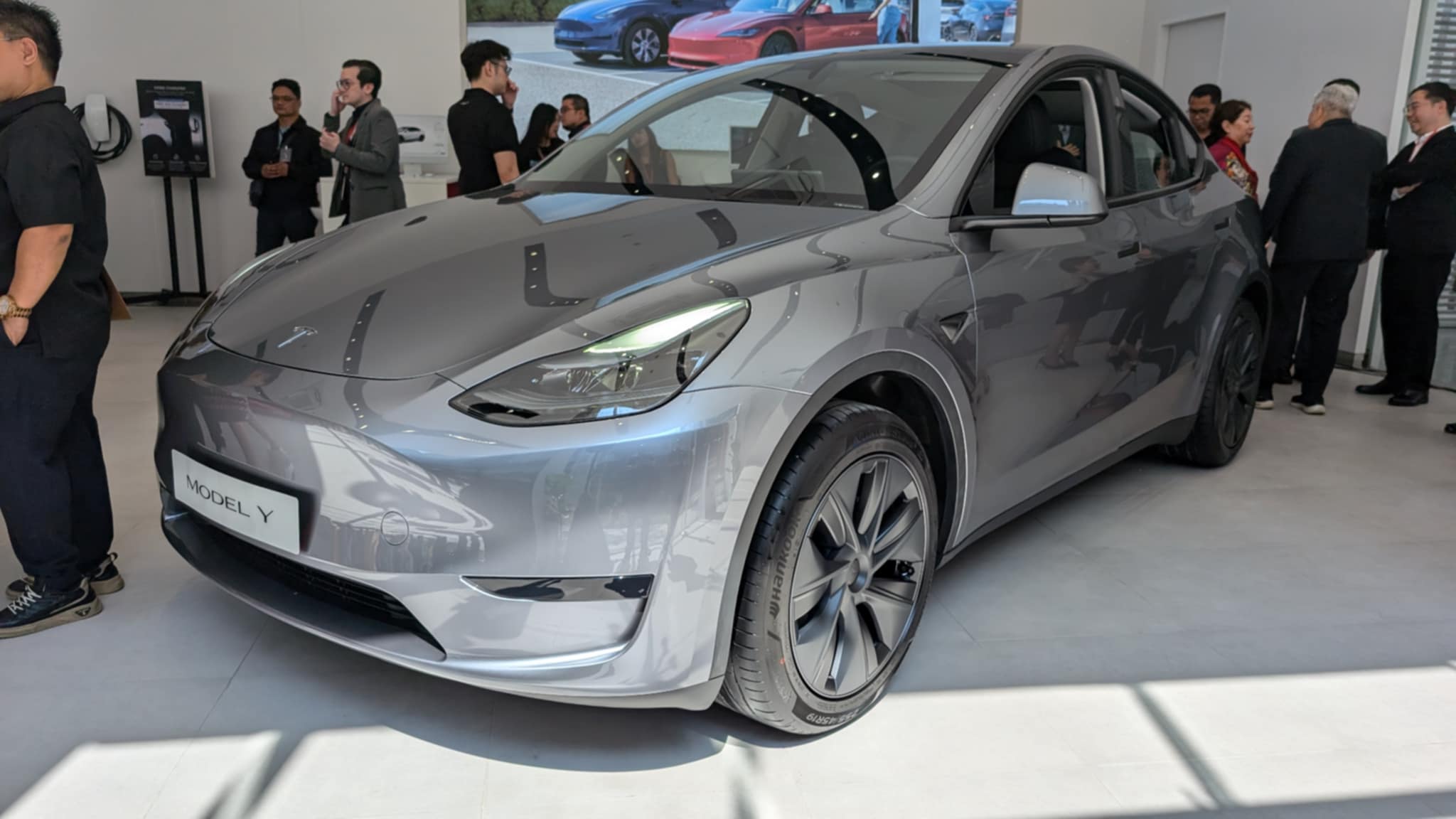
Not a car brand, but this segment deserves a special mention. The so-called ‘xEVs’ or electrified vehicles accounted for 12% of total sales this year from just 5.5% in 2024. In exact figures, that corresponds to 58,905 units, and includes sales of battery EVs, hybrids, and plug-in hybrids.
Notably, Tesla’s first full year of operations pulled in sales of 2,424 units, landing the American EV brand in 12th place on CAMPI’s list (or 13th, if you include BYD).
3) Kia
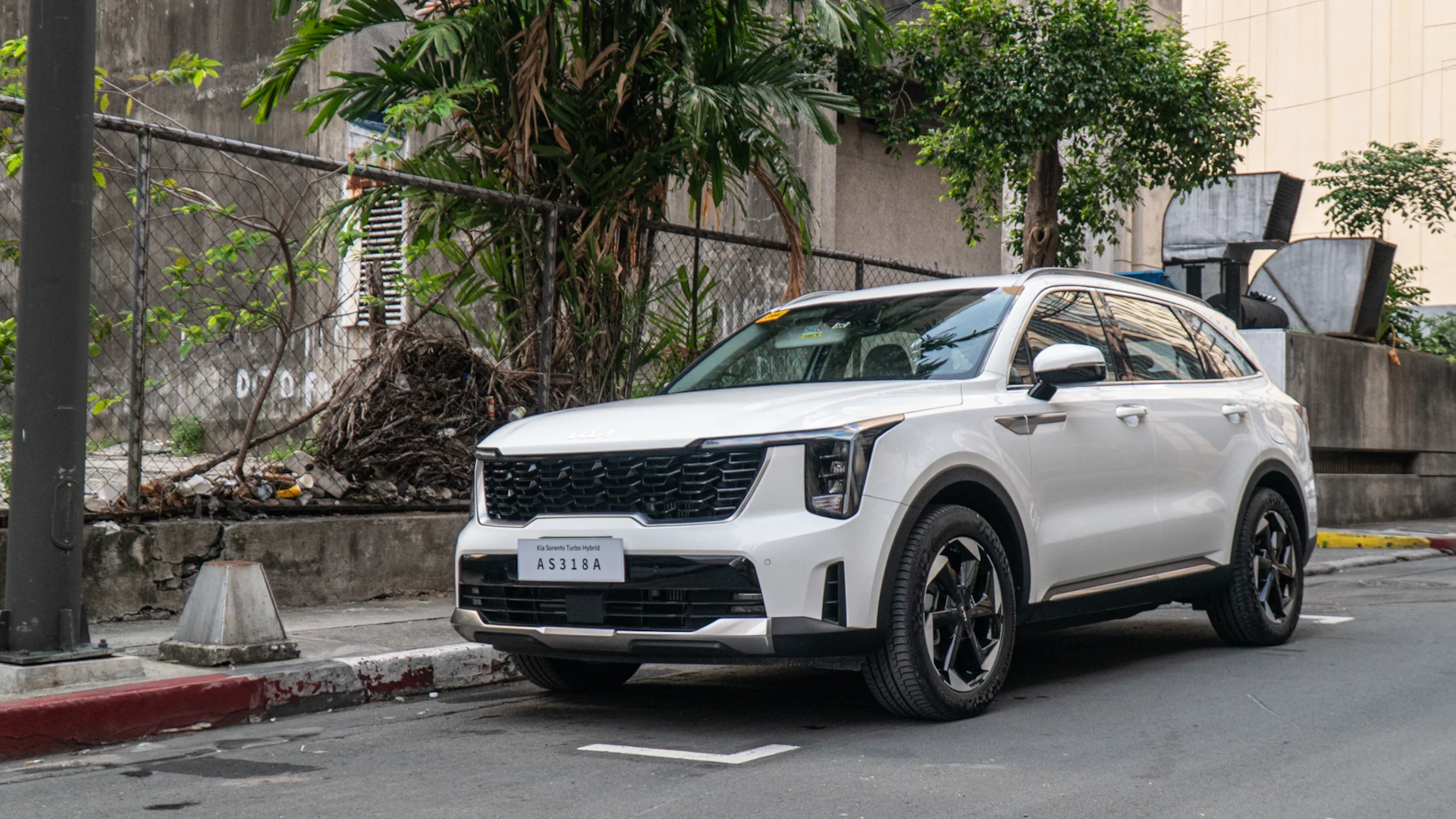
The Korean carmaker’s 7,810 unit sales represent a 16.70% increase over last year’s total. The growth is driven mainly by commercial vehicle sales—made up of Asian utility vehicles and MPVs, light commercial vehicles, and light-, medium-, and heavy-duty trucks and buses—having sold 22.50% more units in that category. Its passenger car sales dropped by 43.20%.
3) Honda, Toyota, and Suzuki
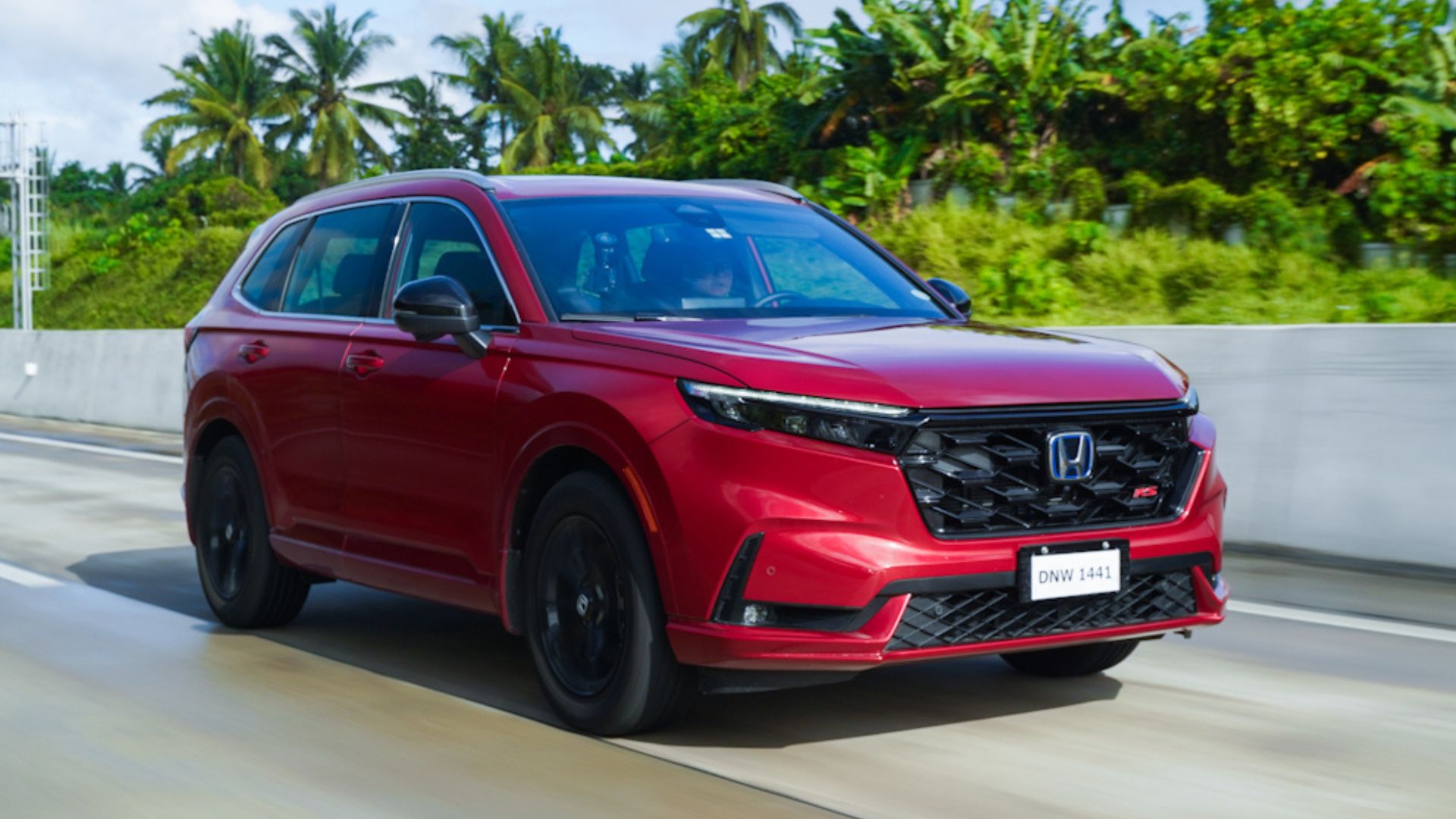
Honda holds the distinction of improving in both passenger car sales (1%) and commercial vehicle sales (7.6%), for an overall growth of 4.80%. The carmaker classifies the BR-V, the HR-V, and the CR-V as commercial vehicles.
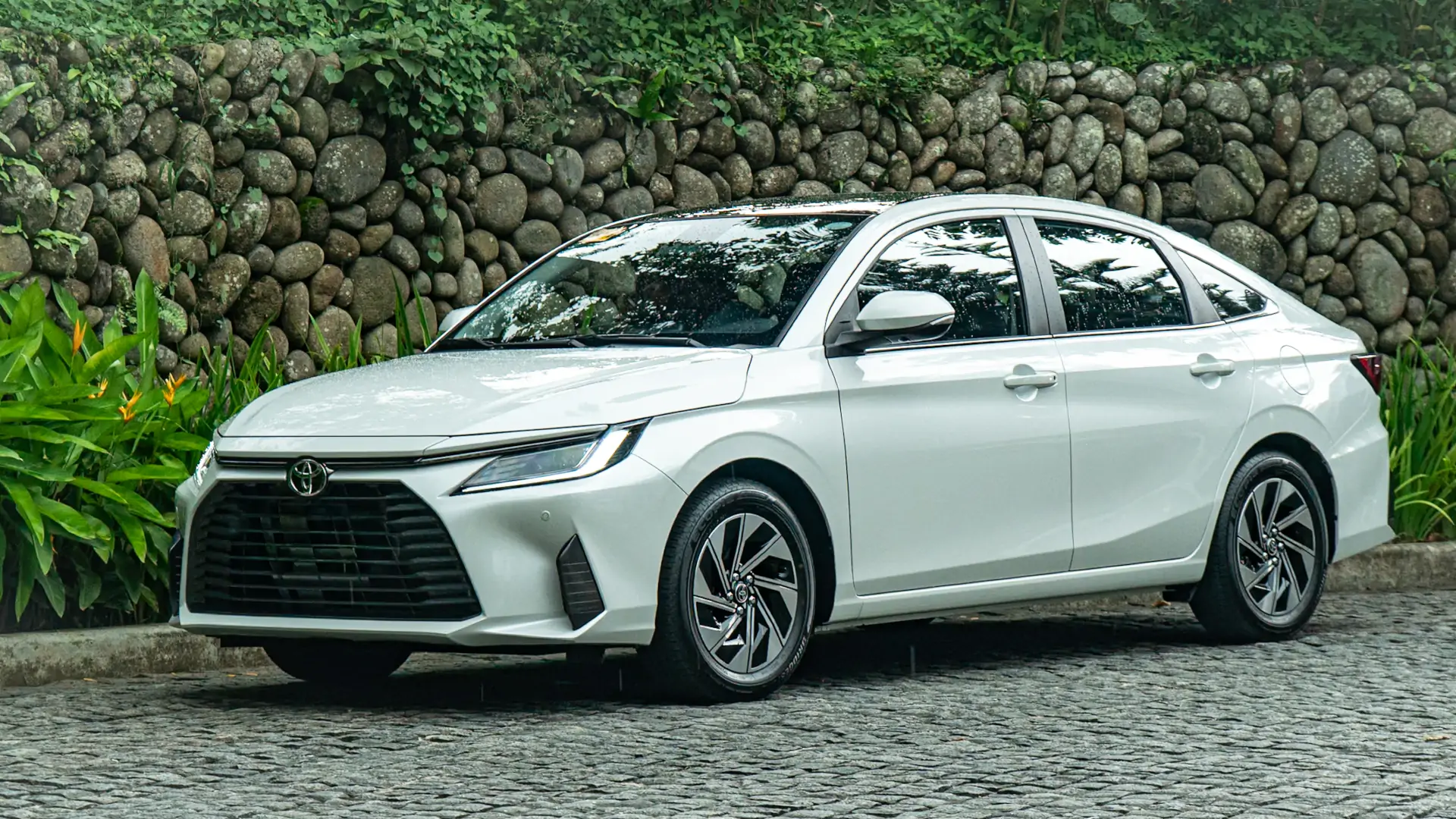
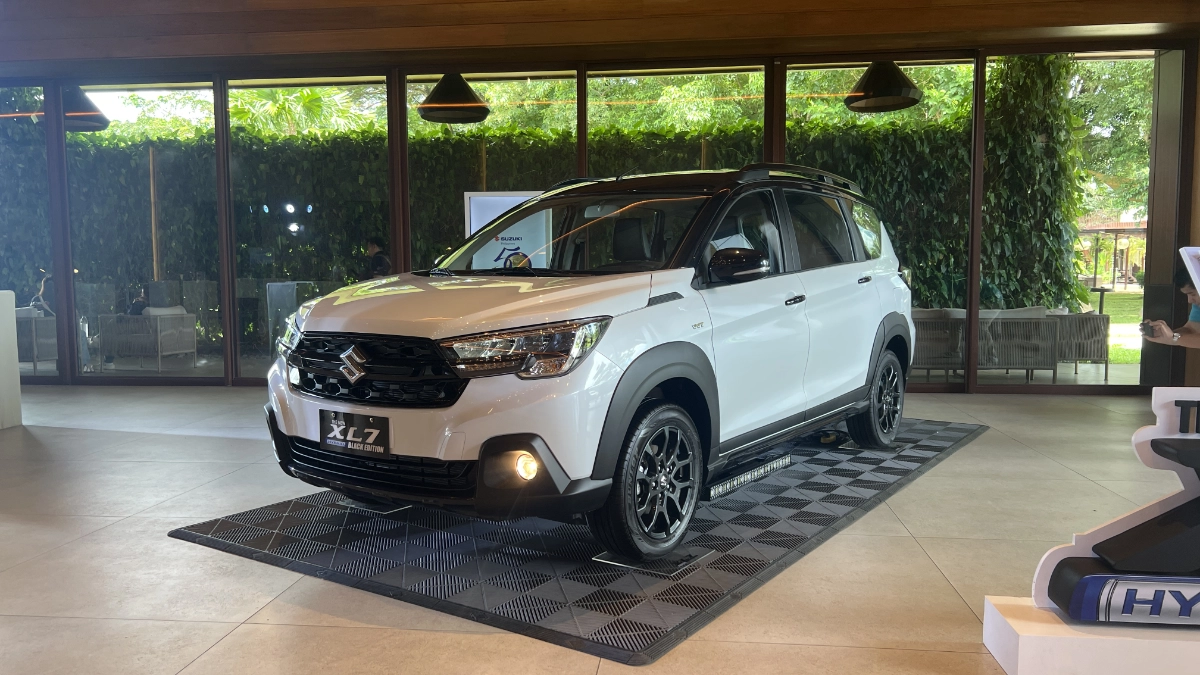
Fellow Japanese brands Toyota and Suzuki, meanwhile, recorded total sales growth of 5.20% and 7.90%, respectively. Both suffered drops in passenger car sales (-22.20% and -2.50%), but made up for it with higher commercial vehicle sales (+16.40% and +17.2%).
4) BMW and Ferrari
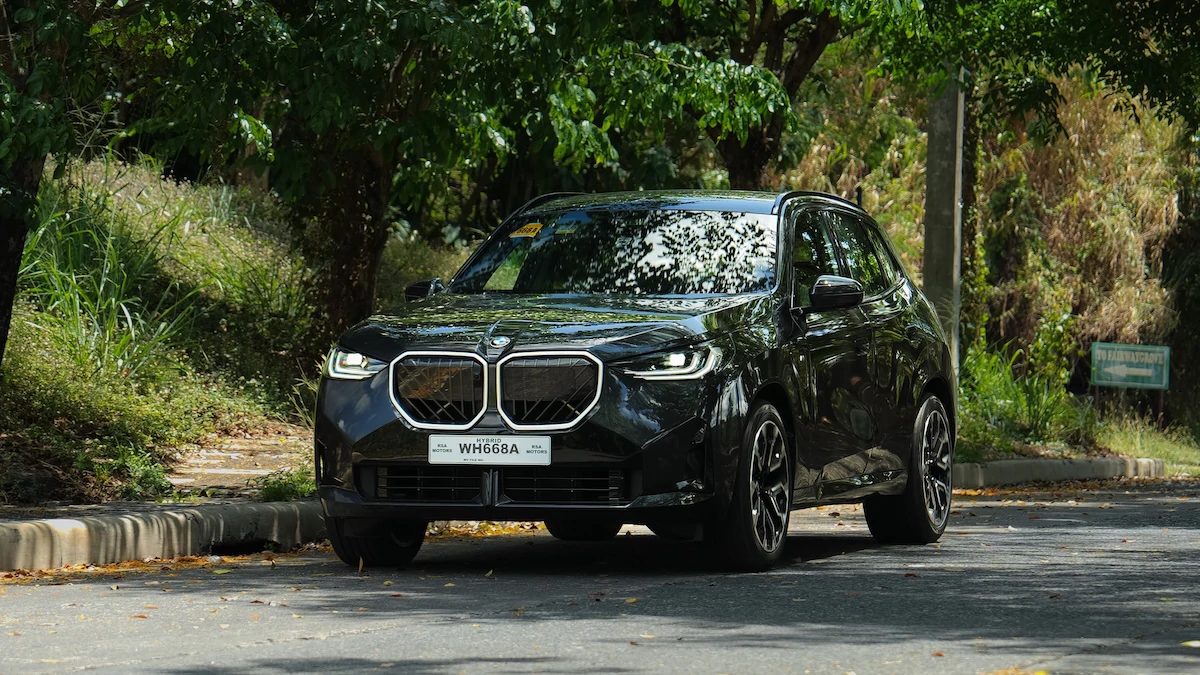
Neither of these brands—distributed by San Miguel Corporation subsidiaries—is a volume seller, but Ferrari did double its sales year-on-year, from 16 units in 2024 to 32 units in 2025 for 100% growth. BMW, which held more sales events and doled out significant discounts in the past 12 months, improved to 950 unit sales from 2024’s 815, equivalent to a 16.6% increase.
5) Jetour
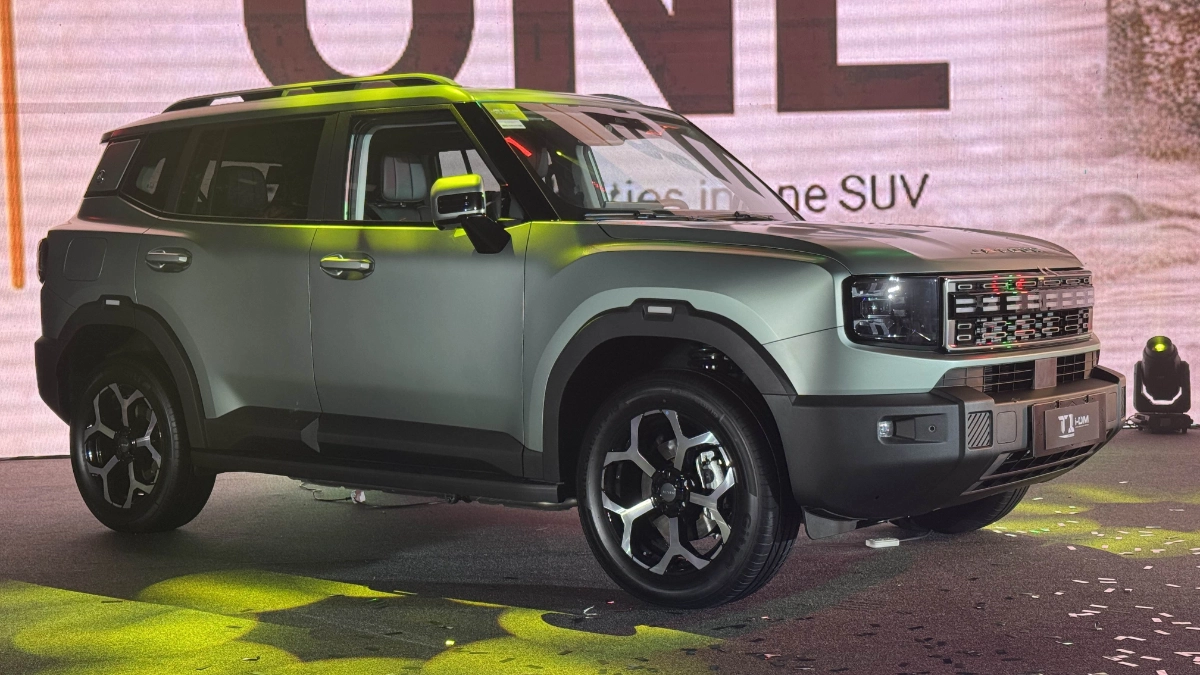
Aside from BYD, Jetour was the only other Chinese brand that posted notable positive growth in 2025. It sold 1,791 units in total, corresponding to a 5.20% year-on-year increase. Changan sales did improve as well, but only by 0.50%.
Car brands with negative growth in 2025
1) Chinese brands
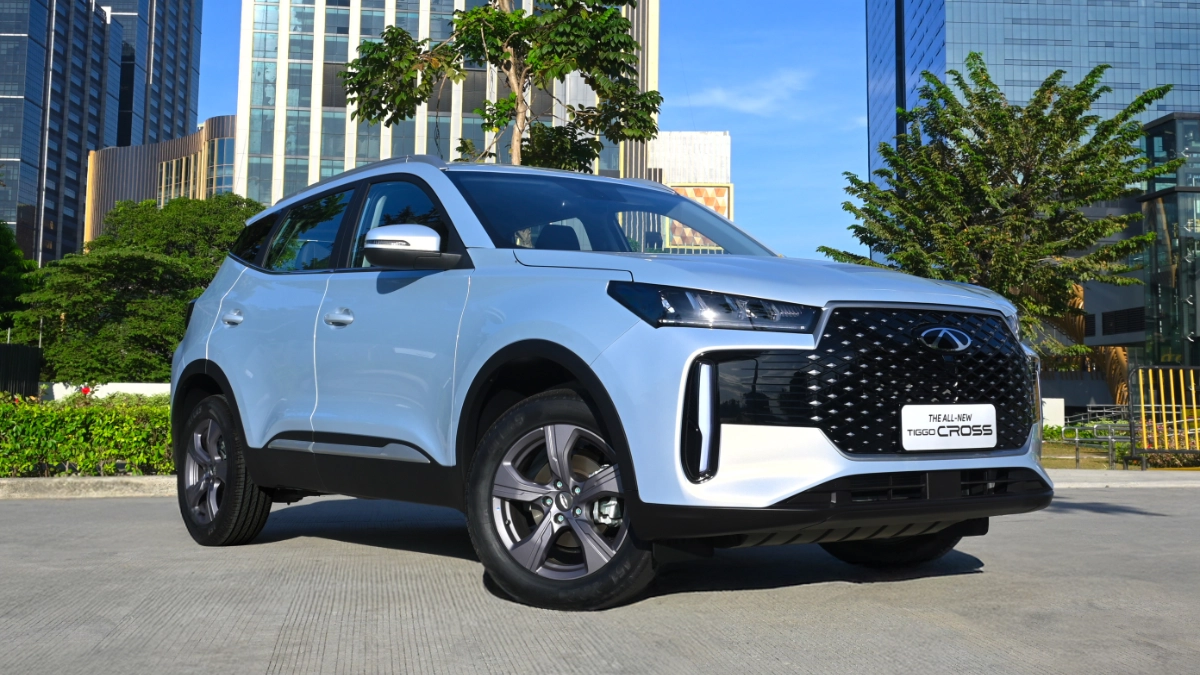
Some of the Chinese manufacturers that showed the biggest sales drops in 2025 are those who have been here the longest. Chery’s performance in 2025 was 43.50% down on its 2024 showing. Foton and MG also lost out at a lesser extent, with negative growth of 12.90% and 3.30%, respectively.
As for the smaller brands, namely, Omoda and Jaecoo, BAIC, and Lynk & Co, the report showed 0% variance owing to the lack of 2024 figures.
2) Astara brands
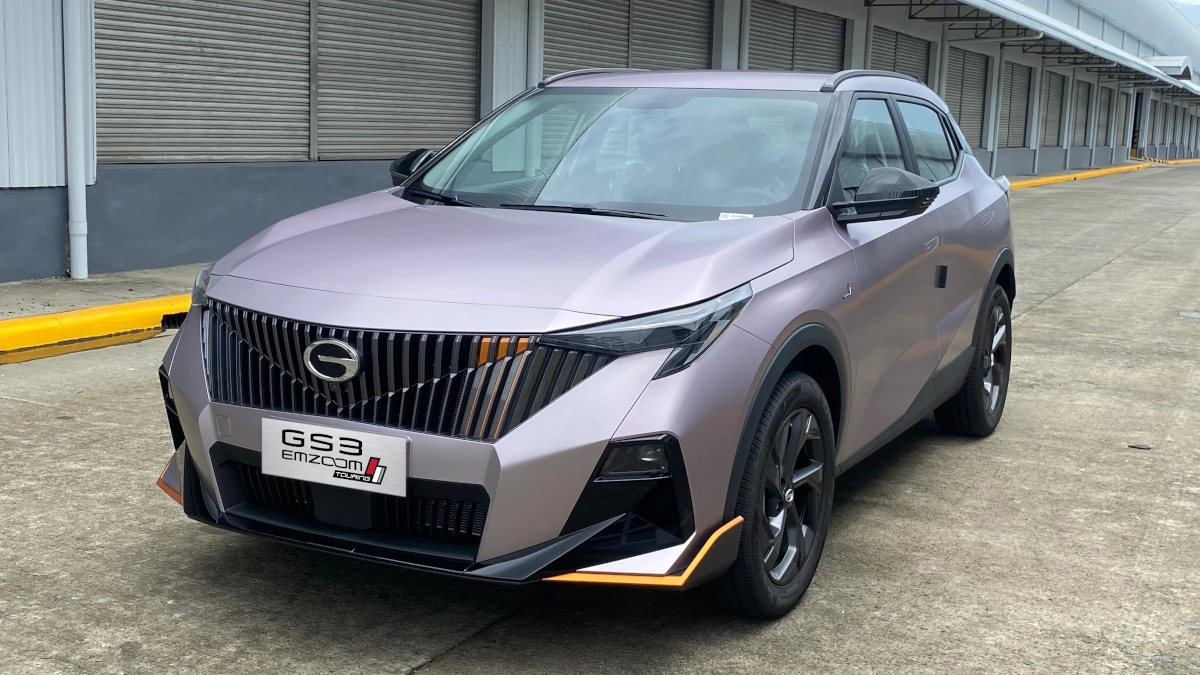
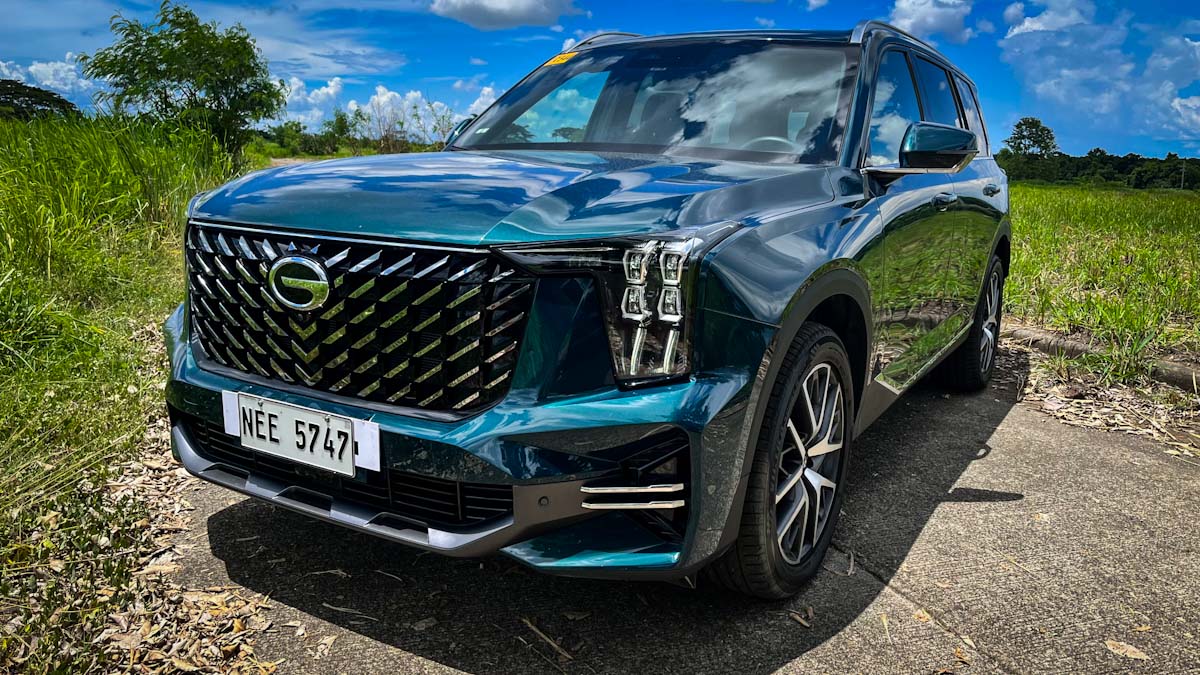
If you’ve noticed the omission of GAC on this list so far, it wasn’t due to oversight. In November, Astara announced that it would cease operations in the Philippines, leaving the future of Peugeot, GAC, JMC, and JAC in question.
Soon after, GAC International Philippines, which is directly under GAC China, announced that it would take over the brand’s operations on the local market. It’s going to be an uphill battle from there, given GAC’s negative growth of 44.10% in 2025, with sales of just 1,793 units in its final year under the former distributor. Fellow Astara brand JMC actually posted an improvement of 38.80% (1,405 units) while Peugeot, which has proven to be too niche for the local market, languished with sales of just 37 units, equivalent to a 79.10% drop versus its 2024 sales.
3) Mercedes-Benz
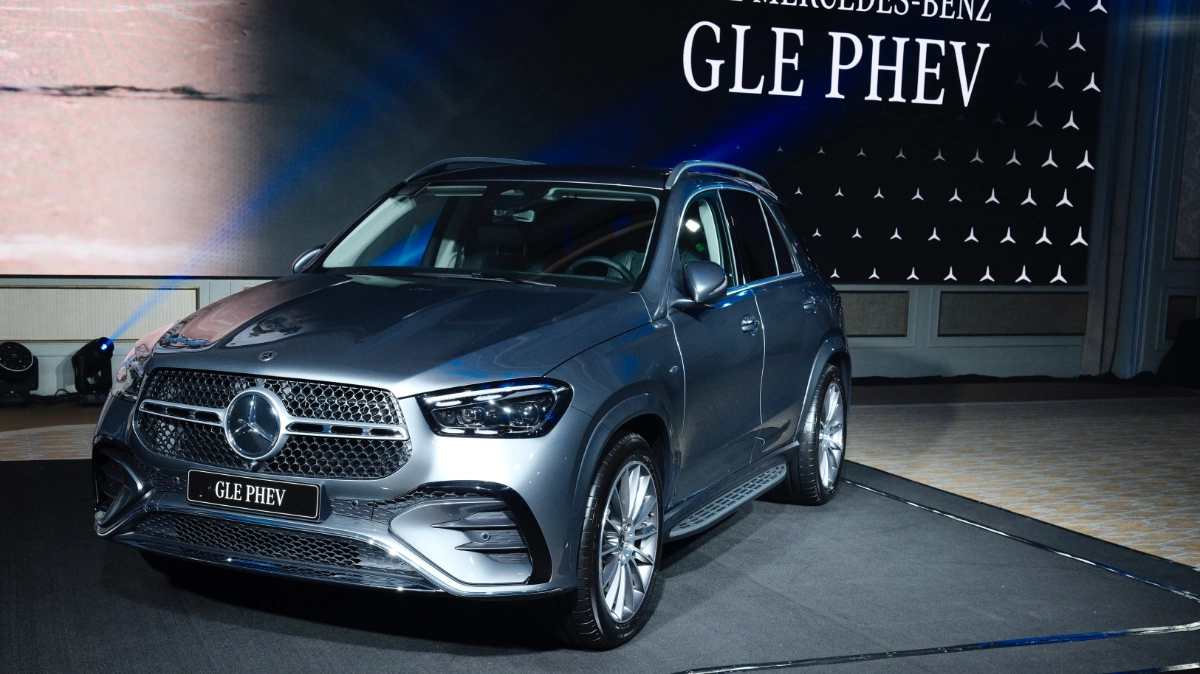
It’s been a struggle for Mercedes-Benz lately. Globally, the German brand has had to reconfigure its lineup and cut out underperformers like the EQ sub-brand. Locally, the manufacturer’s 2025 sales performance dropped by 25%, with sales of just 563 units.
3) Ford, Nissan, and Isuzu
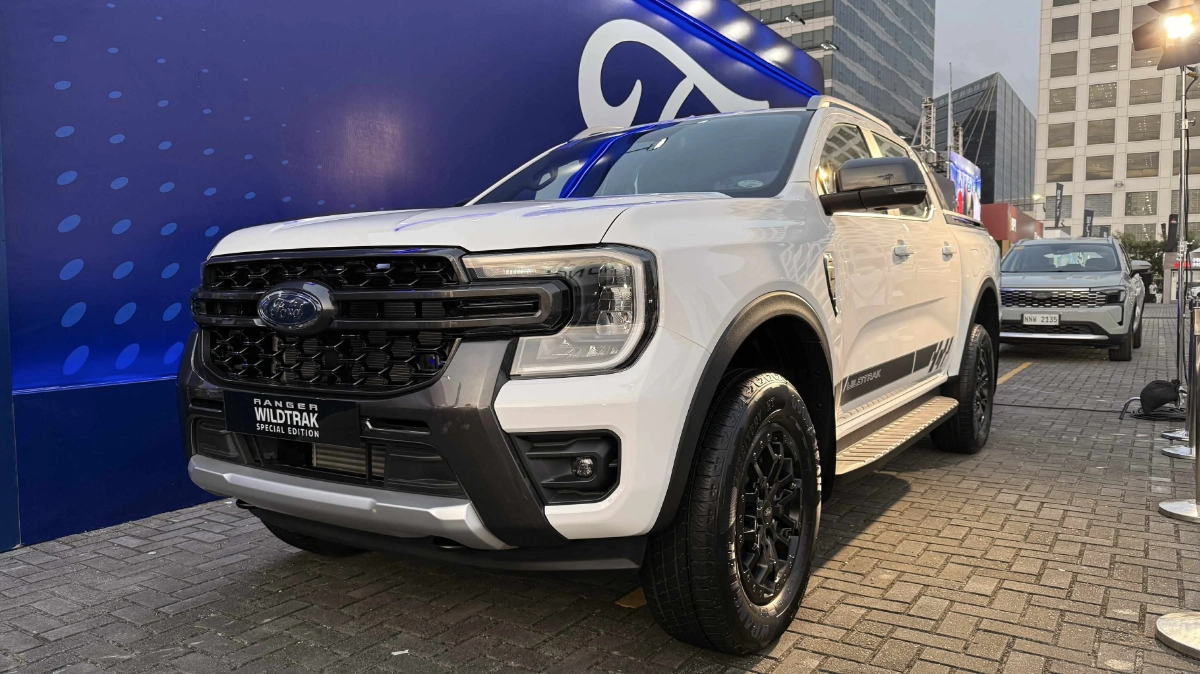
Along with Suzuki, these three Japanese brands were overtaken by BYD in the sales charts last year, effectively making them fifth, sixth, and seventh in the industry. Isuzu’s decline was the smallest, at just -2.30%, since it sells only commercial vehicles and was therefore safe from the general decline that befell passenger car sales.
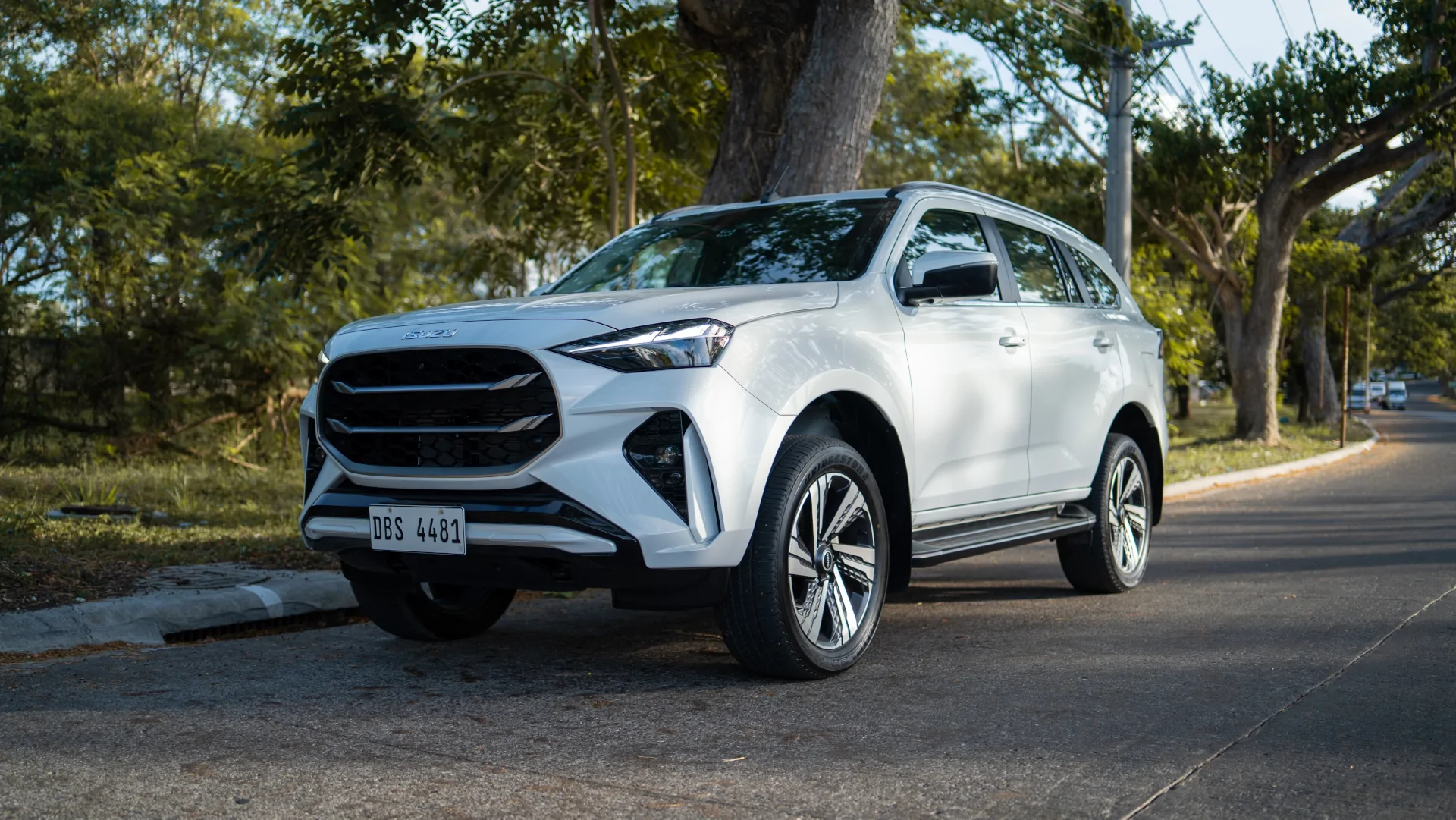
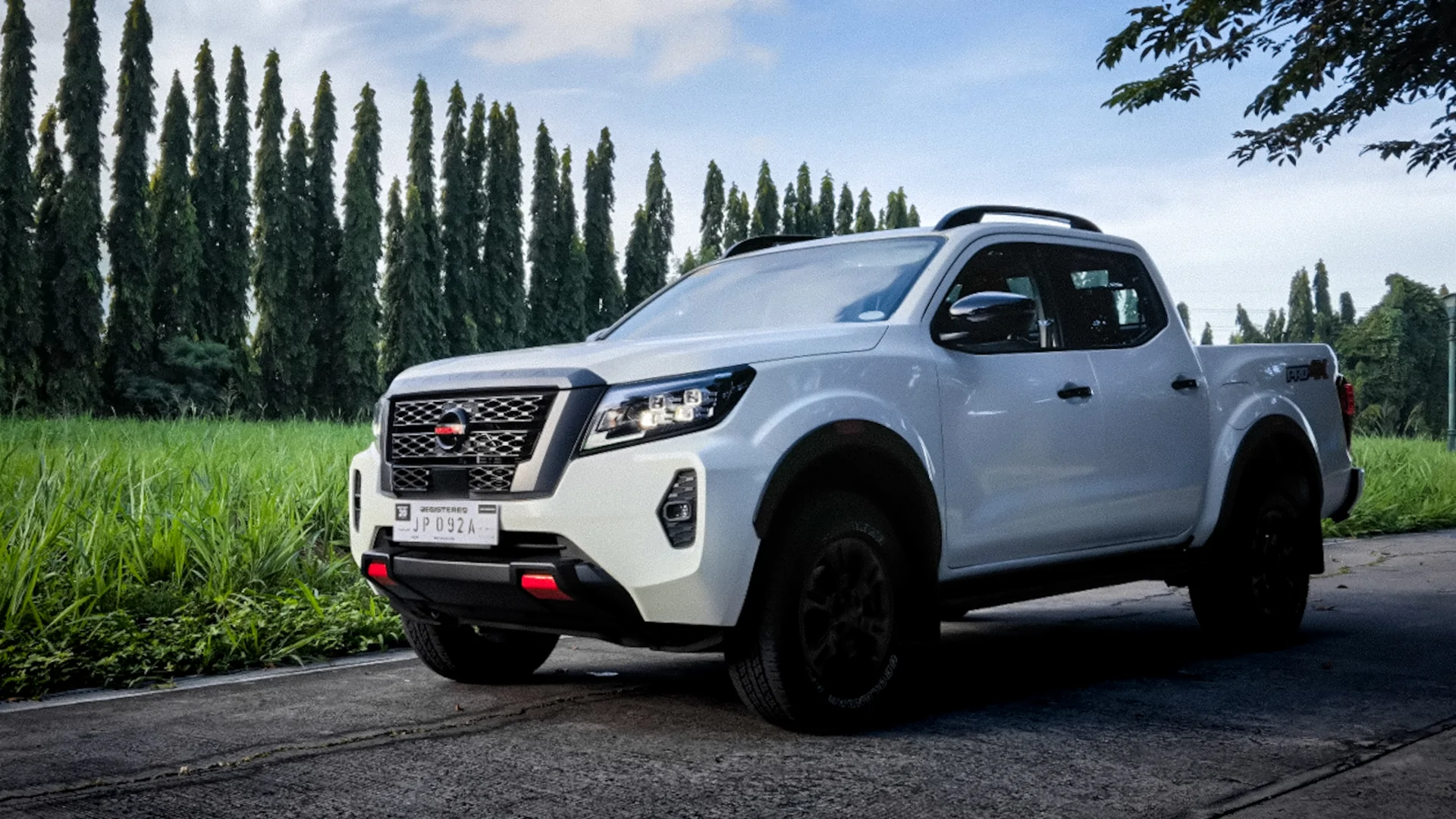
Ford and Nissan pretty much mirrored each other’s performance, with sales contracting by 22.20% and 23.20%, respectively. Both showed drops in passenger and CV sales.
5) Mazda
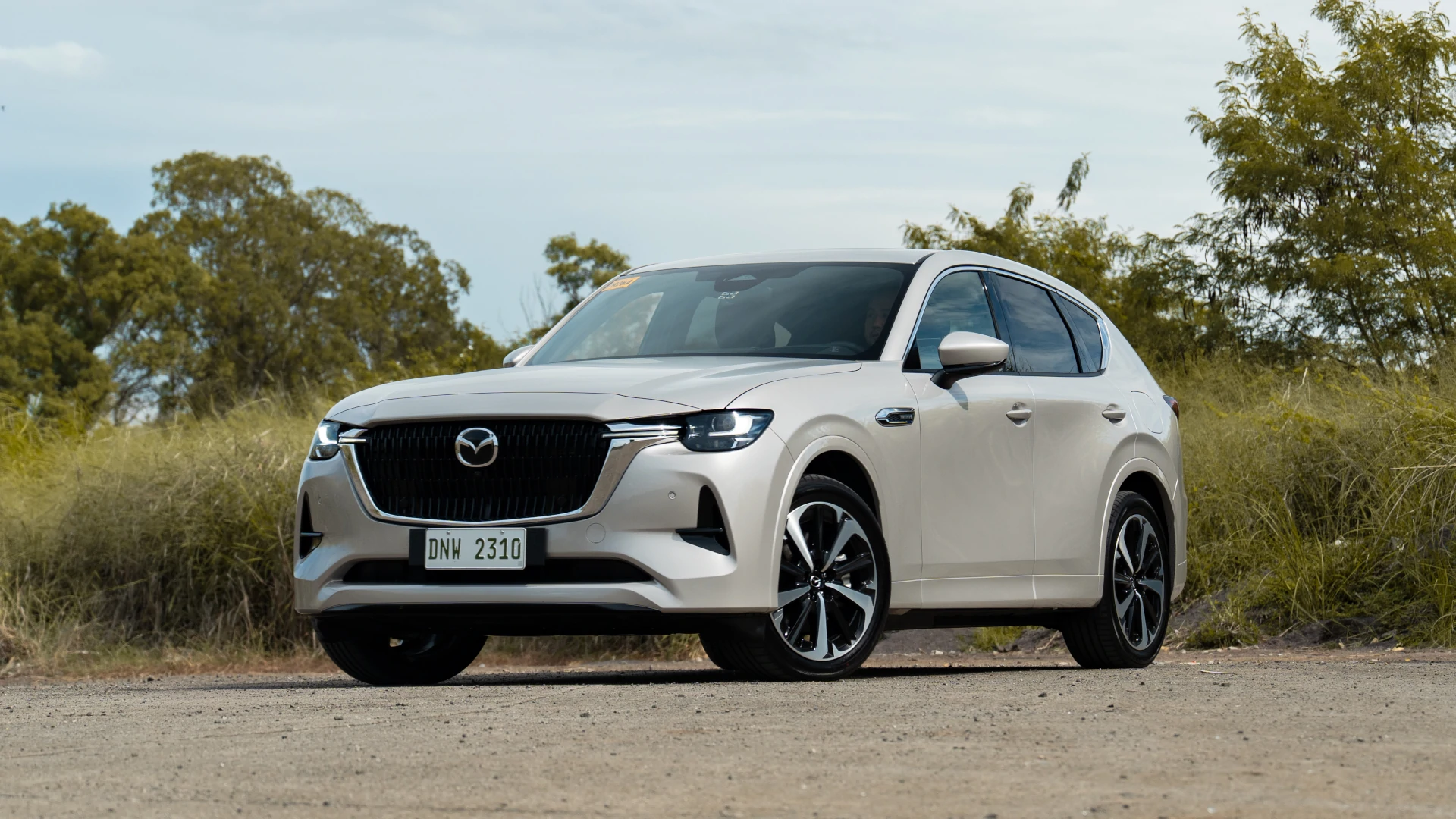
Another carmaker that’s not a volume seller, but as proven by its club gatherings, motorsports involvement, and events like the Fan Festa, Mazda is a niche brand with a loyal following. It just released the updated CX-60 at the start of the year, so perhaps that’s the first step to reversing its sales drop of -26.70% (1,633 units sold) in 2025.
6) Hyundai
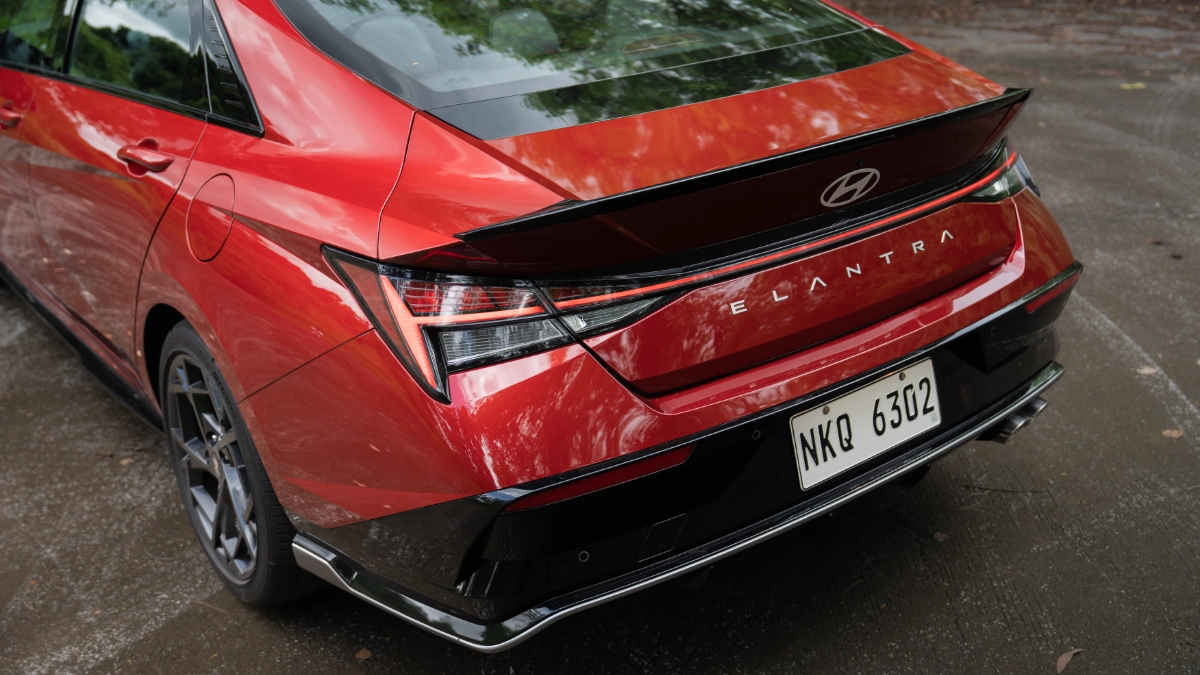
Hyundai was definitely active in 2025 when it came to refreshing and expanding its local lineup. Dropping several Elantra variants upon us definitely helped its passenger car sales, which improved from five units sold in 2024 to 89 units last year, but the loss came from CV sales, which contracted from 12,018 units to 10,386 units. All told, that amounted to a decline of 12.90%.
7) Mitsubishi
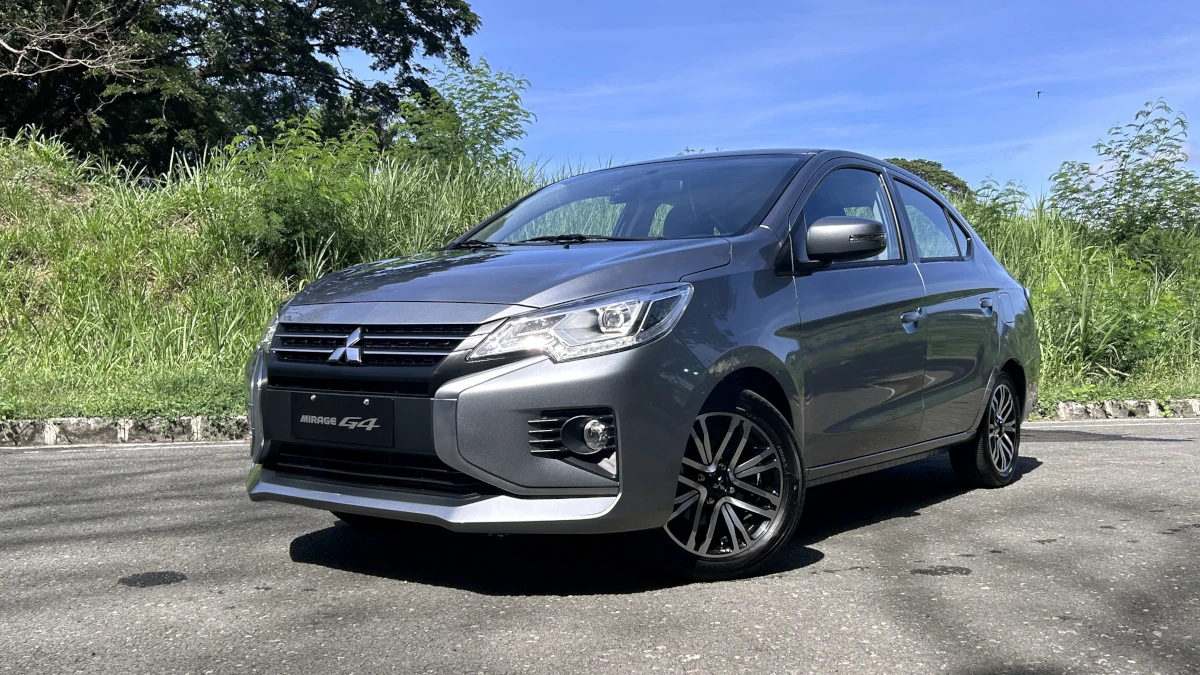
The country’s second top-selling car brand sold 2.60% fewer units in 2025 versus 2024, again dragged down by lower passenger car sales (-33.3%) despite the introduction of the updated Mirage G4. It’ll be interesting to see how the carmaker does this year—it will be the first full year of sales for the Destinator, which is perhaps the most promising model released by Mitsubishi in a while, in terms of specs and pricing.