We’re all desperate to solve the perennial traffic problem in Metro Manila. But instead of concentrating on new roads and tollways, why not look into less intrusive and possibly less costly projects that can move more people? For example, what if we just built on our existing river ferry system on Pasig River to make it even bigger and better?
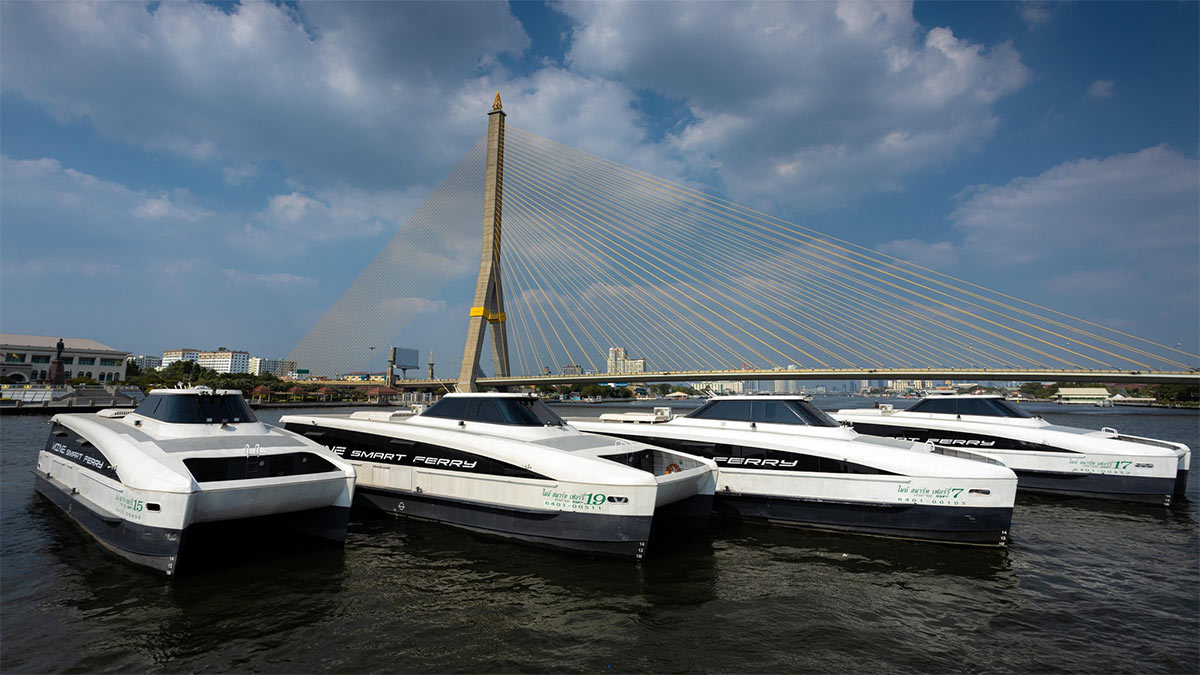
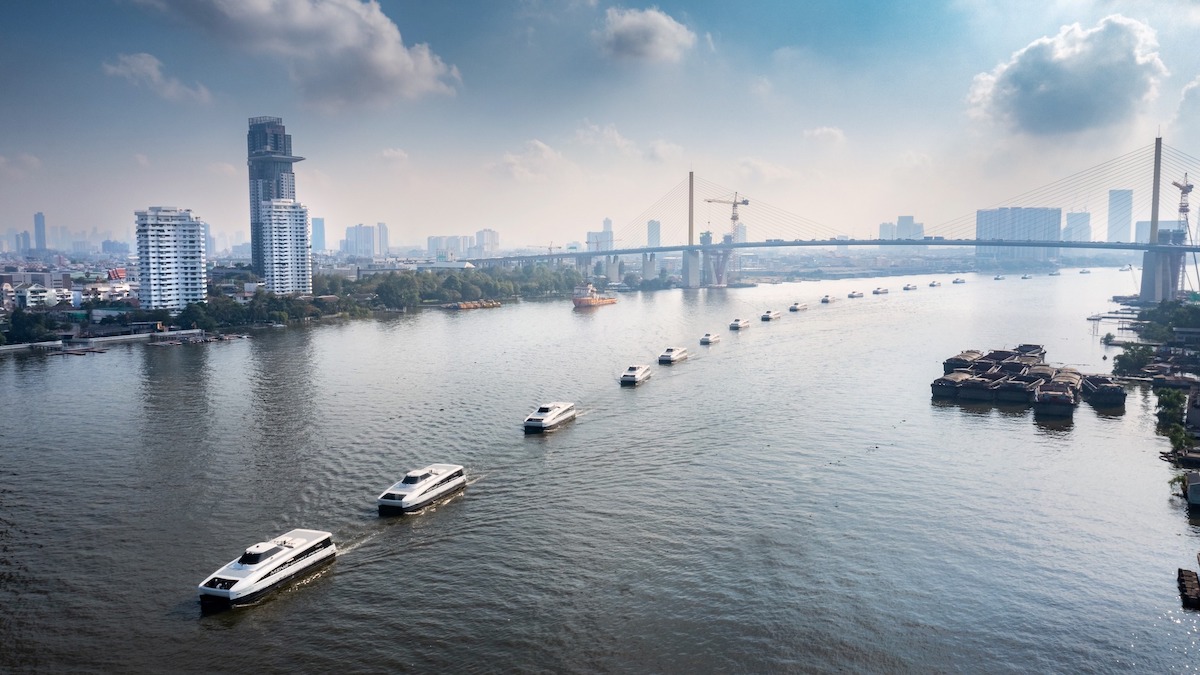
We’re floating the idea because we just saw Bangkok’s new mass rapid transport project: an electric ferry fleet co-financed by the Asian Development Bank (ADB). It’s a first in Southeast Asia.
Photos of the new Bangkok electric ferry:
OTHER STORIES YOU MIGHT MAVE MISSED:
ADB approves up to P227-B loan for South Commuter Railway project
Have you seen the LTO’s new registration ORs?
Dubbed the E Smart Bangkok Mass Rapid Transit Electric Ferries Project, this transport system includes the operation of 27 e-ferries along the Chao Phraya River. Each ferry has a capacity of 250 passengers per trip, and in total, the project will reduce greenhouse gas emissions by an estimated 18,900 tons of carbon dioxide per year. The watercraft will be operated by Energy Absolute subsidiary E Smart Transport Company.
“Energy Absolute is proud to continue working with ADB as a trusted finance partner to support the expansion of our clean energy and sustainable transport business,” said Energy Absolute deputy chief executive officer Amorn Sapthaweekul. “This project demonstrates Energy Absolute’s leadership in e-mobility in Thailand and the region, and the potential to use technology developed within the region to reduce greenhouse gas emissions.”
The ADB signed a $4.7 million (P248.88 million) loan agreement to finance the $17 million project. It will be partially funded by a $3.6 million concessional loan from the Clean Technology Fund as well as by investments from the Japan International Cooperation Agency and Export-Import Bank of Thailand.
“This project is a fine example of ADB’s leadership in climate finance and supporting green technologies that help our developing member countries meet the Sustainable Development Goals,” said ADB vice president for Private Sector Operations and Public–Private Partnerships Ashok Lavasa. “This project demonstrates the potential for electric mobility solutions beyond road vehicles to be adopted across Asia and the Pacific.”
What do you think of this project, readers? Reckon this is something the Philippines should consider?