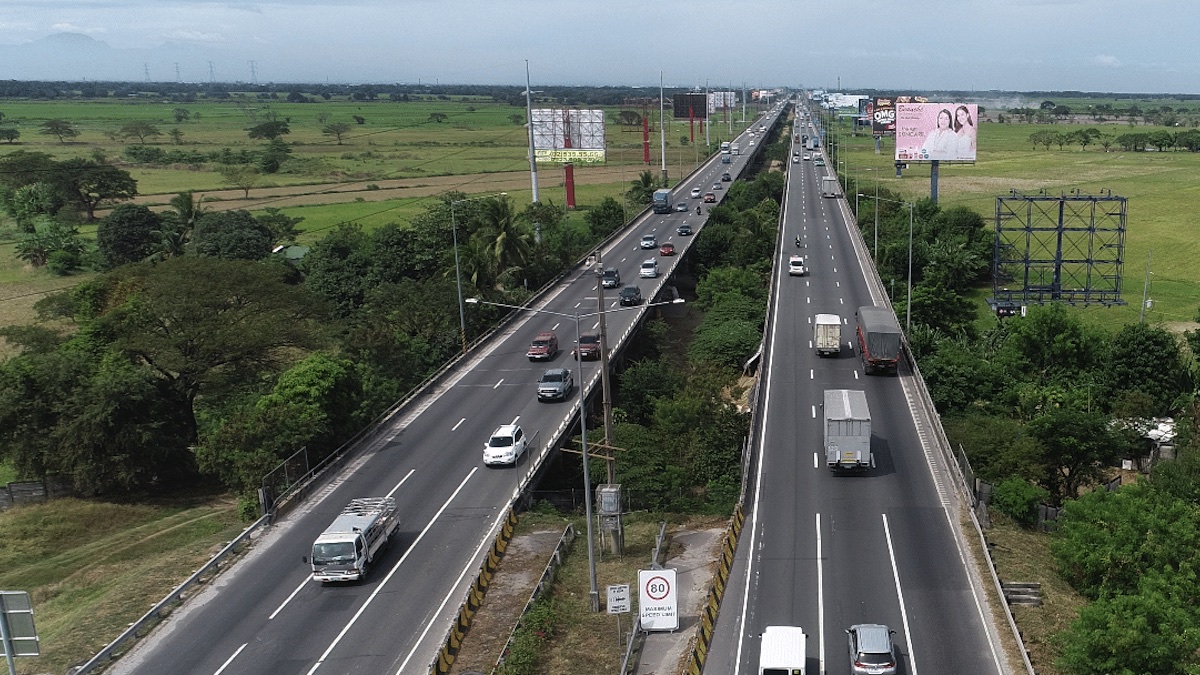
Remember the planned Candaba third viaduct we reported about in January? Construction for the new 5km structure is finally underway, with target completion set for November 2024.
In case you need a refresher, the new viaduct will rise between the two existing viaducts stretching from the Bulacan and Pampanga sections of the North Luzon Expressway. The NLEX Corporation says the structure will increase the road capacity of the entire Candaba Viaduct to three lanes in each direction, with inner and outer shoulders on both sides. The current viaduct has three lanes with no shoulder in each direction.
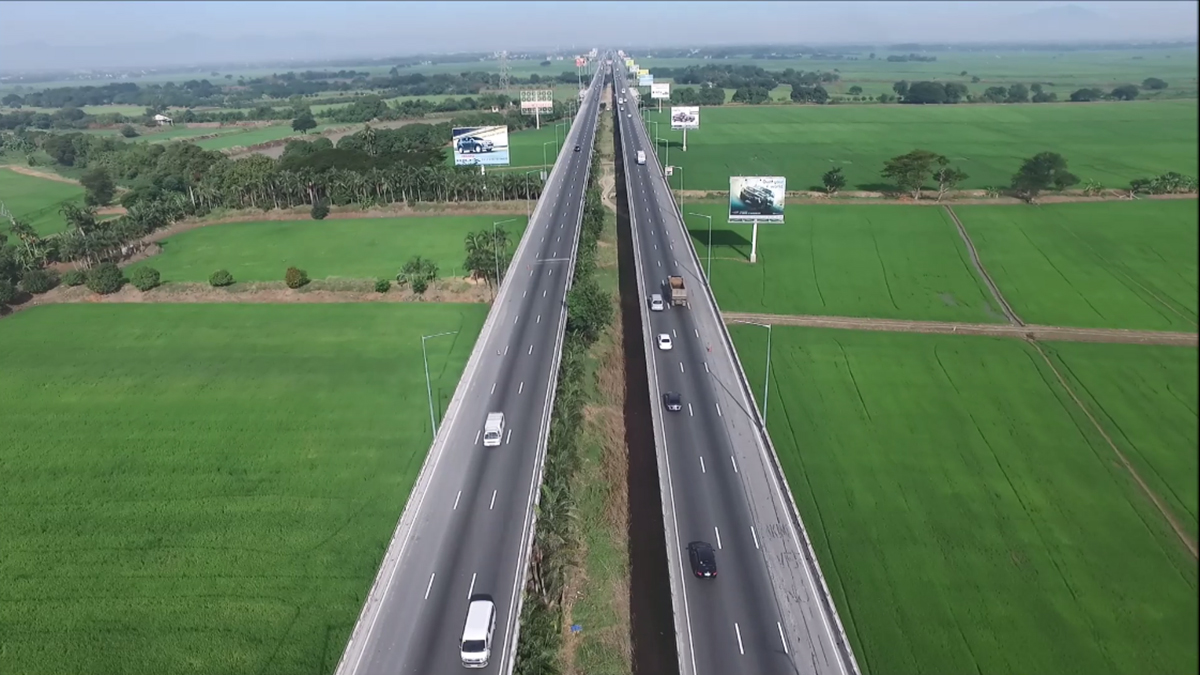
“This project will not only increase the capacity of the 5km Candaba Viaduct, but will [also] ultimately improve safety and convenience of the motorists, as well as aid in the acceleration and growth of trade and commerce in Central Luzon,” said Rogelio Singson, president and CEO of Metro Pacific Tollways Corporation.
OTHER STORIES YOU MIGHT HAVE MISSED:
The MMDA is working on bringing back no-contact apprehension policy
New bill proposes higher third-party liability claim against commercial vehicles
“Green and sustainable engineering practices” will be utilized to build the P7.89-billion new viaduct, which will be compliant with the latest bridge design requirements. Its design takes into account the swampy condition of the ground underneath, and once completed, it will improve the structural integrity of the entire viaduct as the current structures are now operating at a reduced capacity due to their age.
“This new mobility project will offer easy journeys and make travel safer for the public traveling between Metro Manila and Central and North Luzon as there will be a new structure to augment the existing ones and will safely allow the speed limit to increase to 60-80kph from the current 40-60kph,” said J. Luigi Bautista, president and general manager of the NLEX Corporation. “Upon [its] completion, Class 3 vehicles or large trucks will be directed to the new bridge so that the old structures will be relieved of heavy loads.”