Metro Manila’s hazy skyline went viral over the weekend, with road users posting images and videos of murky gray skies looming over the capital. We put up a video, too, taken from Skyway on September 9th.
PAGASA has confirmed that the dreary skyline was the caused not by fog, but by haze. According to the US Environmental Protection Agency (US EPA) haze occurs “when sunlight encounters tiny pollution particles in the air. Some light is absorbed by particles. Other light is scattered away before it reaches an observer.”
Metro Manila hazy skyline on September 9th
It adds: “More pollutants mean more absorption and scattering of light, which reduce the clarity and color of what we see.” And if you take a look at the results of the roadside smoke emission testing conducted by the Metropolitan Manila Development Authority (MMDA) last month, well, we definitely have a lot of pollutants swirling around in the air that we breathe.
OTHER STORIES YOU MIGHT HAVE MISSED:
Toyota’s Raptor-fighter has arrived: 2024 Hilux GR-S now in PH priced at P2.166-M
DOTr’s Greater Capital Region railway system map previews ‘operating lines by 2030’
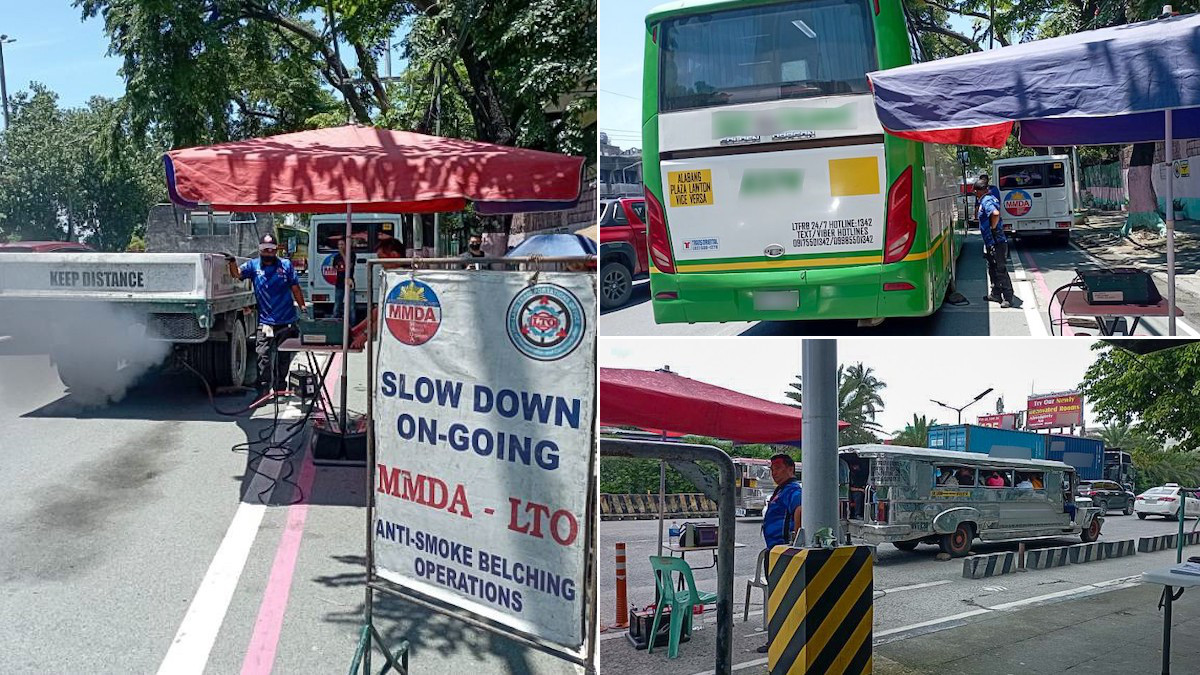
The Anti-Smoke Belching Unit (ASBU) of the MMDA reported that out of 314 vehicles tested in August, only 121 passed its roadside smoke emission test and the other 193 vehicles failed. That means 61% of tested vehicles were belching out more than the acceptable levels of emissions, and only 31% were within the allowed volume. The official release said the MMDA tested public vehicles, but the accompanying photoset also showed trucks in the mix.
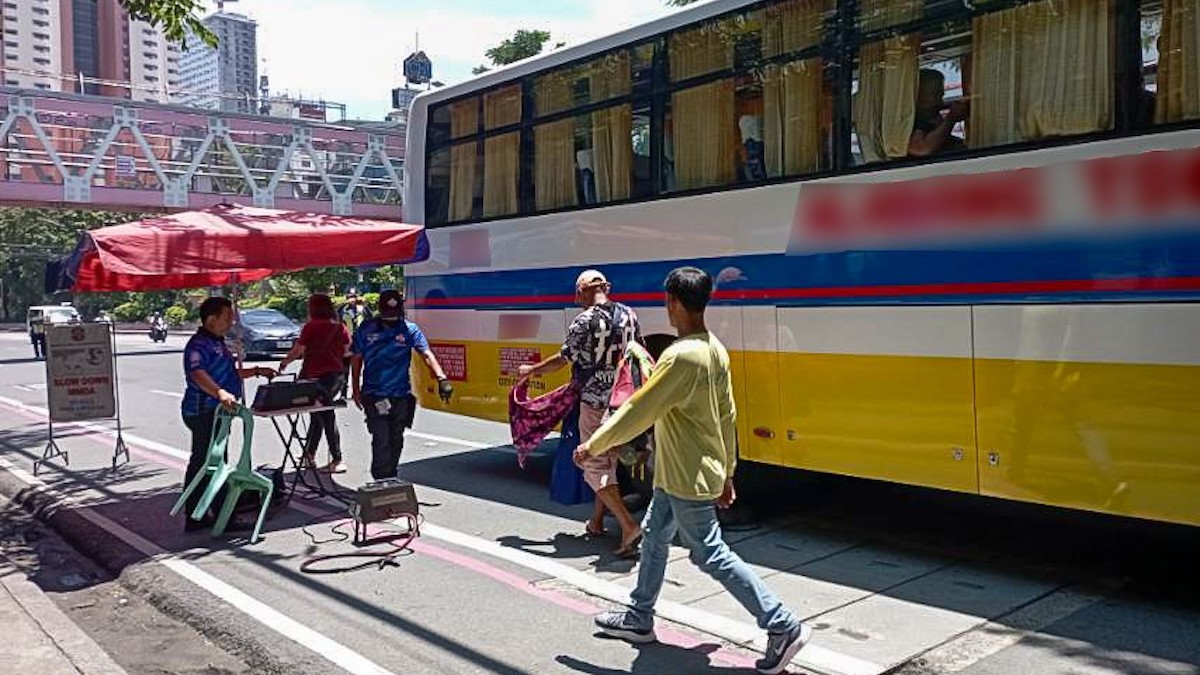
Motor vehicles are among the manmade sources of haze-forming air pollutants, according to the US EPA, and aside from limiting visiblity on the road, these pollutants “have also been linked to serious health problems and environmental damage.” Individuals who are particularly vulnerable to haze-induced respiratory illness are the elderly and pregnant women, those with existing respiratory conditions, active transport users, and pedestrians.
“Yung kulimlim po na na-experience natin [over the weekend], siguro panghuling bugso na ng haze dahil nag-peak siya three days ago,” meteorologist Benison Estareja told TeleRadyo Serbisyo. But given those impromptu emissions test results and the amount of time that vehicles now spend idling in worsening Metro Manila traffic, how long before the next spell of haze hits us again?