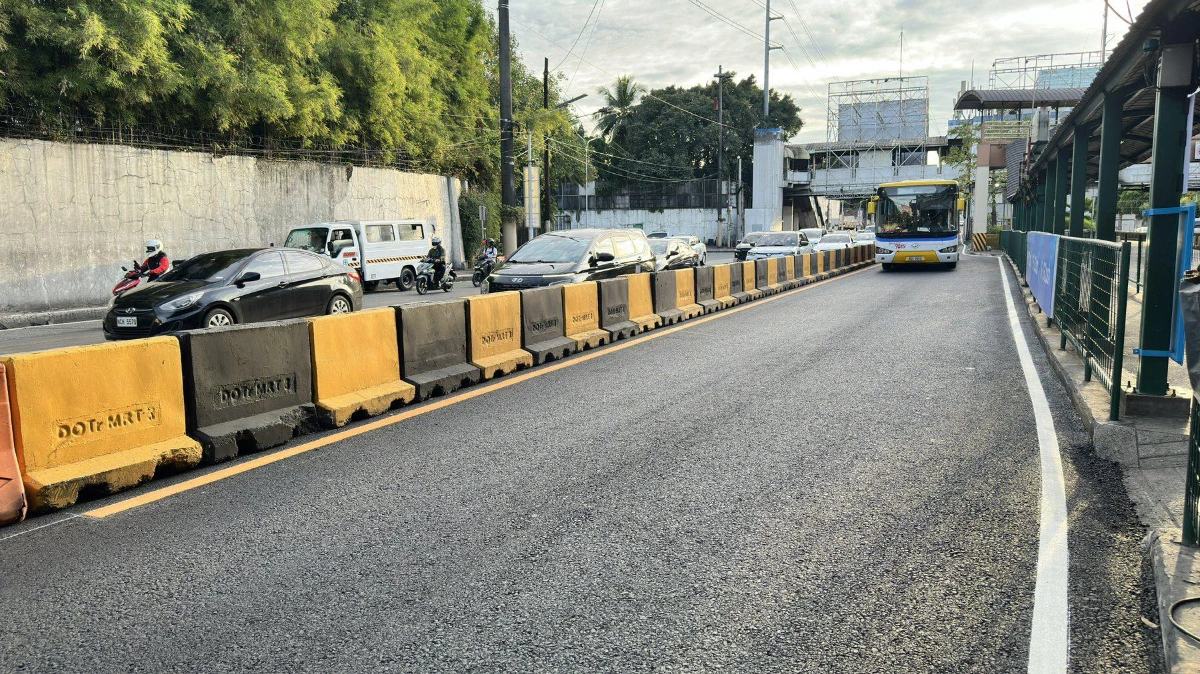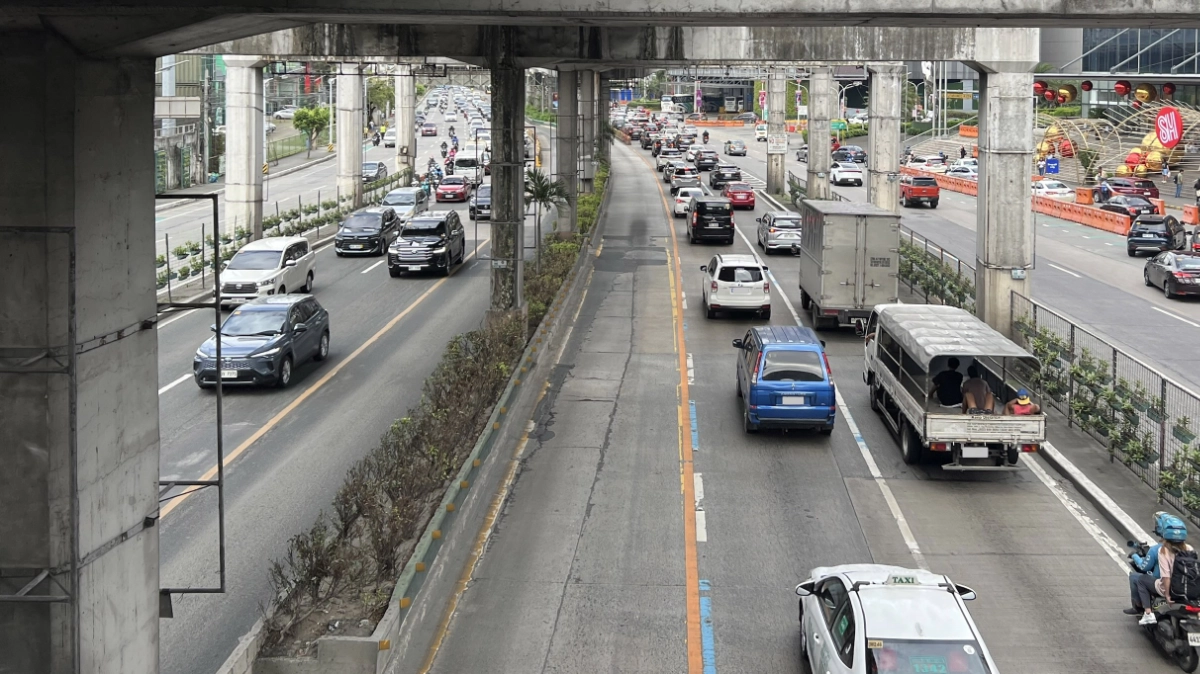
TomTom has just released its annual traffic index, and the results are interesting to say the least. The 2025 report ranked Metro Manila traffic at 40th worst in the world, a stark improvement from 2024’s 15th position and 2023’s top (or bottom, rather) spot.
The most recent data also revealed that Davao City still has the worst traffic in the Philippines, although it also improved from third in 2024 to 12th in 2025.
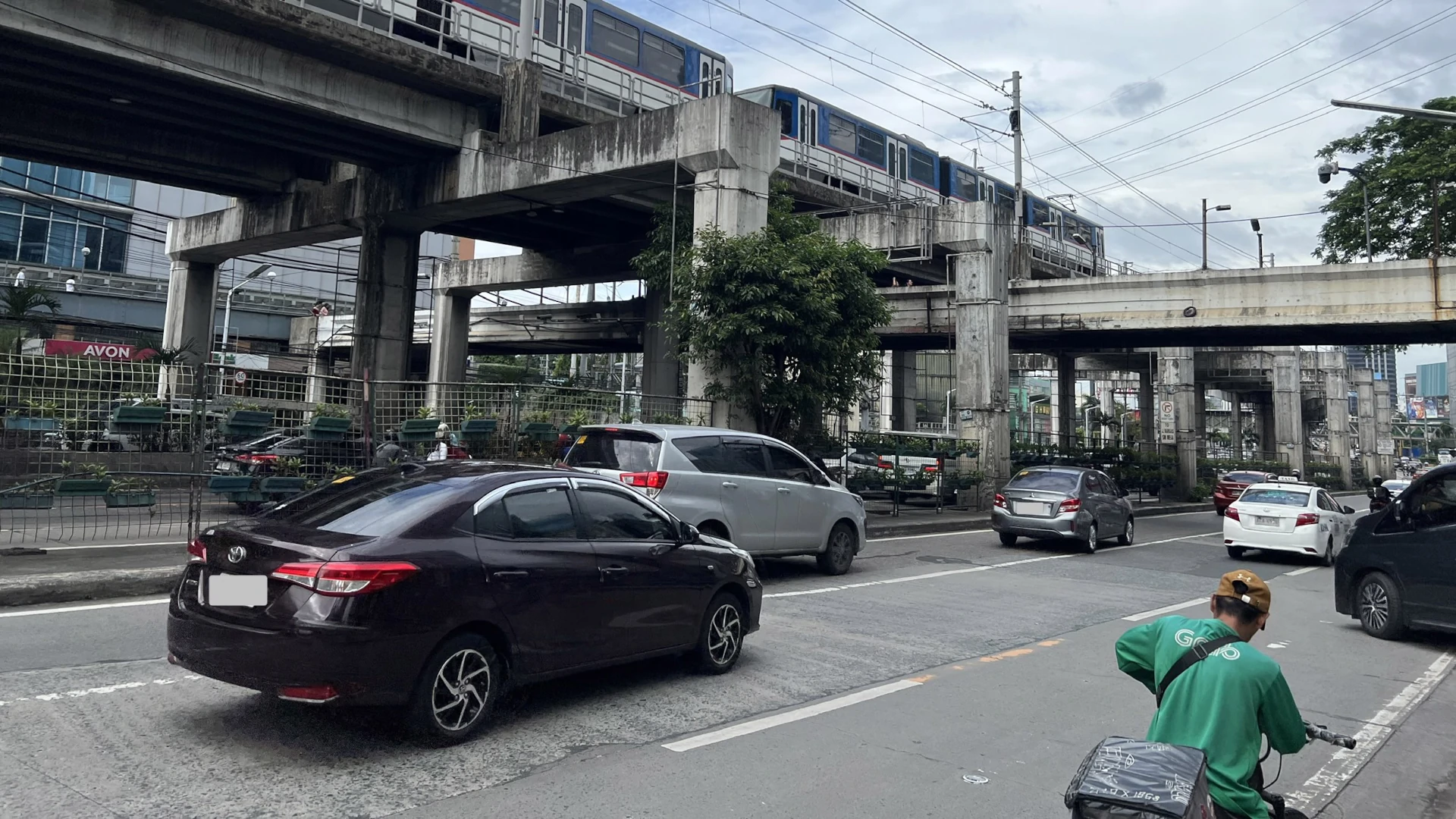
From rankings alone, one could assume that Metro Manila traffic has improved exponentially, but a closer look at the data shows that travel times and congestion rates actually worsened over the last year.
OTHER STORIES YOU MIGHT HAVE MISSED:
Is the all-new, fully electric EX60 now Volvo’s most important car?
Continental PH rolls out SUV-focused UltraContact UX7 tires
TomTom uses two standards to measure traffic data: City centers—the densest areas that capture 20% of all trips within the city-connected area—and metro areas—trip-dense regions that account for 80% of all trips within the city-connected areas.

City data shows that it took motorists an average of 31min 45sec to travel 10km, which is 10sec more than what was recorded in 2024. While the average from metro areas was reported at 28min 2sec—31sec more than what it took in 2024.
Congestion levels were also higher in 2025, with slower average speeds on highways and during rush hours as well.
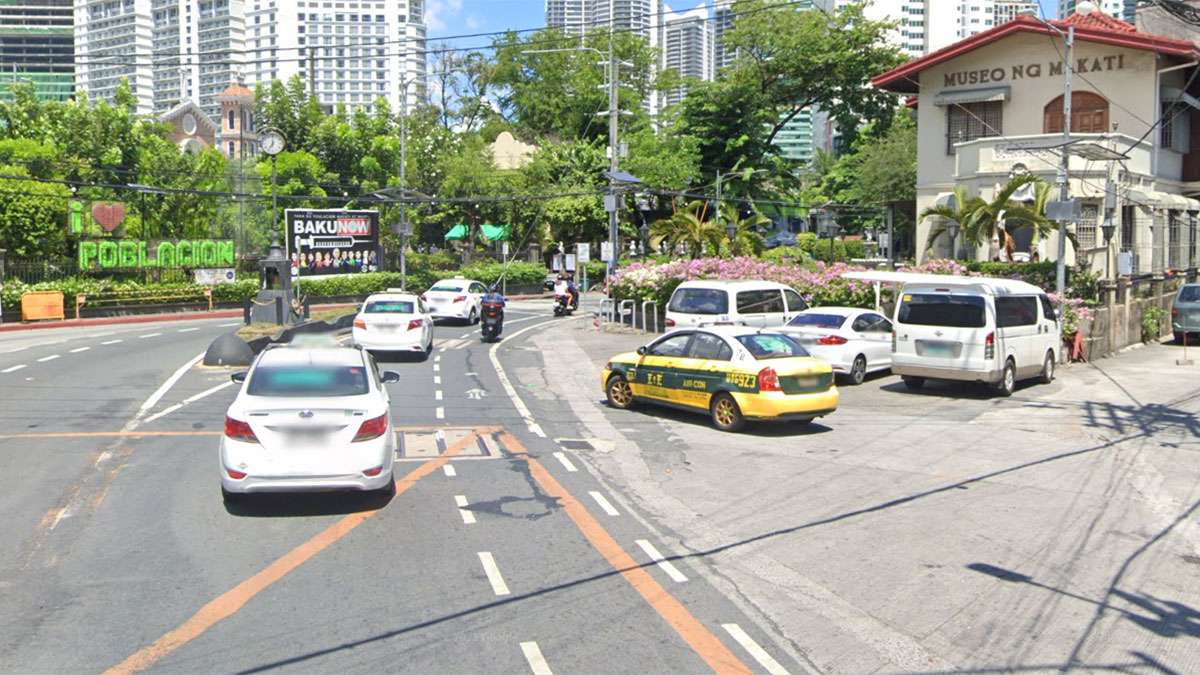
Speaking of rush hours, motorists in Metro Manila lost a total of 143 hours in peak traffic conditions. According to TomTom, that is 1hr 16min more than what was measured in 2024, overall equating to five days and 23 hours lost in traffic jams.
With several public transportation and road improvement plans in effect, we’re hoping to feel real and positive change in 2026. While it seems that Metro Manila is losing its global recognition for terrible traffic, drivers and other road users are still losing many hours in standstills.