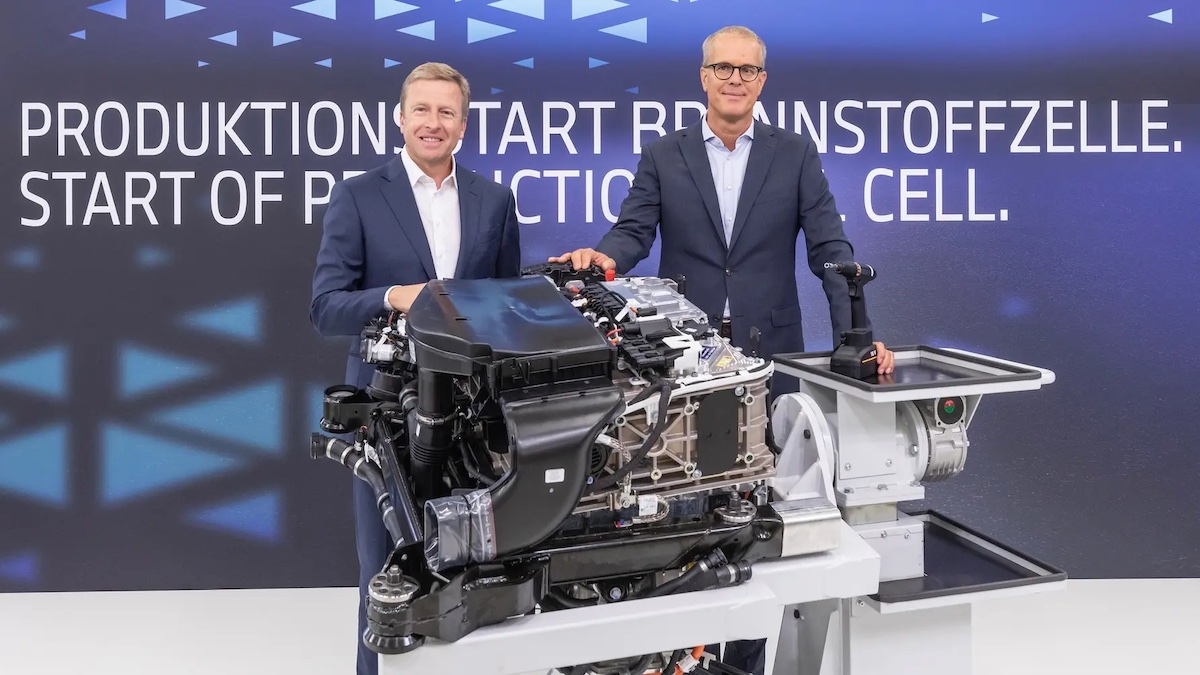
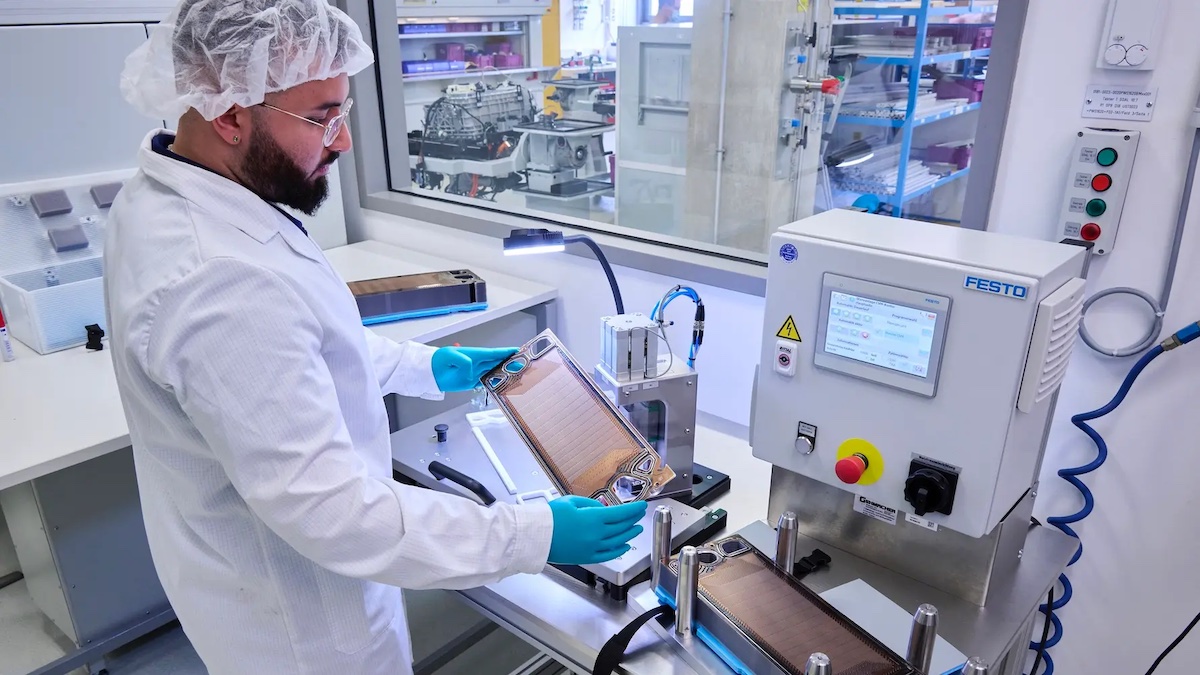
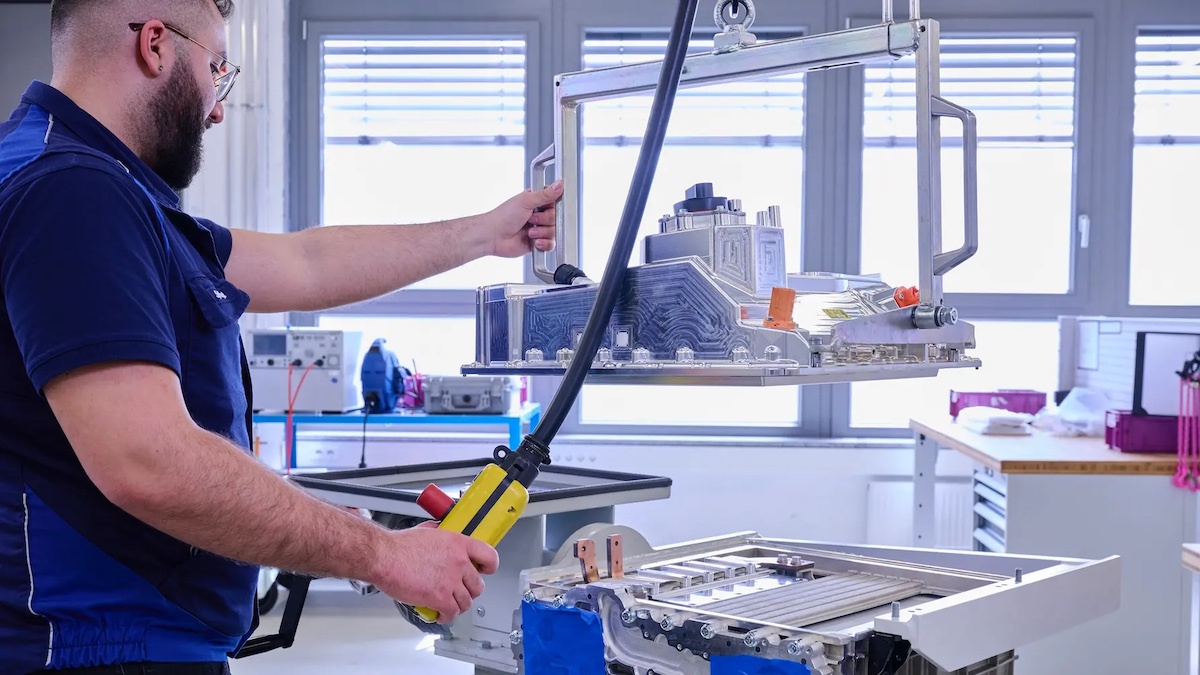
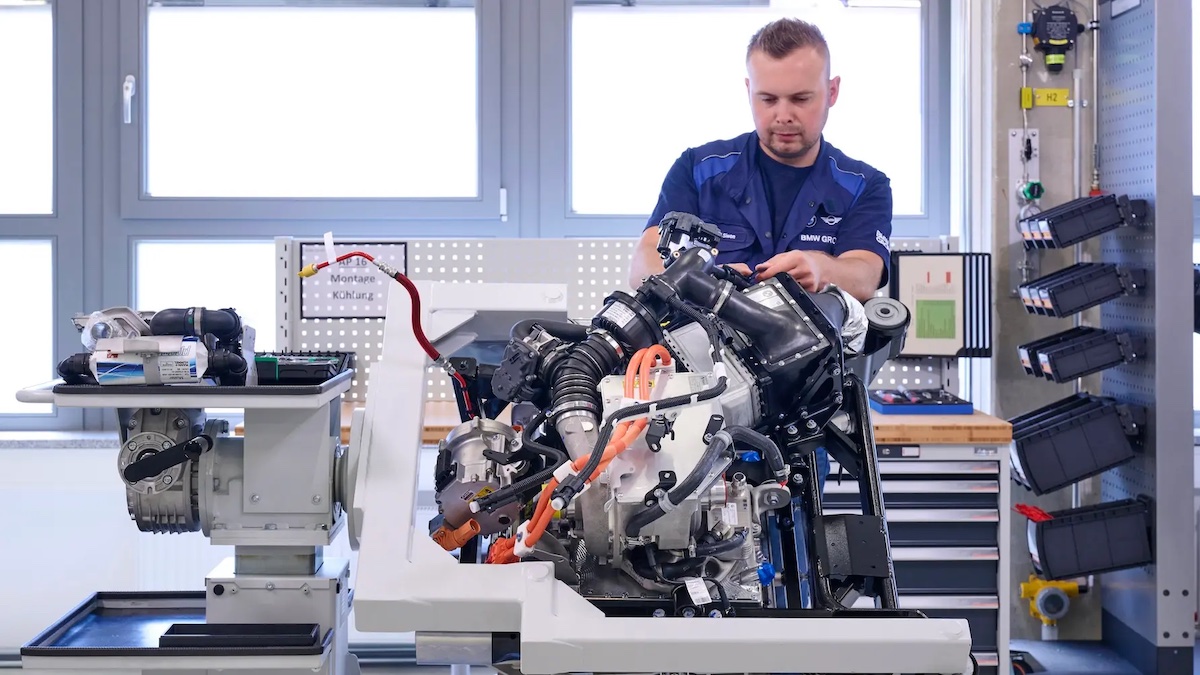
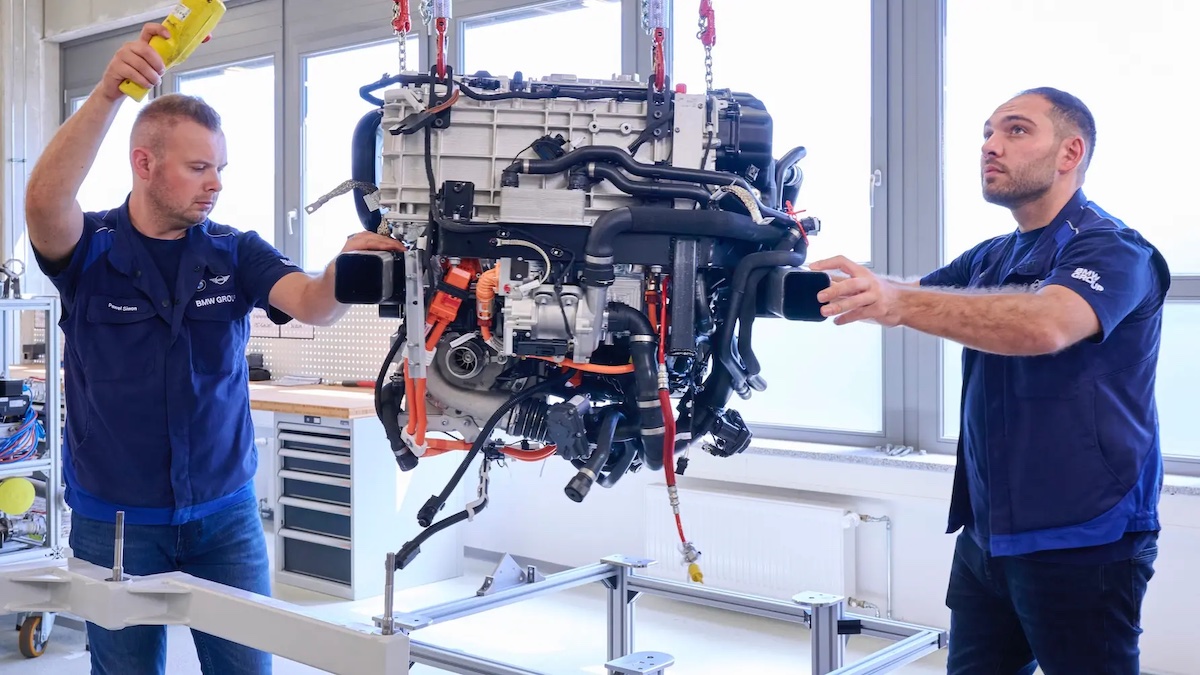
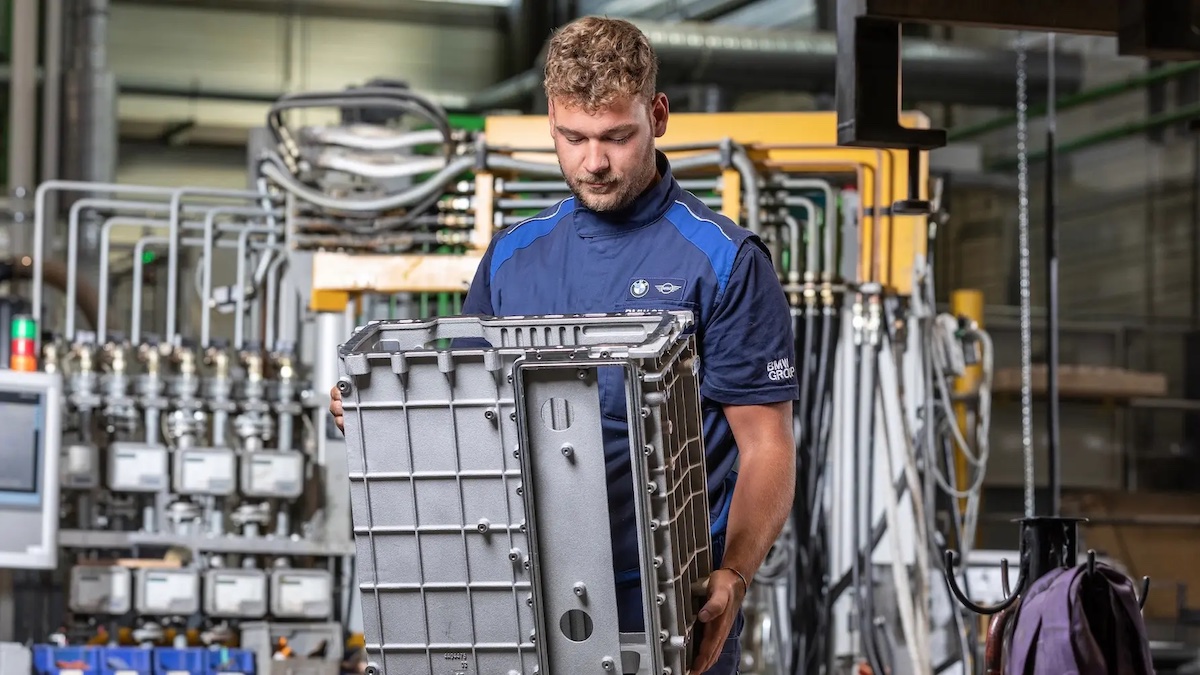
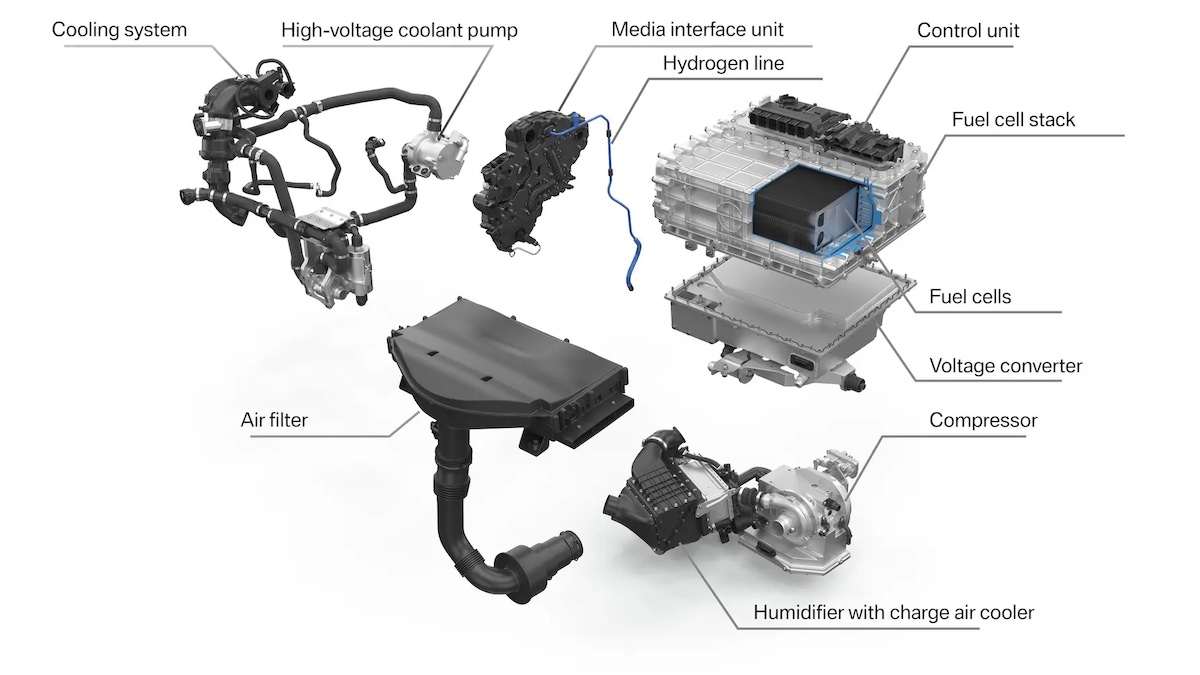
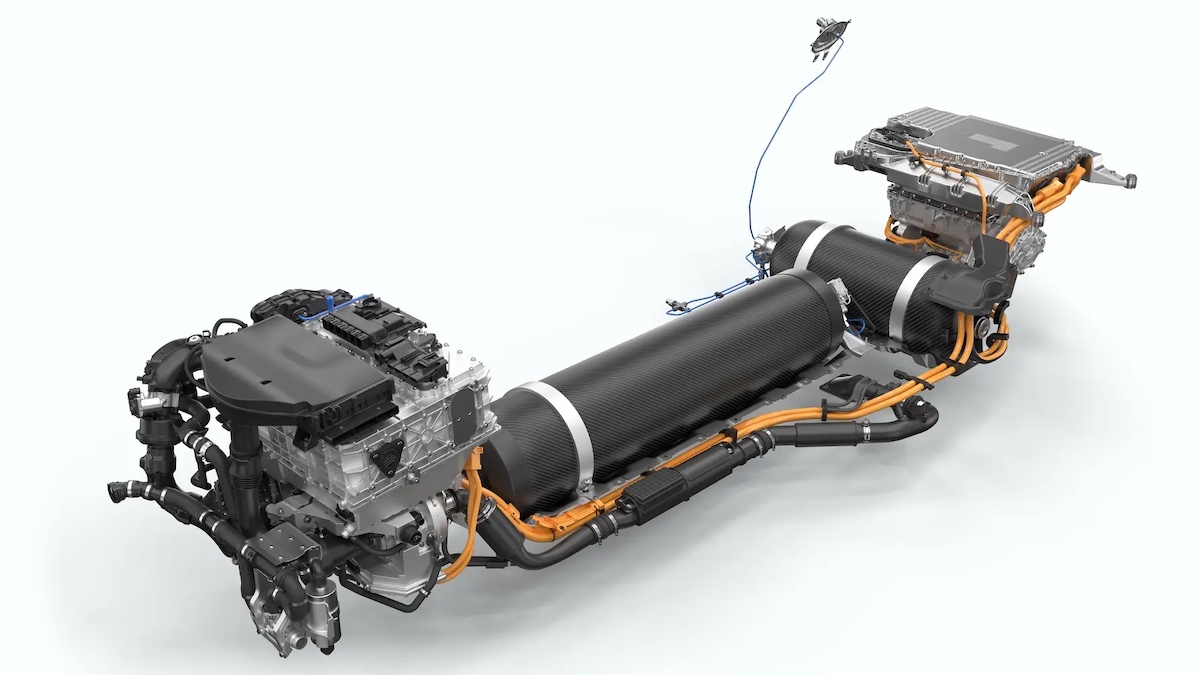
If we didn’t know any better, we’d say it looks like BMW is hedging its bets on the future of propulsion. As such, it’s begun building its own fuel cells in Munich, the first of which will power a “small series of BMW iX5 hydrogen cars that will be entering service... for test and demonstration purposes.”
So you shouldn’t expect to just pop into your local dealer and pick up a hydrogen-powered Bimmer soon; BMW itself admits that it’s “small-scale production” meant to demonstrate “the technical maturity of this type of drive system.” BMW also touts the “great promise” of hydrogen, which will “fit alongside battery-electric vehicles and complete the electric mobility picture.”
OTHER STORIES YOU MIGHT HAVE MISSED:
Supreme Court: MMDA covered by TRO against no-contact apprehension
Confirmed: Nissan is launching the Livina in PH on September 6
Er, about that.
Hydrogen is extraordinarily important to our continued life on this planet but using it as fuel is not a good idea. We’ve been over the entire thing before, but the crux of it is down to efficiency.
After power grid transmission losses, charging losses due to heat and the slight efficiency loss of electric motors, battery electric vehicles convert more than 70% of the energy generated at the source to driving the wheels.
Even assuming 95% efficiency for hydrogen production (the average is about 75% at the moment, regardless of the source or method), by the time hydrogen fuel is in your tank, it’s only holding 57% of the energy that was used to create and compress/cool it for use. The most efficient fuel cells convert hydrogen into electricity at 60% efficiency, which means the electricity created by the fuel cell has 34.2% of the energy used to create the hydrogen in the first place. Put that through the exact same (i.e. 95% efficient) electric motor, and it’s less than 32.5% efficiency. Or, to put it another way, even at its absolute best, it’s not even half as efficient as batteries.
If we’re going to meet the energy needs of eight billion people while limiting the effects of climate change, we’re going to need to use energy as efficiently as possible. And if we didn’t know any better, we’d say that the method that’s half as efficient as what we already have might be... a waste of energy? Yeah, we know. There’s the door.
Photos of BMW’s hydrogen fuel cell technology
NOTE: This article first appeared on TopGear.com. Minor edits have been made.