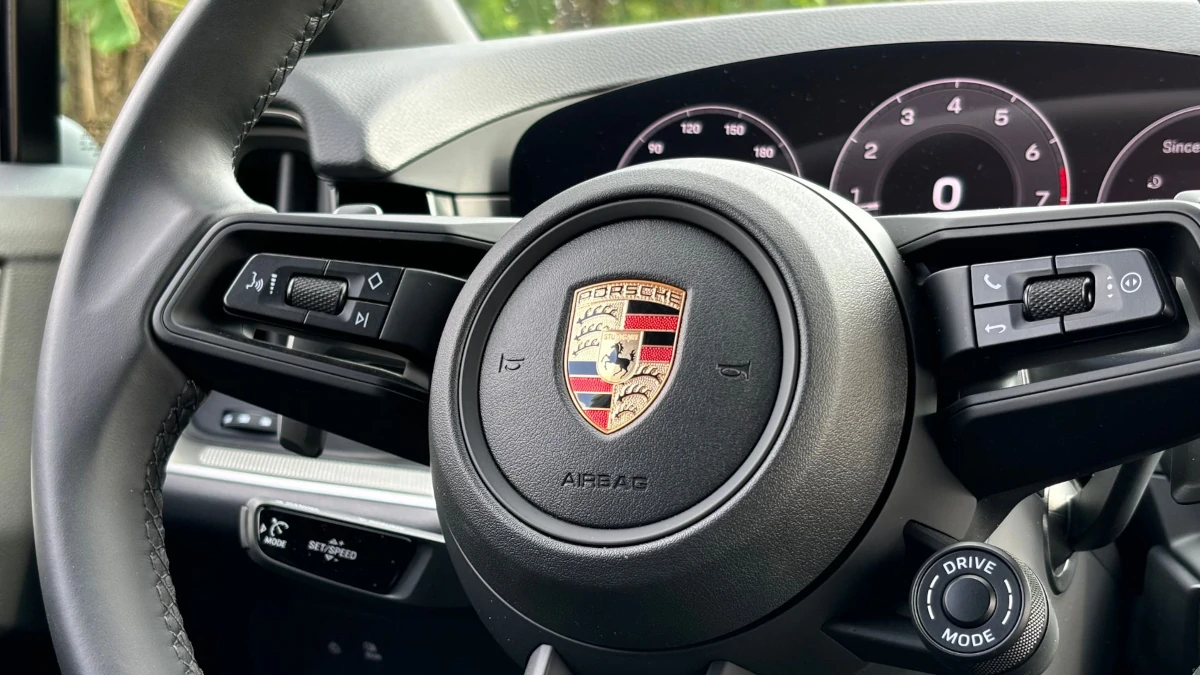

Porsche Engineering is using some exceptionally clever, definitely nerdy AI-based algorithms to make assisted driving technologies safer.
Its AI system is successfully noting oddities like, for example, a flat-bed truck carrying another vehicle backwards (as pictured) which could be interpreted as a car driving the wrong way by a more limited system. By identifying gaps in the car’s knowledge (gained from recorded data collected by the vehicle’s sensors and cameras), cars’ ADAS features can be programmed to be safer.
To understand what, how, and when these unlikely incidents might occur, the researchers have used an artificial neural network they call a variational autoencoder (VAE). Nope, it’s not a new video-assisted anything.
OTHER STORIES YOU MIGHT HAVE MISSED:
All-new Mini Cooper 5-Door makes PH debut with P3.799-M asking price
Ferrari could launch its first electric SUV by October 2025
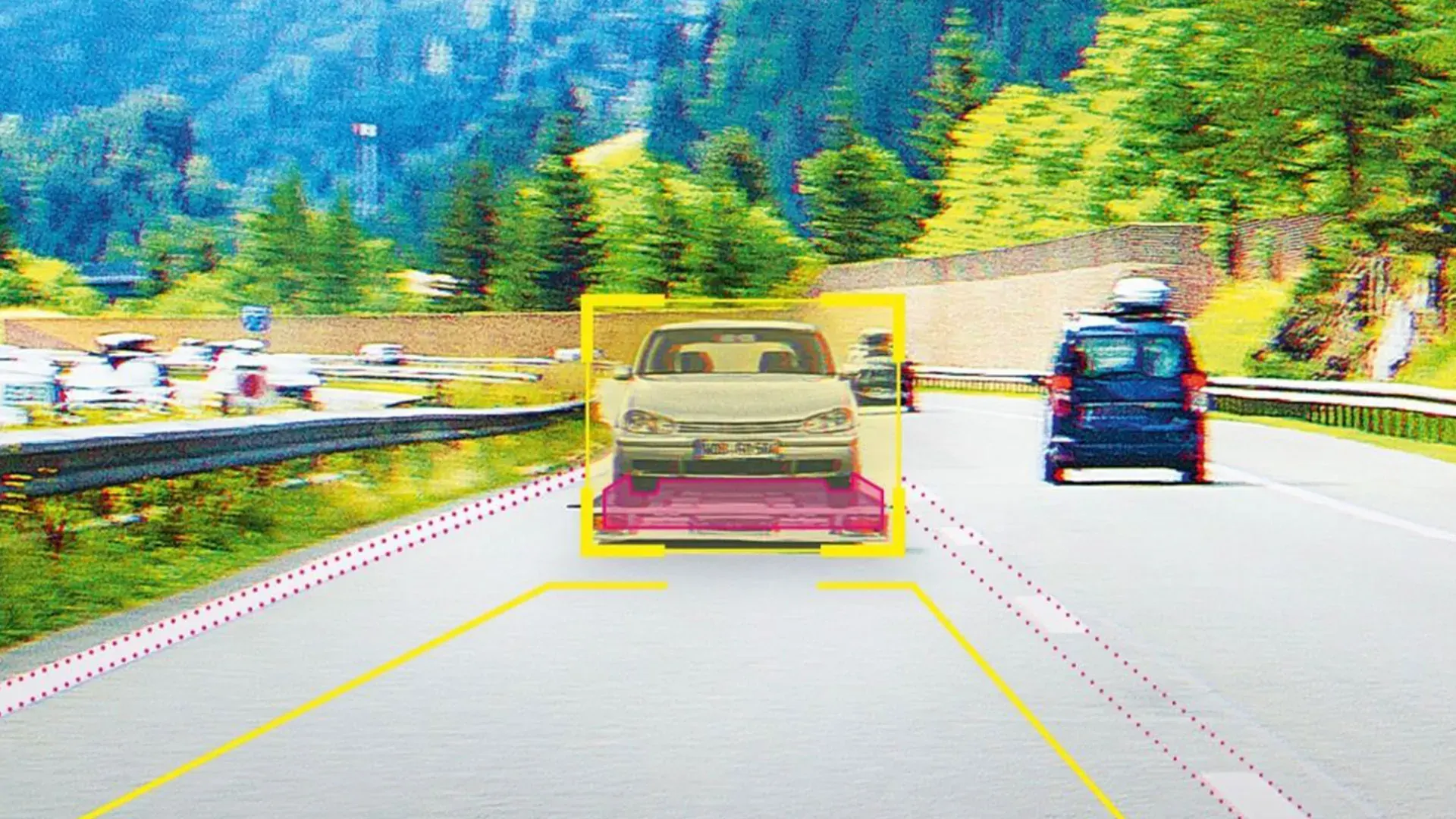
The VAE is like a funnel for training the software model to understand less common traffic situations, such as things on the back of transporters, or weather-based anomalies. The VAE sucks in the collected data, and compresses them to simpler values which creates patterns that can be seen on a graph.
Looking at all the scenarios, and analysing thousands of kilometers of road in just a few minutes, the graph is plotted and then assessed by AI-underpinned vetting. It overlooks the clusters of data points (i.e. the common incidents), and picks out the one-off sporadically occurring points, considered the rarer incidents.
The system is finding plenty of examples in Scandinavian countries where a snowy verge is taken for the white road line, and where there are more car-animal interactions. Such edge cases couldn’t be identified by humans, because it’s impossible for us to evaluate all the video footage and sequential data that the VAE gobbles up that quickly.
This isn»t the first time VAE has been used in cars (facial recognition models analyse occupants for changes in posture, vital signs and drowsiness), but it is the first time it’s been deployed to improve ADAS.
Currently, the team is working from recorded data stored in the cloud, but it’s hoping that future advanced driver-assist systems (ADAS) can be programmed to deal with more unusual traffic incidents more effectively and in real-time.
NOTE: This article first appeared on TopGear.com. Minor edits have been made.