
Splatting and cars—not typically a welcome word association. But a fancy computer-science technique called ‘Gaussian splatting’ is the latest approach being used by Volvo to make its cars safer.
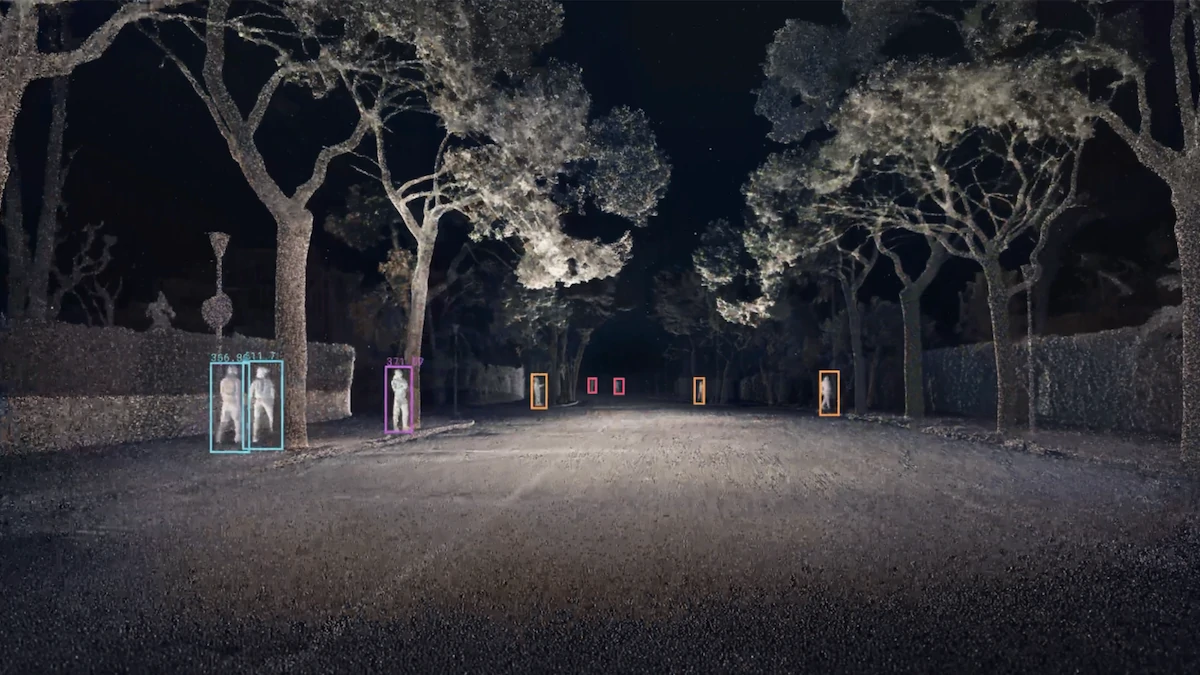
Using artificial intelligence and Nvidia’s supercomputing platform, researchers from Zenseact—Volvo’s in-house AI and software division—can synthesize incidents from the data collected by the sensors in new Volvos, and then create 3D visuals from all those bits of information.

OTHER STORIES YOU MIGHT HAVE MISSED:
Honda Certified Plus takes the guesswork out of buying and selling used Hondas
For the regular customer, the BYD Shark 6 DMO might just be the ideal truck
Take another look at the images above. It’s not camera work. Those are some high-fidelity renders generated entirely from data points. Pretty cool, eh? Once generated, the images can then be manipulated. By adding or removing obstacles and/or other road users, the PhD researchers can test various scenarios and interrogate different outcomes, based on the different decisions they program into the driver-assistance features of a car.
By seeing the virtual consequences of those decisions, Volvo can ensure the car’s ‘brain’ has an awareness of what to do when rarer road scenarios occur in life. Of course, Volvo isn’t the only carmaker using AI to find these ‘edge cases.’ Remember, Porsche has been using some similar AI wizardry to give its driver-assist features more knowledge of those weird situations we don’t encounter on a regular basis.
NOTE: This article first appeared on TopGear.com. Minor edits have been made.