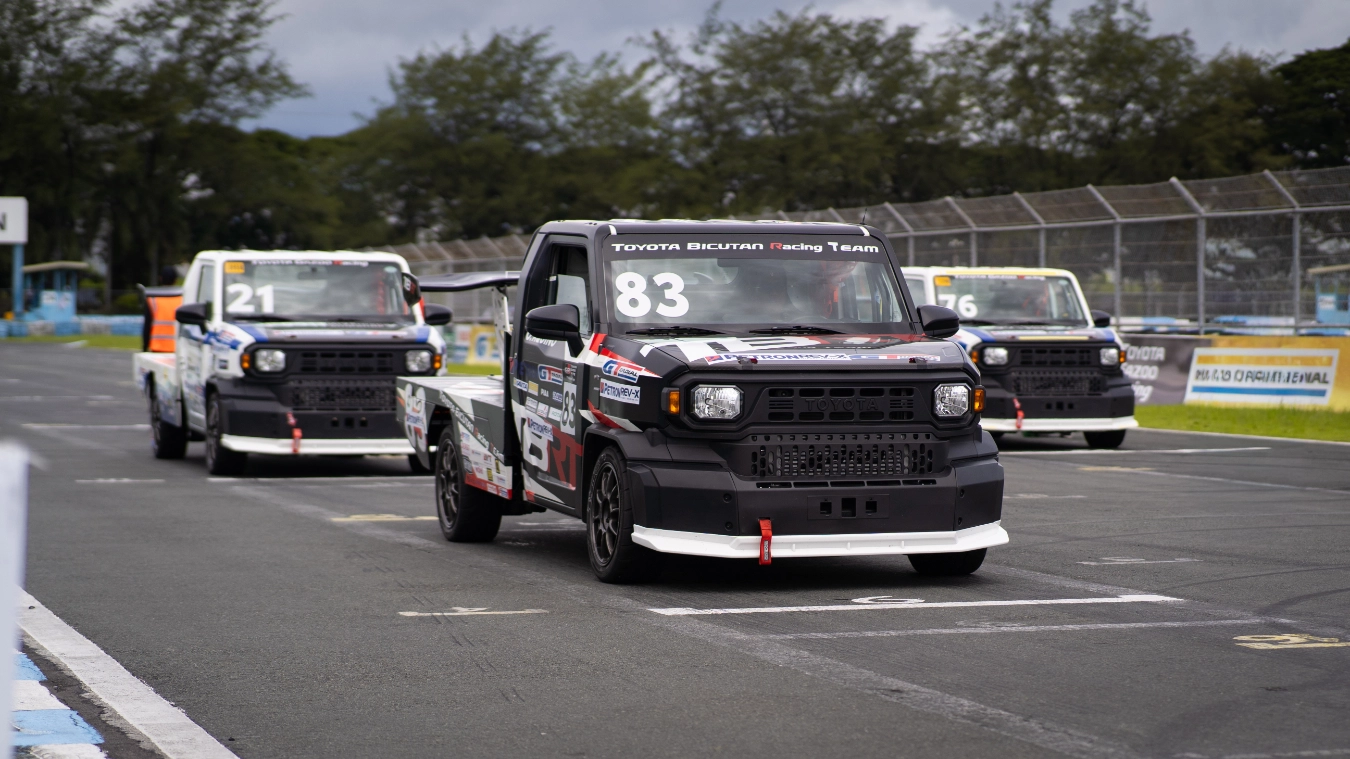
After a successful first event at the Riverpark Street Course in Cavite back in March, the latest round of the 2026 Toyota Gazoo Racing Philippine Cup brought racers and teams to Clark International Speedway in Pampanga on June 11 for a Saturday of all-out action.
But the weekend brought more than just racing. After the global fuel crisis put motorsport events on hold due to turbulent fuel price hikes, the latest leg of the TGR Philippine Cup also served as a “rolling laboratory” to test low-carbon biofuel and its performance and reliability. And what better way to assess the new alternative energy source than on a race track where engines are driven to their absolute limits.
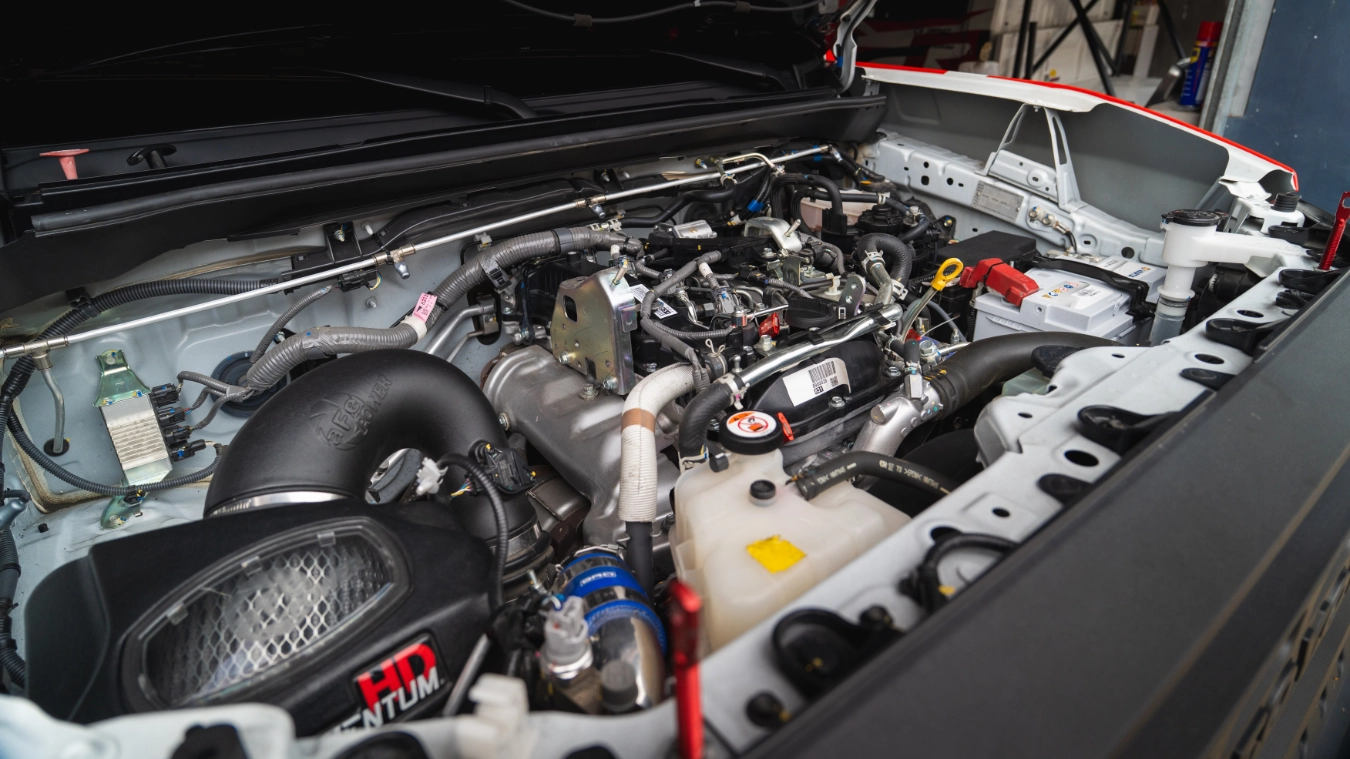
Biofuels have long been tested and used in major global racing series. Formula 1 has famously used E10 (gasoline with 10% ethanol) before transitioning to 100% Advanced Sustainable Fuel. Meanwhile, NASCAR has been using biofuel for more than 10 years now, with E15 (gasoline with 15% ethanol) powering teams’ race cars. MotoGP also requires a specialized 40% non-fossil fuel as part of its technical regulations.
Locally, the 2026 TGR Philippine Cup was first major racing series to test and use alternative fuel. The Vios one-make race (OMR) cars used E20, a mix of 80% gasoline and 20% bioethanol. Meanwhile, the Tamaraw OMR utilized B5, a coco-biodiesel blend.
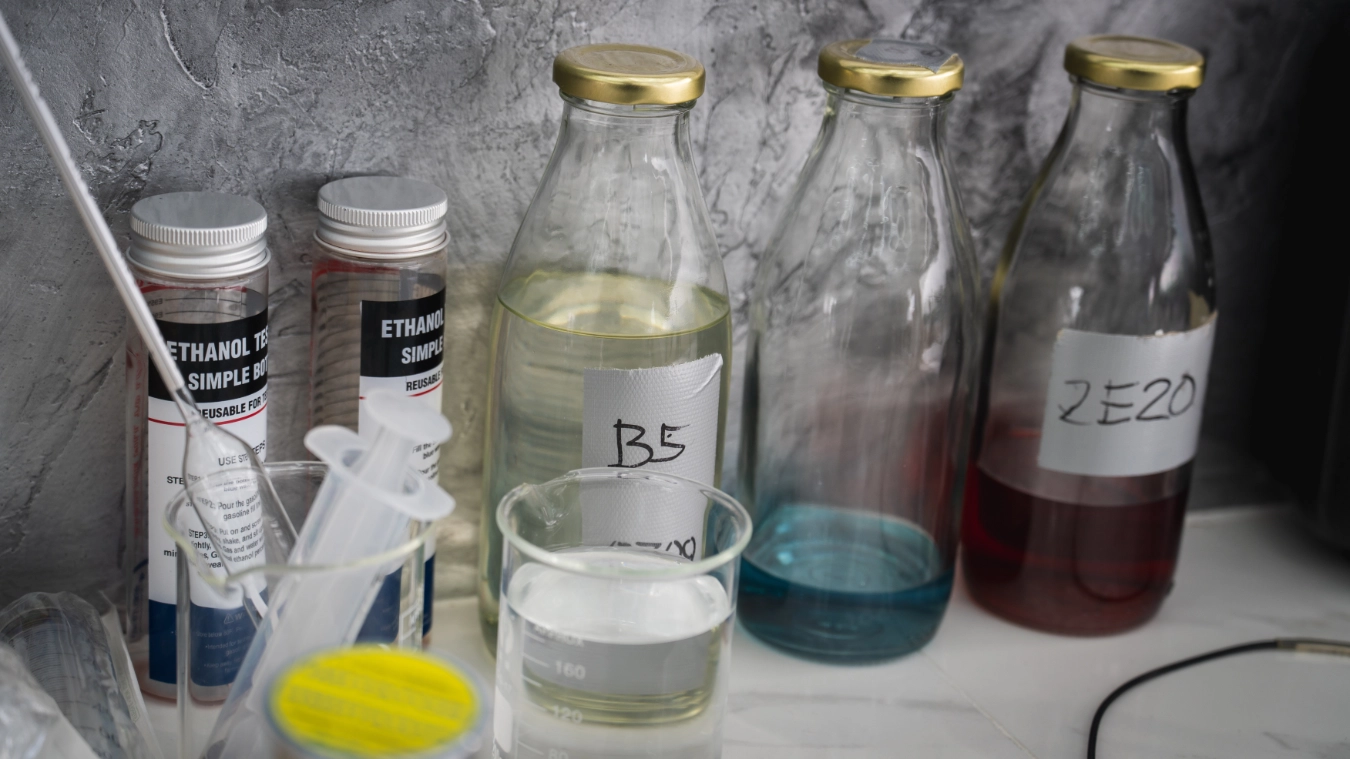
While both the Vios and Tamaraw OMR cars are modified for the track, their engines remain stock as required by the regulations. This means the consumer versions of both cars also offer fuel flexibility and can operate with these types of biofuel.
Using alternative fuel doesn’t necessarily mean sacrificing speed. Because of the blend of ethanol with gasoline, biofuel normally has a higher octane rating than regular gasoline, allowing gas-powered engines to run higher compression ratios. The same goes for biodiesel, which generally has a higher cetane number for quicker diesel ignition and smoother combustion.
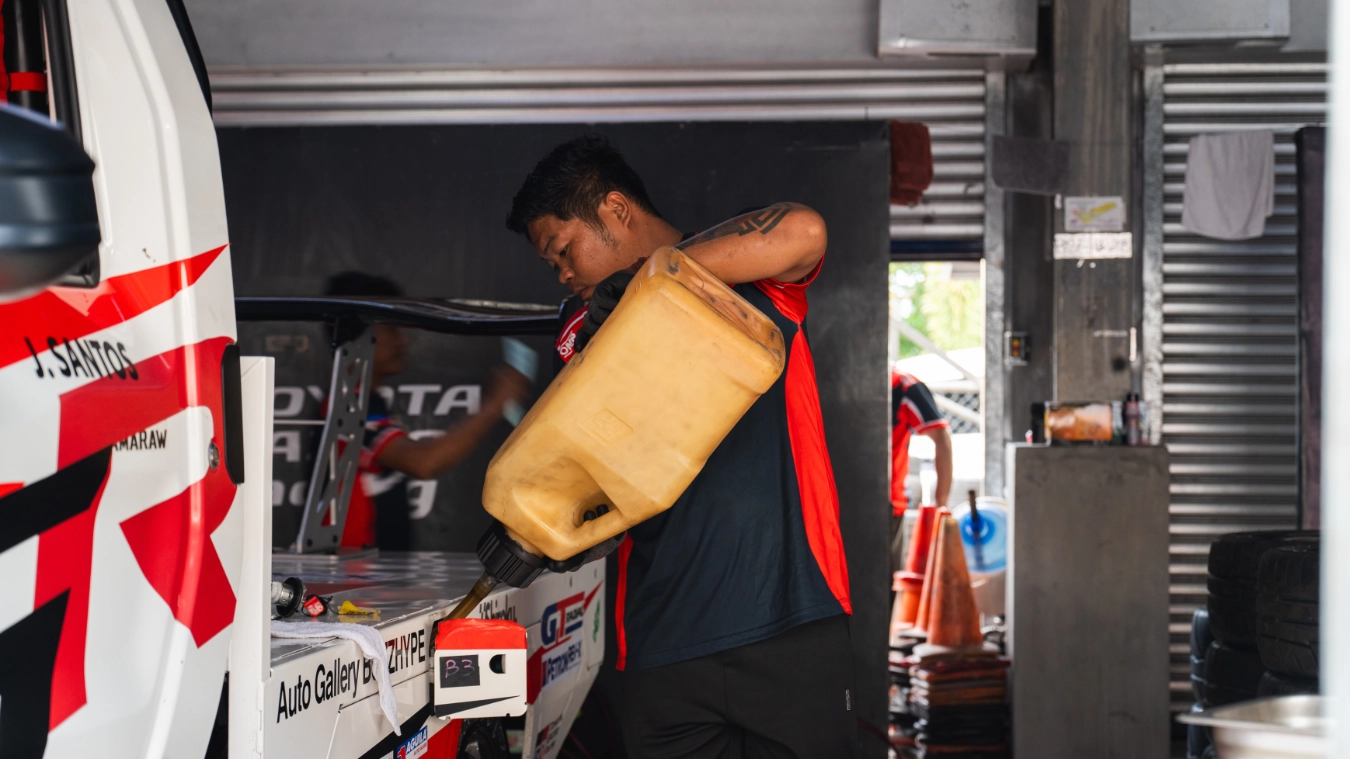
This rolling laboratory is a crucial step in Toyota’s roadmap for reducing carbon emissions. Introducing gasoline- and diesel-based biofuel in motorsports not only makes racing more sustainable—it also helps Toyota gather data on the use of alternative fuels in the most demanding environments. This helps improve the efficiency, performance, and reliability of the carmaker’s production-car engines when dealing with biofuel mixtures.
Currently, three-quarters of Toyota and Lexus gasoline-powered models are already E20-compatible, while all of Toyota’s diesel-powered vehicles are B5-compatible. With the powertrains of the Vios OMR and Tamaraw OMR cars now utilizing alternative fuel, what are they like to drive?
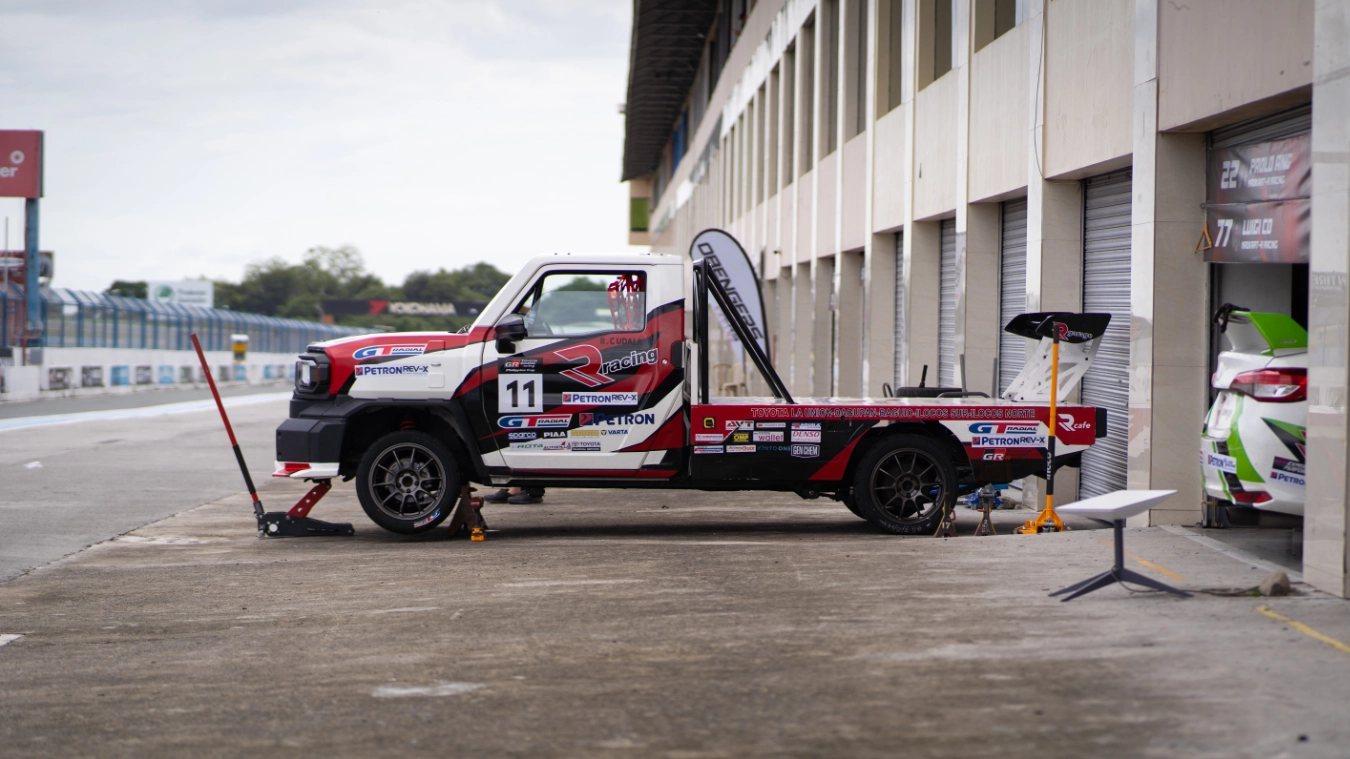
Alex Lim (aka BanaweBoy), who competes in the race series’ Tamaraw Class, expressed that there’s no noticeable increase or decrease in performance. “I feel no difference. I’m so proud that Toyota was able to formulate a biofuel that feels the same, especially with its power delivery,” he said.
Meanwhile, Chenee Hazel Jimenez shared the same sentiments: “As for performance, I honestly feel no difference with pump diesel. And wouldn’t know if I wasn’t informed.”
Justin Santos (aka Justin Buzzhype) added: “That’s what’s impressive about B5—you can continue enjoying the same driving experience while using a more sustainable fuel. As racers, we consume a lot of fuel during testing and competition, so it’s great to know we’re helping reduce our environmental impact without compromising performance.” Both Chenee and Justin also compete in the Tamaraw Class.
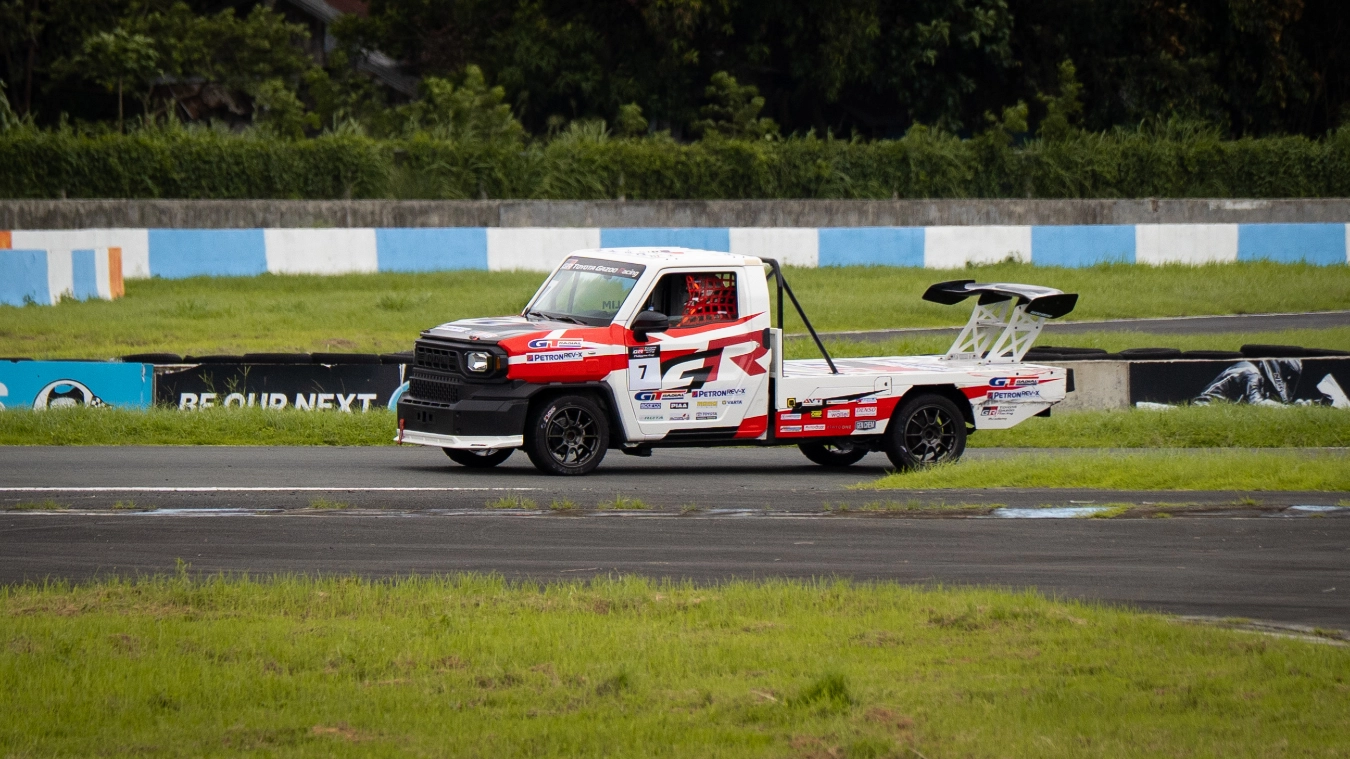
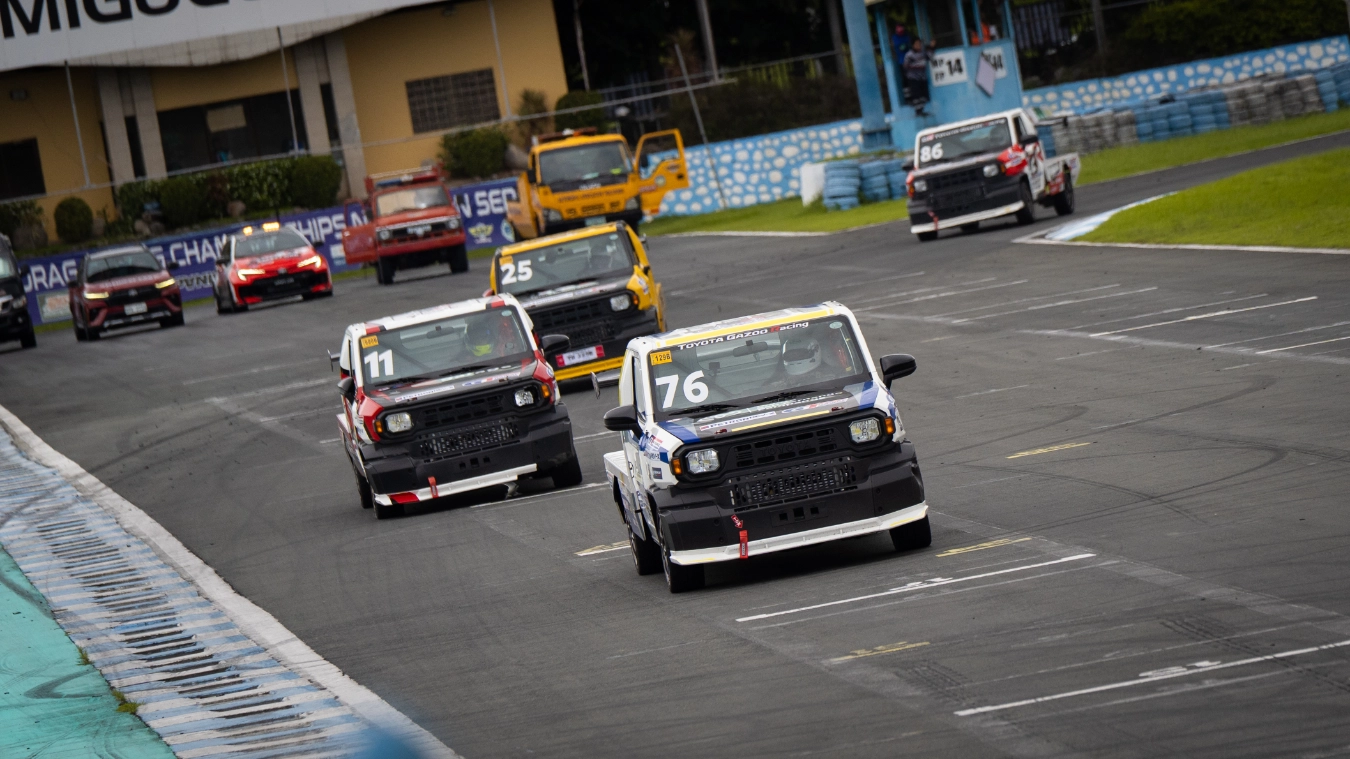
There’s no doubt that the second leg of the TGR Philippine Cup brought together sustainability and motorsports action for the fans. All in all, the 2026 season has four racing classes: Sporting Class and Super Sporting Class for the Vios OMR, Legacy Class for the older generation of Vios race cars, and Tamaraw Class for the Tamaraw OMR that debuted this year.
With a total of 34 drivers and cars in four racing classes, there’s plenty of intense competition for fans to enjoy, as well as an ample supply of performance data for Toyota Motor Philippines (TMP) to study.
“I’m truly proud to be part of Toyota’s Rolling Laboratory,” said Justin Santos. “It’s exciting to know that motorsport isn’t just about racing. It’s also about developing and validating technologies that could benefit everyone in the future.”
“Motorsports has always been a testbed for progress, and this season, TGR Philippines will take a step forward by actively exploring alternative fuels in competitive racing conditions,” said TMP first vice president for vehicle sales operations Elijah Marcial. “Testing biofuels in motorsports allows us to evaluate performance, efficiency, and reliability in high-demand environments, so this is a pivotal moment for the wider adoption of low-carbon biofuels in the Philippines.”
“As a company committed to reducing carbon emissions, we recognize that every activity must contribute meaningfully to a more sustainable future,” shared TMP vice president for government and industry affairs Elvin Luciano. “Alternative fuels help reduce dependency on non-renewables like petroleum, so using biofuel for our motorsports events aligns with our multi- pathway approach, which includes diversifying our energy sources to contribute to our broader goal of carbon neutrality.”
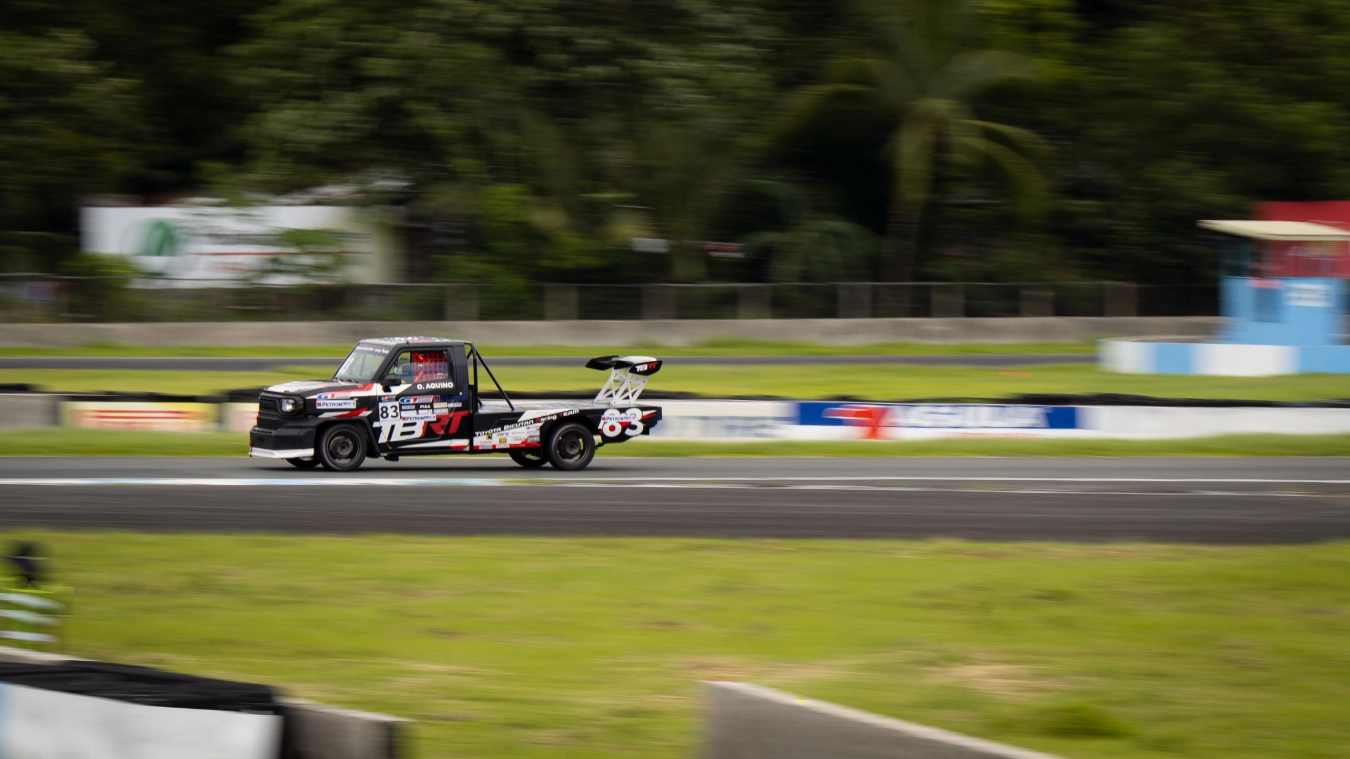
Since the TGR Philippine Cup’s debut in 2014, the series has brought racing and motorsports closer to Filipinos. This year, with sustainability at the forefront, Toyota responsibly brings back the action with a reduced carbon footprint.
If you want to catch more racing action, the third and fourth legs of the series are scheduled from August 13 to 15 at Batangas Racing Circuit and from September 10 to 12 at Clark International Speedway. To watch the event online, you can also view Toyota Gazoo Racing Philippines’ livestream on its official Facebook page.
Created in partnership with Toyota Motor Philippines