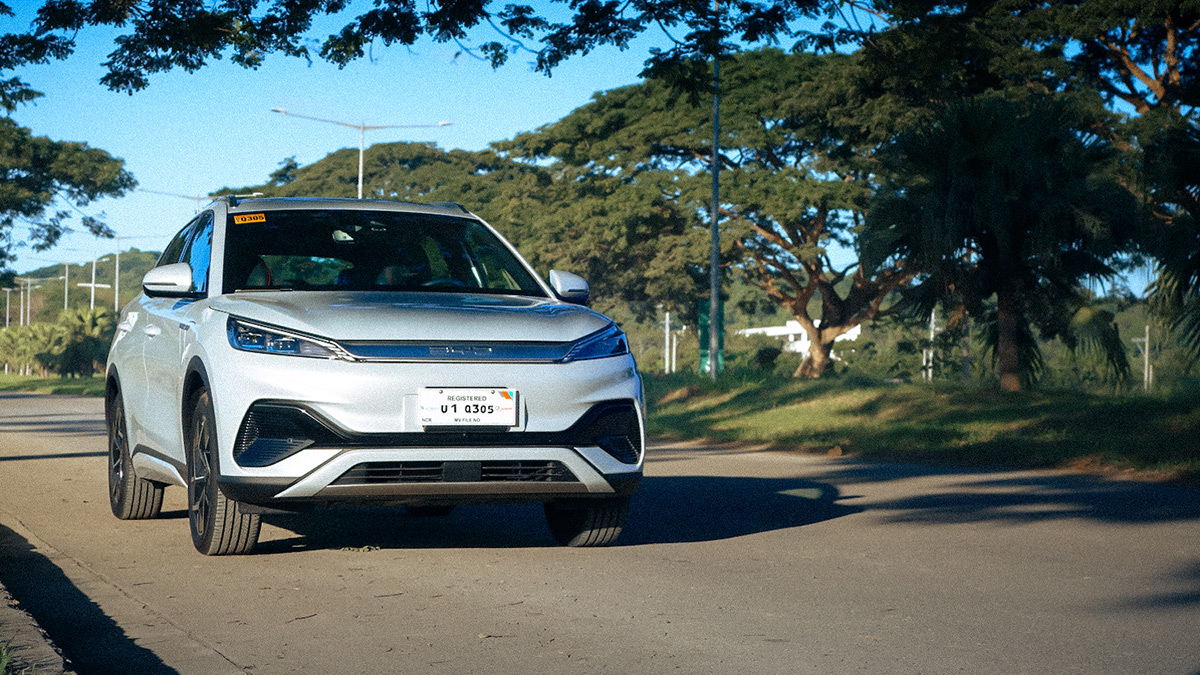

It’s been six years since I last drove a BYD. In the grand scheme of things, that isn’t all that much time, but coming back to the brand, I’m struck by how different everything feels. Where old BYDs often felt like warmed-over Toyota photocopies—which, honestly, they were—this new one feels more polished. More bespoke. Beyond that, the leap in electric vehicle technology under that skin is impressive. BYD was one of the first brands to sell modern EVs here, but the dated designs and lack of tax incentives kept their volume vanishingly small.
With new investments in local distribution, considerable tax breaks, and attractive new models, can BYD finally break into the conversation locally? This BYD Atto 3 might not be the sexiest EV on sale right now, but it feels like the closest that the Chinese have come to building an electric Corolla.
OTHER EV REVIEWS YOU MIGHT WANT TO READ:
Review: 2024 Lexus RZ450e
Review: 2024 Hyundai Ioniq 6 GLS 2WD
Styling
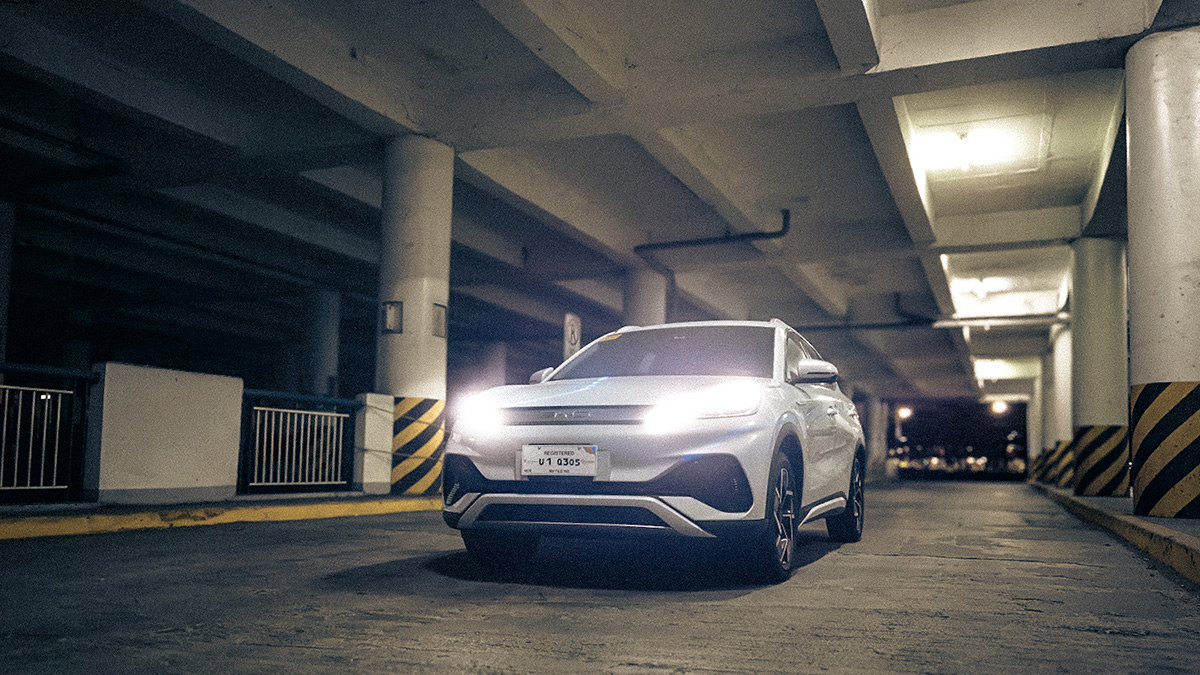
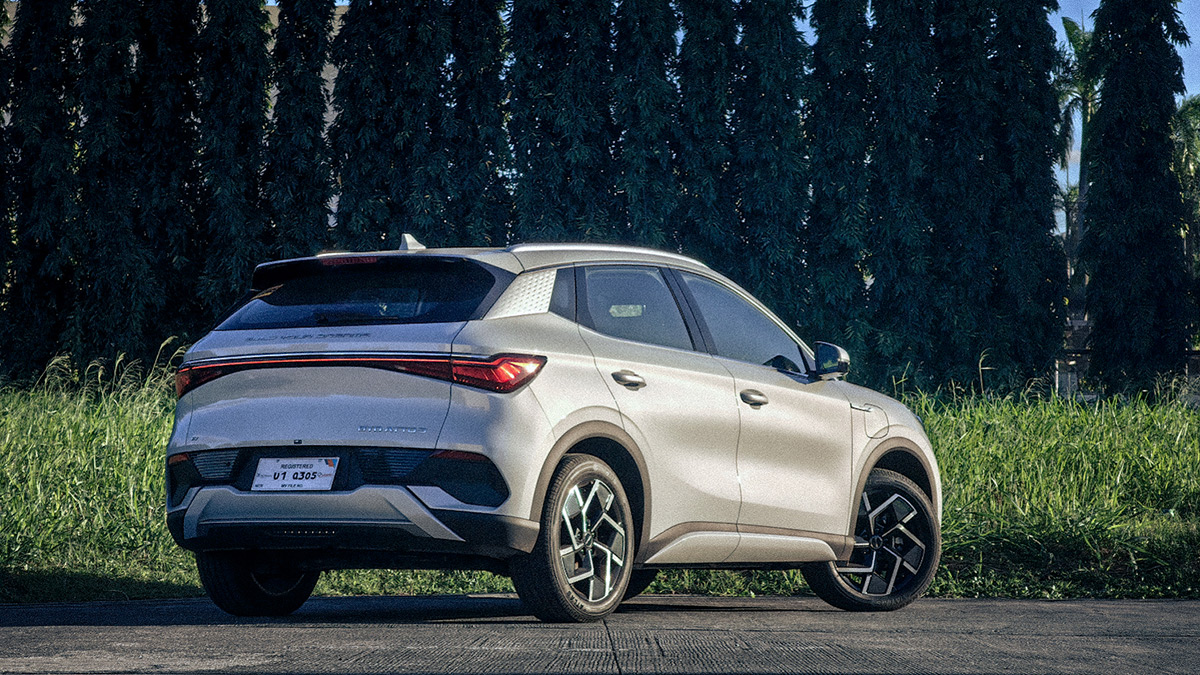
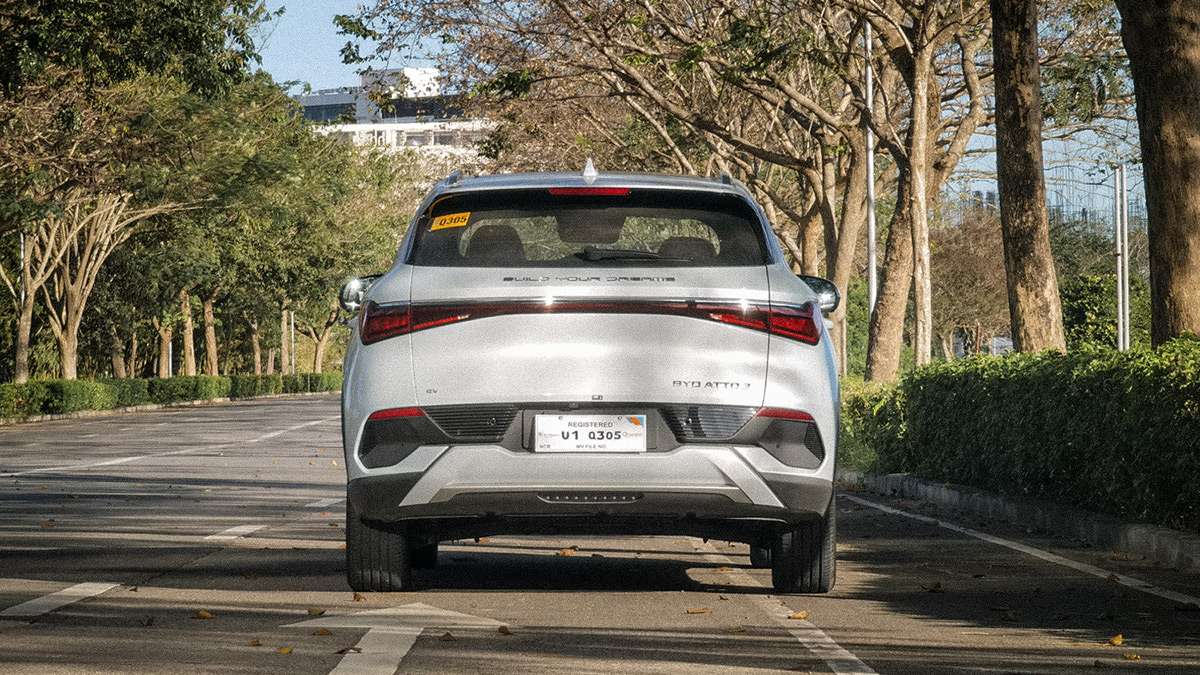
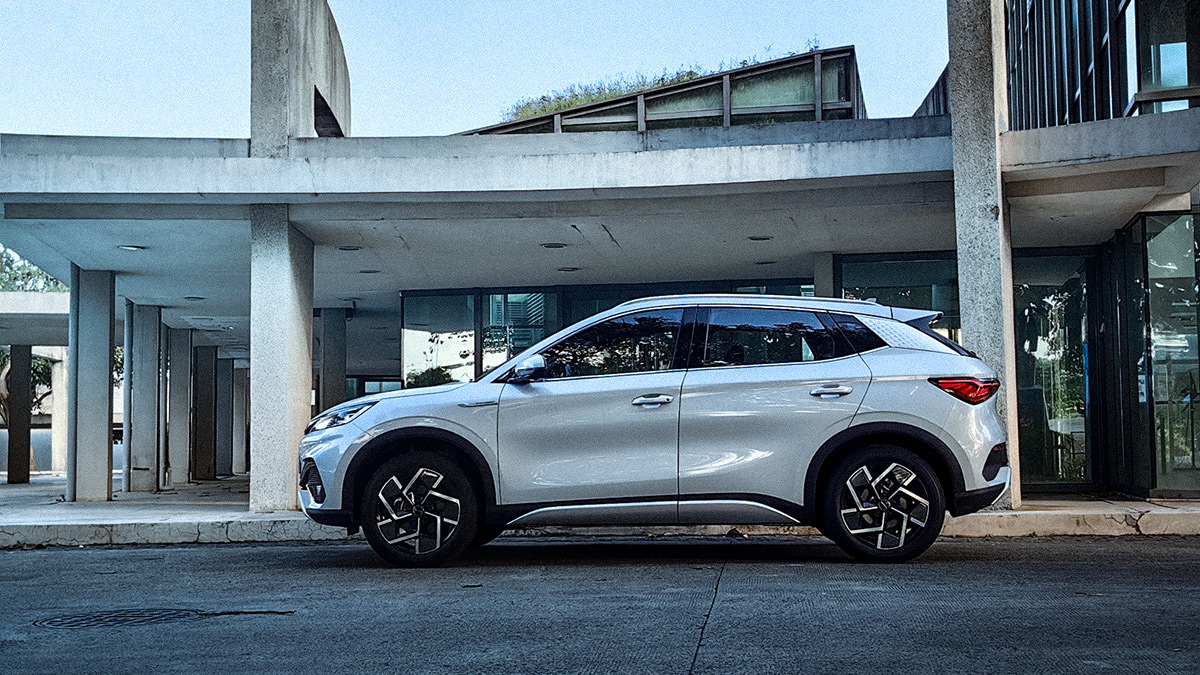
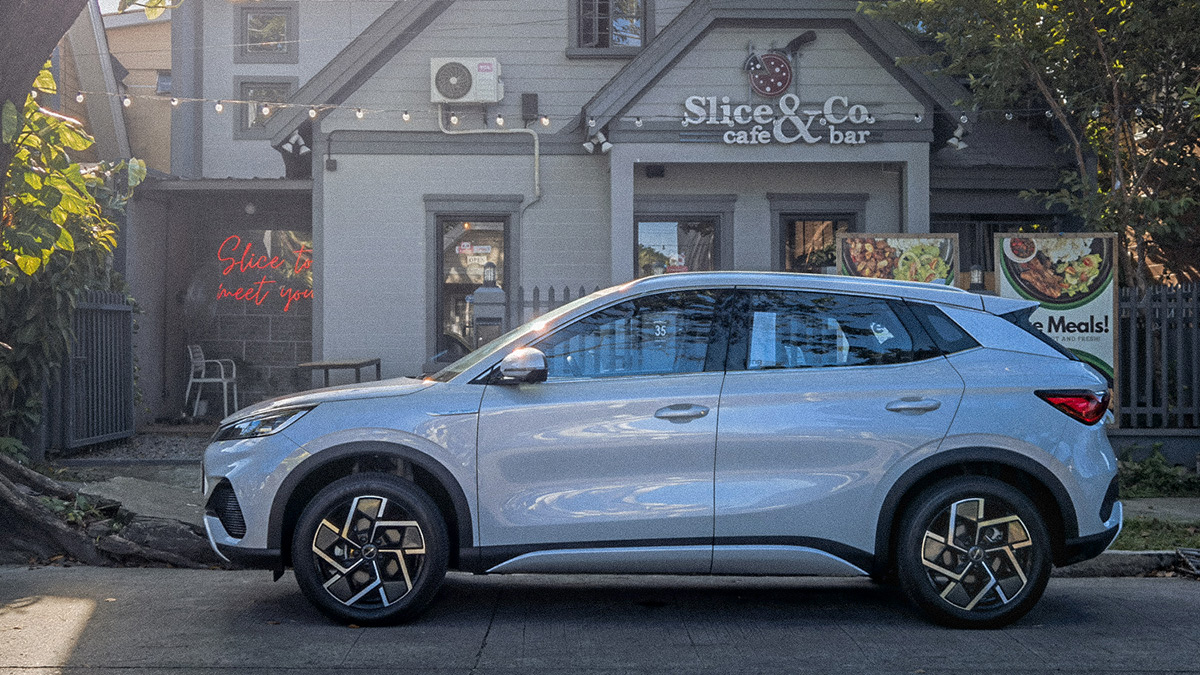
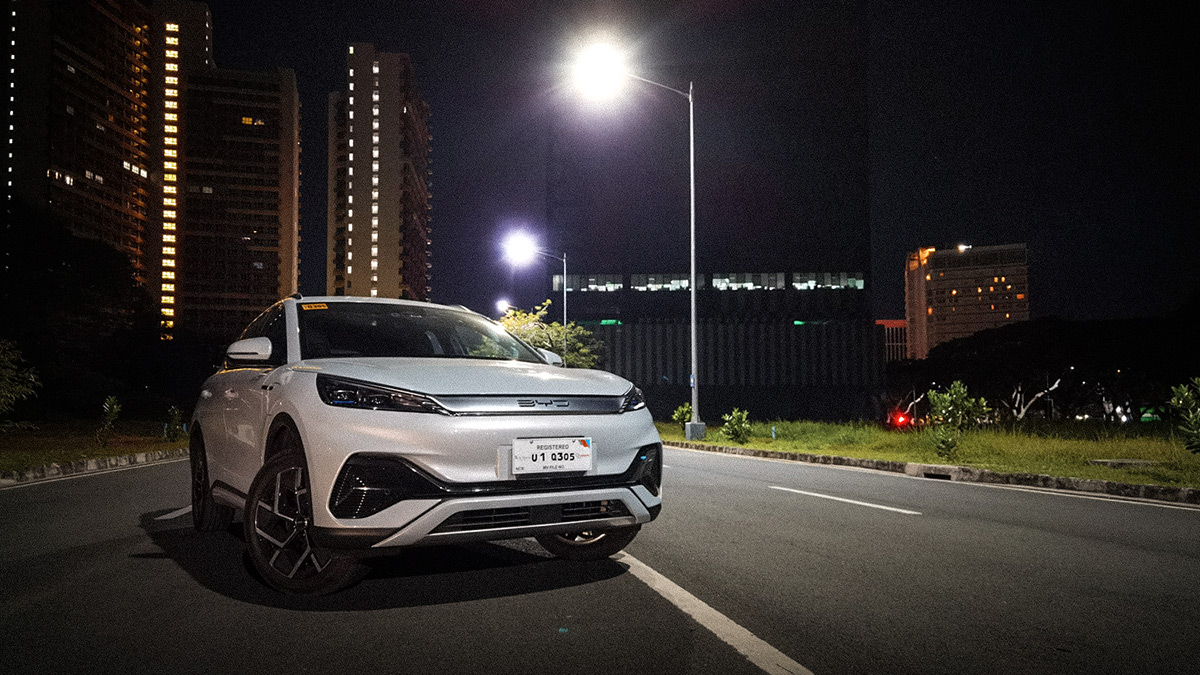
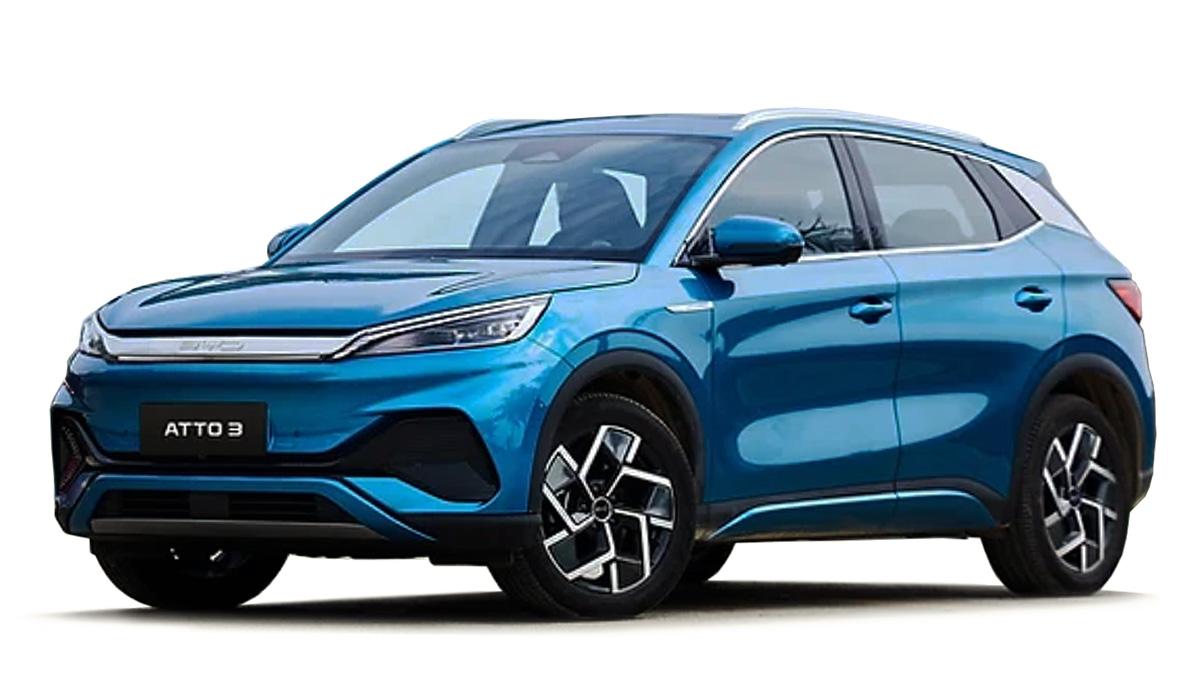
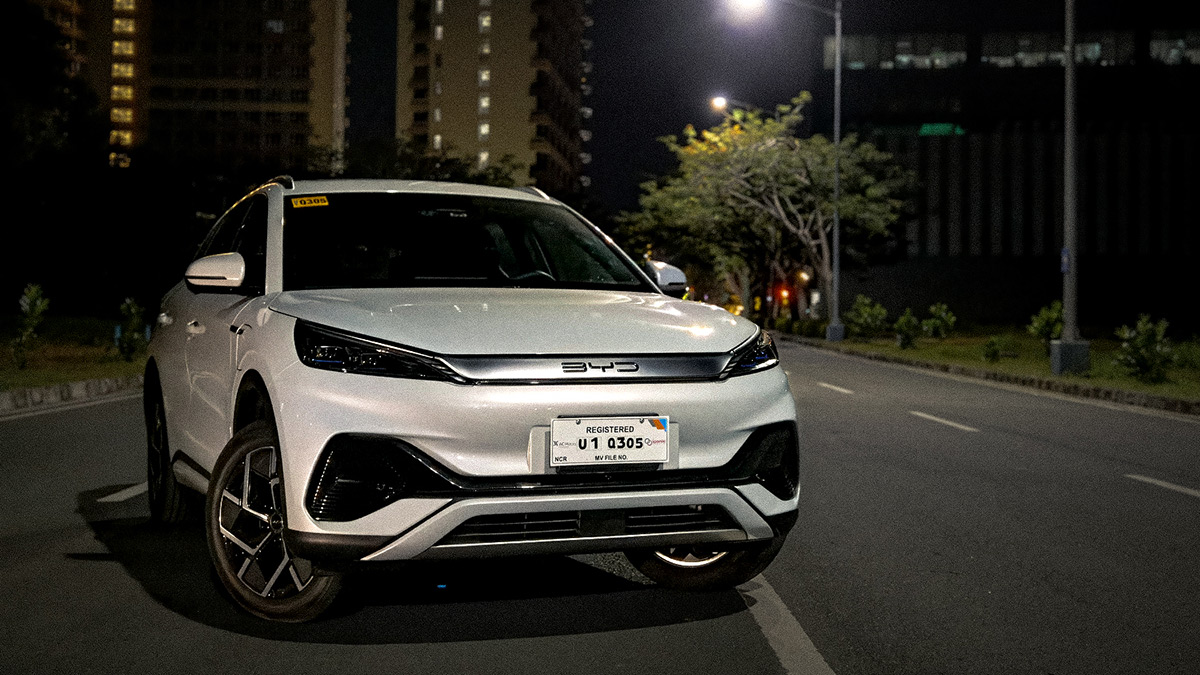
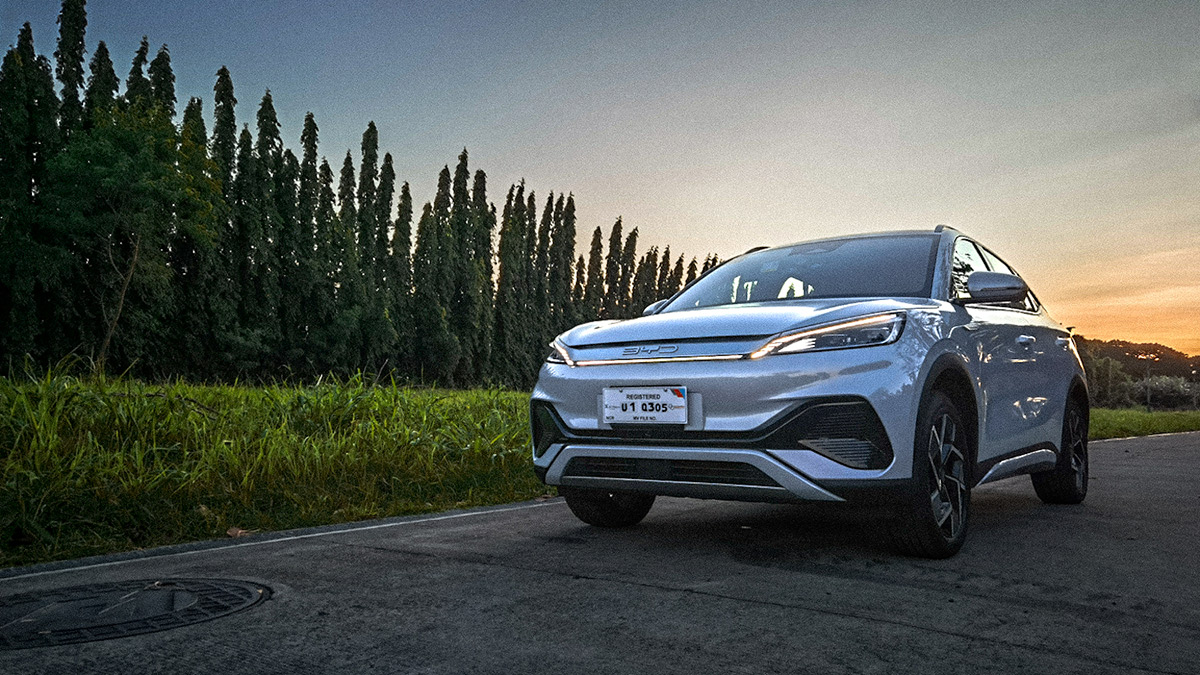
As a crossover, the Atto sits higher than other small EVs like the Leaf or the MG4. It straddles the space between smaller crossovers like the HR-V and full-sized “compacts” like the CR-V, closest in size to other in-betweeners like the Toyota Corolla Cross and GAC GS3 Emzoom.
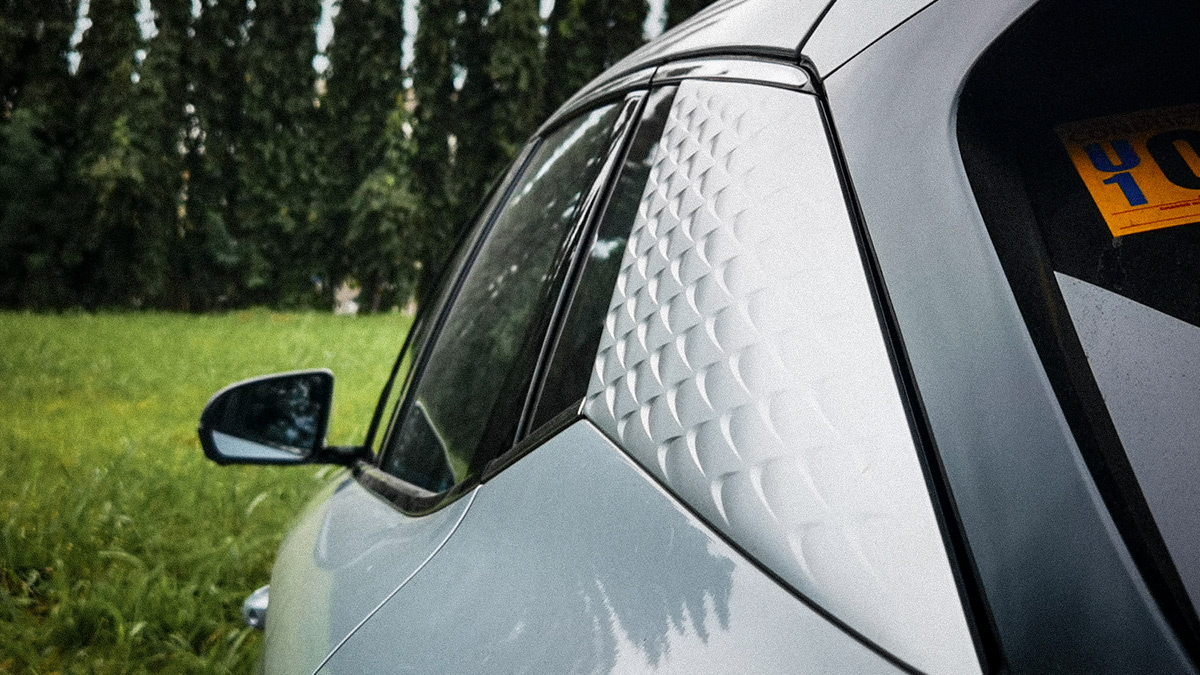
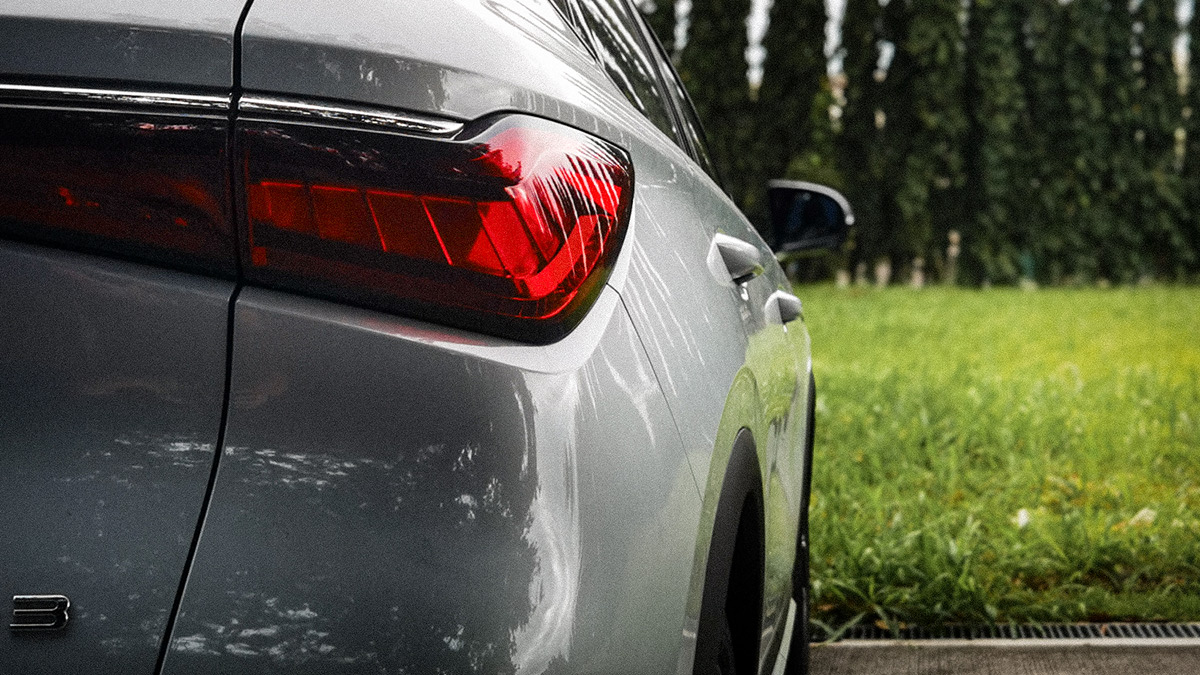
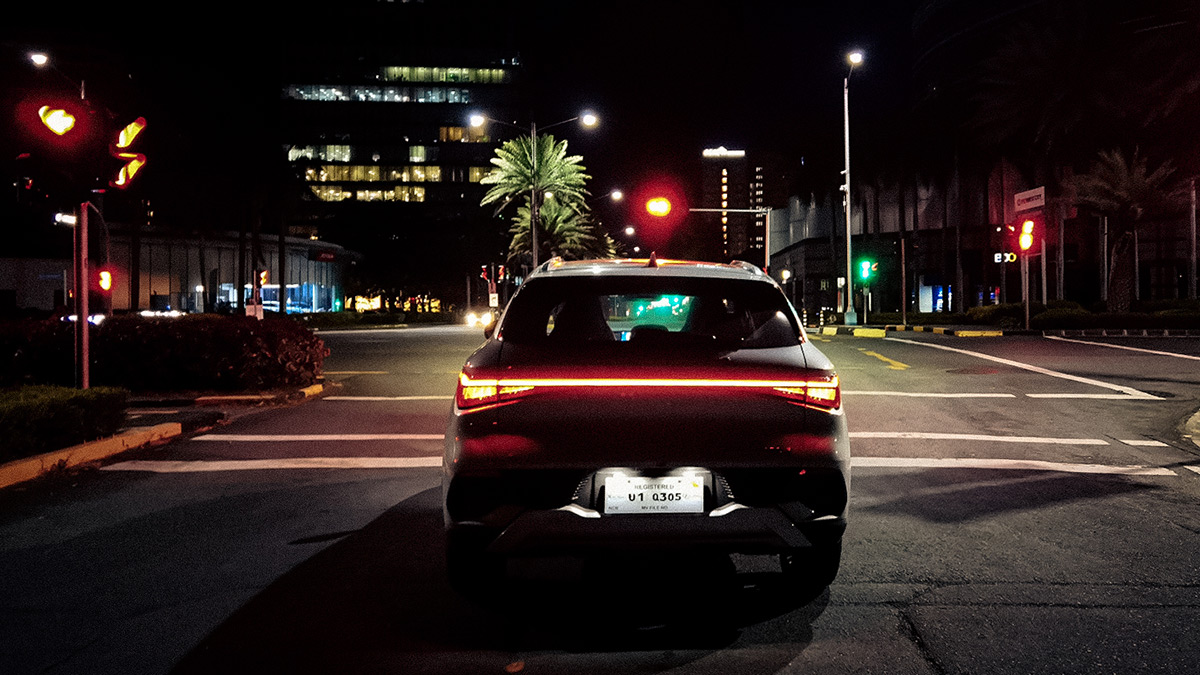
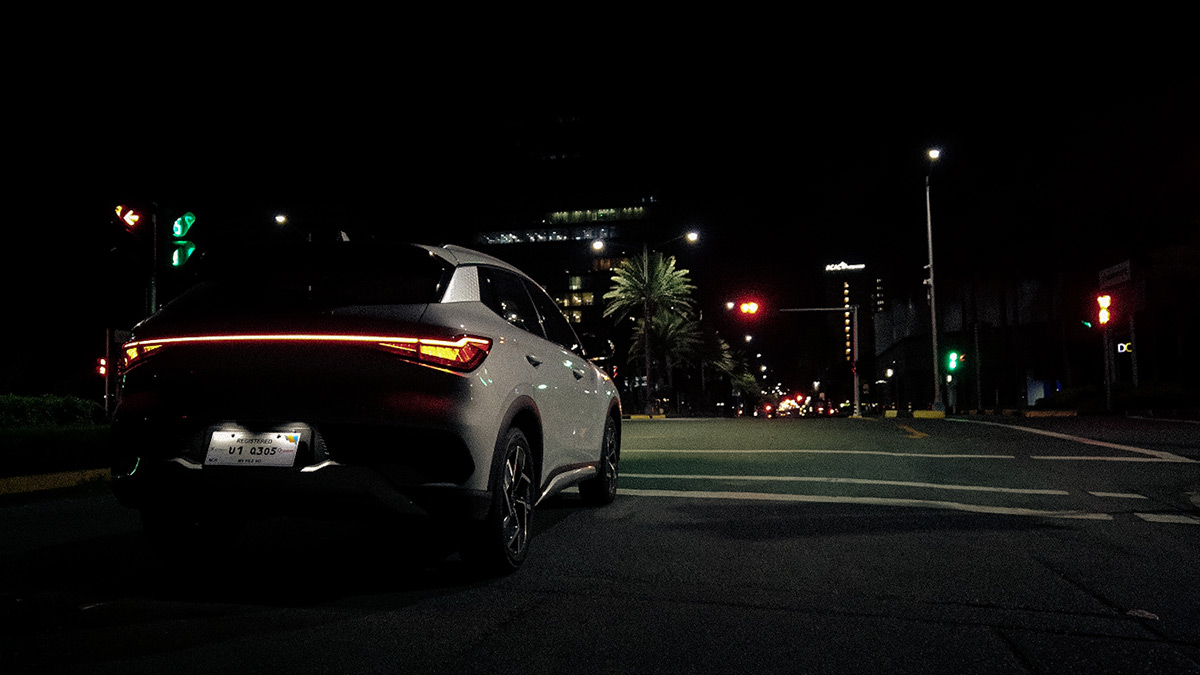
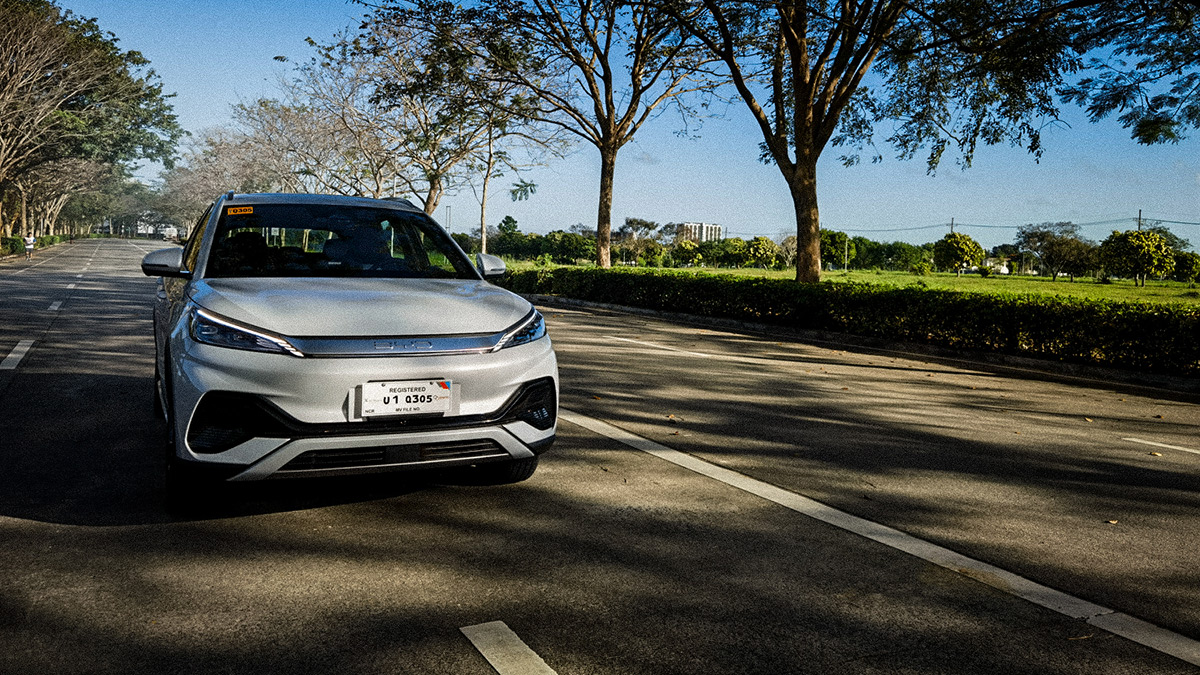
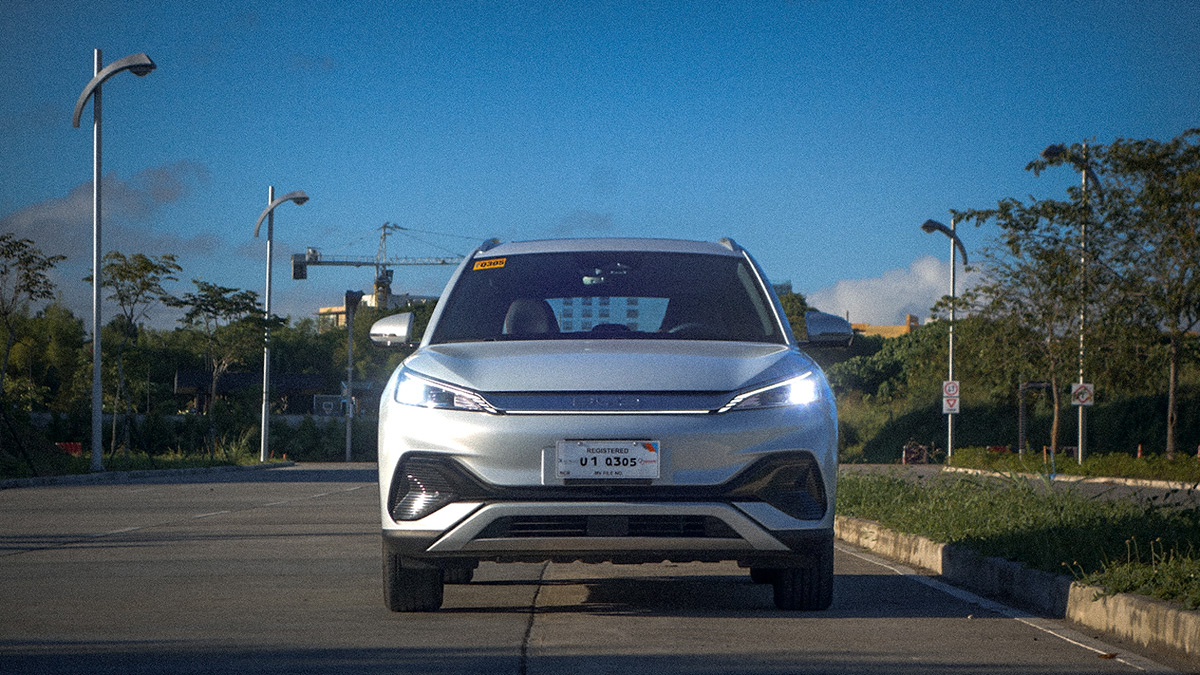
Like the Emzoom, the Atto’s styling is sleek and modern. Unlike the Emzoom, it feels a bit, well, anonymous. To its credit, there aren’t any “off” angles, and the character lines are symmetrical and intersect at geometrically pleasing angles. A far cry from the often jarring panel transitions or wacky grilles on other Chinese cars. But it lacks defining features. Except for the dimpled brushed-steel D-Pillar texture, there’s nothing here we haven’t seen elsewhere. It does give off a premium vibe, yes, but there’s nothing memorable about the looks.
Interior
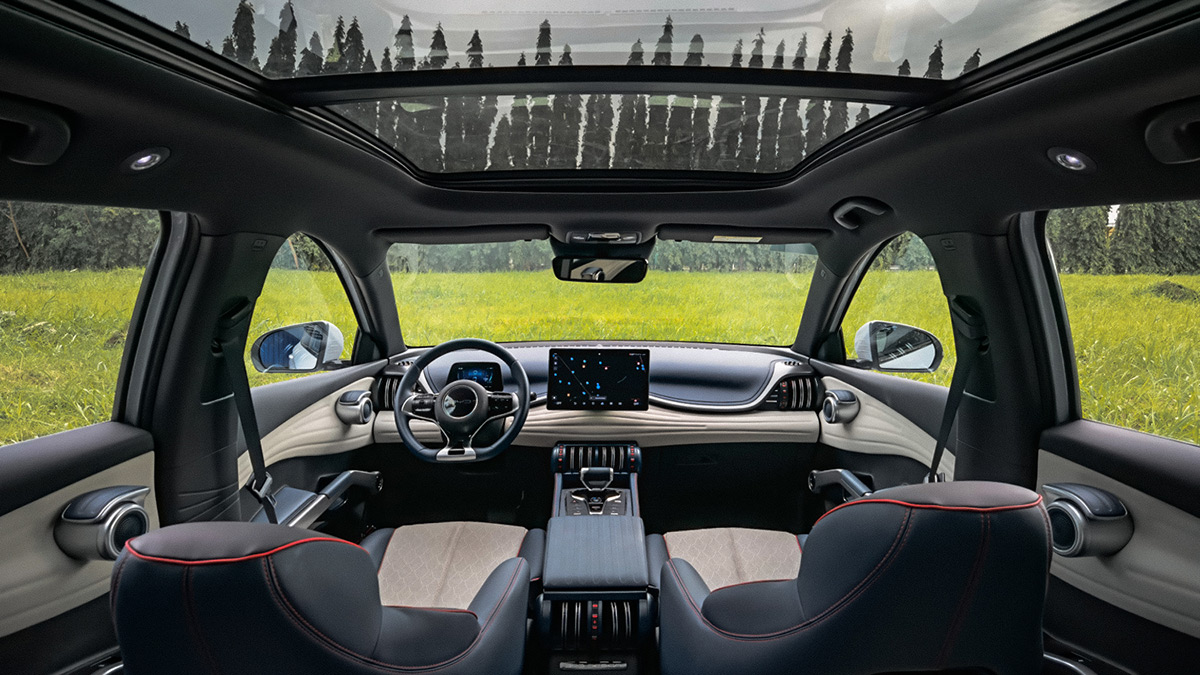
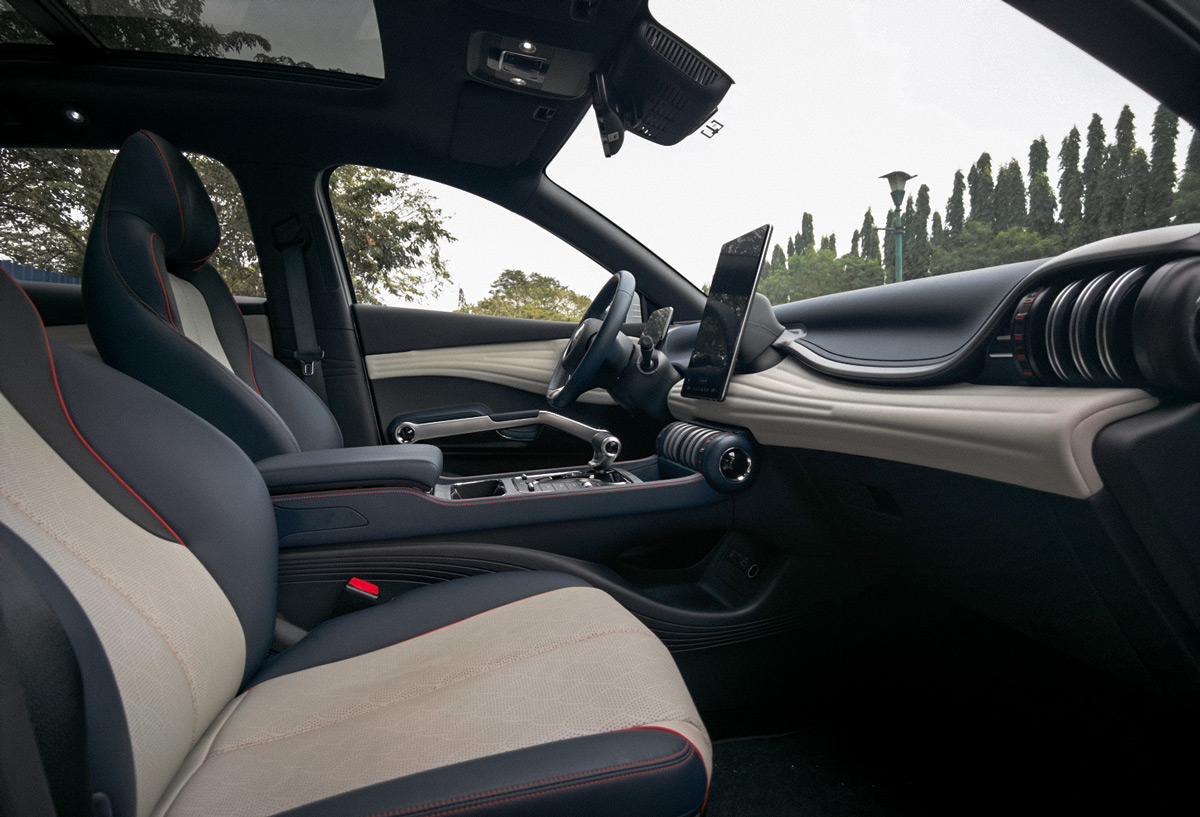
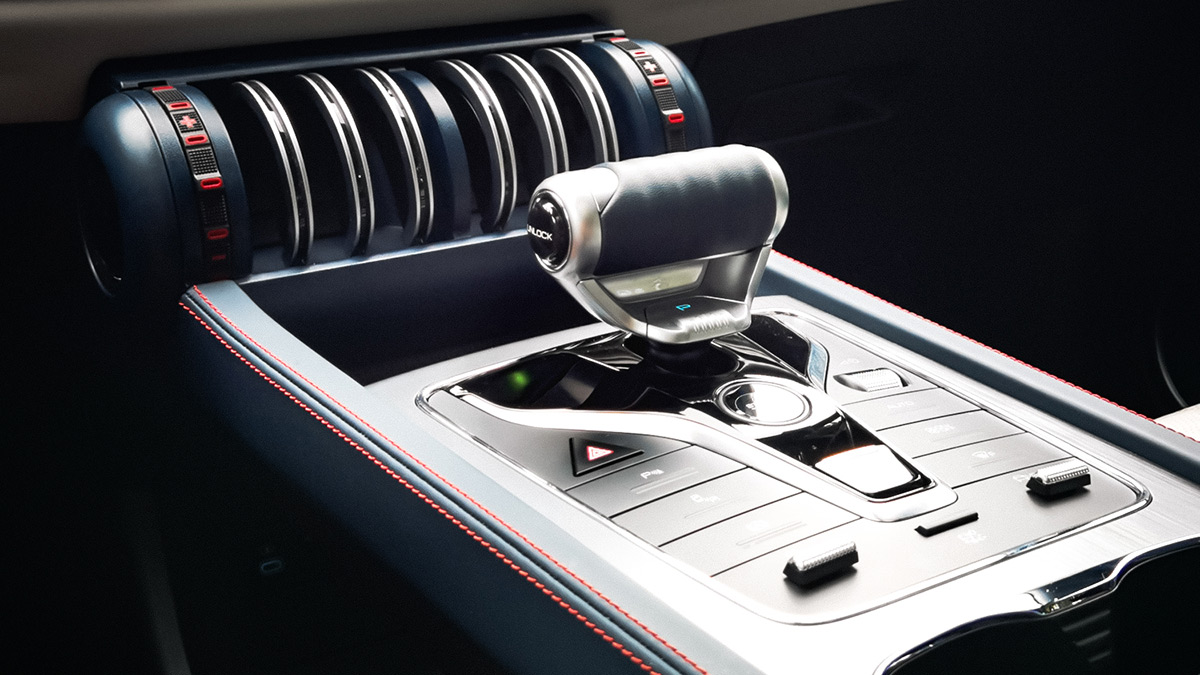
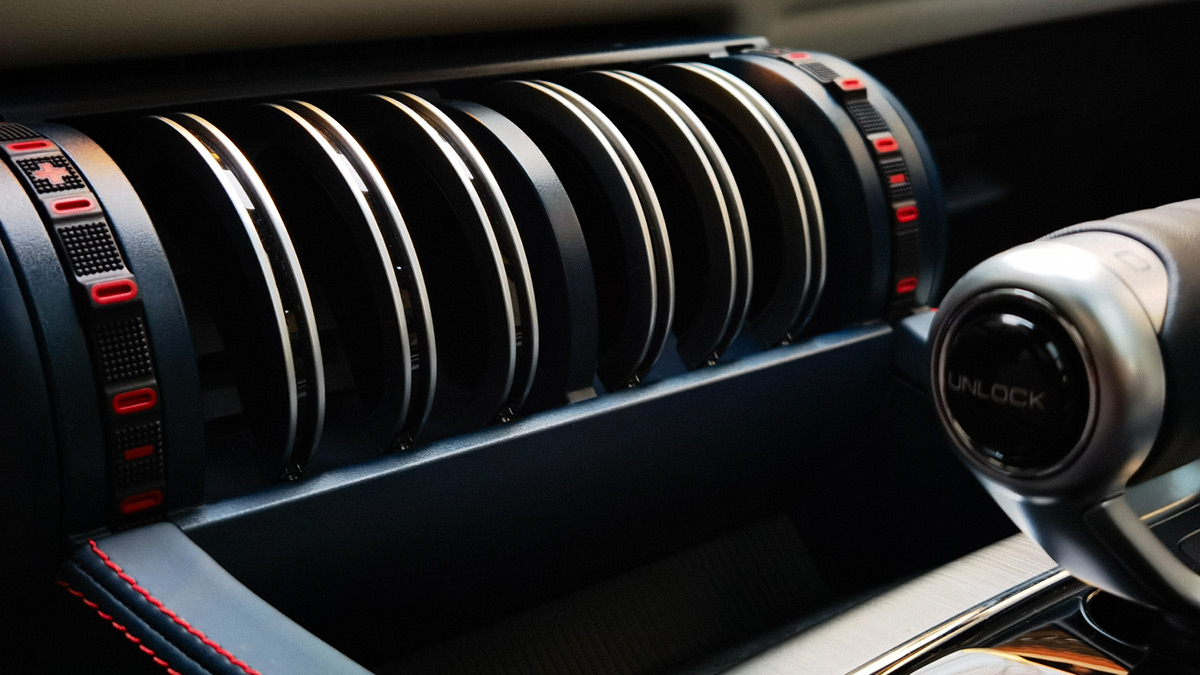
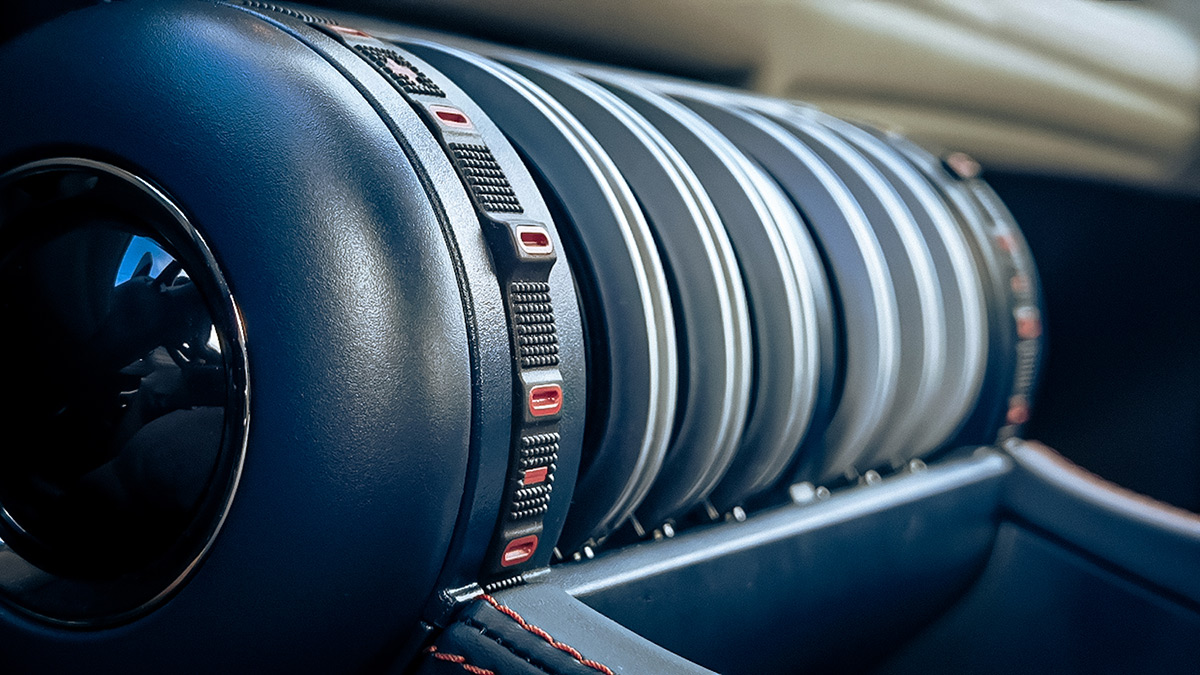
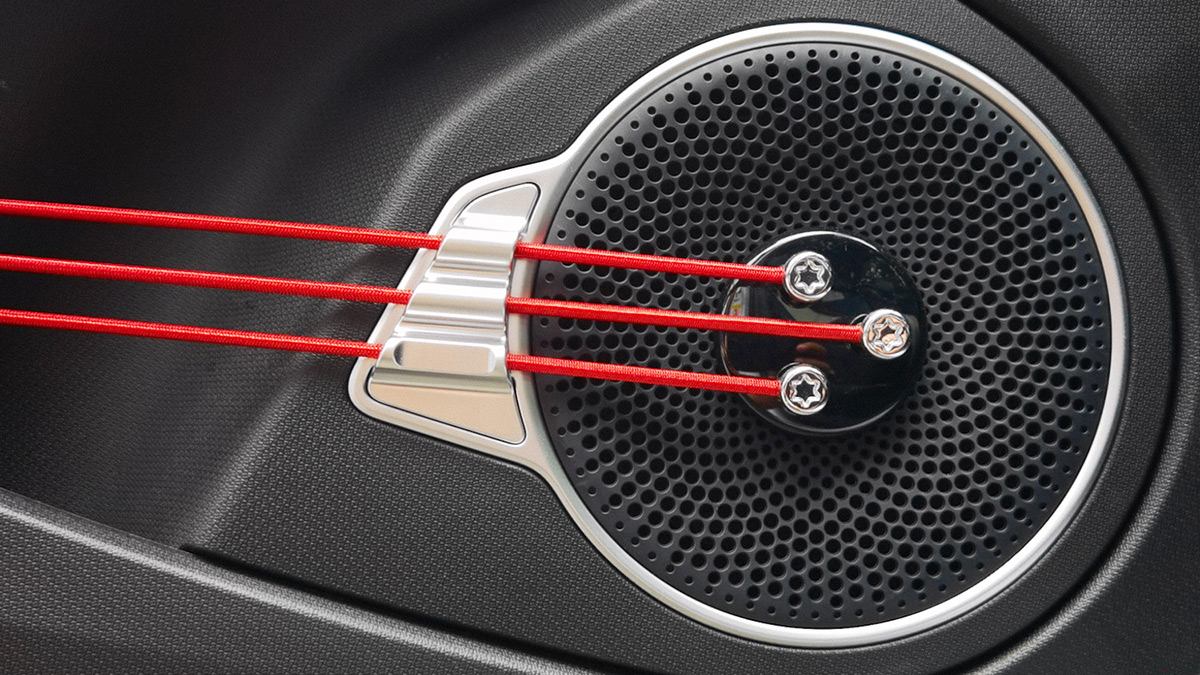
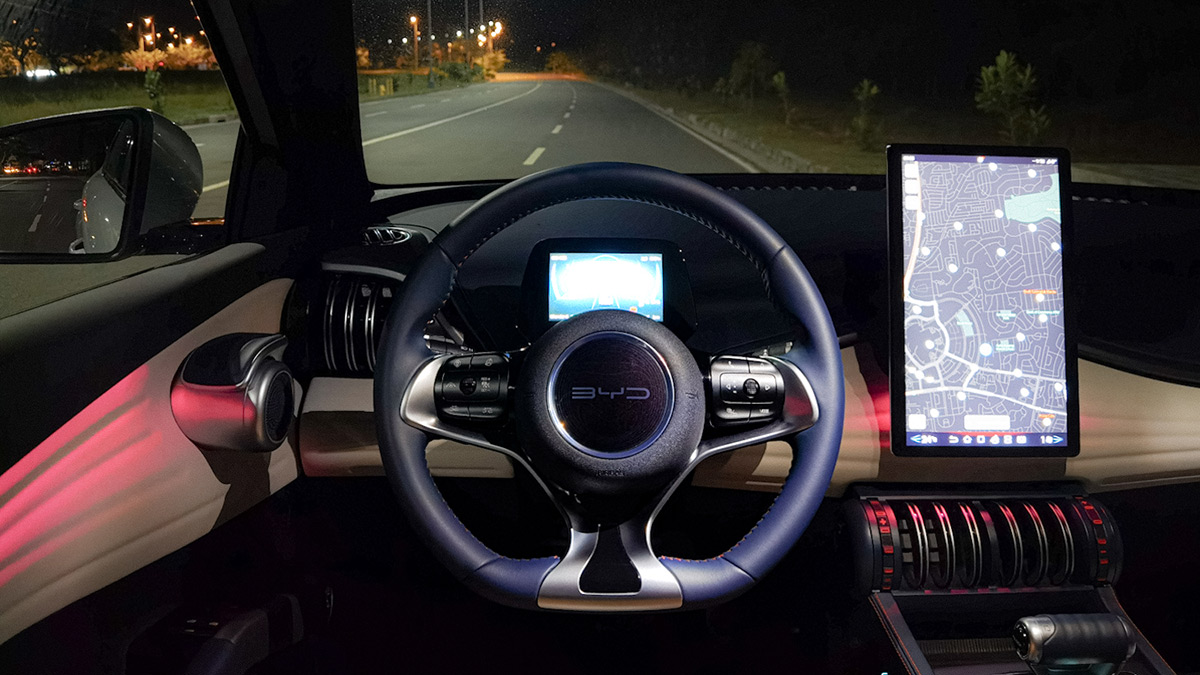
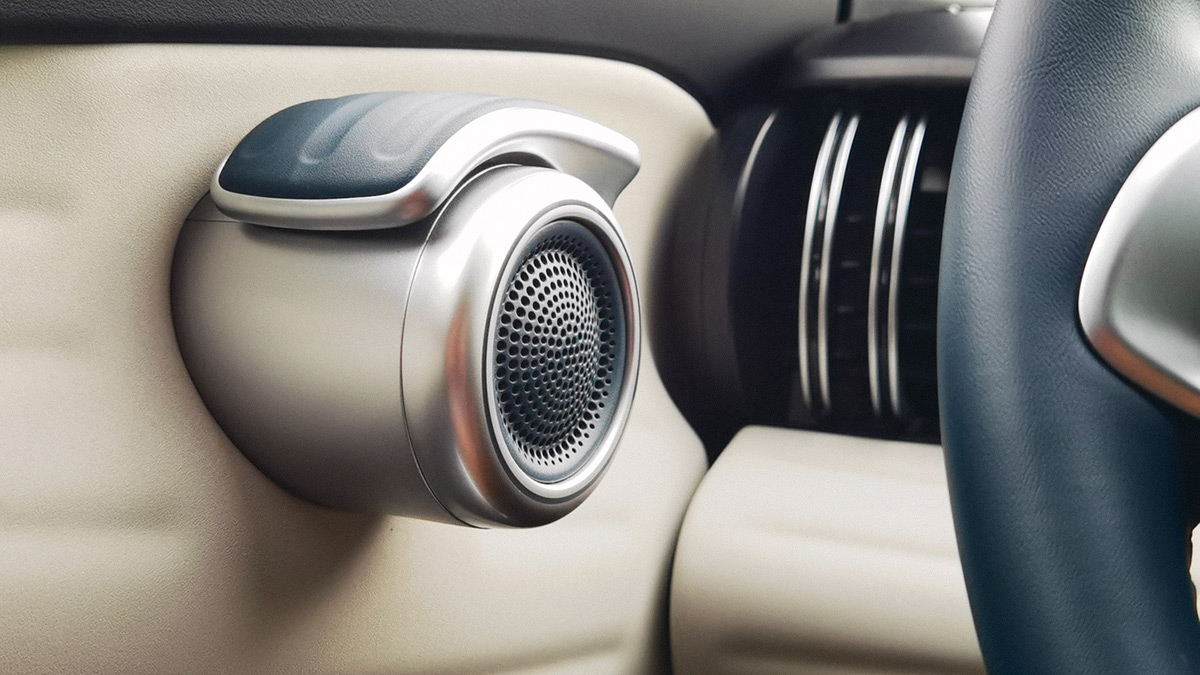
Thankfully, BYD has spent a lot more money on the part of the car you’ll be looking at the most: The interior is a clever mix of post-industrial and pop art with the same nautical theme as the Dolphin, but looking more like a baleen whale, with pillowy ridges built into the contrast-colored dashboard and doors. The rest of the features are a fantastical concatenation of oddball ideas. Like a million peso game of ‘Bop It,’ with twist-it speaker-slash-door handles, slap-it bass-string cargo nets, flick-it A/C vents and a pull-it shift lever. Okay, that is basically how shift levers work, but still, this is one of the most fun interiors for fidgety fingers.
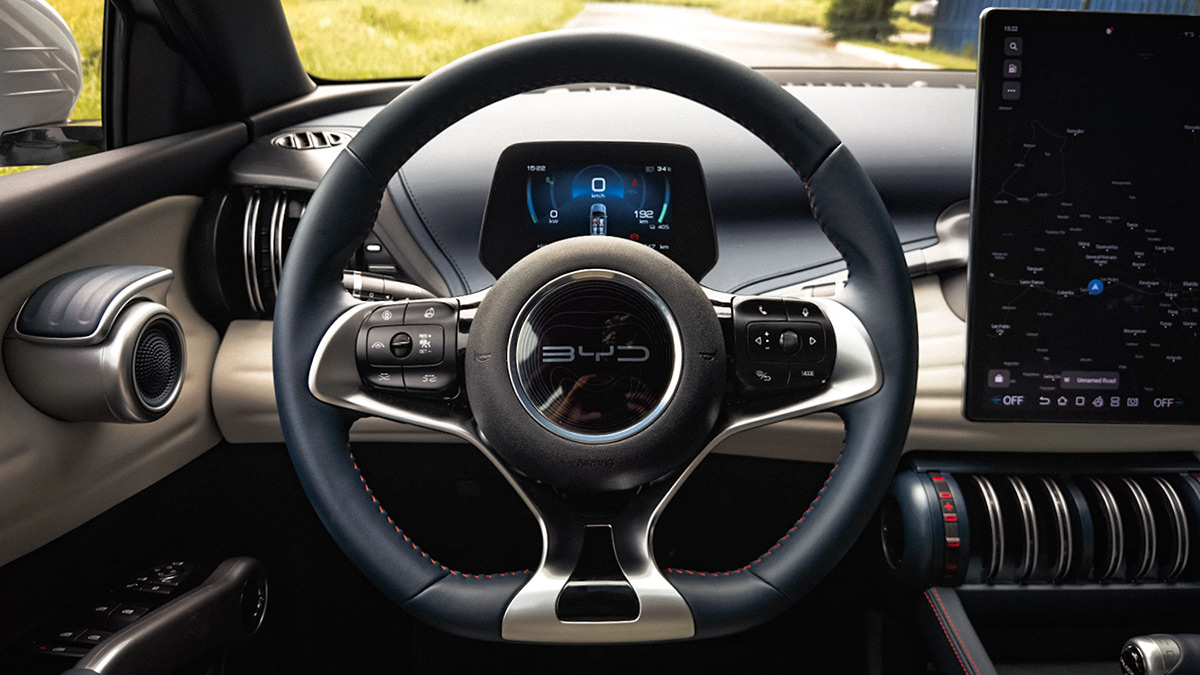
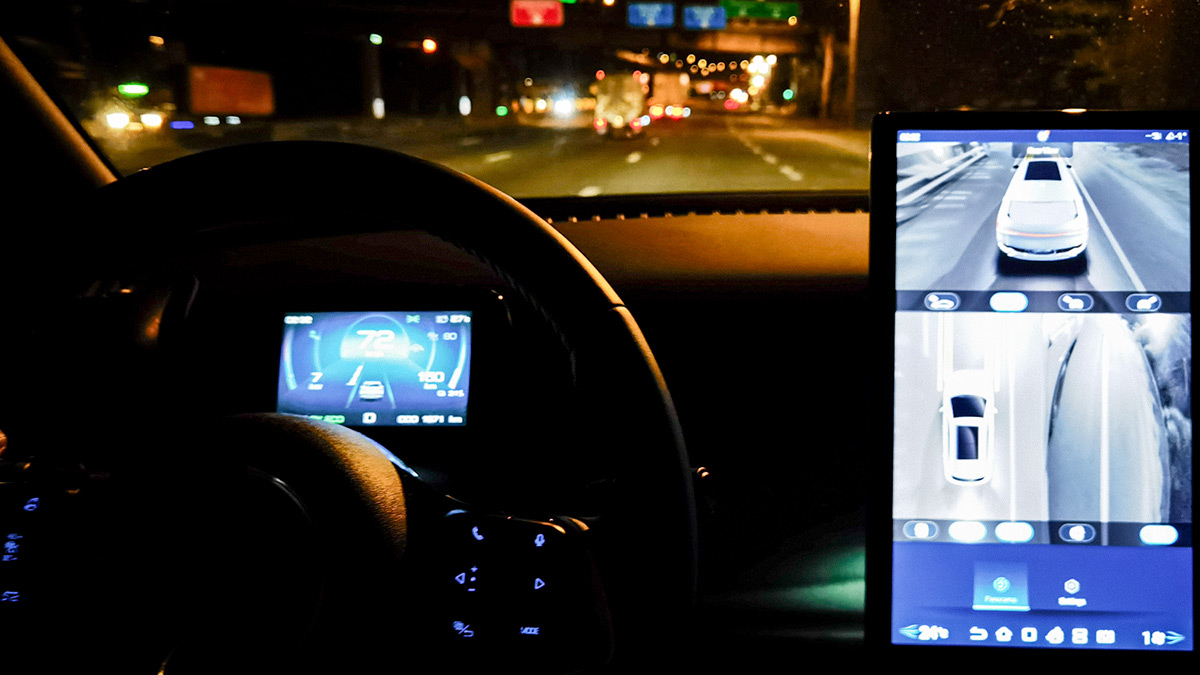
The rest is as you’d expect for modern affordable Chinese luxury: Power driver’s seat, rear A/C, multiple charging points—including USB-C and wireless—and a truly gigantic 12-inch touchscreen infotainment system that rotates between landscape and portrait modes. This seems like a gimmick at first, but it is actually useful when using the built-in navigation system or the 360-degree cameras, bringing those displays up closer to eye level, but swiveling out of the way when not needed.
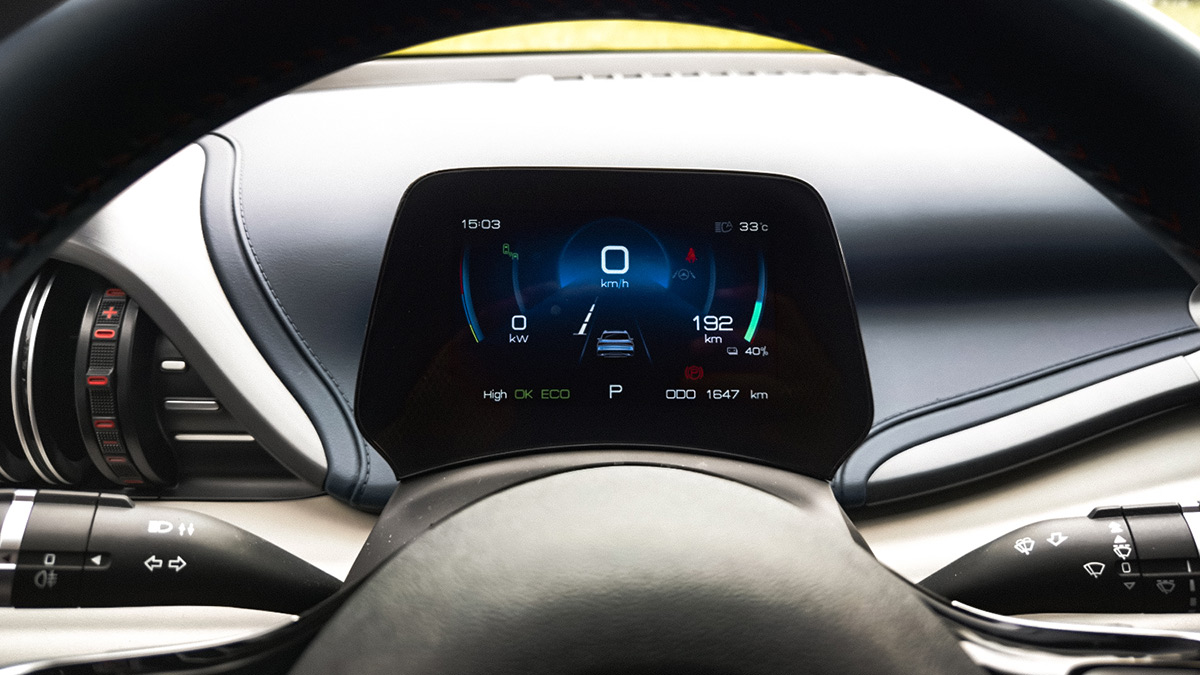
There are cheap touches here and there. The tiny instrument cluster gives off Android 4.0 vibes, the colorful mood lighting feels like an afterthought, too bright and too gaudy, and the leatherette feels slick. And the clever shutter system on the A/C vents means that the low-mounted center ones can’t point as far up as you’d like. But these are small plaints within a very clever package.
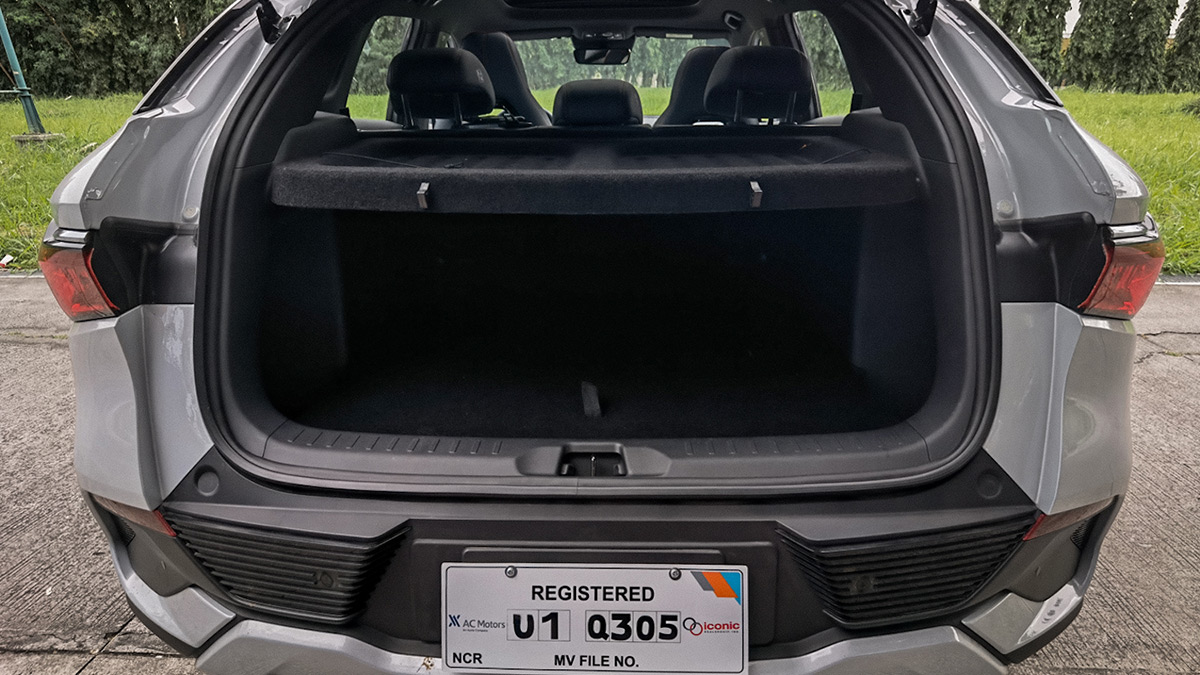
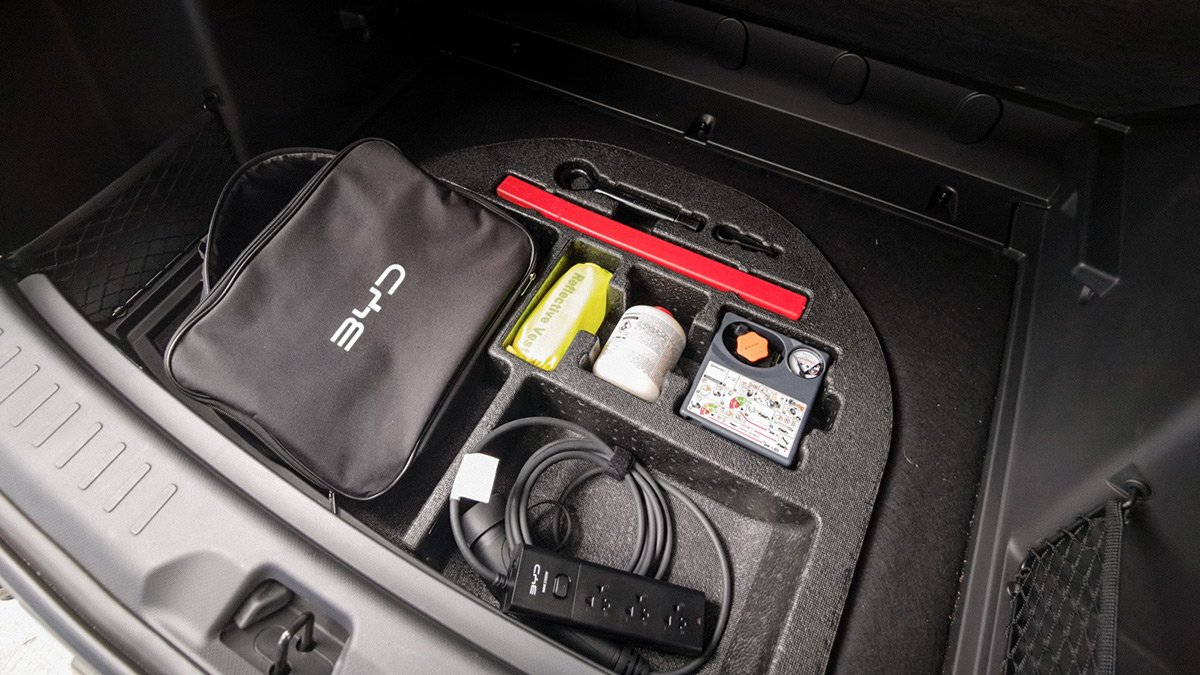
Ergonomically, the cabin is on point. The terribly small instrument gauge makes sense when you see how this frees up dash real estate behind the small flat-bottomed steering wheel for better visibility. Sporty leg and side bolsters on the seats are incongruously good for a decidedly non-sporty crossover. And rear seat space is decent for the footprint. The only issue here is the trunk. There’s no automatic closing for the hatch, which swings pretty high up, and the underfloor batteries push the pivot point for the folding rear seats high up, and the cargo floor is raised to match. This makes it feel incongruously tight underneath the tonneau cover. There is a huge underfloor compartment, but no spare tire and no option to lower the floor panel.
Engine performance
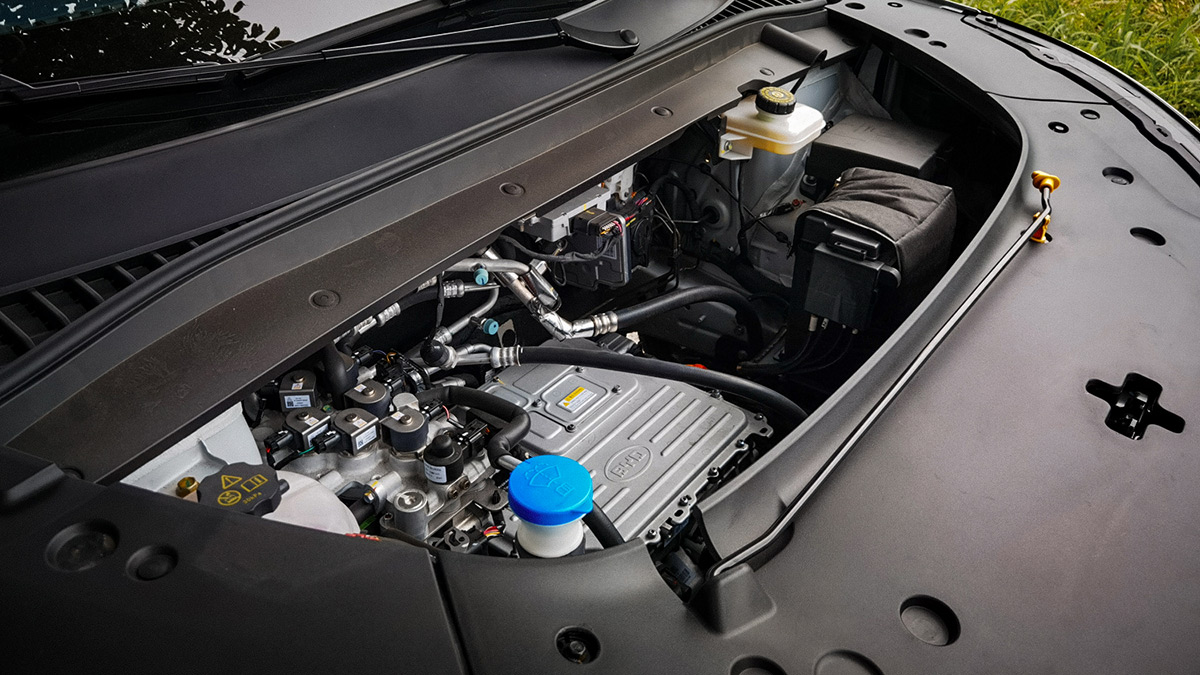
Those batteries are there to power the Atto’s solitary front traction motor—a permanent magnet job putting out 201 hp and 480 Nm of torque. BYD claims it is good for 0-100kph in 7.3sec, but a lack of traction from the front wheel drive isn’t as effective when there’s no big heavy gasoline engine pushing down on those front tires. We recorded 0-100kph times in the 7.5sec range, the traction control cutting in often as the tires skipped and slithered across the tarmac.
Power delivery is linear, and you get a choice of power and regenerative braking modes, accessible via a switch underneath the shifter and further customizable within the vehicle menus. This works well for the most part, but you don’t get a true one-pedal mode. Even in the ‘High’ regenerative braking mode, regenerative braking is modest, at best, and there’s no free-wheel coasting mode for hypermilers like yours truly.
Over a week of driving, we got combined fuel economy in the 6.5-8.5km/kWh range, with peaks of 10km/kWh on the highway and lows of 3-4km/kWh in traffic. We expected a little better given BYD’s touted LiFe—Lithium Iron Phosphate—battery chemistry, but given the Christmas rush traffic, the results were understandable.
Still, with 60.5kWh of battery, we never really felt the urge to charge up over the week. And the option for 60kW Level 3 charging at Shell stations meant you could top it off pretty fast, in a pinch. For home use, you get a bundled 7kW charger and an emergency 2.3kW A/C charger. Unfortunately, the emergency charger requires a high-amperage three-prong appliance outlet. I would gladly trade this for a slower charger that you can plug into a regular wall outlet or extension cord, as there’s no guarantee you can find anything more than that in an emergency out in the province.
Ride and handling
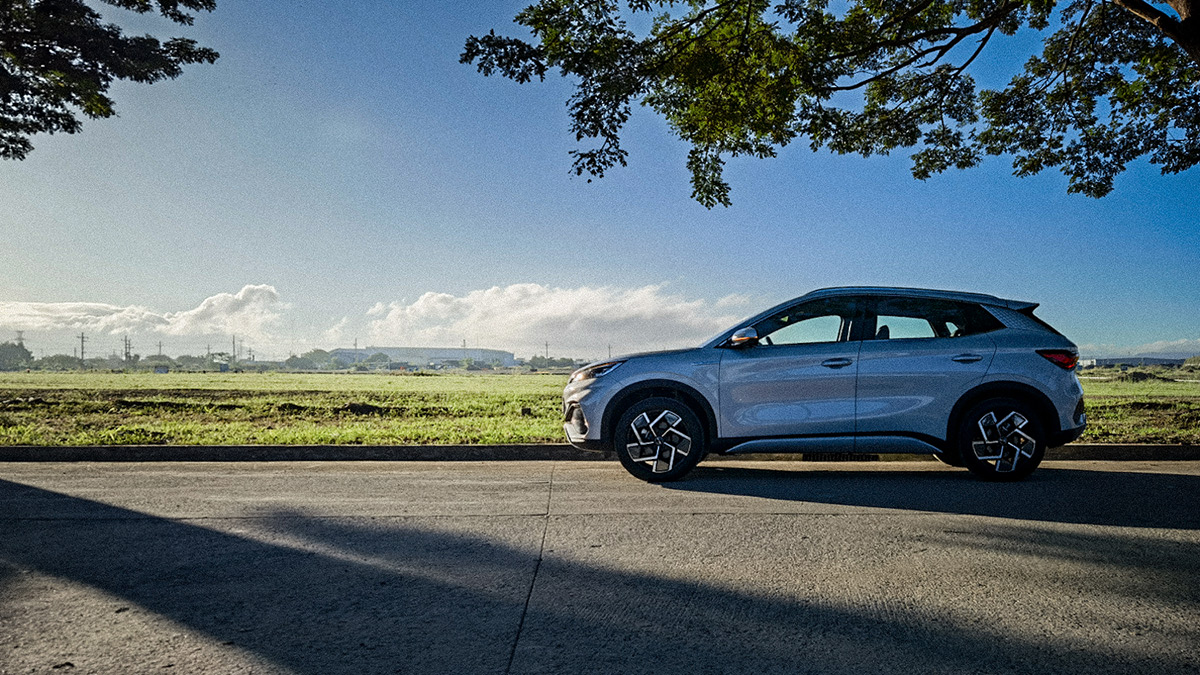
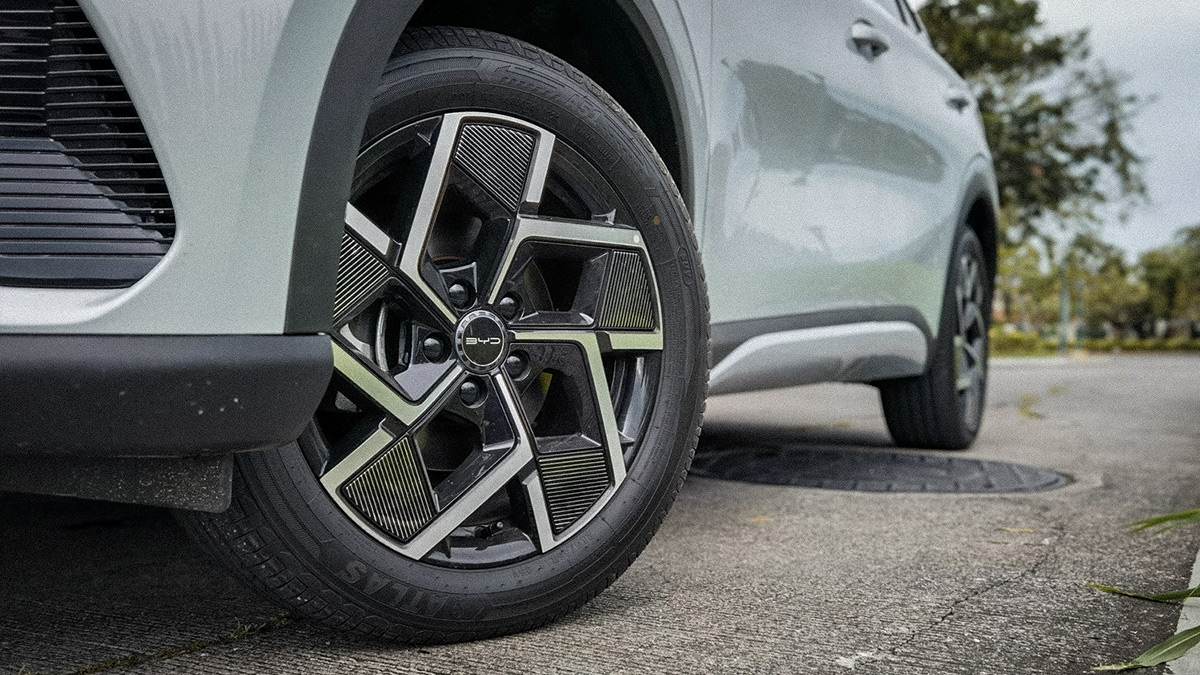
Out on those winding provincial roads, the Atto 3 proves to be a soft-riding, relaxed long-distance runner. There’s a lack of wheel travel on rebound when you go over a hump, and more body roll than I’d like, but given the mushy brake and low traction limits of the Atlas Batman A51 tires, you aren’t likely to be driving in a manner that tests the limits of that suspension. Sport mode? Steering modes? Who cares? This isn’t that kind of car.
Noise isolation is excellent, and the ground clearance, while not mega, grants you the typical crossover benefit of not giving a flying fig about kerb clearance. Sightlines are decent, despite the narrow rear window, and the Level 2 driving automation mostly works. The steering corrections for the lane keeping system fall on the janky side, but it’s nice having conveniences like adaptive cruise and collision warning in our chaotic traffic.
Extra features
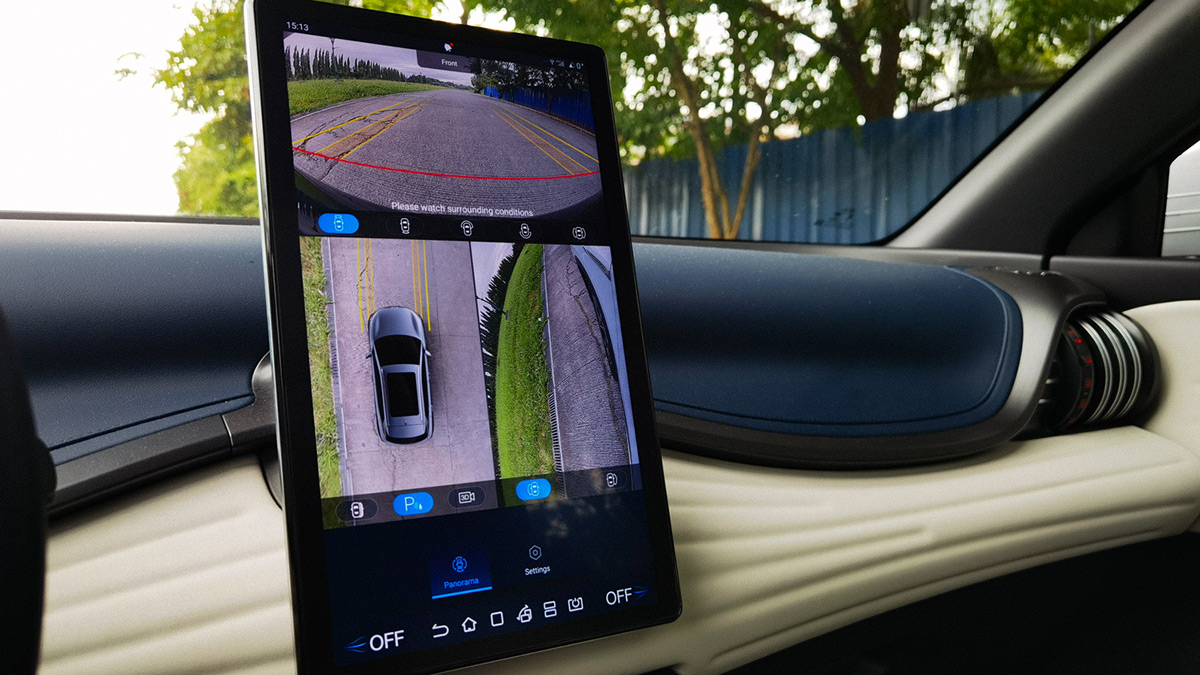
One much appreciated driver assist feature is the 360 degree camera system, which can be opened up into a neat multi-pane mode when you flip the infotainment screen to the portrait position. You can toggle the cameras on at highway speed, allowing you to watch traffic behind you, around you, and beside you at the same time—much like the monitors on high-end trucks and buses. The refresh rate on the system is pretty good, and the night vision of the cameras is excellent.
The infotainment system itself is pretty snappy, with an Android OS that gives you swipe down menus for common vehicular functions and smooth built-in WiFi and navigation. While the stock maps could use a refresh—the navigation kept pointing me to the wrong side of the city when I asked for directions to Nuvali, for one—the nav screen is gorgeous and the animation is surprisingly smooth.
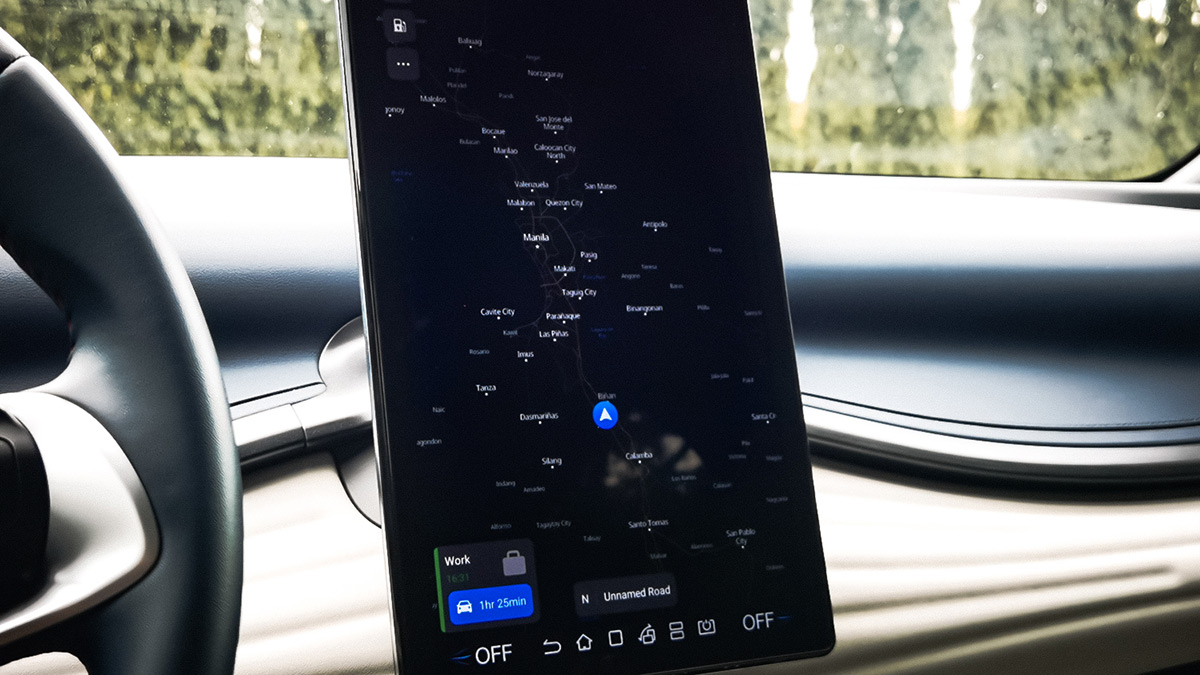
You have CarPlay and Android Auto connectivity for your navigation and multimedia needs, but neither can use the full portrait mode set-up, the lower half defaulting to vehicle controls. Thankfully, there are physical switches for most of the important stuff, but only to a limited degree. Sound quality is fine but nothing really to write home about. The speaker arrangement on the doors is cute, but those strings stretched across the thin plastic panels do create some buzzing at high volumes. Yes, a guitar makes a horrible speaker. It’s not the end of the world, but it is a weak point in an otherwise fantastic package.
Verdict
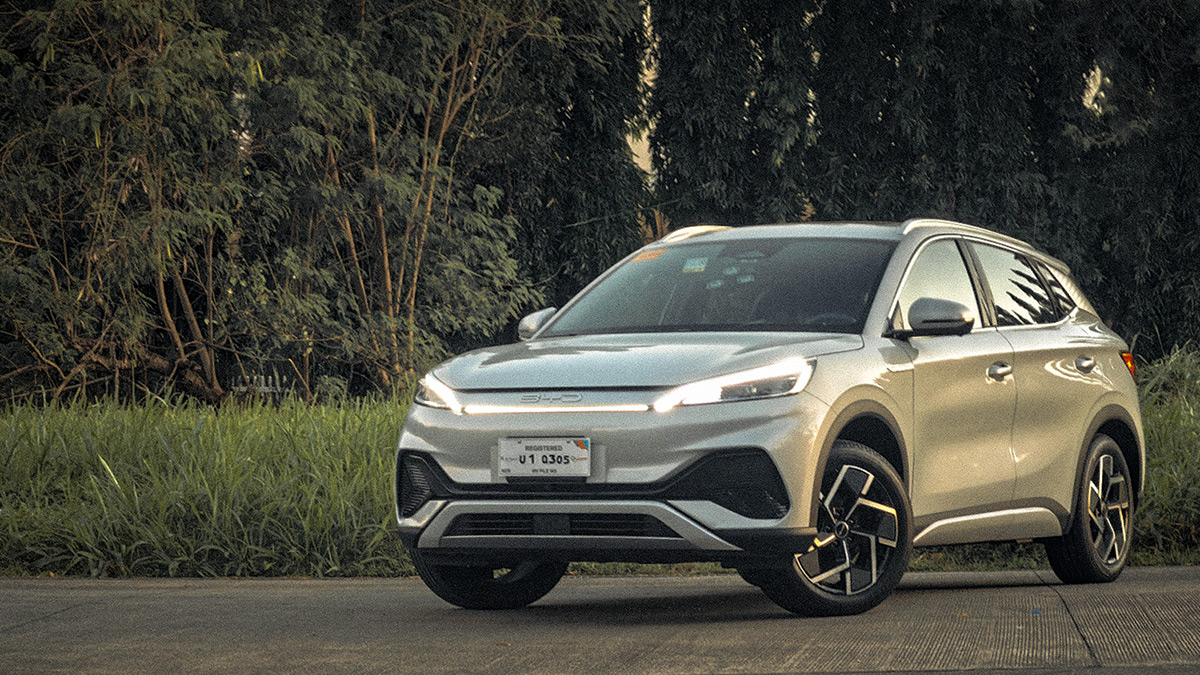
That package will set you back about P1.5 million for the base model and P1.8 million for this extended-range model with the bigger battery and higher performance. No reason is given as to why the LR model is faster with the same motor, a heavier battery and a big heavy glass roof, but we wager they de-limited the torque some to make up for the extra weight. That’s a lot of money for a car this size, but it’s shockingly good money for an EV of this size. Only about P500,000 more than the mostly comparable Emzoom—which is closest in performance, size, and interior style to the BYD.
Okay, maybe the Atto can’t quite match the dramatic presence of the GAC, but it is a relative bargain compared to similar EVs. While BYD still falls short in terms of chassis development versus more mainstream manufacturers, fit and finish are finally competitive, and battery tech is second to none. It’s not for nothing that Tesla is now licensing BYD’s LiFe battery technology for its overseas market cars. The refinement, EV tech and price have made the Atto 3 the third best-selling EV globally. It isn't selling in Corolla numbers per se, but the huge volume of Atto sales has propelled BYD to the number one position amongst EV manufacturers.
The bigger question is whether local buyers are ready to give BYD a chance. The Dolphin has started finding buyers, but the package is too small to appeal to most buyers. The Atto, on the other hand, sits in that Goldilocks zone of right size, right price and right performance—and may be BYD’s best bet for a sales breakthrough in 2024.
SPECS: 2024 BYD Atto 3 Premium (Extend Range)
Price: P1,798,000
Motor: Permanent-magnet synchronus
Power: 226hp
Torque: 350Nm
Transmission: Shift-by-wire
Drive layout: RWD
Seating: 5
Score: 7.5/10
More photos of the 2024 BYD Atto 3 Premium (Extend Range)