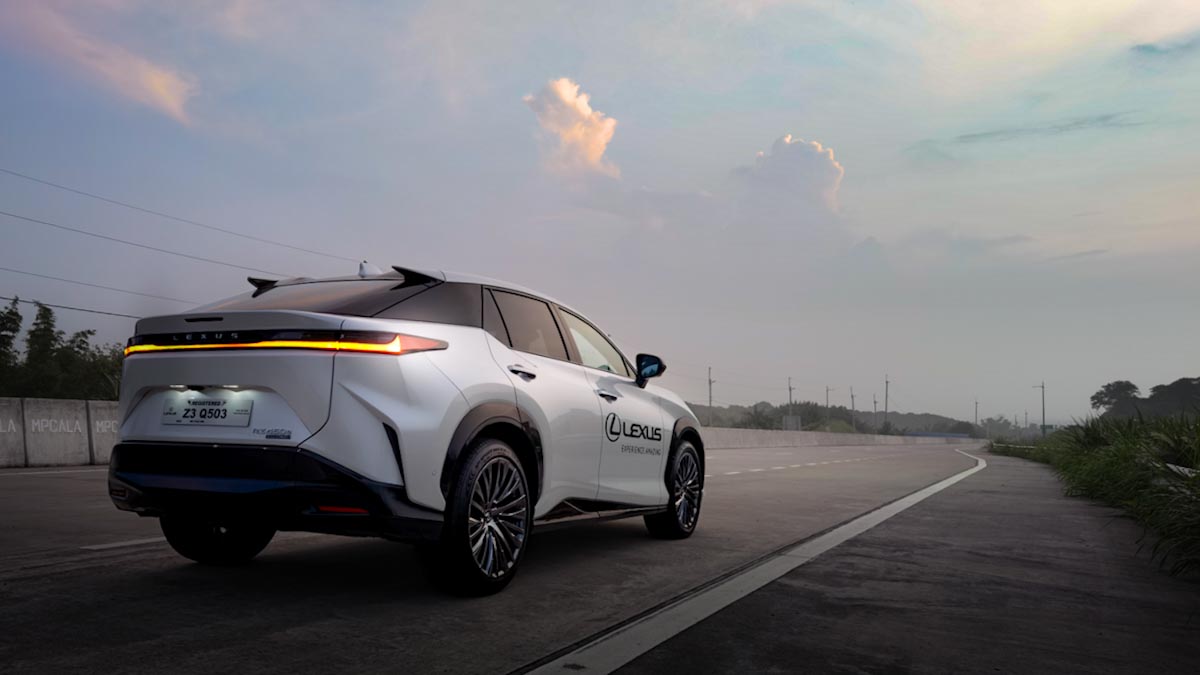
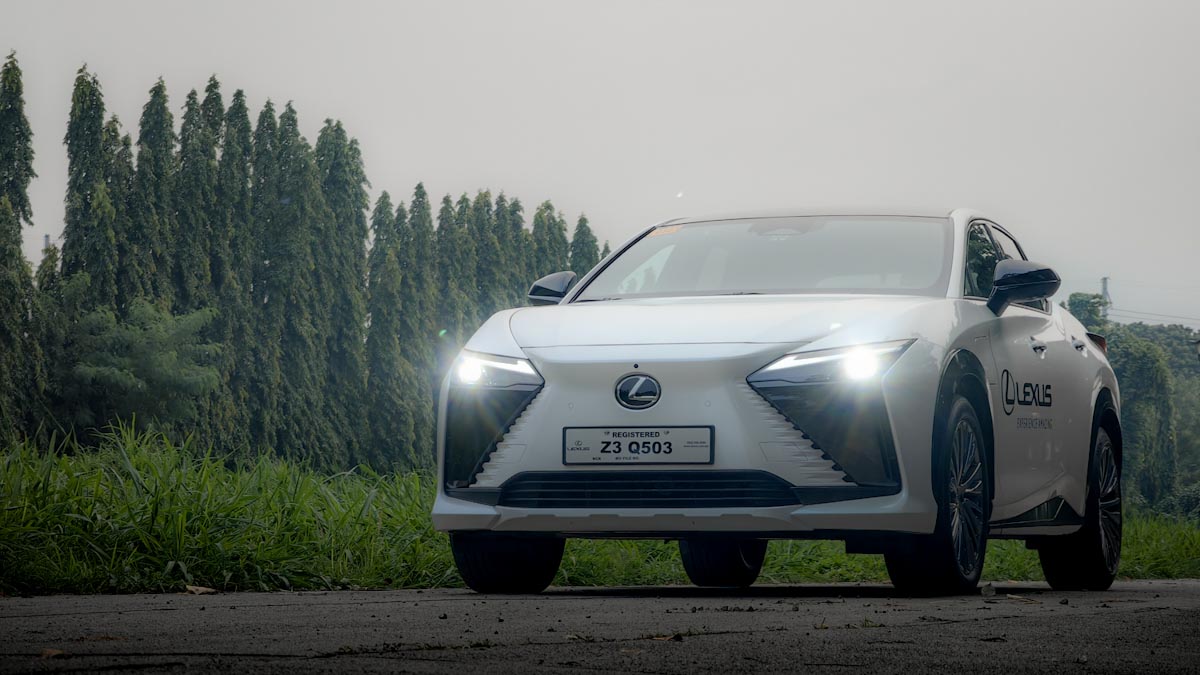
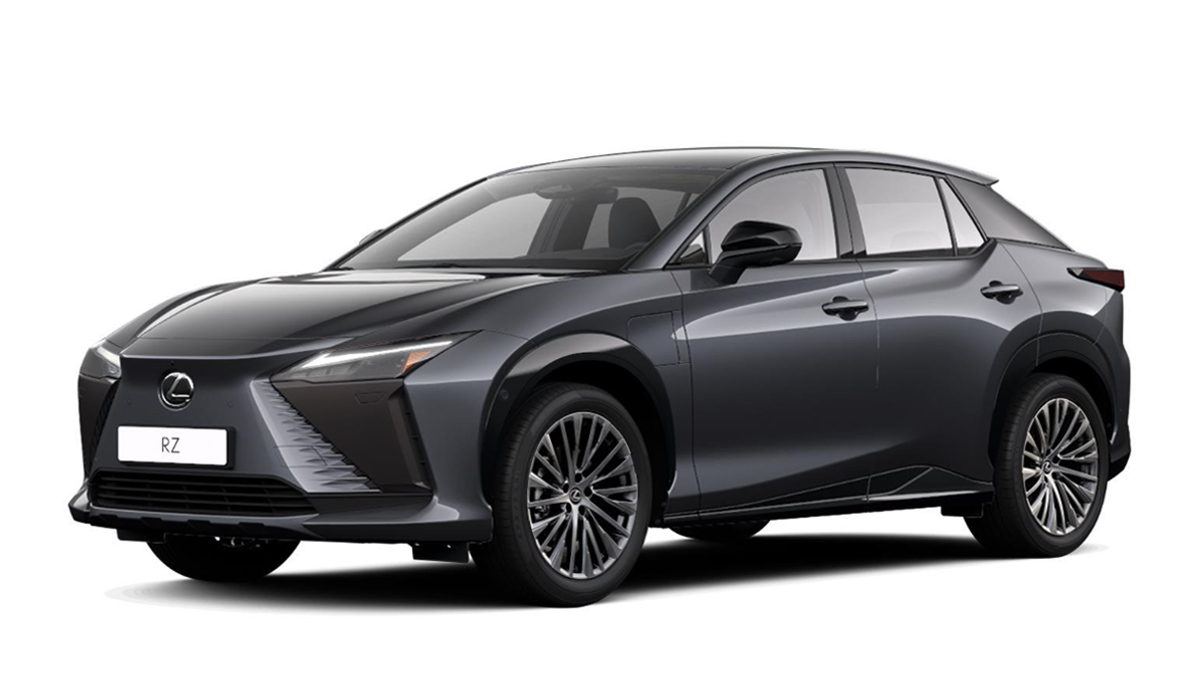
Given how dominant Toyota/Lexus has been in the field of hybrid electric cars, it can be shocking to discover how far behind the curve they are in terms of battery electric vehicles. Sidetracked by hydrogen fuel-cell and hydrogen combustion projects, the Japanese giant only fully committed to BEVs in 2019 with the launch of the e-TNGA, its first dedicated BEV platform. And this Lexus RZ is the first e-TNGA car we get here.
However late they are to the game, Toyota knows a thing or two about electric motivation, thanks to decades of hybrid experience. But does this make the Lexus RZ a winner? Or is it simply too little too late, in a market flooded with Luxury EVs?
OTHER STORIES YOU MIGHT HAVE MISSED:
Toyota gives a sneak peek of the next-gen Camry
JMS 2023: The LF-ZC and LF-ZL are the future of Lexus electrification
Styling
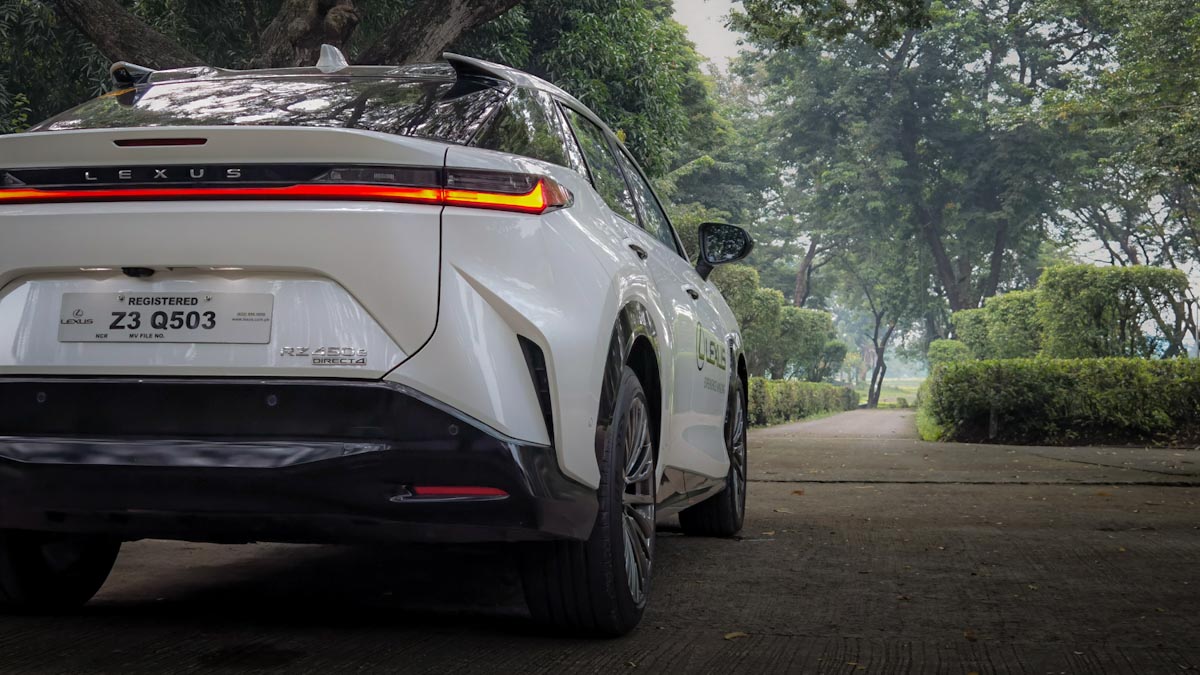
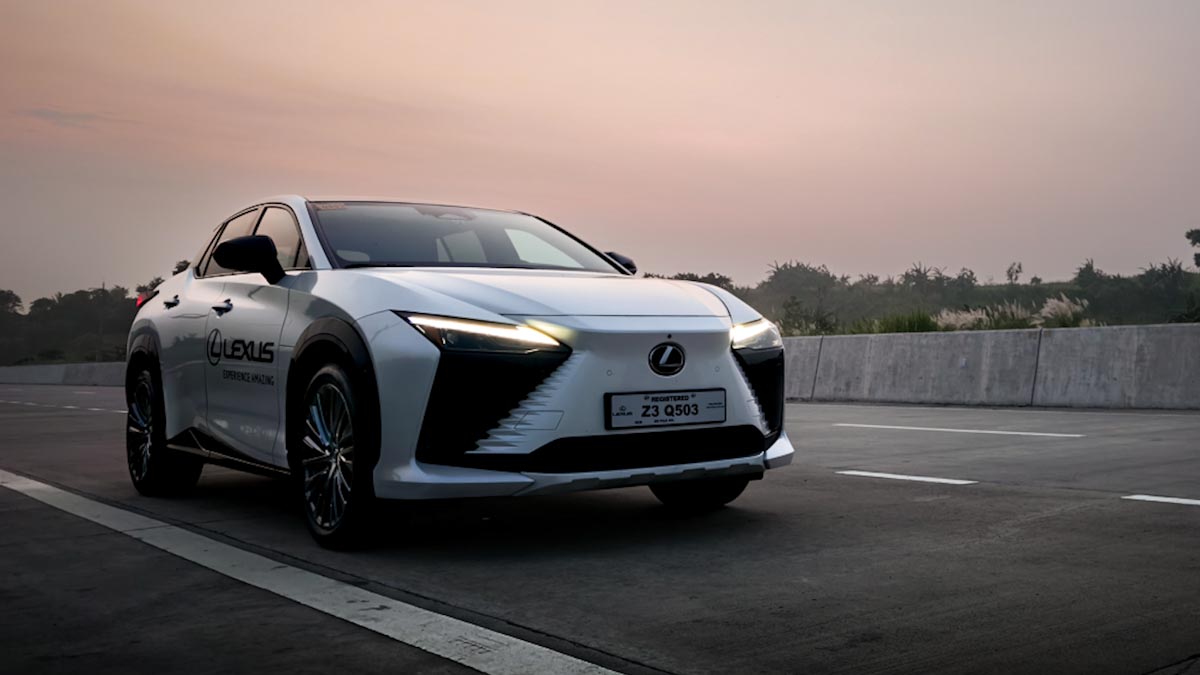
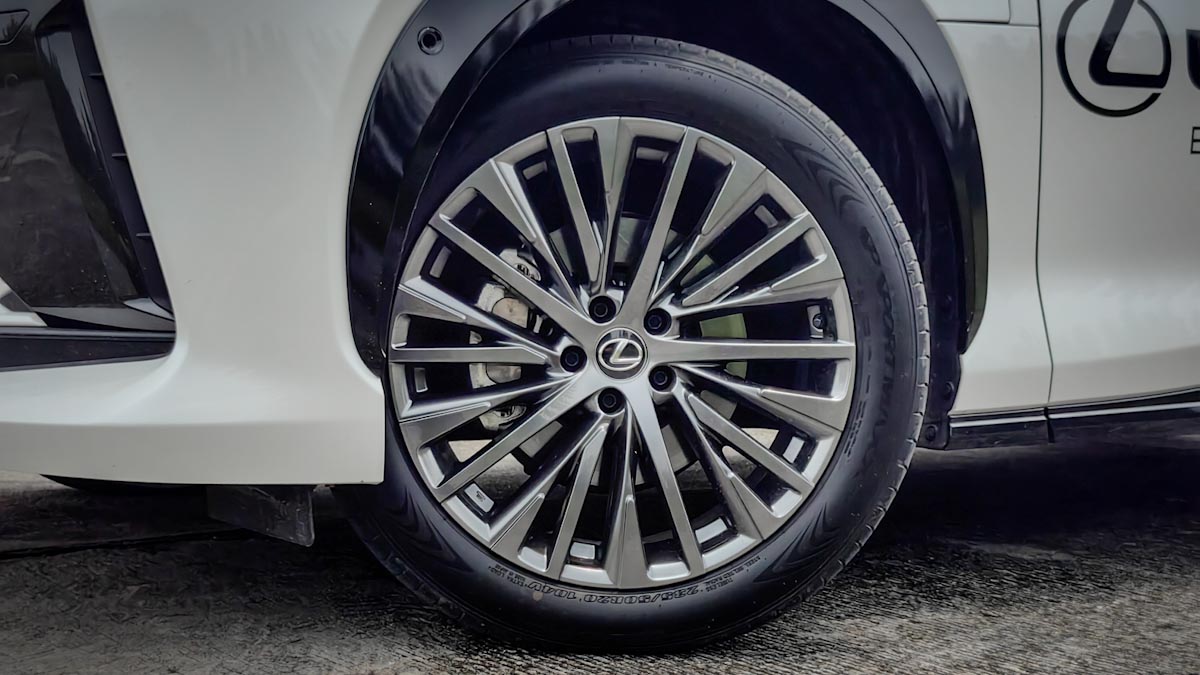
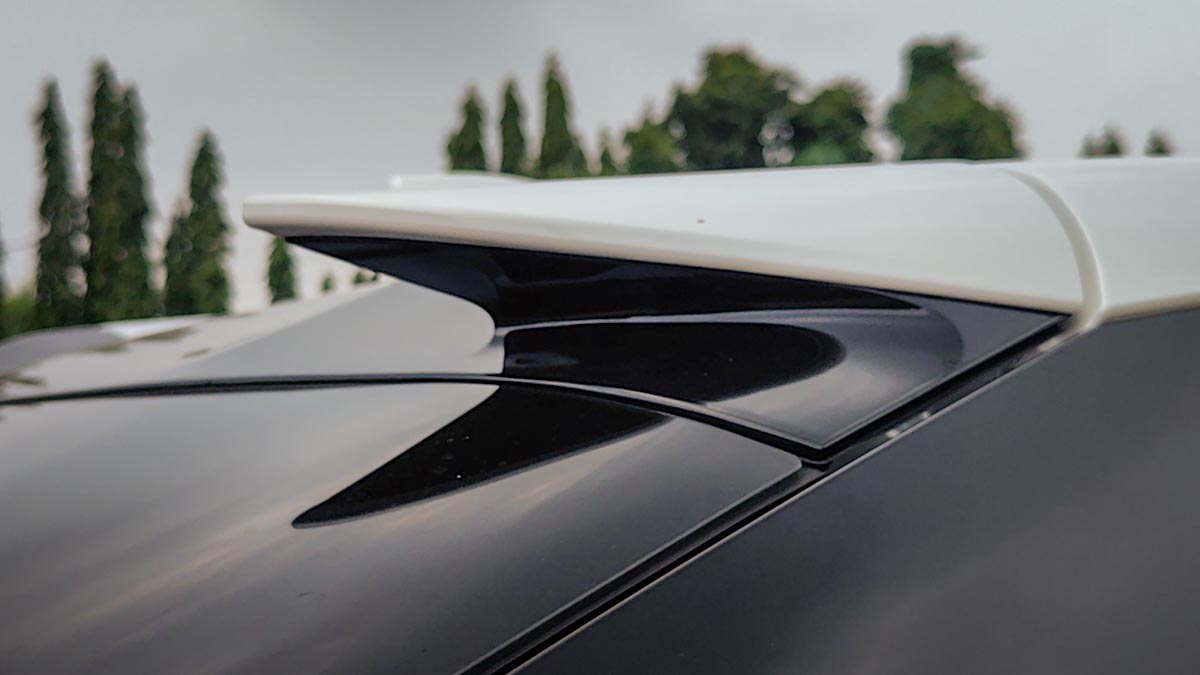
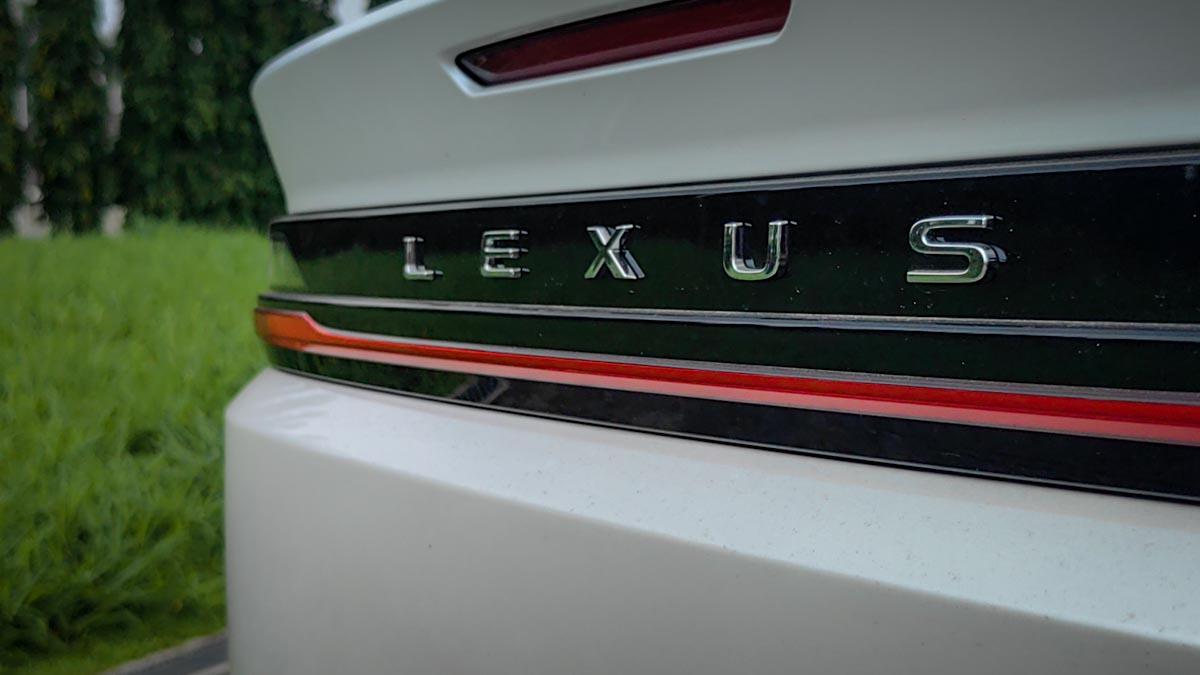
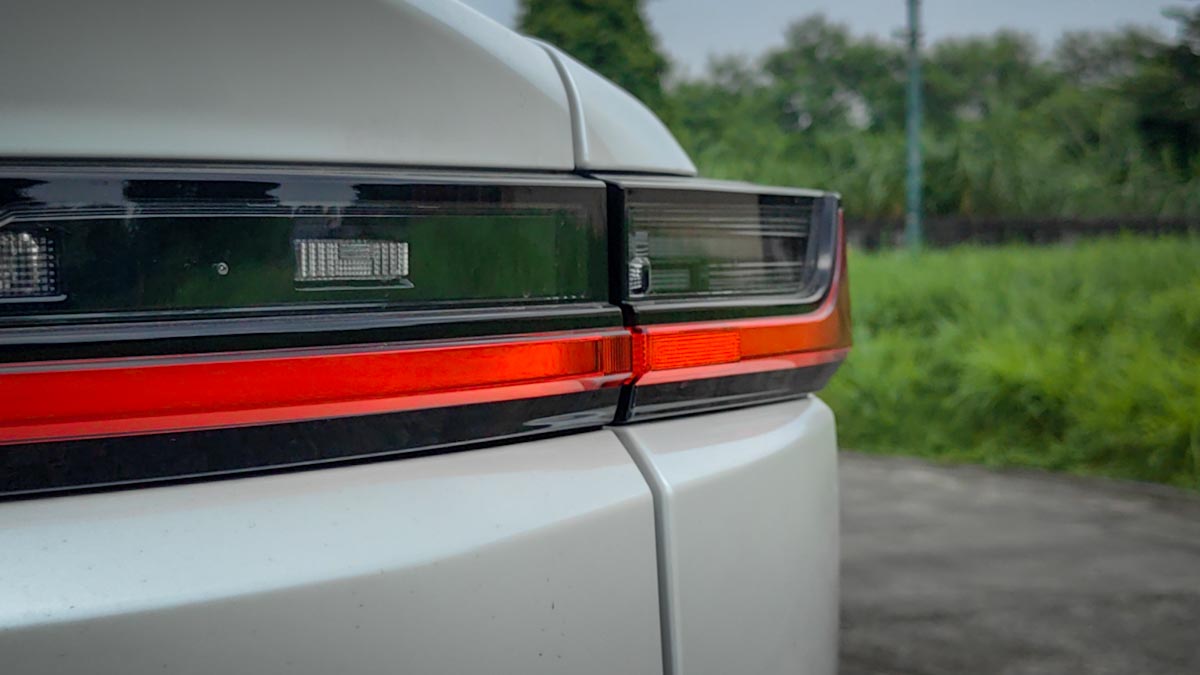
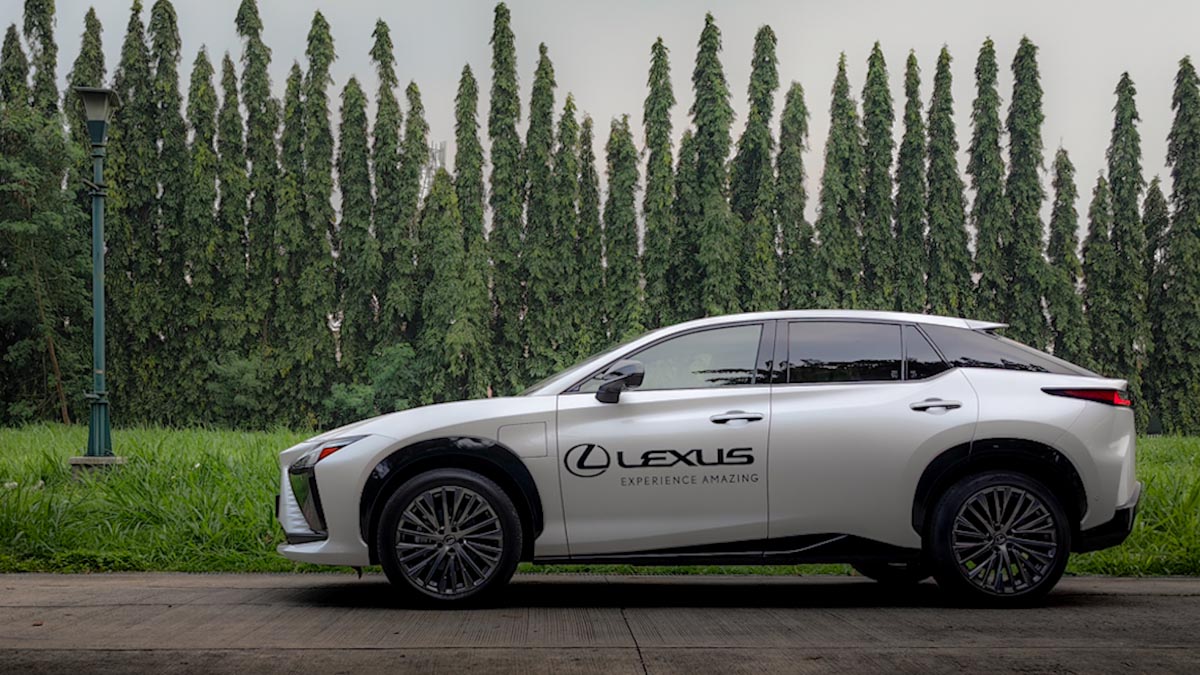
The RZ is immediately identifiable as a Lexus—exotic, edgy, and stylish—but with a twist. Gone is the wild, oversized spindle grille used on gasoline models, replaced by a sketched-in grille. Other styling cues are similarly abstract, like the disappearing rear spoiler and a coupe-like profile that suggests a separate trunk. While still rather avante-garde, the RZ is not as overwrought as some recent Lexuses, erh, Lexii, have been. One wishes, though, that Lexus had gone with a more aggressive wheel pattern than the generic multi-spoke look on the big 20-inch wheels.
Interior
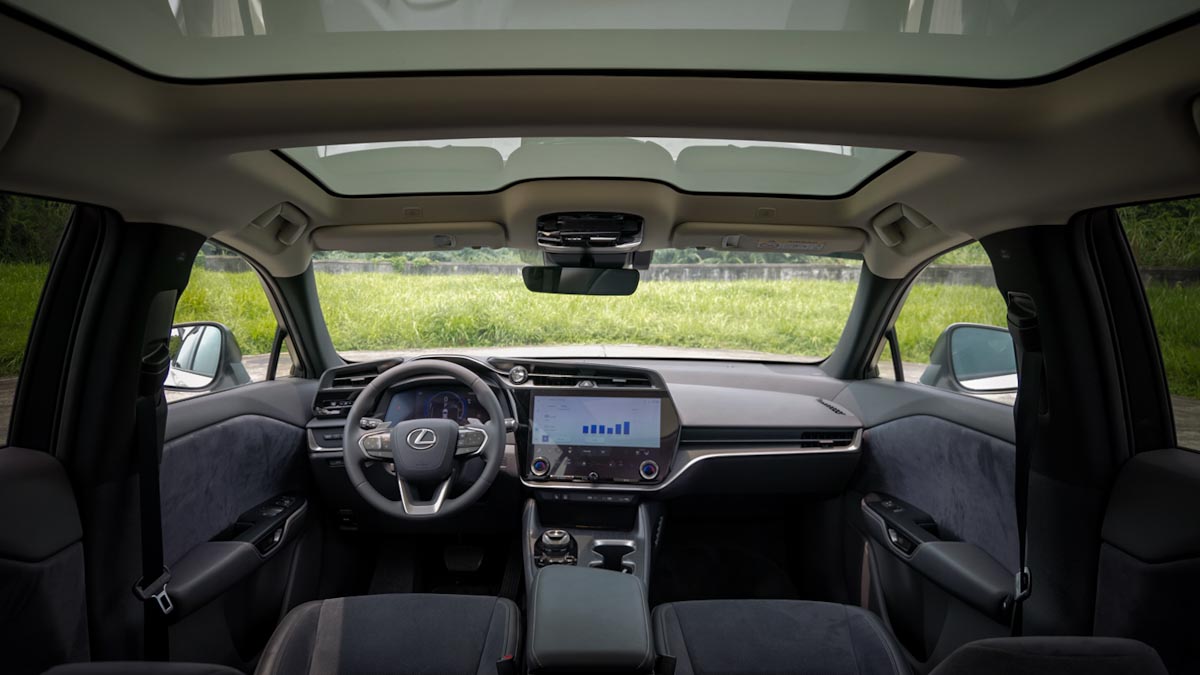
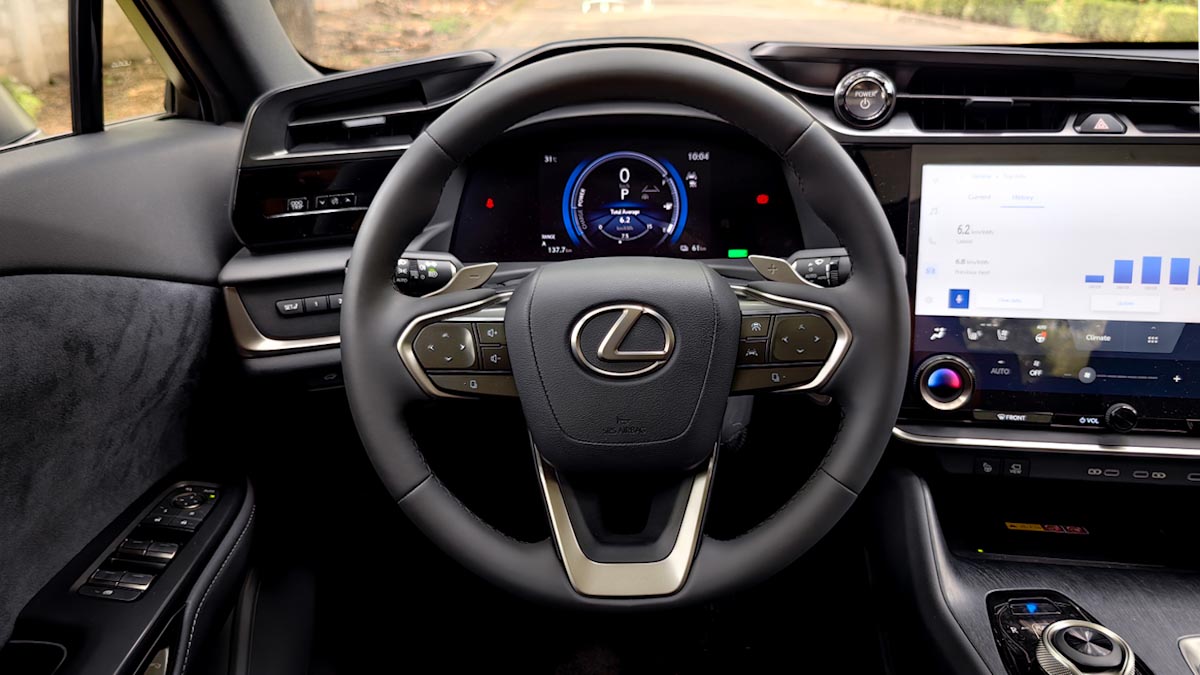
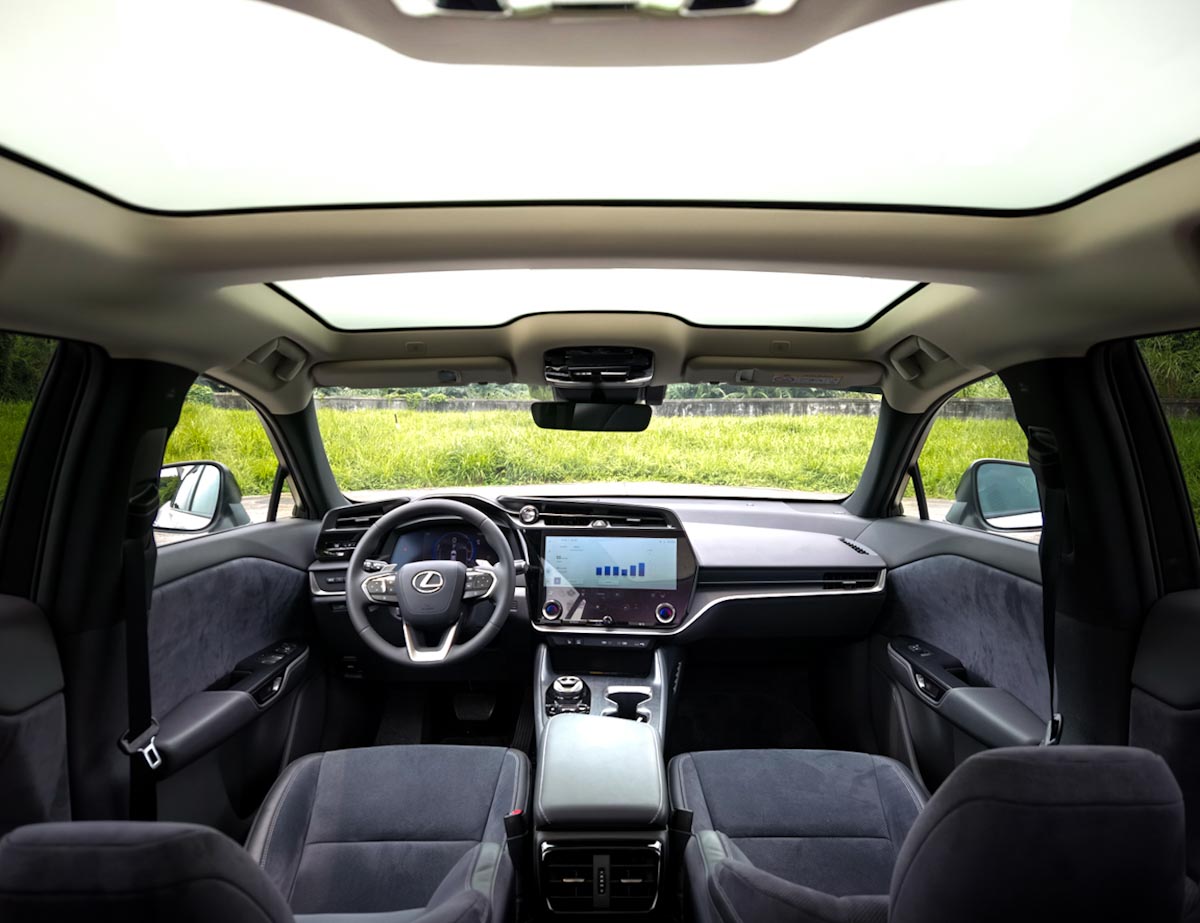
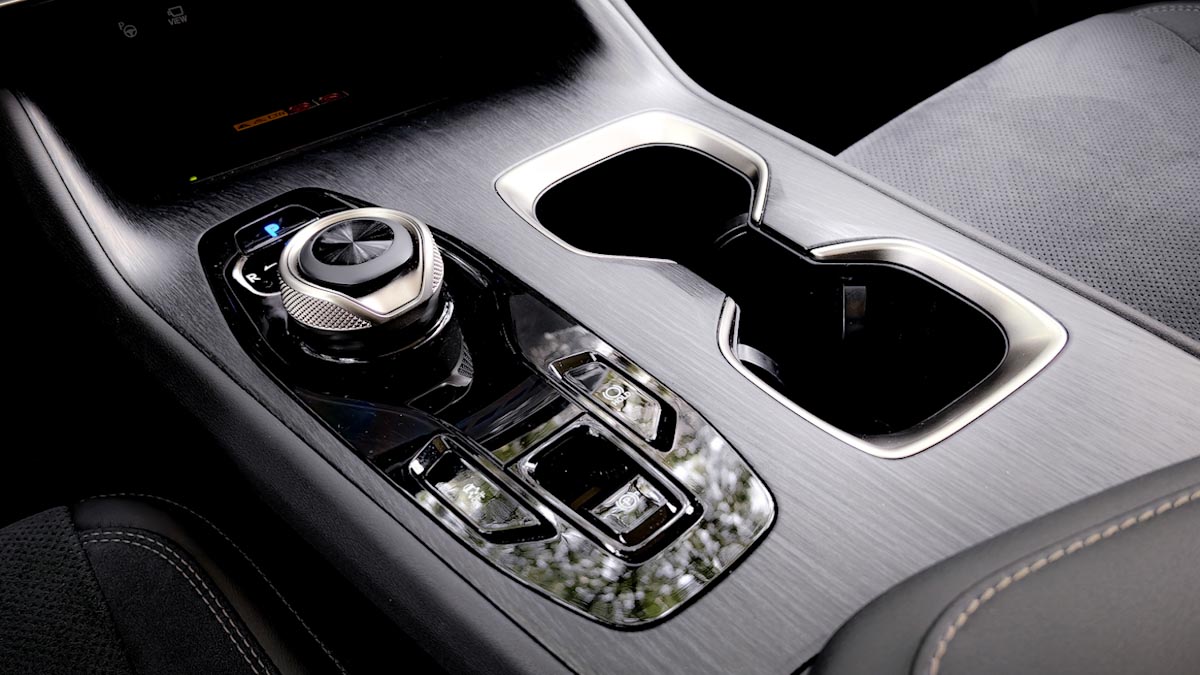
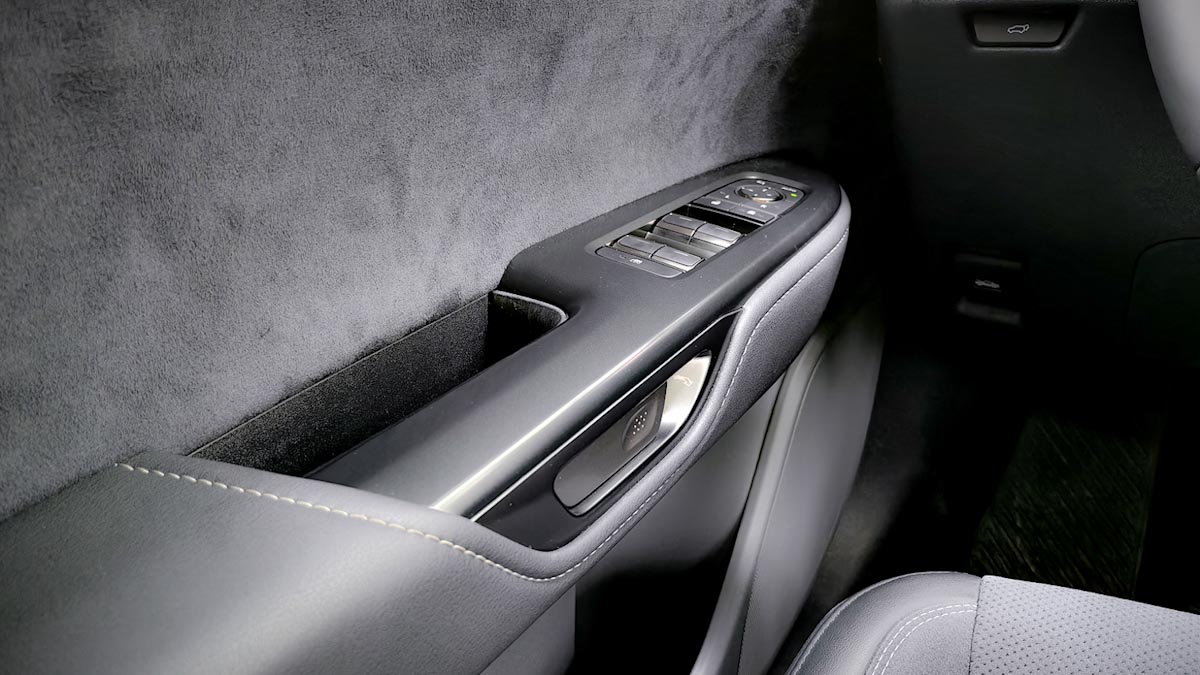
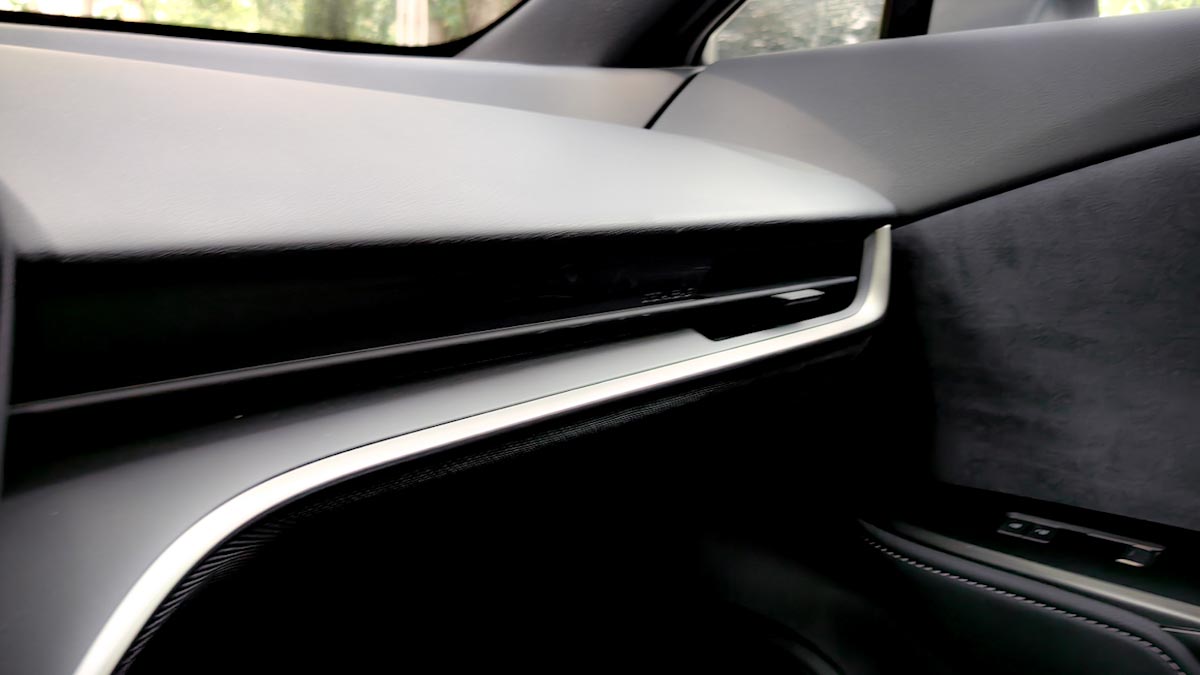
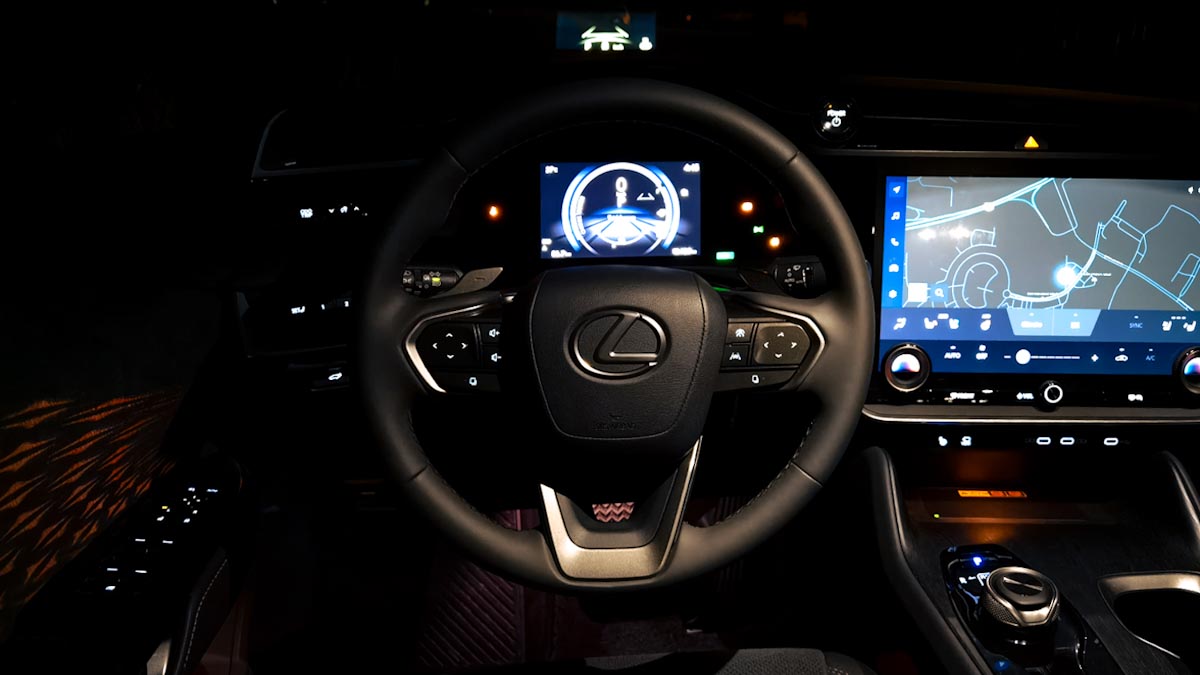
On the inside, the RZ makes extensive use of ‘Ultrasuede’ on high-contact surfaces like door panels and seats. While not as sexy sounding as ‘Alcantara,’ this synthetic is the Exact Same Product, just made at the original Japanese factory rather than in Italy. There’s not much in the way of real wood or metal here, as most finishes are recycled or sustainable plastics. There’s naked gray synthetic wood grain and brushed metal accents to dress up the interior and extensive use of glass panels and screens. The A/C knobs, with a screen mounted inside a knob mounted on another screen, are a trip.
The EV platform promises a flat floor and a lot of potential interior space, and in this respect, the RZ delivers. Well, mostly. There’s a wide, flat rear floor and lots of legroom compared to crossover-SUVs with the same footprint. Much of the space between the front passengers is taken up by a wide twin-tier console with a clever dual-hinged lid on the center box. This doesn’t intrude into your knee space, but there’s more structure and less storage compared to more practical iterations of this design.
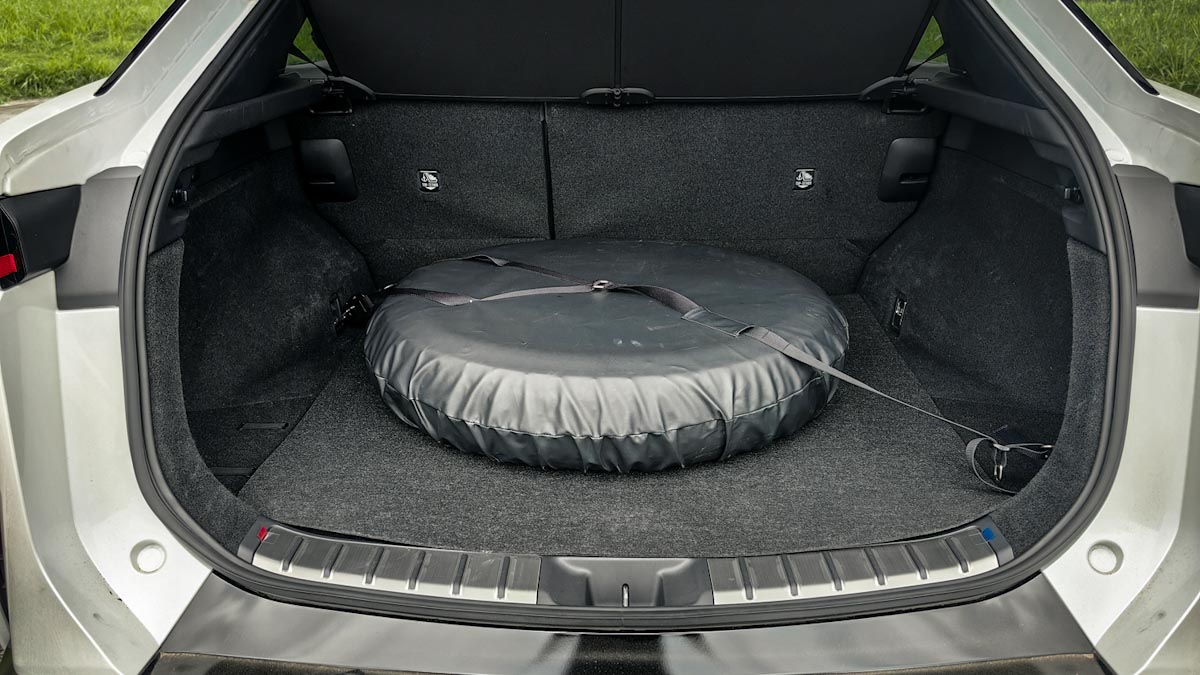
Out back, you get 522 liters of storage in a surprisingly deep and long cargo space. It’s rather low, thanks to the near horizontal hatch above it. And then there’s that donut spare tire, sitting on the trunk floor, taking up precious space. There’s a lot of underfloor storage for chargers and tire inflation kits, but just not in the right shape for a spare tire. This is one time where you wish they’d include a tire inflation kit, instead. Thankfully, that tire hides under a cleverly hinged tonneau cover that keeps it out of the light of day.
The entire cabin, on the other hand, is perpetually bathed in light, thanks to a gigantic electrochromic dual-panel sunroof. No physical sunshade here. The roof goes from frosted to clear with the push of a button, and no electricity is needed to maintain it in either state. Unfortunately, even fully frosted, it lets in quite a bit of light and heat—and while the AC easily combats the heat, this has an effect on battery life, which we will talk more about in a bit.
Engine performance
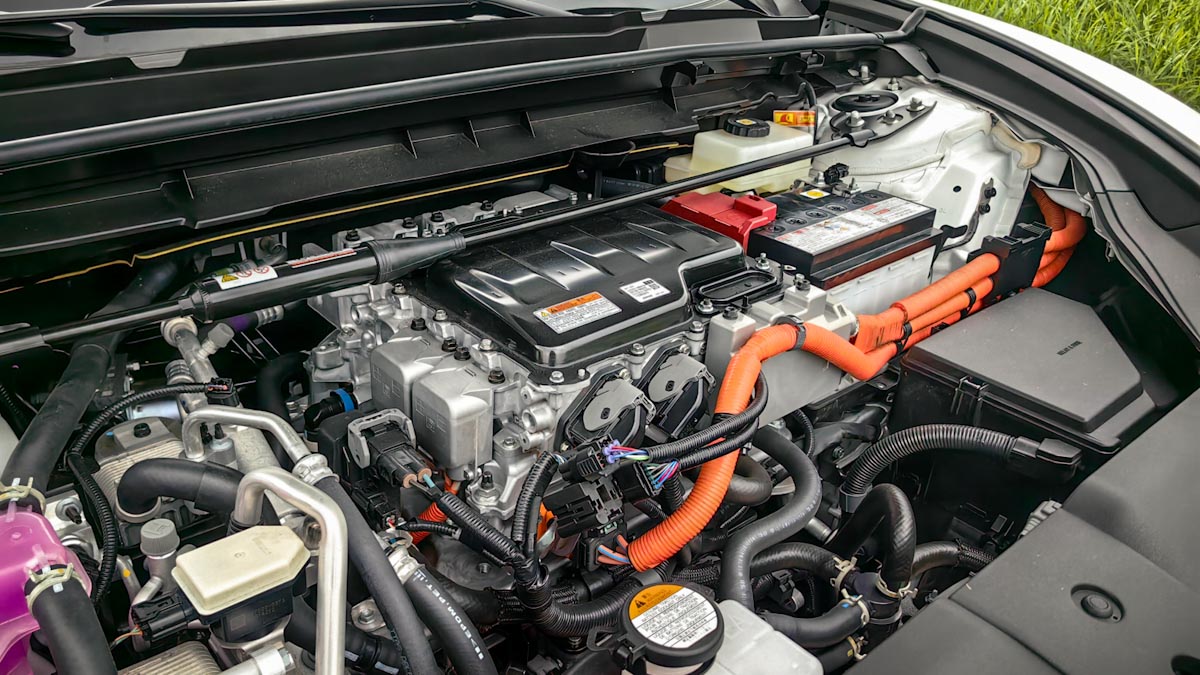
The RZ’s 309hp dual-motor setup is good for 0-100kph in just 5.4sec. That’s over two seconds quicker than the Hyundai Ioniq 5 and over a second and a half quicker than the Kia EV6. Everything faster costs a whole lot more. Not even the similarly priced 280hp BMW iX3 comes close to that.
That said, you don’t get that immediate kick as with some other EVs. Lexus has tuned the RZ to act as much like a gasoline-powered crossover as possible. Floor the pedal, and there’s a brief pause and ramp up before it delivers full power, in a slug that feels like a big block engine or a turbocharger kicking in.
And while you can use the paddle shifters to simulate different levels of engine braking, even the most aggressive of these fall short of one-pedal mode action on other EVs. You can slow down relatively quickly to around 15kph if you let off the accelerator at full regen braking, then the car just idles along without fully stopping. This isn’t as convenient as with some EVs, but I get the idea: It feels a lot like a regular automatic transmission that way, and requires less re-learning for drivers making the jump from gasoline to electric.
Ride and handling
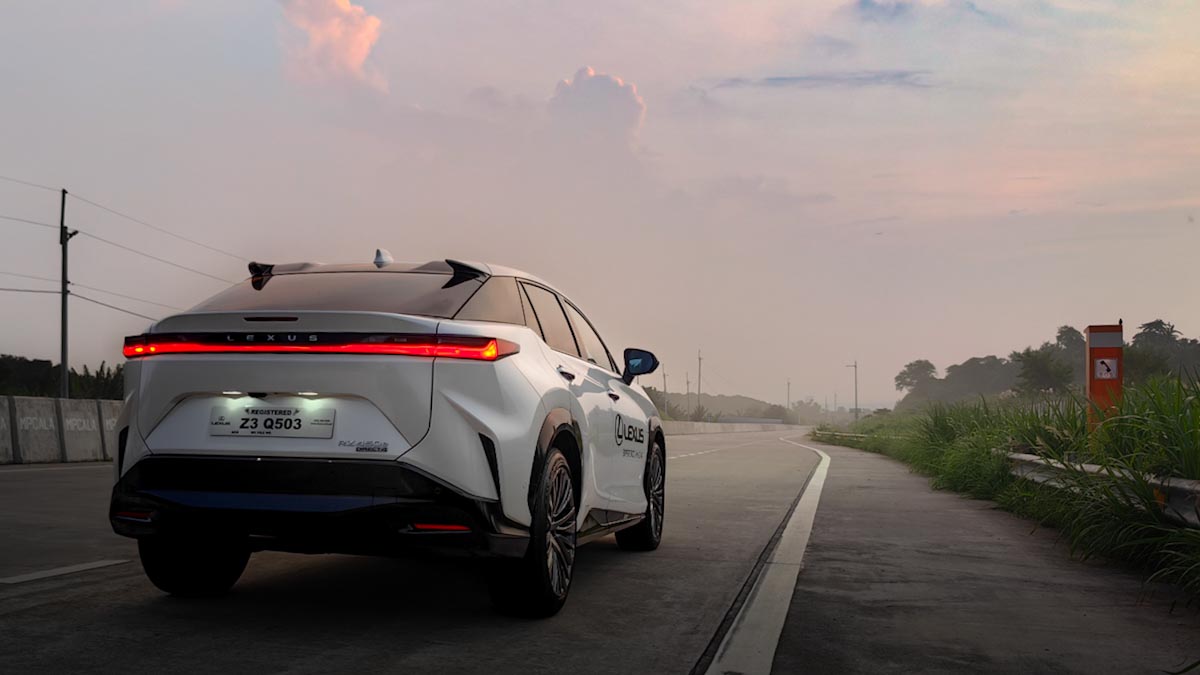
The rest of the driving experience is similarly familiar. The RZ drives much like a luxury sedan. It waffles along, the generous suspension stroke smoothing out wavy roads. There’s a bit of thump when the big wheels and paper thin tires go over bumps, but it’s well smothered. Those Dunlop Sport Maxx 060 tires are staggered—235/50R20 in front, 275/35R20 in the rear—which is odd, because only a third of the power goes to the rear axle. Either way, the extra wide rears don’t feel necessary, as the RZ is dynamically unflappable.
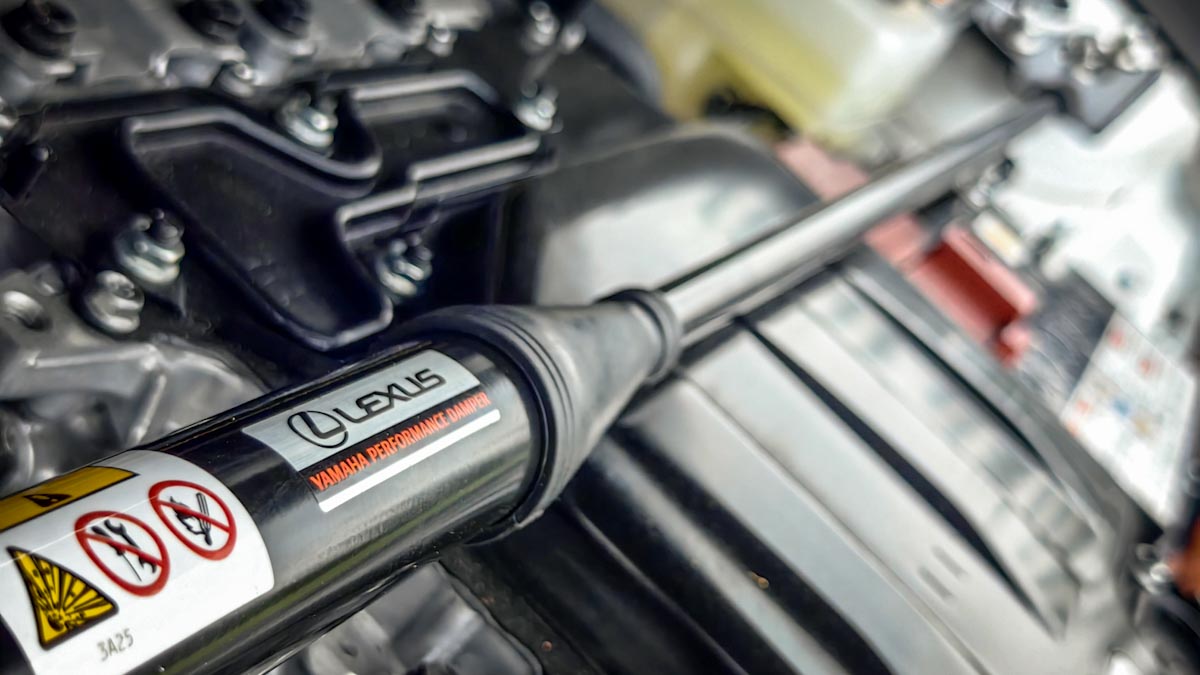
Mostly unflappable. This may be an agile crossover, but it doesn’t encourage you to push as hard as in a sports sedan. The steering feels rather rubbery and disconnected, even though the action itself is precise. There’s a clever damped strut bar up front that mitigates body roll, but you can feel the weight of those underfloor batteries leaning on those wide tires. That said, the ability of the RZ to soak up and hammer down a twisty road is gorgeous, especially at night, when the tiny but powerful mutli-projector LED headlights literally shine.
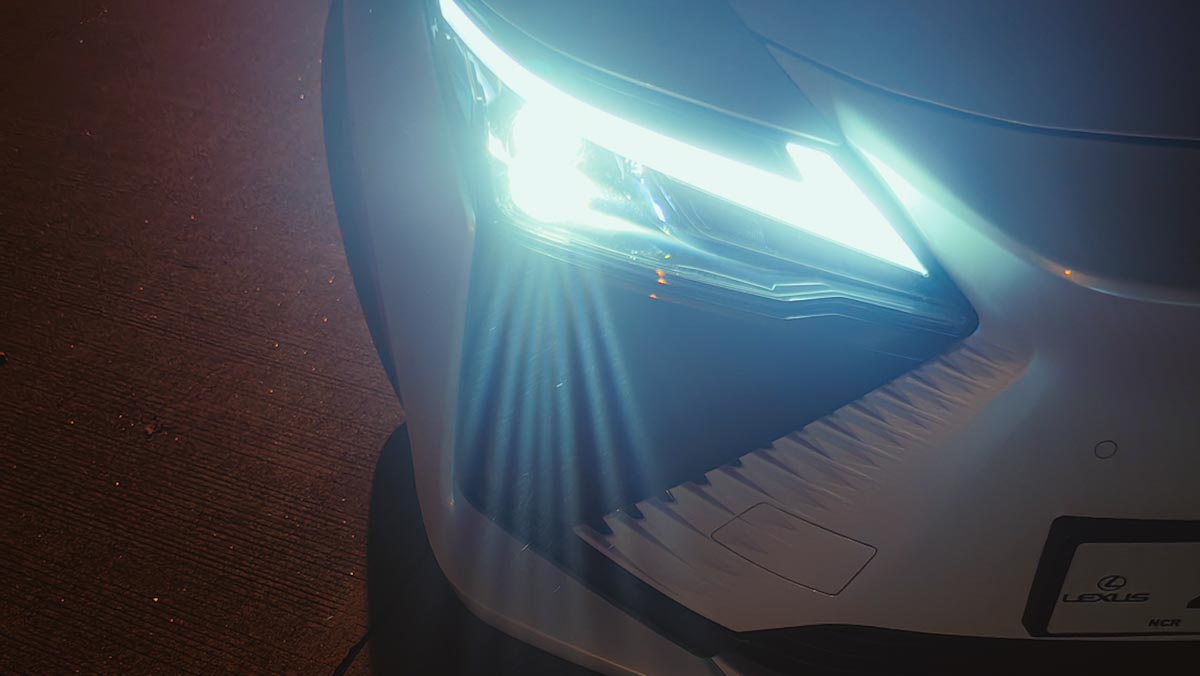
Around town, the adaptive light function provides great visibility, night or day. No high-beam mode required as they automatically light up obstacles, and dip down in sections to avoid blinding drivers and pedestrians around you.
In heavy traffic, the RZ’s wide footprint can feel daunting, but 360-degree cameras and proximity sensors have you covered. In addition, Toyota’s comprehensive Safety Sense suite—rebranded here as Lexus Safety System+—enables automatic braking in response to forward and cross-obstacles, as well as when backing up blind, and Level 2 autonomy, including lane keeping and a sophisticated radar assisted cruise that works all the way from highway speeds down to a full stop.
Extra features
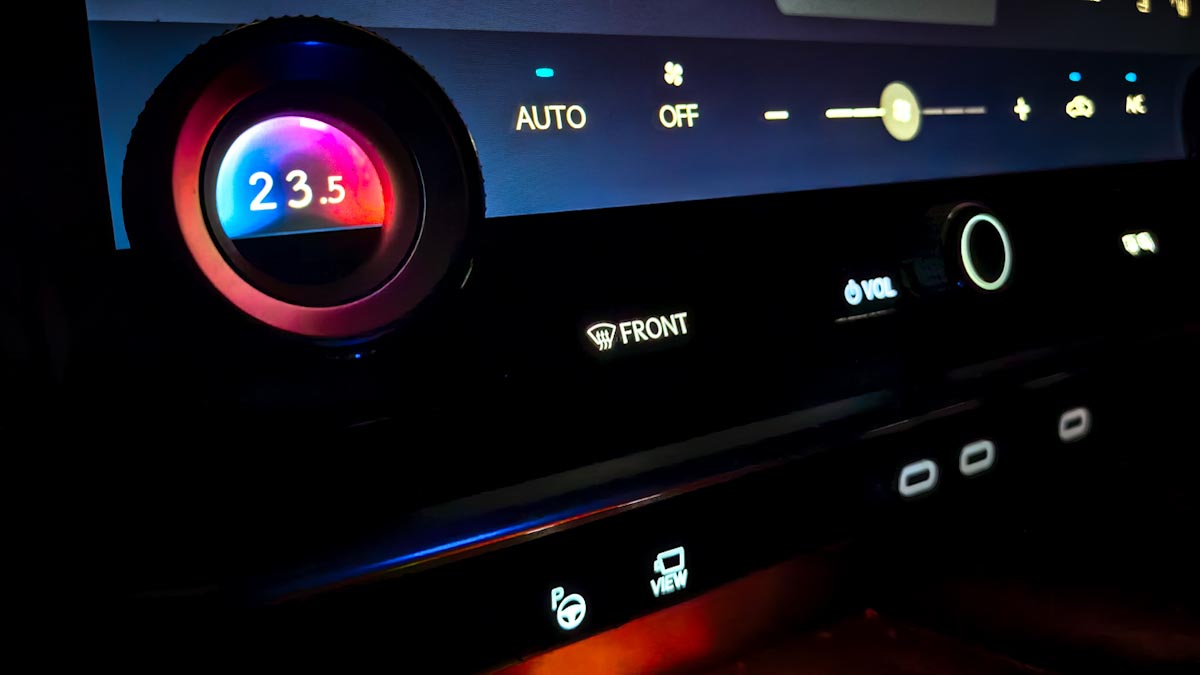
Aside from these features, you do get the expected keyless entry, and odd push-button door handles, inside and out—the outer door handles are especially weird, being traditional-looking loop handles that don’t actually move, requiring you to press a button on the inside to pop the door.
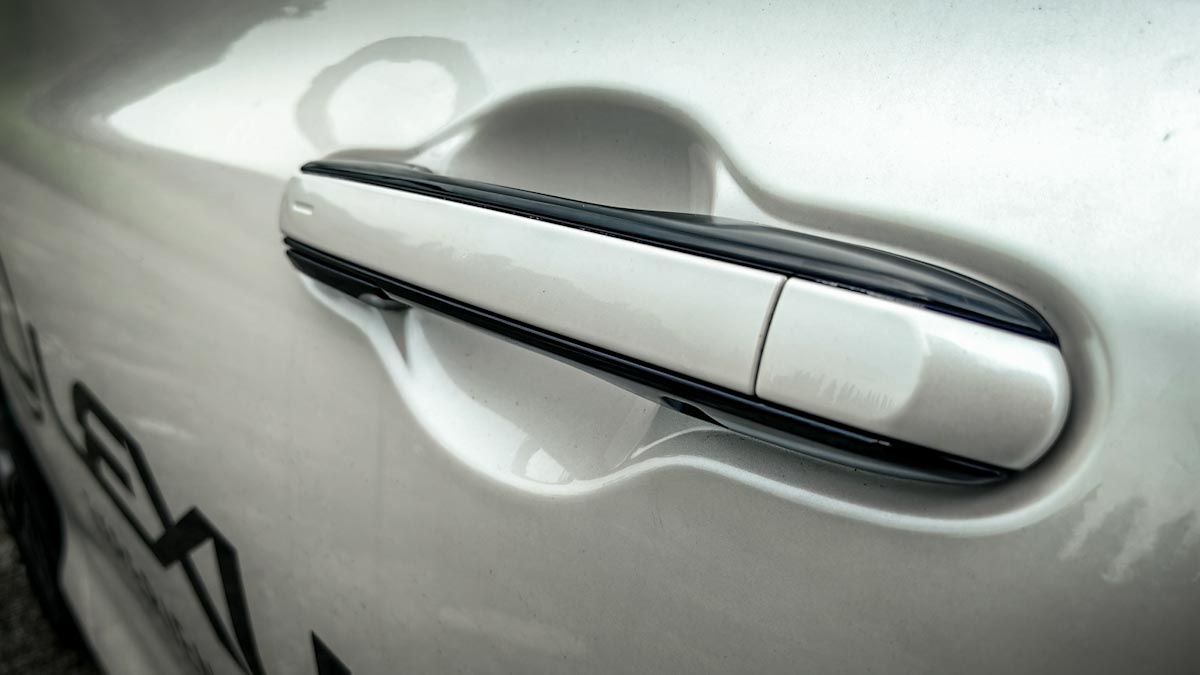
Infotainment is as you’d expect—touchscreens galore—though we’re thankful for the actual A/C control knobs stuck into that big center screen. Seems Lexus has given up on the weird touchpads and joysticks found on other models. There’s wireless and USB-C charging available—though disappointingly not wireless supercharging—and Android Auto and Apple CarPlay with nice big displays. Sound is as good as you’d expect for a luxury car, crisp and clear even up to near-earsplitting volumes. You also get neat interior lighting, with light patterns drawn on the doors at night by hidden projectors, and that lovely electrochromic glass roof up top.
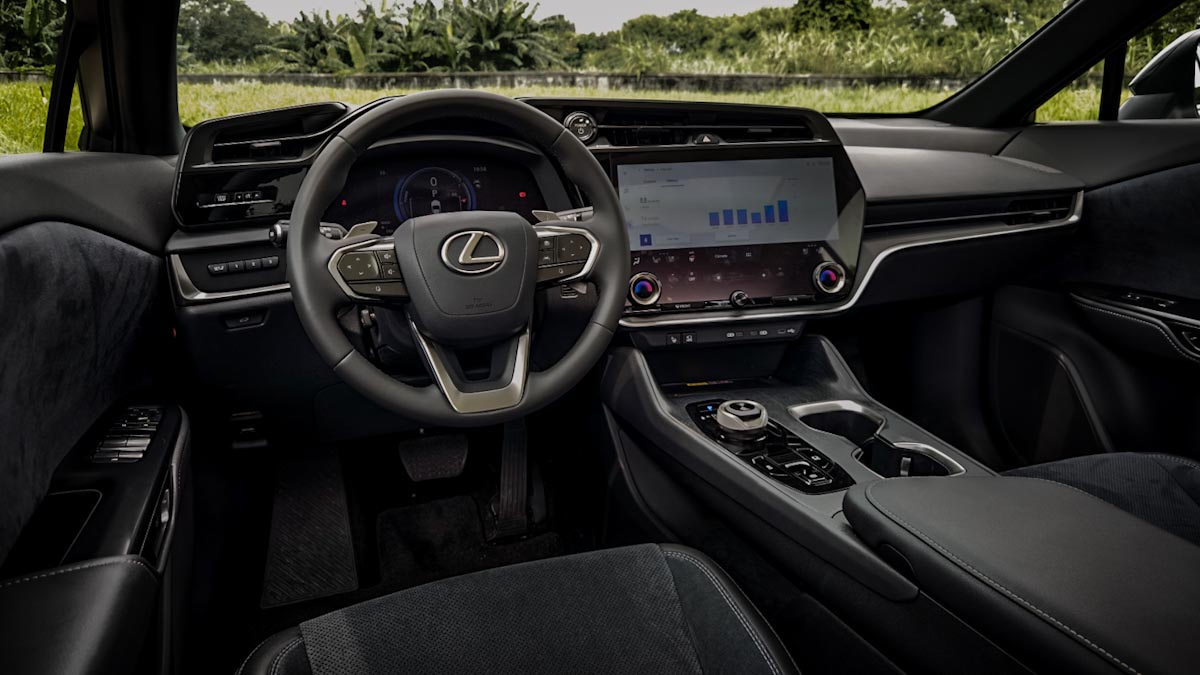
There’s also an automatic tailgate, a powered driver’s seat, with a power-adjustable steering wheel in front of it, and seat ventilation that allows for either toasty or cool buns.
You’ll be using the cooling a lot, because as mentioned earlier, the AC itself saps a lot of power thanks to that big glass roof. You can see a 20% or more reduction in range from AC use on a hot day. And while this is true of many EVs, you will feel this lack particularly hard on the RZ due to the relatively small battery pack. It’s rated for up to 400 kilometers, but we had to turn the AC off quite often to stretch out past the 350 km mark on a full charge. Level 3 150 kw charging is available, and you do get a 7 kw home charger to keep the car topped off, but cheaper Korean competitors offer 180+ kw charging, which will make a big difference as the charging network expands, given Shell charges by the minute for their Level 3 charger. And both the Koreans and Europeans offer larger battery options, which makes them better bets for long distance road trips.
Verdict
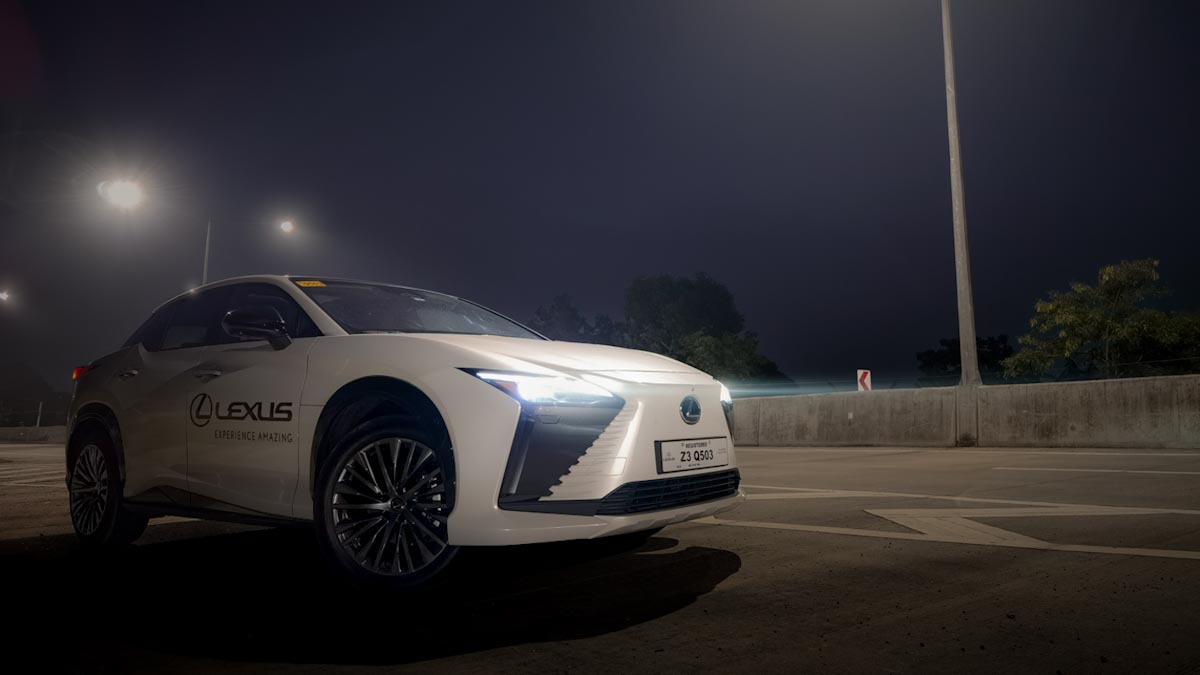
So it’s not a practical family SUV, but as a sports car alternative for weekend romps to Clark or Tagaytay, the RZ acquits itself very well. It’s fast, comfortable and suitably stylish. Give it a set of sportier looking wheels and it fits right in among more exotic machinery at those breakfast coffeeshop meets.
And it sits in a comfortable price niche between the Korean EVs and the Europeans. The closest price competitors are the BMW iX3 and Mercedes EQB, both of which have less legroom, luxury, and power. Most of the RZ’s natural competitors sit in the P6-7 million range, making it a grand bargain in comparison.
Some may gripe about how little like other EVs the RZ drives, but I think this makes it a more attractive alternative for those not used to one-pedal driving or hyper-responsive electric traction. And I doubt anyone will complain about the looks, luxury, or performance. Yes, it has some awfully strange quirks, but the RZ’s personality, along with that quality affirming badge on the hood, makes it a compelling choice for a weekend car.
SPECS: 2024 Lexus RZ450e
Price: P4,828,000
Motor: Permanent-magnet synchronous electric motors
Power: 309hp
Drive layout: AWD
Seating: 5
Score: 9.5/10