Locally, the Toyota’s subcompact hatchbacks have a bit of a following. We’re not talking about the Wigo here. Instead, we’re referring to models such as the Starlet, Echo, and Yaris.
But while the Starlet sold well, the Echo and Yaris (in its later years) just didn’t have the sales to have them around a little longer. Heck, Toyota Motor Philippines axed the Yaris Hatch with no replacement seemingly on the way.
That said, the Yaris nameplate isn’t dead in the country. If anything, it’s stronger than ever. Enter, the Yaris Cross.
Oh, what a difference ground clearance and the word Cross makes. They’re practically everywhere now, and it sure brought the Yaris name to a crossover era. Of course, just because a car sells well, it doesn’t necessarily mean it’s good. So now is a good time to see if it’s up to scratch. After all, it’s got competition in the form of the Honda HR-V and Hyundai Creta.
OTHER STORIES YOU MIGHT HAVE MISSED:
Car-free Sundays on Ayala Avenue will be extended until 2024
Cargo space test: How big a desk can you load in a subcompact crossover?
Styling
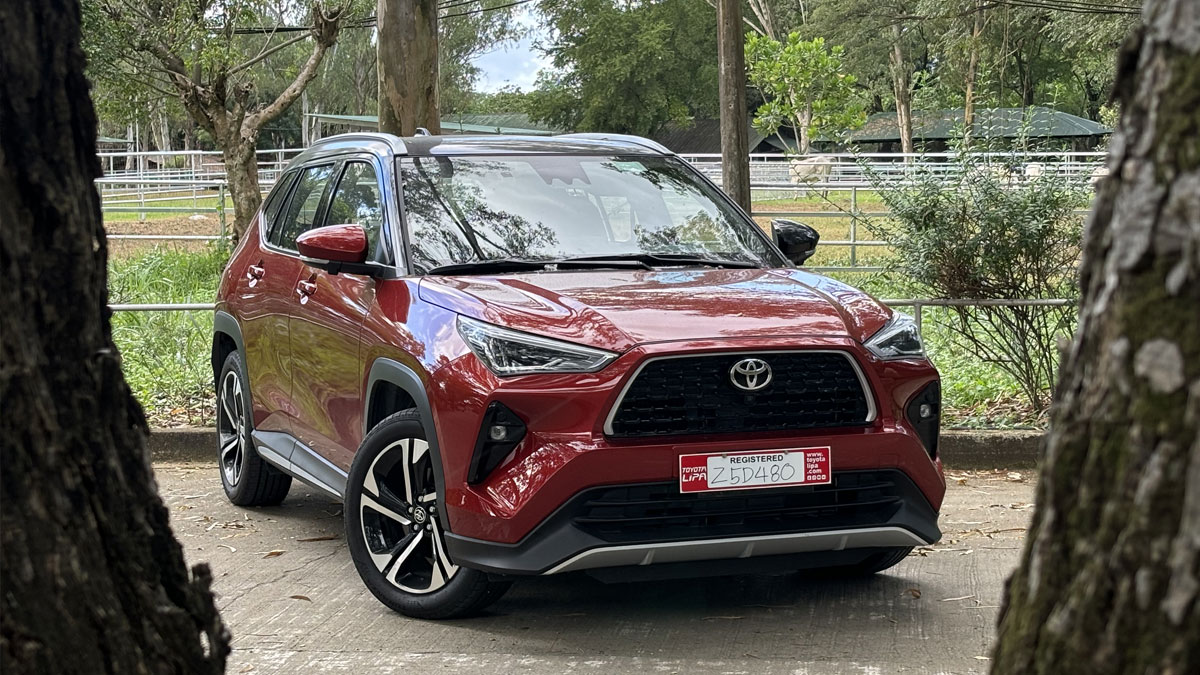
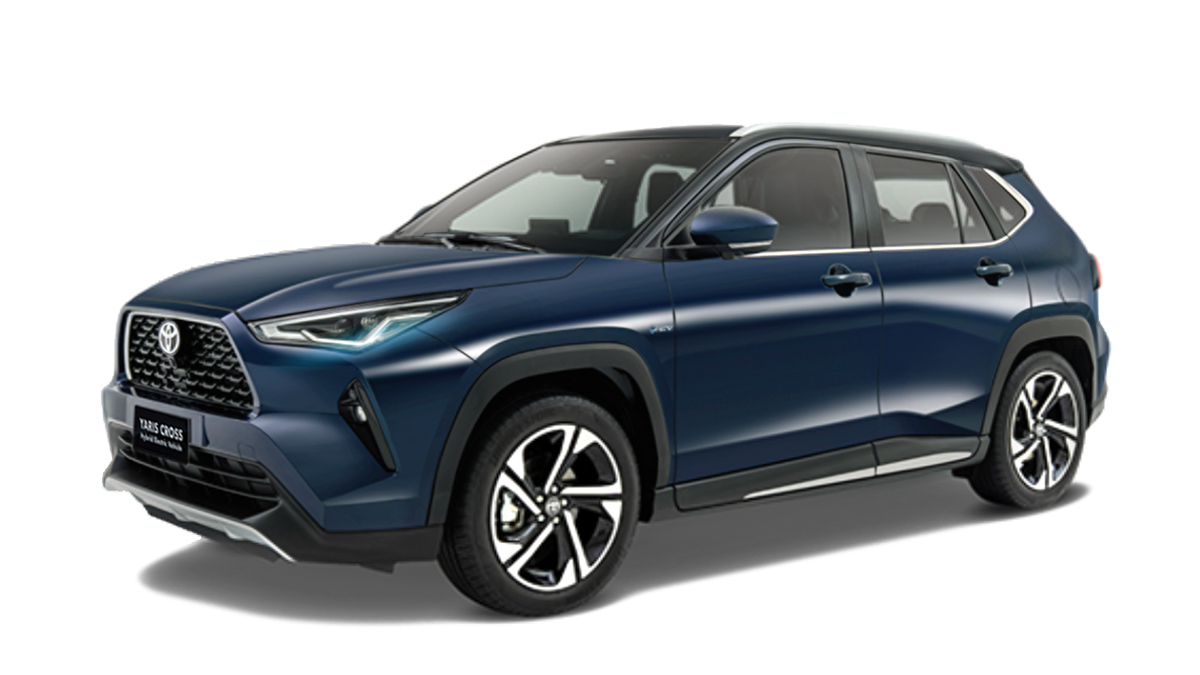
We’ll start by saying our market gets a totally different version of the Yaris Cross. The one we have here (and around Southeast Asia) is based on the Daihatsu New Global Architecture. The rest of the world gets the ‘real’ Toyota version.
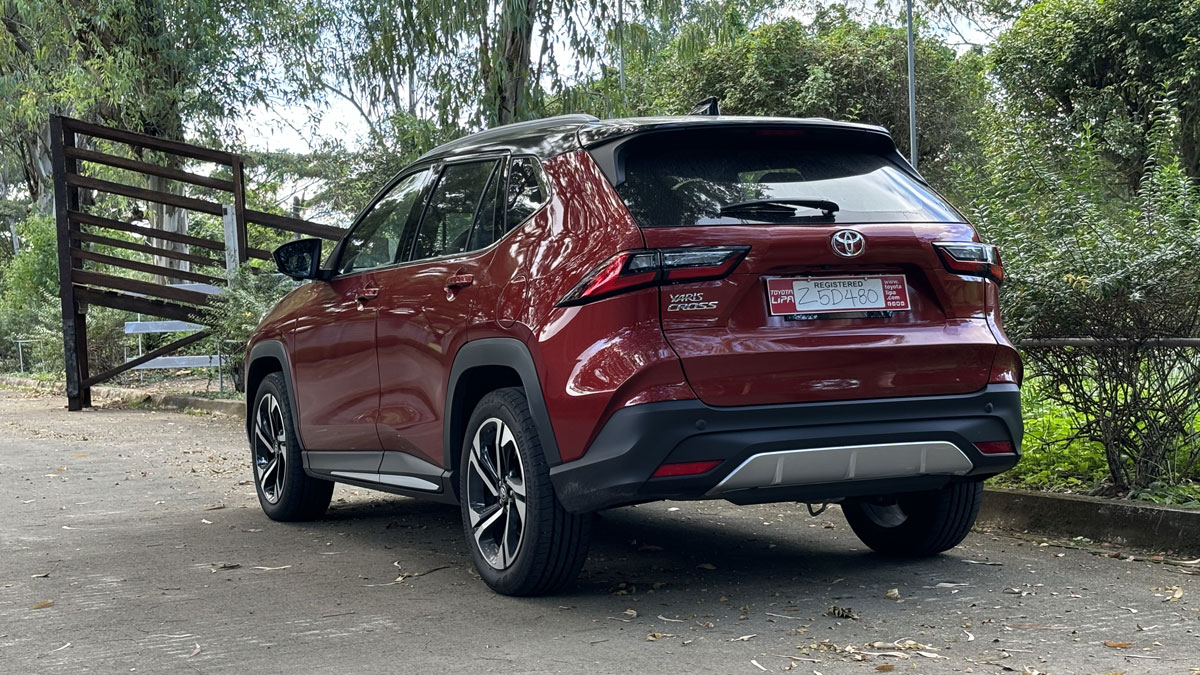
While the two models share the same name, they’re vastly different in terms of looks. Our version looks softer and curvier with some elements of the RAV4 thrown in. There’s a bit a mixed reaction towards it. Some saying it looks aggressive, while others think it has a sad face because of its downward drooping grille.
Still, points for Toyota for trying to give it some distinction, right? We do quite like the rear end, though.
Interior
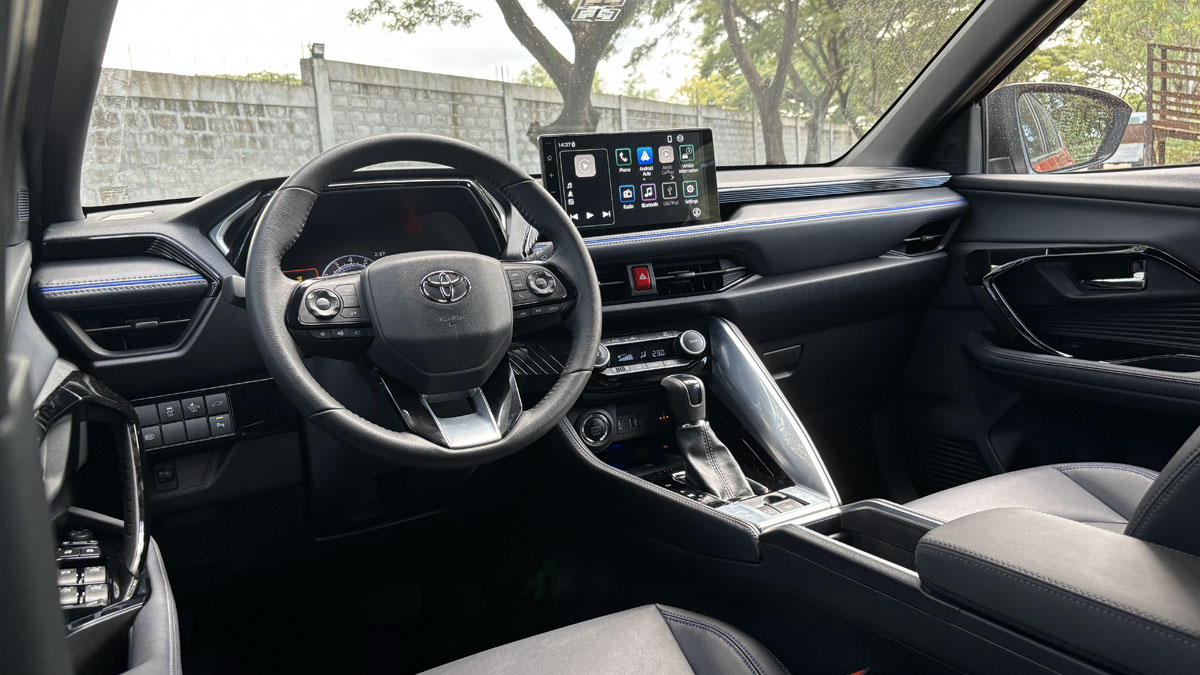
If you’re familiar with the interiors of Toyota’s subcompact offerings, you might get a feeling of deja vu. We spotted a few bits and pieces from the DNGA parts bin, namely the air-conditioning vents, digital climate control panel, and the gear selector.
Mind you, it’s not a totally bad thing as it blends together well enough to make it look like a different interior from the other DNGA models. It also means there’s familiarity if you’re switching from one Toyota subcompact to another. Those who want a bit more distinction from other DNGA Toyotas might not like it, but it looks cohesive for the most part.
But if it’s one thing that surprised us, it’s the Yaris Cross’ cabin feel. Truth be told, we were expecting acres of hard plastic in there, but it wasn’t the case at all. Some parts of the dash were soft to touch, and even the door panels had soft materials on the top. It might not be a big deal for some, but it does make you feel that you’re in a more expensive vehicle.
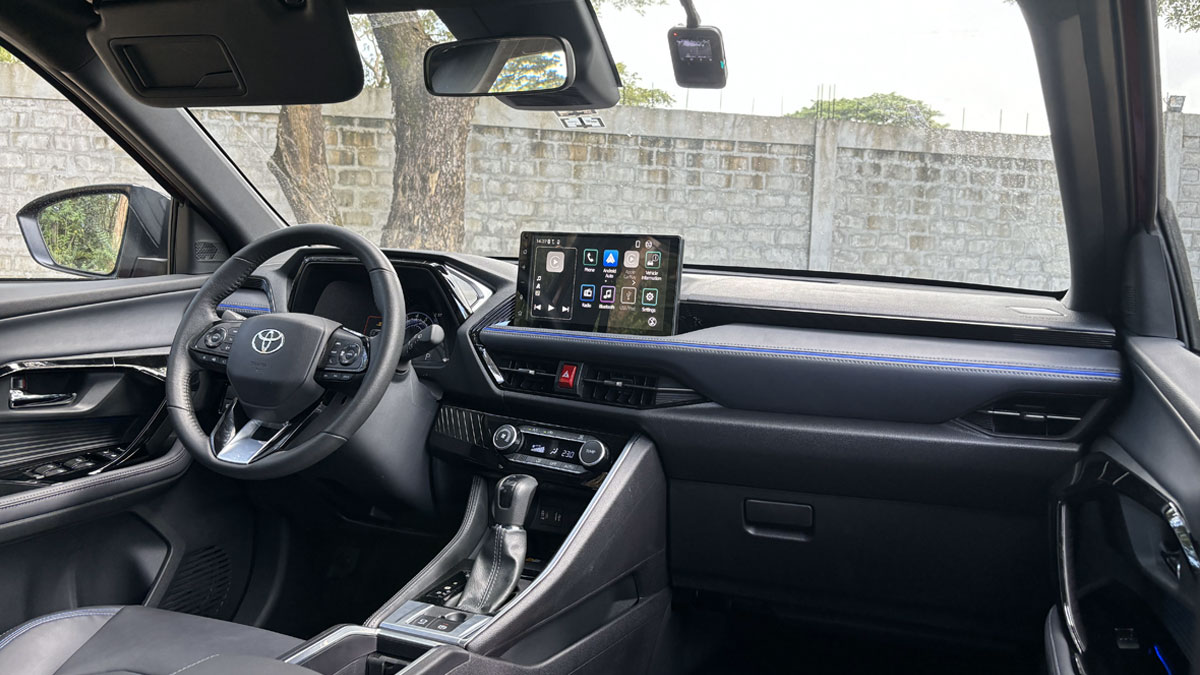
As for space, it’s about average for this segment. It does feel narrow when you have two seated in front, but there’s no complaints when it comes to the footwell. At the back, it can be a bit tight around the legs, but headroom is as good as they come in this class. Interestingly, we felt that it had more legroom compared to its bigger brother, the Corolla Cross. It’s either that or we were just expecting more from the ‘Rola.
That said, the lesser legroom (compared to its rivals) comes at the benefit of a relatively large cargo area. There’s over 450 liters of available space back there, easily making it one of the biggest in its segment. So, you choose, more legroom or more cargo space? You decide.
Engine performance
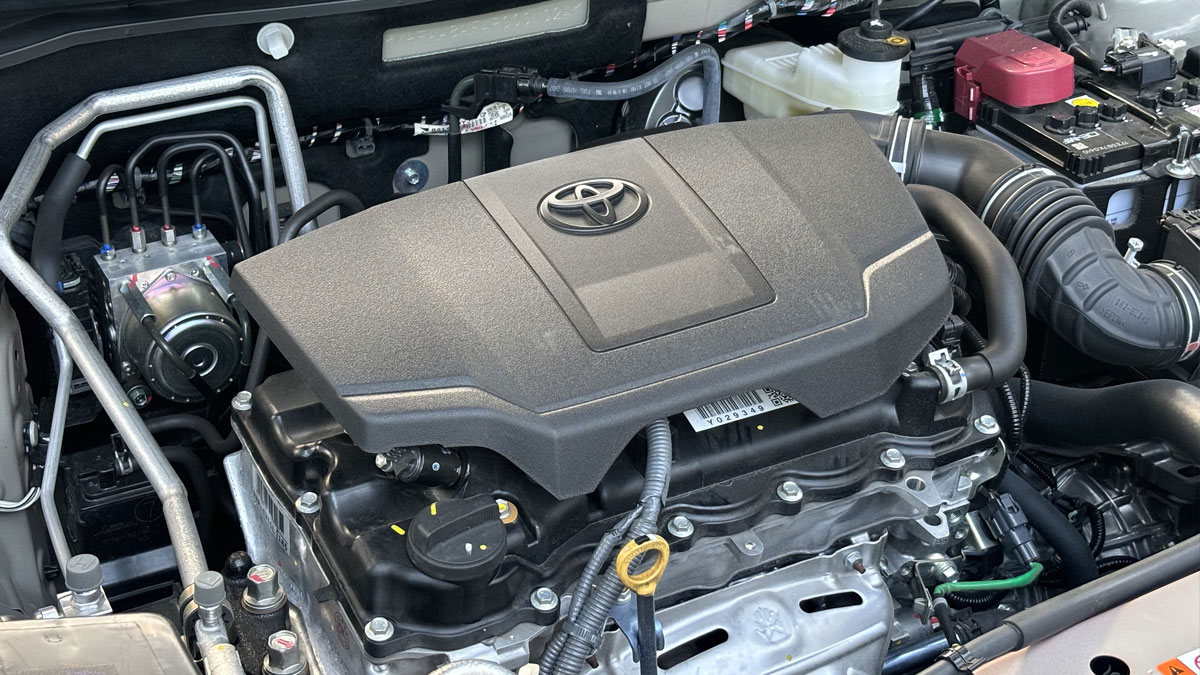
What we have here is NOT the hybrid S HEV variant. Instead, we have the top-spec non-hybrid model, the 1.5 V. As the model grade suggests, it uses a 1.5-liter engine with Dual VVT-i tech. It’s essentially the same engine used in the top-spec Avanza and the Veloz.
That means horsepower and torque numbers are retained from those two models. It’s rated at 106hp and 138Nm of torque and it shifts with a continuously variable transmission.
Obviously, it’s not fast and it has no intentions of being remotely so. That said, there are times it strains when it has to do an overtake, but we wouldn’t call it dangerously slow. Mind you the Creta and HR-V have more punch so it might be something you might factor in if you’re considering this model.
So it’s not brisk by any measure, but is it at least efficient? That would be a resounding yes. It might not be the hybrid version, but it still pulls in good economy figures. You’re looking at an easy 17.2km/L on the expressway and it still delivers 8.6km/L in holiday traffic. In mixed driving conditions, it does 10-12km/L, but it get up to 13km/L if the streets aren’t too congested.
Ride and handling
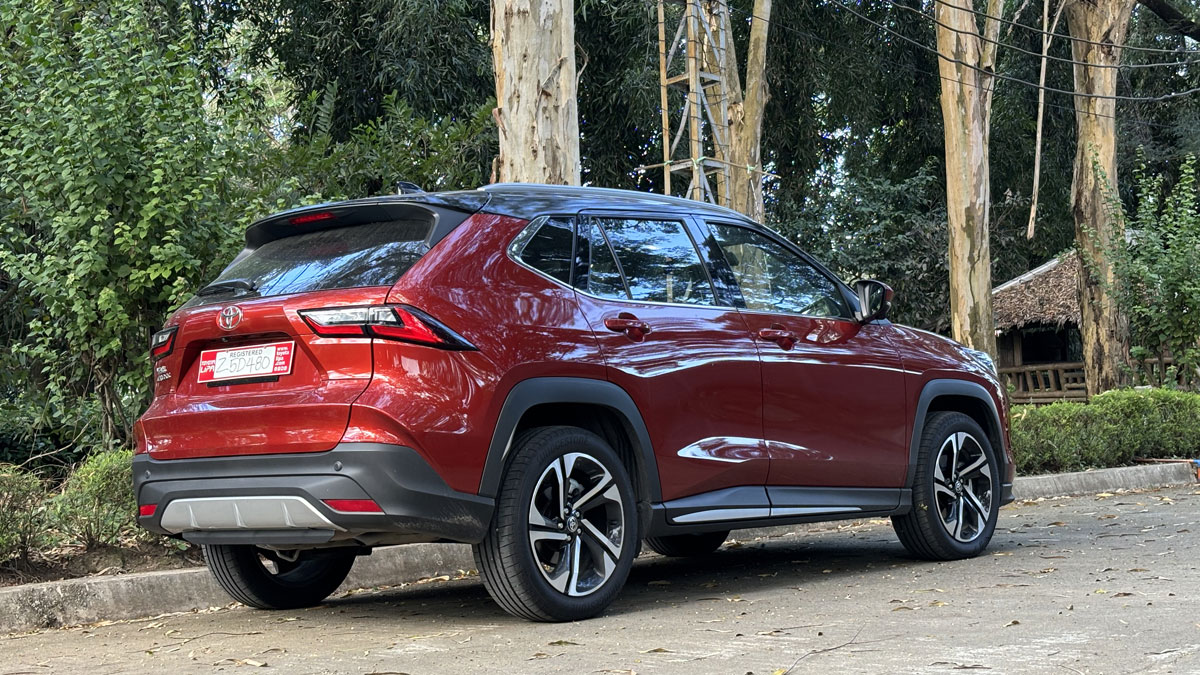
Since it’s based on the Raize and Avanza/Veloz it’s easy to dismiss the Yaris Cross’ chassis dynamics. The thing is, it doesn’t feel like either of those models. Its ride, while still soft, has better body control compared to two mentioned vehicles.
Impact harshness is relatively minimal for its segment, and it’s generally comfortable inside. It’s the least Daihatsu-feeling among its platform mates. There’s still a hint of it, but it’s not to the extent of other DNGA-based vehicles.
Handling should be fine for most folks. It won’t stir your soul or any of that, but it’s got decent road-holding nonetheless. One can best describe it as safe and predictable, dealing with corners rather than involving you in the process of taking a turn. Again, it should be fine by most of its target market.
Extra features
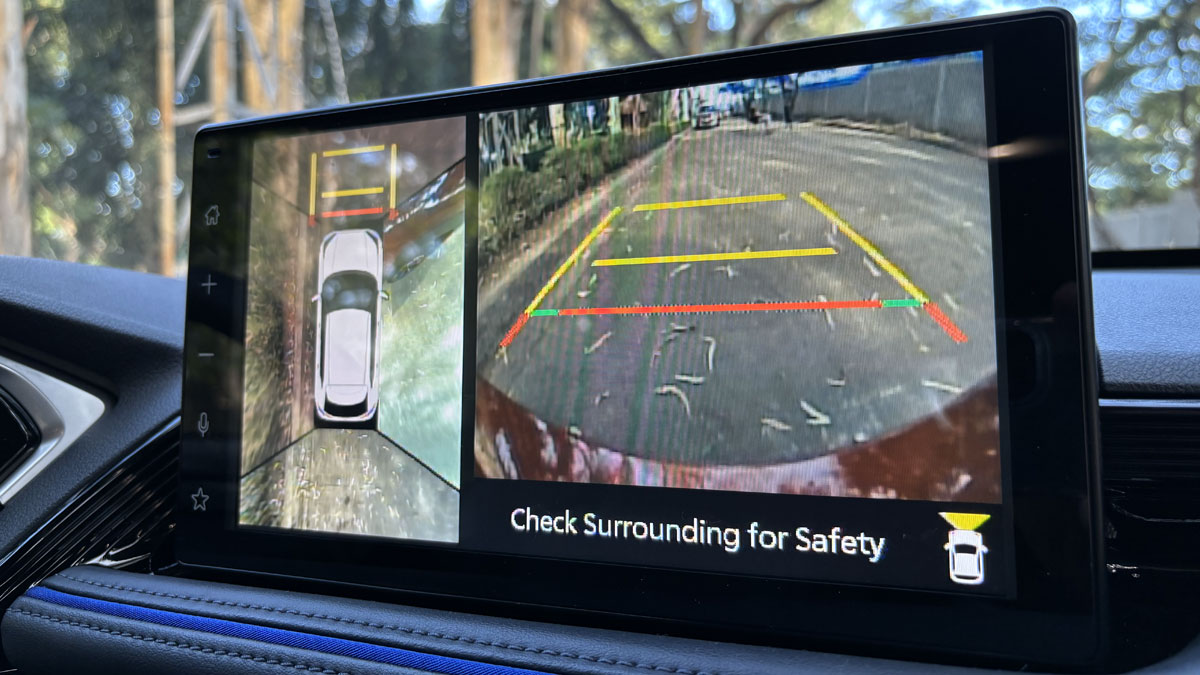
You’ll be pleasantly surprised with the features the mid-spec Yaris Cross has to offer. For starters, it has power-adjustable seats for the driver, which isn’t something we expected in its price bracket.
There’s also automatic climate control and a 360-degree view camera, although it isn’t exactly hi-res. It’s the thought that counts, right? Speaking of cameras, it comes with a built-in dash cam too, so you can record kamote moments on the road.
But the big deal here is the addition of Toyota Safety Sense. It’s great to see most of the Japanese manufacturers putting these standard in most of its models. In the case of the Yaris Cross, it has pre-collision warning, adaptive cruise control, lane-keep and lane-tracing assist, and auto high beam. The only thing missing here is autonomous emergency braking.
On the infotainment side, it’s all the usual features. There’s Apple CarPlay, Android Auto, Bluetooth, and (almost) everything in between. There is a wireless charger but no wireless smartphone connectivity. Not a big deal, if you ask us.
Verdict
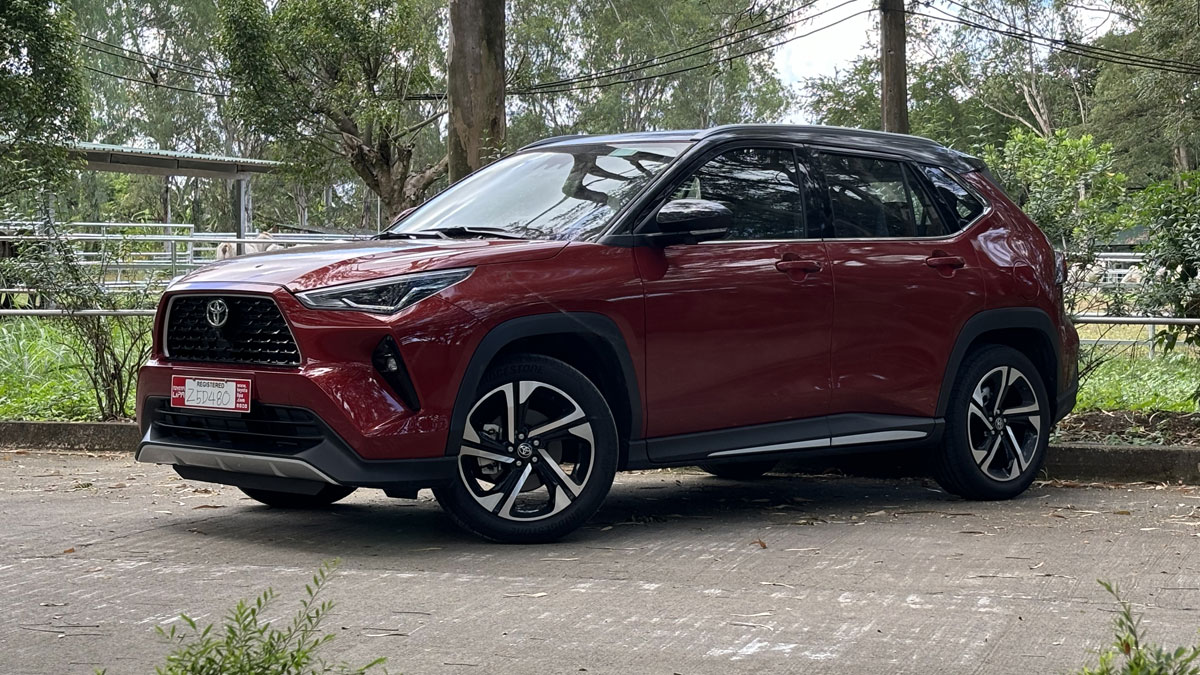
At P1,306,000, the Yaris Cross V is in an interesting price bracket. It’s more expensive than the range-topping Hyundai Creta but less than the entry-level Honda HR-V. One could say that it bridges the gap between those two models. Considering its features, it’s got pretty solid value among its peers.
Good value, yes, but any good? It’s not fast or involving, but for its target demographic, it suits their needs. It’s great on gas, has a host of safety features, and has more than enough space for groceries or the weekend outing. We wish it had more legroom at the back and Toyota throw in autonomous emergency braking to sweeten the deal.
All in all, however, it’s a small crossover worth considering. But, is it any better than the Creta and HR-V? You’ll have to wait for our Big Test to find out…and that’s if you want us to do that.
Specs: 2024 Toyota Yaris Cross V CVT
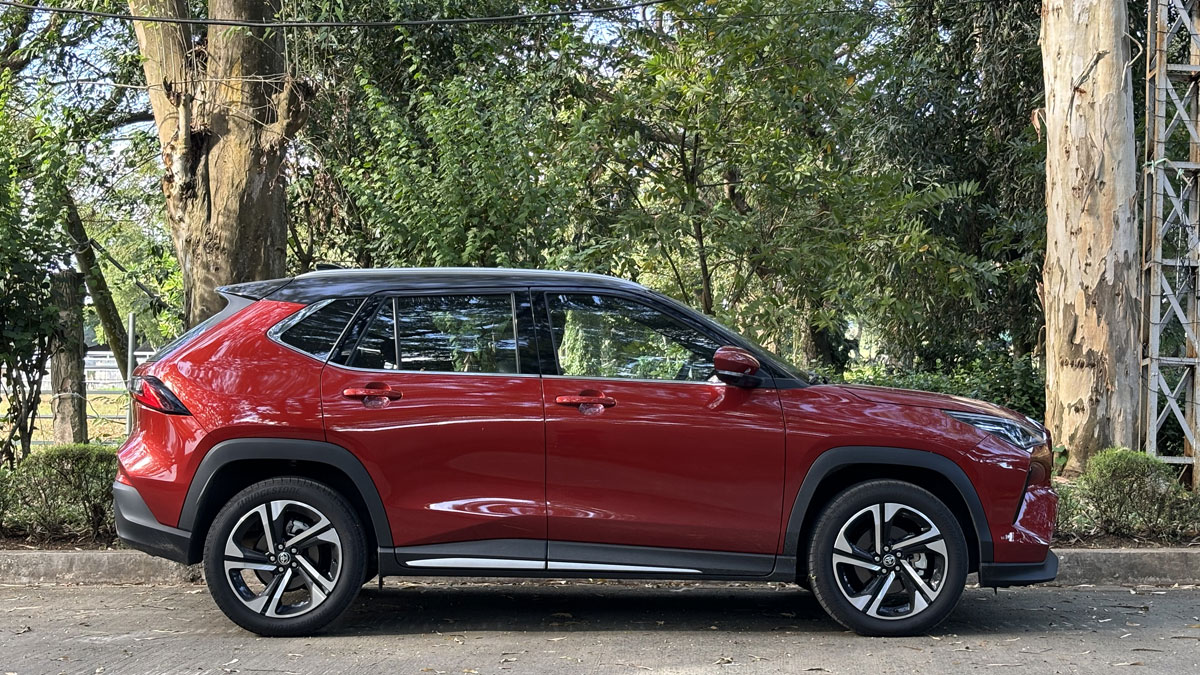
Price: P1,306,000
Engine: 1.5-liter gasoline I4
Power: 103hp
Torque: 138Nm
Transmission: continuously variable
Layout: FWD
Seating: 5
Score: 8/10