
There are few more quintessential motoring moments than punting an itty bitty hatchback down a mountain road. A joy accessible to many, yet cherished even by such motoring icons as Michael Schumacher and Enzo Ferrari, who treasured their Fiat Cinquecentos and Mini Coopers—nameplates once accessible to the masses, but which are now plastered on much faster, much more expensive metal than they were 60 years ago.
Okay, look, I’m not going to suggest the Changan Lumin is the Cooper reborn. Not with a 100kph speed limiter and a complete lack of racing heritage. But this car is fun. In a market strangely saturated with tiny three-door EVs, this might be the best so far.
And whether it is or not, it is arguably the most stylish.
Styling

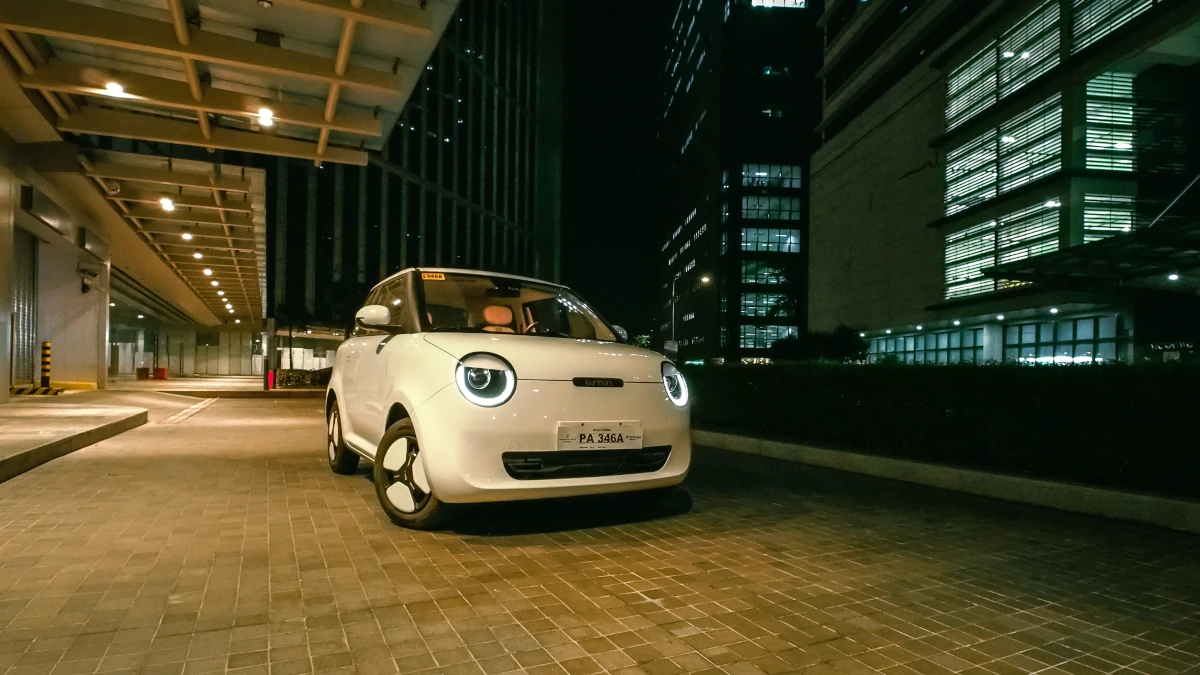
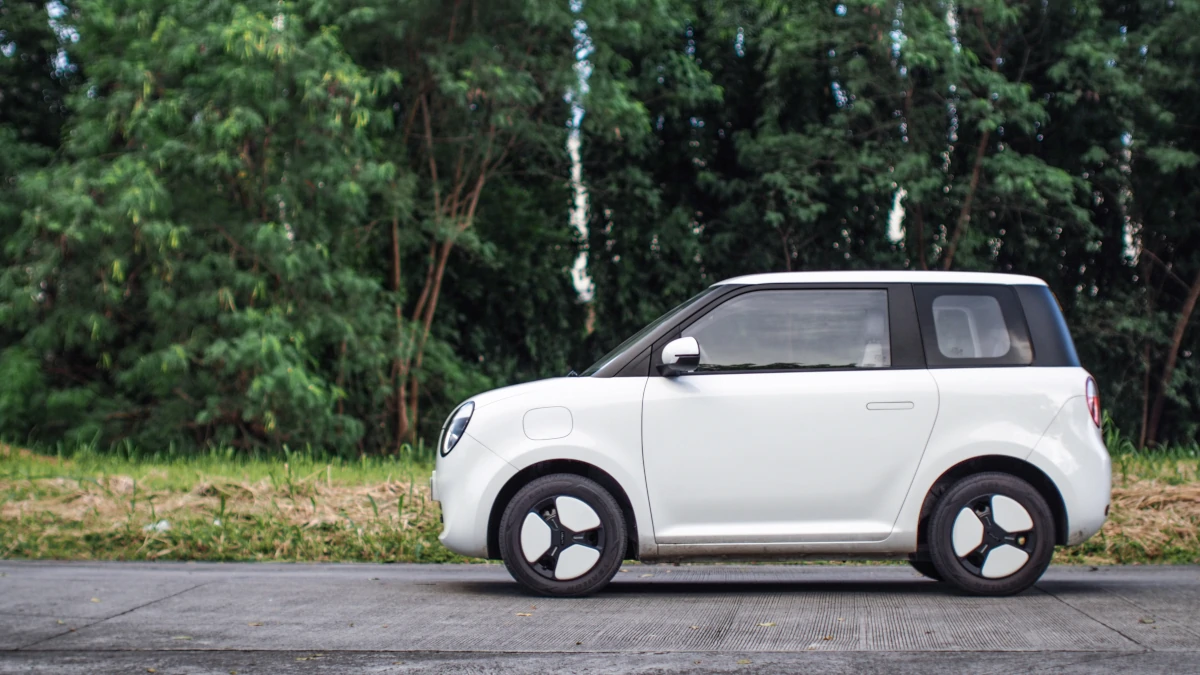
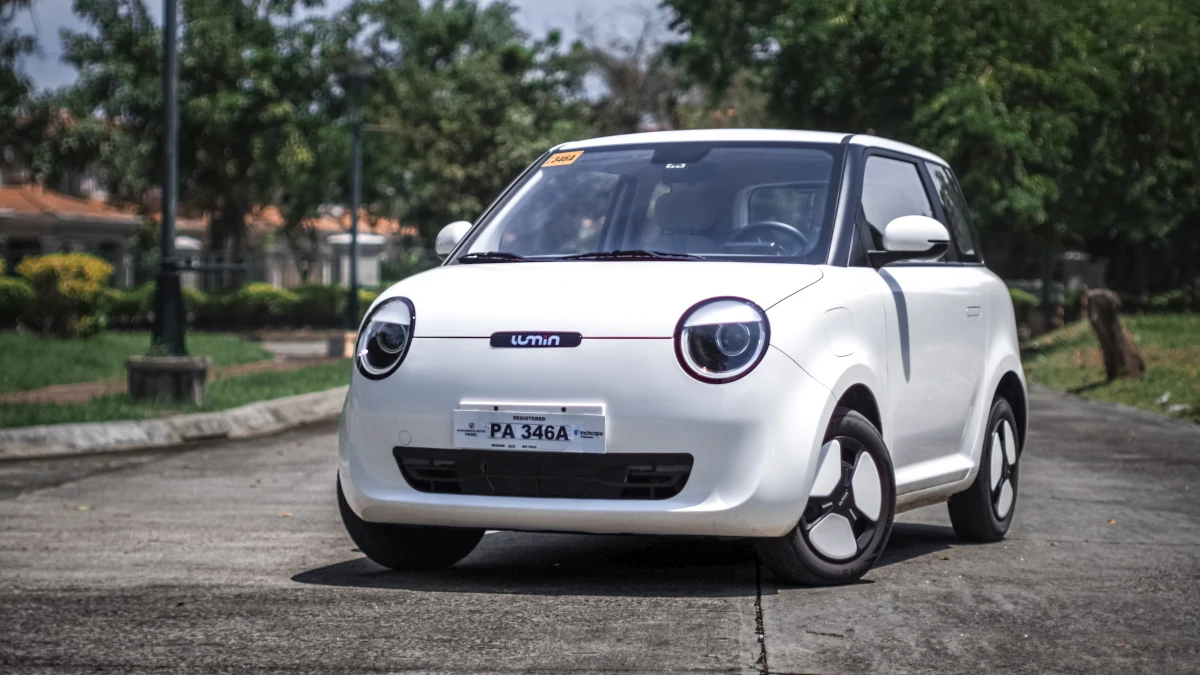
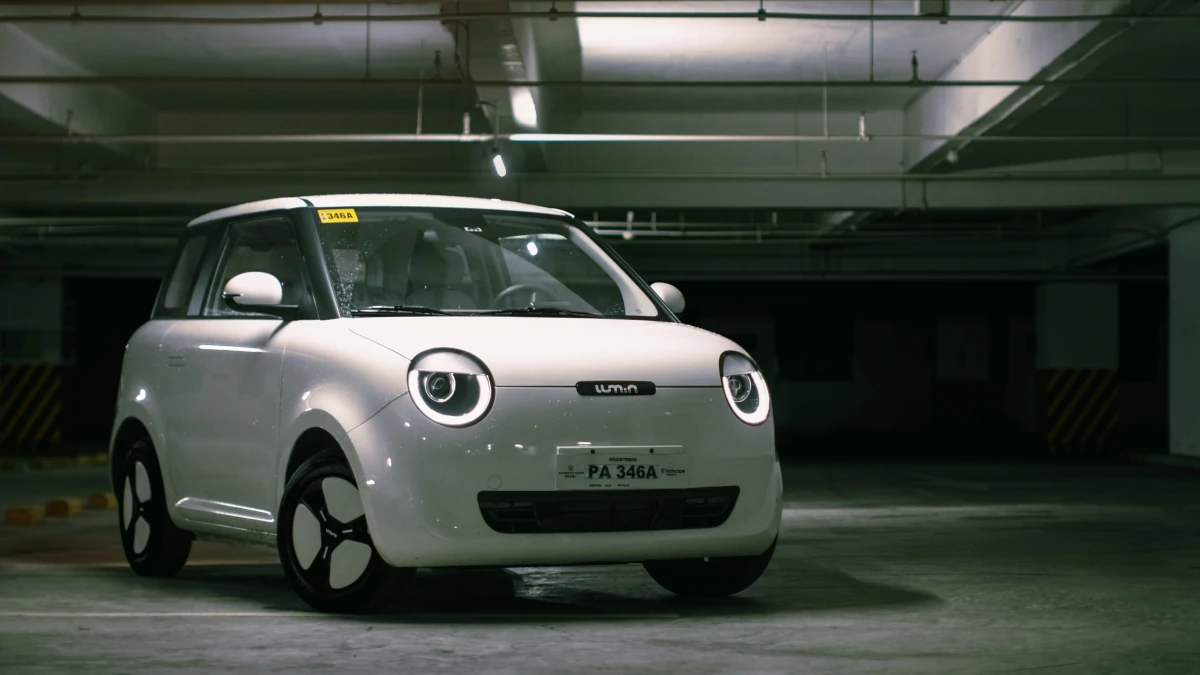
It’s no Fiat Cinquecento, but the Lumin is undeniably cute...like a cross between a stubby anime car and an angry cat. The proportions are a bit weird around the rear end, but black-out trim helps hide the thick rear pillars, shrinking the rather square rear profile. Anime eyes and a button nose define the face, with a slim grille under the bumper providing air to the engine bay. Those lights feature ringed LED haloes front and rear, enhancing the Cinqeucento-ish vibe. Wide fender flares and gigantic doors add to the cartoonish looks. Hidden door handles and ultra-smooth lines, on the other hand, give it a very modern feel.

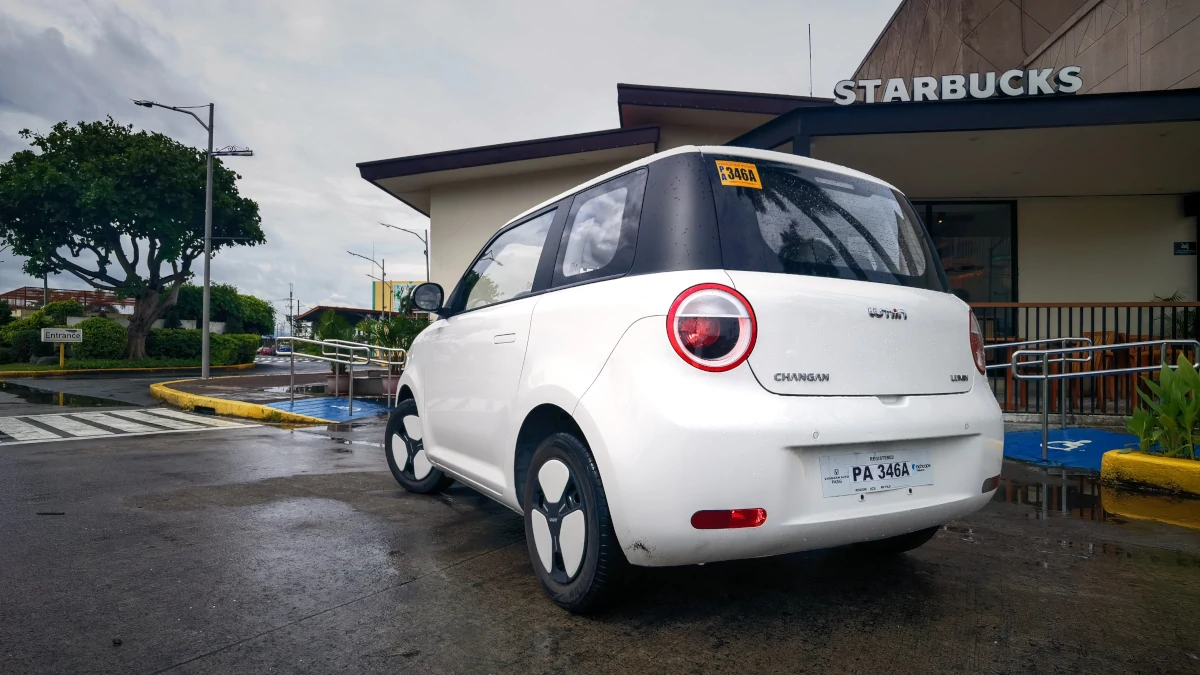
The available color palette is best described as European, with choices like Moss Green, Wheat Yellow, and Foggie (sic) White. There’s also Sakura Pink for the anime fans, and body-colored hubcaps to complete the look.
Interior
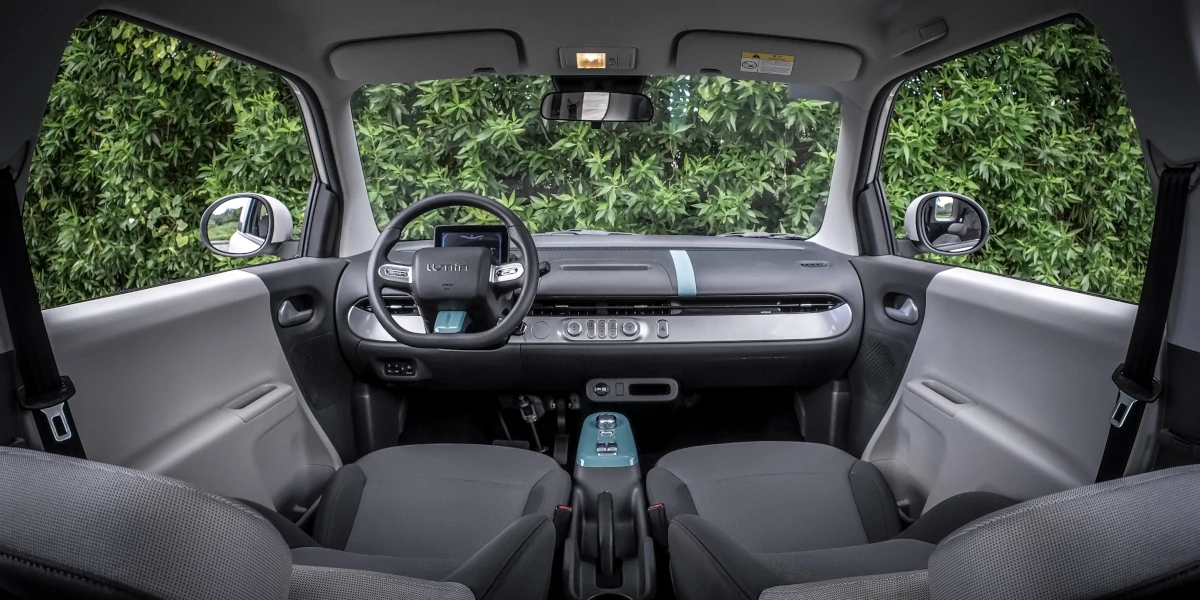
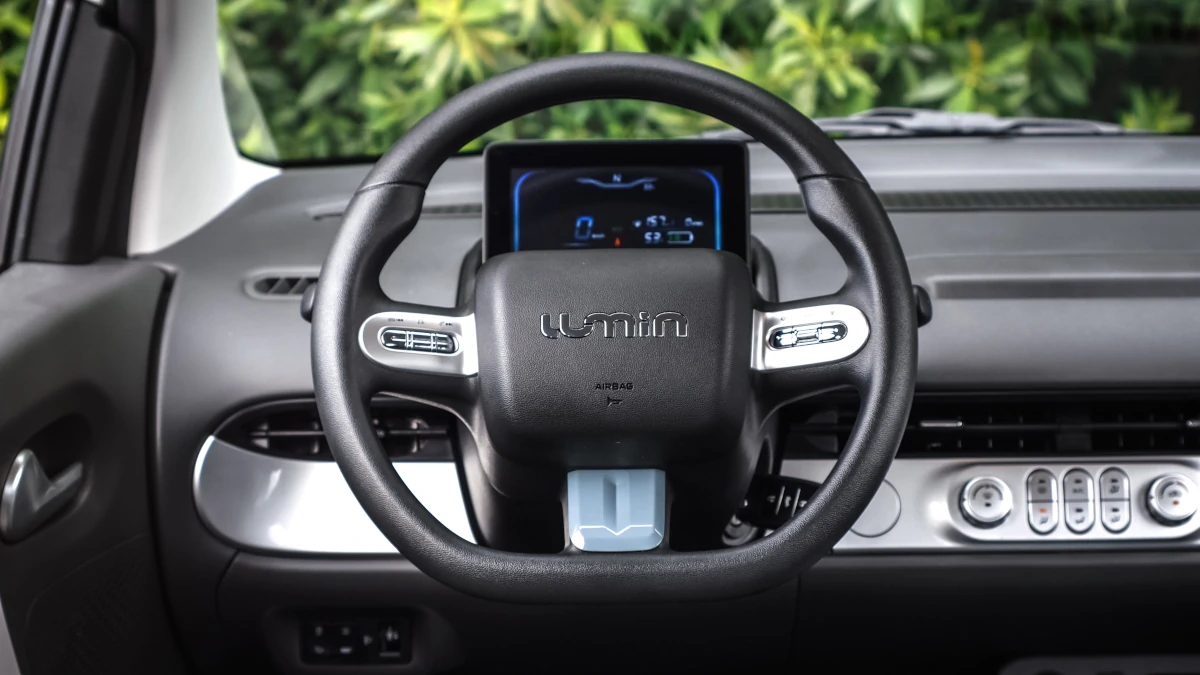
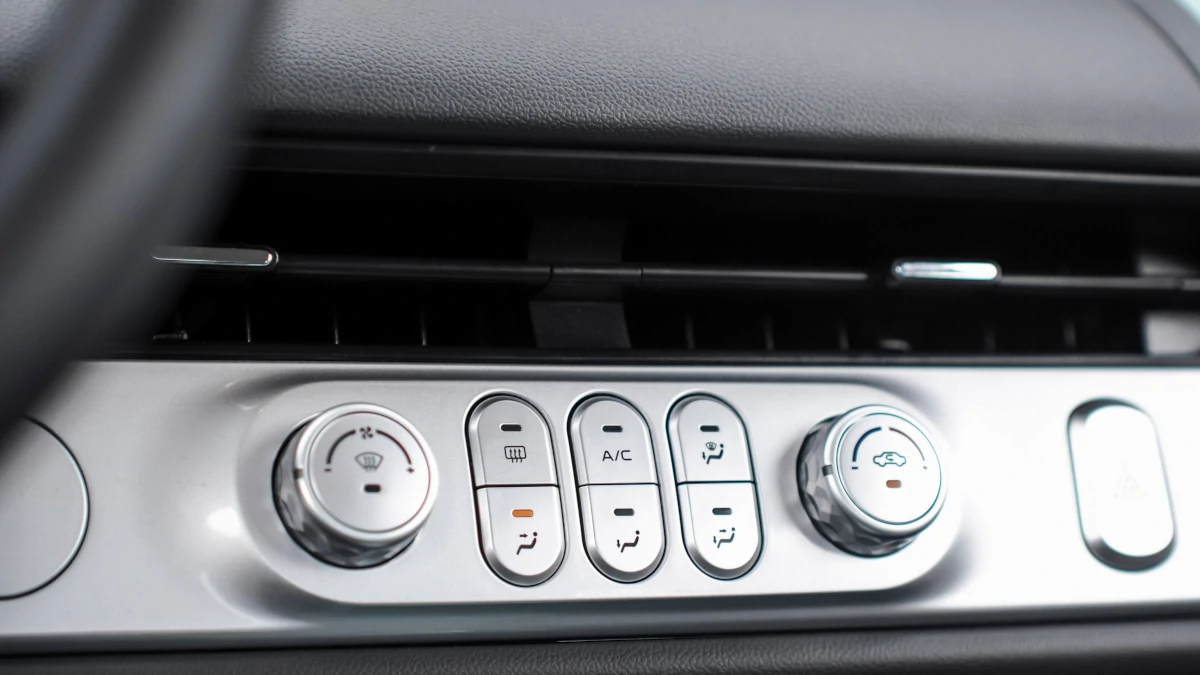
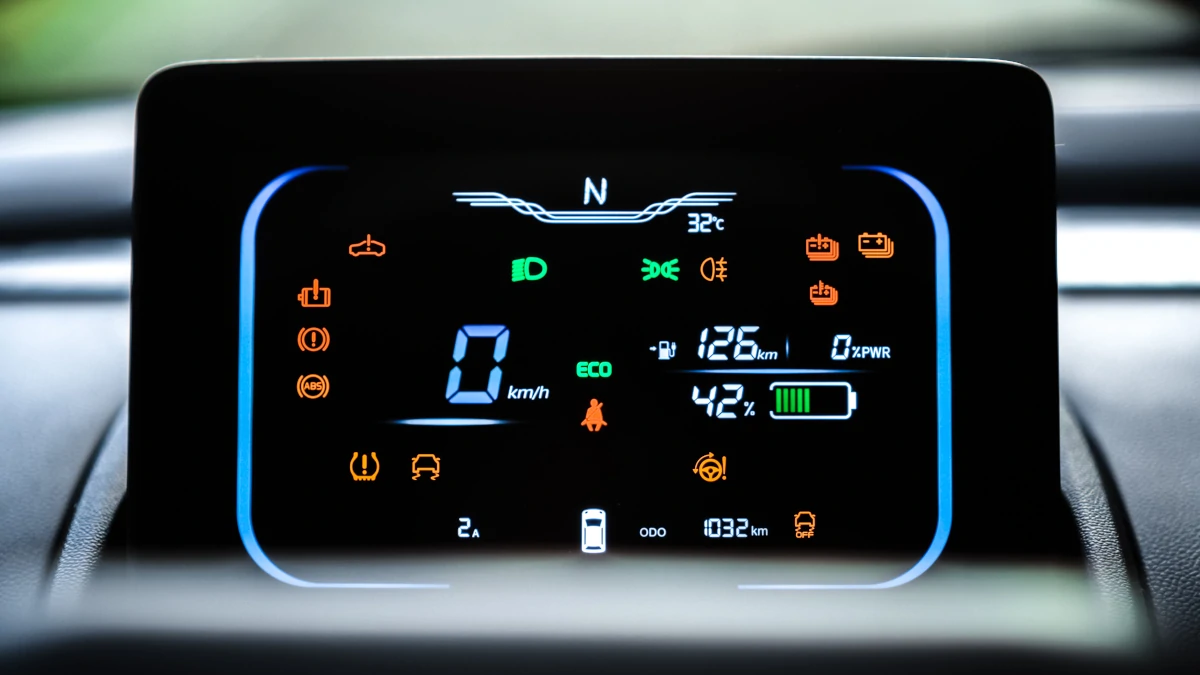
The Lumin earns extra style points inside with its retro-minimalist cabin. And when we say minimalist, we mean minimalist. The dashboard top is entirely flat, save for a small square screen behind the steering wheel, fitted with ’80s-style stenciled read-outs. There are physical climate controls under the A/C vents, and auxiliary controls under the steering wheel on the other side, but nothing else. For those who hate the proliferation of touch screens and haptic controls, this car is a breath of fresh air.
OTHER STORIES YOU MIGHT HAVE MISSED:
Review: 2026 Changan Nevo Hunter K50 4x4 Knight REEV
Review: 2026 MG 3 Hybrid+
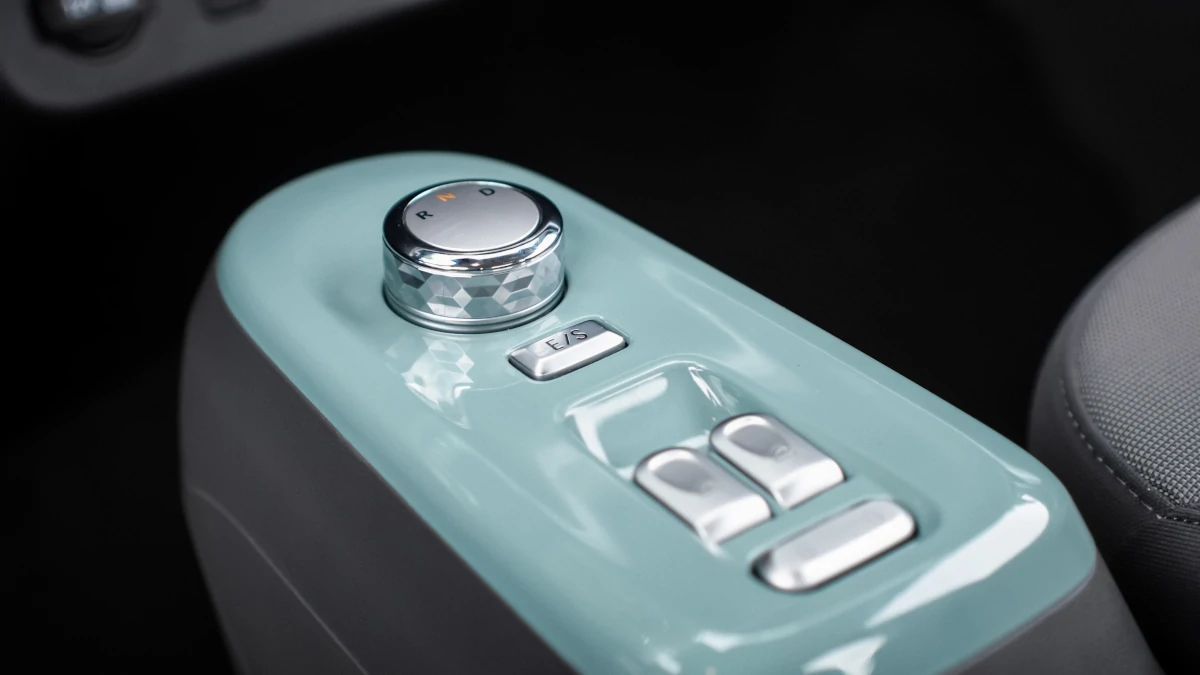
The door panels are two-tone plastic panels with slim handhold pockets and pull latches tucked out of the way of your elbows and knees. No window switches or locks—those are on the similarly minimal center console, which is carved away underneath to give more foot room. Room is something you have plenty of in here. This is like the Hiace Super Grandia of small EVs. With the carved-out interior and a body wider than a Toyota Wigo, even the most notorious man-spreaders will find the space comfortable. We wager basketball centers will fit here, given the wide range of seat adjustments.

Perhaps the only complaint is that those seats are a bit thin, and the mixed color fabrics don’t seem to resist stains too well, but that’s par for the course at this price point. In-cabin storage is sparse. There are big lower door pockets, a tiny shelf under the dash for your phone and RFID cards, seatback pockets, and...well, that’s all, folks. There isn’t even a glovebox for your registration papers, which you’ll have to stick in a folio in the seatback pockets.
Out back, you find a surprising amount of space. Changan has pushed the rear bench back between the rear wheels, giving more legroom than you expect for the short wheelbase. Actual adults can sit behind even moderately tall drivers, but they won’t be able to sleep back there. And with the rear bench sitting between the rear tires, it is too narrow to fit three people. This also means there’s barely any cargo space behind the upright seatbacks. At 104 liters, the trunk is barely big enough for the tire inflation kit, an energency charger, and one or two soft bags.
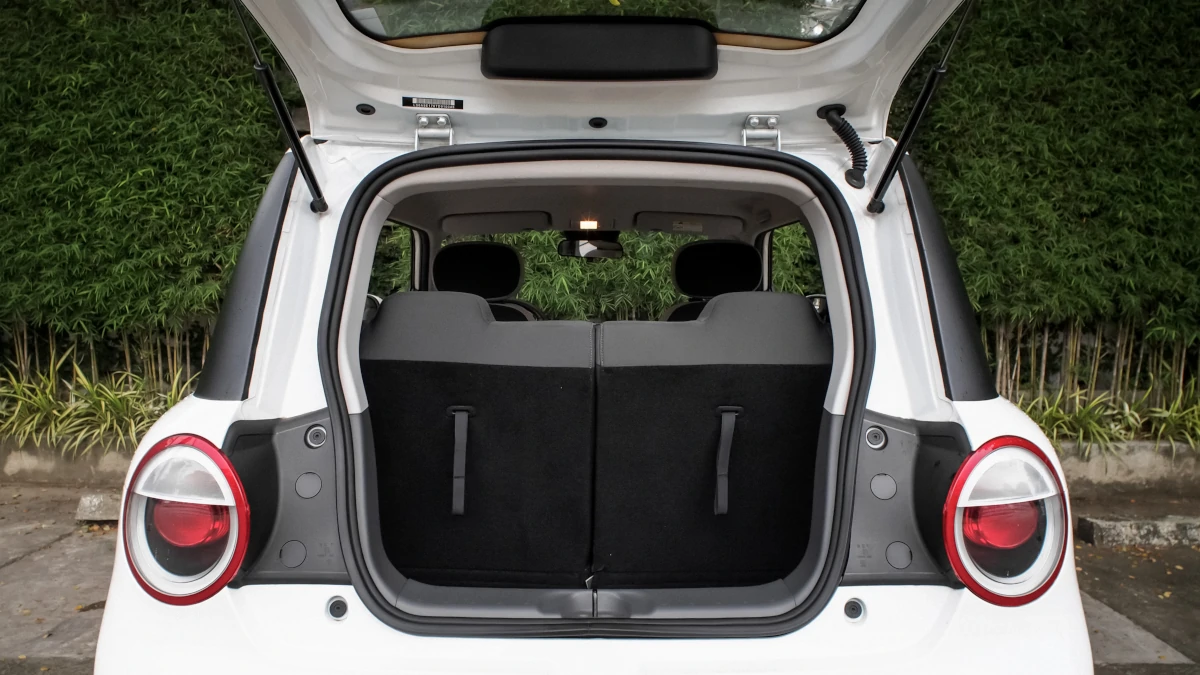
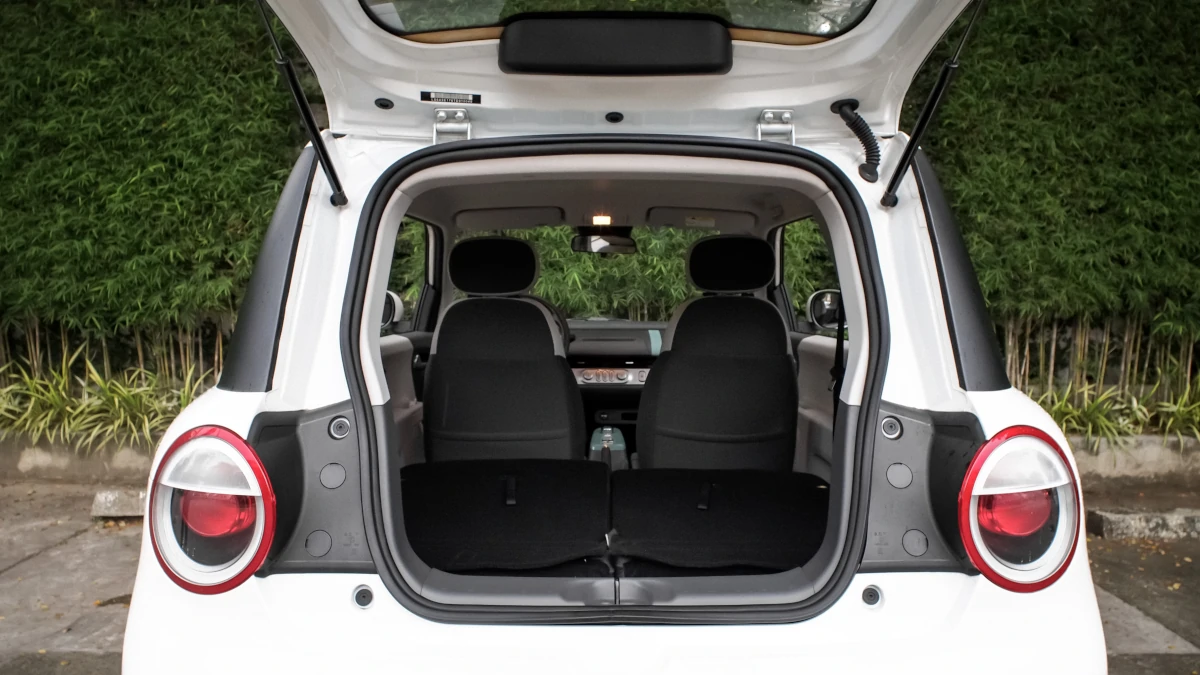
Fold the rear bench down and you’ve got a generous 500 liters of space, though the floor isn’t completely flat and access through the rear hatch is surprisingly tight. And there’s no physical button to open it, either, anywhere on the car. Instead, you’ll need to trigger the hatch using the release button on the remote.
Powertrain performance
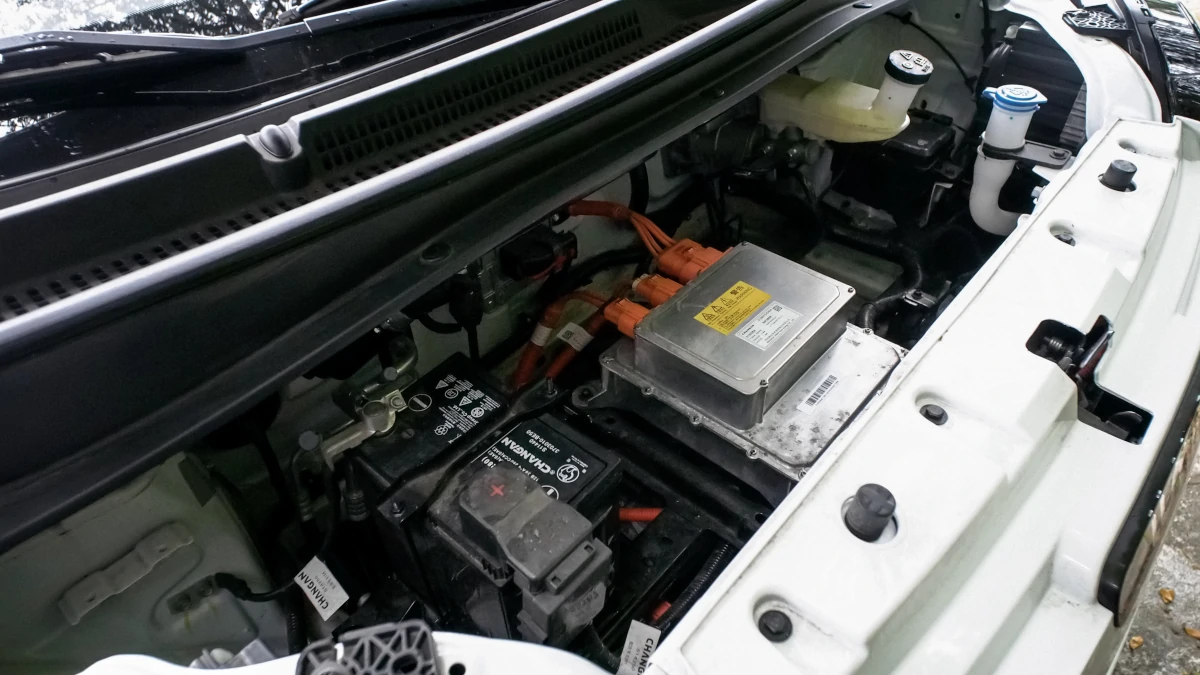
No storage up front—no frunk—sorry. Under that hood, you find a 48hp electric motor running off a 28.4kWh battery. Which doesn’t sound all that impressive, but given the Lumin’s feather weight, it’s enough to do 0-100kph in 15sec. Top speed is electronically limited to 104kph, though the motor still feels like it is pulling strongly at that speed.
These performance figures seem uninspiring, but they’re better than those of the Lumin’s main competitors. Though the 83Nm of torque may be a few newts short of a Celerio or a Wigo, the instant response means you can scoot off the line faster and can easily keep up with regular traffic. Once past 50kph, however, you’ll need to dig deeper to stay with gasoline-powered rivals.
Throttled back, the Lumin does amazing numbers. We averaged 9.6km/kWh over the week, and from 11-13 km/kWh on the highway in Eco Mode. So far, the only other highway-capable EV I’ve tested that offers similar efficiency is the Dongfeng Nanobox, but the Lumin offers better performance thanks to better gearing and a peppier motor.
In terms of daily usability, there’s little to complain about. Good pedal mapping gives it a smooth, linear response, whether in Eco or Sport mode, and the dial-type shifter is easy to use, though you need to press firmly on the brakes before slotting it into reverse, or it won’t shift. Charging is relatively painless with the bundled Level 2 home charger, and the Lumin supports CCS2 fast charging, but the lack of a port lock means it can be accidentally unplugged when left charging in public.
Ride and handling
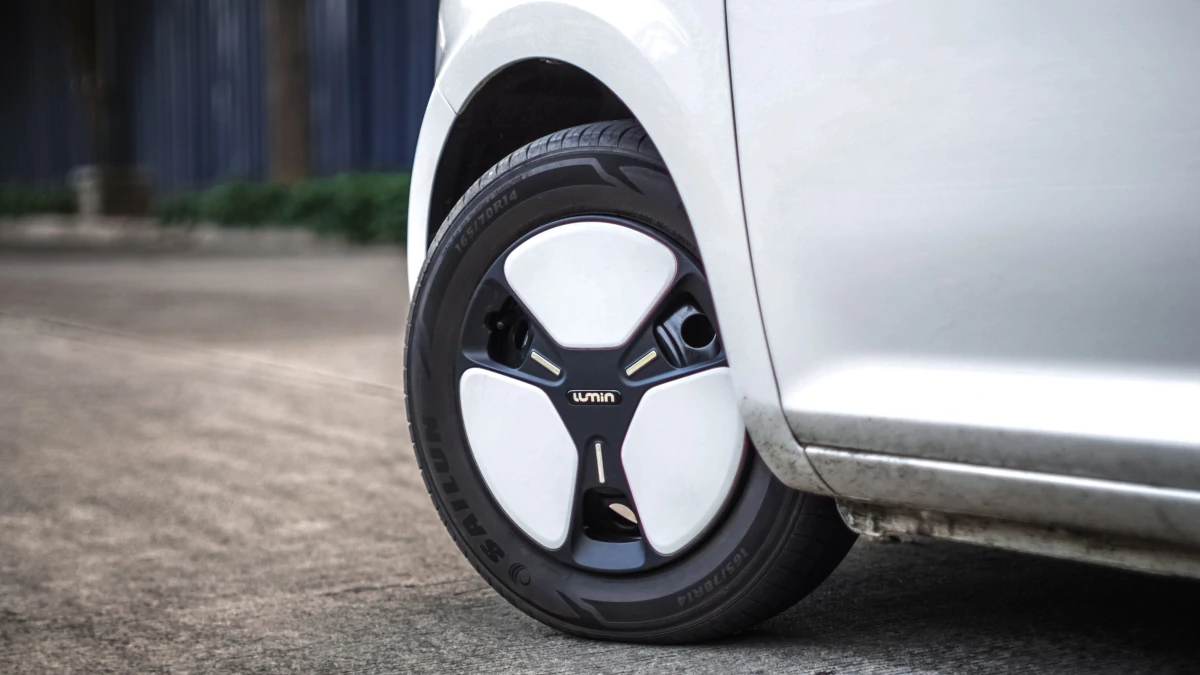
Given the small and tall form factor and narrow 165/70 R14 Sailun tires, you expect the Lumin to feel a bit tippy, but the wide footprint and the underfloor battery keep it firmly grounded. Steering is quick and responsive, and the short wheelbase makes it turn very eagerly. It feels less like a big golf cart and more like an ultra-short supermini. This is thanks primarily to the decision to make this front-wheel-drive, with the lighter twist-beam rear suspension paying dividends in terms of ride comfort compared with rear-wheel-drive competitors.
Driven more casually, the Lumin shines. Despite the relatively wide fenders, an upright seating position and good sightlines make it a breeze to maneuver through traffic. The short length makes it incredibly easy to park as well. No cameras here—again, no screen—but you do get audible parking sensors. Well, mildly audible, they could stand to be a bit louder, but they get the job done.
Extra features
And that’s about it for driver assists. There are no other features here. Let’s move on.
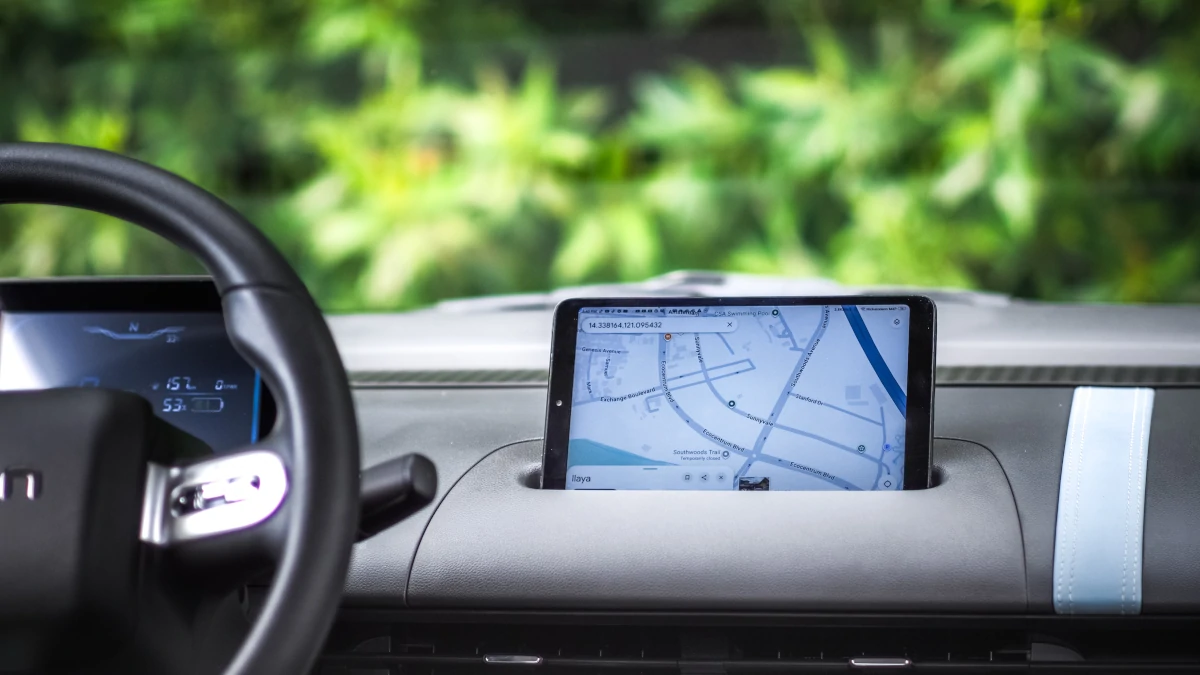
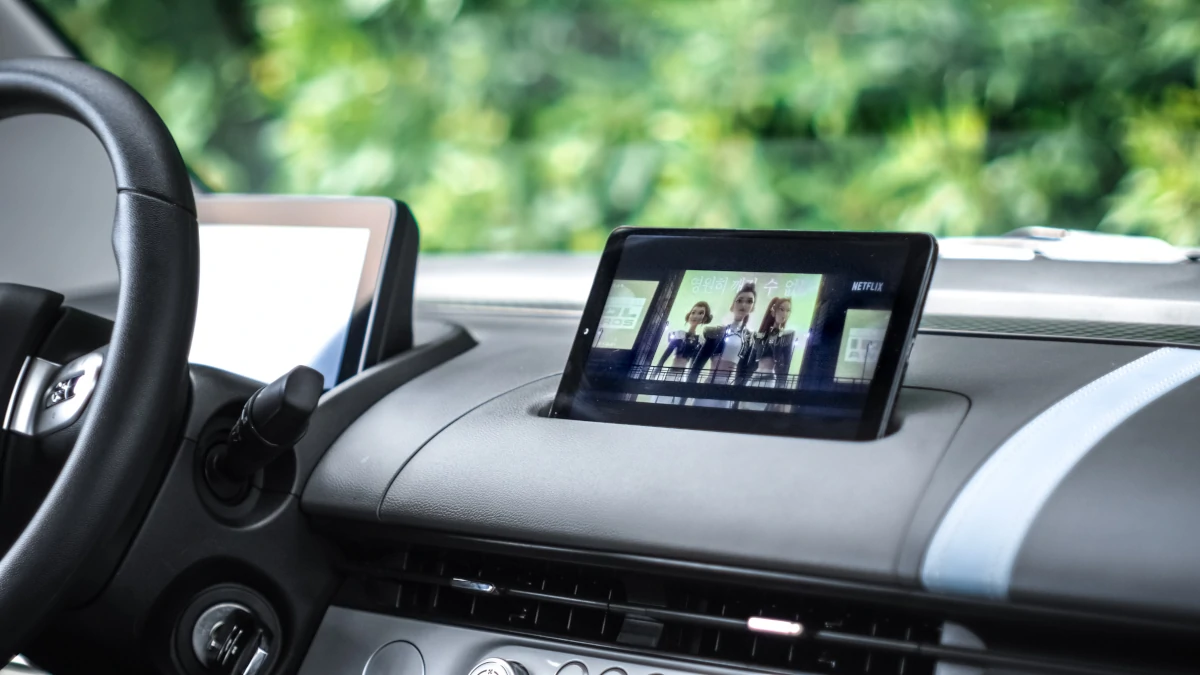
Okay, wait, you do get steering-wheel controls. But no radio. Instead, you sync your phone to the car via Bluetooth—a cheery Spanish voice will tell you it’s conectado—and play music through the surprisingly good front speakers. They’re not very loud, but they’re crisp and and clear and enjoyable to listen to in traffic. A small pocket on top of the dash holds your phone as you drive, allowing you to use Google Maps or Waze. It isn’t big enough for tablets bigger than eight inches—the only decent ones that fit are the iPad Mini and the old Xiaomi Pad 4 LTE—and the shallow tray means that a big pothole can send your tablet or phone tumbling to the floor.


There are other quite visible cost-cutting measures here to meet the P799,000 price point (P699,000 for the lower S variant). You get standard LED DRLs, but only halogen headlights and cabin lights. The base variant also doesn’t get wheel covers, versus the L we have here. There’s no push-button start or interior trunk release. The parking brake is still a physical lever, and you’ll need to roll down the windows to adjust the side mirrors.
Thankfully, you do get the aforementioned rear parking sensors, tire-pressure monitoring, and keyless entry. Unfortunately, those beautiful hidden door handles don’t automatically pop out when you unlock the doors. You have to push down on one end and pull up on the other, making it a two-handed rather than a single-handed affair. Gotta suffer a little for style, I guess.
Verdict
Access issues aside, the Lumin is brilliantly fun. Granted, our long-range L variant isn’t that much cheaper than the base Nanobox or Seagull, but the base variant sits squarely with smaller three-door competitors. And in that crowd, this thing stands out in terms of style and interior comfort, despite lacking an infotainment system—or perhaps, because of that exclusion. The dashtop device holder gives you a much brighter and higher-quality display than most cars...if you have a phone or tablet that fits.
Overall, the Lumin is the minimum amount of car you can buy with regular car comfort—at least for two. As an affordable alternative to a Wigo or a Celerio, it presents the best argument yet for going electric, and better yet, is perfect for those spur-of-the-moment drives down to the shops, or out into the hills for an afternoon coffee.
Because sometimes, less really is more.
SPECS: 2025 Changan Lumin L

Price: 799,000
Powertrain: electric motor with 28.4kWh battery
Power: 48hp
Torque: 83Nm
Layout/seating: Front-wheel drive/4
Score: 8/10
More photos of the 2025 Changan Lumin L: