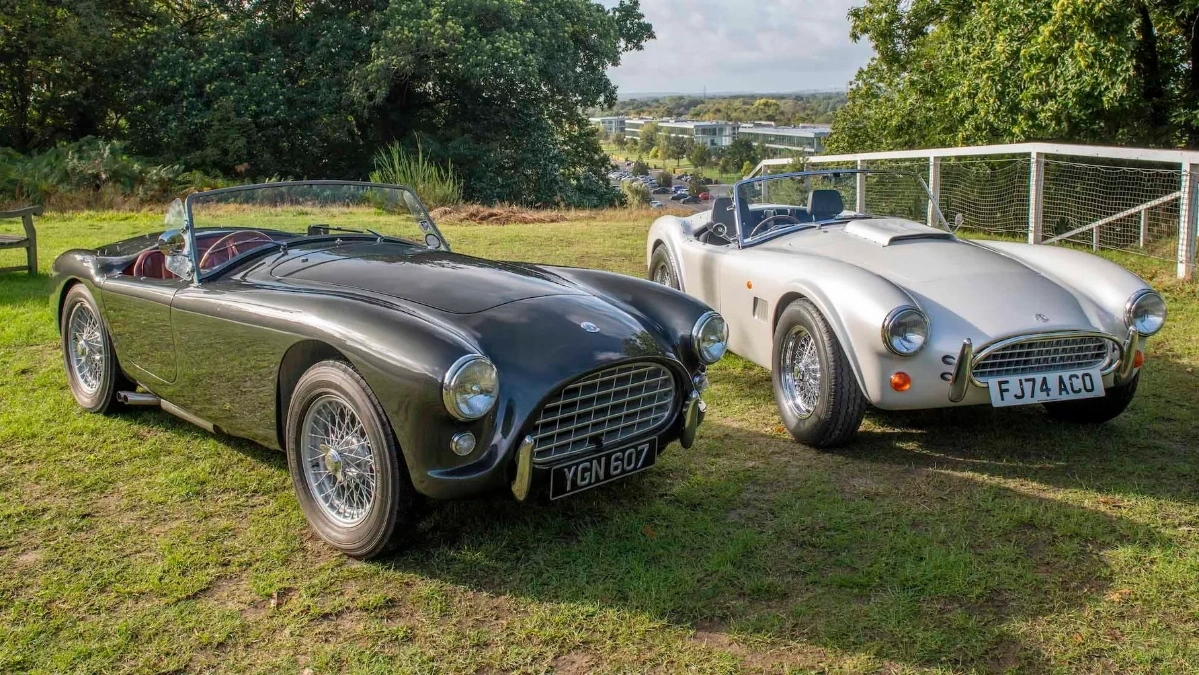
The Cobra is a car built on myth and legend. Rightly so, given so much about its creation and development was a bit... underhand. But the basics were as follows. It started life as a British sports car, the AC Ace, which arrived in 1953 but was saddled with pre-war straight six engines that weren’t fit for purpose.
By 1961 they’d gone and a tie-up with Ford in America and Carroll Shelby gave access to the Windsor V8. The Cobra was born. And developed quickly.
The engine capacity grew from 4.3 liters (260cu in) to 7.0 liters (the famous 427ci displacement) and Shelby turned his attention to GT racing. His first attempt, using a 6.4-liter Ford FE V8, was nicknamed ‘The Turd’ by driver Ken Miles. Names sounding familiar? It would be to Shelby and Miles that Ford turned to knock the GT40 into shape to beat Ferrari at Le Mans.
OTHER STORIES YOU MIGHT HAVE MISSED:
The 650hp Black Badge Spectre is the most powerful Rolls-Royce ever
Own a first-gen Mazda MX-5? This gated shifter kit can be yours for P34,000
The Cobra was the warm up act. It was fast down the straights, but virtually undrivable. The chassis was modified, the Mk III arriving in 1965, but too late to be eligible for homologation that year. Just 56 racecars were produced, but most were detuned for road use. They remained fearsomely potent, the 427ci engine tuned to 485hp and good for 298kph. It weighed just 1,068kg. But with the GT40 project looming large, the Cobra’s era was over by 1967.
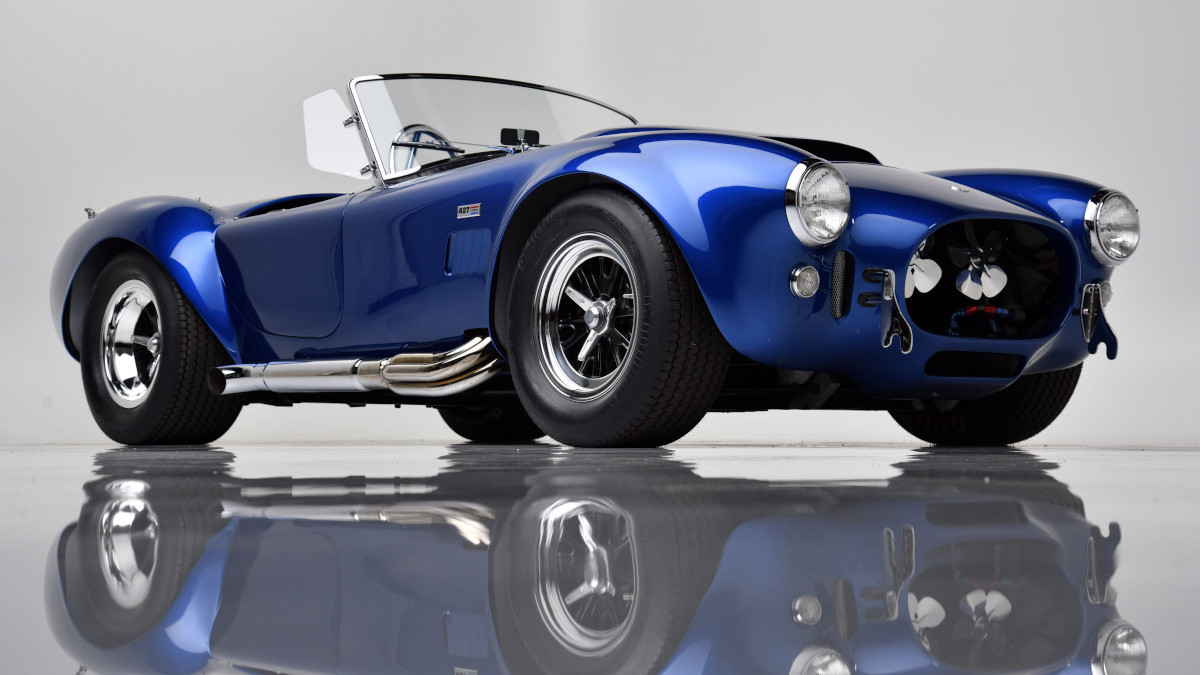
Its reputation would live on—and this is where my fascination started. Not with its relatively brief and largely unsuccessful life on track, but its immense drag strip shove. For years it sat proud in Guinness World Records as the fastest car in the world, only usurped in 1986 when the Porsche 959 came along. By that time it was 20 years old. Twenty! And nothing had come along to beat it. Imagine a world today, where the Veyron still dominated, where there was no Chiron, no other hypercars at all in fact, no zap quick EVs.
Capable of 0–100kph in four seconds, for a party trick, Shelby would reputedly pin a $50 bill to the windscreen and tell his passenger if they could grab it, they could keep it. Legend insists none could. I can see why. It’s not just physics of acceleration, it’s the cupcake seats, the visceral assault of air and noise, the roughness of the experience.
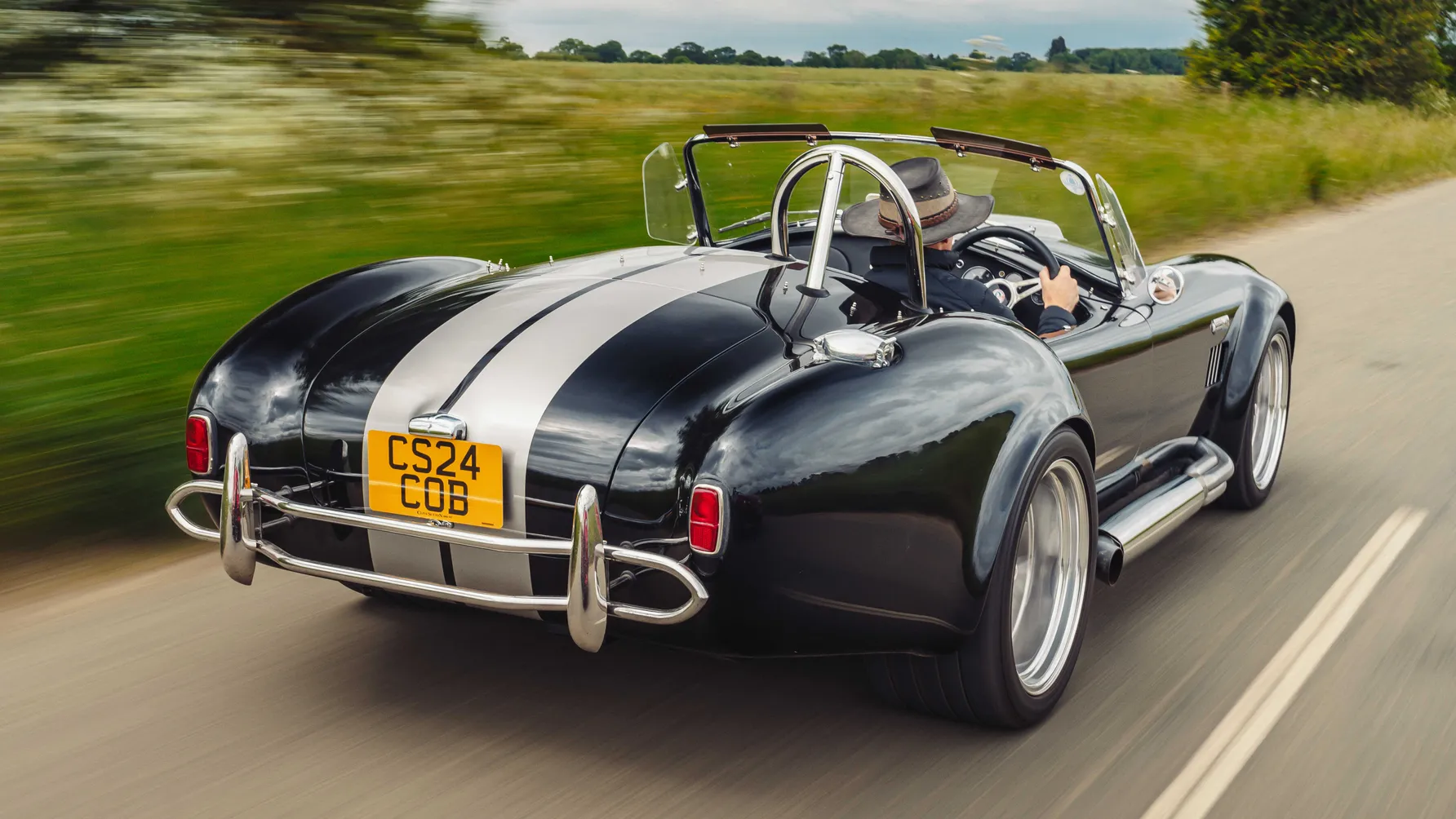
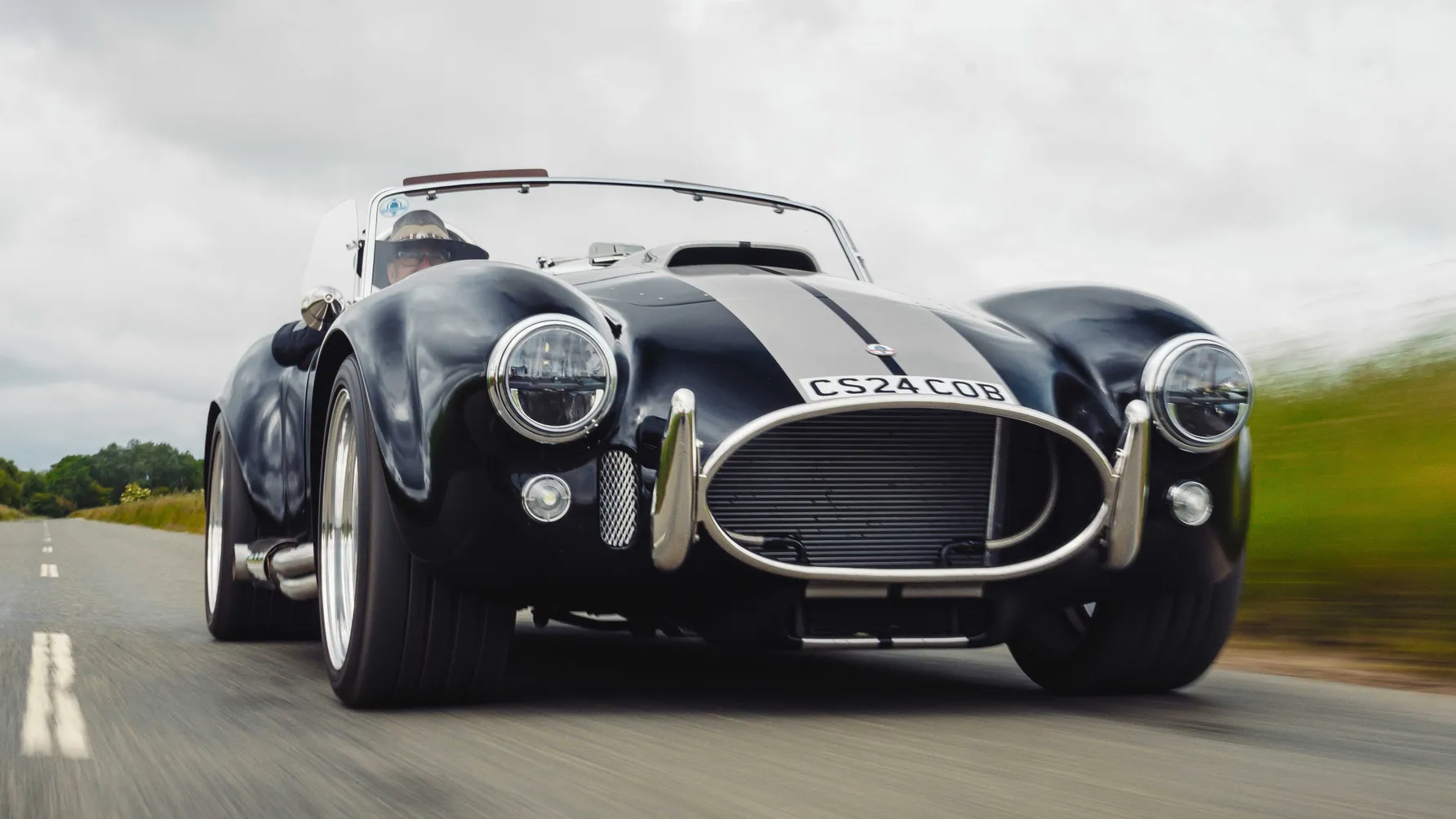
This is a new car, a Shelby CSX10000. It’s the official continuation car, built by Superperformance in the US under license from Shelby and now officially imported into the UK (in right-hand drive) by Clive Sutton. Still period correct, but in place of the old big block FE V8, there is Ford’s Coyote 5.0-liter.
Don’t worry, with 460hp and 570Nm, it produces pretty much the same power as a semi-competition 427, and—more importantly—has the noise and attitude to go with it.
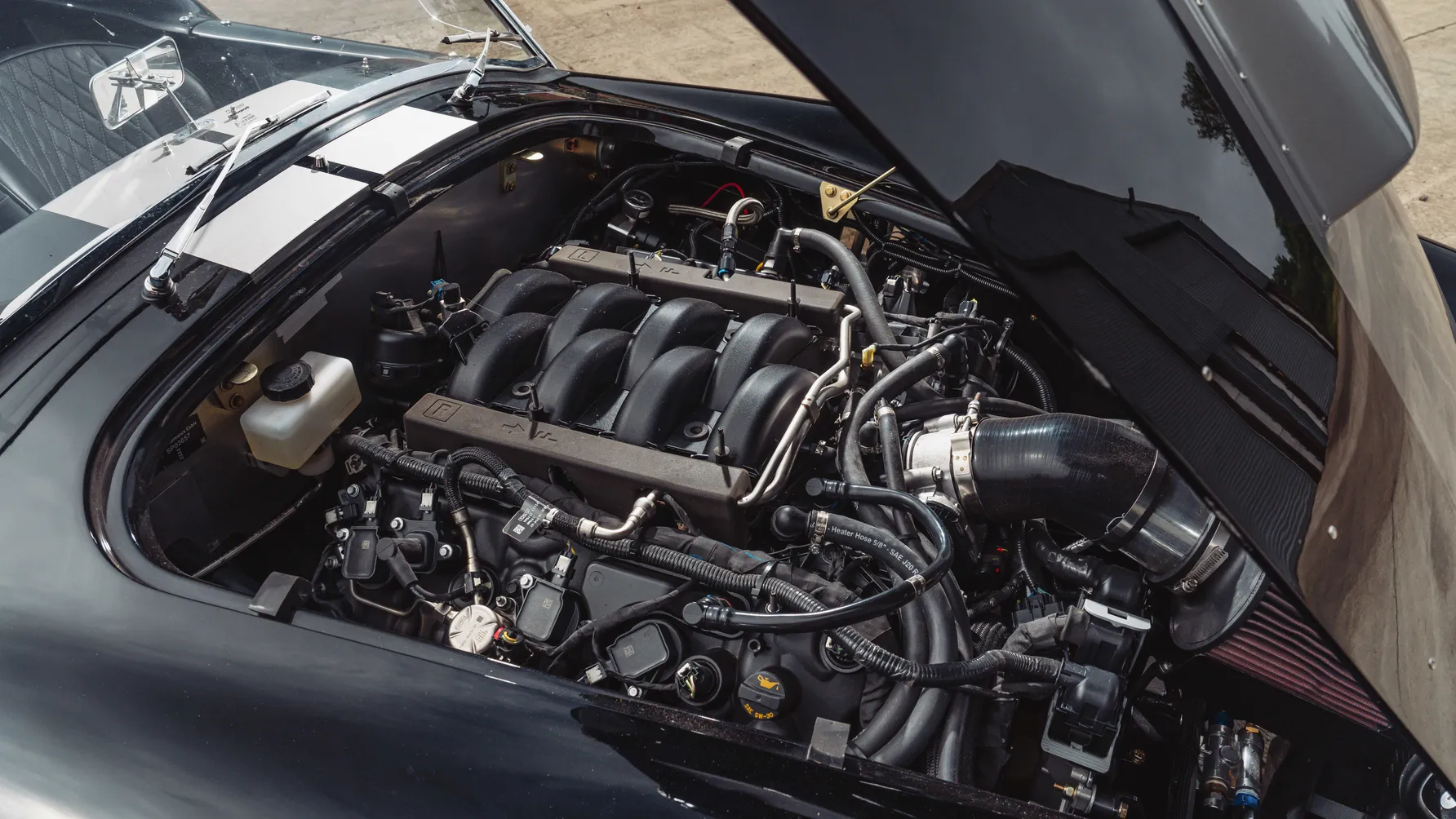
What is it about these American V8s and their ability to tap straight into your primal cortex? The noise is Neolithic, a rumble as much felt as heard. I’m a lugging neanderthal as soon as the blub-blub-blub gets going, I find it irresistible. So does everyone around—its effect on people is like the opening bars of I Wanna Be Like You on Baloo in The Jungle Book.
It’s mellow at low revs, will pull away in fifth, but changes character into a snarling race motor at the top end. I’ve driven a Cobra 427 and don’t think it’s any more characterful than this. It just has history on its side.
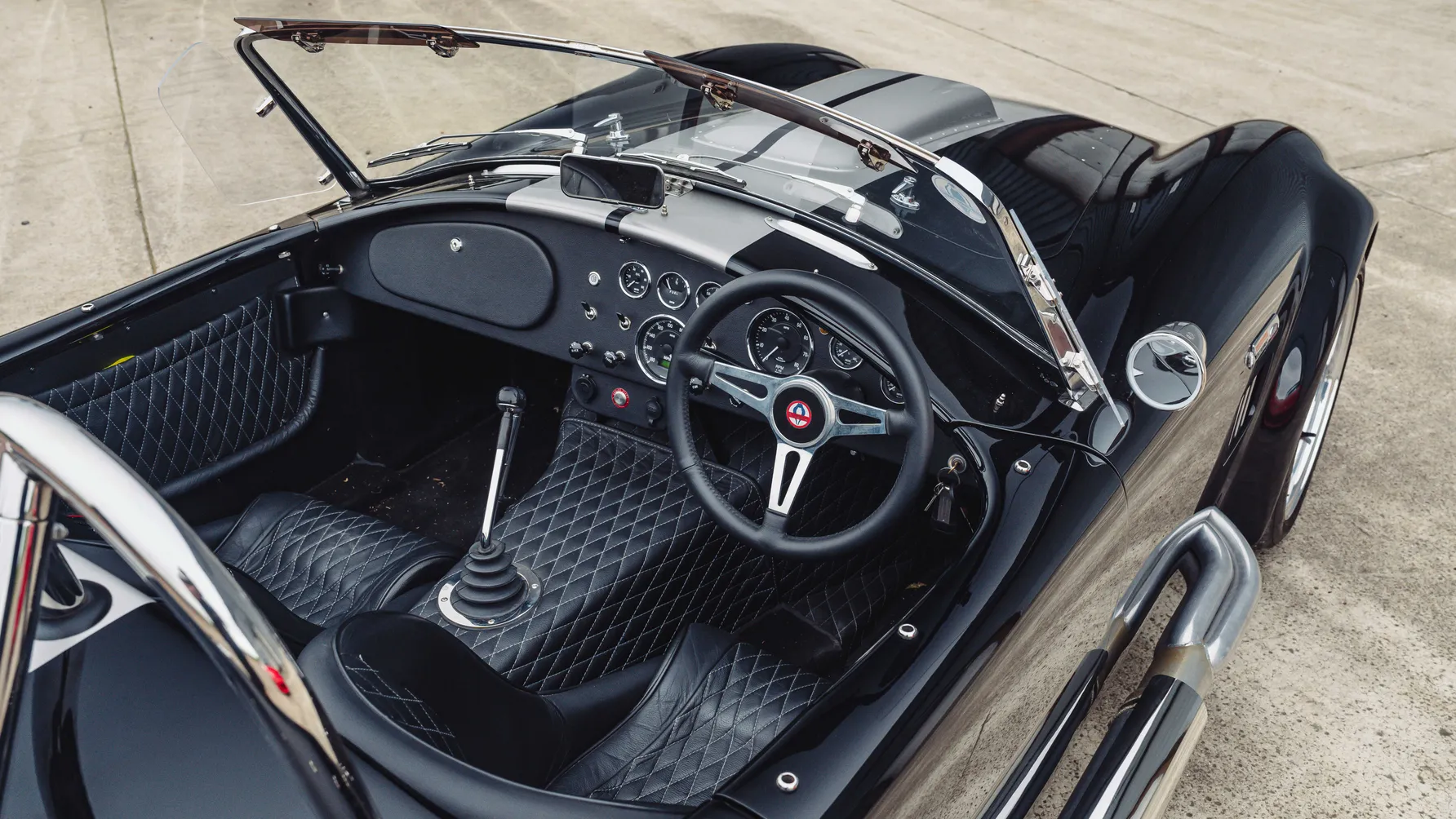
The drivetrain, then, is a masterpiece—the Tremec six speed manual is precise, heel and toeing an addiction, the pace and soundtrack and sheer overwhelming guts and fury make it a force of nature. Unfortunately what Ken Miles said 60 years ago holds true today. It jitters and trembles more than a Morgan, the chassis twists, there’s bump steer and flex, and general incompetence.
It’s a primitive, ramshackle device. The looks and noise draw you in, the handling repels. It’s a car of two halves—go listen to it, but don’t bother driving.
NOTE: This story first appeared on TopGear.com. Minor edits have been made.