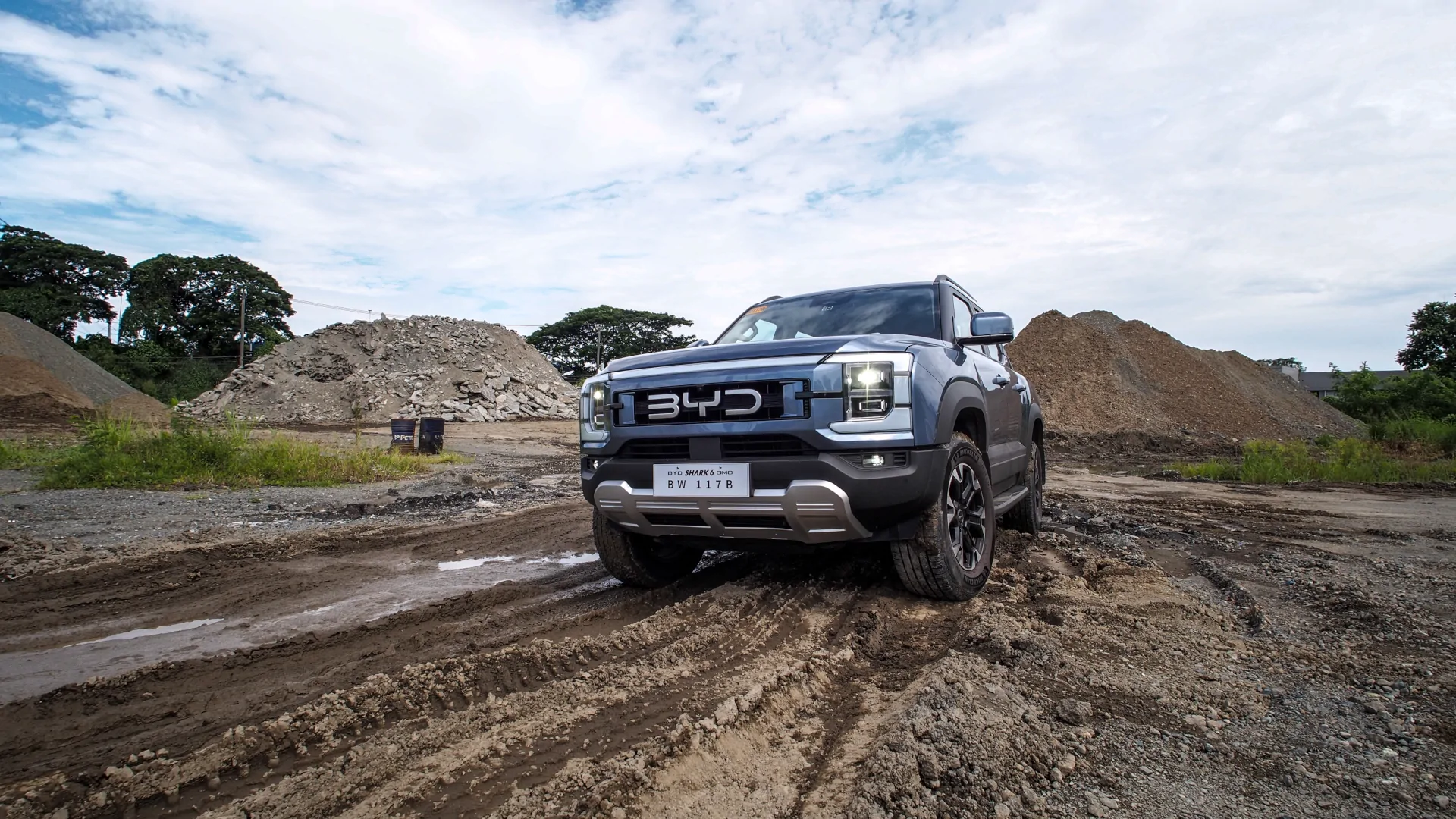

Over the past few years, BYD has utterly upended the global automotive market, catapulting into the global—and local—top 10 brands in terms of sales in seemingly no time at all. BYD has gotten so big locally that Toyota now offers six-digit discounts to encourage buyers to stay loyal. A tactic once used only by their slower-selling competitors. ACMobility, BYD’s local distributor, has dropped some of its premier brands to refocus on its new electric mobility flag-bearer.
And who can blame them? BYD keeps churning out hit after hit. The brand’s latest offering—the BYD Shark—takes the fight straight to the Thai Truck Mafia. As tax breaks end for hot-selling diesel pickups, will former buyers now queue up for their electric successors?
Let’s find out.
ALSO READ:
Review: 2025 Ford Ranger Raptor EcoBoost V6
Review: 2025 Ford Ranger 2.0L Bi-Turbo Raptor 4x4 AT
Styling
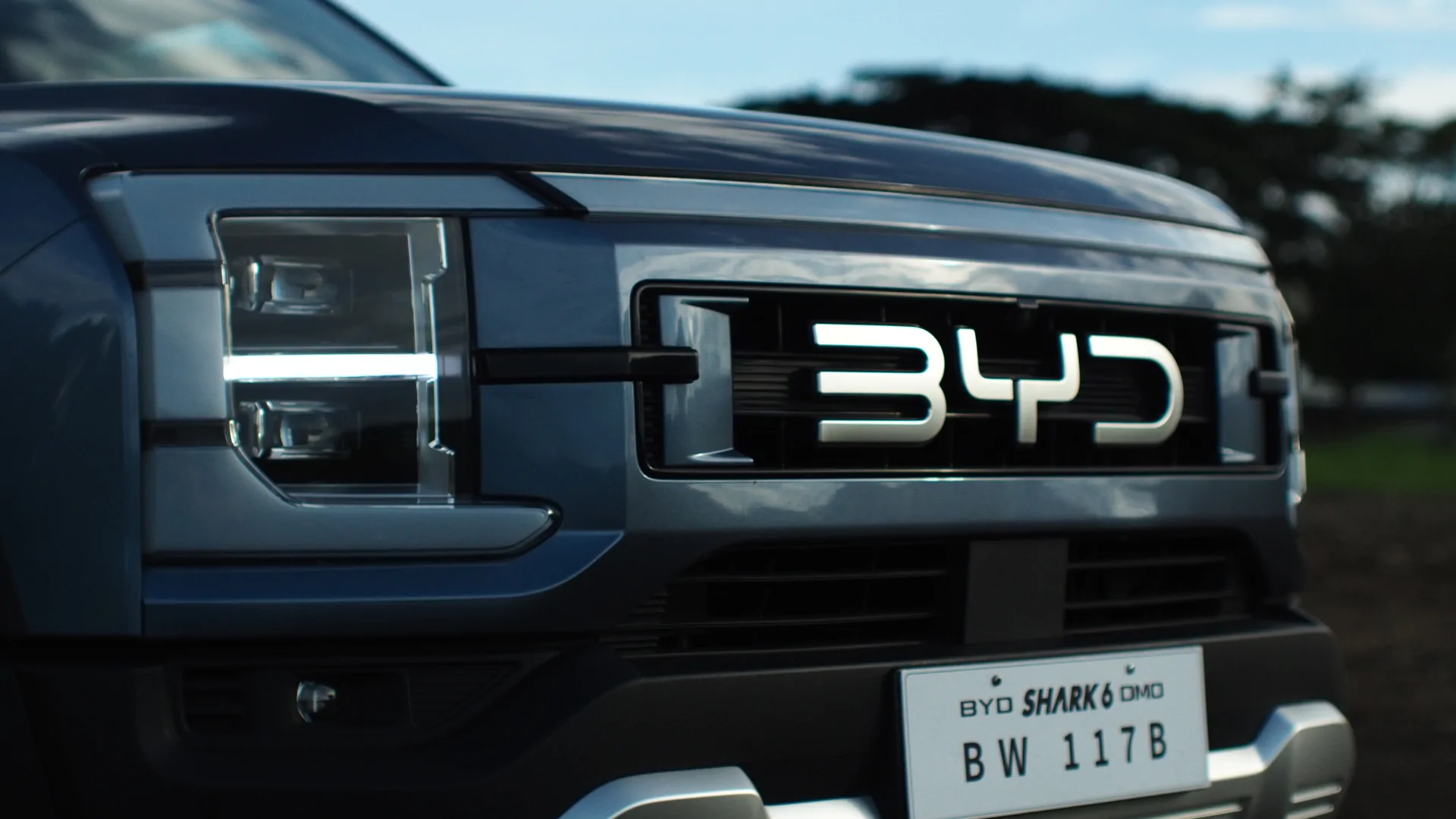
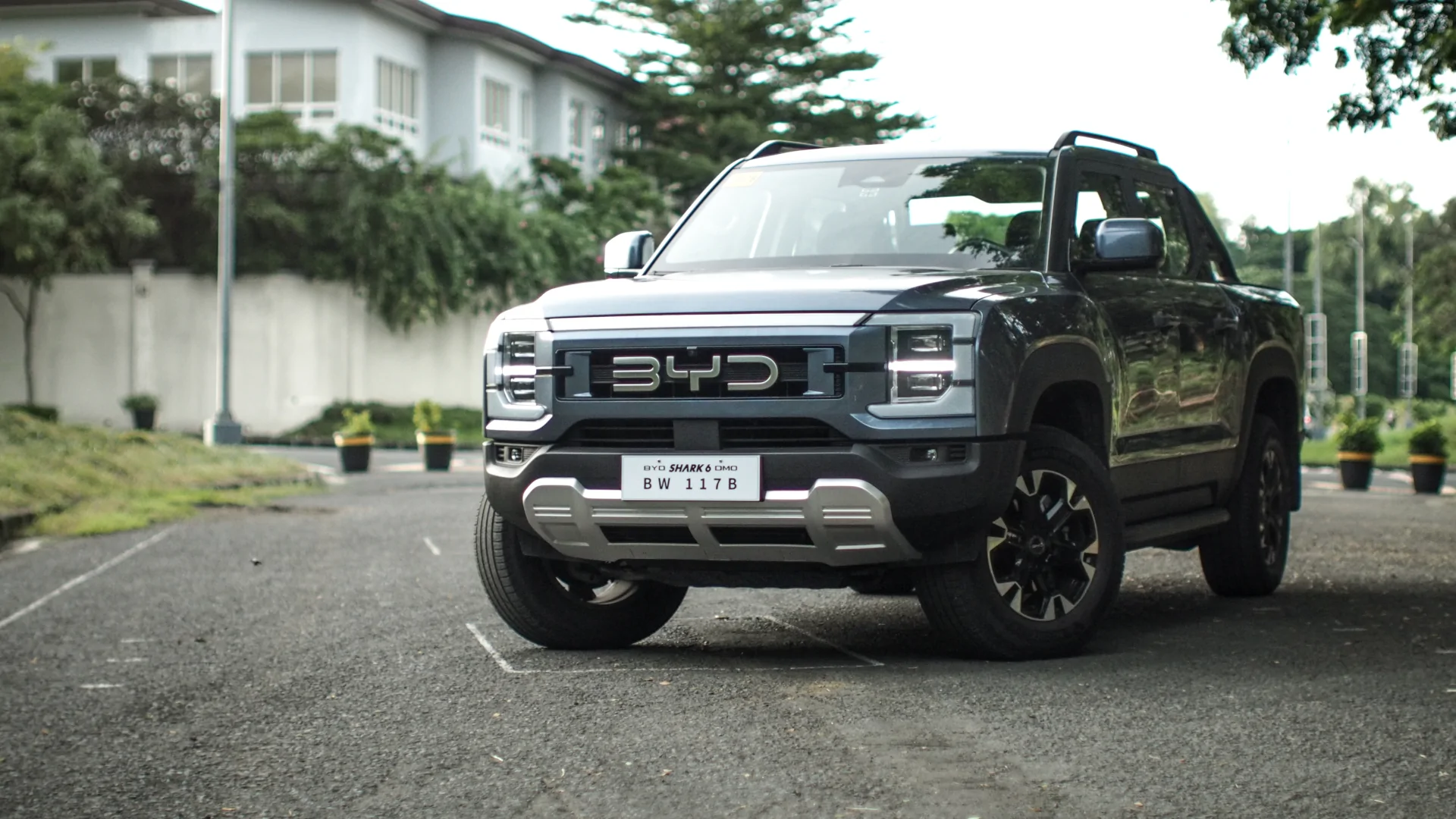
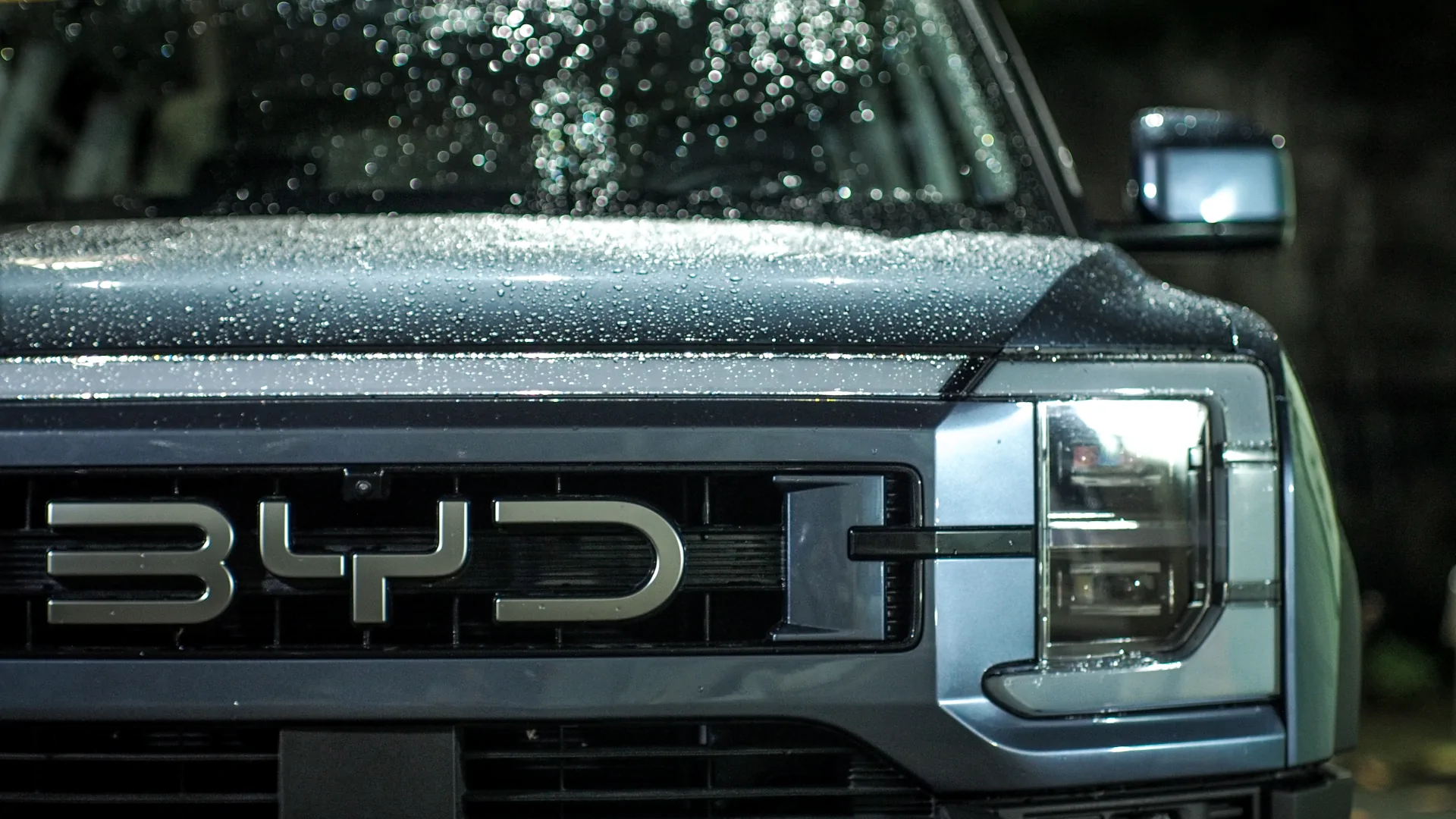
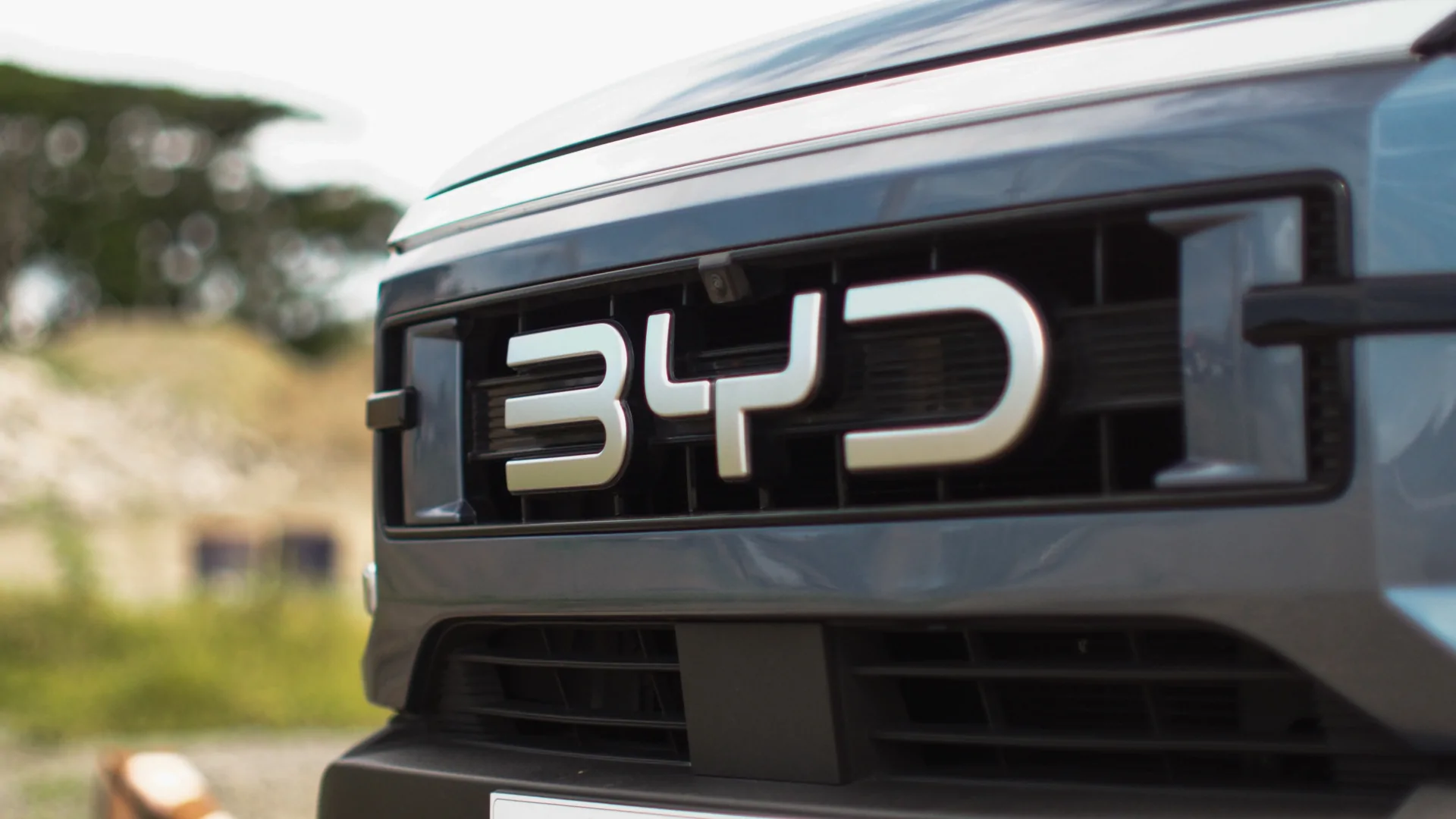
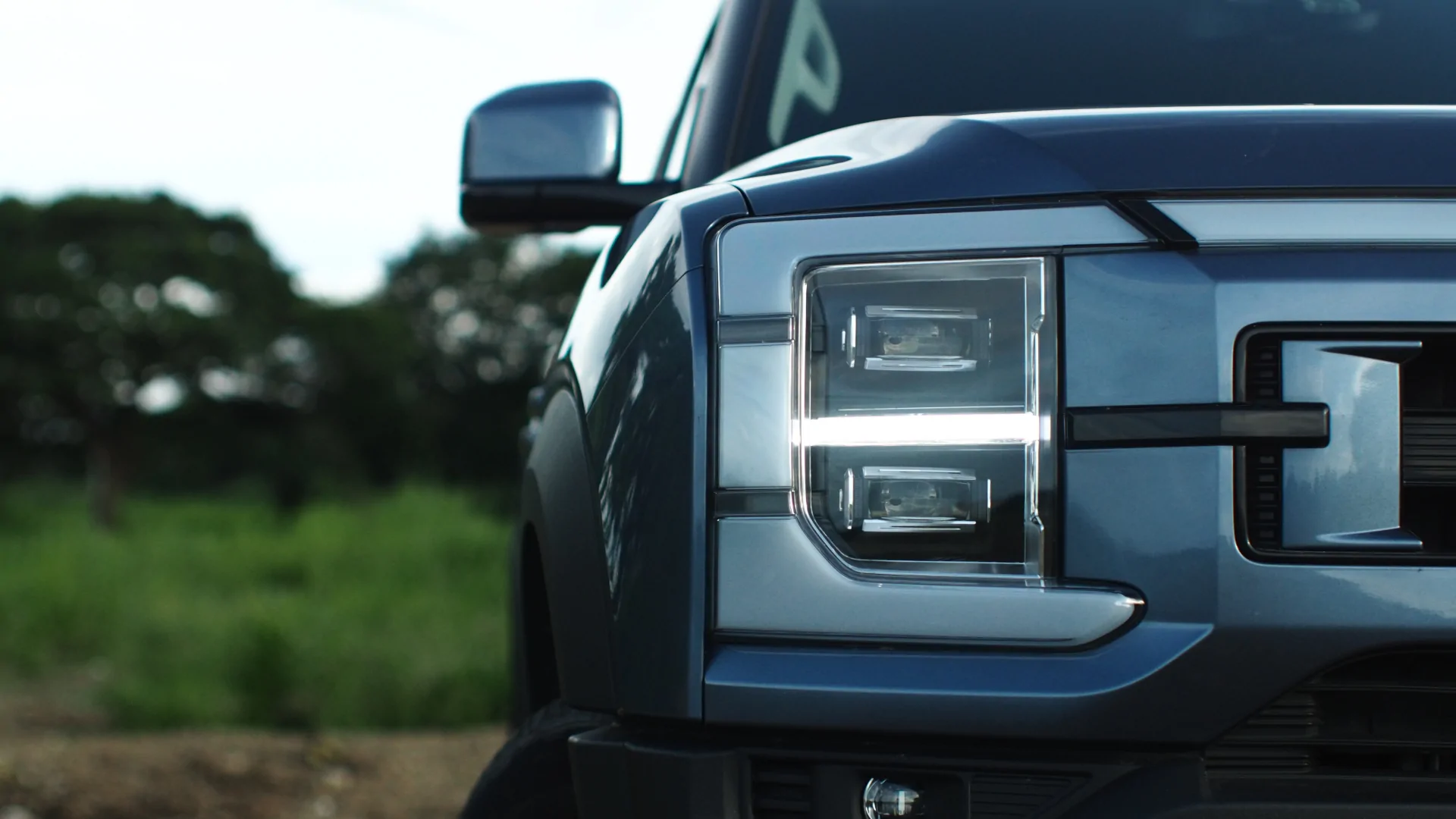
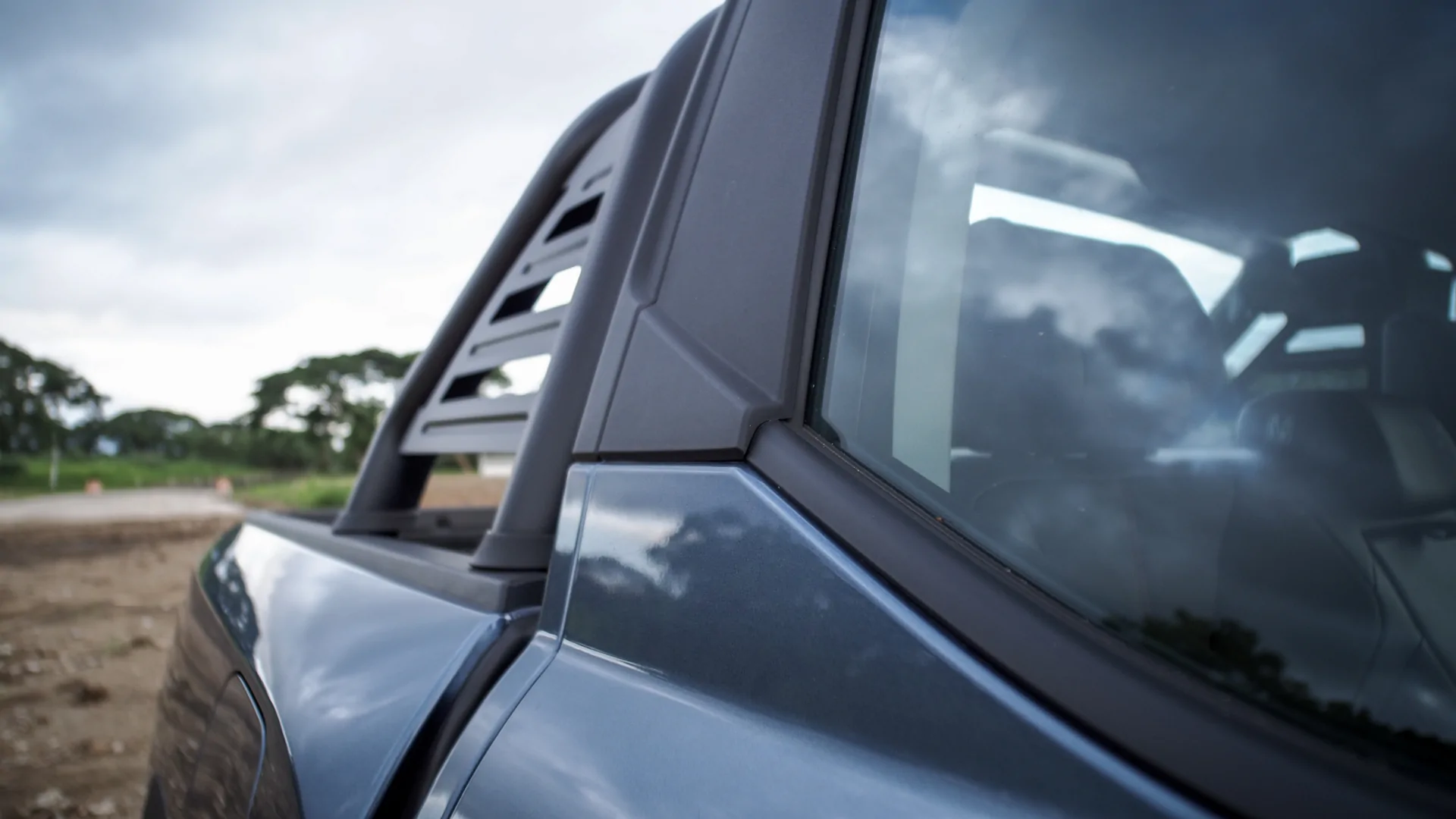
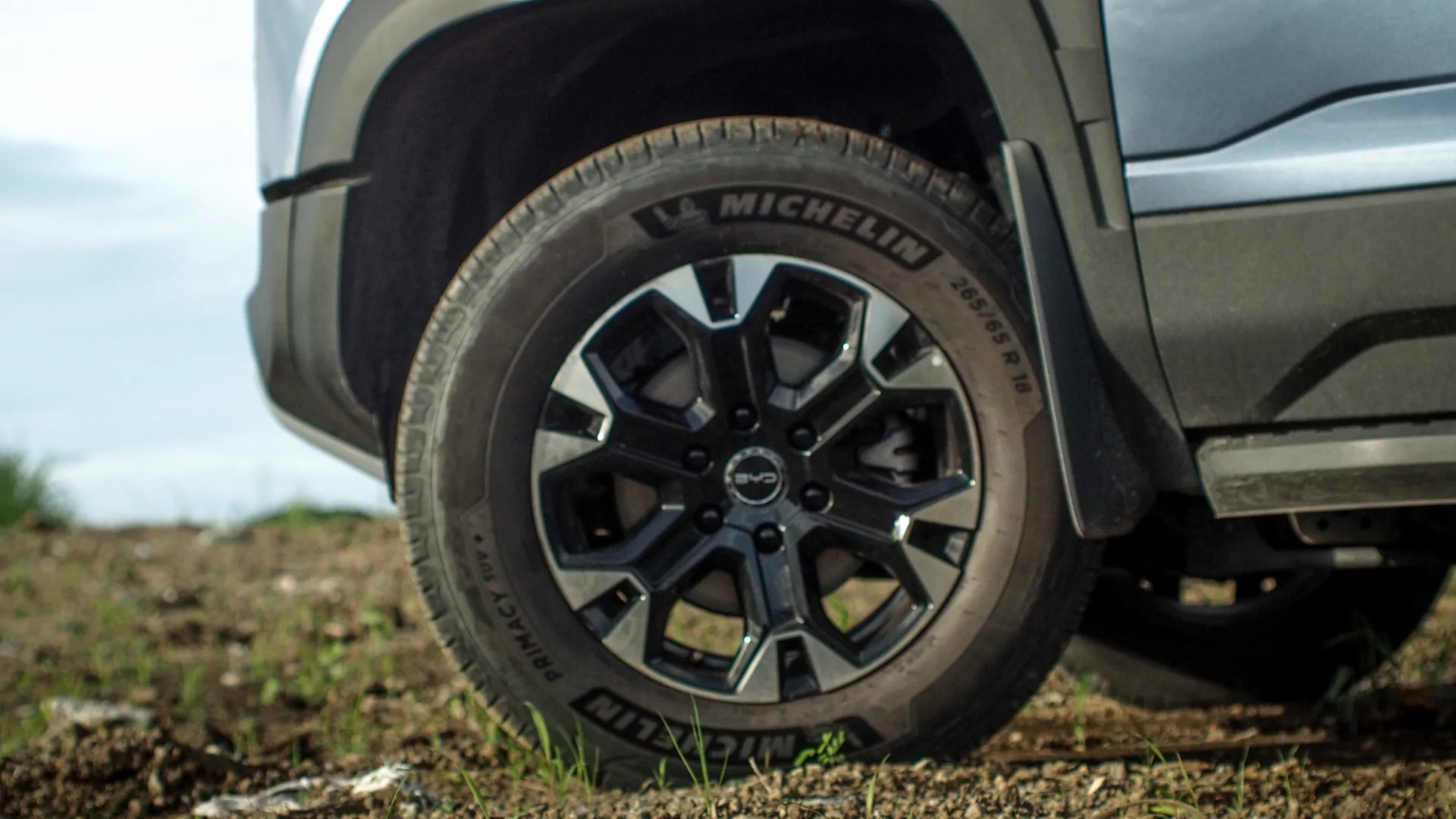
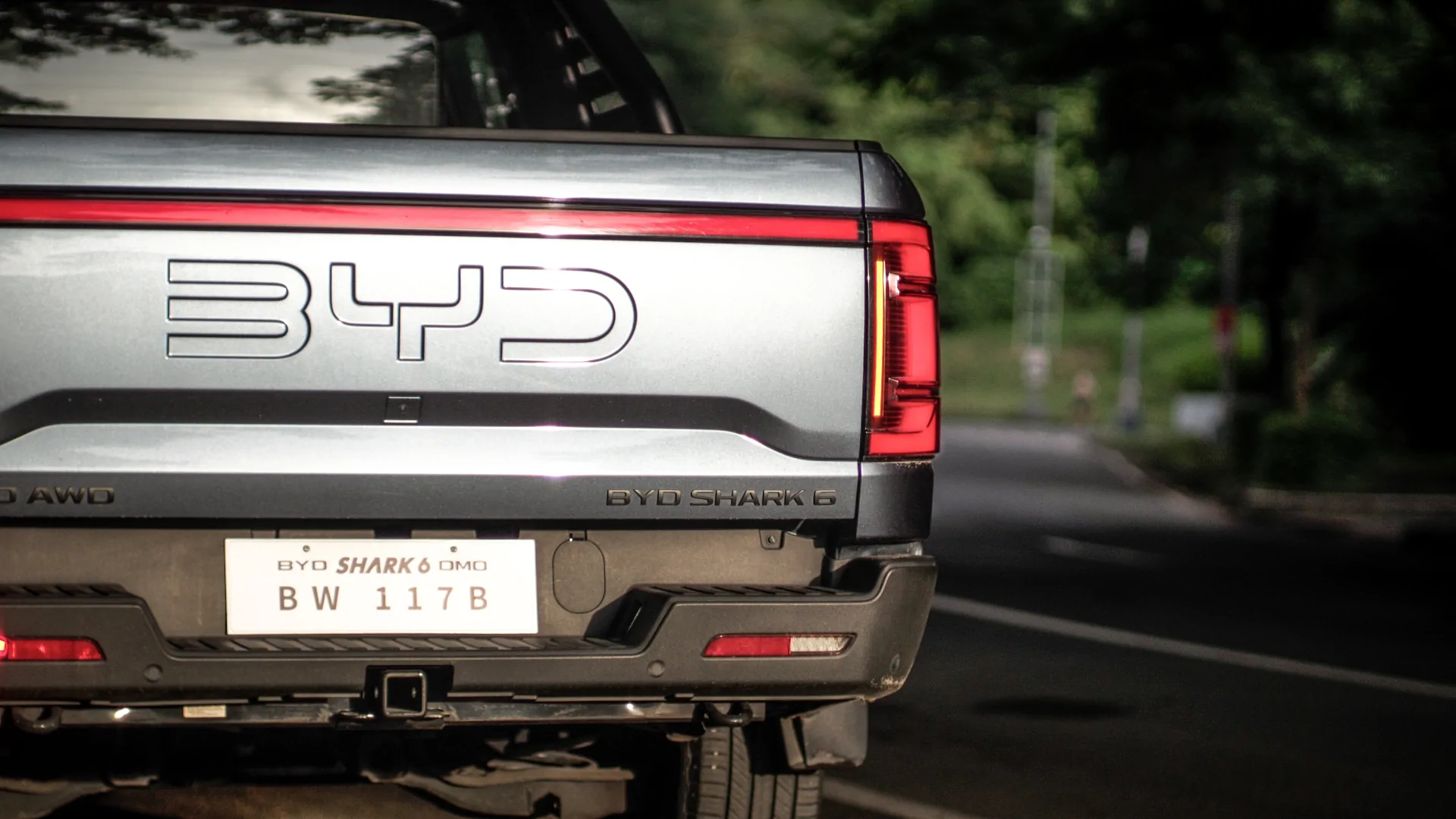
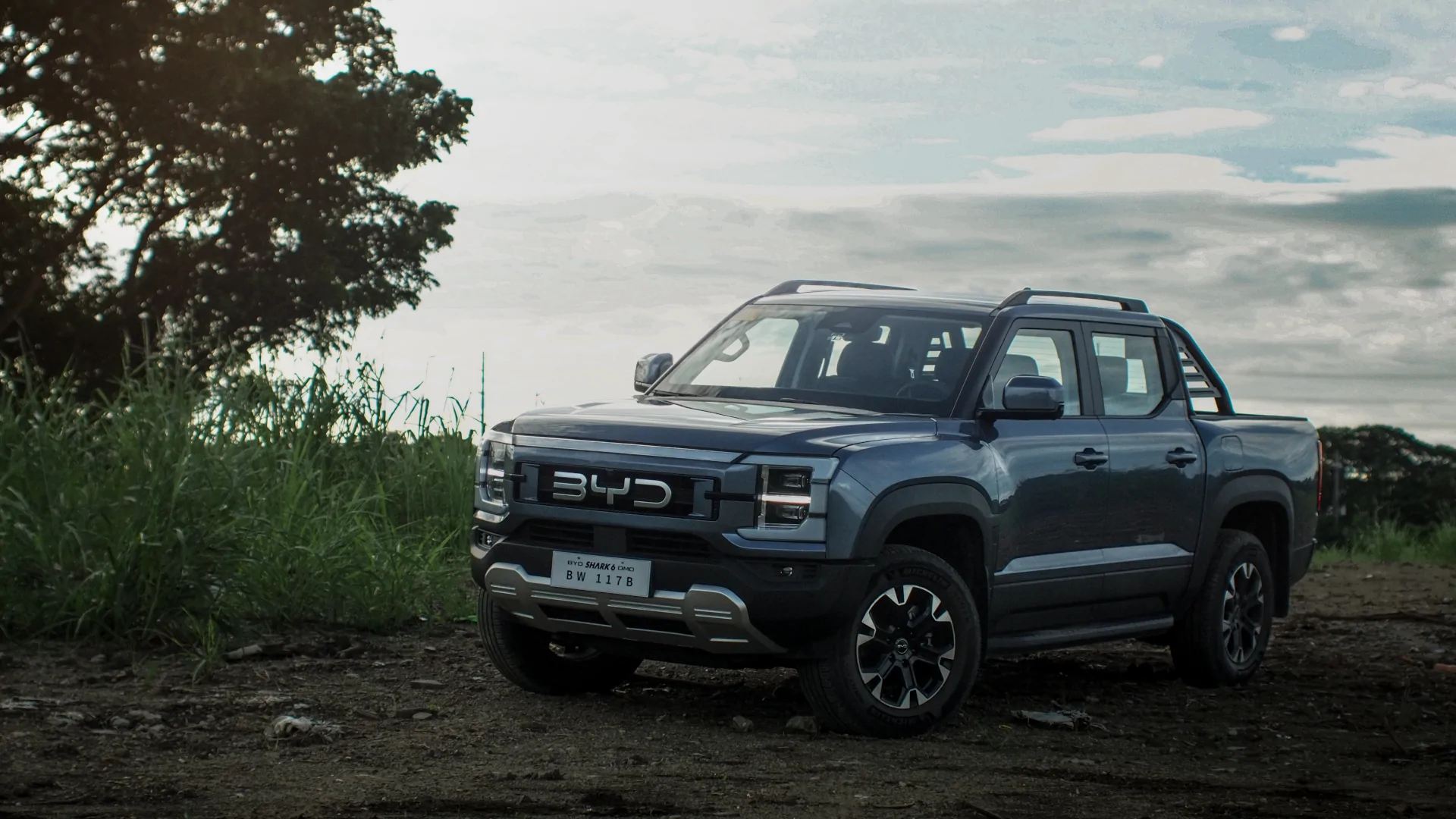
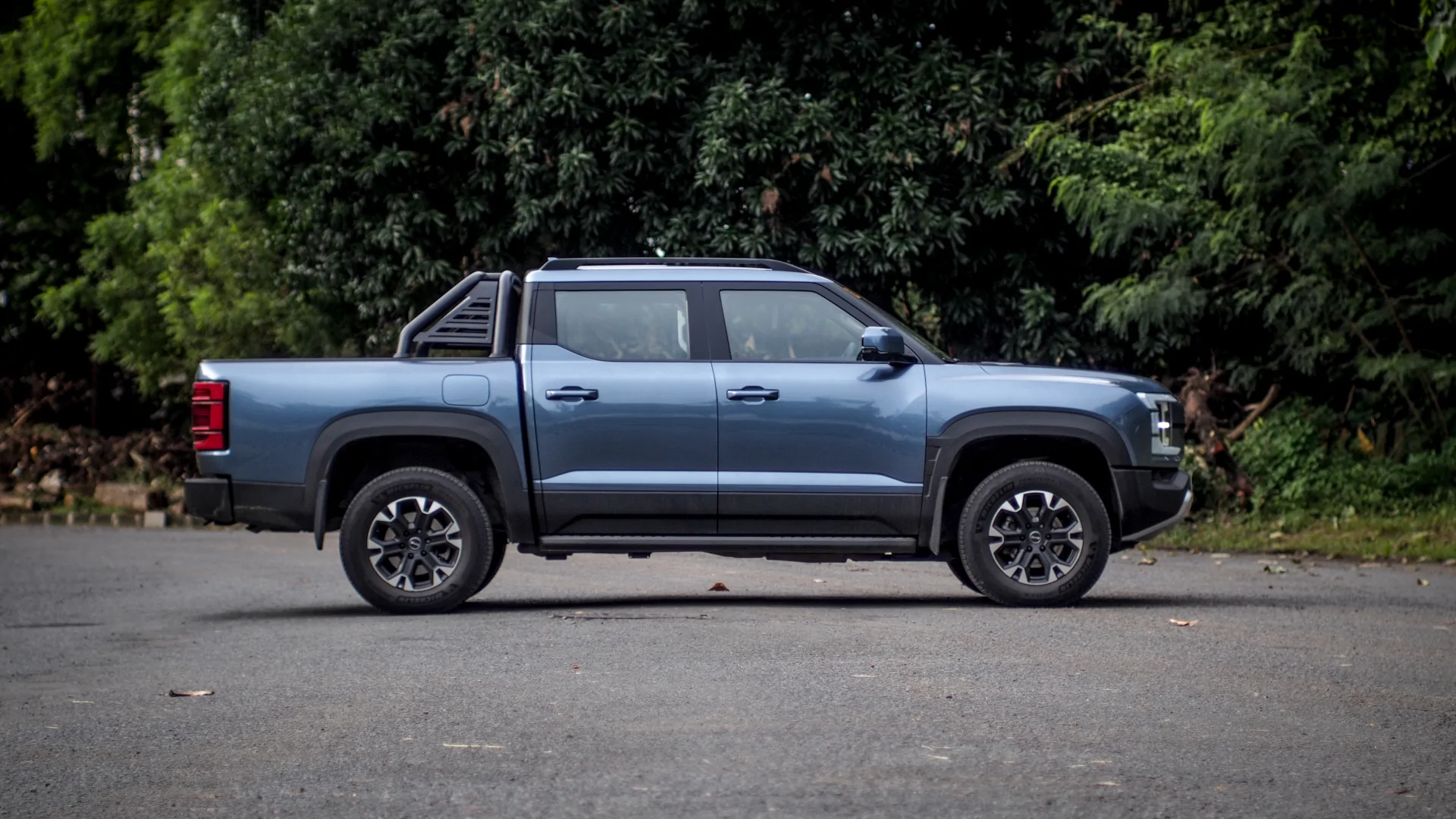
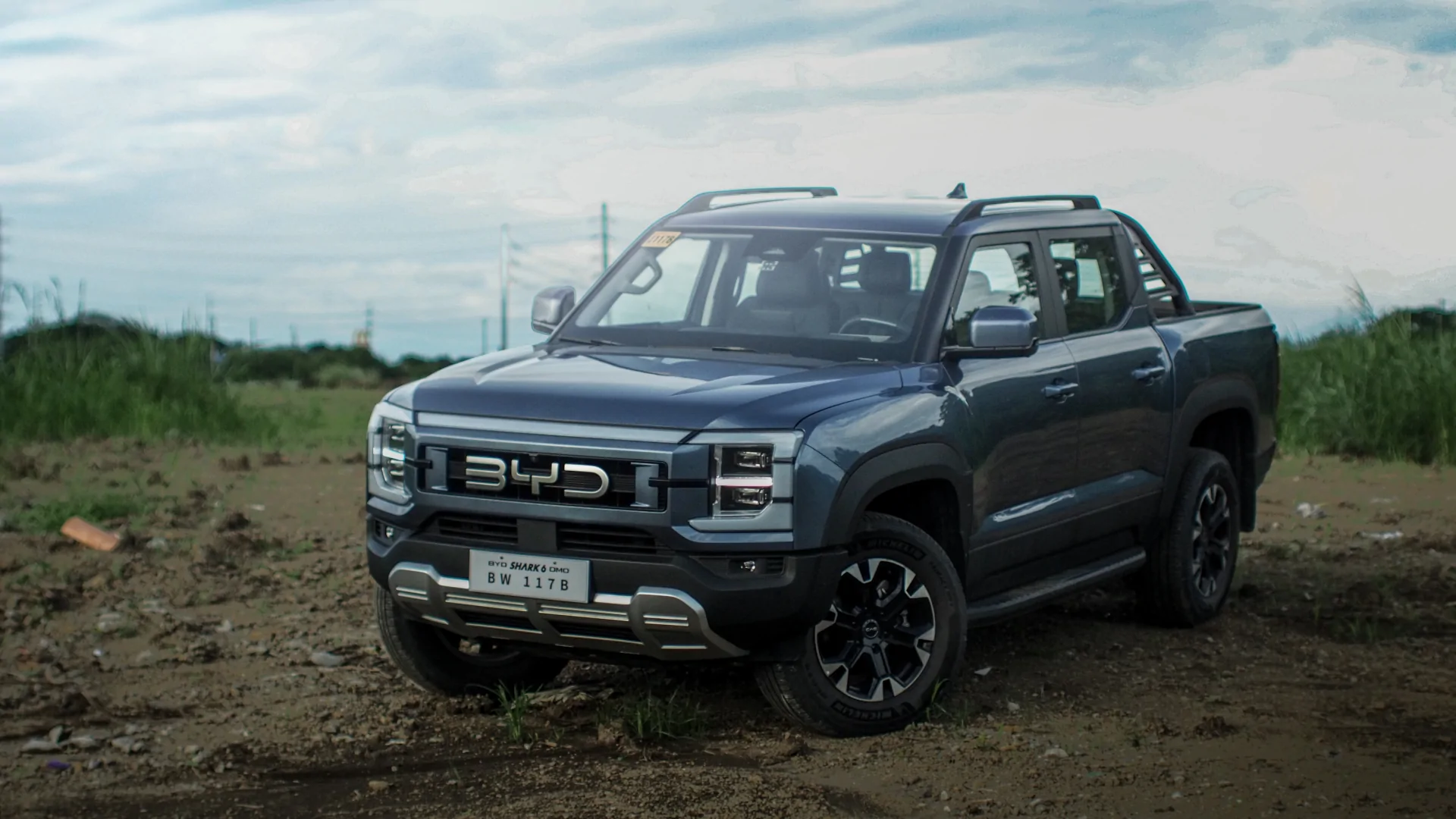
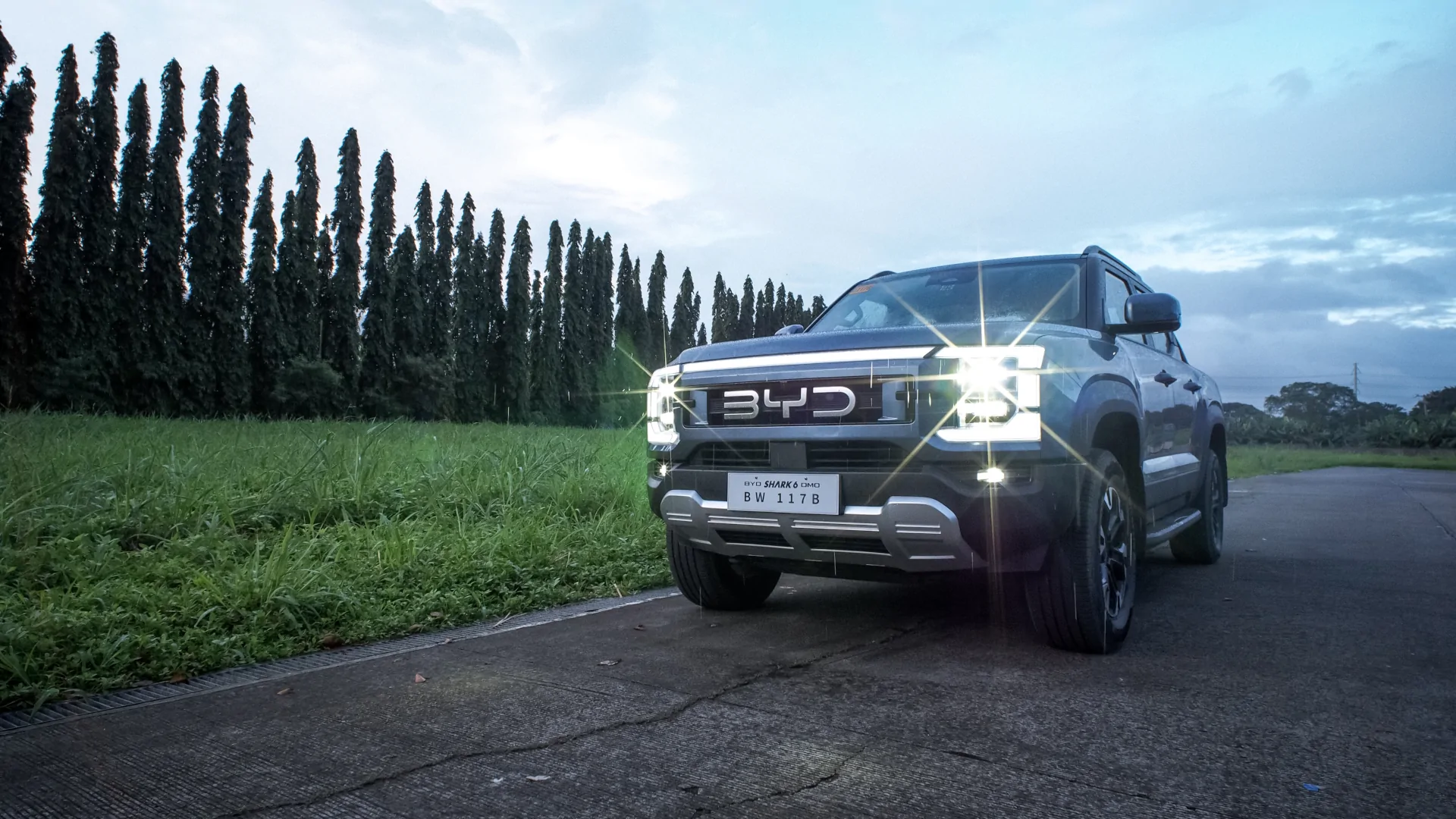
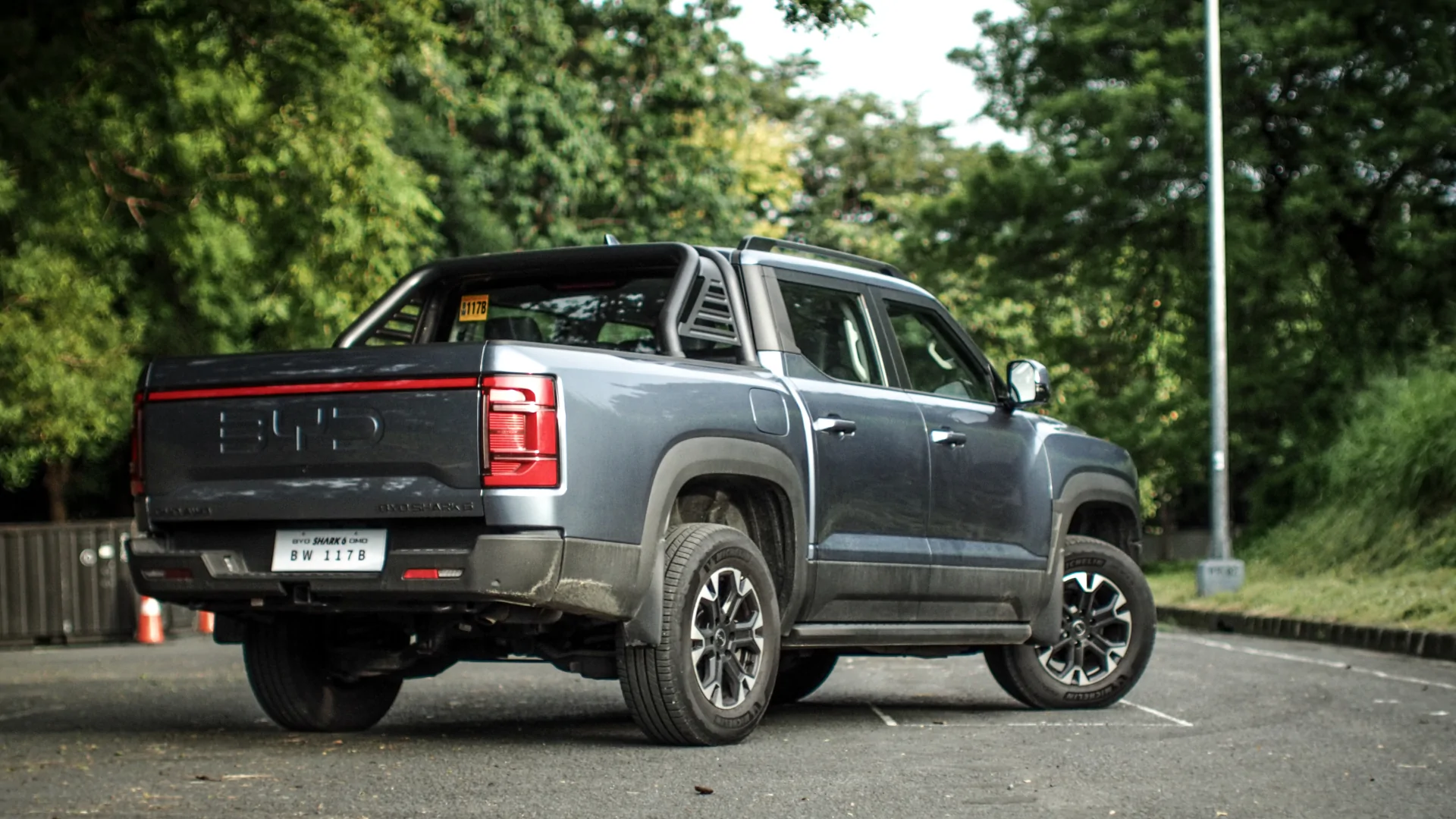
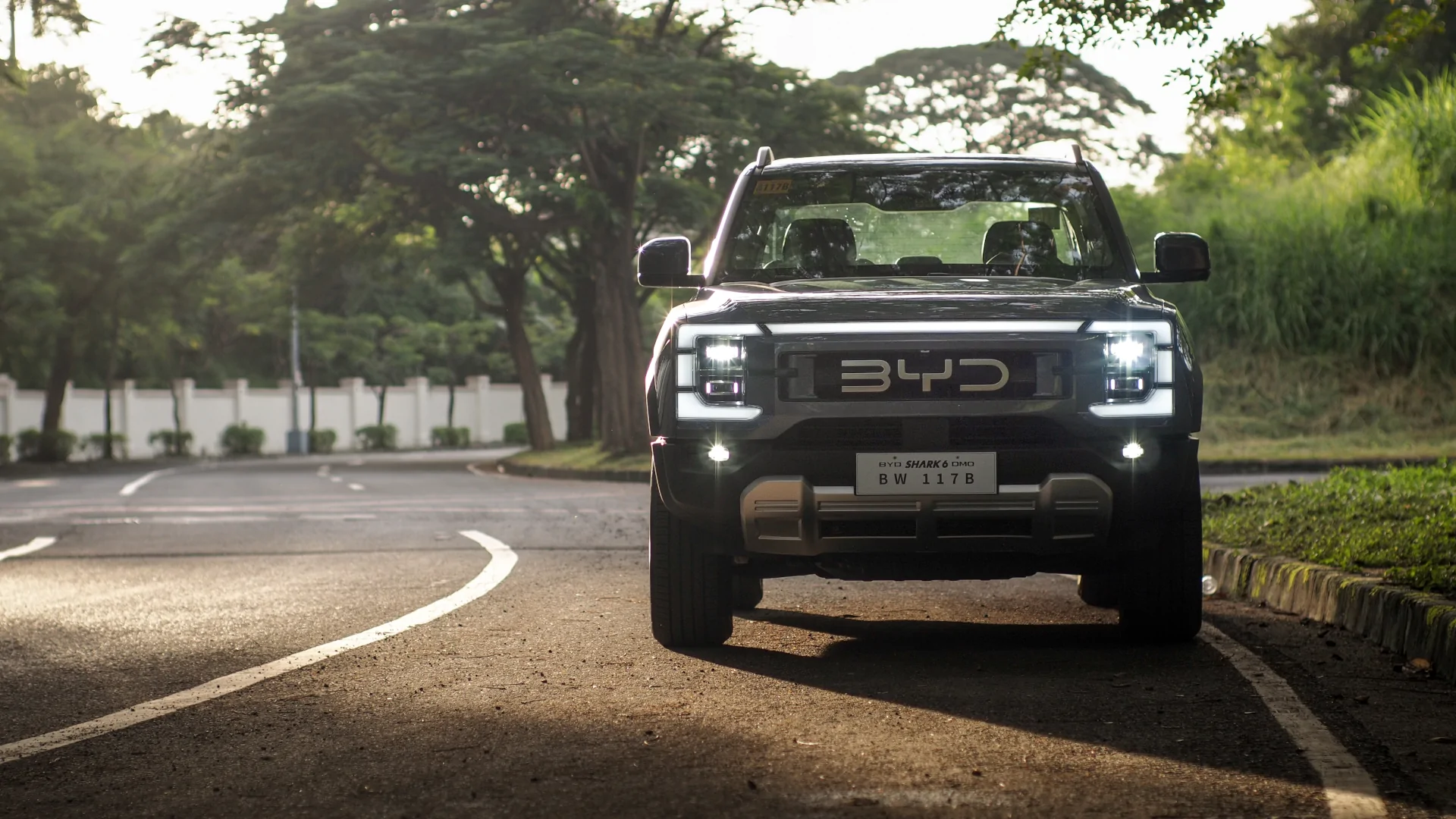
Where BYD’s sedans and crossovers sit in that sort of Tesla-ish EV design gray zone, the Shark goes for the Ford Ranger jugular with its in-your-face styling. Giant bracketed LED DRLs make it recognizable from a mile away. Chunky, blocky shapes define the body, front and rear. Where the Changan Hunter—the other current electric mega-pickup—goes for sleek and sporty, this goes for that ‘mil-spec’ look, complete with wheels that look like Casio G-Shocks wrapped in watch protectors. And if you remember what watch protectors are, you’re old enough to be in BYD’s buyer demographic.
It’s all a bit much, and not necessarily pretty. But damn is it memorable.
Interior
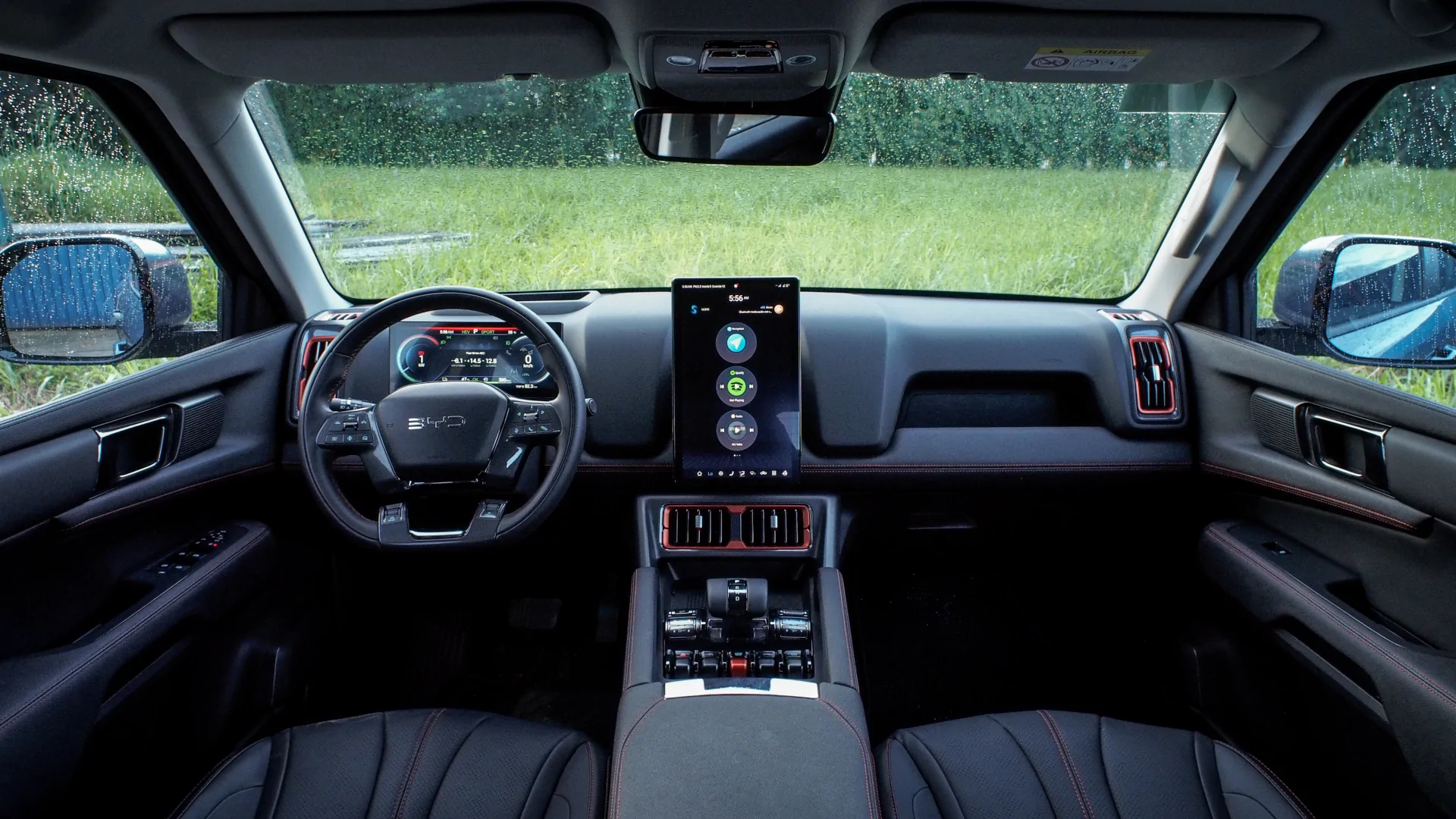
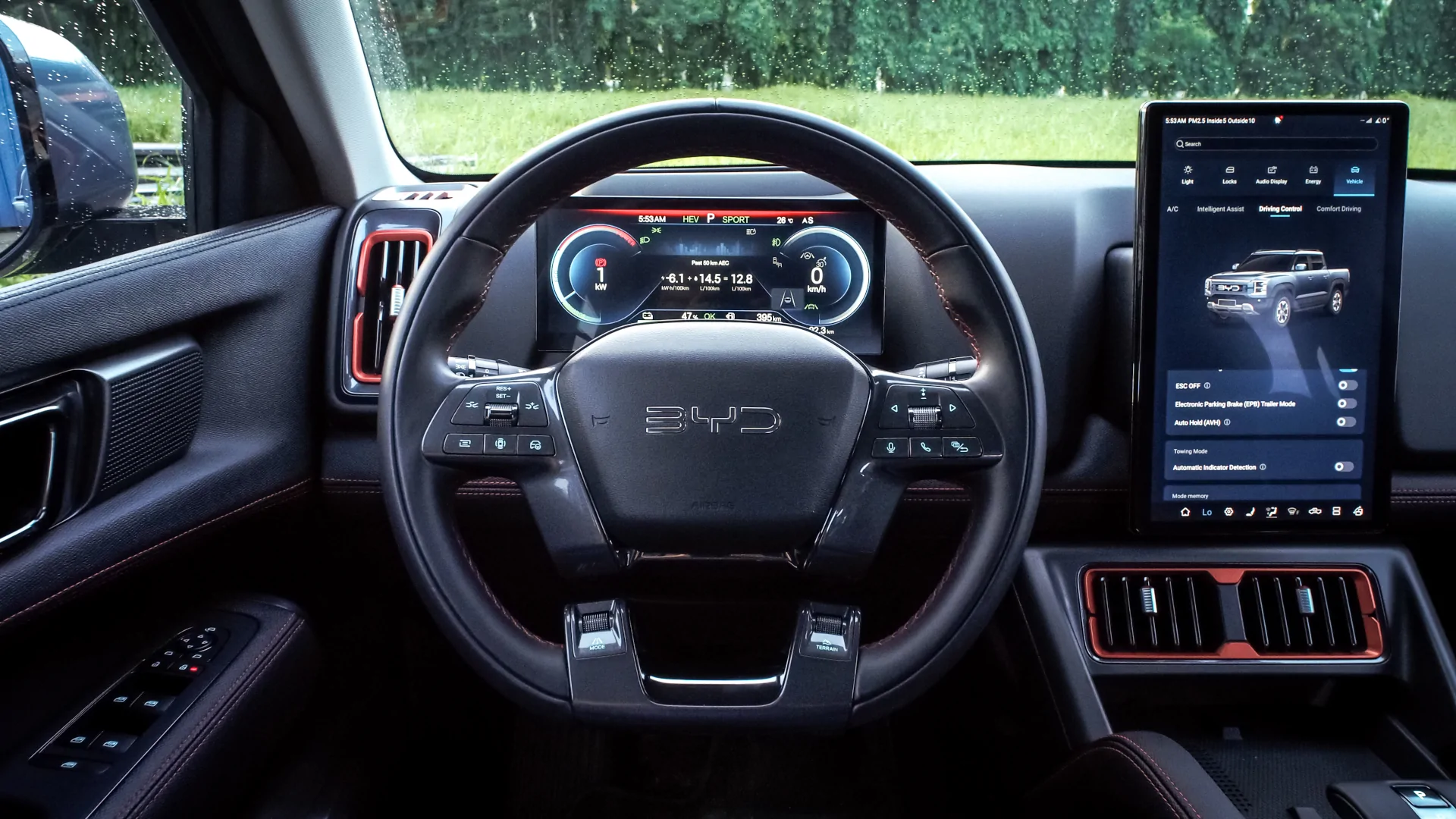
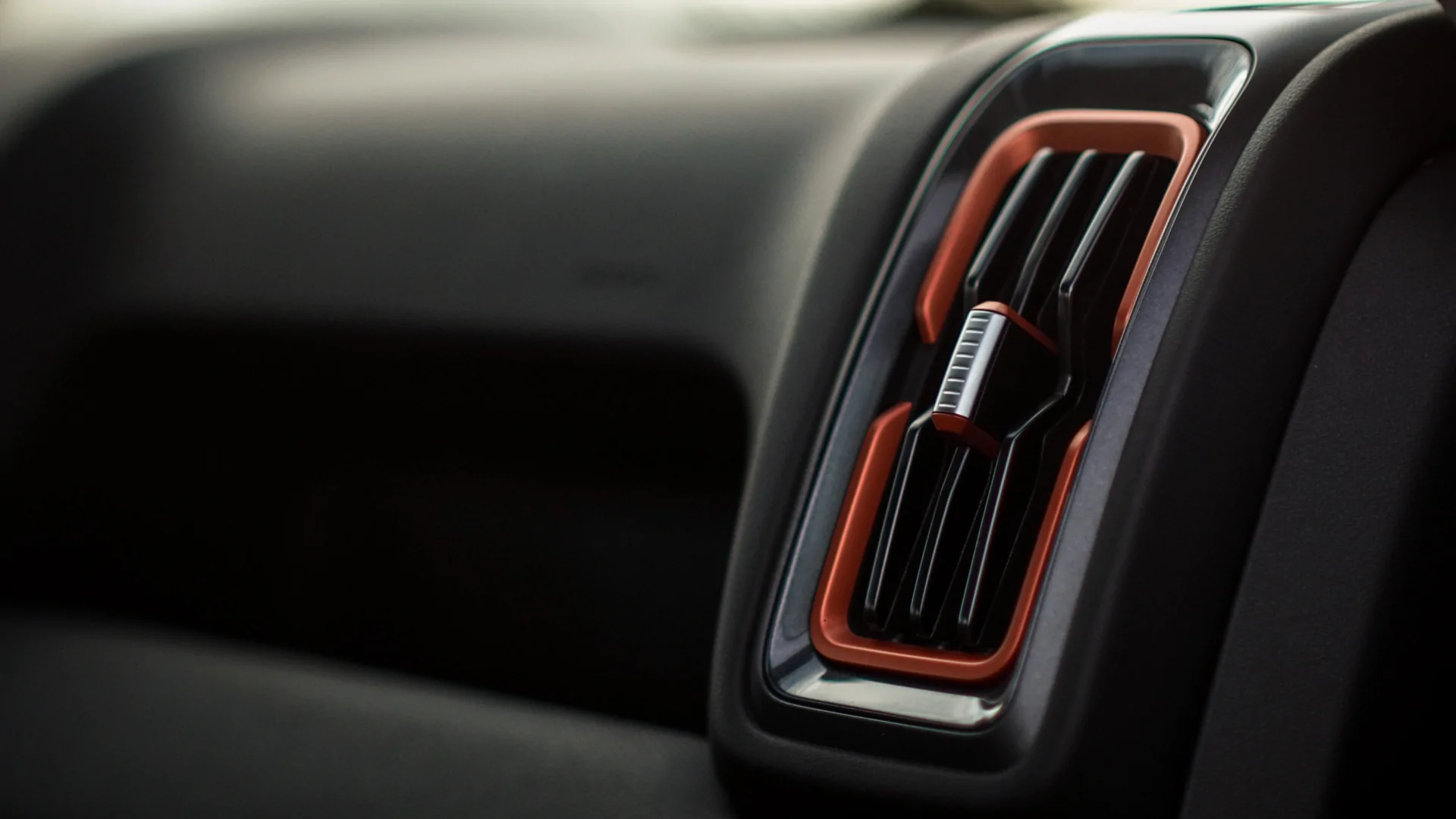
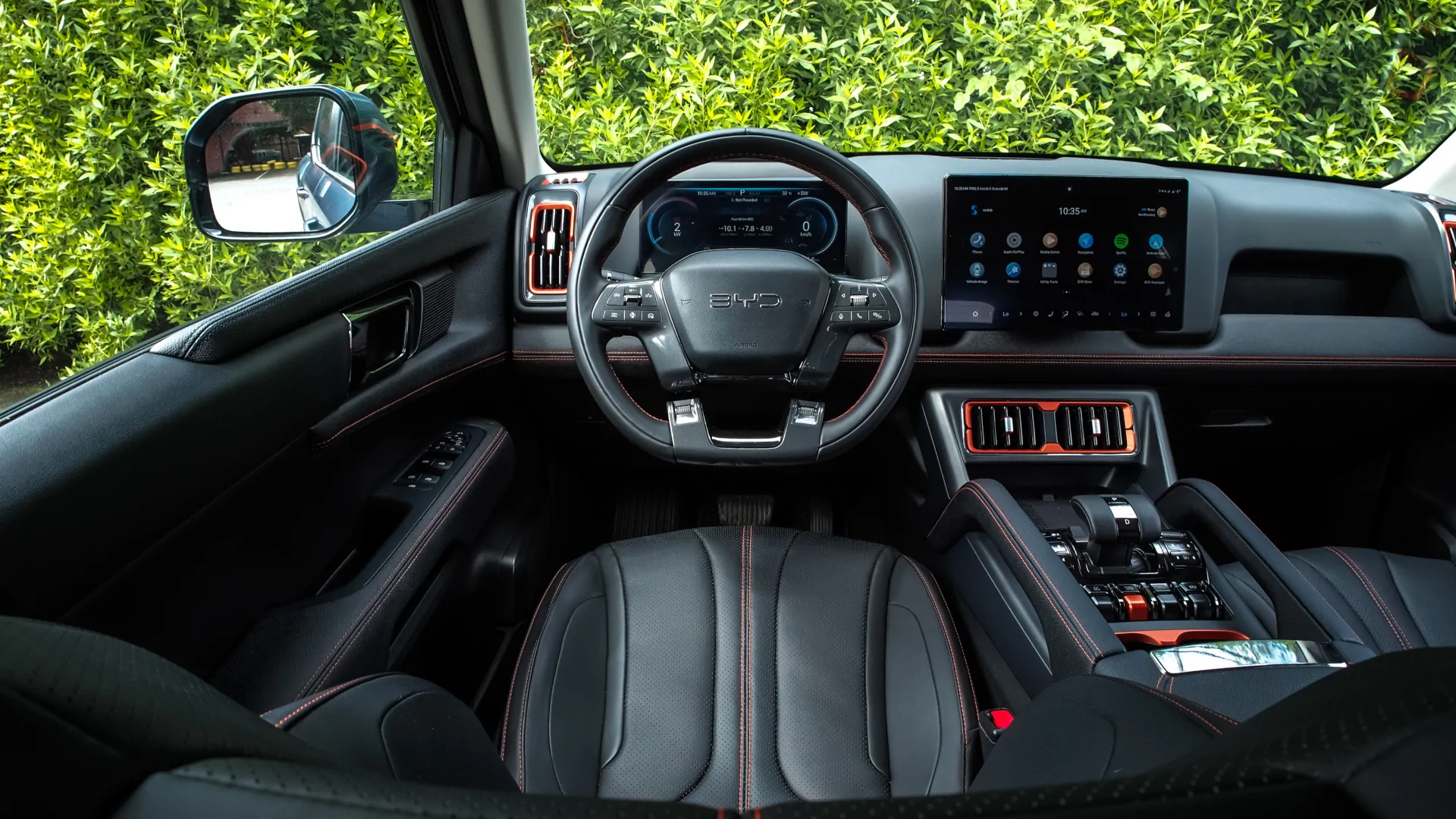
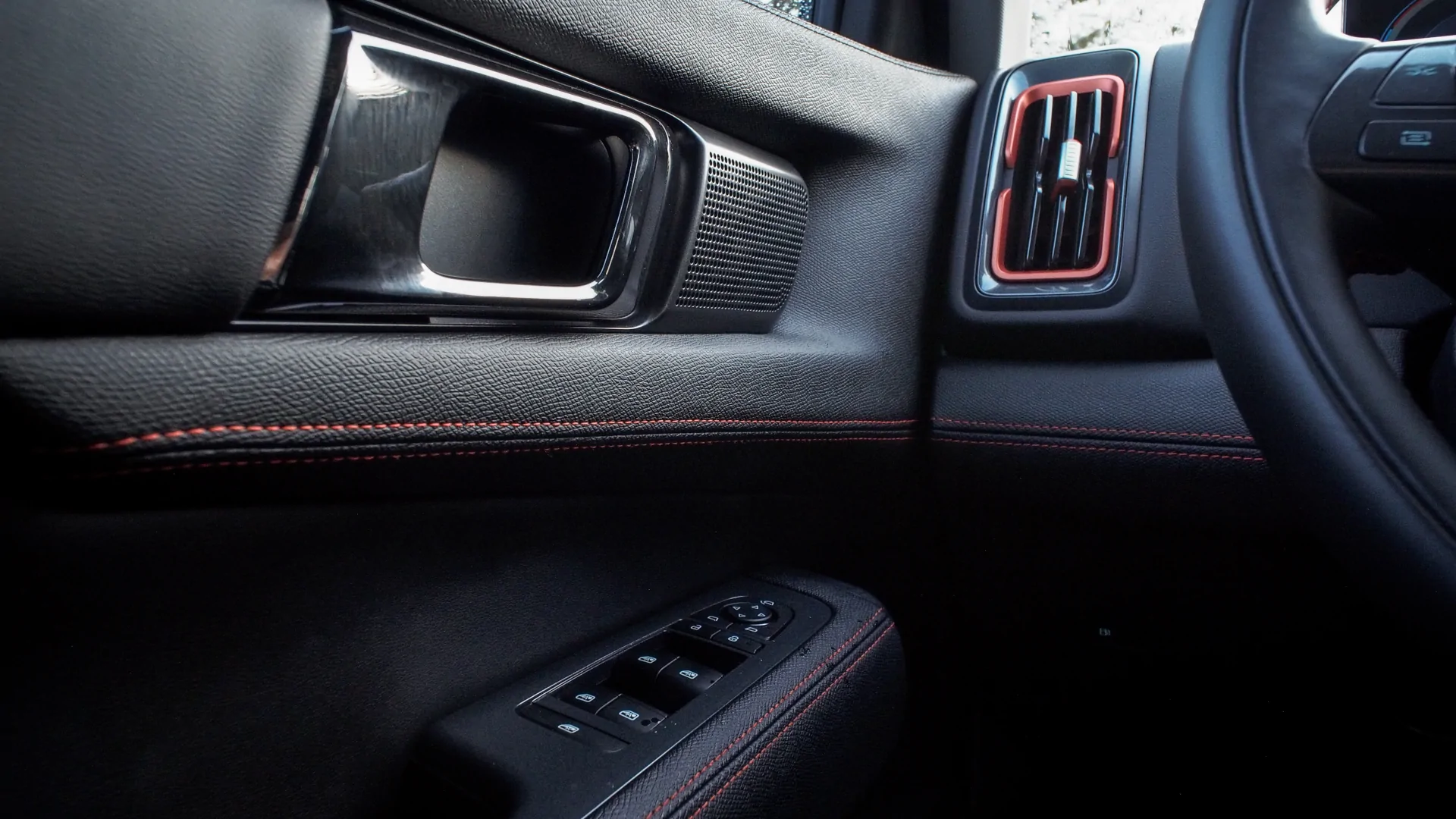
The ready-to-rumble theme continues inside, with a blocky dashboard and console covered in stitched leatherette grab-handles and cubbies. The cupholders even have spring-loaded grips to keep your cuppa in place when you’re sitting sideways on a slope.
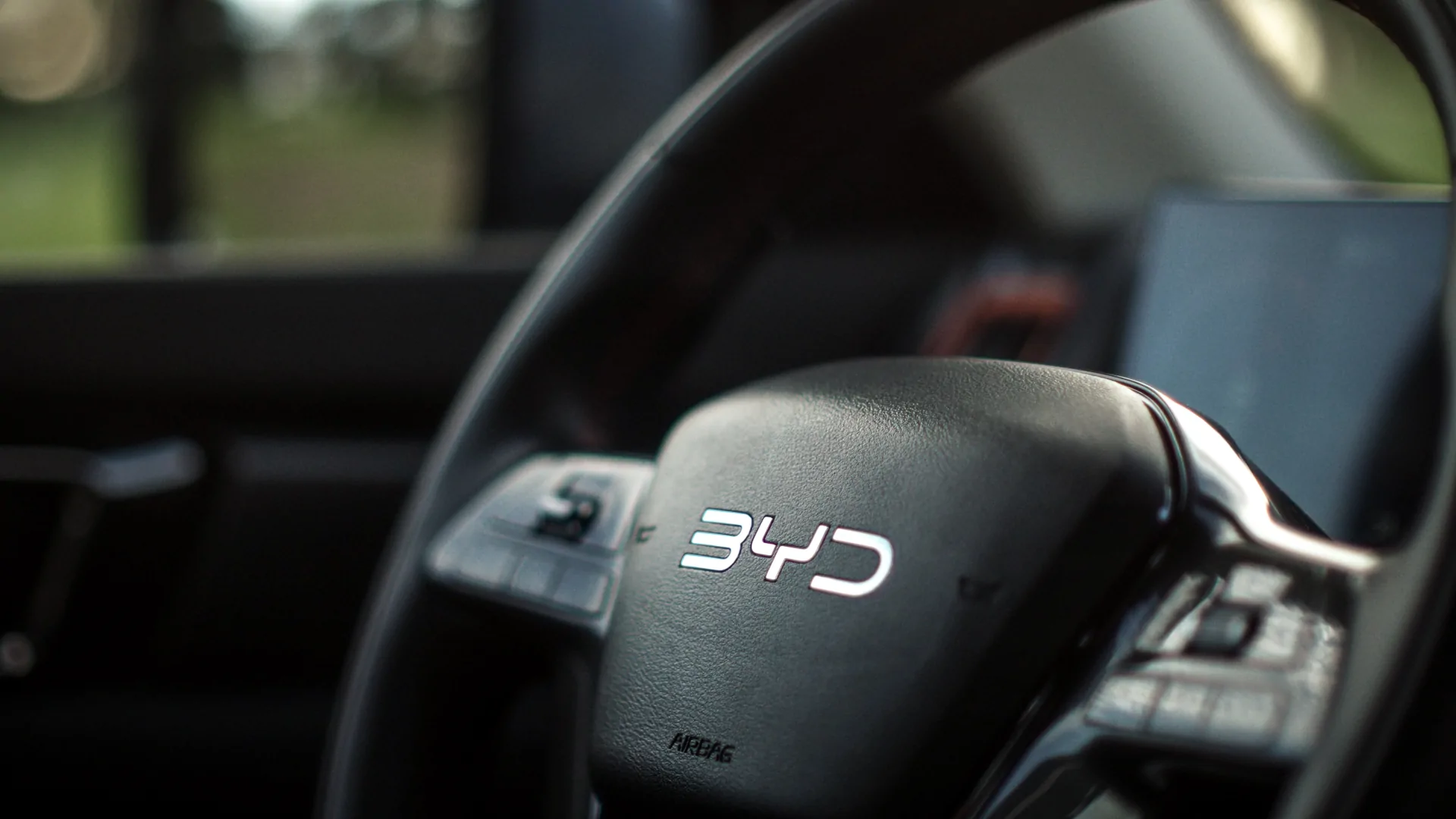
Big, well-bolstered power-adjust seats give you a wide range of adjustment, and the steering wheel is adjustable both for height and reach. As opposed to other BYDs, there isn’t much in terms of ornamental lighting here, aside from subdued blue lights in the footwells. For changing into your wellies off-road, perhaps? Space is generous, though the extra-wide center console gives you much less knee room inboard than on the door side.
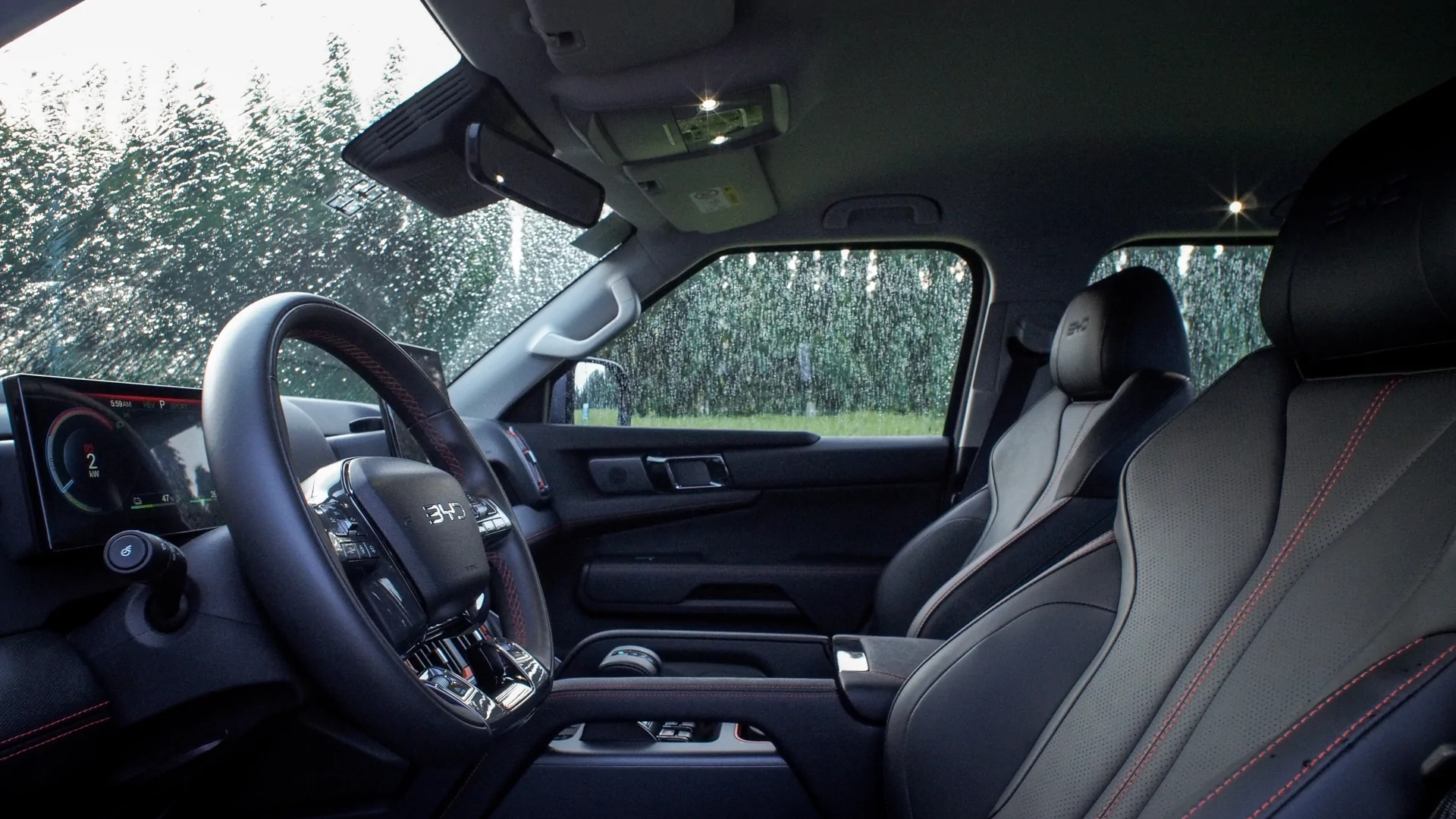
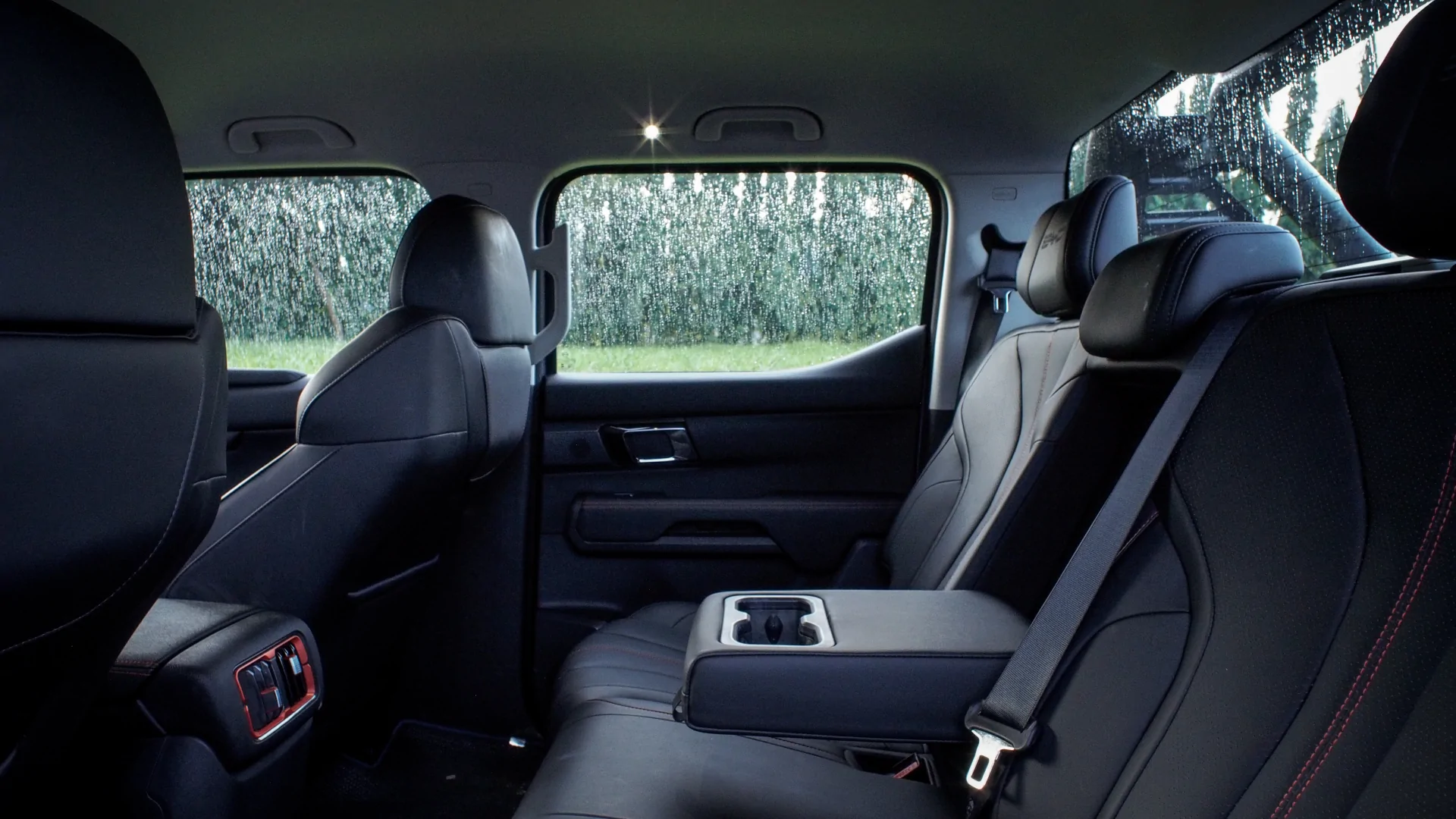
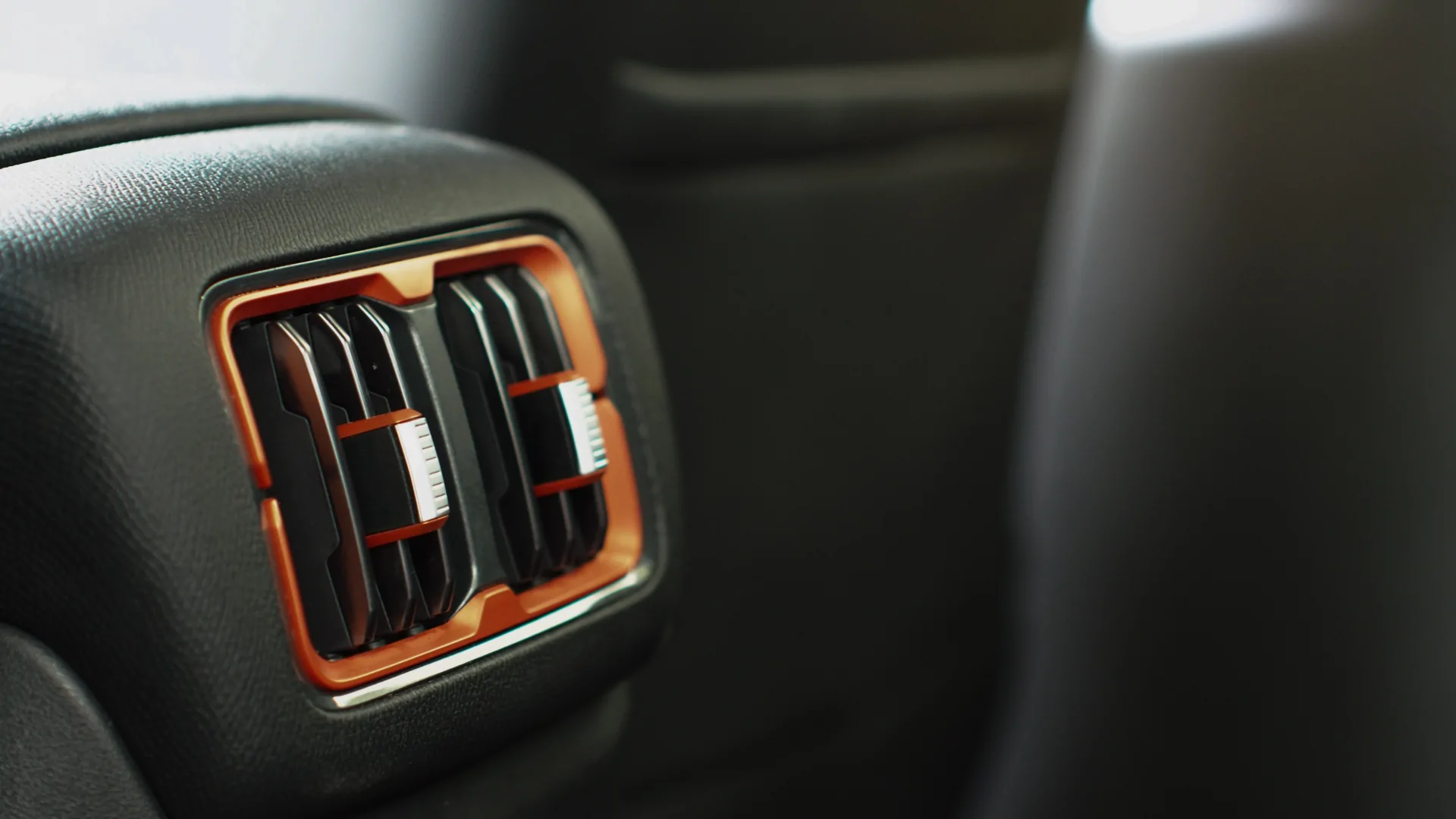
The rear seat is well-shaped, with a good backrest recline and even a pull-out center armrest. Quite rare in this segment. The seat squab flips up, but there’s no hidden storage under there. Just access to the car’s electronics and 12V battery.
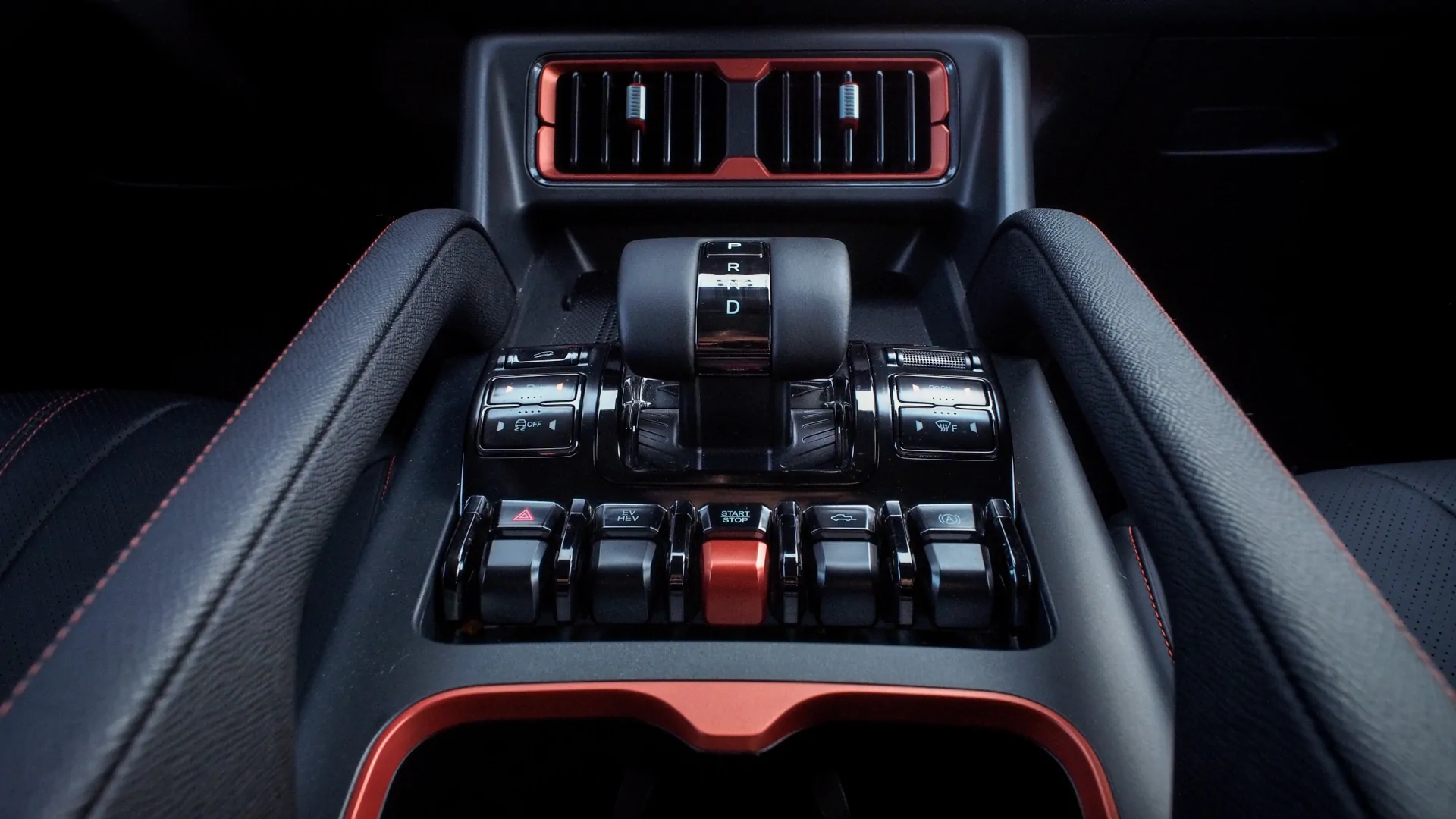
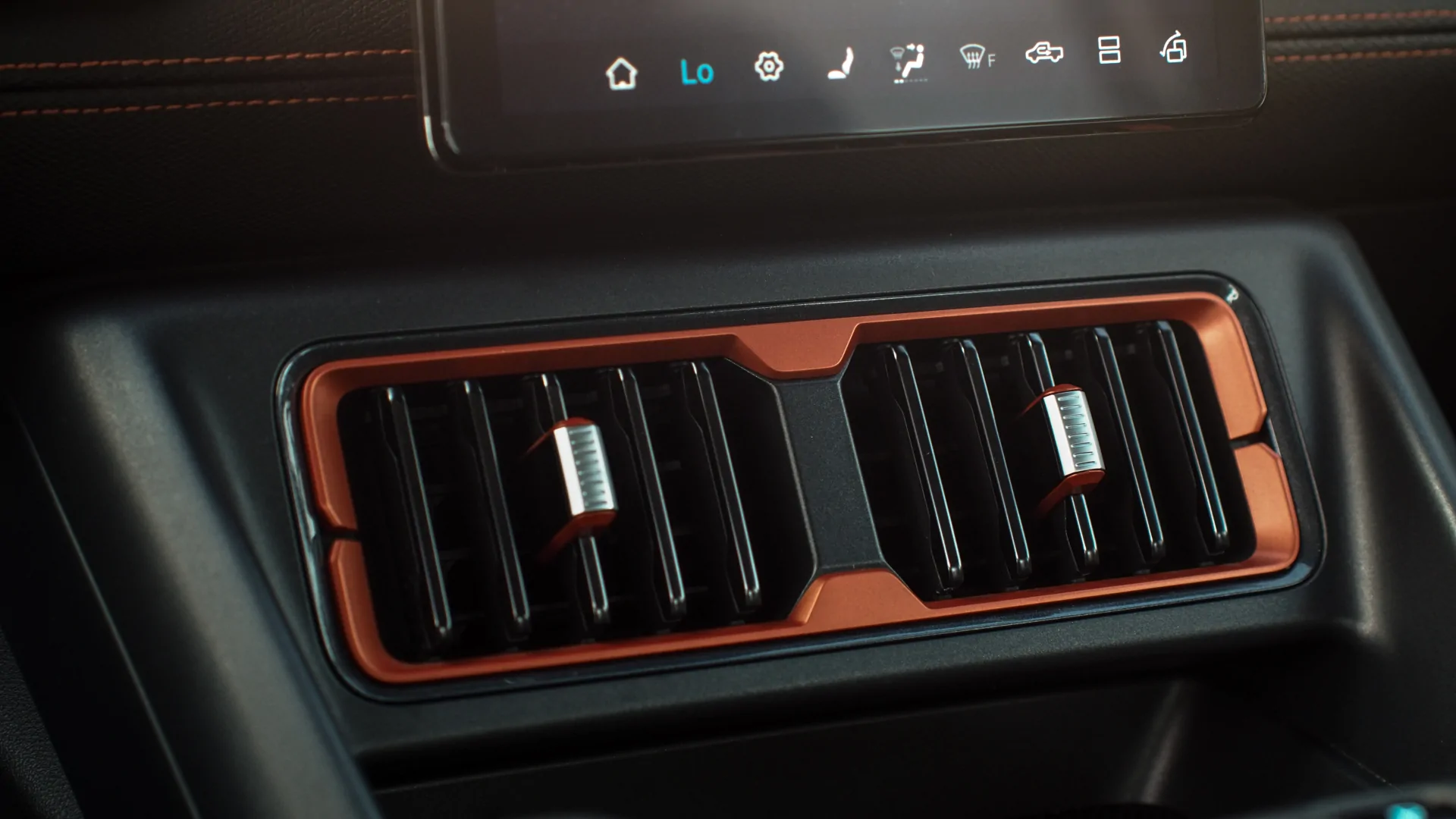
BYD bucks that Tesla trend that other EV startups seem to slavishly emulate. You have physical buttons and controls for most any need. Granted, the big rotating center screen precludes the possibility of a physical HVAC panel, but there’s an AC button by the shifter and you can access the HVAC menu via the steering wheel buttons.
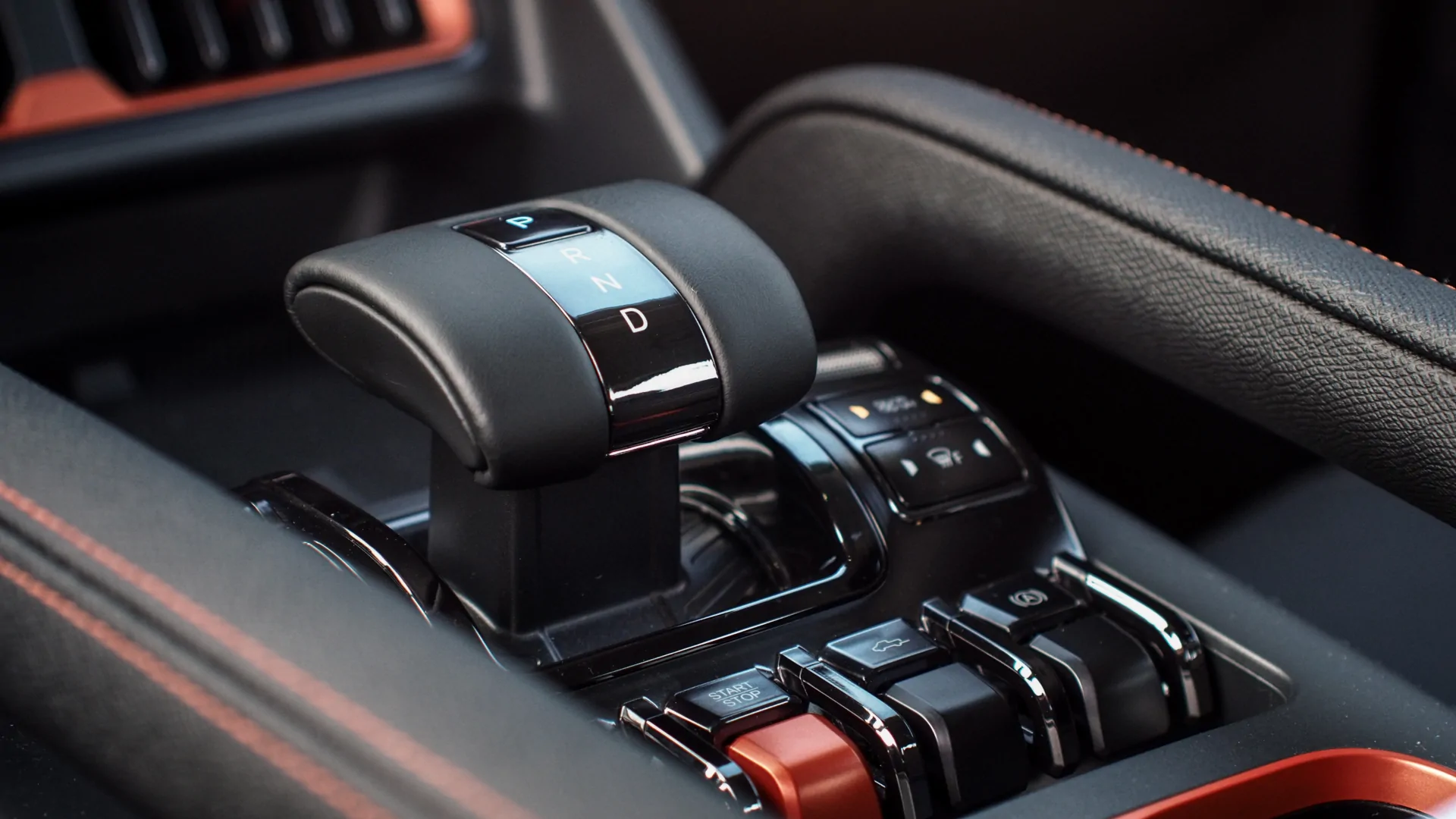
A pleasantly shaped shifter knob—rather than the gimmicky dials and wands other EVs use—sits in front of a row of switches that look like they should activate weapons systems, but all they do is turn the truck on.
Engine performance
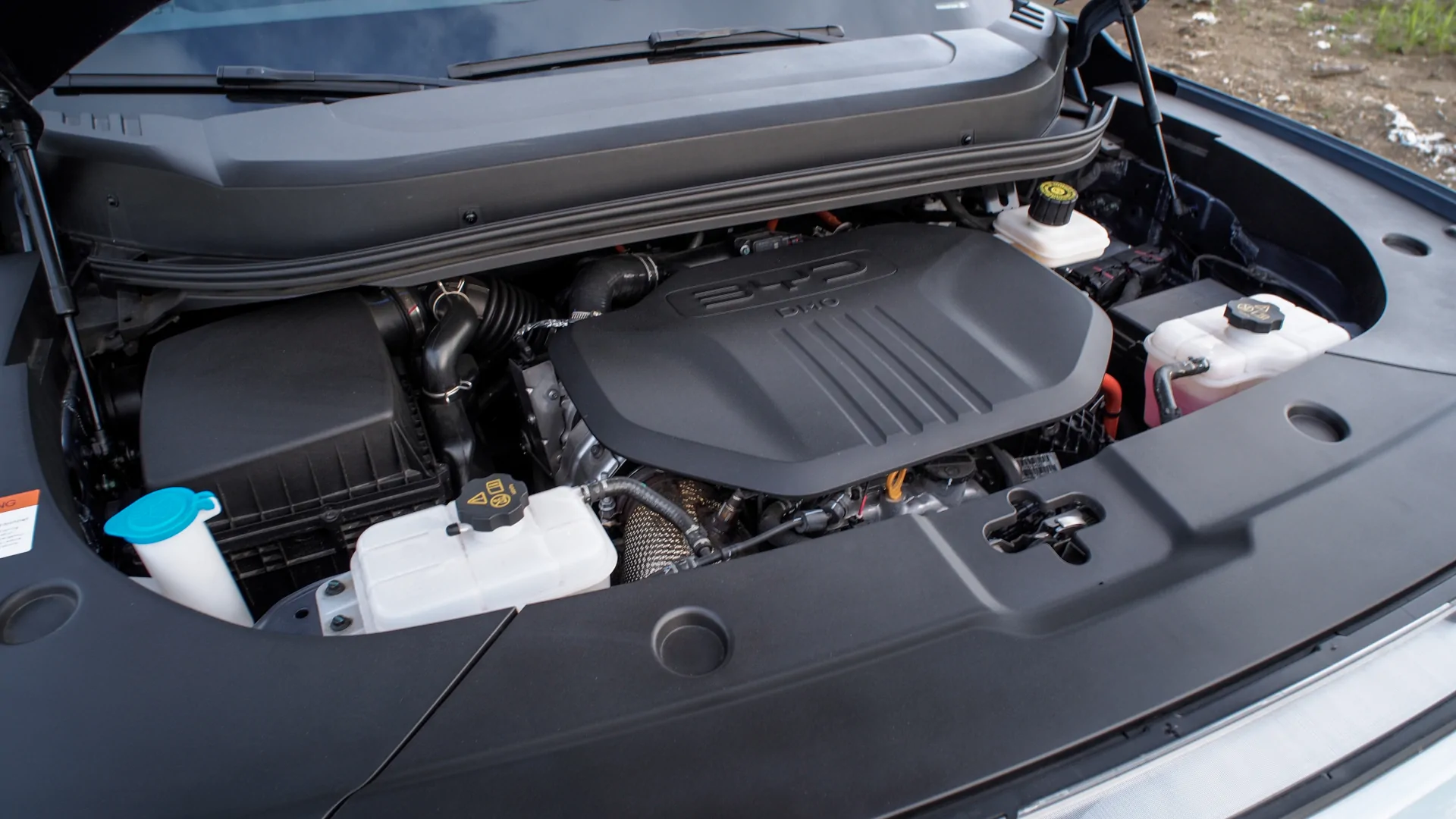
The Shark’s start-up is eerily silent and undramatic. It will run silently for the first 80-100 kilometers of travel in EV mode. No whirring, crackling, or distant sounds of miniature petrochemical explosions. No fake emulated engine sounds. The truck simply switches on and is ready to go even before the screens cycle through their wake-up displays.
But give it the boot in Sport Mode and it flies from 0-100kph in just 5.4 seconds, the gasoline generator belatedly roaring to life over 70kph to give a little extra shove at higher speeds. That’s quite a bit healthier than the quoted 5.7sec figure. It’s an unrelenting amount of shove that only starts to peter out well past the posted speed limit. The gasoline engine also drives the front tires through a single-speed transmission that engages so smoothly that our performance meters can’t pinpoint the point at which the hybrid system kicks in.
The 21.5kWh battery theoretically provides 100km of range. I say “theoretically” because the turbocharged 1.5-liter gasoline generator automatically kicks in when the battery hits 20%, whatever drive mode you’re in. Generation isn’t quite as aggressive as in the Changan Hunter. The system is programmed to keep juice between 20 and 70%, balancing fuel economy against battery longevity.
Either way, any gasoline wasted fast charging that big battery is, uh, wasted. Better to charge at home often and rely on the reserve for your daily commute. At 4-5km/kWh in mixed running, it is not quite as frugal as an electric crossover, but much more frugal than your typical diesel truck. In generator mode, we saw between 9-11km/L—after subtracting excess battery charge generated while running.
On countback, that’s not much better than a four-cylinder diesel truck. Given the vast advantage in performance, we'd say that’s fair. Still—whenever you can—charge at home for maximum savings.
Ride and handling
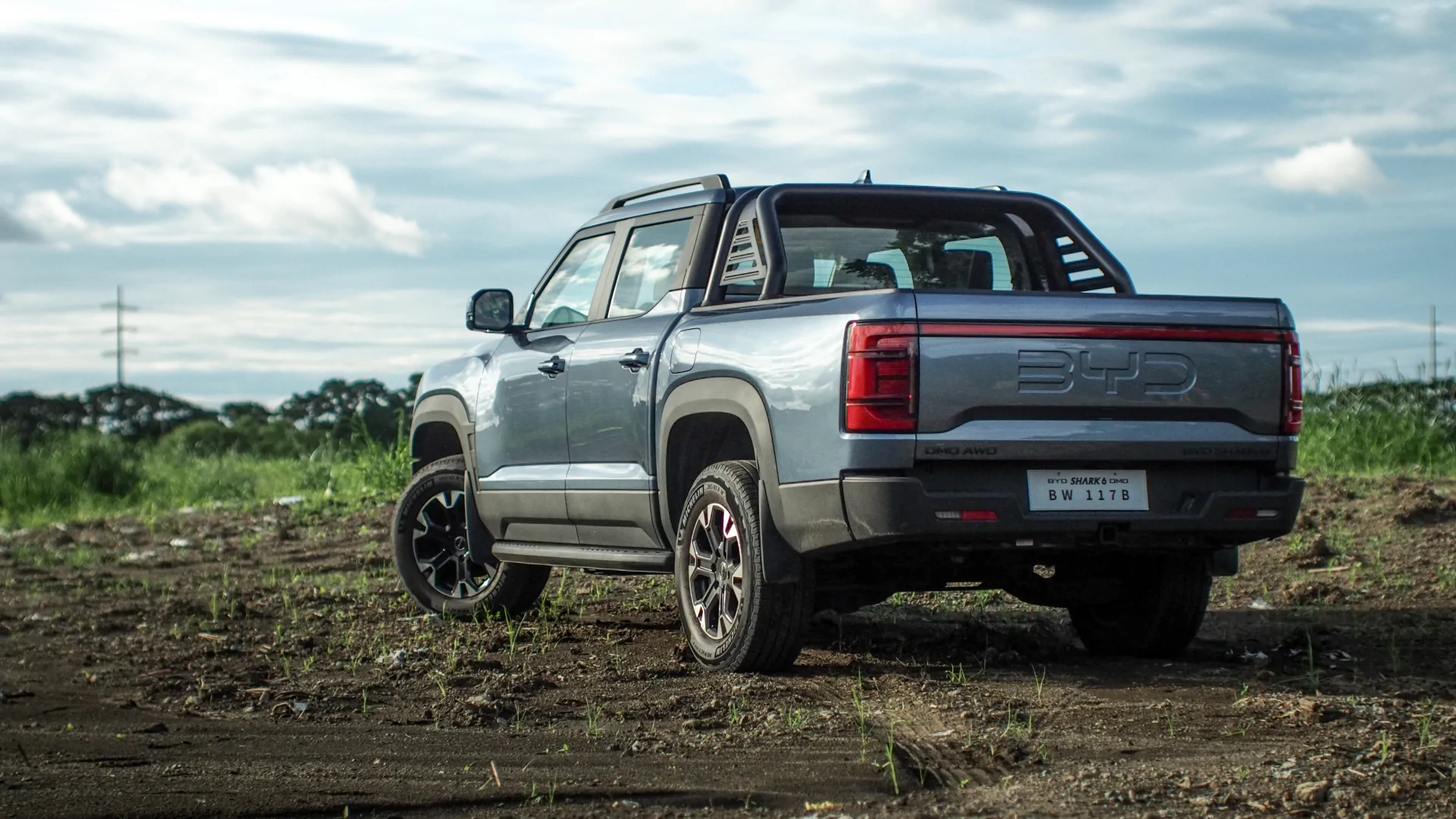
The Shark’s unusual powertrain and suspension make it drive quite unlike most other pickups. There’s a lot of weight suspended between those four tires, and a lot of it up front.
Steering is firm and steady, and the truck handles very competently though not enthusiastically. That is to say, it has tenacious traction and very little body roll, but it feels sort of like piloting a bank vault down a rollercoaster track.
Over city roads and smoother highways, that weight is enough to smooth out most road imperfections, but the sort of small, sharp bumps you find on provincial backroads or side roads set the chassis vibrating very oddly. The truck could use some much softer bushings on the suspension subframes, and maybe more progressive suspension damping.
When you’re city-bound rather than rattling around over the latest unfinished DPWH road project, you’ll find that this Shark is more like a whale. It is a very long truck with a very tall hood, and you very quickly learn to spam the 360-degree camera button when squeezing through tight spaces. And to the Shark, almost all spaces are tight spaces. Thankfully, those cameras include a front camera positioned to give you a good view of what is right under your front bumper. Very useful for off-road use!
Sadly, we did not get to test off-road use or the off-road-specific drive modes. We did try them at launch, and while we are satisfied that the software-driven traction controls are great, the Shark’s fully independent suspension lacks articulation compared to many live axle competitors. Instead, this is a car more suited to the urban jungle than the jungle jungle.
Extra features
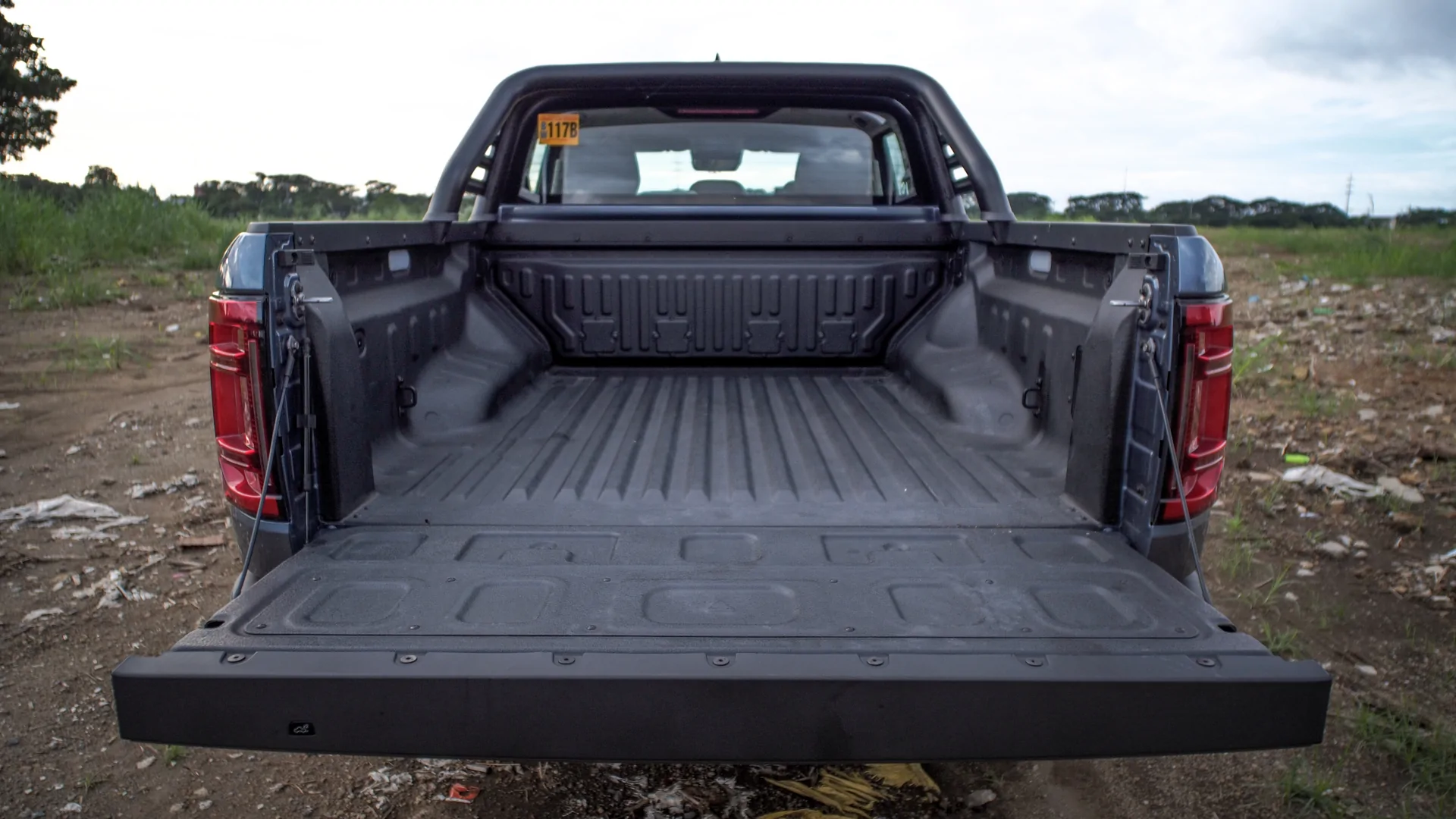
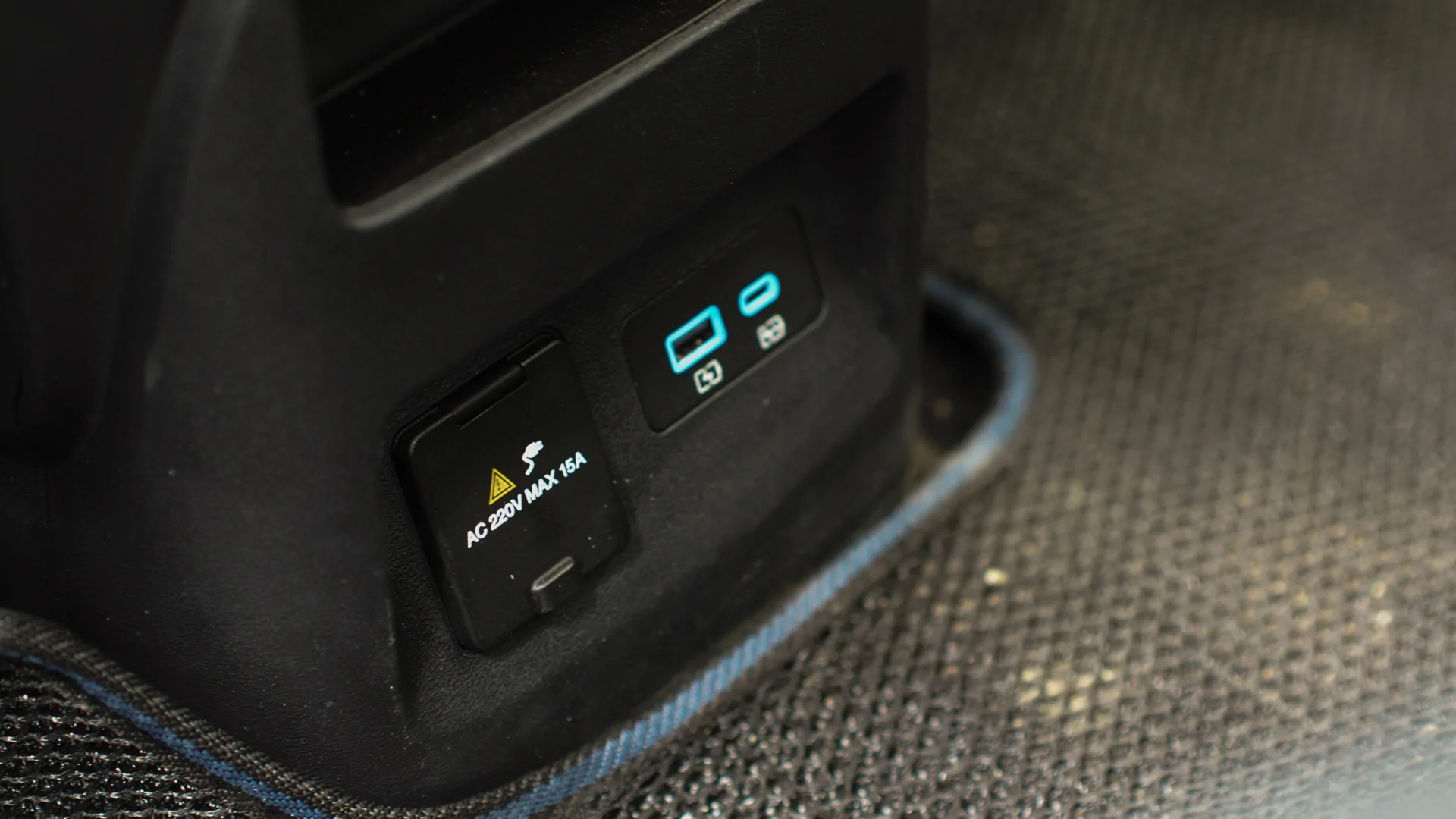
If you do decide to take it mildly off-road, you’ll find that the Shark makes an excellent camping companion. There’s 6.6kW of 220V AC power in the bed, perfect for running an electric stove, a portable aircon, and a big screen TV—all at the same time. Basically, you can run a small household out of there. You get pushbutton control for the rear tailgate to access those sockets, as well. In-cabin, you get more niceties—a giant rotating 12.8-inch touchscreen with wireless Apple CarPlay and Android Auto, USB and wireless tethering, and BYD apps—much as in the brand’s other cars. Sound is clear and loud, but not as well balanced as in BYD’s crossovers. This car could use a subwoofer, though heaven knows where you can put one. With the bulky power seats and carved out interior, there’s little to no unutilized space in here.
And there’s very little you’ll give up, either, when going for the ‘base’ model truck, which has all the same options as the Premium, minus the PM2.5 cabin filter, lumbar support and seat ventilation, the fancy sports bar seen here and the powered trailer hitch. Not things that you can’t live without, but if you do a lot of towing, you will want the trailer power coupling.
Verdict
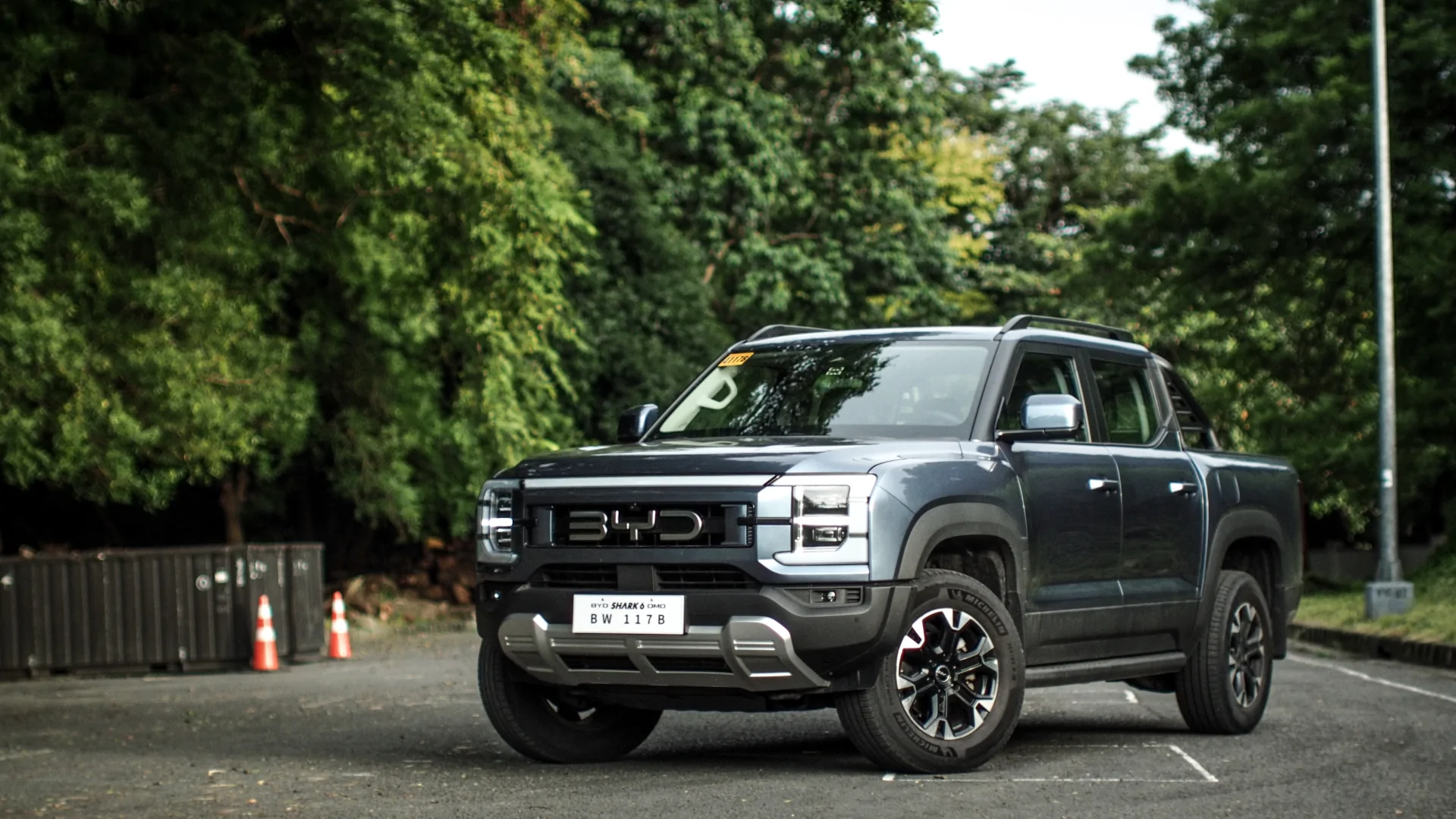
So that’s the Shark. A great vehicle, and a relative performance bargain. But is it the perfect pickup truck?
Not quite.
Yes, it is currently the fastest pickup you can buy for this much money, pipping the V6 Ranger Raptor by quite a bit. No other midsize pickup is even close. But along with that power comes a boatload of weight, which limits both agility and payload versus lesser endowed competitors.
Yes, it has a great modern cabin and more amenities than the competition. And yes, it can wade in up to 700mm of water, like most diesel competitors (and there’s no danger of oncoming bow waves hydrolocking those electric motors, either). But for all its capability, the Shark is no utility workhorse. This is an urban truck. While BYD may ape Ford’s swagger, the Shark isn’t an electric Raptor. Instead, this is the anti-Raptor, possessing a swagger all its own.
SPECS: BYD Shark 6 DMO 2026
Price: P2,298,000
Powertrain: 1.5-liter turbocharged generator + two electric motors
Power: 430hp
Torque: 650Nm
Layout: All-wheel drive
Seating: Five
Score: 8.5/10
More photos of the BYD Shark 6 DMO 2026