Is the BYD Sealion 5 better than the Seal 5?
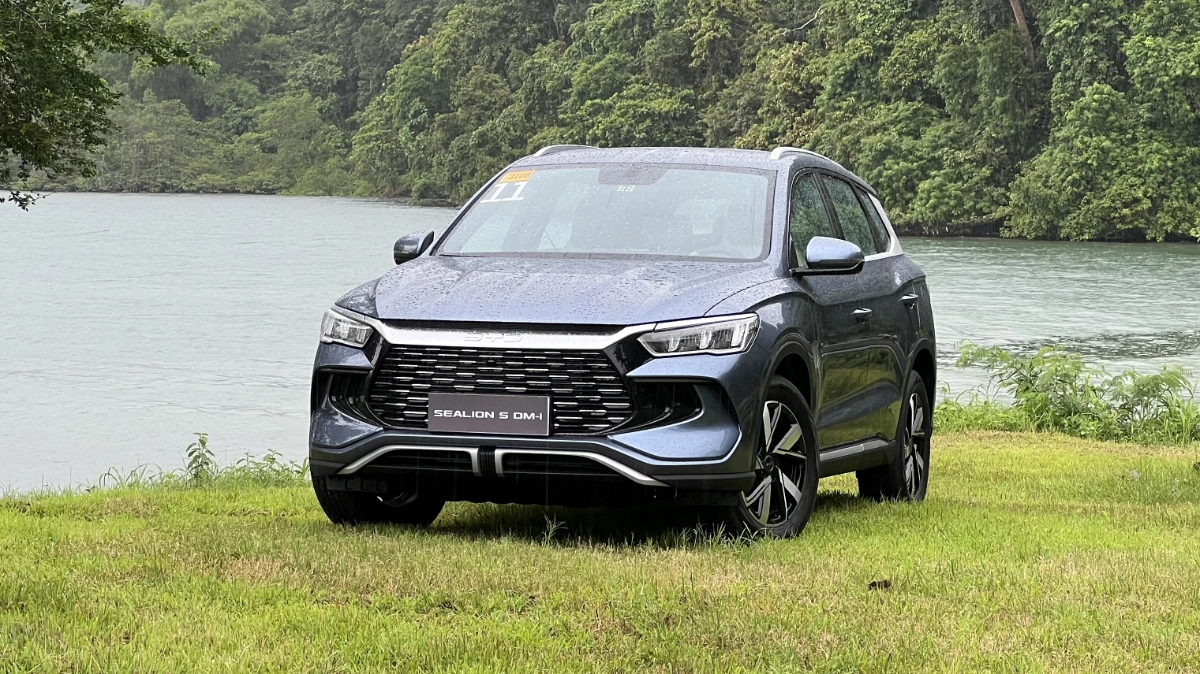
This was easily the most asked question during our Q&A on Facebook and Instagram. A definite answer really comes down to personal preferences and needs. While these share similar performance numbers, they are two very different cars. After all, one is a crossover and the other is a sedan.
Much of the debate involves price. The Sealion 5 DM-i is still offered with its introductory cash price of P1.198 million, matching the Seal 5 DM-i Premium. Those who opt for the Sealion 5 will be trading the Seal 5’s full ADAS suite and a few more kilometers of range for more cargo space and that SUV-like stature. When we took the Sealion 5 DM-i to Subic, I found myself missing things like adaptive cruise control and lane-keep assist. The Seal 5 truly spoiled car buyers by offering comprehensive ADAS suites at accessible prices.
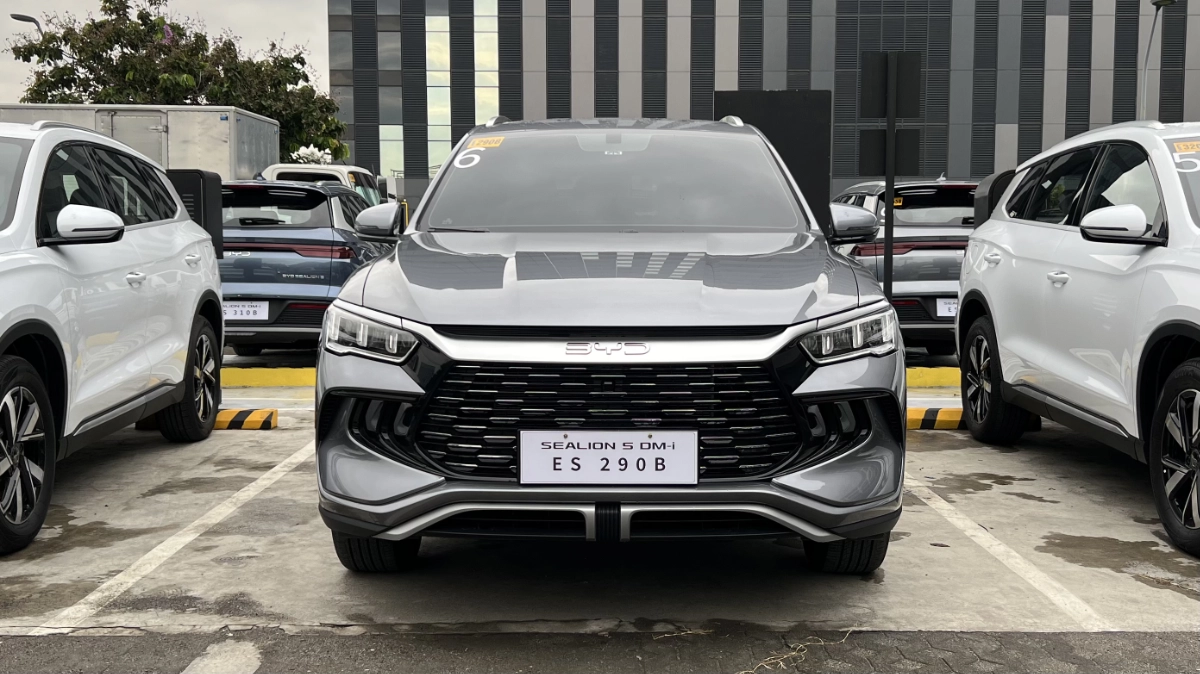
However, the Sealion 5 did offer a much more comfortable ride than the Seal 5 and its (slightly) bigger Sealion 6 sibling. As you may have heard, these three PHEVs can be wallowy on the highway and bouncy over rougher roads, and the Sealion 5 doesn’t escape this infamy. However, it absorbed potholes and other smaller road imperfections surprisingly well and had the least amount of bounce as compared to its siblings, probably thanks to its relatively lighter weight.
Is the BYD Sealion 5 better than the Sealion 6?
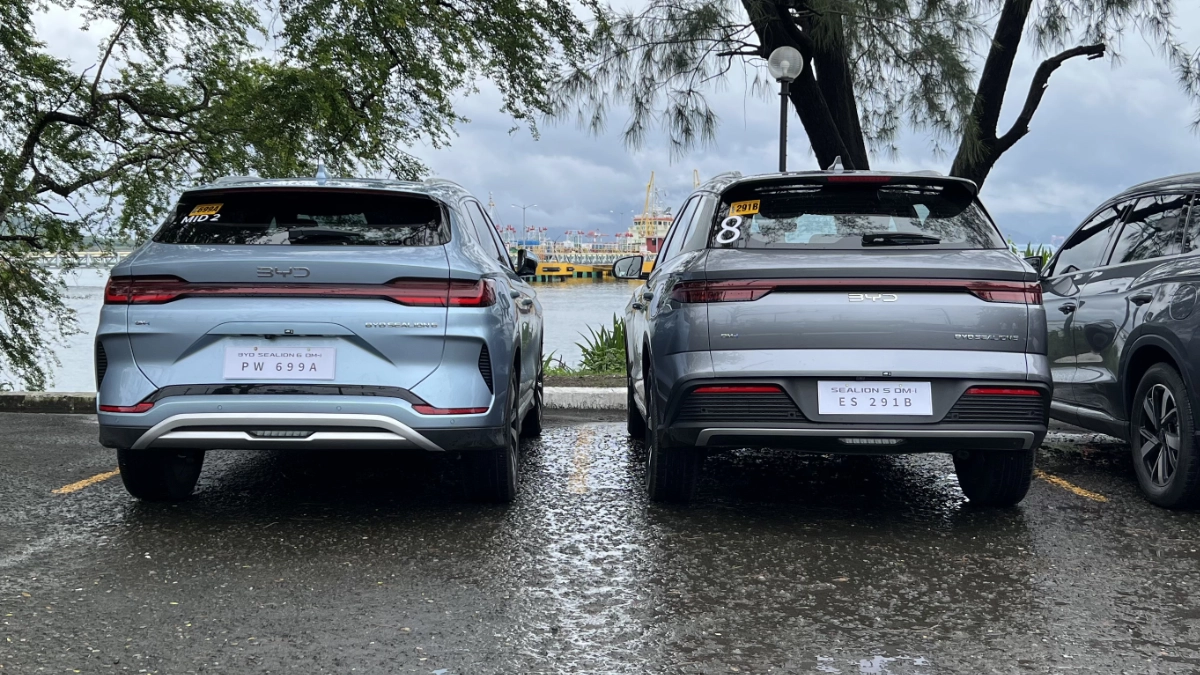
This was the second most asked question in our DMs, and things get a little trickier here. Getting the Sealion 6 DM-i will cost buyers P350,000 more than the Sealion 5, but that does get them BYD’s full DiPilot ADAS suite and almost 100km more in driving range. Because these PHEVs are priced so competitively, it demands that buyers watch every peso and see where that goes.
In terms of size, the Sealion 5 and 6 are more or less the same (that was actually the third most asked question, but I’ll answer it here). The Sealion 5 is slightly shorter, but legroom and cargo space feel about the same. It is about 40mm taller, and that extra headroom is appreciated, but average-sized drivers and passengers like me wouldn’t really notice.
With how practical BYD’s PHEVs are for city driving, I’d personally prioritize the ADAS features over cargo-carrying capacity. Now, choosing between the Sealion 6 and the Seal 5 is a whole other debate. Something we can discuss in a future podcast episode, perhaps?
OTHER STORIES YOU MIGHT HAVE MISSED:
DOTr: License plates, OR/CR of new cars will now be released within 72 hours of purchase
LRT-1, LRT-2, MRT-3 rides will be free for the rest of the day
How is the Sealion 5 DM-i’s performance?
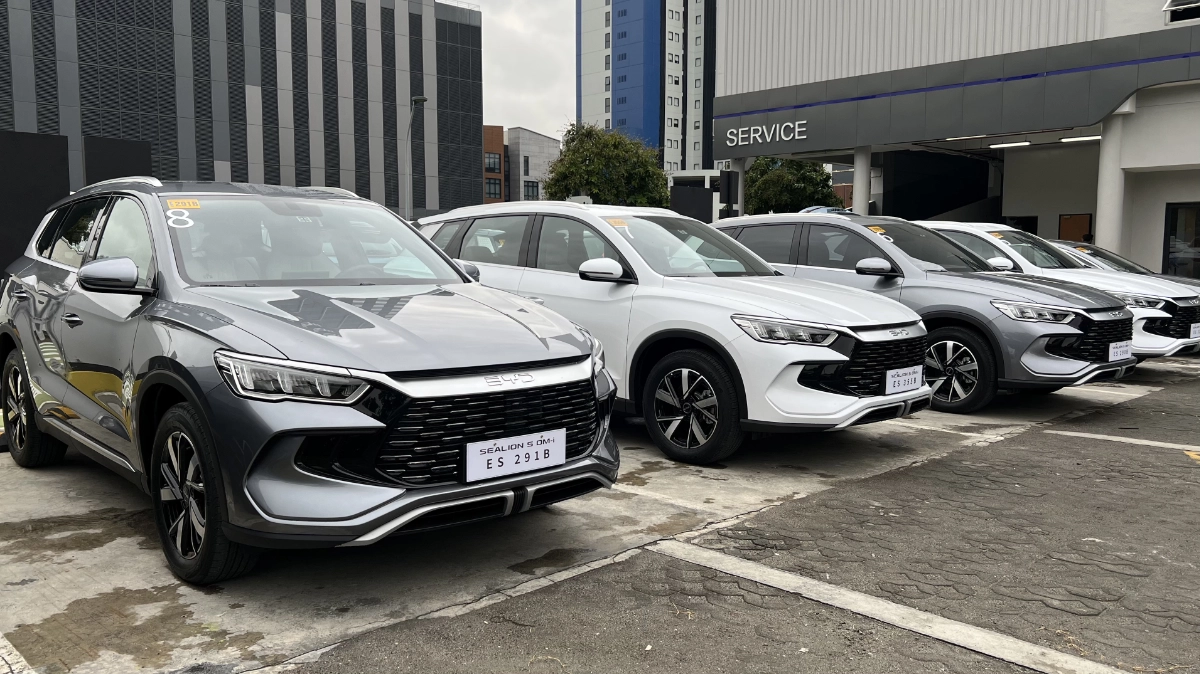
Over a day’s drive from Manila to Subic, we drove the Sealion 5 for 193.8km over light city traffic and almost-open expressways. When we reached our destination, Ocean Adventure (to see an actual sealion, because, you know, sealion), we clocked in an impressive 25.1km/L. We achieved that number through switching between the EV and HEV modes, and that felt mostly seamless. The car felt heavier and sluggish when the battery dipped below 20%, but as it started recharging, it gradually came back to life.
It should be noted that even when our battery was mostly depleted, range anxiety was kept in line. The instrument cluster still showed a confident reading of 550km in range, and at least that sluggishness indicated that charging was kicked up a few notches.
Is the Sealion 5 a comfortable drive? How does it handle?
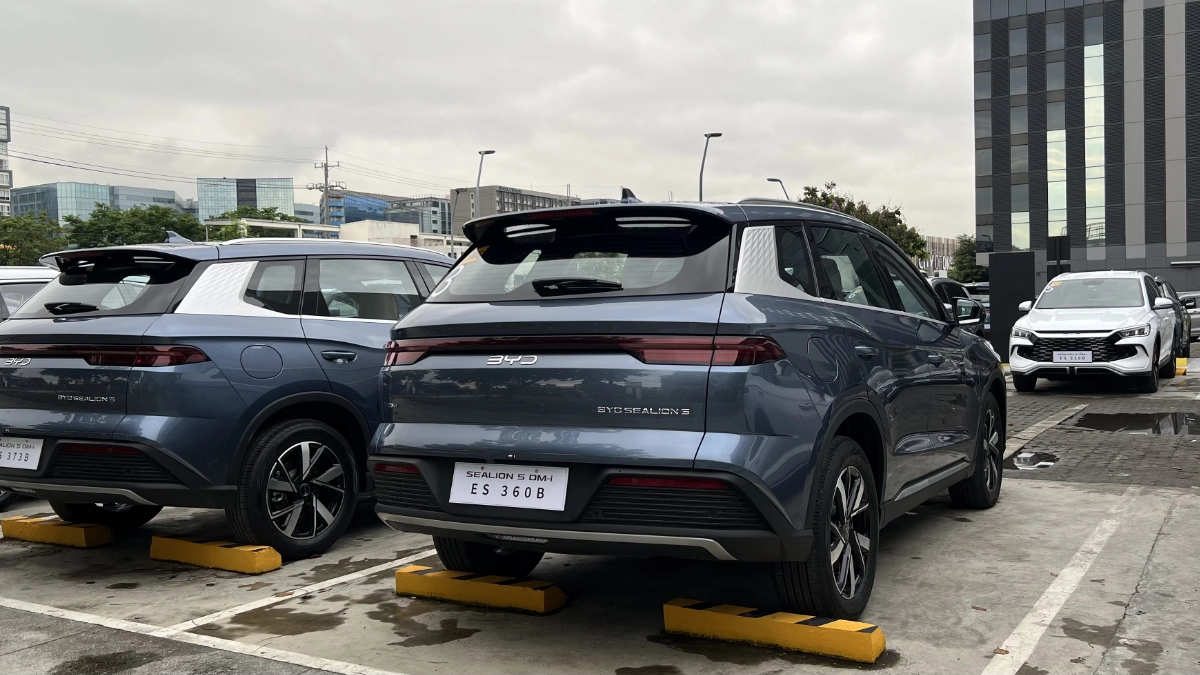
Steering is on the lighter side, even with regenerative braking set to high, but the accelerator felt appropriately responsive. With that regen setting, the brakes naturally had more resistance, but it didn’t take long to get used to. Keeping it on ‘standard’ is probably the way to go for optimal drive comfort.
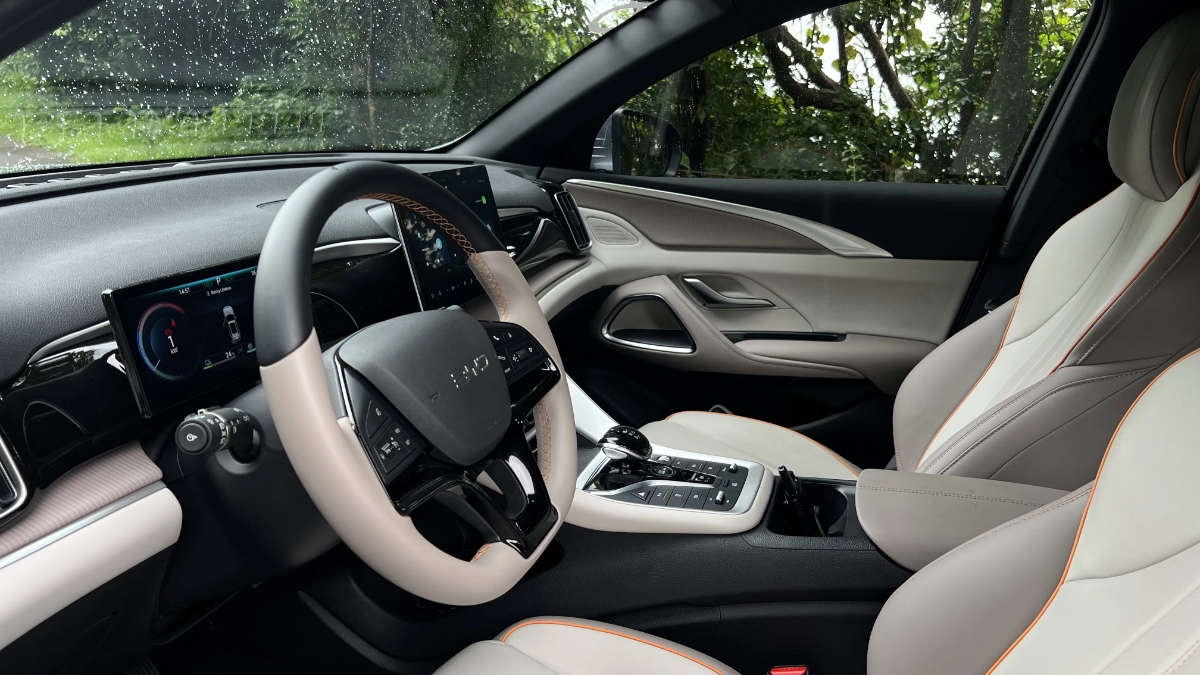
It does take a couple of taps and a few screens to adjust these settings, which can be a hassle if you’re keen on switching drive modes to maximize the estimated 71km of electric range. Interestingly, the Sealion 5 has the smallest infotainment screen out of its two siblings—10.1-inch as compared to 12.8-inch on the Seal 5 and 15.6-inch on the Sealion 6. When driving, I found myself appreciating the smaller screen as it doesn’t completely dominate the dashboard. The smaller screen made it more manageable to navigate Apple CarPlay and other functions.
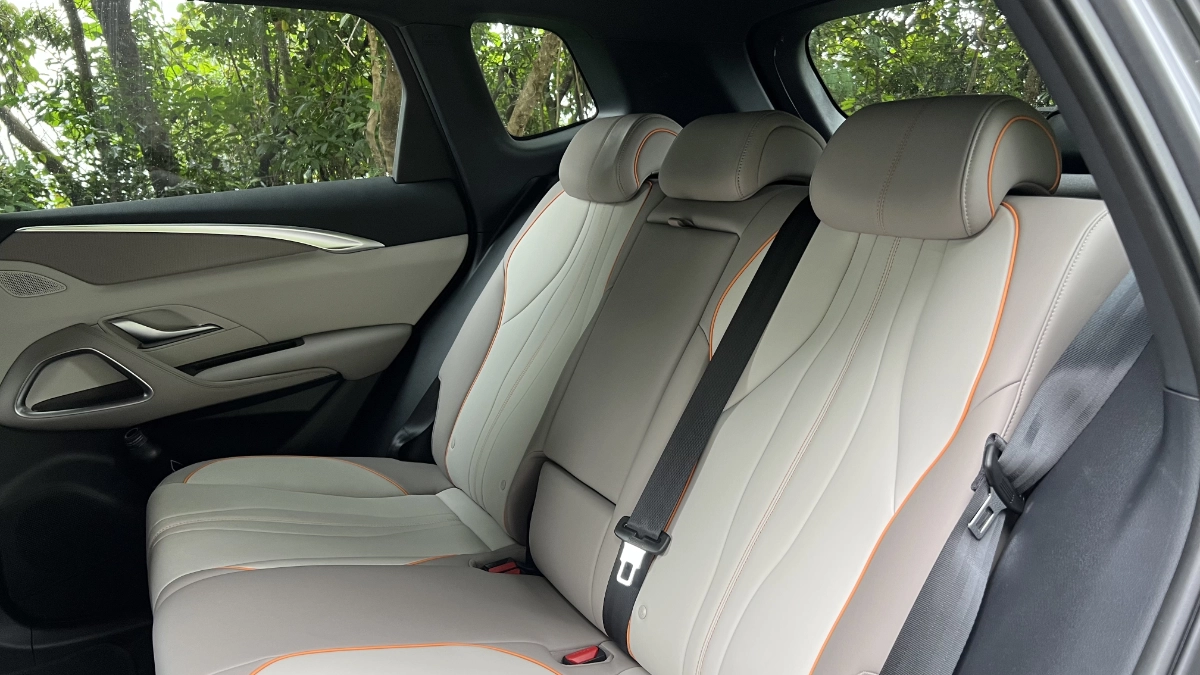
The seats up front are thankfully longer than average, which means more thigh support. Although they do feel a bit too flat, they can feel a bit stiff after some time. The second row is more comfortable with lots of legroom and USB charging ports.
So, is it or is it not better than the Seal 5 and Sealion 6?
As I mentioned earlier, I’d personally prioritize ADAS features and an easier driving experience over cargo space and legroom. That would steer me closer towards the Seal 5 DM-i Premium if I had to choose between these three PHEVs.
The Sealion 6 at under P1.6 million is still a bargain, but the significantly smaller tag on the Sealion 5 will consistently turn heads—even when its actual P1.248 million SRP takes effect. I still believe that it will really come down to what each car buyer needs or desires in their daily driver. Thankfully, all three of these options will get you great fuel economy and a comfortable cabin to drive in.