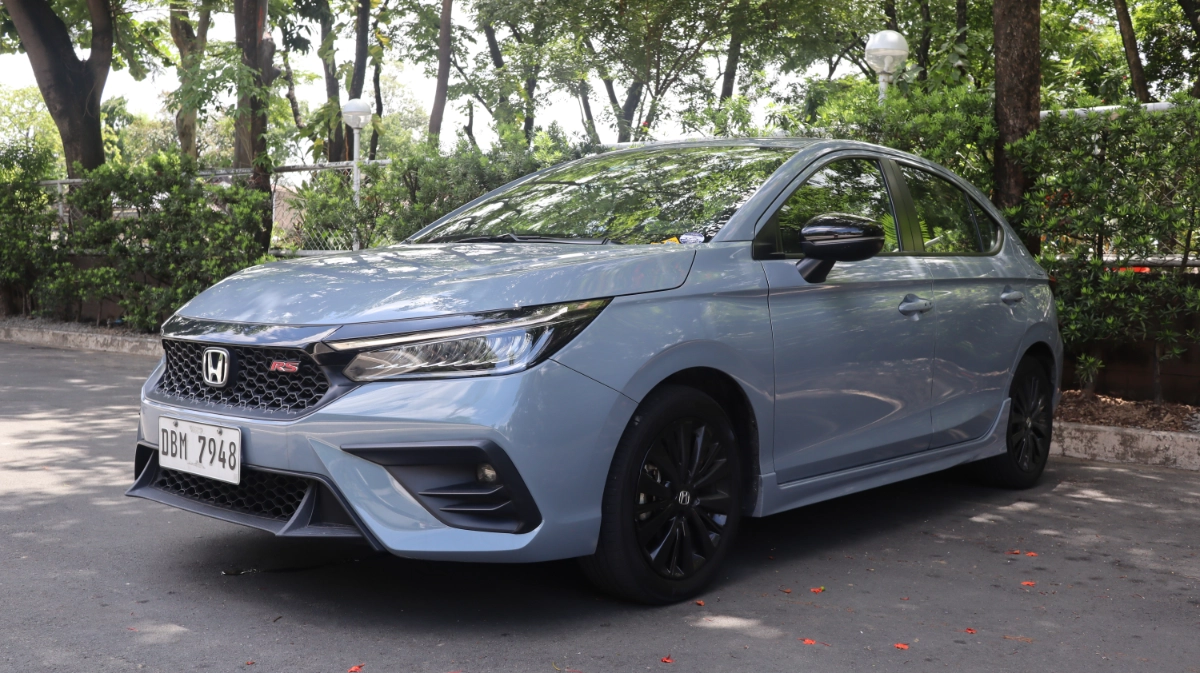

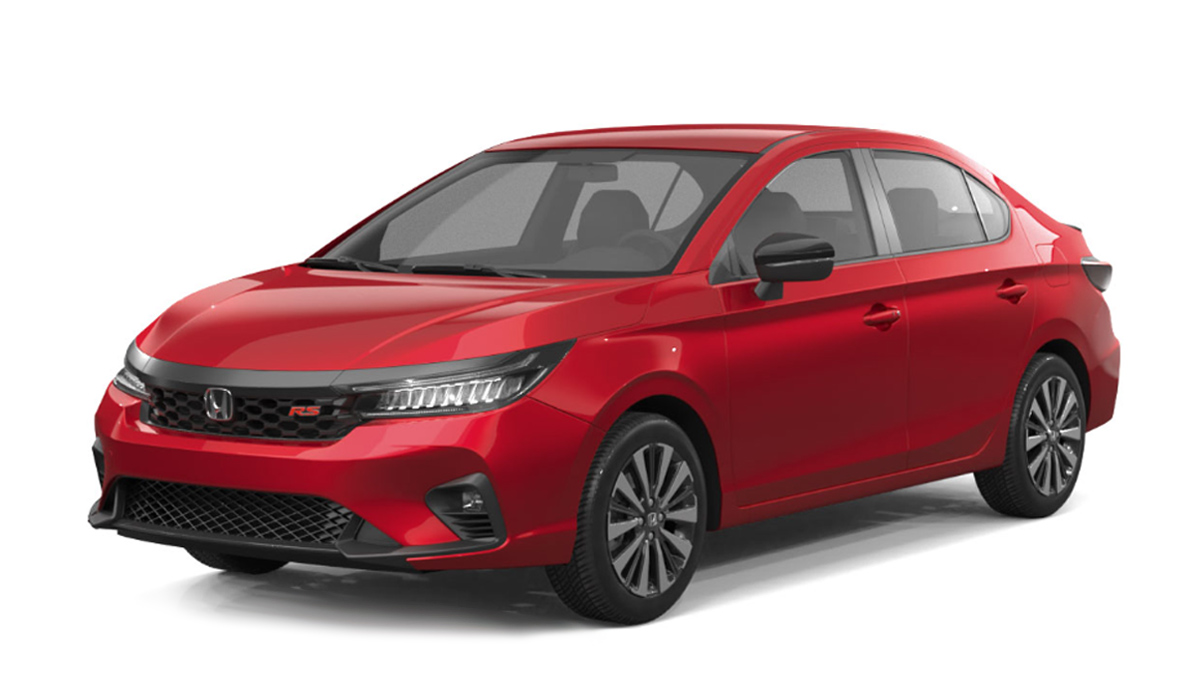
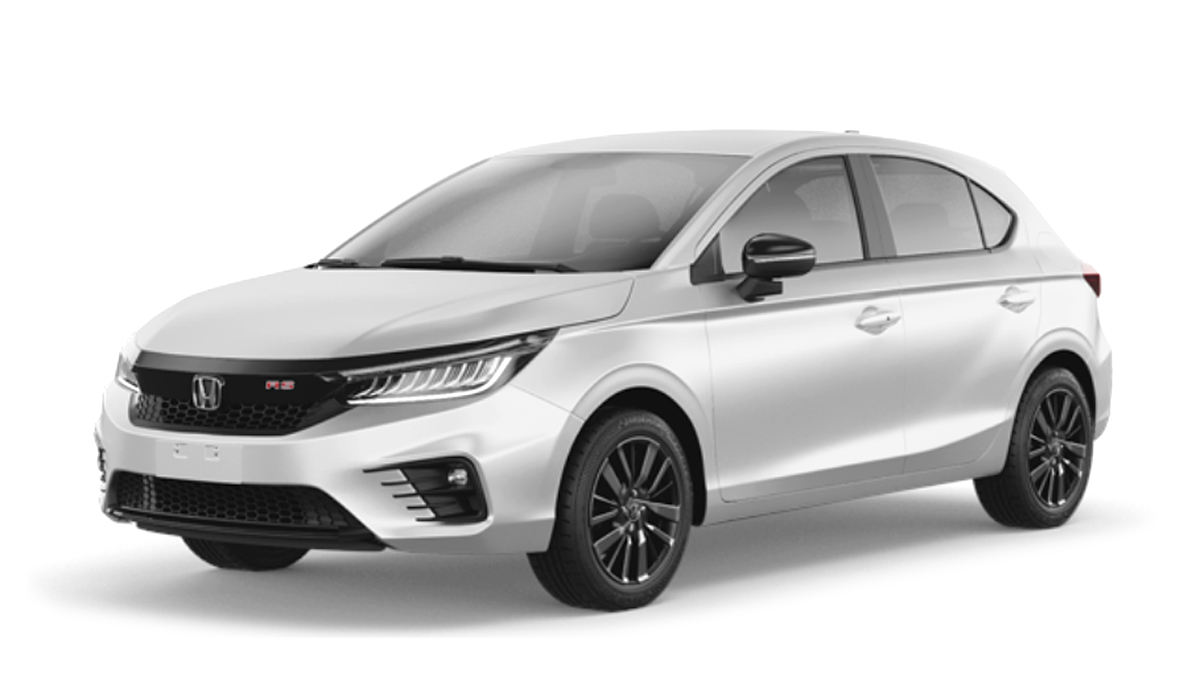
The departure of the Jazz in 2021 left a hatchback-shaped hole in the heart of Honda fans and car enthusiasts alike. That same year, Honda Cars Philippines released the City Hatchback as its spiritual successor, and it immediately had big, sentimental shoes to fill.
Today, the facelifted City Hatch is about a year and a half old, and it continues to build on the City nameplate while supplying the criminally slim hatchback segment. It exists in an odd space within our local automotive industry, and that makes it difficult to identify its competitiveness as the City Hatch doesn’t directly compete with the rivals of its sedan counterpart. Perhaps its only real competition are the Mazda 2 and the Suzuki Swift—both of which come from a previous decade.
Despite its niche positioning, a fair number of City Hatches can be seen throughout Metro Manila. There is now a market for Honda hatches, and we have the Jazz to thank for that. Can the City Hatch dutifully serve the market that its brand created? Here are our thoughts.
Styling
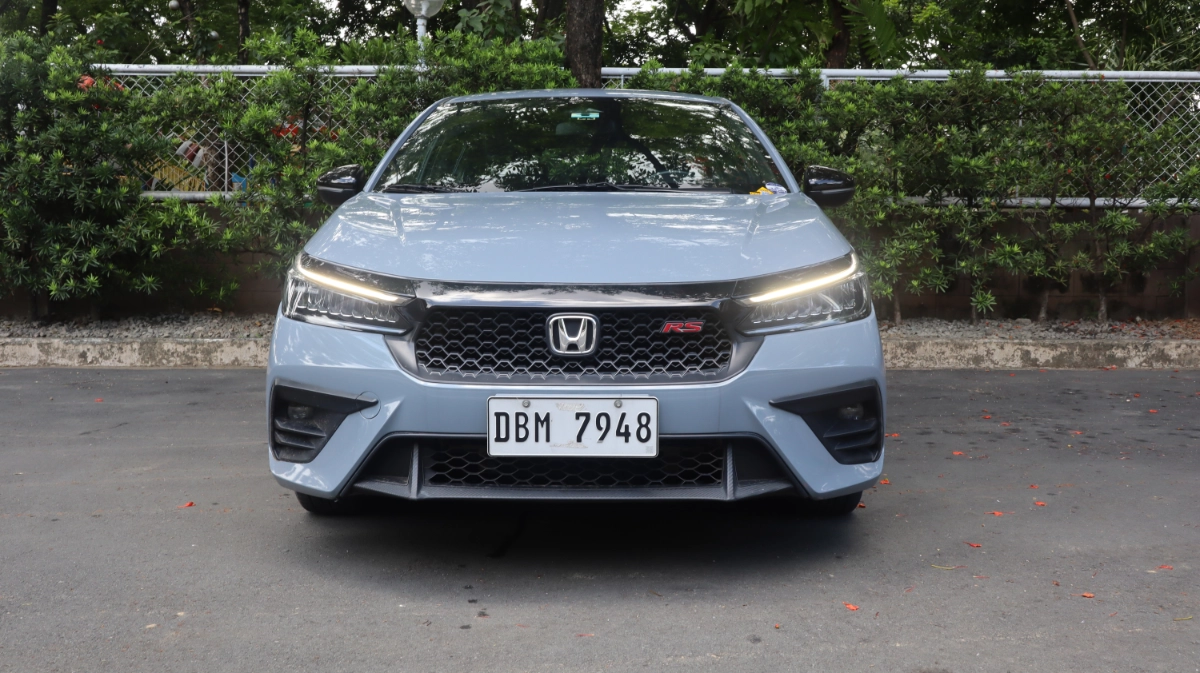
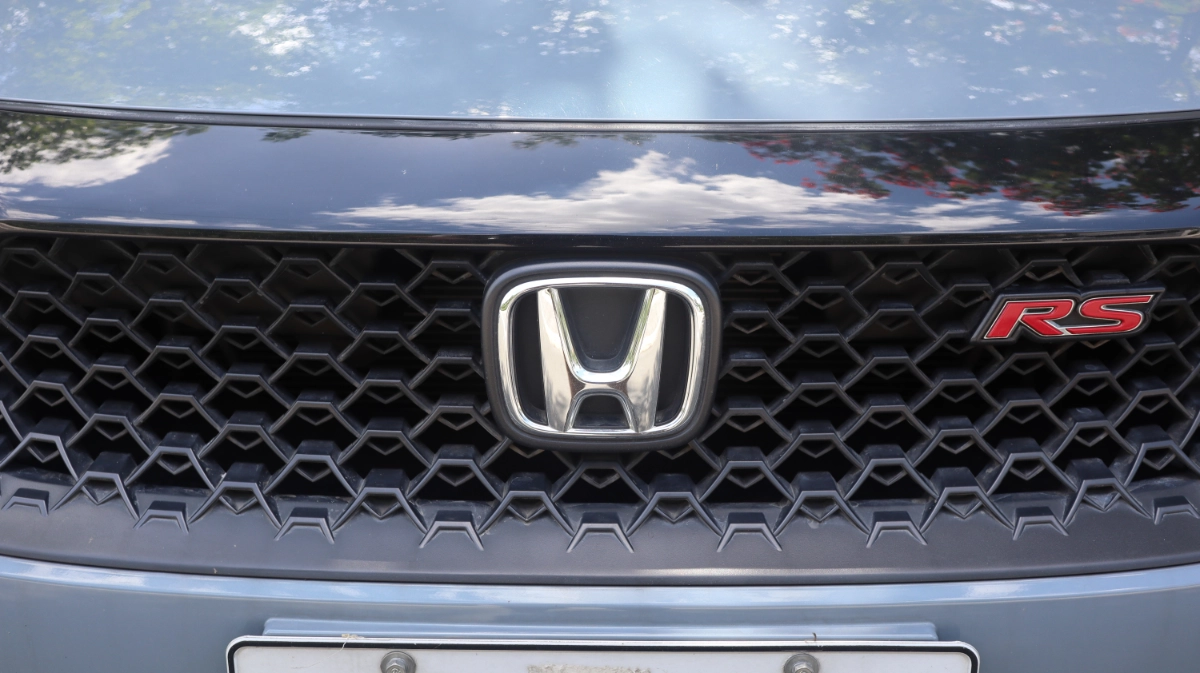
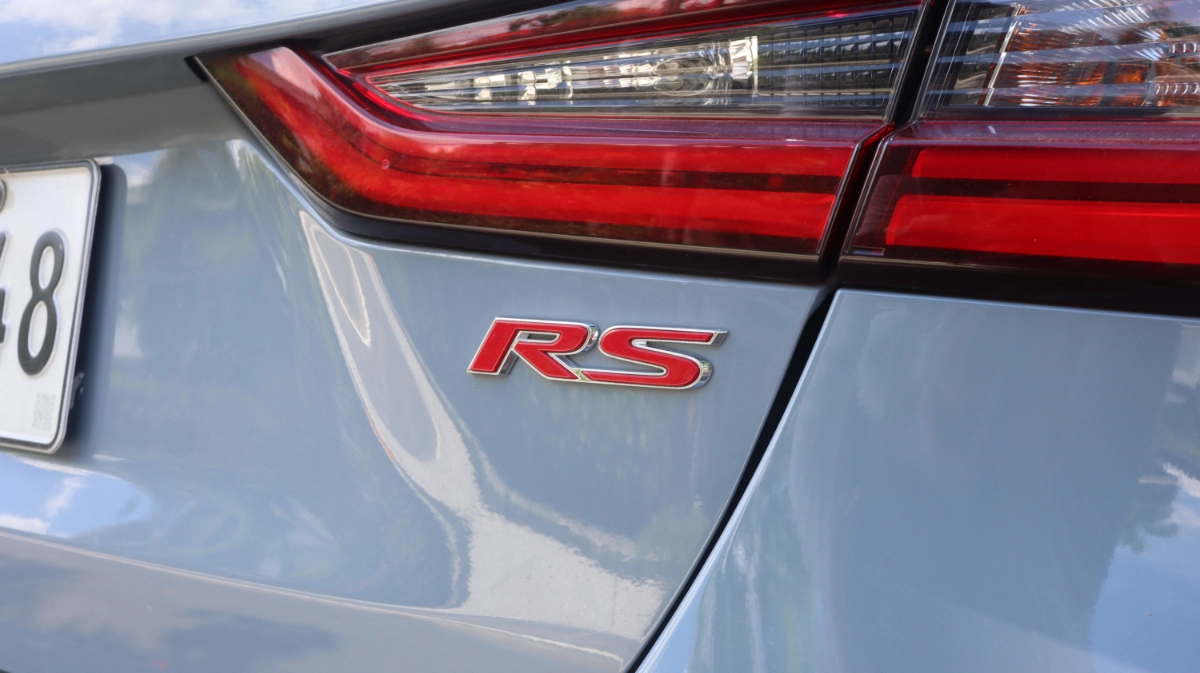
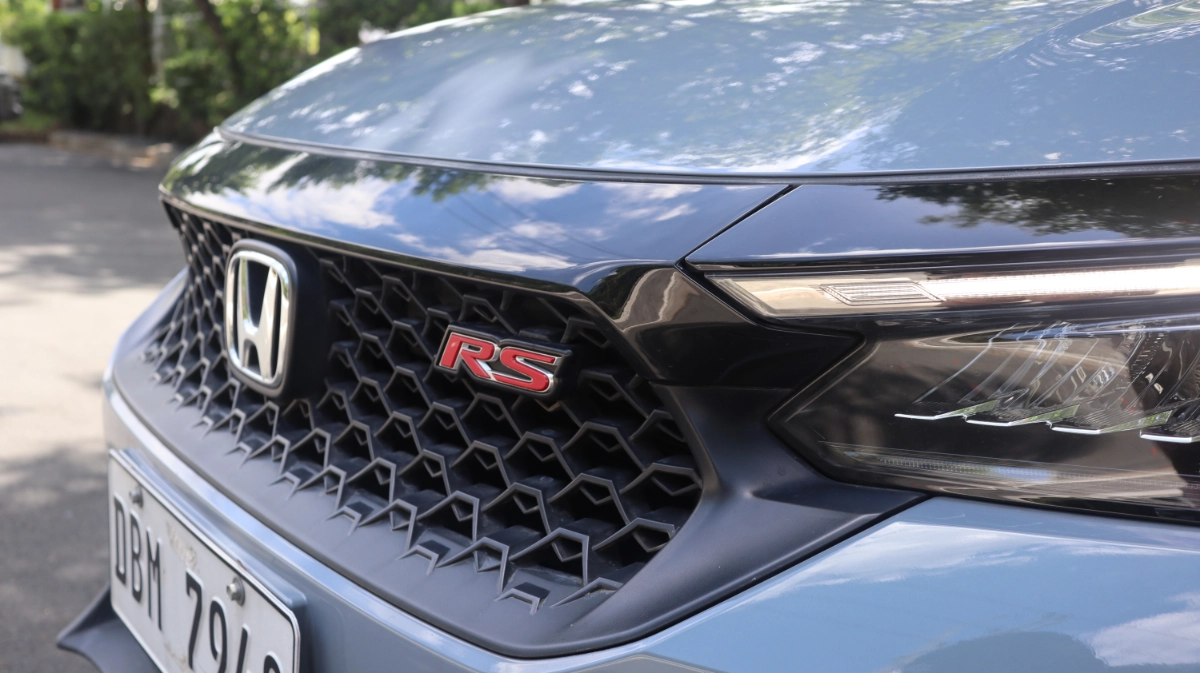
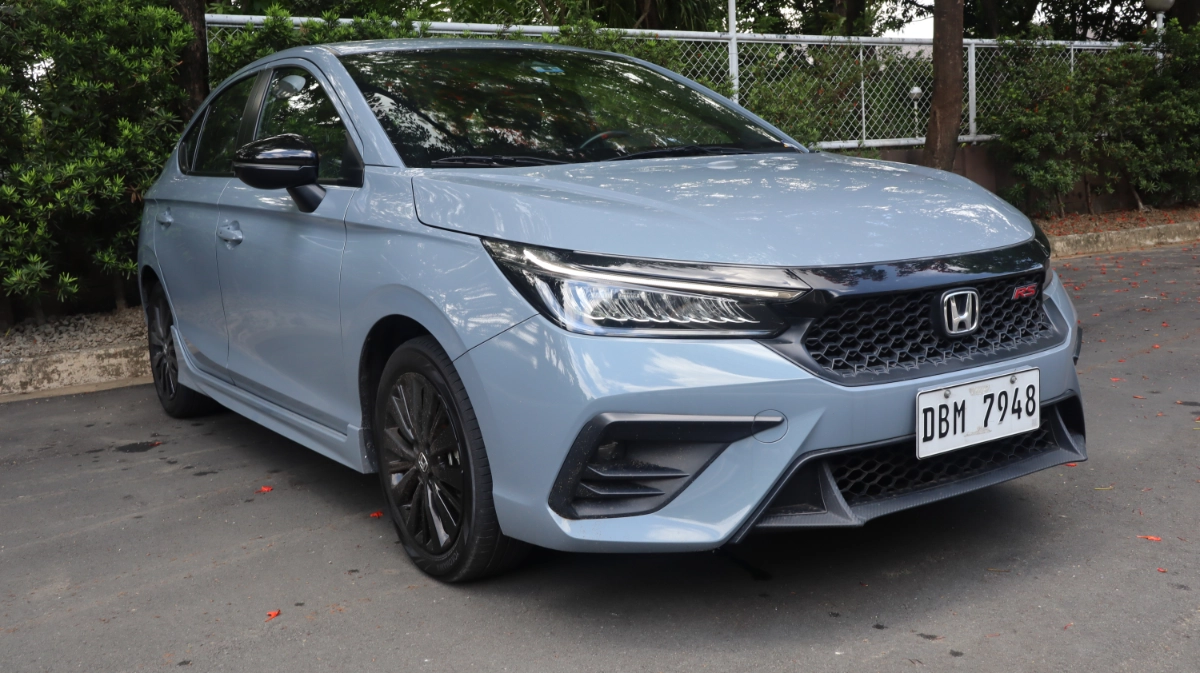
The lone City Hatch variant is stamped with an RS badge, which means sporty looks and a more menacing profile are expected of it. From its front and side profiles, the City Hatch gives off these impressions almost perfectly—almost.
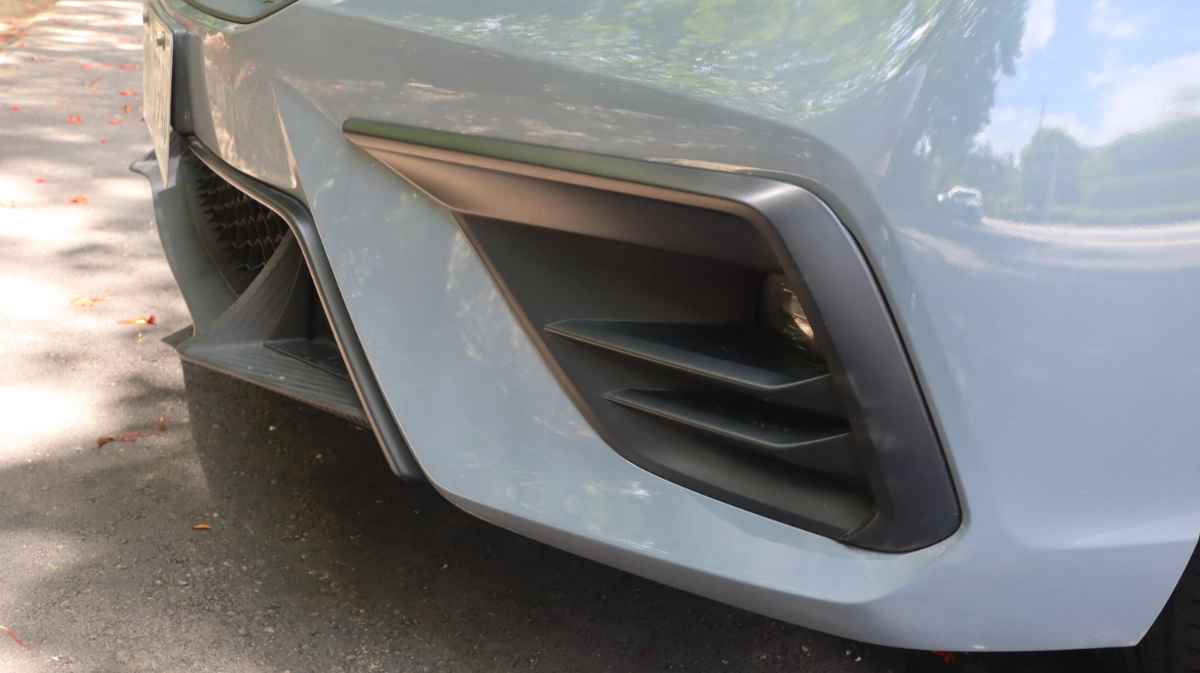
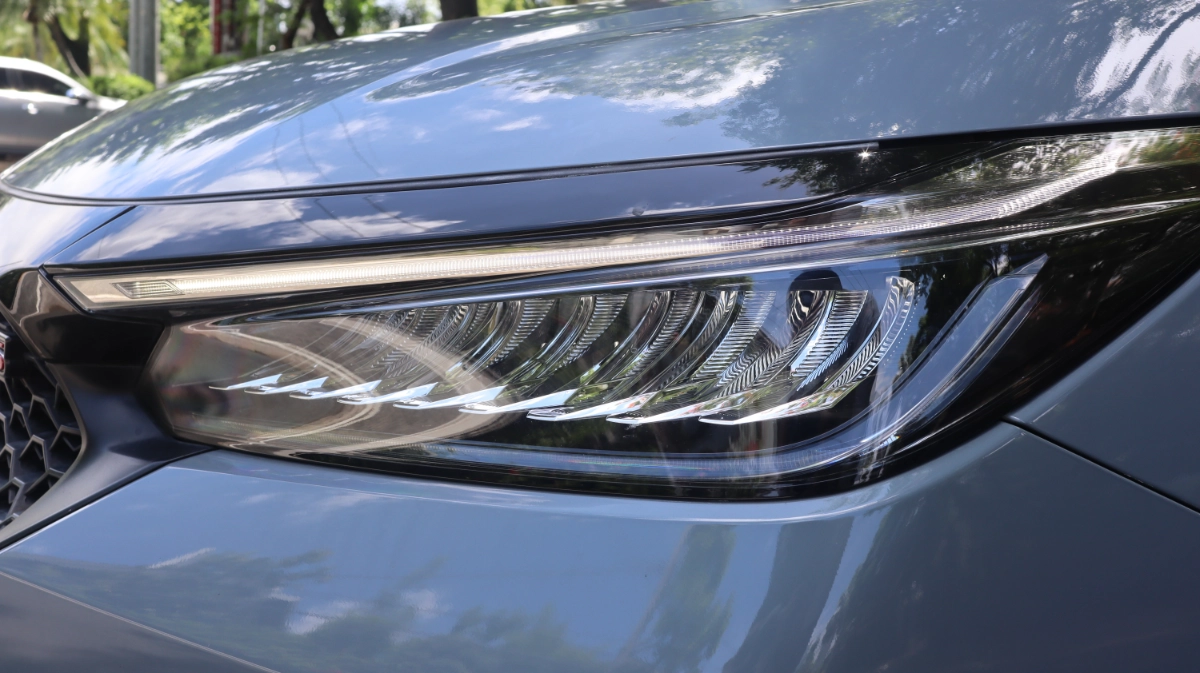
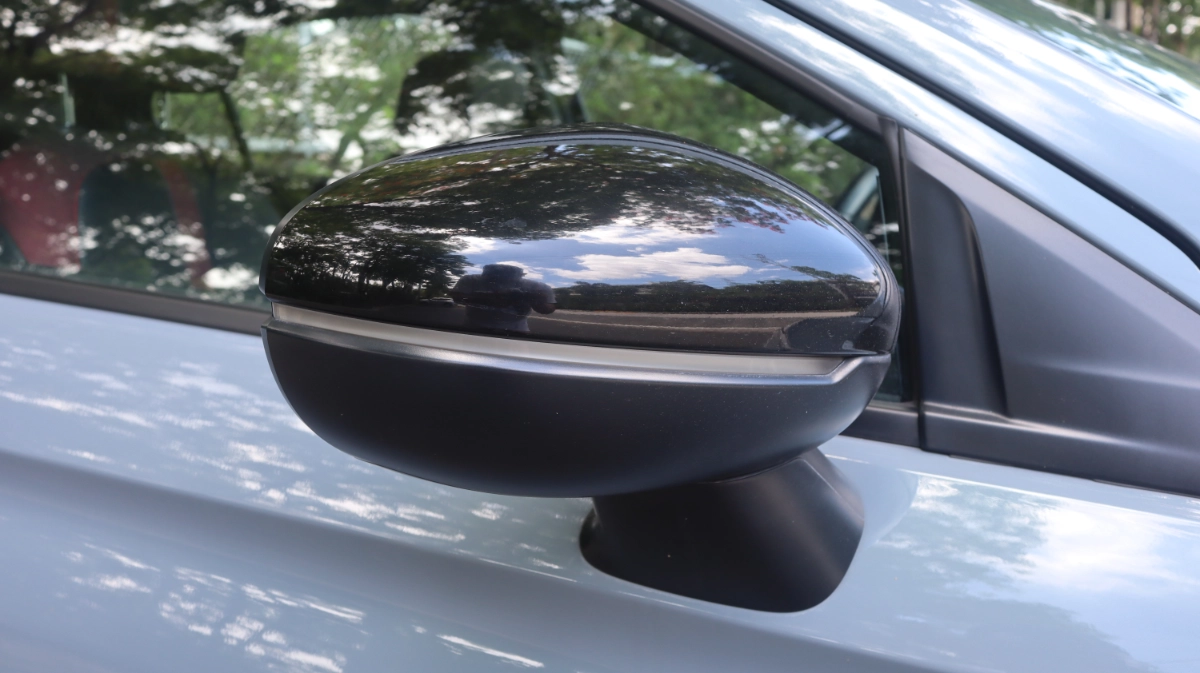
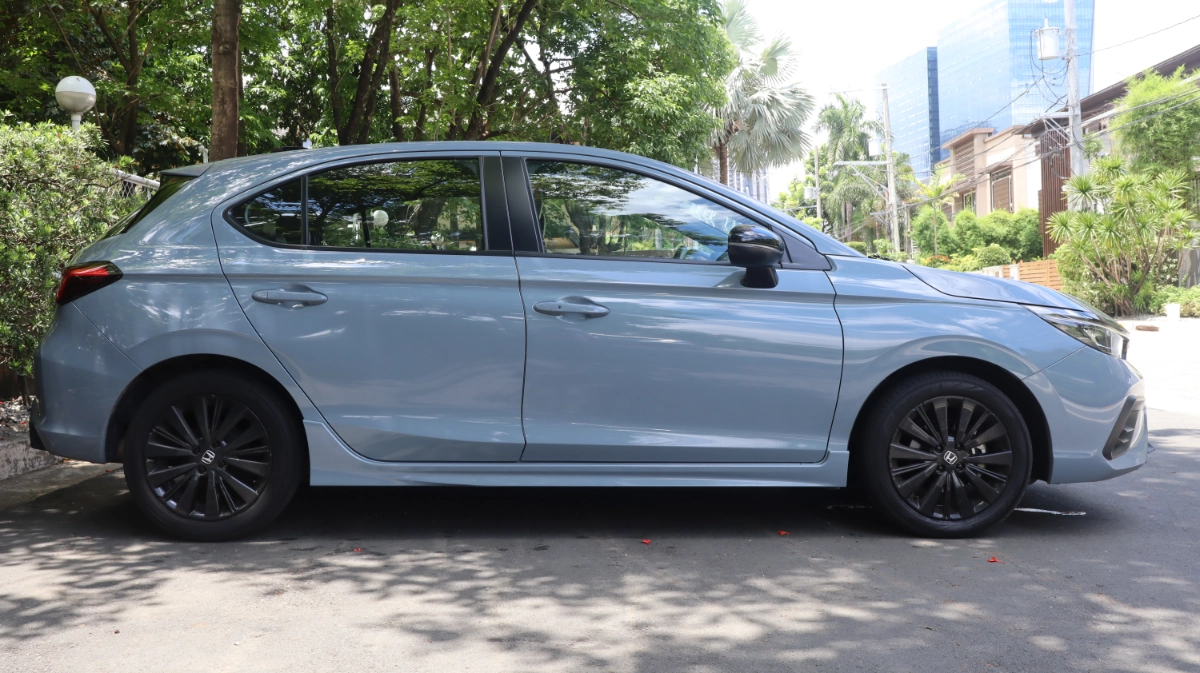
Along the sides, there is one long, expressive curve that stretches from the taillight and drills right into the DRLs and headlights. I can’t say for sure that these curves help with aerodynamics, but it sure looks elegantly aggressive. Connecting those lines up front, the fascia sports a blacked-out honeycomb grille that is complemented by the matte black foglights on the corners. From those foglights, the bumper curves inward, which shortens the overhang to reinforce that sporty, in-your-face impression.
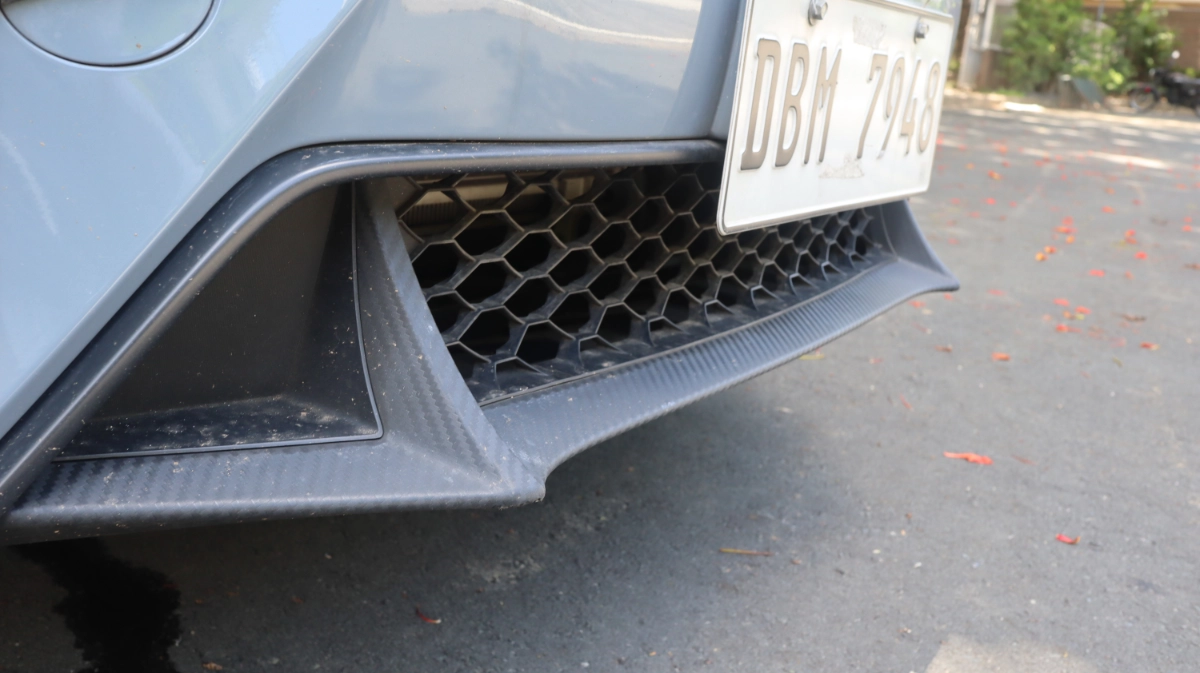
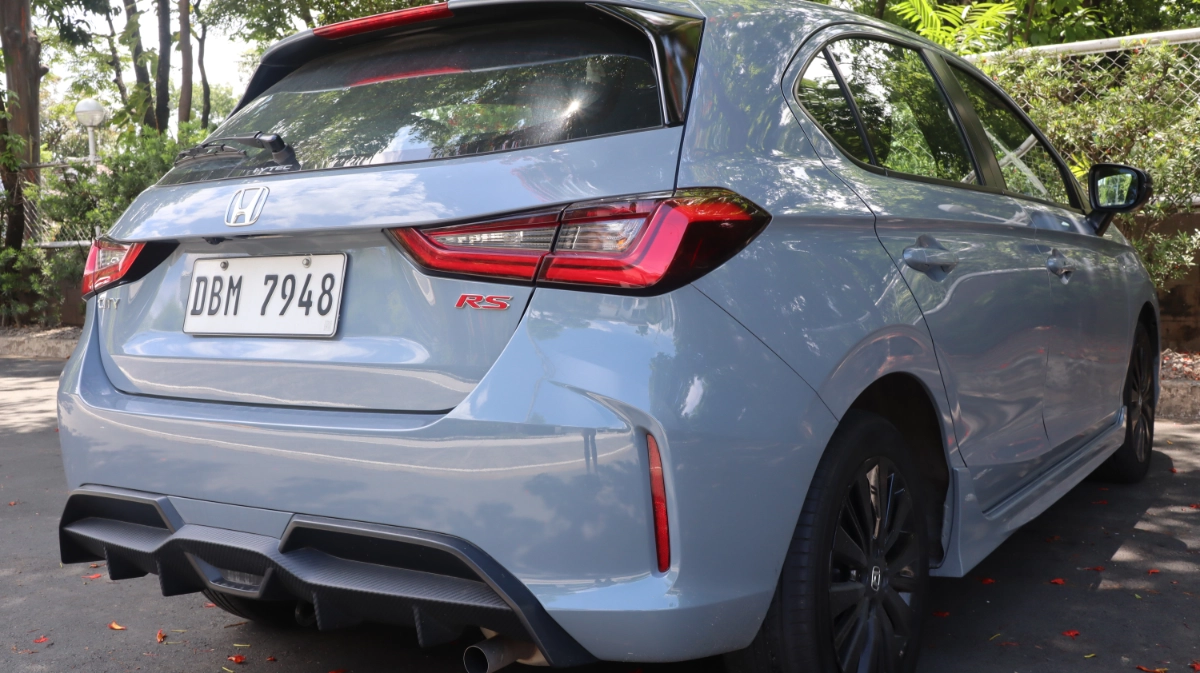
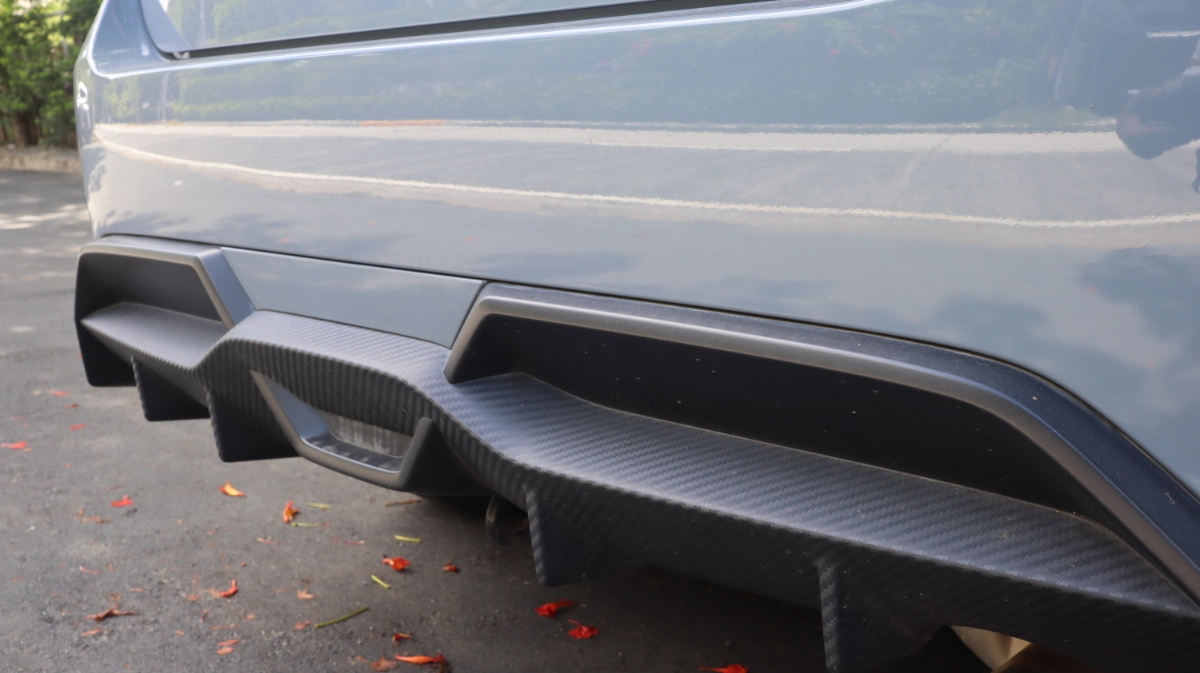
Completing the bumper is a faux carbon fiber piece that slides between those foglamps. Upon closer inspection, the use of a carbon fiber-like material doesn’t mesh well with the matte black plastic that is already on the metal—it really feels like an unnecessary choice. Overall, it looks just okay, even after a year and a half after production. Although I imagine it might not age well a few more years down the line.
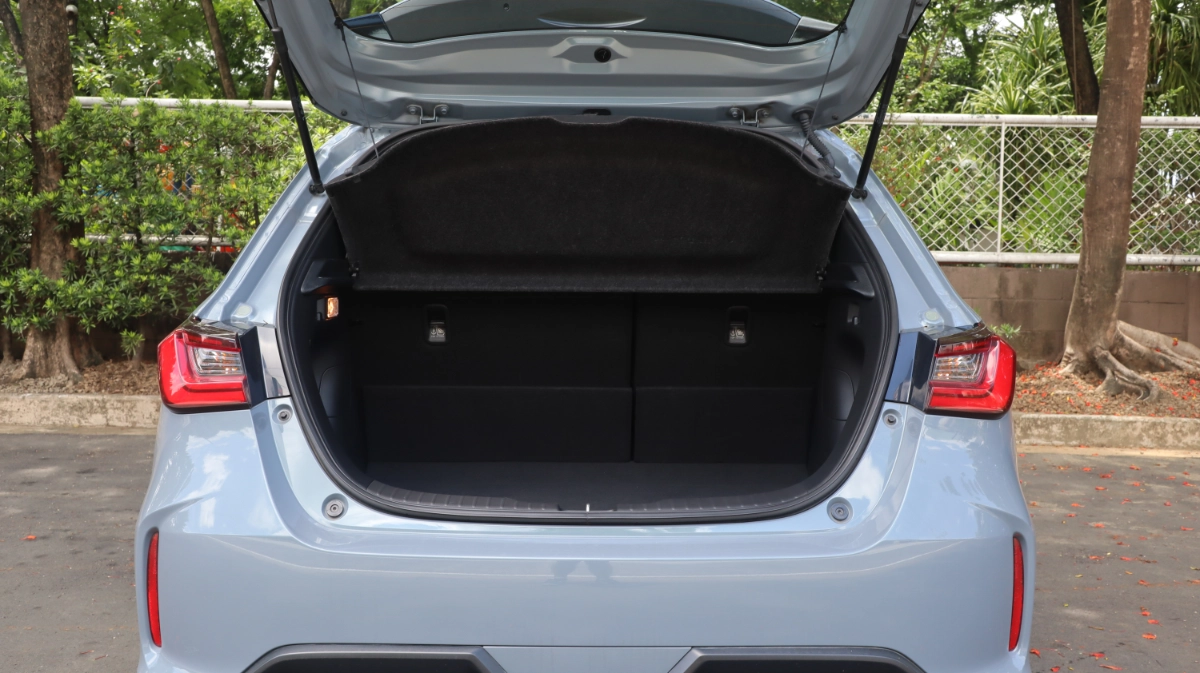
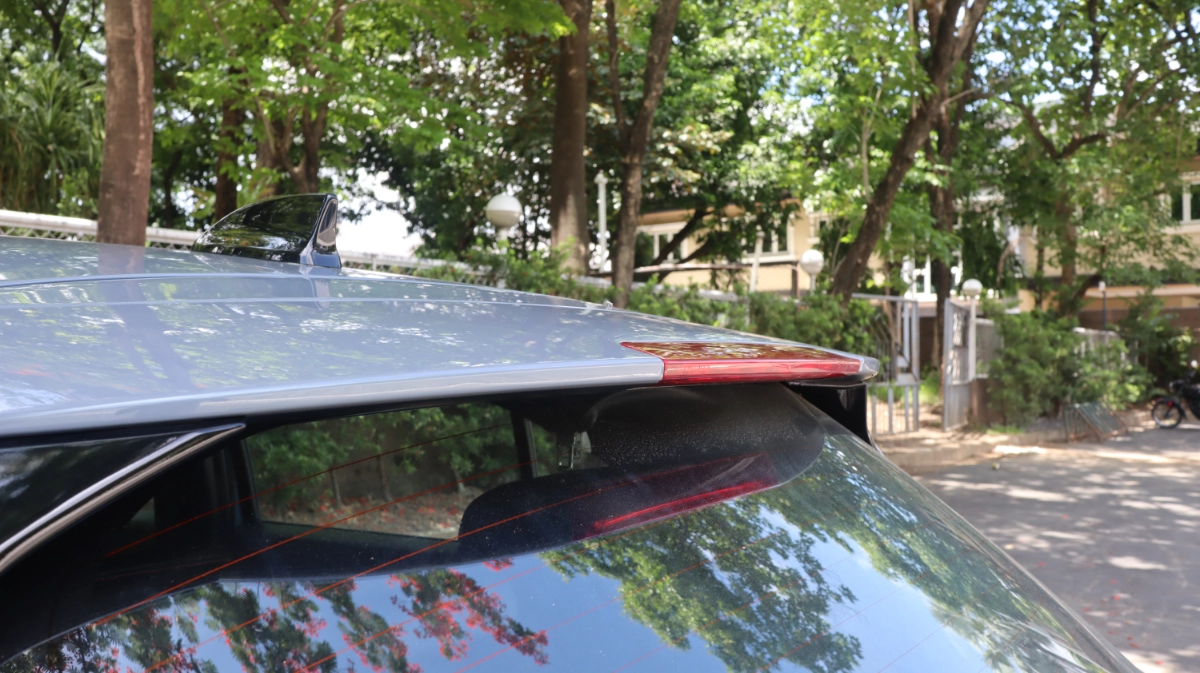
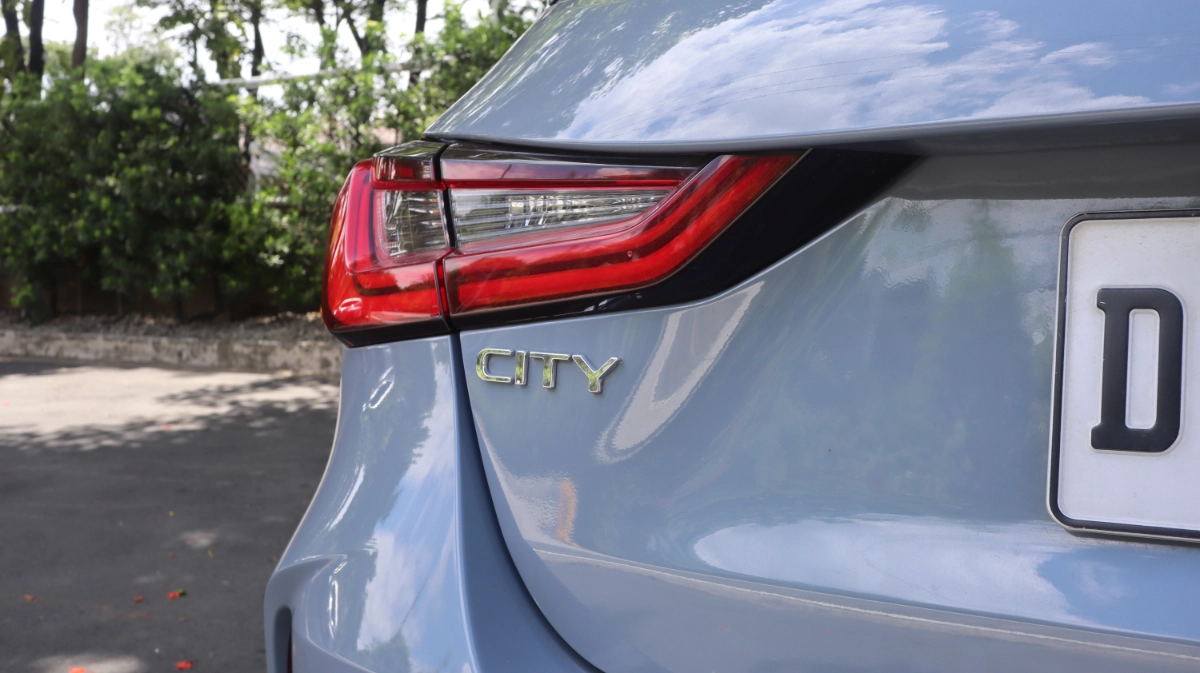
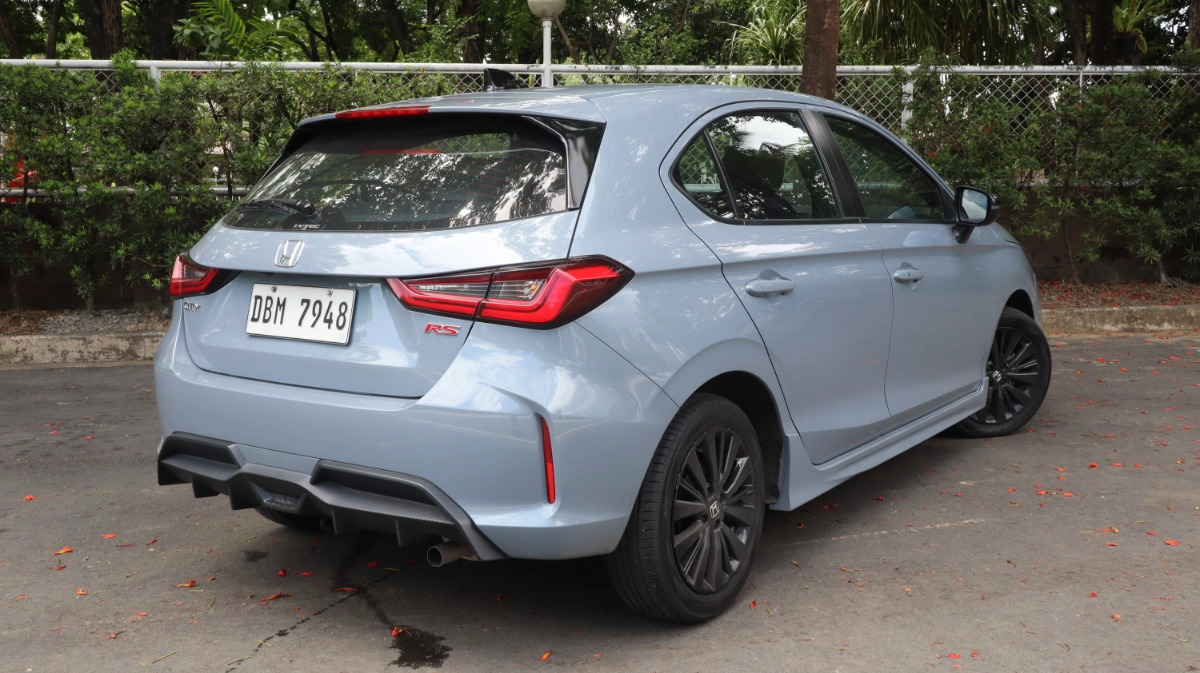
Heading toward the rear, after following that curve in the opposite direction, the taillights look almost villainous in a way. The tailights are angled slightly downward, which makes the rear impression look like a frowning face—especially at night with the lights on. The spoiler on top completes the scowl and cleanly ends the low-hanging roofline. In 2025 it still looks clean and easy on the eyes.
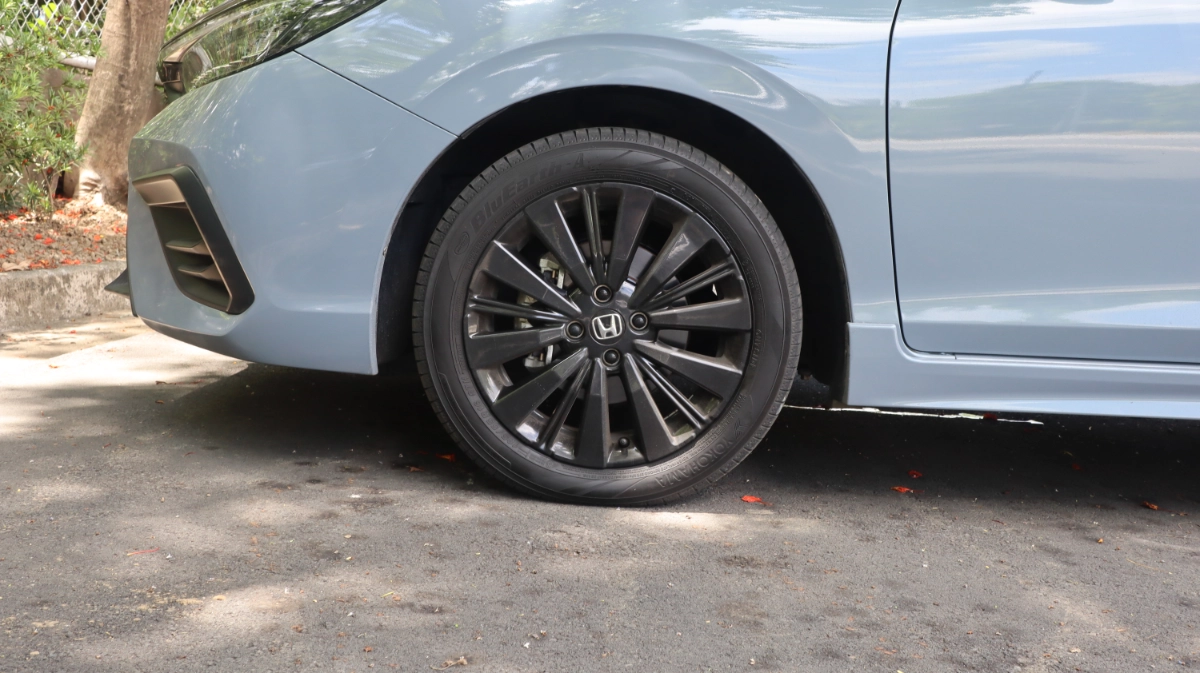
My favorite part about its exterior might just be the tiny but mighty 16-inch Berlina Black alloys that the City Hatch rides on. Shod in Yokohoma 185/55R16 tires, the blacked-out wheels complement the entire body, fully acknowledging its desire to be a sporty subcompact hatchback. These wheels also look great on the Sonic Gray body.
ALSO READ:
Size comparo: How big is the new BYD Sealion 5 DM-i vs. the Toyota Corolla Cross HEV?
Ford PH could soon offer the Territory as a plug-in hybrid
Interior
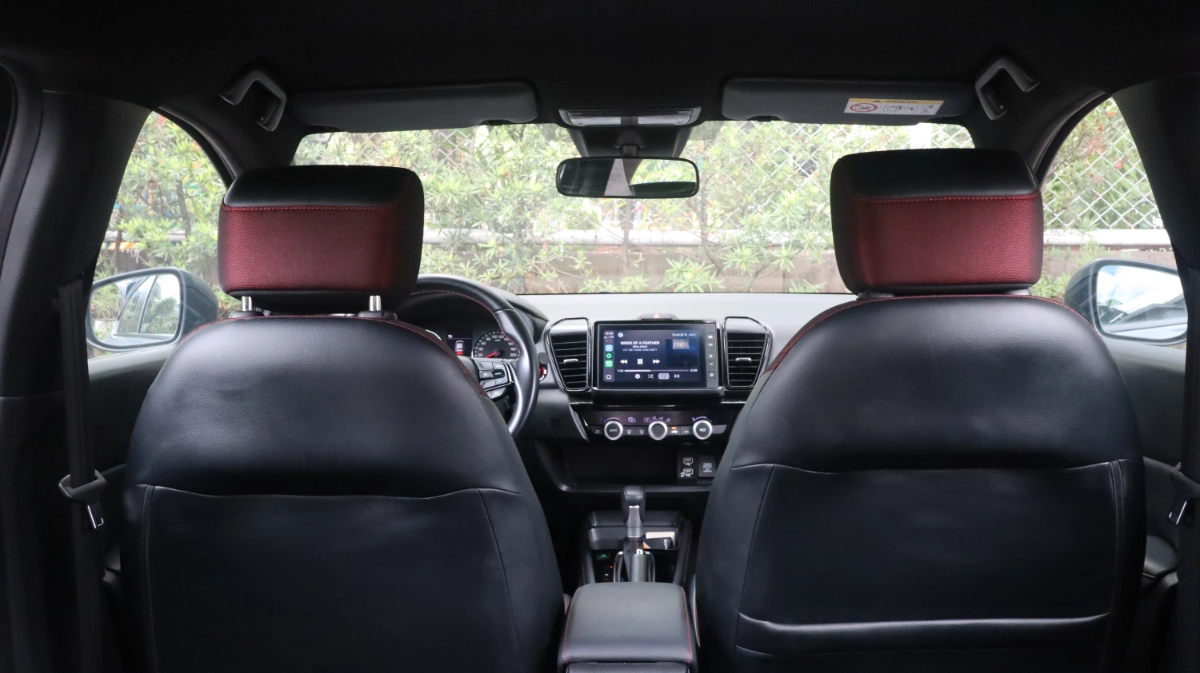
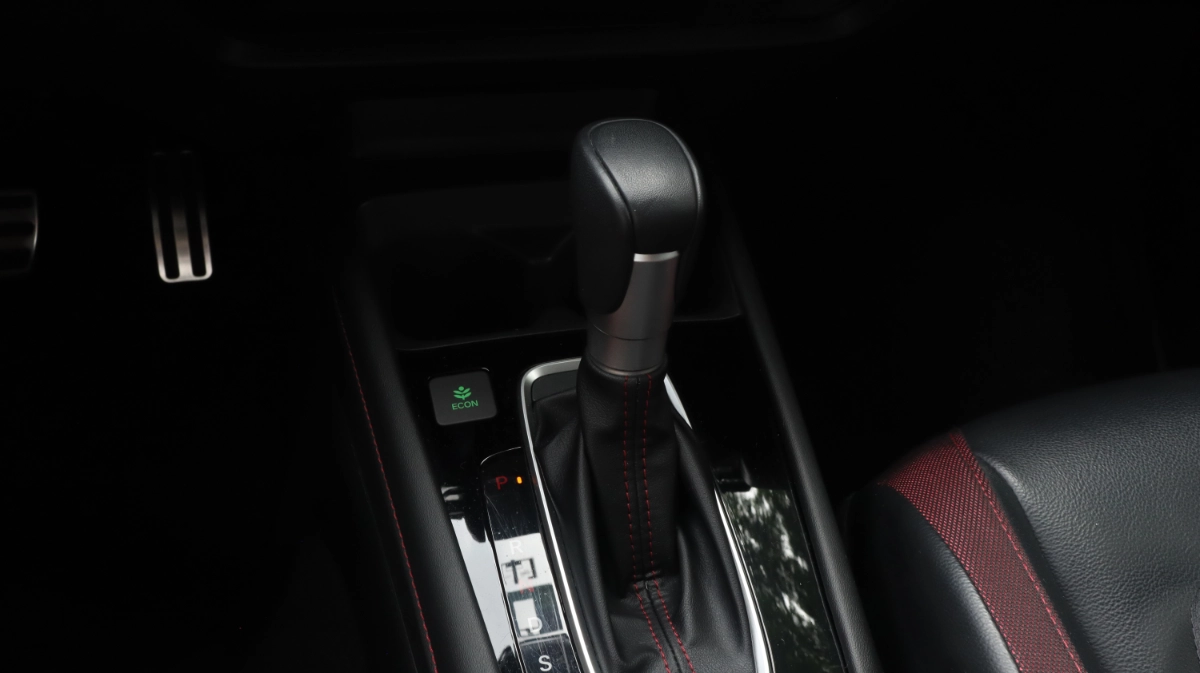
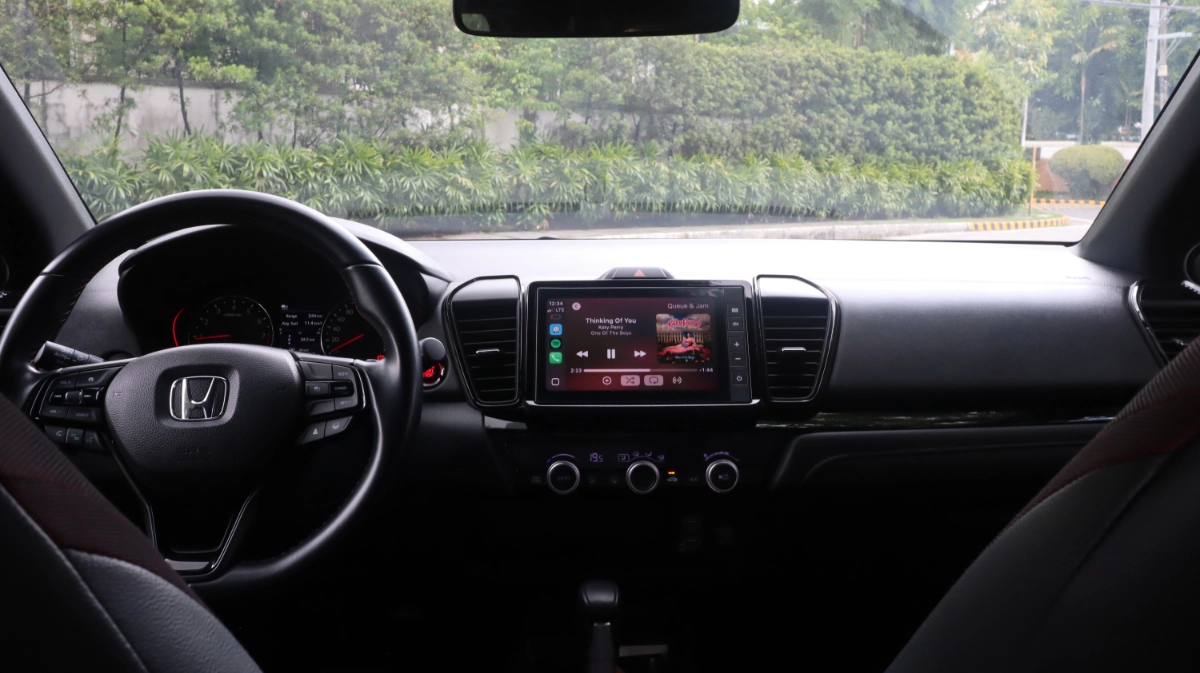
The seats are done in black leather with red stitching to follow the RS motif. There is more leather on the steering wheel and the gear shift—it doesn’t scream premium, but the materials feel good to the touch. Sliding into the driver’s seat, it didn’t take long for me to find my ideal driving position. A few clicks and adjustments got me set, and I was impressed with the front visibility. Viewing angles are comprehensive, and I didn’t find myself stretching out to look over for curbs and other blind spots—I am about 5’6, by the way.
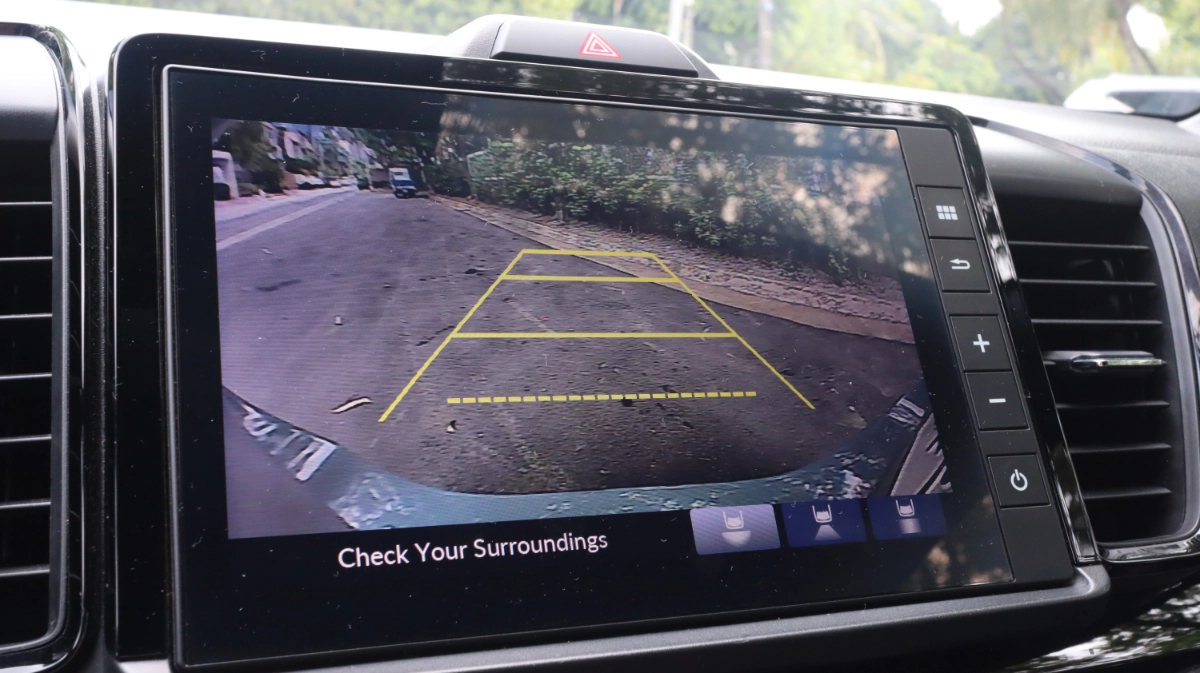
Speaking of viewing angles, the eight-inch infotainment display is laid out a bit too flat, which makes it prone to getting blown out when there is a lot of sun in the cabin. A few more degrees down and to the driver’s side would have mitigated this. The screen itself is properly responsive and clear in darker environments.
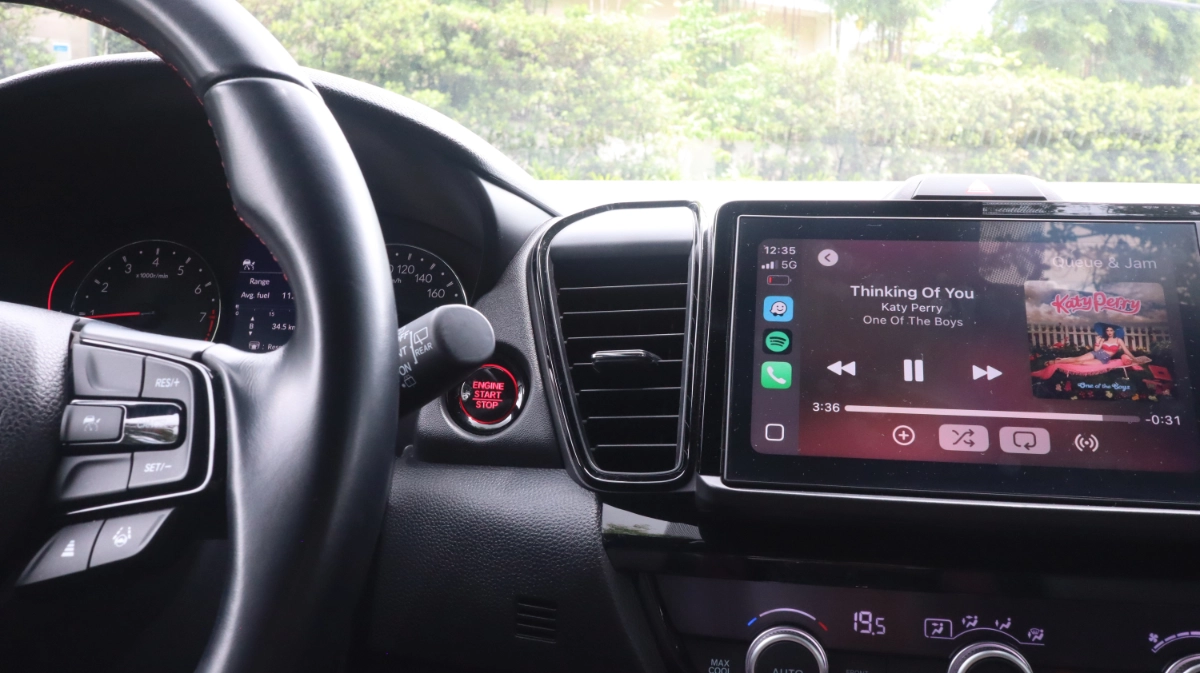
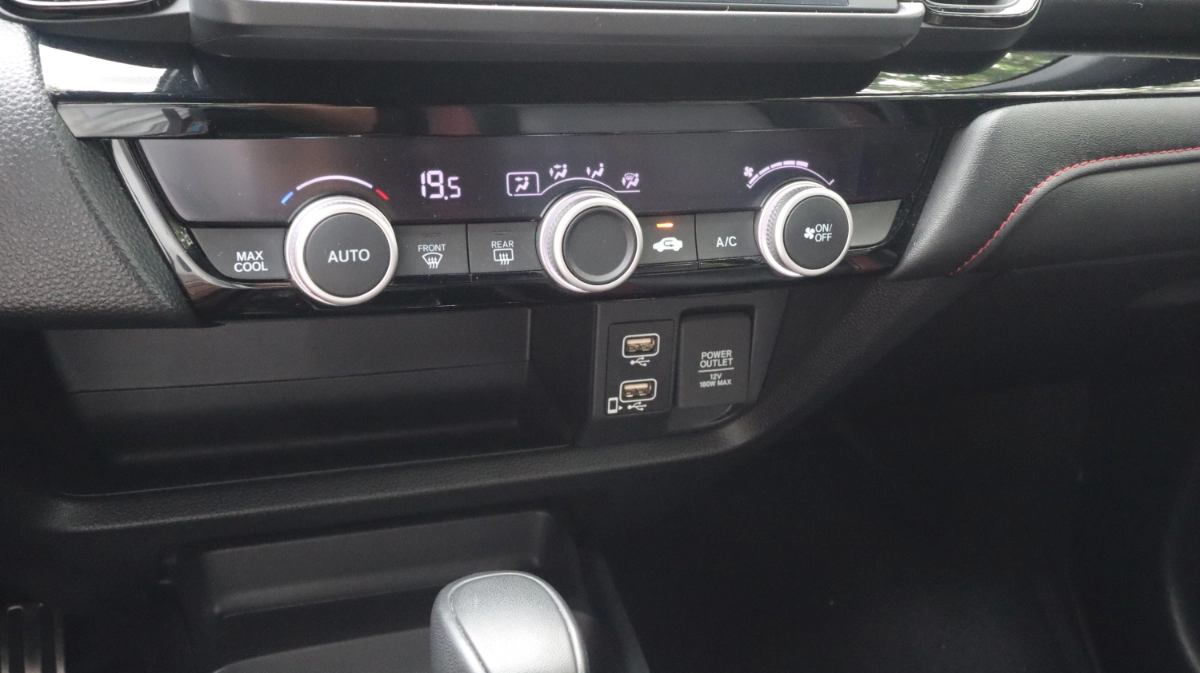
Connecting to the screen can be done through a USB-A port—I would’ve preferred a USB-C port, but this is fine. The practical layout of the center console here really shows off Honda’s thoughtful ergonomics. Next to the USB-A ports is a cubby where your phone can slot in neatly, and on its opposite side is a standard 12V outlet. There is another cubby below that was perfect for my wallet, RFID cards, and the key fob. None of these got in the way of the tactile climate control knobs that were positioned at an easy reach from the steering wheel.
Two more 12V outlets can be found on the second row, which was another odd choice. USB-A ports would have been much more practical.
However, the legroom in the second row consistently impressed my passengers, who immediately started extending their legs and lounging in the back—it seriously is one of the most memorable aspects of the City Hatch. However, the middle seat on the second row has an unusually high bump that makes sitting uncomfortable rather quickly. While it is advertised as a five-seater, the City Hatch is more of a wide four-seater.
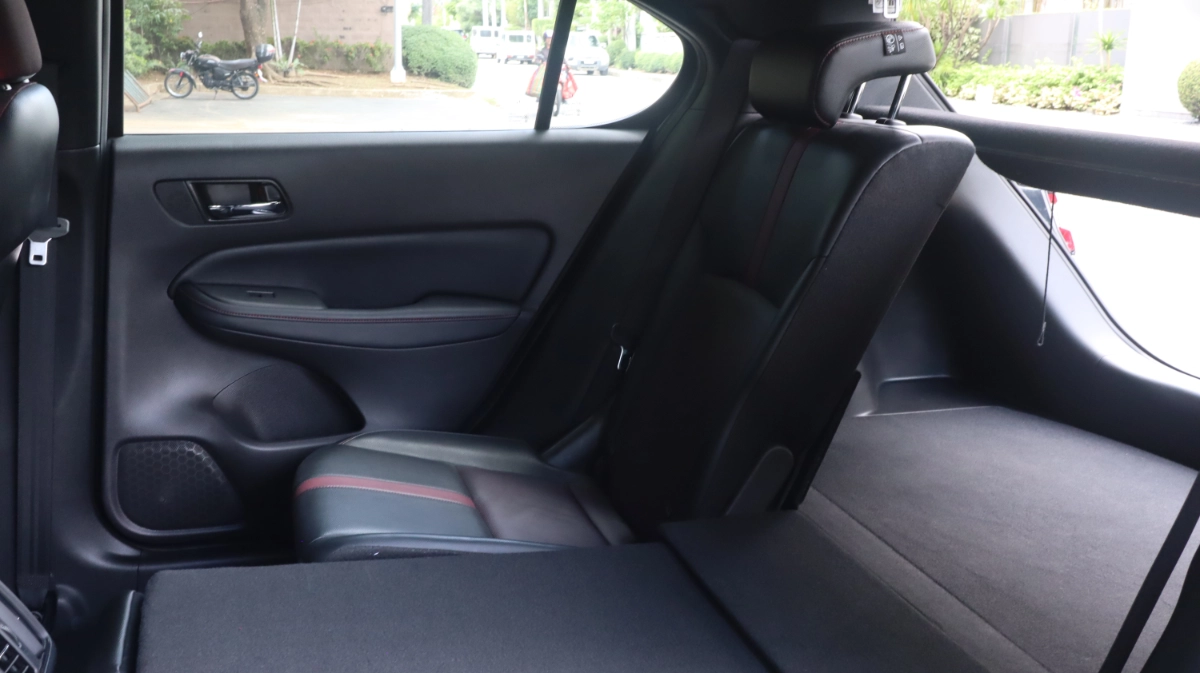
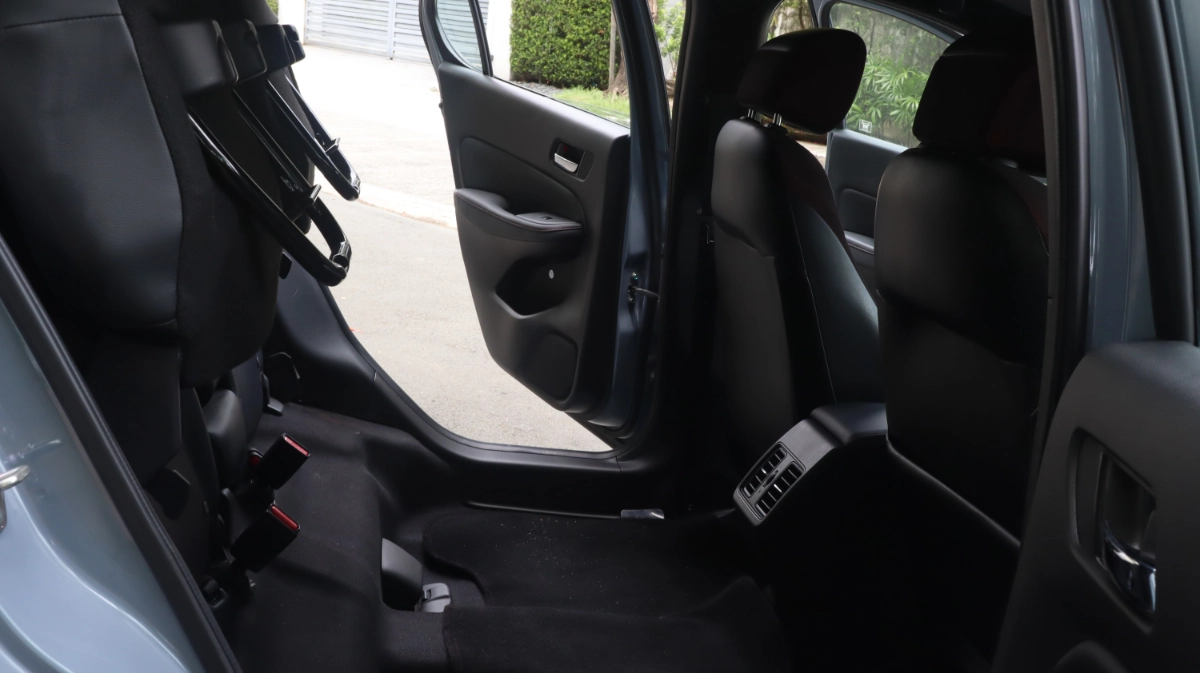
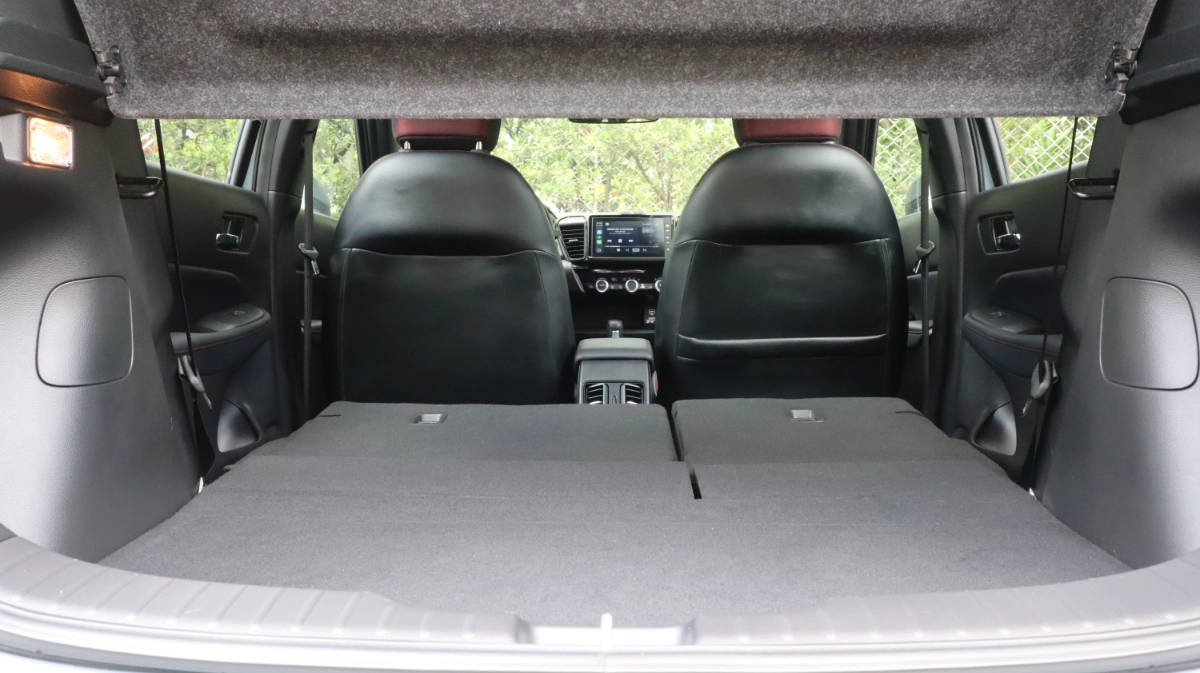
And wide it is. Cargo space is really where hatchbacks shine, and the versatility of the City Hatch furthers that tradition. With the rear seats up, the trunk fits around 289 liters of groceries, shopping bags, and other items. Fold the rear seats down, and the cargo area expands to 841 liters to fit larger boxes and luggage. The second row can also be modified into a cargo area for taller items, as the bench seats fold up. You can also fold the front row down and ‘connect’ it to the second row to make beds—ah, just like the Jazz.
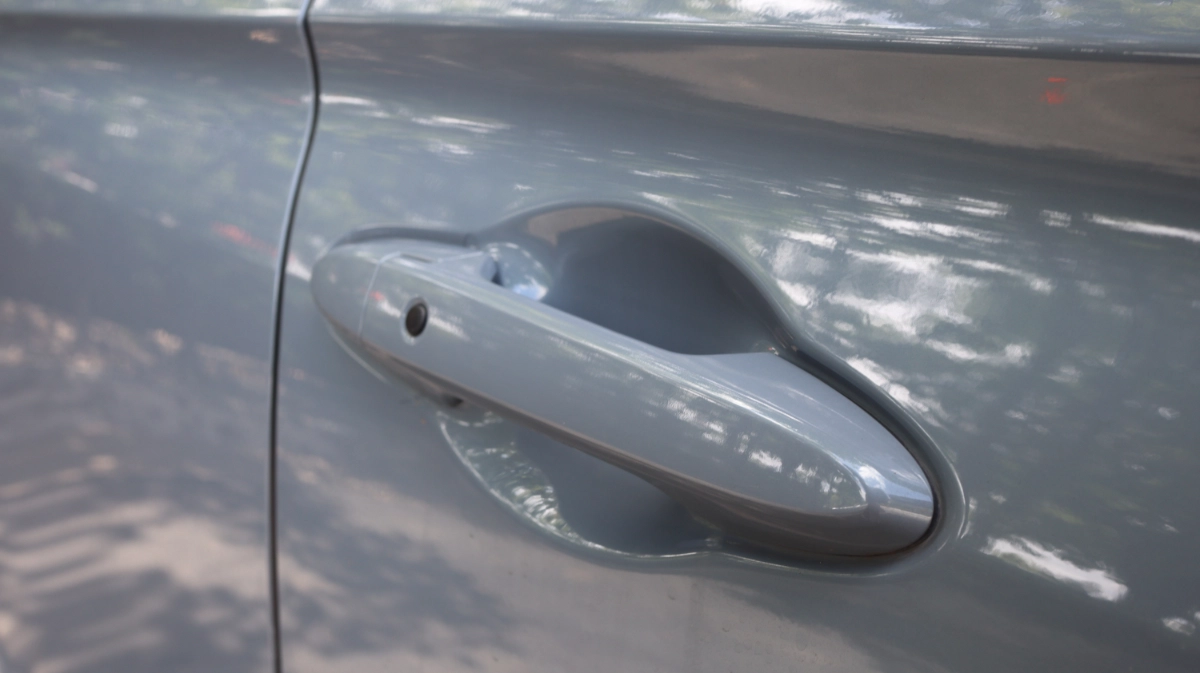
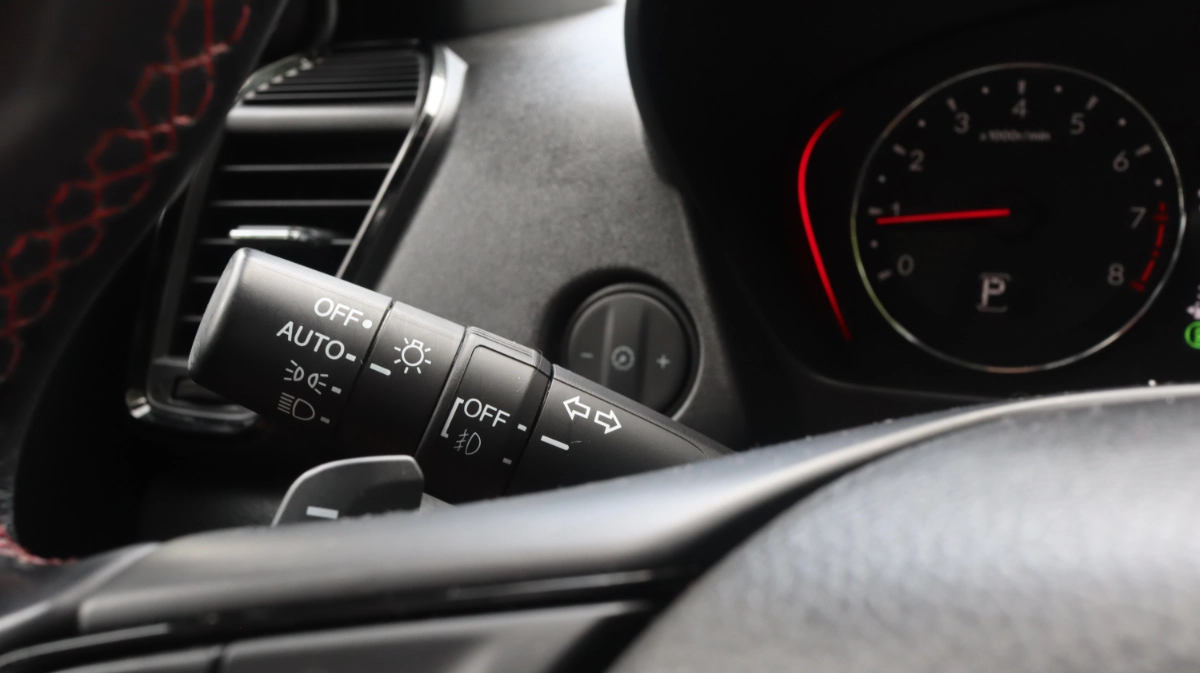
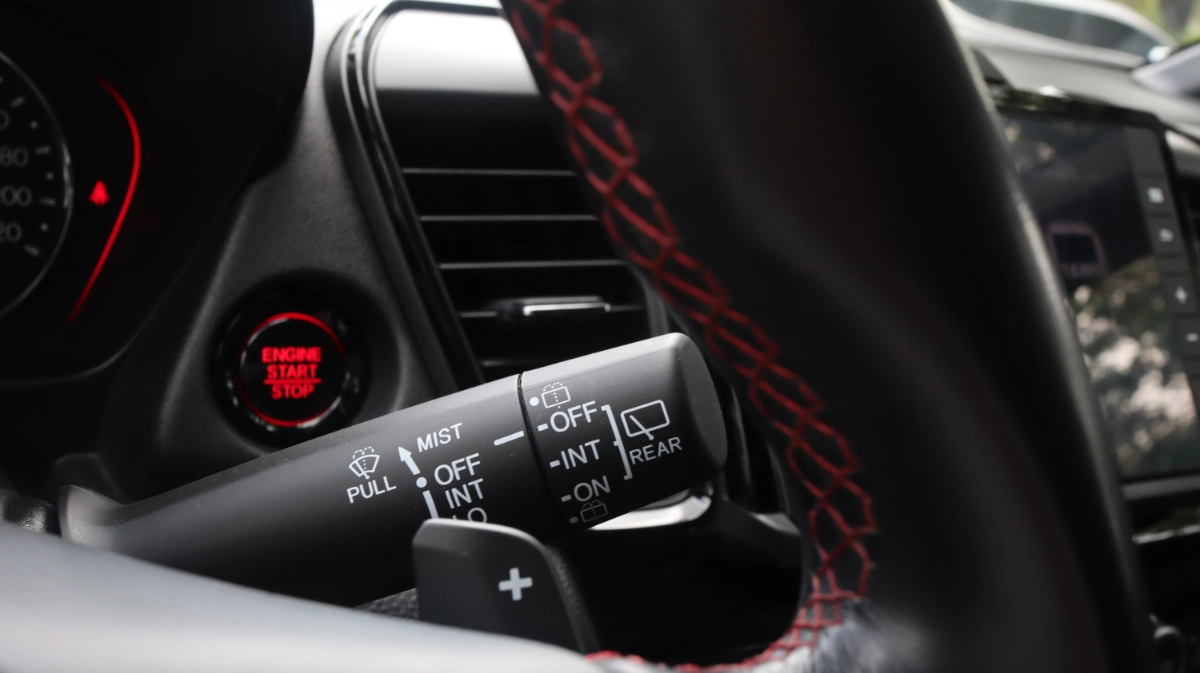
While cabin practicality is best-in-class, it’s hard to say the same about the rest of the cabin. The plastic surfaces used feel like a step back from the Jazz and even some previous City sedans. This is most seen on the paddle shifters that seem to make use of a thinner, cheaper plastic than previous City generations. Although it is still a Honda, without any creaks and vulnerabilities around high-touch areas.
Engine performance
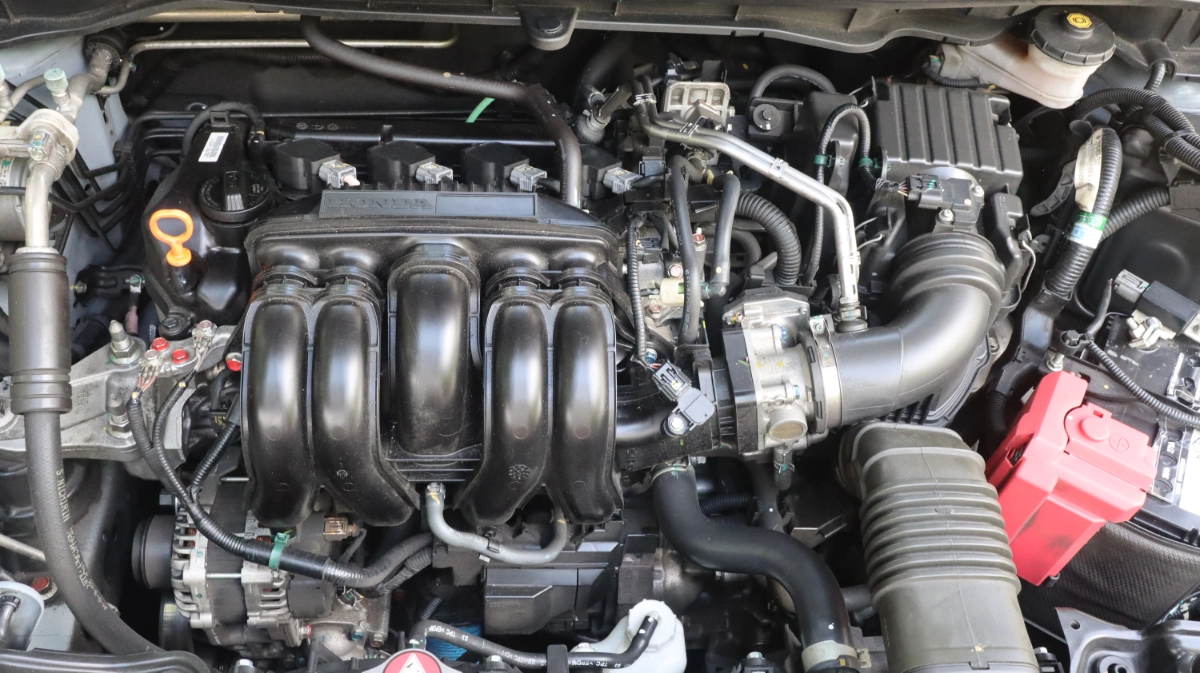
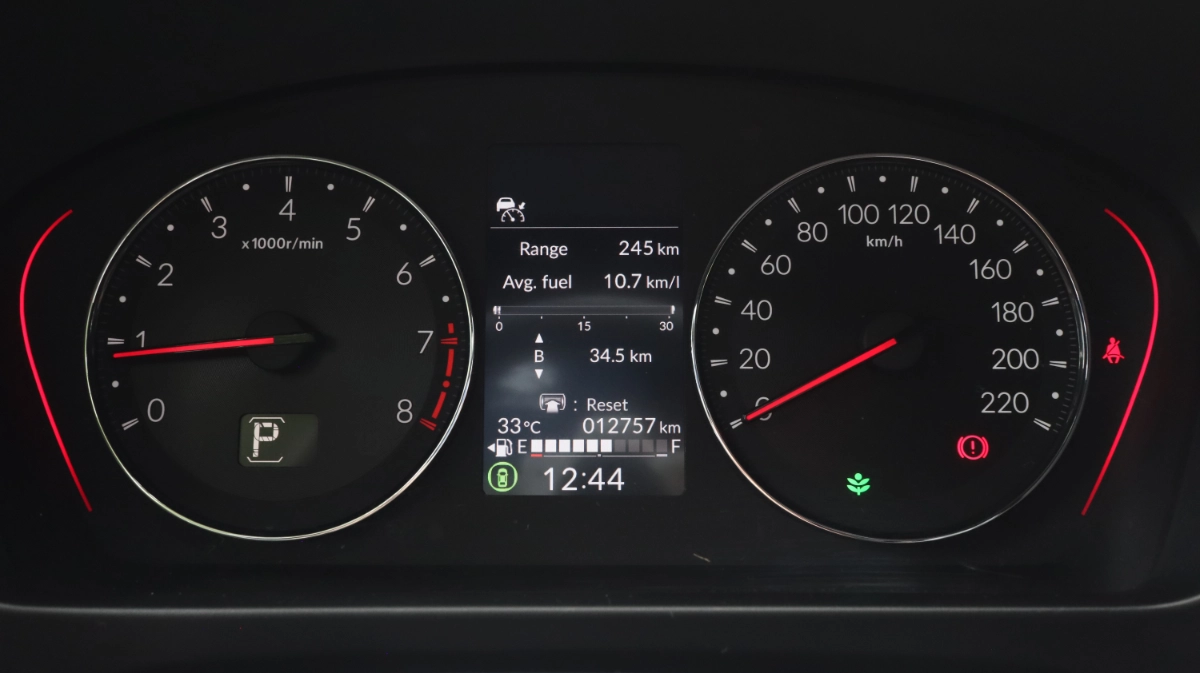
The 1.5-liter four-cylinder DOHC i-VTEC that powers most of the Honda lineup is alive and present. In my test drives, it was decently efficient, giving about 9-10km/L in urban roads and around 16-18km/L on expressways. HCPI advertises that it can hit highs of 21.3km/L and that seems very possible on open expressways.
With about 119hp and 145Nm of torque mated to a CVT, the City Hatch is finely tuned and perfectly responsive. The amount of pressure I put on the pedals is proportionate to the amount of pull that I want. Although when driving at higher speeds, the engine can also produce a noticeable amount of noise that leaks into the cabin.
Ride and handling
Driving the City Hatch is about as easy as getting settled in. Given its responsiveness, it rides proportionately with no quirks and hiccups. Steering is prompt and well-weighted—just right with the car’s balanced form factor and weight of 1,143kg.
Honda could have added a little more insulation, as a fair amount of road noise also seeps into the cabin. That can be especially distracting, as the eight-speaker sound system on the car is also a bit muffled. When driving over road imperfections, the City Hatch has decent body control and does a fine job of not knocking around its occupants, but I just wish it were a bit quieter inside.
Extra features
The adaptive cruise control on the City Hatch needs more finesse, but that’s not to say it’s a bad system. It speeds up ever so assertively, but can be jerky when slowing down. When cruising and switching lanes, it responds smoothly. Perhaps it needs to be calibrated further to adapt to local driving conditions. I must also note that the lane-keep assist is one of the most refined systems on Honda Sensing. Unlike other LKAs, it gently guides you back into the lane.
The City Hatch also comes with wireless Apple CarPlay and Android Auto, which helps in future-proofing the car for the next couple of years. Although there were times when the CarPlay would disconnect, or the audio would just completely cut out. As mentioned, the speaker system on the City Hatch lacks oomph, but at low and medium volumes it sounds just fine.
I’ll admit that I consistently used the remote start function on the key fob. As someone who drives a car without that feature, remote start and entering a cold car on a hot day is a luxury I now hope to afford one day.
Verdict
The Honda City Hatchback ticks every box for what you’d want in a daily driver, and the increased cargo-carrying capabilities further solidify its case. At P1.19 million, there are cheaper options that offer more flexibility and practicality. That does limit its appeal, but for those who are sure of getting a hatchback and nothing else, this is a solid choice.
Can it win over Honda Jazz fans? Probably not. The thing is, the City Hatch has its own character, for better or worse. It still is a Honda through and through, as it drives well, rides well, and is great on fuel economy. The biggest challenge it has now is to step out of the Jazz’s shadow.
Specs: 2024 Honda City Hatchback 1.5 RS CVT
Price: P1,119,000
Engine: 1.5-liter four-cylinder DOHC i-VTEC
Power: 119hp
Torque: 145Nm
Transmission: Continuously variable transmission
Layout: FWD
Seating: 5
Score: 8/10
More photos of the 2024 Honda City Hatchback 1.5 RS CVT: