
If we were to choose the most important launch that Honda Cars Philippines did last year, it’s not the Civic Type R. Yes, it’s a fun and exciting car to drive. Heck, it was even TopGear.com’s Performance Car of the Year in 2023. However, it’s not exactly a sales volume driver.
For us, our pick is the sixth-generation Honda CR-V. We’ve said it before and we’ll say it again, the CR-V is the one that rakes in sales for Honda around the world. The company literally sells around a million units every year, also making the best-selling Honda automotive product worldwide.

From a local perspective, the CR-V the company’s flagship model now that the Accord, Pilot, and Odyssey are no longer offered here. But the CR-V has a tough juggling act to perform. As the flagship model here, it has to show the best of Honda. At the same time, it has to be priced just right to rake in sales, and more importantly for any business, profit.
We’ve said our first impressions of the crossover a few months back and we thoroughly enjoyed it. But the real test for the CR-V, or any other practical crossover, is the daily drive. Having tried out the mid-spec XV AWD Turbo model and rated it highly, it’s now the RS e:HEV hybrid’s turn for the real-world test.
OTHER STORIES YOU MIGHT HAVE MISSED:
Toyota chairman Akio Toyoda, president Koji Sato apologize amid engine certification issues
Vietnamese carmaker VinFast to enter PH market this year
Styling
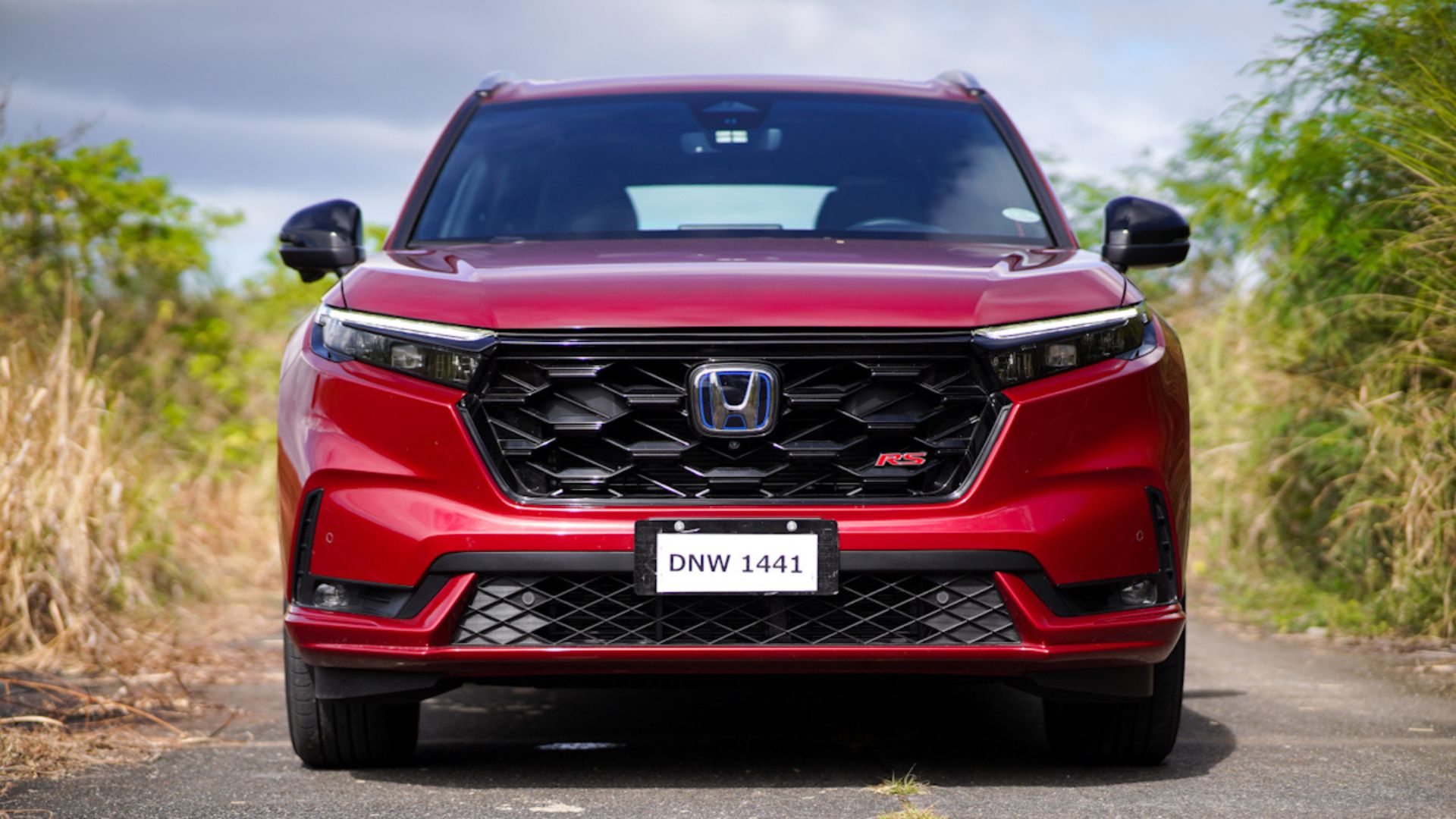
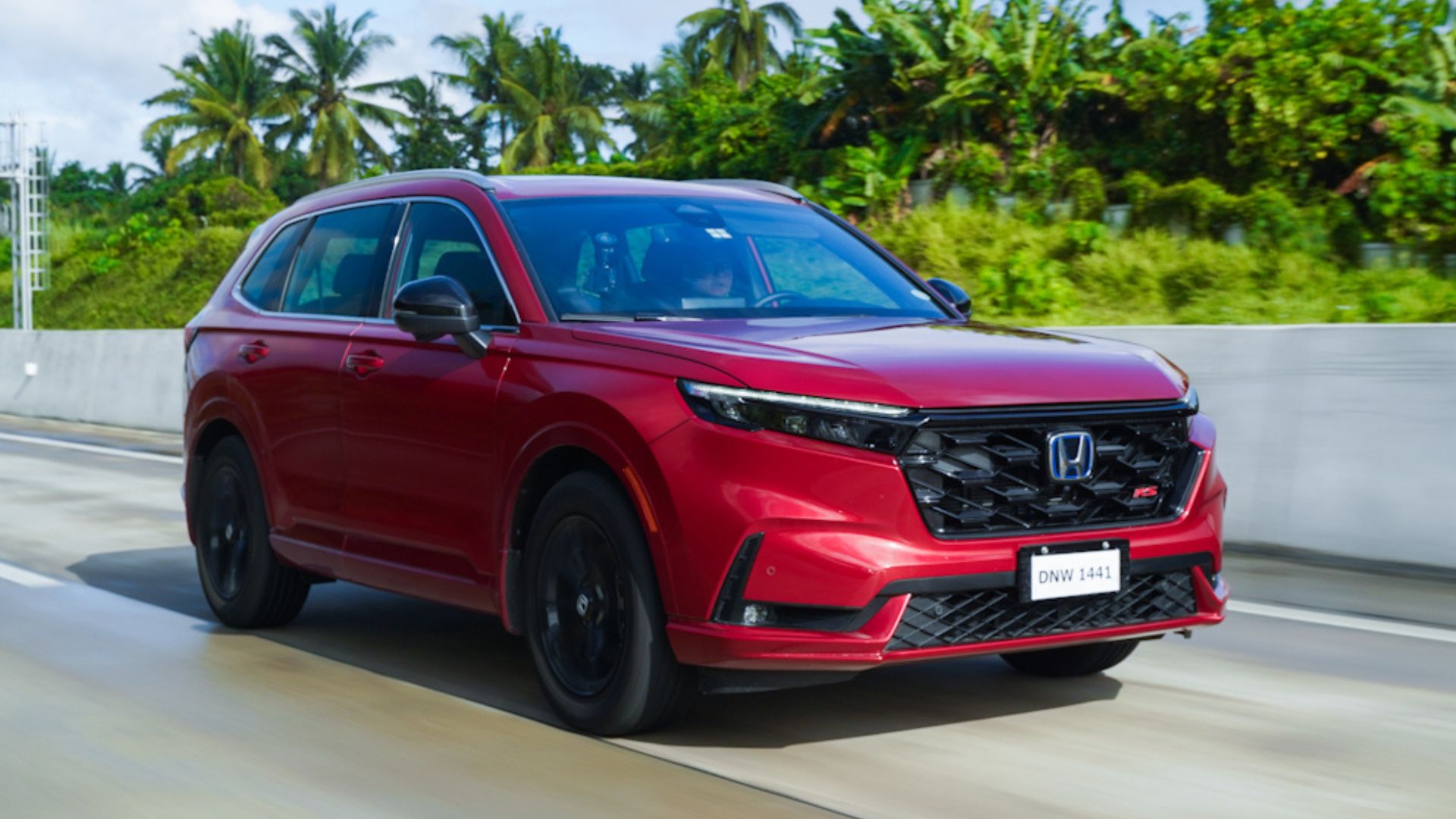
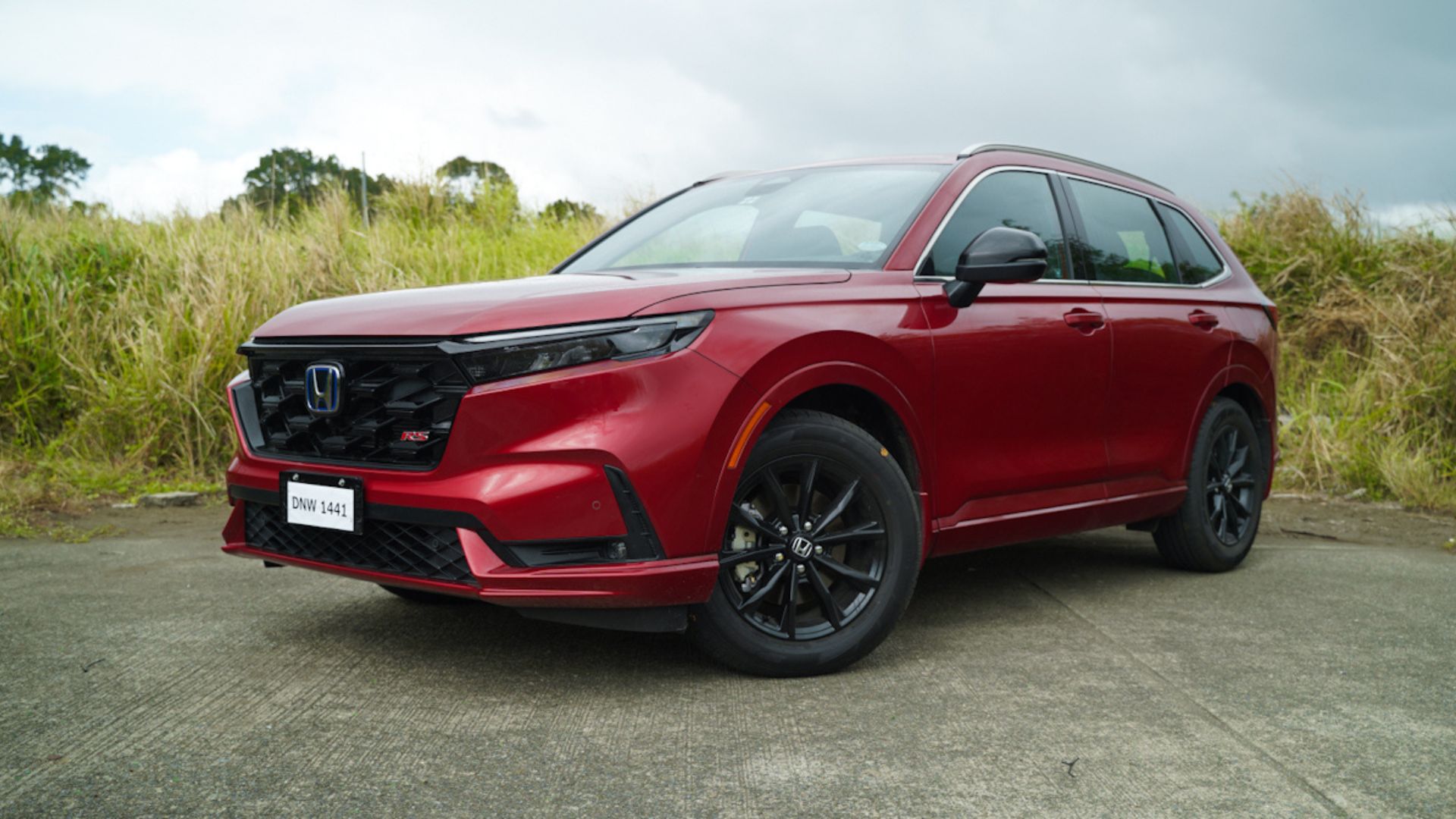
To sum it up in one word, it’s evolutionary. In terms of design, the CR-V has usually erred towards a more conservative look. That being said, the sixth-gen looks way better in our book. Yes, there will be those who will say the older one looked better, but that’s common opinion in, er, every all-new car that comes out. Whether you agree that the new one is more stylish or not is up to you.
For us, though, it’s the new face that wins us over. It’s sharper and cleaner than the fifth-gen with no fussy lines or wild angles. Sure, there are more radical-looking offerings out there, but we reckon the CR-V will age better.
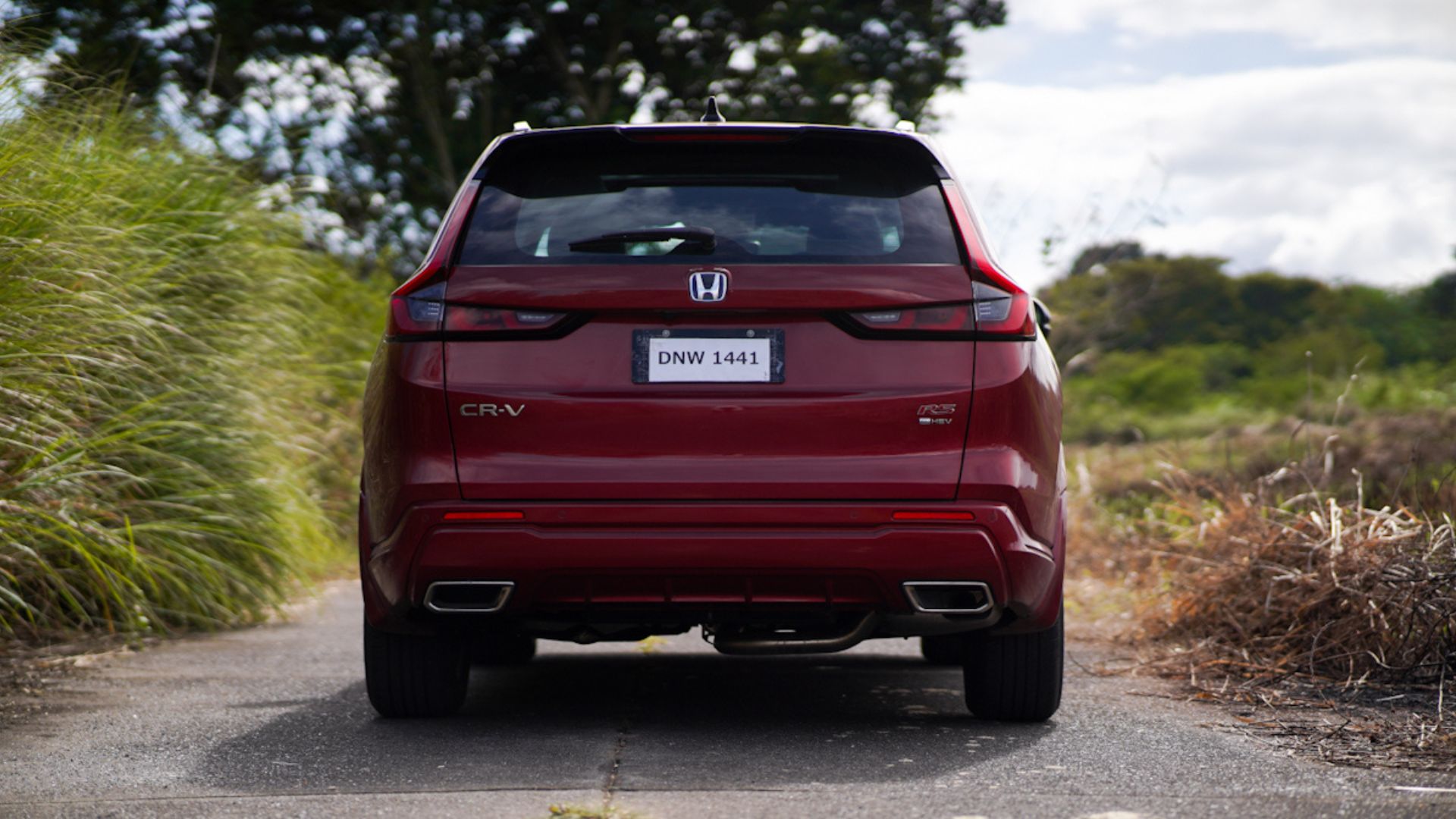
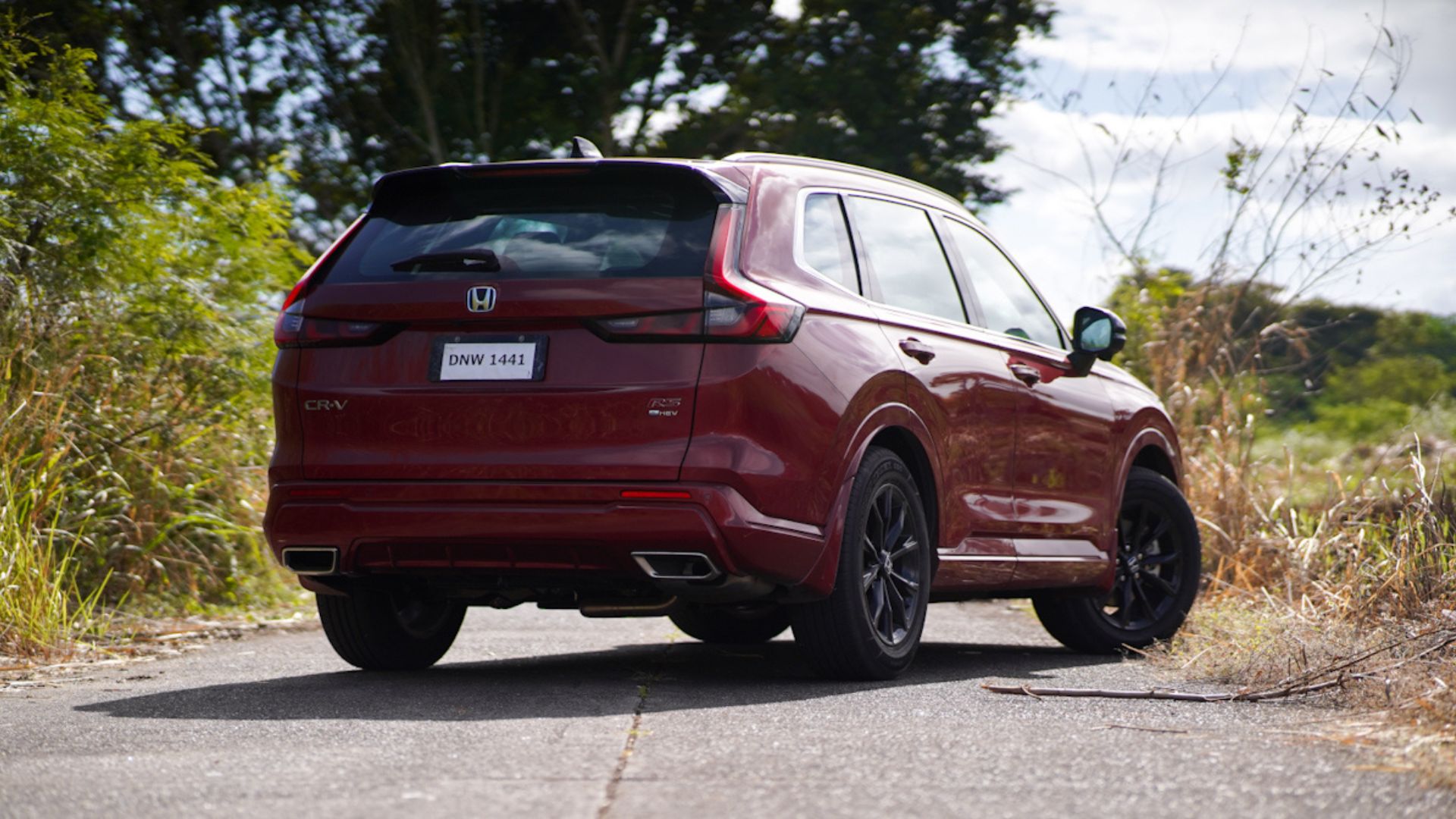
The smooth and uncluttered look carries over to the sides with not much in the way of character lines. As for the rear, it wouldn’t be a CR-V without those vertical tail lights. Speaking of which, the rear lights remind us of the second-gen Volvo XC60, not that it’s a bad thing as the Swede is a handsome-looking crossover.
For the RS, it gets unique styling details to differentiate it from the entry-level V and mid-spec VX variants. The RS ditches the unpainted cladding so often seen in its segment, opting for body-colored trims. It gives the car a little more presence on the road, making it look larger. It grabs attention in red (Ignite Red in Honda-speak, an RS-exclusive color) but we think it looks sleeker in blue. Canyon River Blue, to be precise.
If there’s one thing that’s a little off, it’s the wheels. We wish our market came with the 19-inch set that the Thai market gets. It just fills up the wheel wells a little bit better and adds a bit more visual zing over the Philippine market's 18-inchers.
Interior
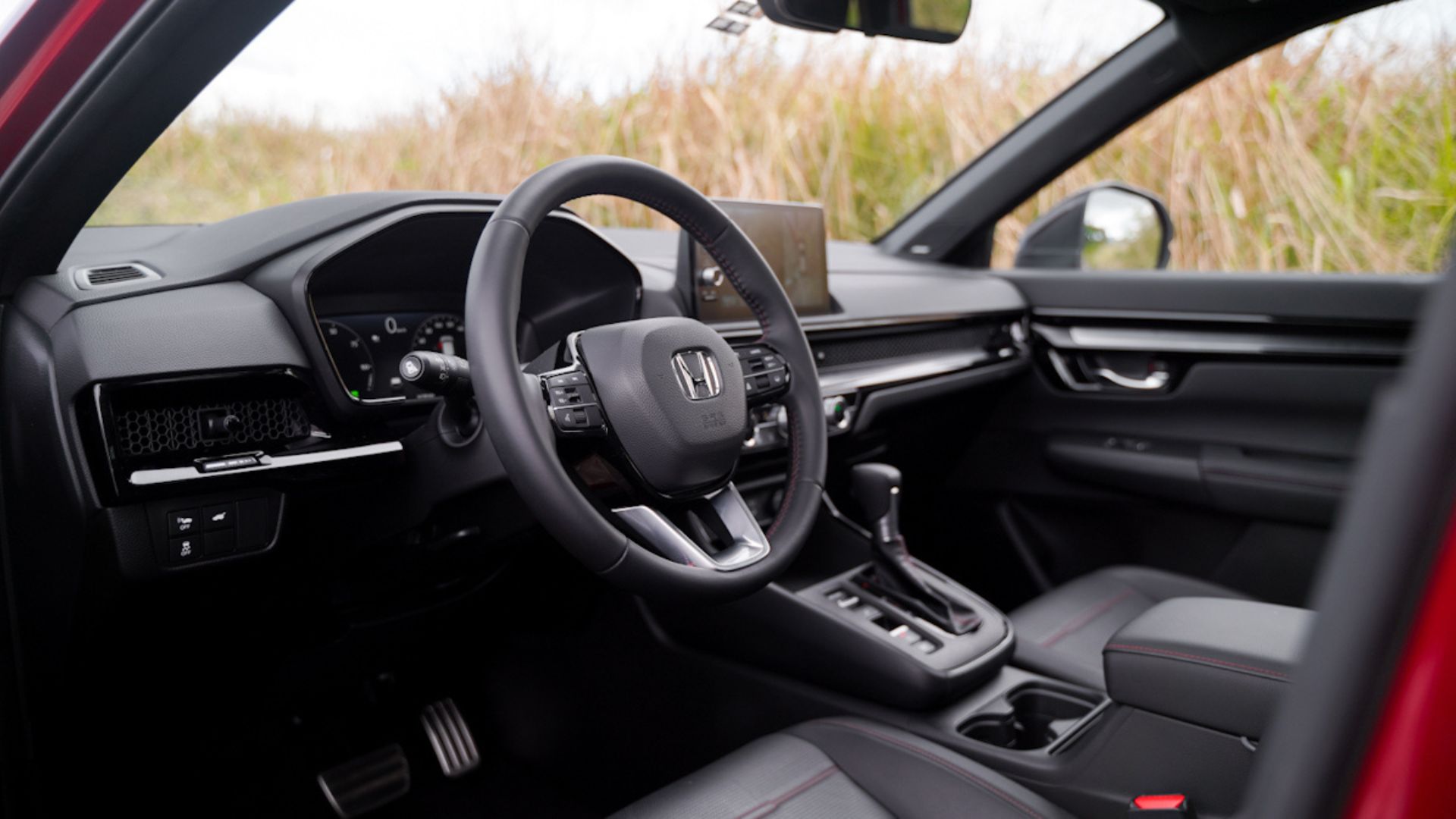
Those who have sat in the current Civic will get a sense a deja vu when they climb on board the CR-V, regardless of variant. As far as we can tell, the design is identical between the Civic and CR-V.
It’s not great news for those hoping for a bit of distinction. On the flipside, Adjusting from one Honda product to another will be easier. All the buttons, knobs, and dials are exactly where it needs to be, and ergonomics are top notch as always. More impressive is the fit and finish and materials used for the front section of the interior. There’s not a misaligned panel in sight.
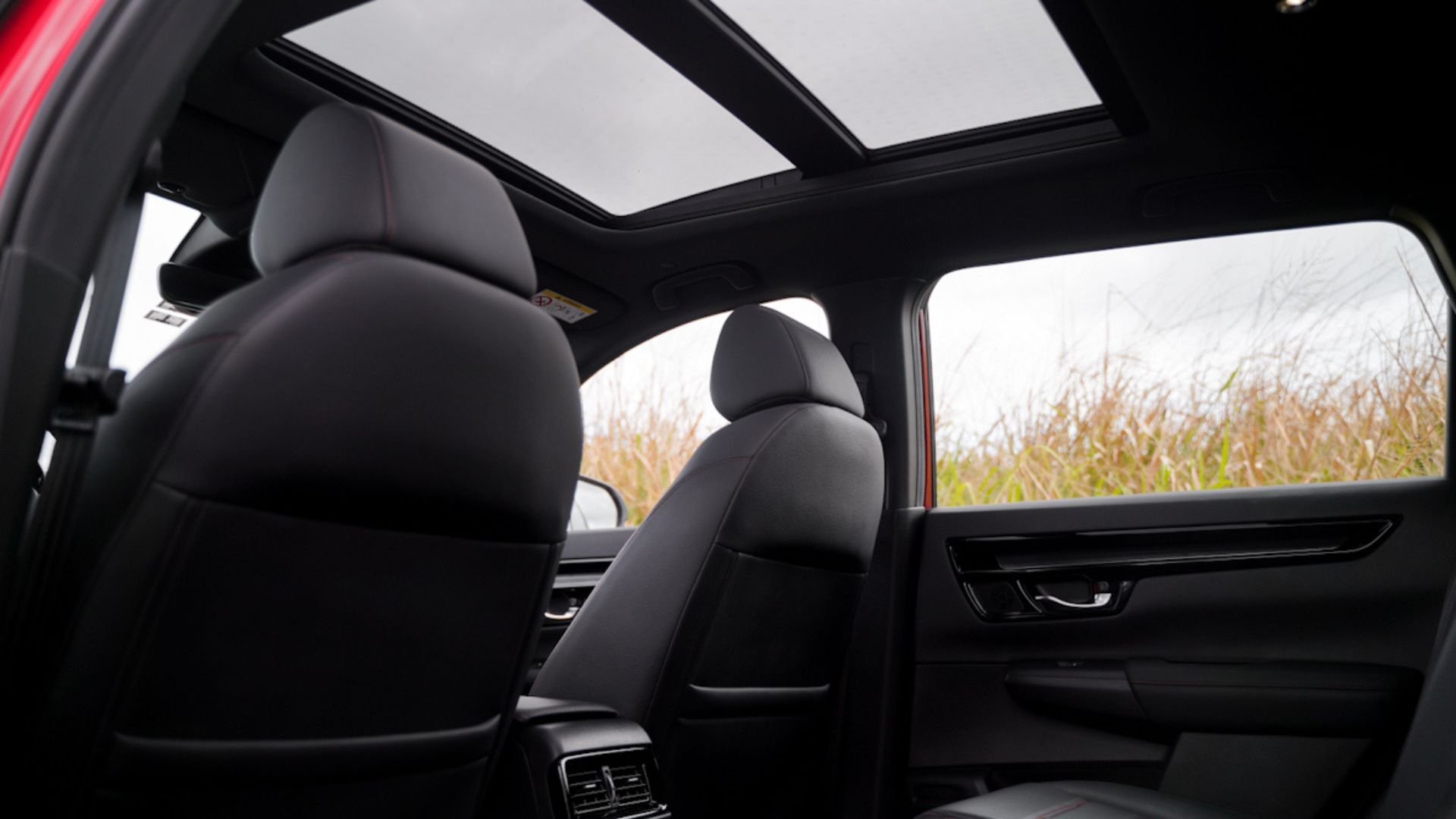
However, we do wish that Honda used the same materials for the rear. While panel fit is still excellent, the door cards are finished in hard plastic. It’s almost as if you stepped into economy class after enjoying business class. Still, as long as you don’t touch it, the rear is a generally pleasant place to stay.
Space is no issue in the CR-V. The front footwells are commodious and there’s stacks of room at the back. The panoramic sunroof does eat up some rear headroom, but that can be rectified by reclining the seats. The cargo area is expansive, too. Impressive given that the hybrid’s battery sits back there. If anything, it has greater luggage capacity compared to the seven-seater variants.
Engine Performance
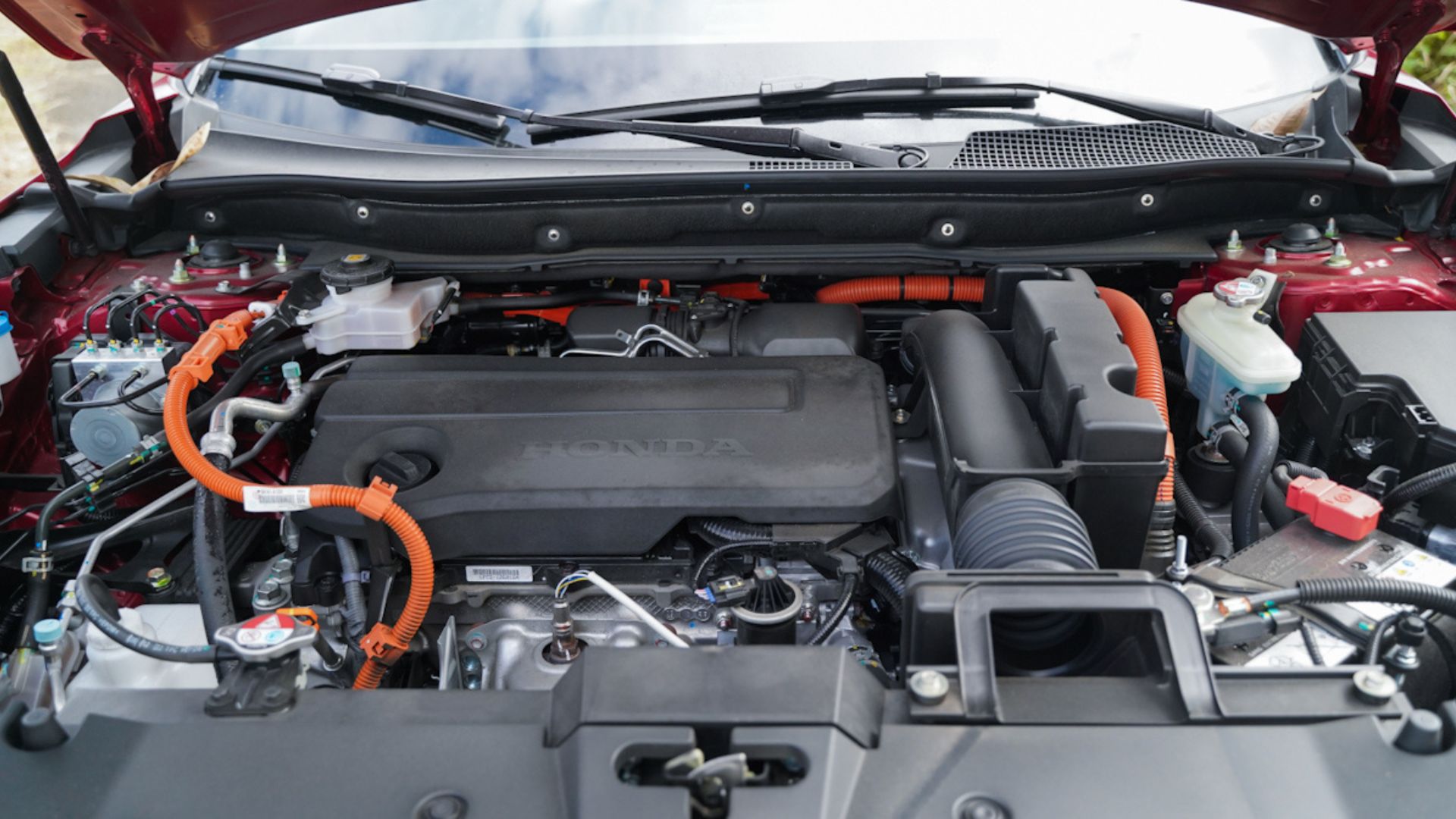
The previous generation CR-Vs were competent, but we wouldn’t call any of the powertrain choices brisk by any measure. Thankfully, that’s been rectified here. Aside from the 1.5-liter turbo, the 2.0-liter hybrid aims to blend power and economy in one electrified package.
With the engine and electric motors in sync, the e:HEV system in the CR-V puts out 204hp while the motor alone provides 335Nm of torque. For those who say they’d rather have the diesel are missing out. You have to try it before you make your mind about it.
Power delivery is strong and punchy, as if you have a 3.0-liter V6 from 20 years ago. It’s heaps quicker than the old diesel and miles ahead in terms of refinement. The transition between gas and electric power is smooth and seamless, providing smooth and uninterrupted performance.
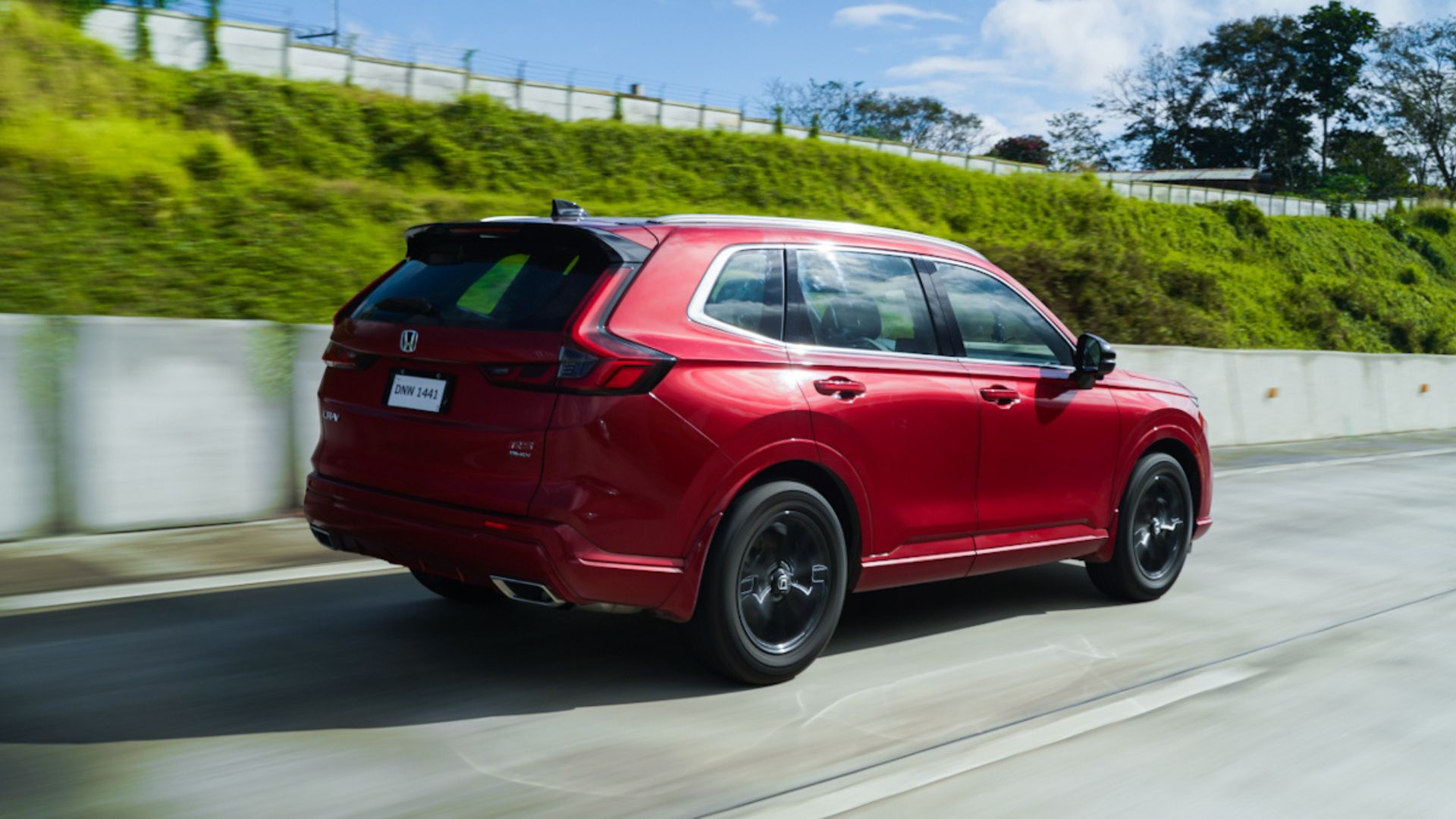
It goes like an old six-cylinder but sips like it has half the piston count. Without any attempt to hypermile or conserve fuel, it absolutely refuses to dip below 12km/L, even in extreme traffic. In slightly better conditions, you’re looking at 15 to 17km/L.
Mixed driving conditions (city and highway) yielded 20.1 km/L. Oh, and did we mention that we never put the car in Eco Mode? With a calmer driving style, we’re certain that it can easily blow past 20 km/L.
Ride and handling
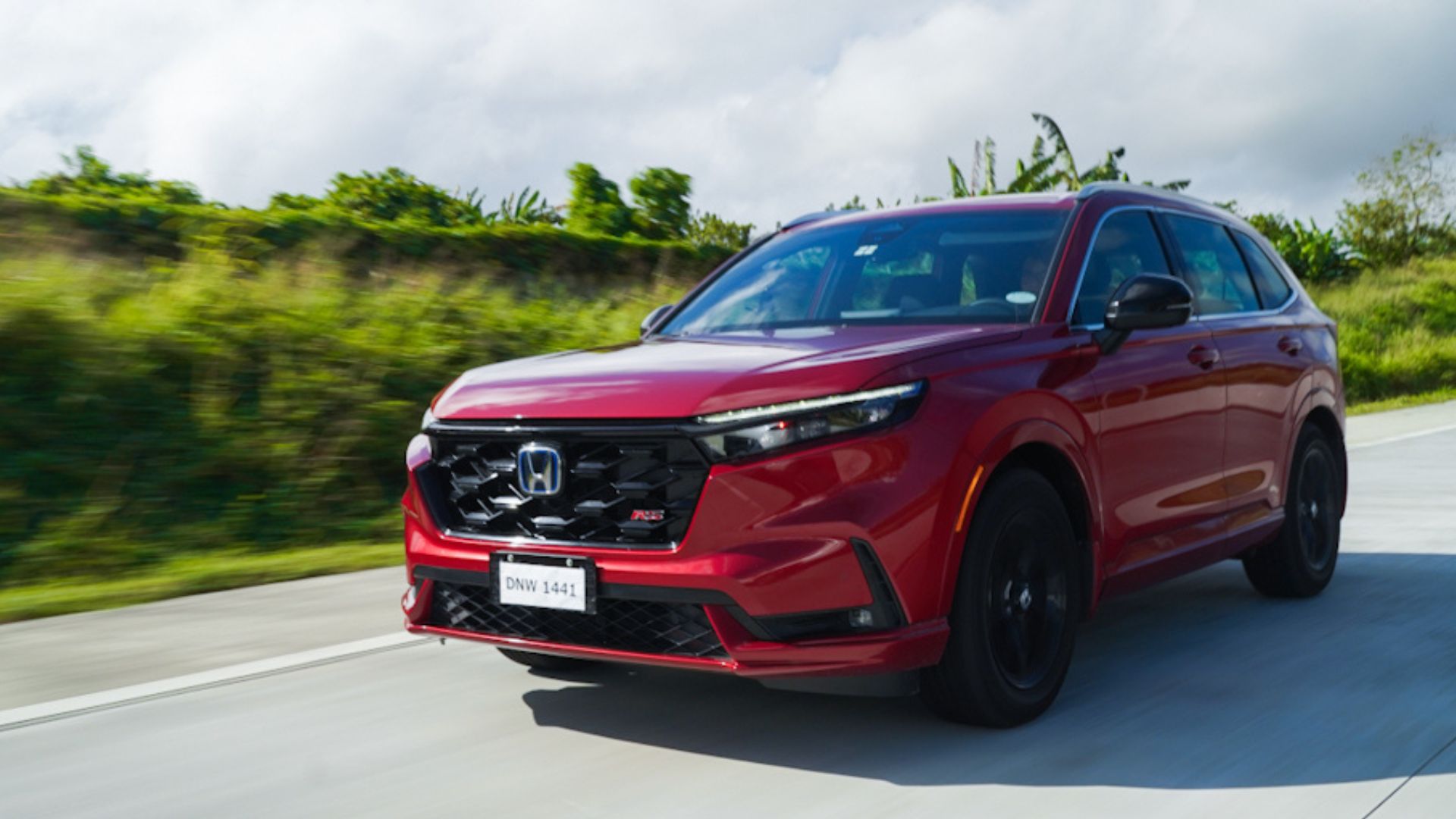
We’ll get one thing out of the way first. If you want a fun and engaging compact crossover to drive, the only answer is the Mazda CX-5. That said, the new CR-V is a better car to drive than ever. While it won’t involve you like the Mazda, the Honda still feels dynamic around the bends. There’s enough feedback behind the wheel, and there’s excellent roadholding despite lacking all-wheel drive.
It’s then complemented by a ride that’s supple. It’s easily one of the most comfortable in its segment. Road imperfections are dealt with ease, and it’s never a jarring experience in the new CR-V. The excellent ride and solid driving dynamics flexes Honda’s chassis tuning knowhow.
Extra Features
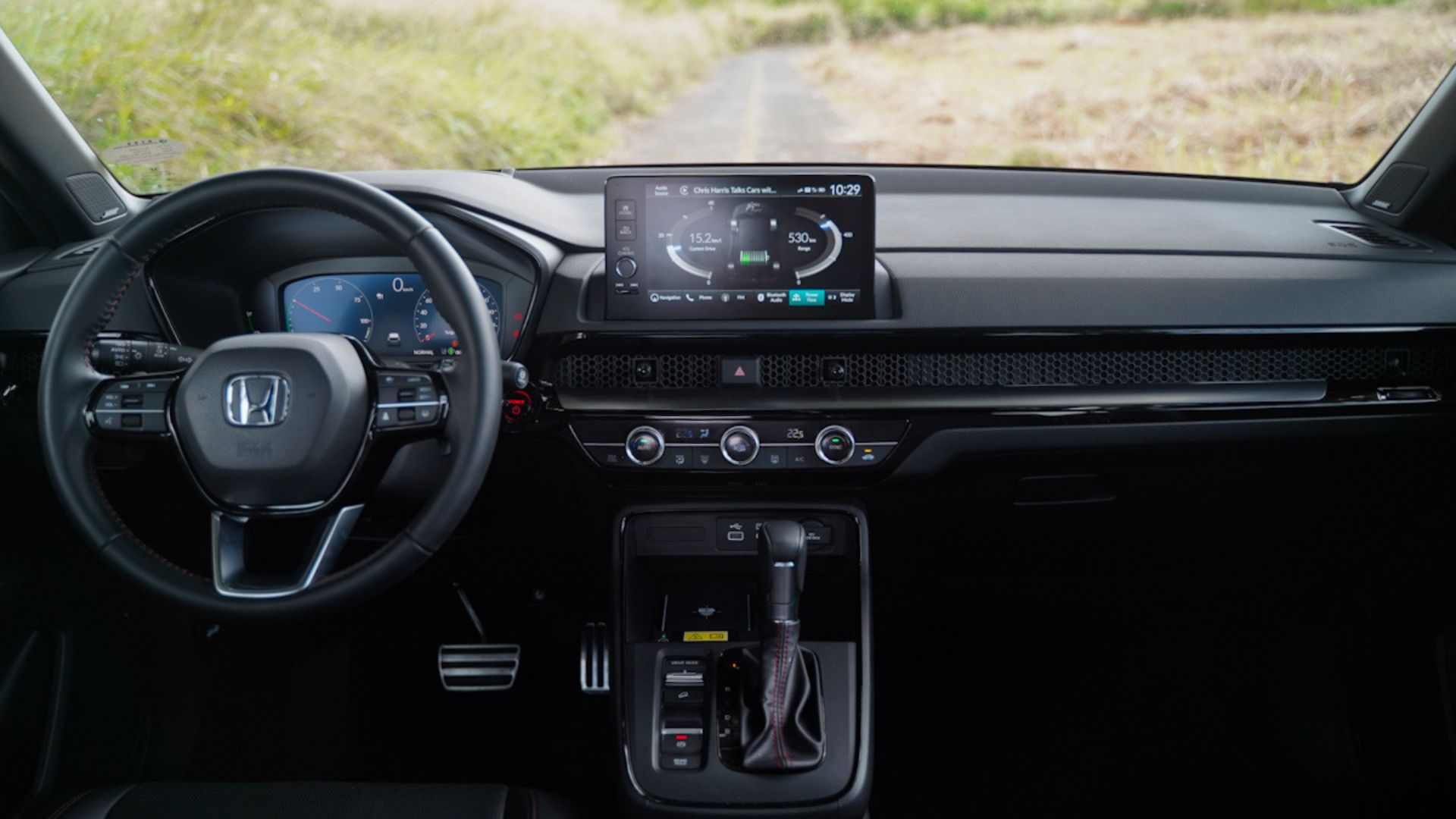
The lack of all-wheel drive aside, we’re generally happy with the CR-V RS’ equipment list. Honda Sensing, is, of course, standard and that includes adaptive cruise control, autonomous emergency braking (for both front and rear), lane keep assist with lane departure warning, auto high beam, and more.
Like in all variants of the CR-V, the RS also comes with Honda Connect. It’s an application that allows the driver to have constant and real-time communication with their vehicle. Long story short, it’s a system that reminds you of maintenance schedules, allows you to control the car’s auxiliary functions (lights, locks, etc.), and even call emergency services if needed.
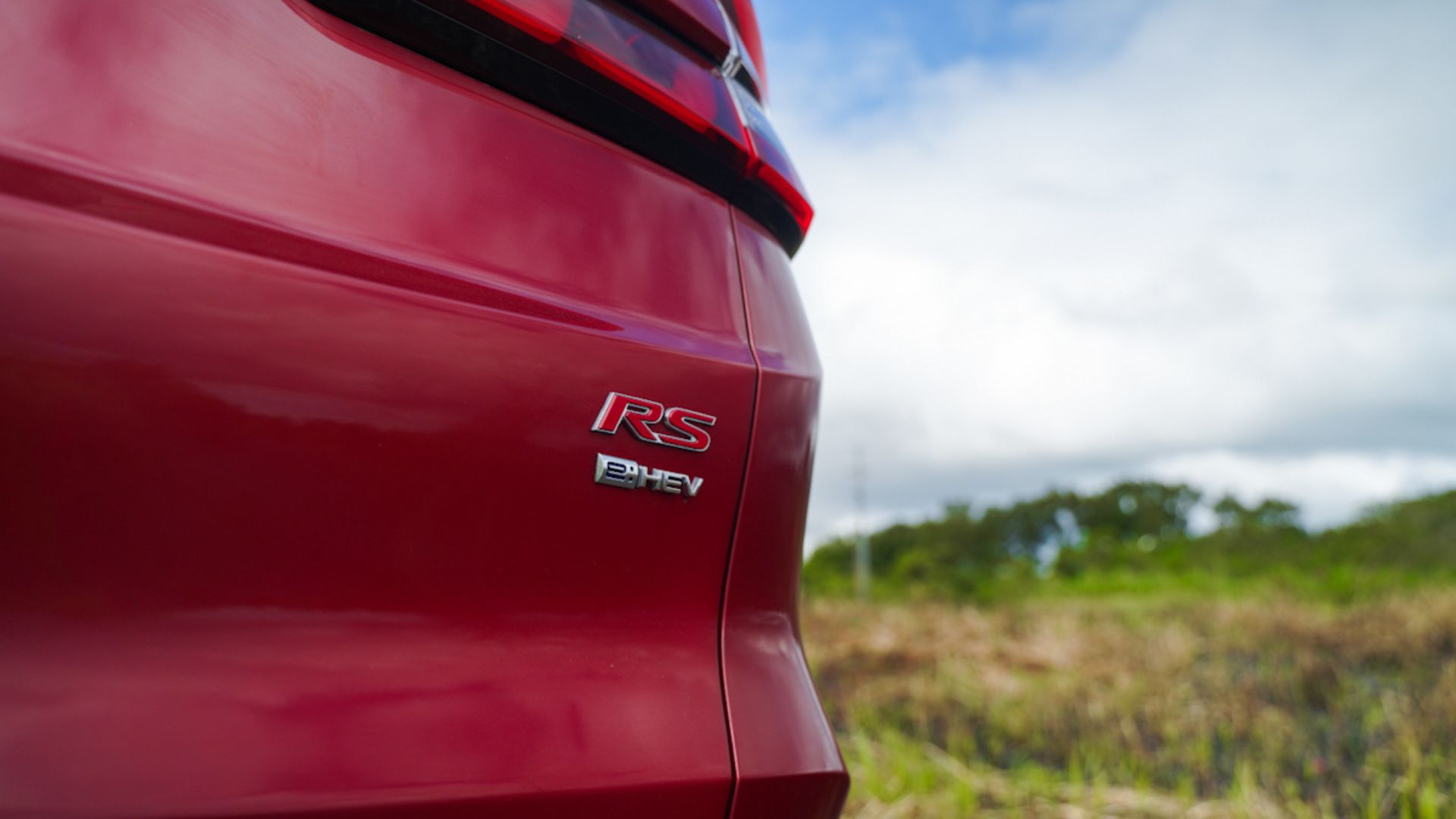
For the RS, it has a couple of variant-exclusive features. Aside from the panoramic sunroof mentioned earlier, there’s also a 12-speaker Bose sound system, panoramic sunroof and a heads-up display. The power memory seats are a nice touch, too.
It’s worth pointing out that the hybrid CR-V doesn’t come with a spare tire. The battery pack sits where it was supposed to be. At least there’s a tire inflator standard, along with a tire repair kit.
In a perfect world, it would have that and a spare tire on board. The lack of a spare might put some people off, but if it were a total dealbreaker, BMW wouldn’t have sold a single car since 2003. If you really insist on having a spare, you’d have to go for the non-hybrid variants.
Verdict
Admittedly, the price will give you a sticker shock. At P2,590,000, one could argue that they can get a larger truck-based SUV for about the same money. However, the CR-V, particularly the hybrid, isn’t competing in that segment.
To judge its value, one must take a look at its competitors such as the Hyundai Tucson, Mazda CX-5, Subaru Forester, and Toyota RAV4. In their respective top-spec trims, they’re all over P2,000,000, with the RAV4 being the most expensive of the bunch. If you factor in its features, ride and handling, performance, and economy, the CR-V RS e:HEV represents fair value. Not bad considering it’s the newest in its class.
There are just a few things we’d like to see down the line. First would be the addition of an all-wheel drive model as no models in its class feature hybrid power that sends power to all four wheels. Second would be better cabin materials at the back just so the rear passengers feel like they’re in a near P2.6 million peso vehicle. The last would be the larger 19-inch wheels as seen in Thai-spec models, but that might come at the cost of ride comfort.
Those aside, there’s a lot to like and love about the electrified CR-V. It’s stylish, practical, good to drive, has a punchy powertrain, it sips fuel, and loaded with features. It has all the ingredients that make it an ideal daily driver and long distance cruiser. There’s no such thing as the perfect car, but the CR-V comes close if you’re the type who chooses their head over their heart when it comes to sensible transport.
SPECS: 2024 Honda CR-V RS e:HEV
Price: P2,590,000
Engine: 2.0-liter hybrid
Power: 204hp (total system output)
Torque: 335Nm (motor)
Transmission: Continuously variable
Layout: FWD
Seating: 5
Score: 9/10