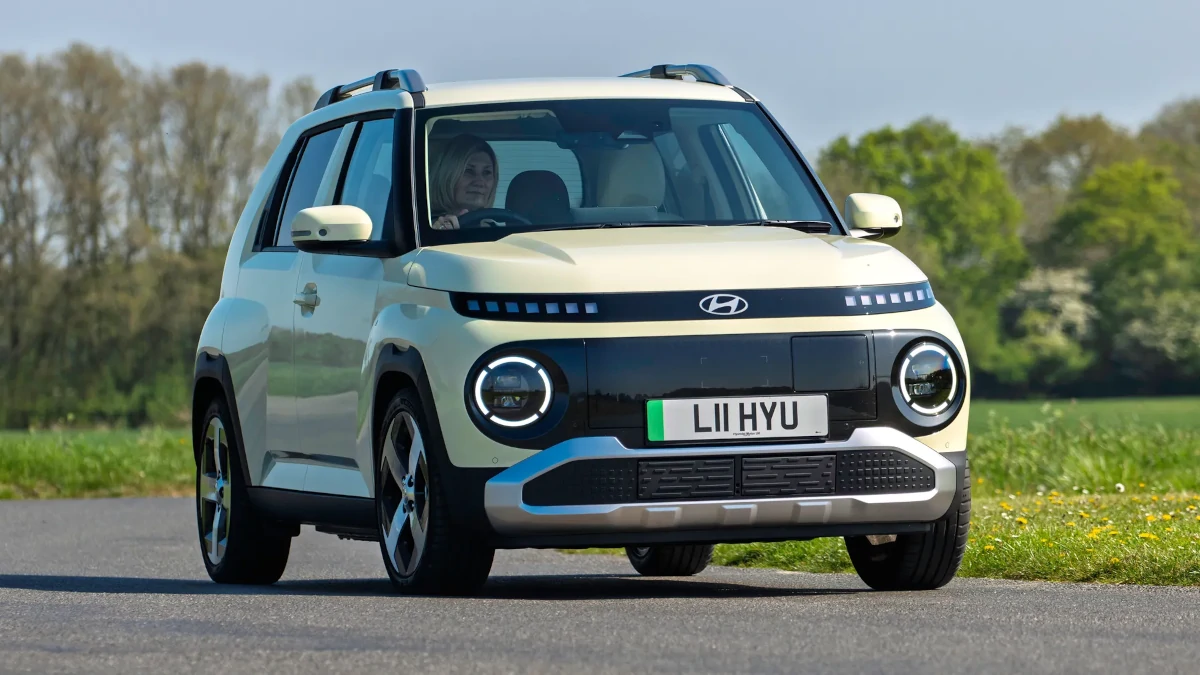

The Hyundai Inster is the Korean brand’s smallest electric car. But don’t let its size fool you. ‘City’ cars—gas or electric—tend to be pretty stripped out, but the Inster is hard to categorize. It’s designed with charm, generously equipped, and surprisingly versatile.
The Inster leverages Hyundai’s electric expertise, acting very much like a trickled-down version of the Kona. You can get it with one of two powertrains: The base version has a 42kWh battery powering a 97hp motor, with a WLTP range of 327km. Expect closer to 240km in the real world unless you stick to suburban speeds. The longer-range version—rated at 369km on WLTP with 38cm wheels, or 359km on 43cm wheels—uses a 49kWh battery running at a slightly higher voltage, allowing the motor to produce 115hp.
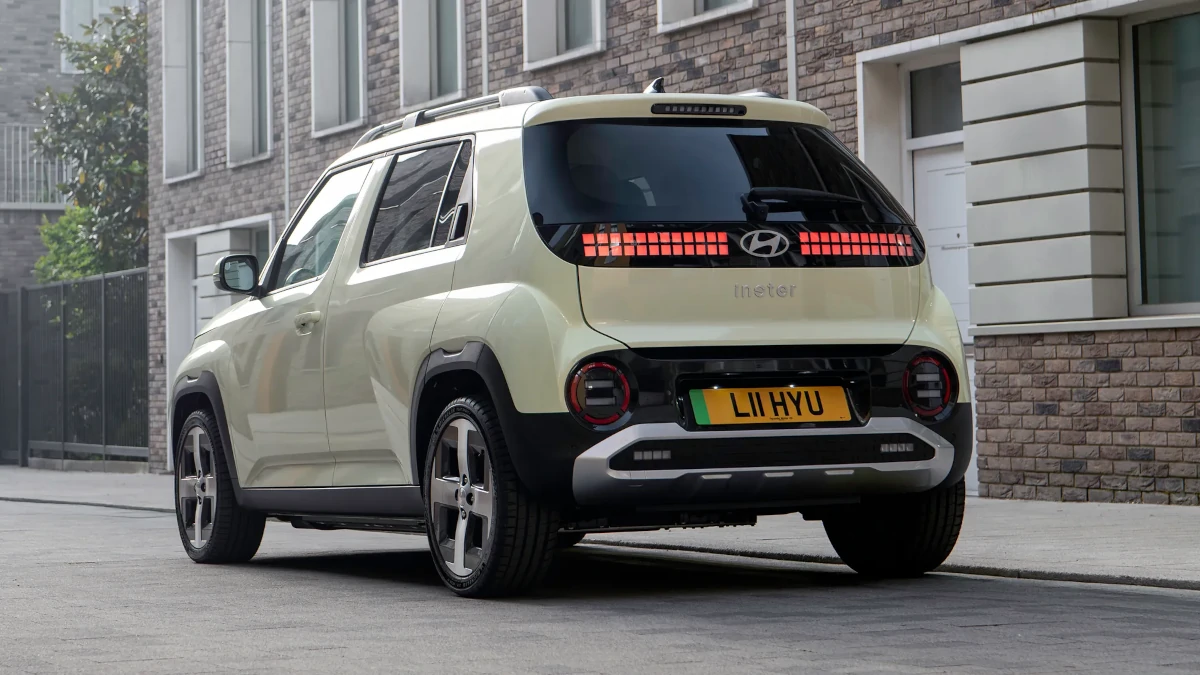
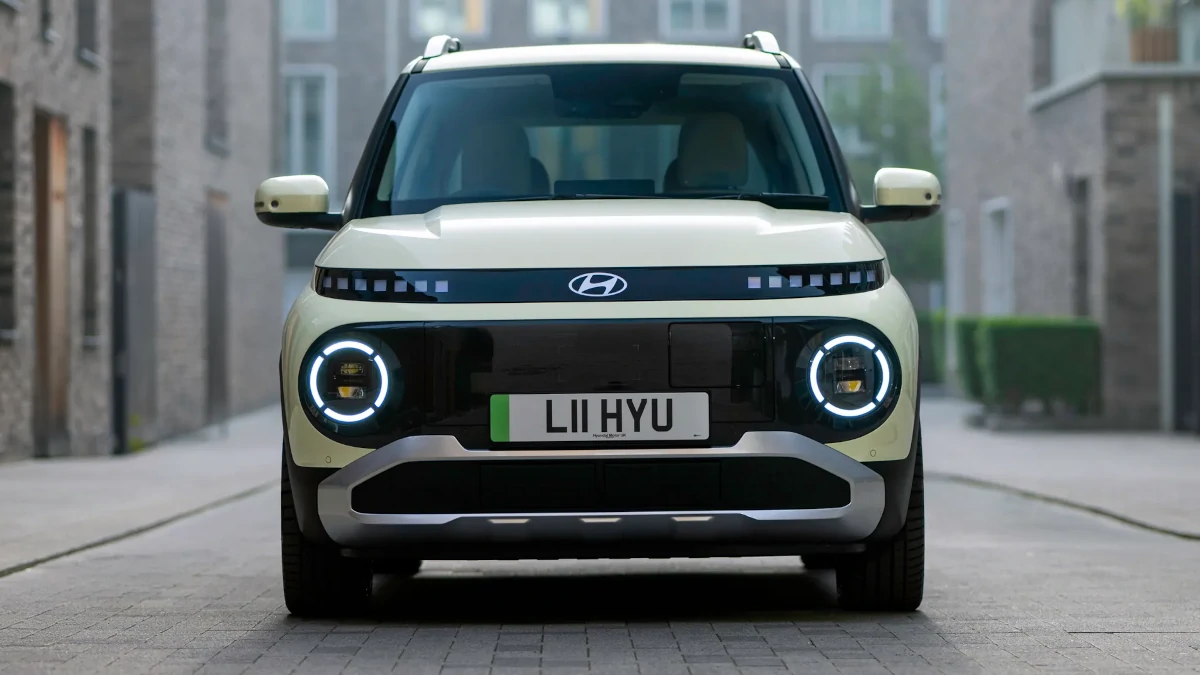
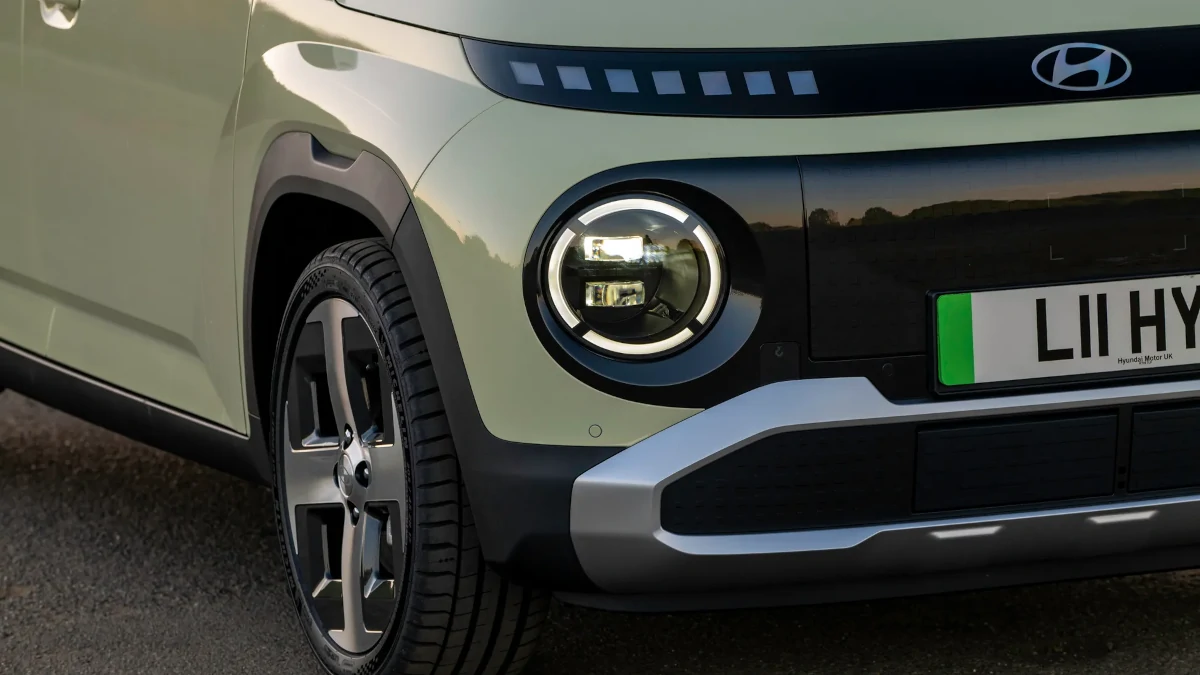
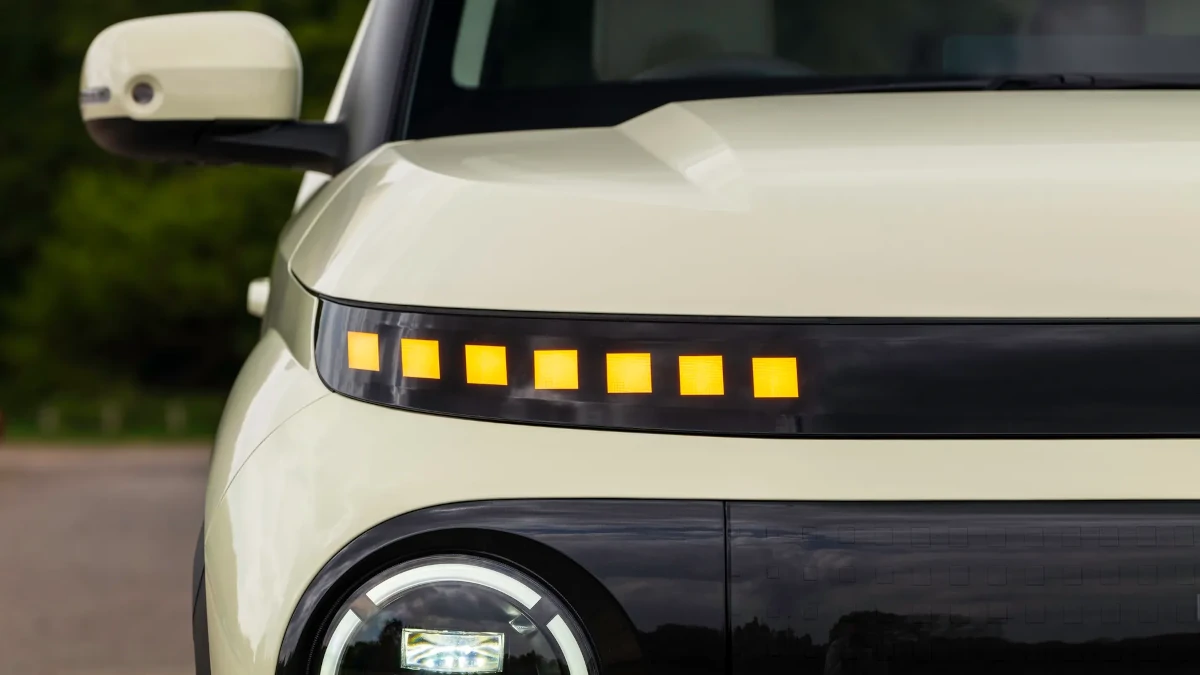
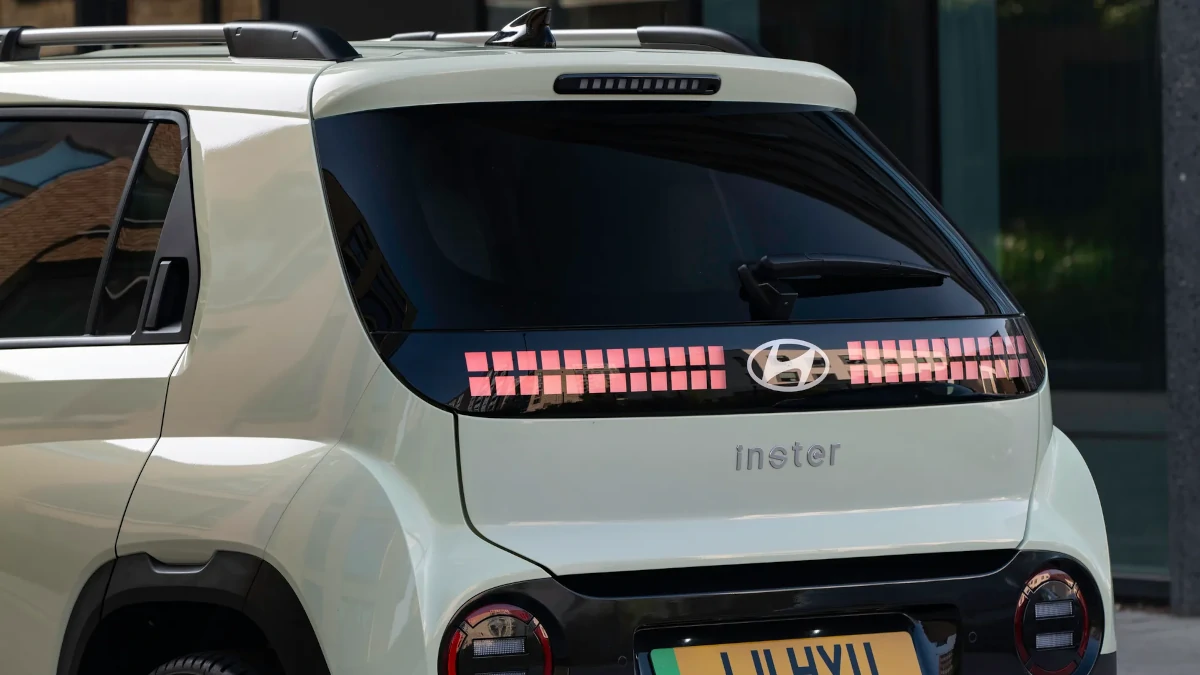
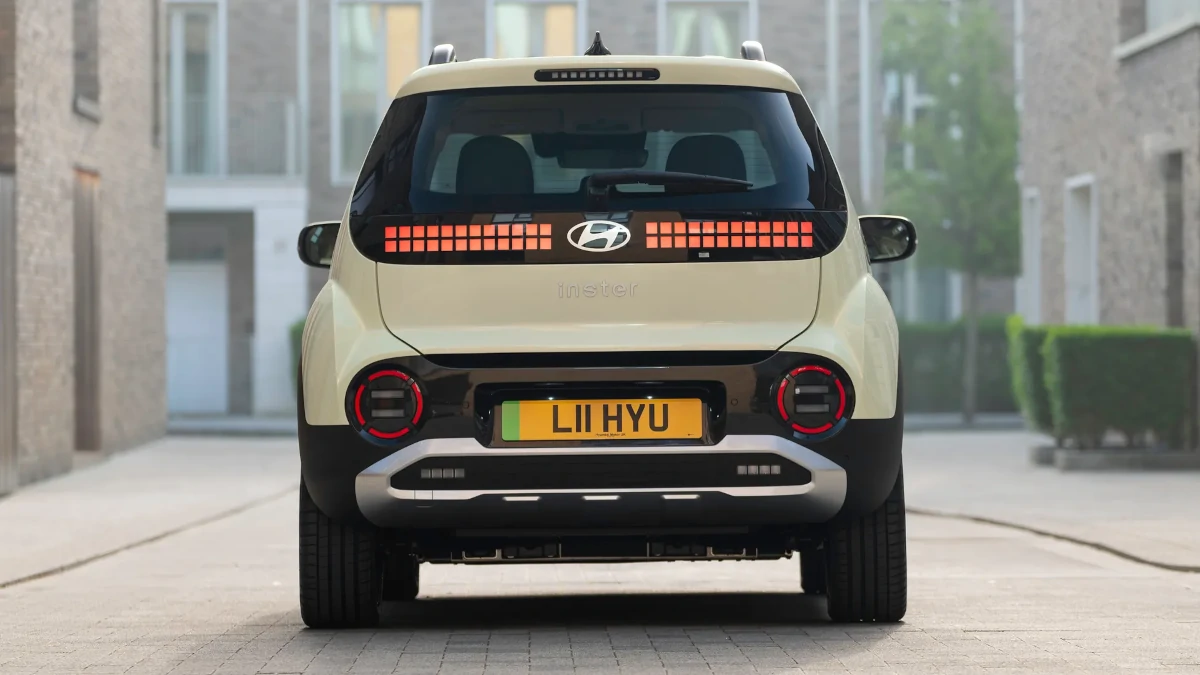
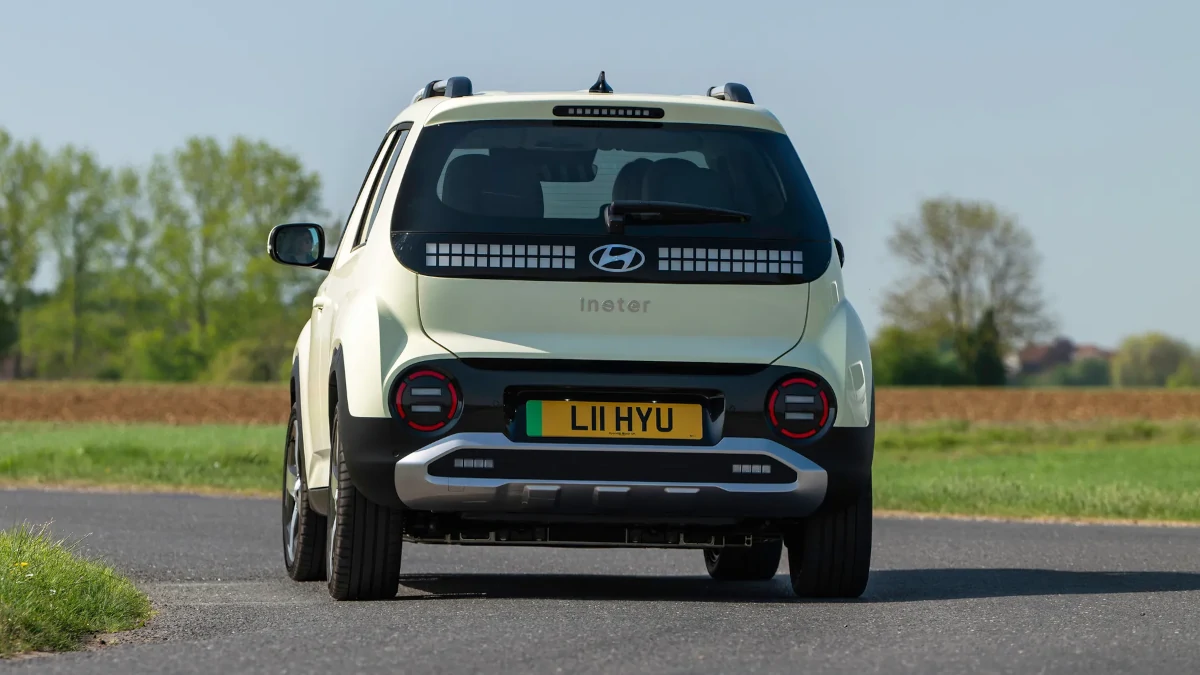
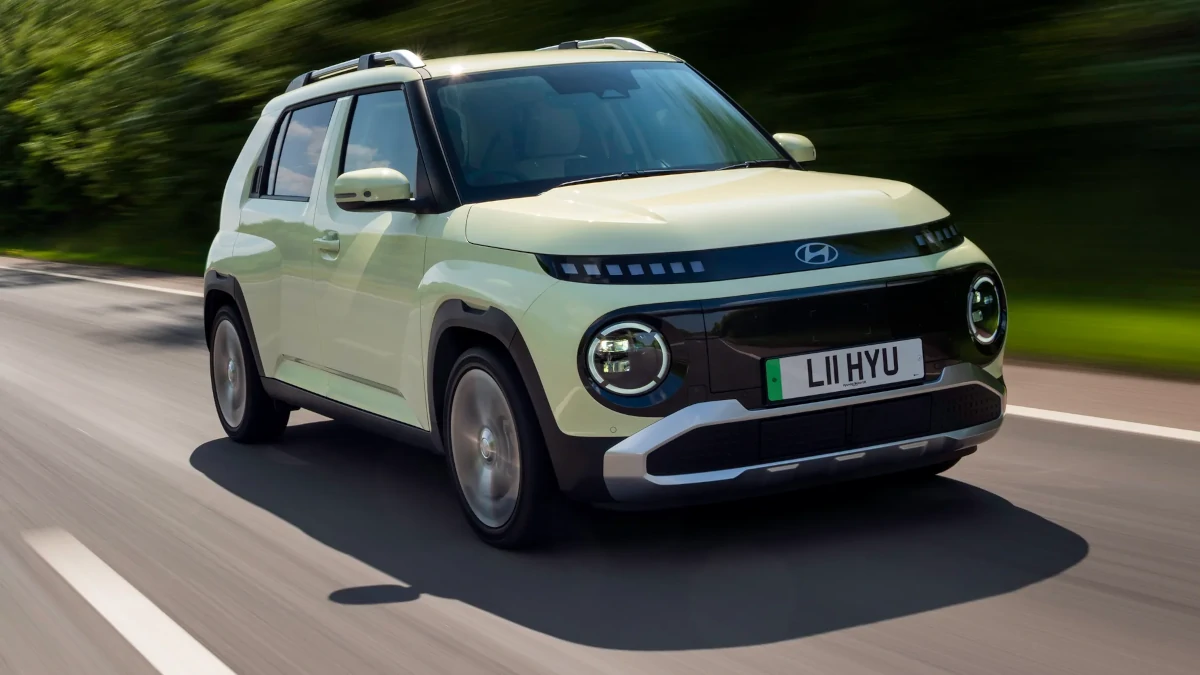
Like the best small cars, the Inster is cheerful-looking without tipping into cartoonish cuteness. Circular running lights give it a distinctive, animated face, and Hyundai has been liberal with its signature pixel lighting for the indicators and the taillights. Disciplined panelwork gives it a visual strength.
Hyundai calls it a crossover, but let’s be real. It’s just a bit raised, with some plastic cladding around the perimeter. That cladding is largely ornamental—the door panels are still unprotected if anyone opened their car door or bounced a shopping trolley on you. There’s a chunkier-looking version called the Inster Cross, but that’s still just two-wheel drive.
Hyundai Inster on the road
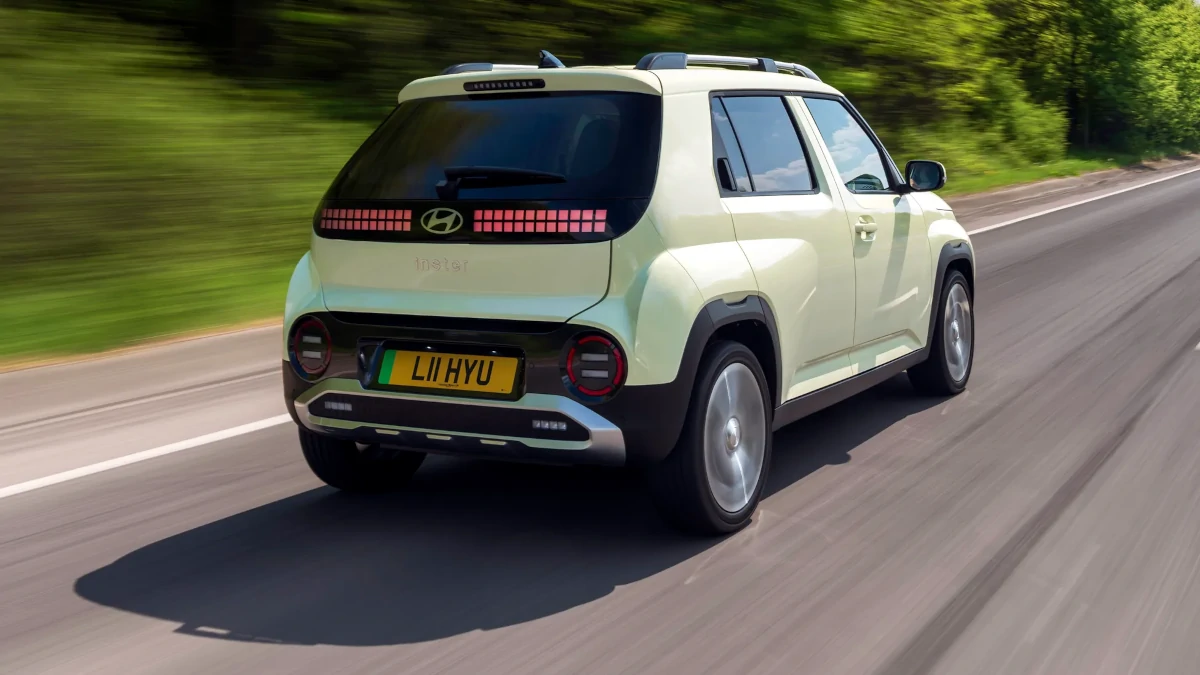
Acceleration isn’t bad. We used to be elated when a supermini could crack a 10sec 0-100kph run. Okay, this one can’t, either but it isn’t far off—the 115hp version does it in 10.6sec. The lower-range variant takes 11.7sec. Getting to 113km/h takes some patience, even in the quicker version. Still, the accelerator is well-modulated and drive take-up is smooth, making the Inster very easy to live with in city traffic. You can choose from three levels of regenerative braking, and after that, the handover to the friction brakes is neat and well-tuned.
OTHER STORIES YOU MIGHT HAVE MISSED:
First impressions: The new Hyundai Creta N Line is turbocharged, and we’re here for it
Electric luxury MPV showdown: Lexus LM350h vs. Li Auto Mega
The suspension is on the soft side, which makes sense for a city car. The damping keeps pretty good control of things on undulating roads. In corners, it rolls and squeals the tires. Lots of small cars do that, but they give you a laugh because they let you feel the road through the steering and even adjust the course with what little power they have. Not so much here—the Inster is too numb and po-faced for our taste, and it’s best driven at a gentler pace.
That said, it feels solidly built—no shuddering or flexing—and the suspension is quiet. This makes the soft ride feel pretty sophisticated for a baby car. It’s very finished, not at all cheap. Only the wind noise betrays it—can get a bit irritating on the highway, that.
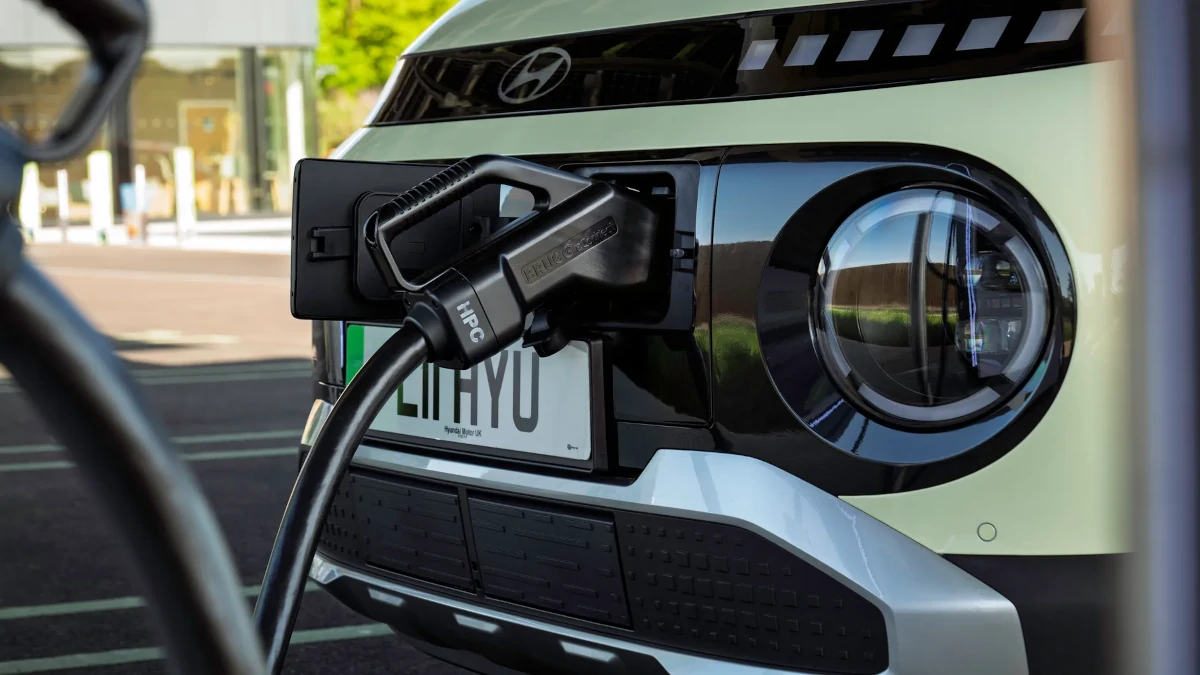
Charging speed is modest: The smaller battery peaks at 73kW, and the larger one at 85kW. A 10-80% top-up takes about 30 minutes. That sounds fine until you realize that on the highway, 30 minutes may only get you an extra 160km.
Driver-assist and active safety tech are standard across the range. You don’t expect adaptive cruise with lane centering on a car this small, but here it is, even on the base trim. A neat option is Hyundai’s system that puts a blind-spot camera view into the instrument screen when you activate the turn signals—might be worth going for it if you can afford it, because the A- and B-pillars are quite thick, so visibility at junctions and over your shoulder is a little compromised.
On the inside
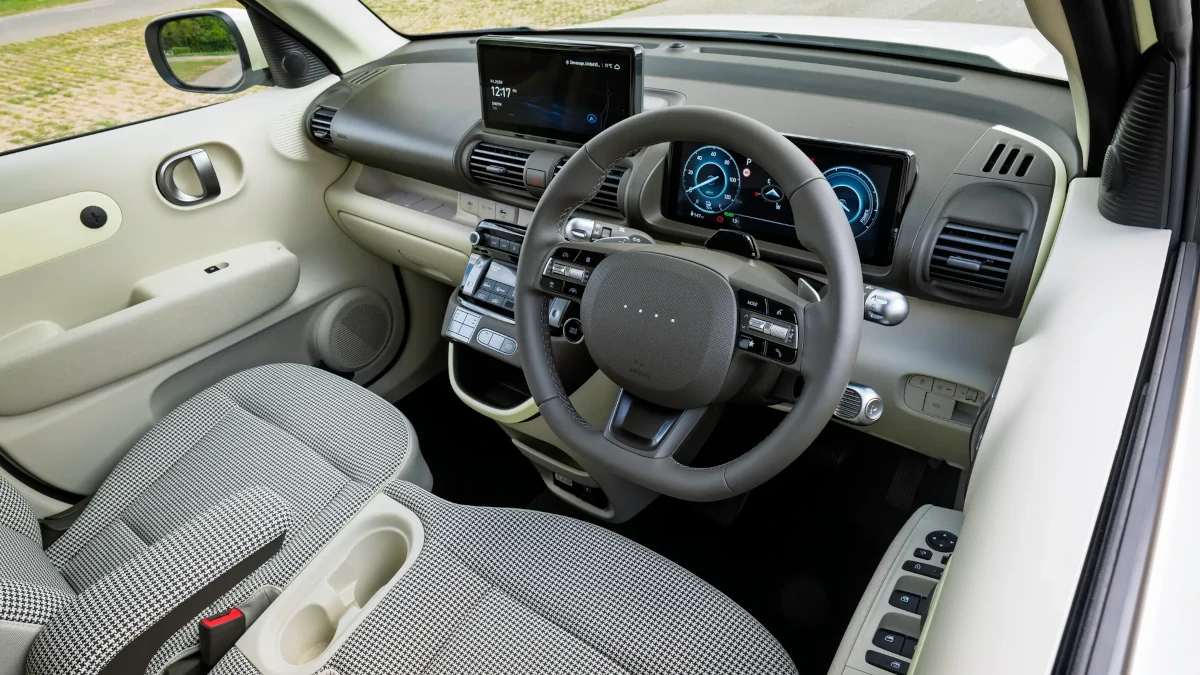
The Inster’s cabin is fun and distinctive, with some neat little touches. We like that Hyundai has made extensive use of recycled materials here, such as the 100% recycled PET seat coverings with a houndstooth-adjacent ‘Pepita’ pattern offering a touch of sophistication. Just don’t stare at the seats too long because they’ll make your eyes go funny.
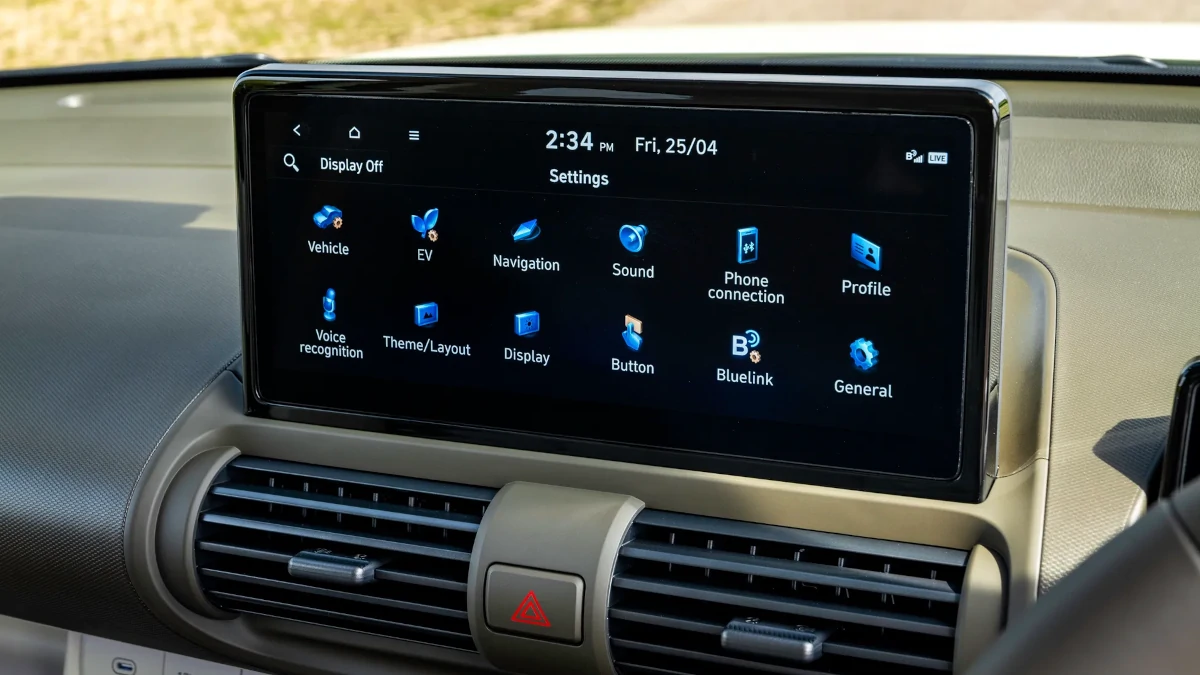
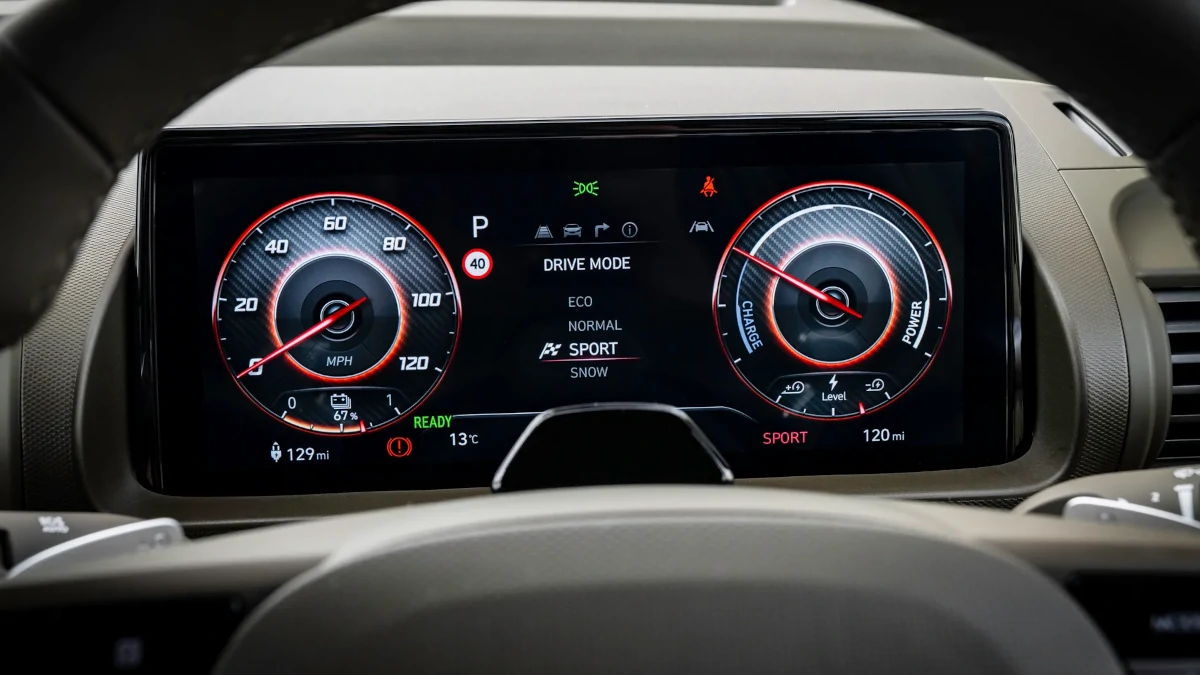
Yes, plonked neatly on top of the dashboard are twin 10.25-in screens that form a digital dashboard and infotainment display. The dash offers up a useful configurable layout with an array of faithful digital recreations of dials. We quite liked the more left-field pulsing cubes that make good use of the tech.
The screens and graphics are lifted pretty much wholesale from loads of Hyundais—not the very latest system, but even this last-gen setup is as good as other carmakers’ most current efforts. That said, it can feel slow at times, like when you’re trying to turn the irritating ADAS alarms off before every journey. Come on, Hyundai, we’ve got places to be.
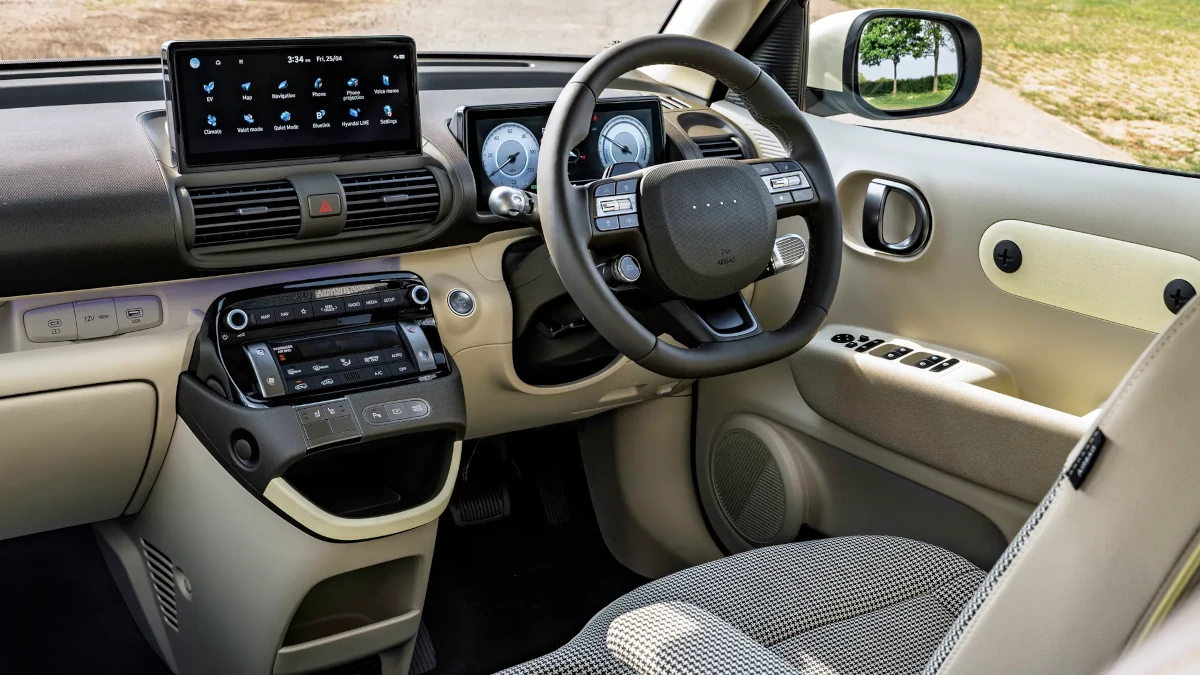
Below the central screen are volume and zoom knobs, and between them a row of actual buttons, shortcutting to media, setup, nav, and a configurable favorite. Modern Hyundais don’t have a logo inside, so you’d never be able to tell you were in one from behind the wheel, but here’s a fun fact for you: Those squares on the steering wheel are meant to spell out the letter H in Morse code.
There’s a decent array of cubbies, although the dashboard has to work hard to make up for the lack of a center console. The front seats act like a bench, and since there’s no center console, you can easily get to the driver’s side from either door. Whether the absence of a proper center storage bin makes the slide-across facility worthwhile is another question.
All the storage you’re left with is a bit of small-object space below the climate controls, and a trough above the glovebox—but that doesn’t have a rubber mat, so your items will rattle and slither about.
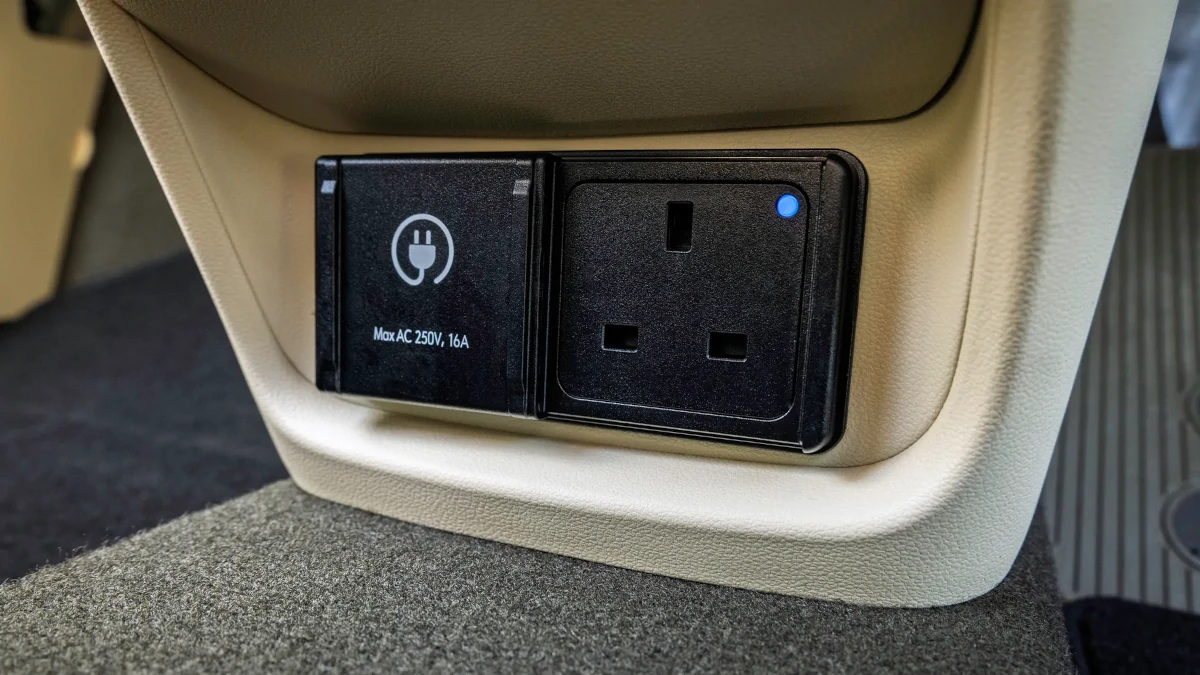
USB sockets live there (that’s where you plug your phone in—and then back in after it flies off the dash when you take a corner over-enthusiastically), and in the upper spec, there are more in the rear, plus a mains voltage socket.
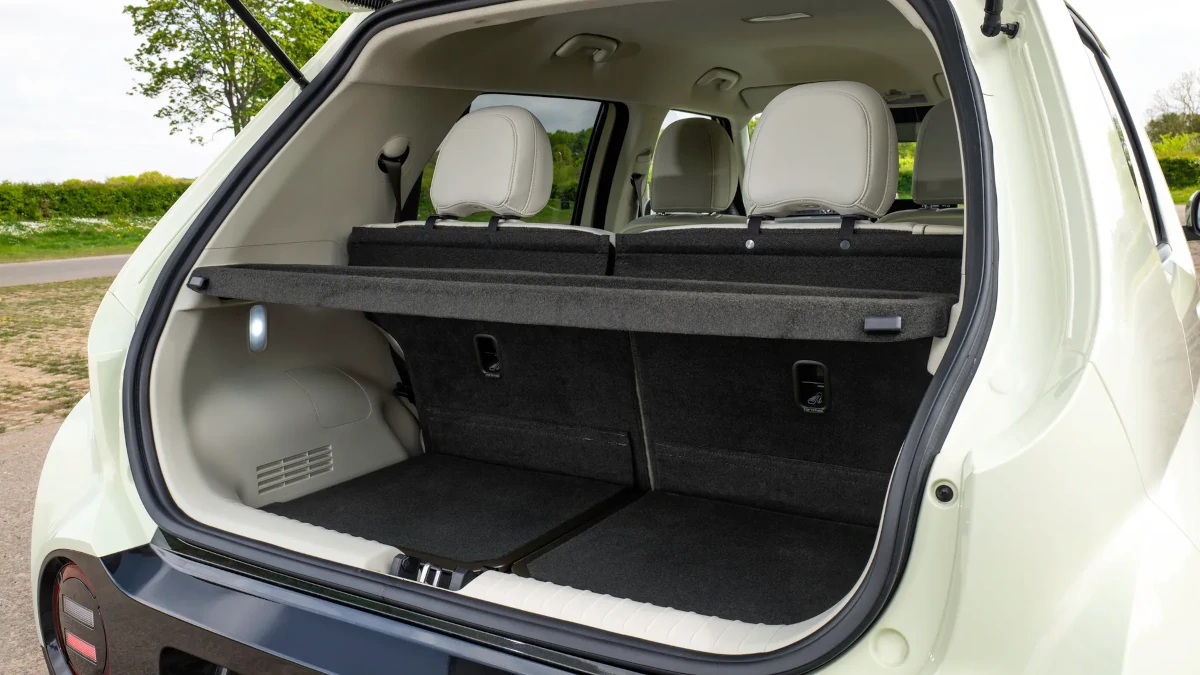
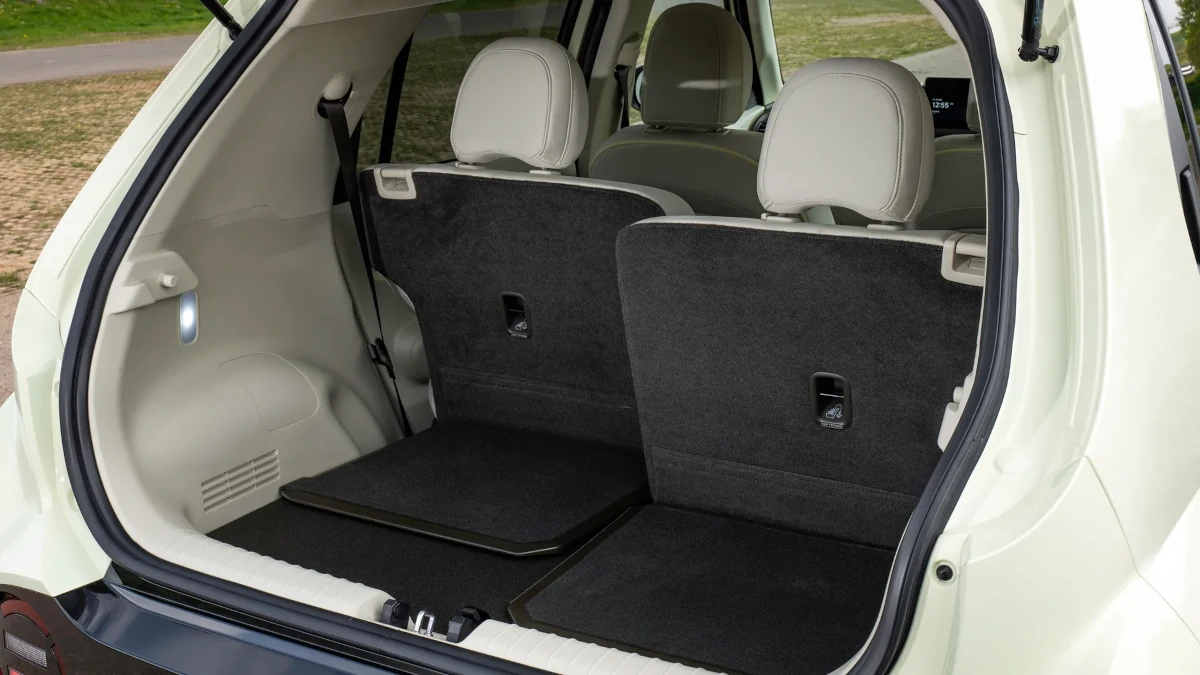
The Inster’s narrowness means just two seats and two seatbelts. But that’s not all: While there’s a normal bench for the base spec, the higher variant has a pair of sliding/reclining ones. Slide them back and legroom becomes pretty palatial. Of course, set up that way, the cargo area is correspondingly tiny, but it has an underfloor cubby.
You have 280 liters of space in the rear with the seats in their normal position, which can be increased to 351 liters in the higher-trim and Cross versions. With all the seats down, you get 1,059 liters of space. Usefully, the front passenger seat folds forward if you’ve got something bulky to shift.
Final thoughts
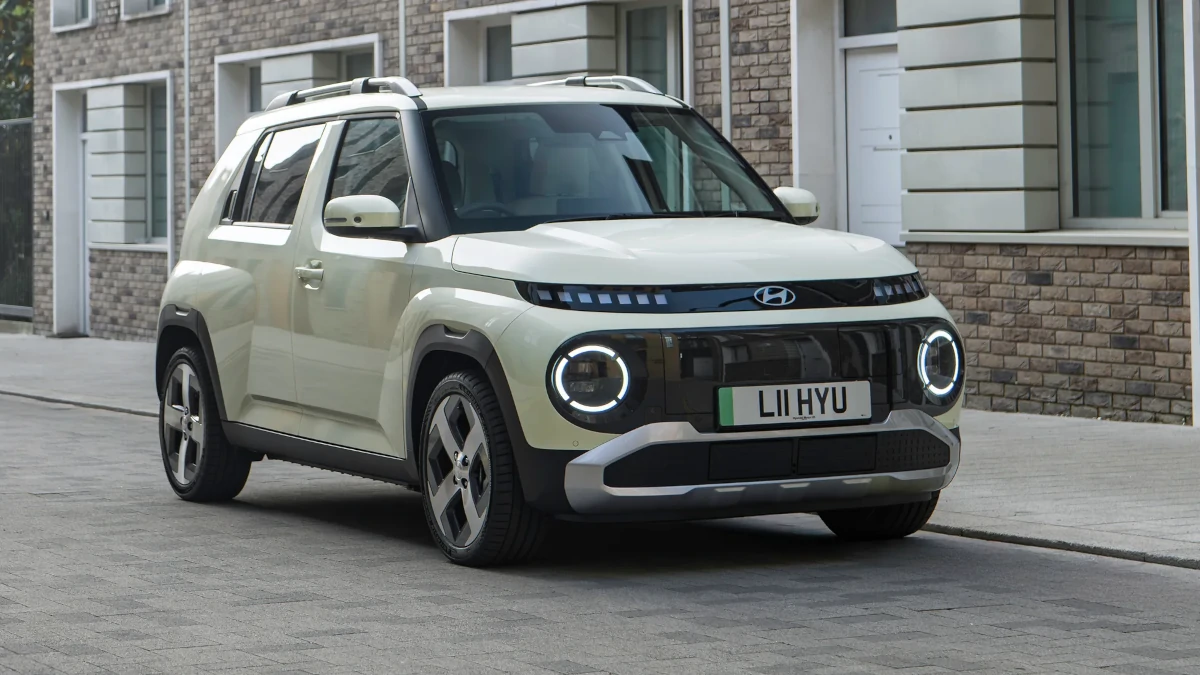
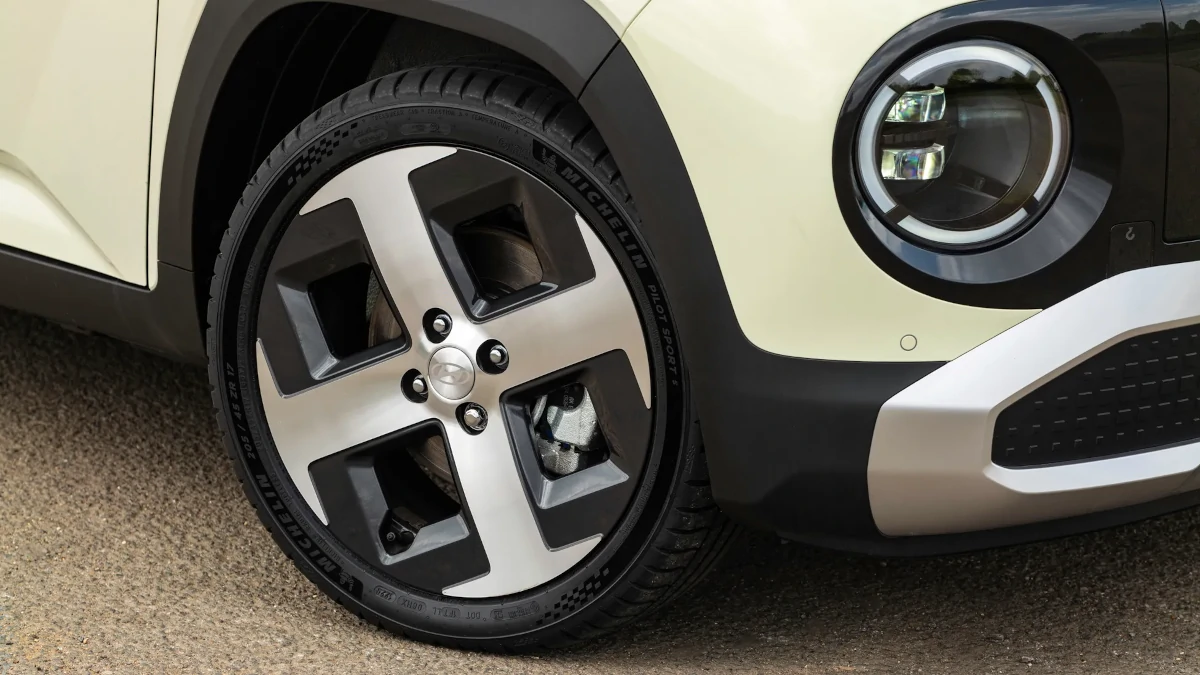
The Hyundai Inster’s design gives it a presence beyond its physical size, undermined only by the base version’s tiny 15-inch wheels. The cabin also works well, blending grown-up, rational instruments and controls with cheerful upholstery. Even though it’s small and can never carry five, the higher variant’s sliding rear seats do improve versatility.
Hyundai’s electric expertise is well-proven, so we’d expect reliability and efficiency to be pretty much a given. So even though it sits oddly among the size classes, don’t get too hung up—it feels like something bigger.
More photos of the Hyundai Inster:
NOTE: This article first appeared on TopGear.com. Minor edits have been made.