
Incarnate zeitgeist is all the rage until it isn’t, and everyone shifts the schtick to something else. It happens relatively quickly, and sometimes.... not for the better. Take the MPV: The genuine multipurpose vehicle, the minivan shape, may have fallen out of fashion. The exact rules of these transitions can be hard to follow, gently dictated by car companies and buyer insecurity, but the MPV satisfies a need.
Just because the shape has been overshadowed by faux by fours, it doesn’t mean that need has ceased to exist. People still need to move larger groups in comfort, in car form. Of course, you can do that in an SUV, but a boxy MPV will always win the space and comfort war—and when extreme utility speaks, it’s convincing.
We’re not talking about converted live-axle vans here, either. Putting windows and leather into a commercial platform always ends up feeling like exactly that: a commercial platform with a thin veneer of bougie tinsel slathered on top. But in East Asia, the MPV hasn’t fallen out of favor—it’s kept evolving. And now it has some really compelling cars.
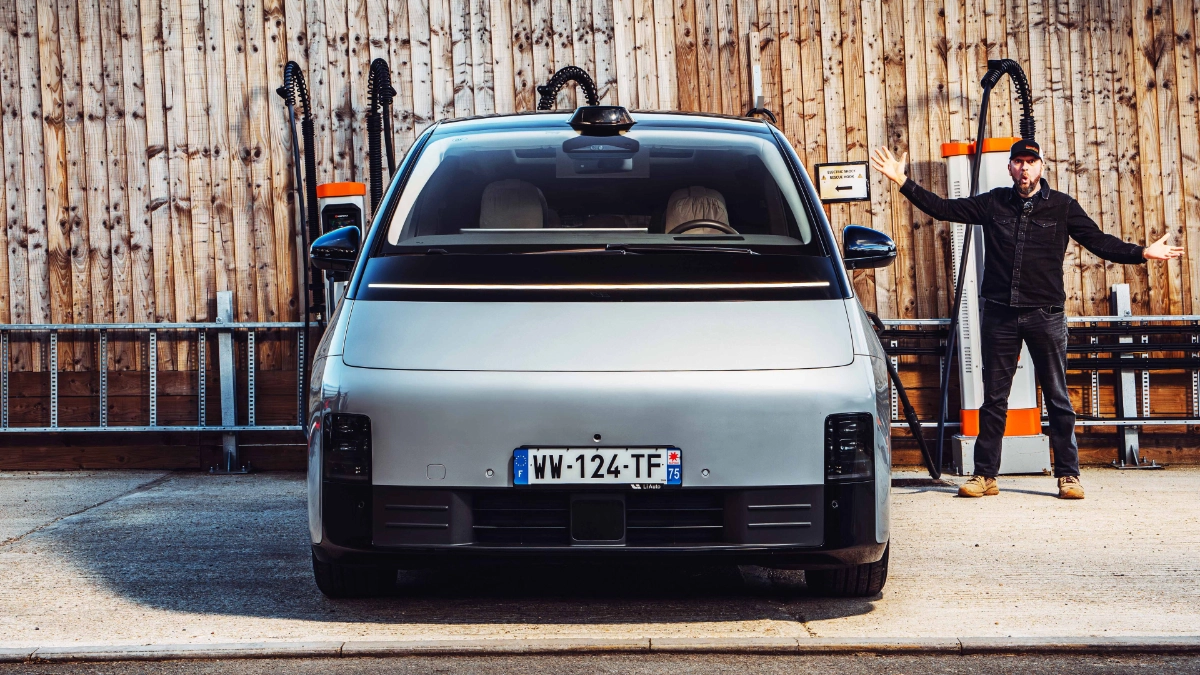
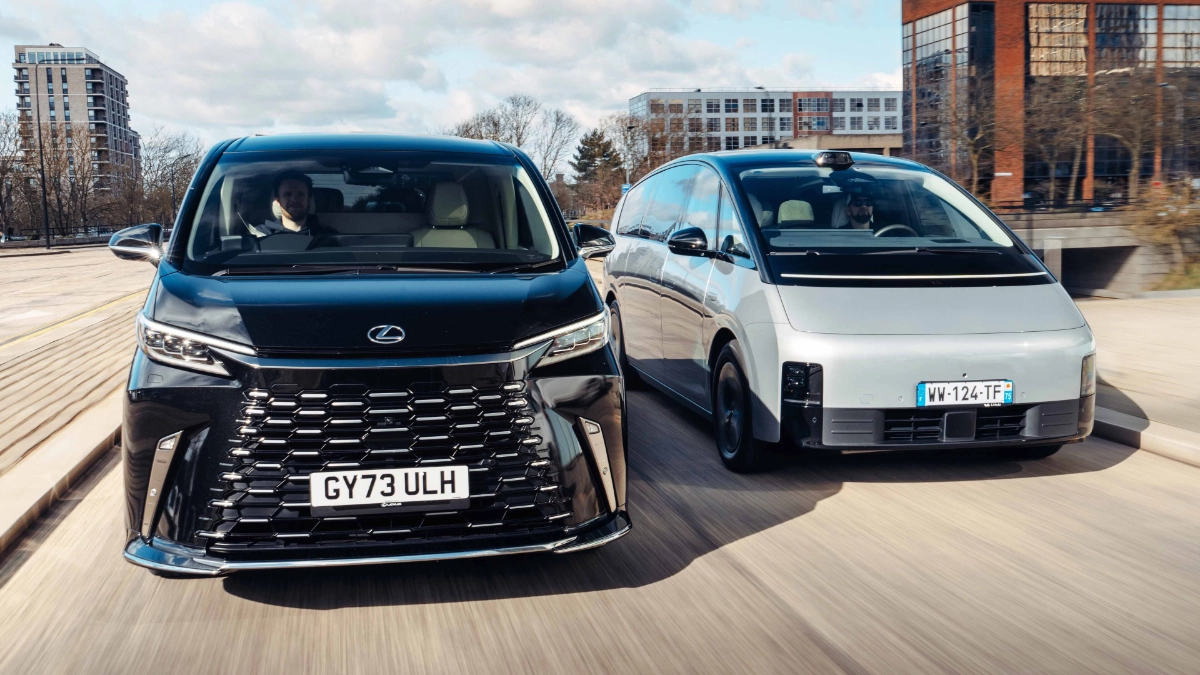
Take the Li Auto Mega as an example. Li Auto is a Chinese company more accustomed to providing plug-in hybrid SUVs, but it has birthed the Mega as a first try at a full electric ‘urban’ transport for seven, apparently, with a generous range of over 500km. It’s capable of ‘hyper charging’ at 520kW, and looks like real-life sci-fi. But the practical application is a tad disappointing—it’ll take seven people and luggage, and do so with a level of comfort you only see in cars costing four times the price.
First, the looks. It’s designed by Benjamin Baum, the fella responsible for the 992-generation Porsche 911, and it stops traffic. Love it or loathe it, you can’t ignore its 5,350mm presence. It incorporates the Li Auto fancy light bars front and back, and leans heavily into the efficiency aesthetic. In fact, to keep the Porsche theme going, it’s more aerodynamically efficient than Porsche’s own Taycan, with a blunt nose and a chopped Kamm tail punching through and releasing the airflow, respectively. But more than that, it’s actually very coherent and stylish, even if it’s essentially a big box. And it doesn’t look like another SUV with an electric drivetrain stuffed in.
As for the practical bits, dual electric side doors, a big square hatch at the back. The seating arrangement is 2+2+3, with airline-style captain’s chairs in the middle and a kid-friendly bench in the rear. Legroom is enormous, all the seats move, all are heated, with the front four also being cooled. There are massage seats for the front four, a drop-down, ceiling-mounted, and gesture-controlled OLED monitor, a warmed/cooled drawer for snacks, wireless charging all around, and more storage than you think you need. Even the back row folds and rolls electrically to give a van-sized cargo area if you need it.


You can convert the back into a double bed, electrically, obviously, and there are various modes that make the most of the space. Nap mode is a favorite: The car leans back the front seat, sets a timer, and then plays birdsong until it’s time to wake up, and you slowly rise—literally—from your slumber.
ALSO READ:
Still in search of a gift for dad this Father’s Day? Here are some ideas
Even Huawei wants a slice of Rolls-Royce and Maybach sales
But it’s not just about the space. The twin 15.7-inch front-seat displays are cutting-edge, instantaneous in operation, and painfully clear. They make some European manufacturers’ operating systems look like an eight-bit Game Boy, and the iPhone-like tiny touchscreen on the top of the steering wheel is a nice touch. There’s MindGPT (an offshoot of ChatGPT) baked in, and the car will react to gestures. Point at a window and say “Open that,” and the car will do so, recognizing the finger.
Yet that’s not even the thing that you notice most when out in the car. This is in no way a driver’s car, but it accelerates outside the usual superlatives, gently choking out expectation with a smooth, frictionless-feeling whoosh. It’ll hit 100kph in 5.5sec. And yet, even with this much mass and slab and length, it doesn’t feel out of hand or hard to control.
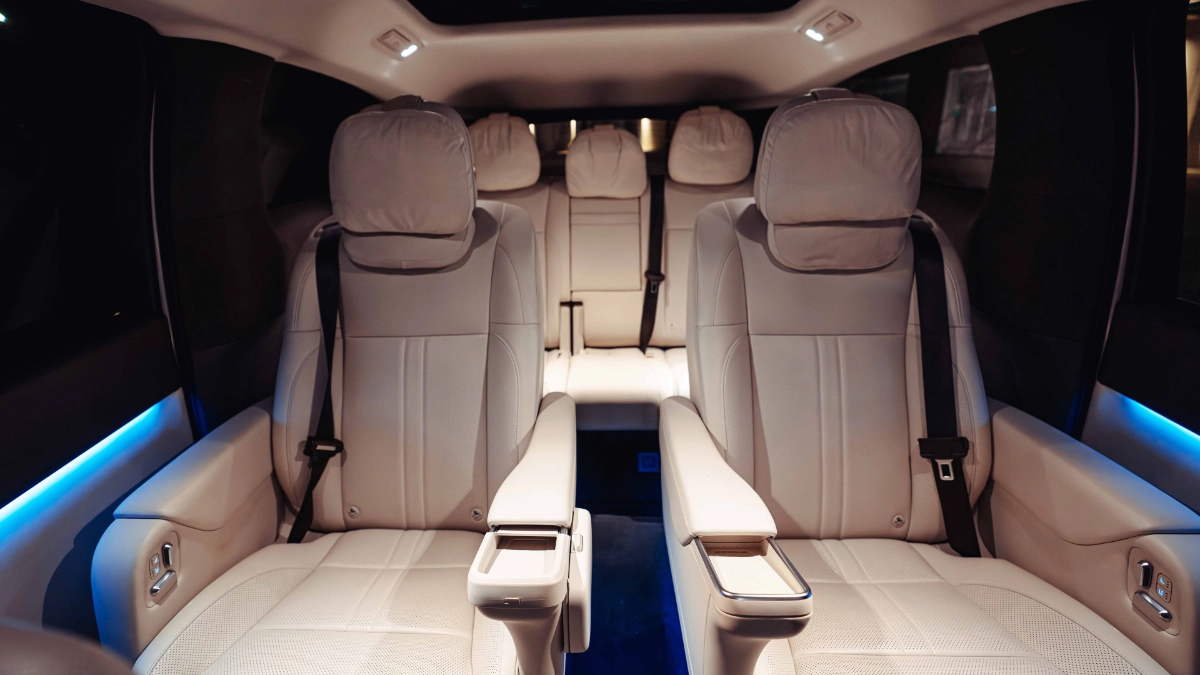
In fact, it just makes the Mega nippy. Want to merge smoothly with traffic on a highway or pull out onto a busy roundabout? The Mega’s throttle control, instant acceleration, and general AWD grip mean you don’t have to worry about getting that length slotted into the right place. There are modes that change the suspension and throttle aggression, but they are so fine in their nuance, it’s only the hardest and softest settings you can really distinguish.
Still, that ride and isolation. It’s more like piloting a hovercraft than a car. It’s big and heavy, but the way the ‘Magic Carpet Air Suspension 3’ (to give it its full name) divorces you and your passengers from the outside world will have you doubting the need for road repairs. Which means that the lardy handling really doesn’t matter so much. Given the Mega’s focus on passengers, it’s better to cruise and watch everyone fall asleep.
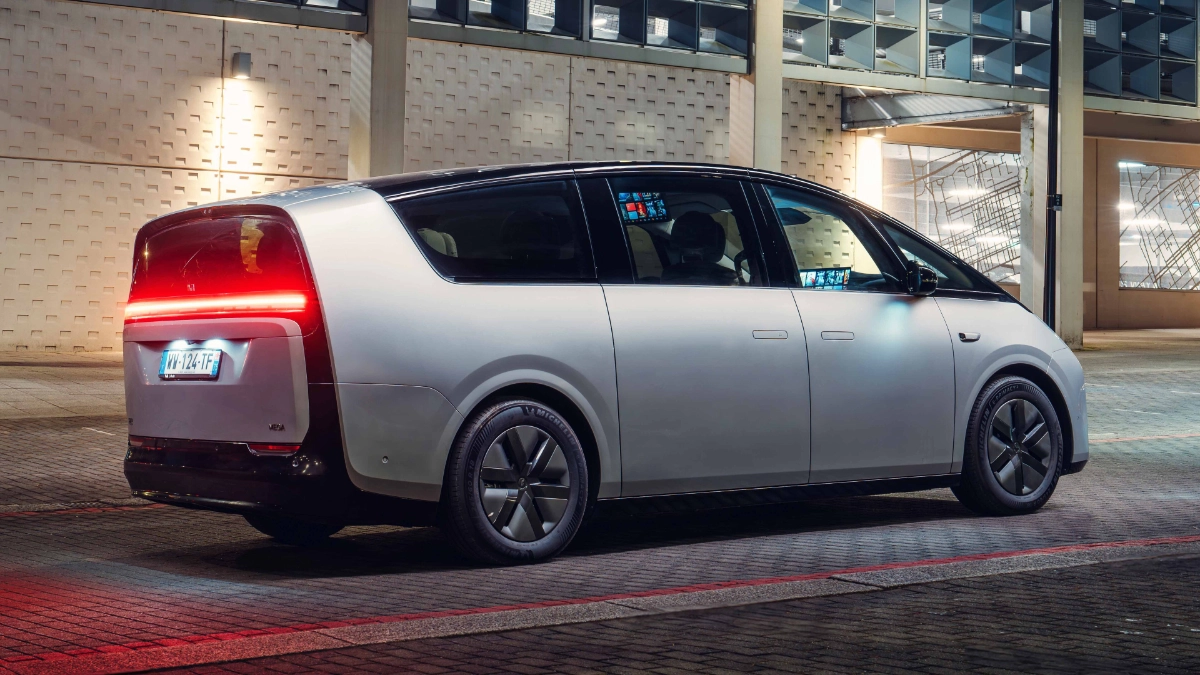
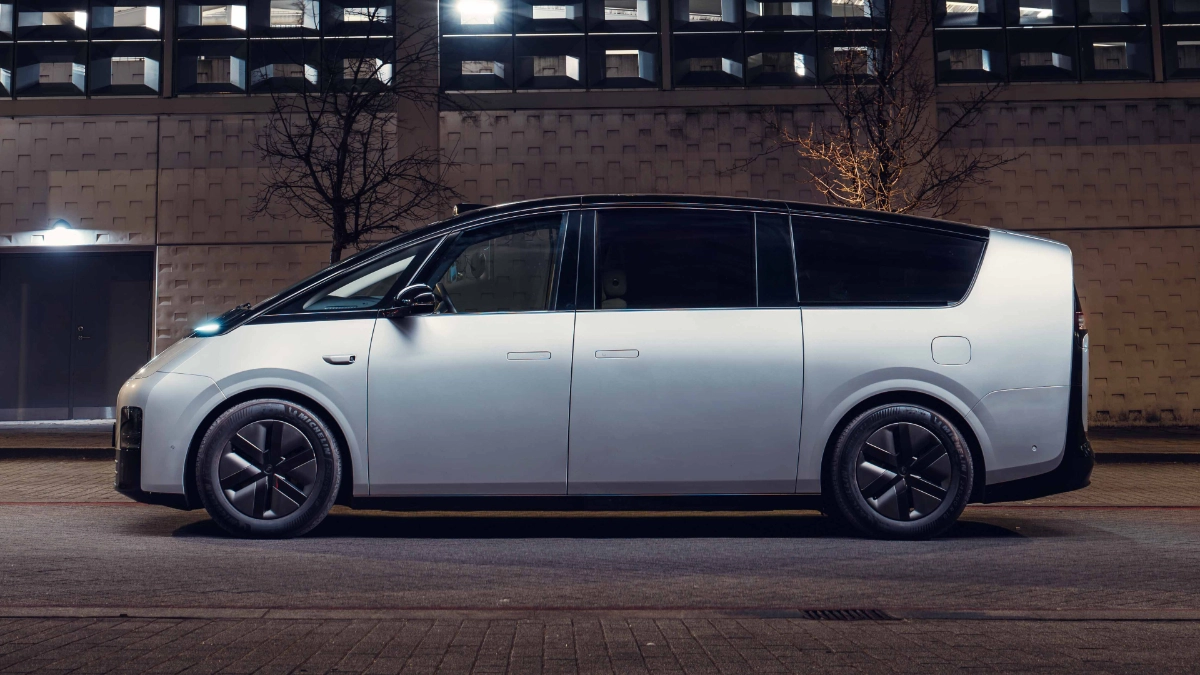
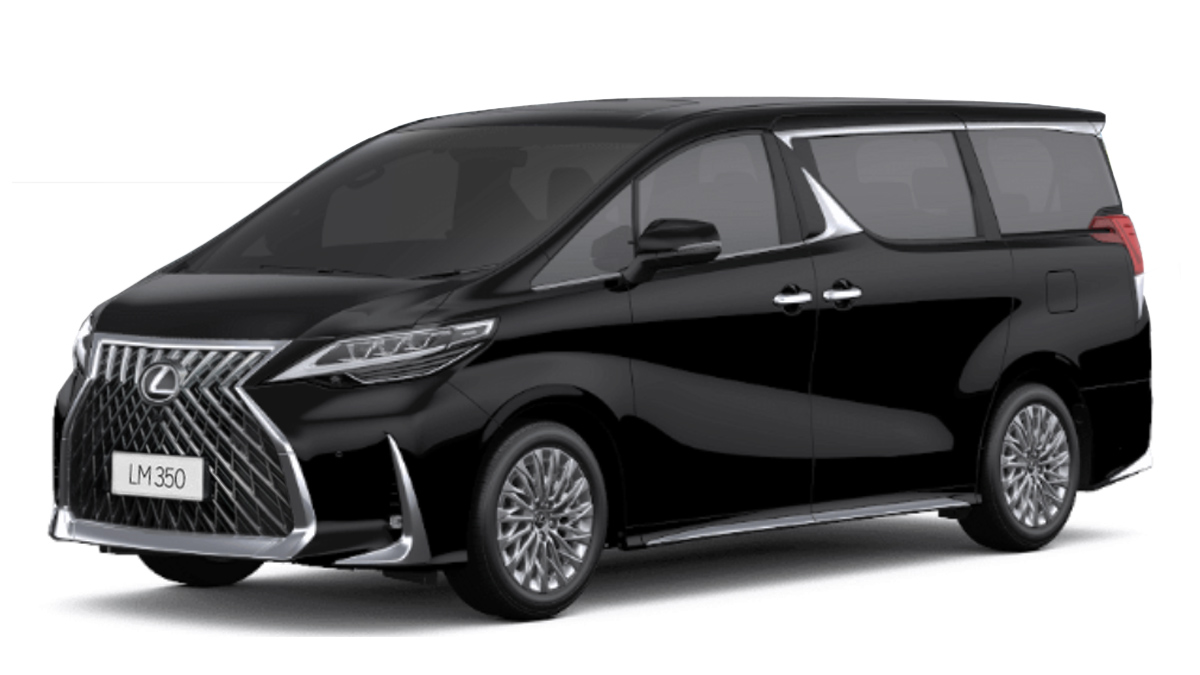
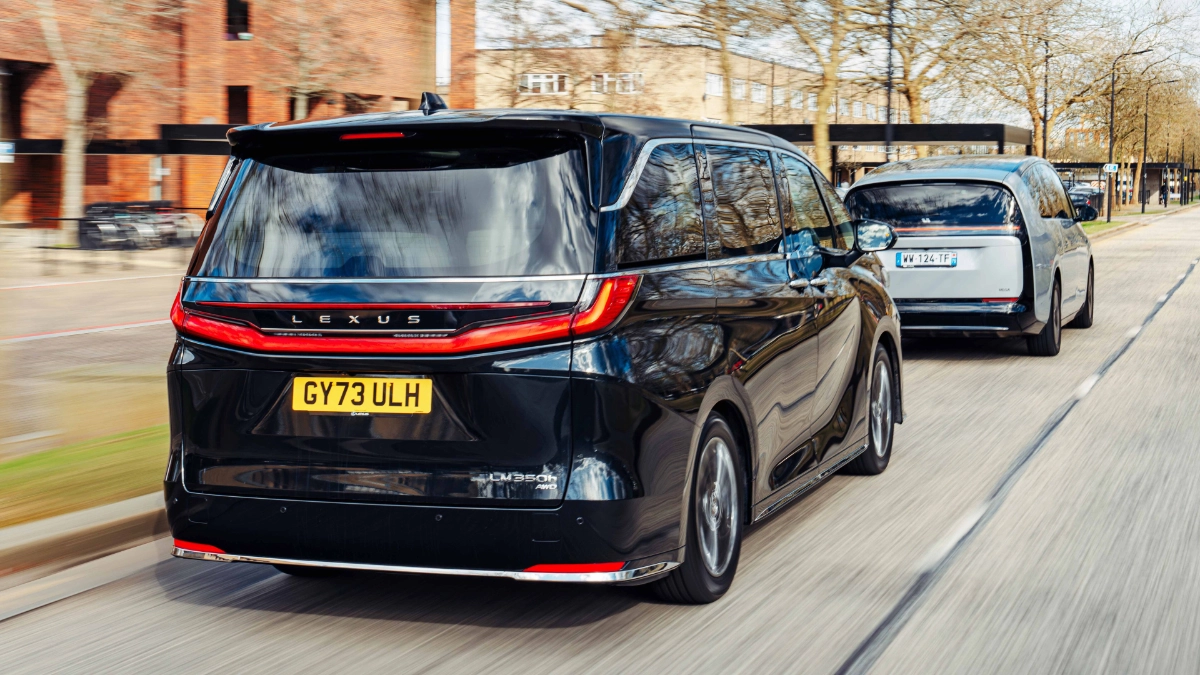
So yes, it’s awesome and a bit weird and only available for preorder in the Philippines, so it doesn’t really matter...yet. But what is available today? Well, Lexus has recently killed the LS luxury sedan and kept its more luxurious minivan, the Lexus LM350h. Actually, to call it a minivan is to do it a disservice. The LM is based on the TNGA-K car platform and closely related to the Toyota Alphard, which has been doing sterling service in Asia since the world was born. It can come with front- or all-wheel drive, in seven- or four-seat configurations, all with a 2.5-liter four-cylinder gasoline engine with hybrid assistance. And it’s MPV-tastic.
The spec you see in the pictures is the full-on limo takumi grade. Four seats, the two in the back being of the airline variety, with all the same gear as the Mega—wireless charging, massage, heat/cool, just lie flat and think of Japan. It’s got a 48-inch TV monitor in the divider between driver and passengers, with a powered slide-up electrochromic screen to give you privacy. It feels much more like a limo than the Mega in terms of setup, less so when it comes to ride. Yes, it has adaptive damping, and yes, it’s more precise than the Chinese car, but the CVT is noisy, and the cushioning has sharper edges.
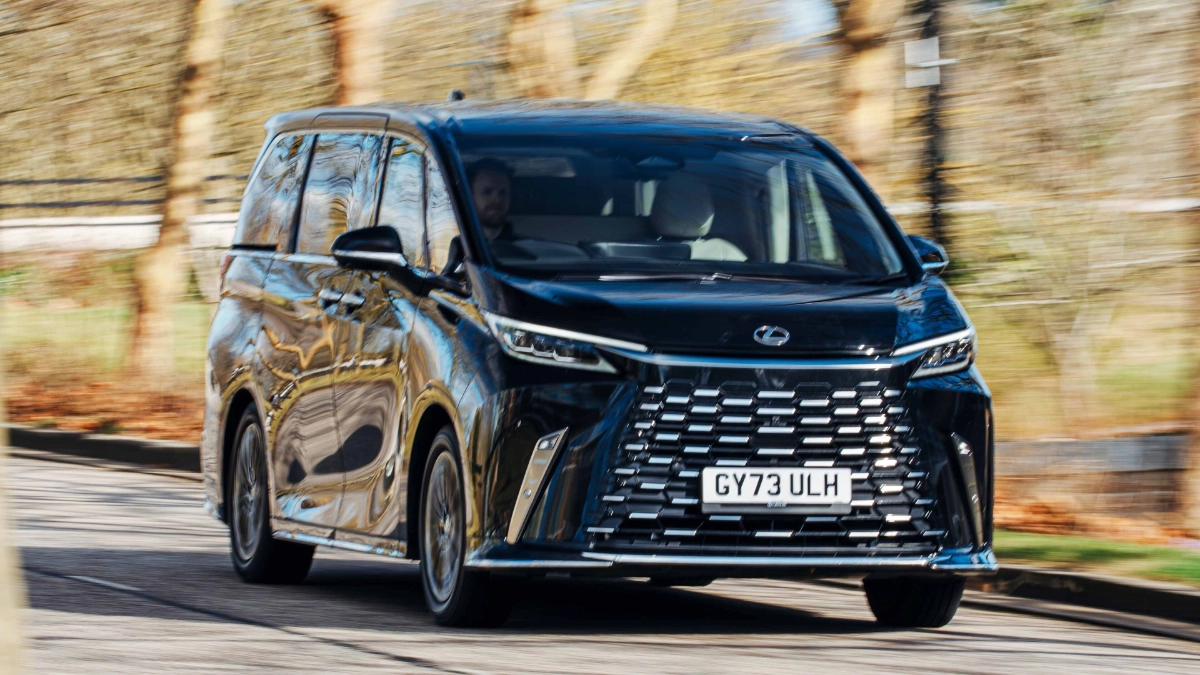
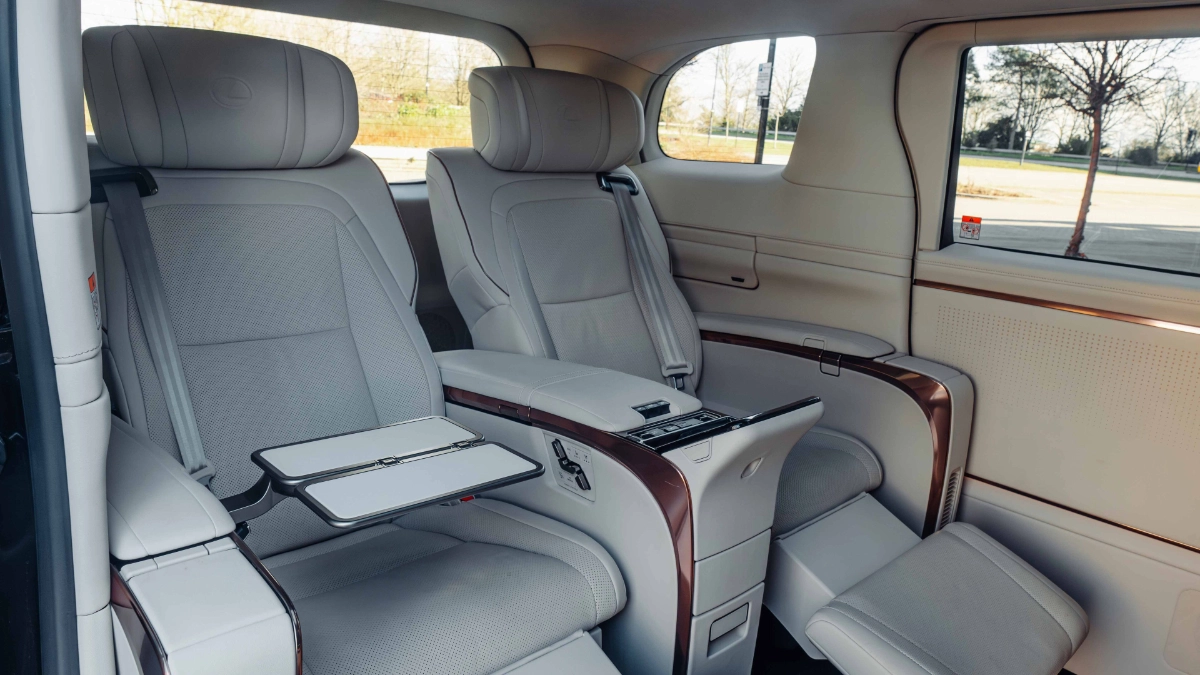
But it is of better quality than the Mega in terms of fit and finish, even though the outside is much less radical and more Alphard with a mask on. The biggest fly in the Lexus ointment? It starts at P7.158 million and runs to P10.718 million for the four-seater you see here. That’s a lot of money for a family car, and probably lends itself more to the VIP transport side of things.
So, where do we stand? Well, old money might still prefer its luxury cars in sedan form or with a sedan shape, but there’s a lot to be said for embracing a vehicle that’s very, very good at a specific purpose. And the Li Auto Mega, and other Chinese luxe MPVs from the likes of Zeekr and Denza, are exceptional at family-style luxury. Embrace the niche—weird electric MPVs for the win.
NOTE: This story first appeared on TopGear.com. Minor edits have been made.